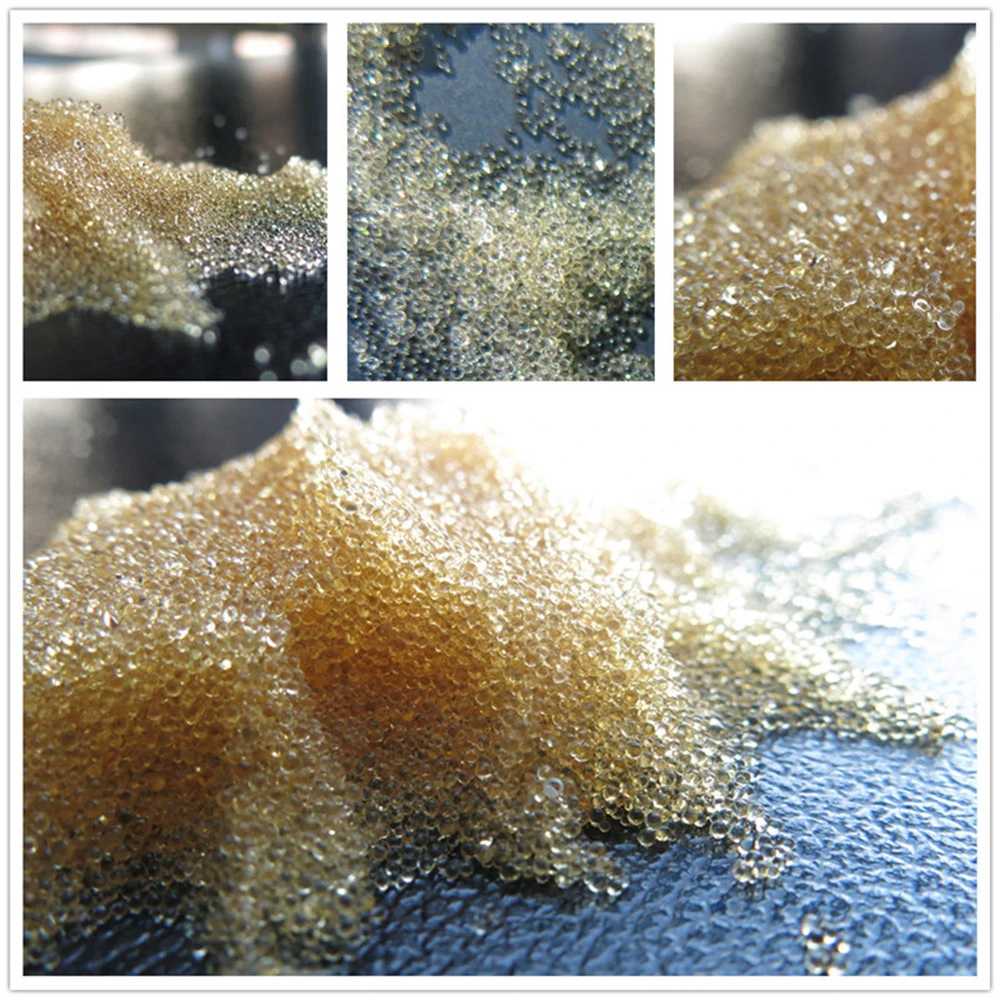
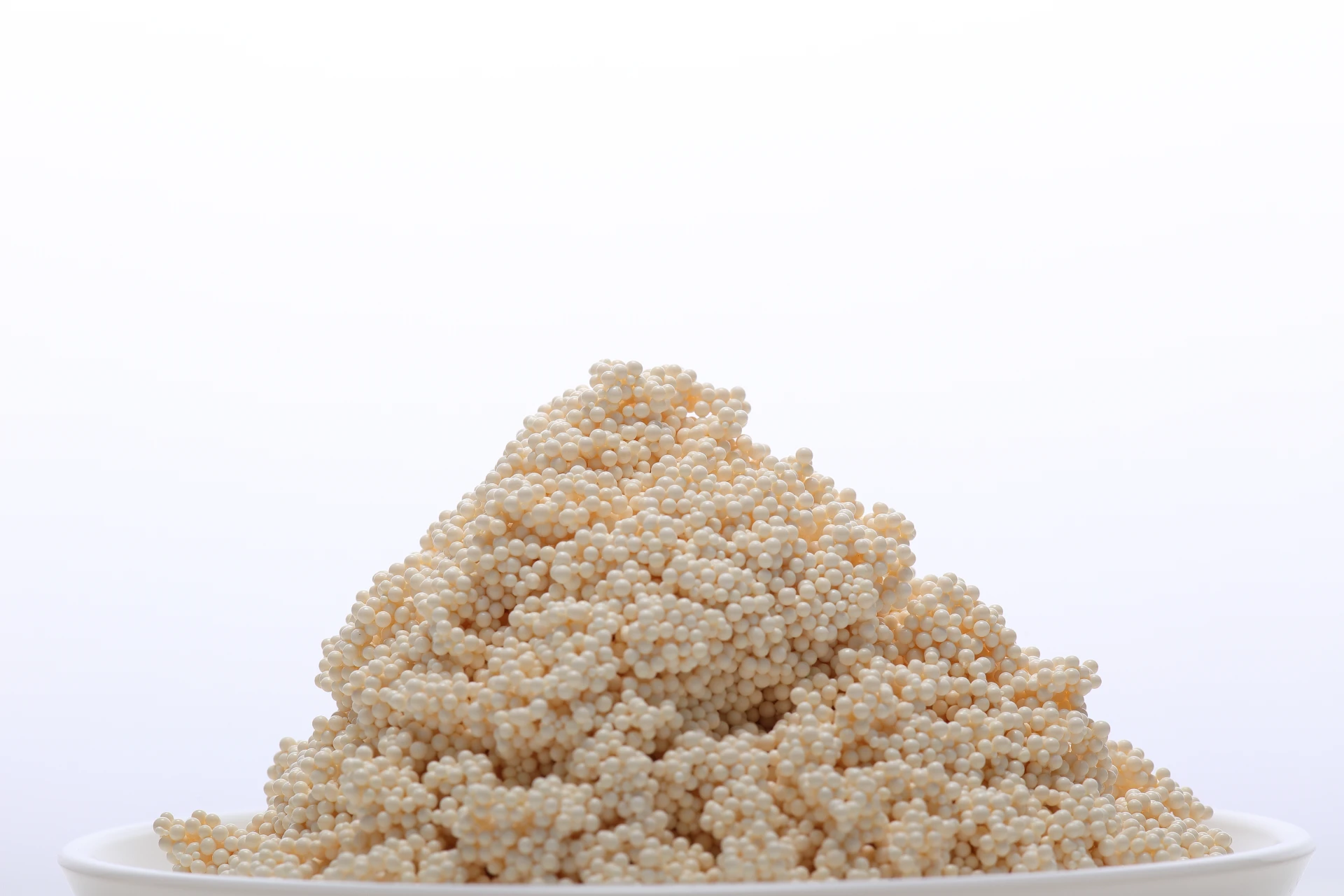
High-Performance chelating resin Solutions for Kyrgyzstan

Advanced ion exchange technology tailored for the unique mineral profiles and industrial requirements of the Kyrgyz Republic.

High-Performance chelating resin Solutions for Kyrgyzstan

Providing cutting-edge synthetic material solutions to optimize water treatment and mineral extraction across the Kyrgyz industrial landscape.

Current Status of Resin Application in Kyrgyzstan

Analyzing the intersection of geographic mineral wealth and industrial water purification needs.

Kyrgyzstan's industrial sector, heavily reliant on mining and hydroelectric power, faces significant challenges due to the high mineral content of its natural water sources. The adoption of ion exchange resin has become critical for removing hardness and heavy metals from process water in the Chuy and Issyk-Kul regions.

The harsh continental climate, with extreme temperature fluctuations, puts immense physical stress on chemical materials. Traditional resins often suffer from premature degradation, leading to a growing demand for high-durability bed resin that can maintain structural integrity during rigorous regeneration cycles.

Currently, the market is transitioning from basic softening agents to sophisticated special resin types capable of selective ion removal. This shift is driven by stricter environmental regulations and the need for higher purity in gold and antimony mining processing.
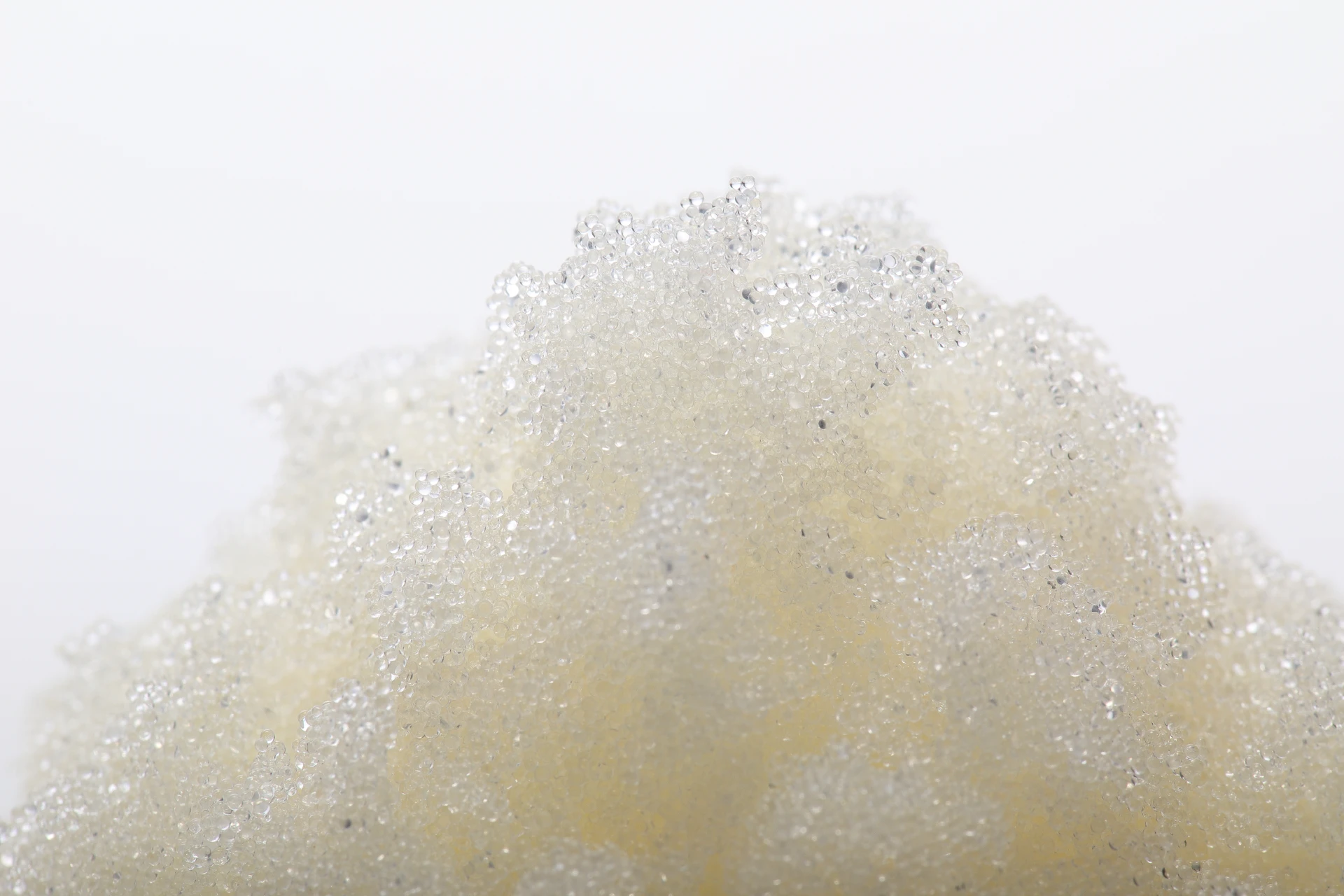
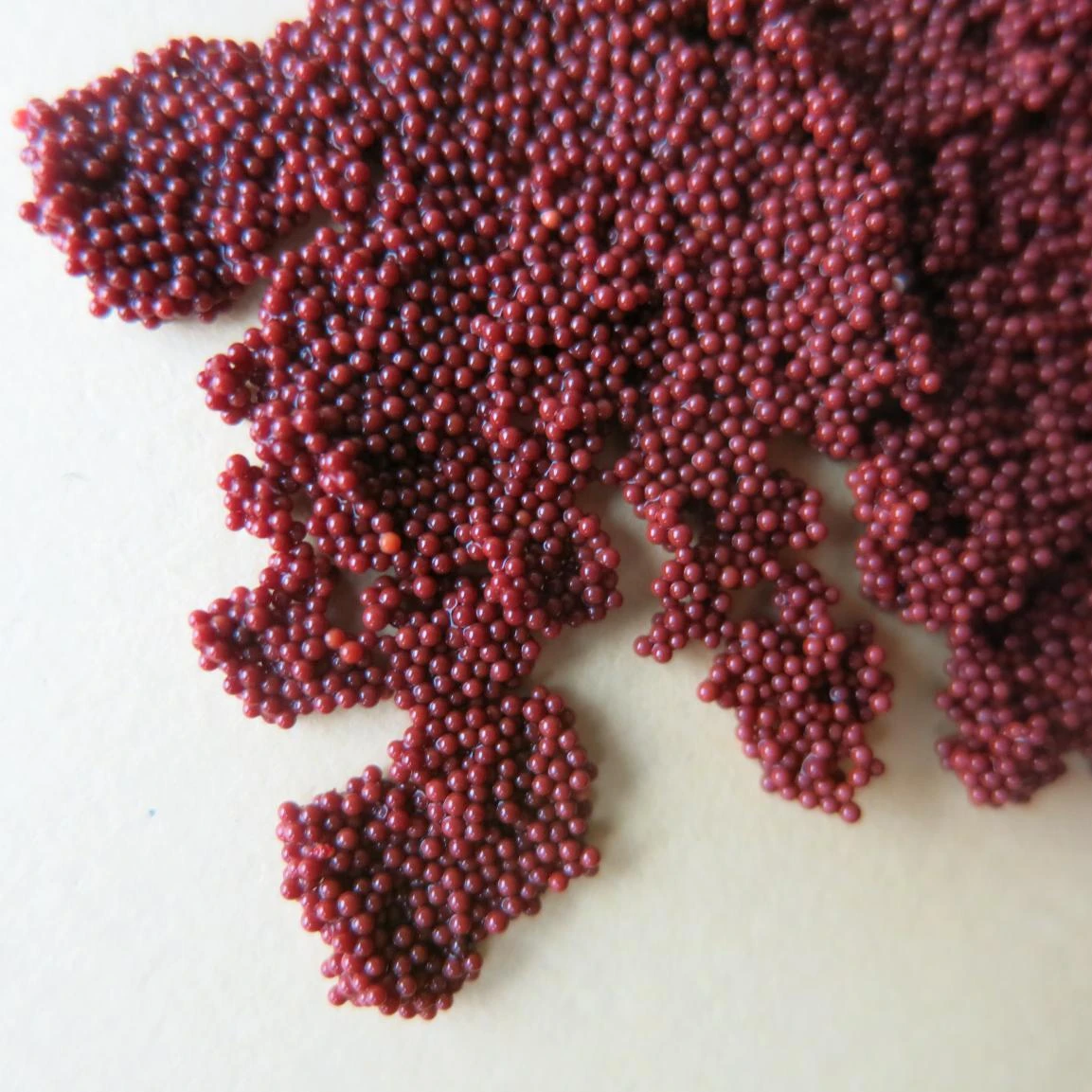
Evolution and Trajectory of Resin Technology

From basic filtration to high-precision molecular selectivity.

Market Development History

In the early 2000s, the Kyrgyz market relied primarily on imported basic cation and anion resins for simple water softening, focusing on volume rather than selectivity.

Between 2010 and 2020, there was a noticeable shift toward mixed bed di resin technology. This allowed industrial plants to achieve the ultra-pure water quality required for precision boiler feed and pharmaceutical production.

Since 2021, the integration of chelating functional groups has revolutionized the mining sector, allowing for the efficient recovery of precious metals from complex leach solutions.

Future Development Trends

Eco-Friendly Regeneration

A move toward biodegradable regenerants to reduce the salt load in Kyrgyzstan's fragile mountain ecosystems.

Nano-Composite Structures

Integration of nano-materials into the resin matrix to increase exchange capacity and kinetic speed.

Smart Monitoring Integration

Combining resin beds with IoT sensors to predict exhaustion points and automate regeneration cycles.

Industrial Trends and Future Outlook

Strategic directions for synthetic materials in Central Asian chemical manufacturing.

Selective Metal Recovery
Increasing use of specialized resins for the selective extraction of rare earth elements from tailings.
Wastewater Zero-Liquid Discharge
Implementing advanced resin loops to recover water and salts in textile and chemical plants.
Ultra-Pure Water Demands
Growth in electronics and high-end lab equipment requiring mixed bed di resin.
High-Capacity Matrices
Developing polymers with increased exchange sites to reduce the frequency of regeneration.

Industry Outlook

Over the next 3-5 years, Google search trends for "industrial water treatment Central Asia" indicate a surge in demand for sustainable and low-energy chemical processes. Kyrgyzstan is expected to pivot toward circular economy models where waste streams are treated as resource mines.

The adoption of advanced synthetic materials will be the catalyst for this change, moving the industry from generic purification to precision molecular separation, ensuring both economic viability and environmental protection.

Localized Application Scenarios in Kyrgyzstan

Real-world implementations for diverse Kyrgyz industrial needs.

01. Gold Mining Process Water Purification

Utilizing specialized resins to recover gold and silver from cyanide leach solutions in the Kumtor region, maximizing recovery rates and reducing chemical waste.

02. Municipal Water Softening in Bishkek

Applying large-scale ion exchange systems to tackle the hardness of urban water supplies, preventing scale buildup in city heating networks.

03. Hydroelectric Power Plant Boiler Feed

Implementing high-purity systems using mixed bed di resin to ensure turbine longevity by removing all conductive ions.

04. Agricultural Irrigation Salt Removal

Deploying tailored bed resins to treat saline groundwater for high-value crop irrigation in the Fergana Valley.

05. Pharmaceutical Grade Water Production

Using a multi-stage resin approach to meet international pharmacopeia standards for water used in medicine manufacturing within the capital.

Brand Story

Global Development Journey of Hebei Lijiang Biotech Co., Ltd.

The Foundation of Innovation

Started with a mission to solve the inefficiency of early synthetic resins, focusing on polymer stability and pore structure optimization.

Expansion into Specialty Materials

Developed the first generation of selective chelating resins to address the global demand for heavy metal recovery in mining.

Global Quality Certification

Achieved international standards in quality management, ensuring our resins meet the stringent needs of global water treatment projects.

Central Asian Market Entry

Tailored our product line specifically for the mineral-heavy waters of the Silk Road region, including the Kyrgyz Republic.

Vision for a Sustainable Future

Now leading the charge in green resin technology, minimizing the environmental footprint of industrial ion exchange.

Comprehensive Resin Portfolio for Kyrgyzstan

A full suite of synthetic materials designed for extreme environments and high-selectivity needs.

Local FAQ for Ion Exchange Solutions

Expert answers to the most common technical questions in the Kyrgyz market.

How to choose the right chelating resin for gold recovery in Kyrgyzstan?

The choice depends on the leach solution's pH and the presence of competing ions. We recommend a resin with high gold selectivity and strong mechanical resistance to withstand the high-pressure flow typical of mining operations.

What is the lifespan of a mixed bed di resin in high-hardness water?

Lifespan varies by regeneration frequency and water quality. Using a high-quality pretreatment stage can extend the life of the resin by 30-50%, reducing operational costs.

Can special resin handle temperature swings in mountain regions?

Yes, our specialized synthetic resins are engineered with enhanced cross-linking to prevent osmotic shock and thermal degradation common in continental climates.

How often should a bed resin be regenerated for municipal use?

Regeneration frequency is determined by the total dissolved solids (TDS) of the influent water. Automated monitoring is recommended to ensure constant water softness.

What is the difference between standard ion exchange resin and chelating types?

Standard resins exchange ions based on charge, while chelating resins form coordinate bonds with specific metal ions, allowing for extreme selectivity in complex mixtures.

Are your resins compatible with Kyrgyzstan's environmental laws?

Absolutely. Our products are manufactured to meet global environmental standards, ensuring that the regeneration waste can be managed safely according to local regulations.

Get Expert Technical Support

Our engineers are ready to design the perfect resin system for your industrial project in Kyrgyzstan.

Contact Us Now

If you are interested in our products, you can choose to leave your information here, and we will be in touch with you shortly.