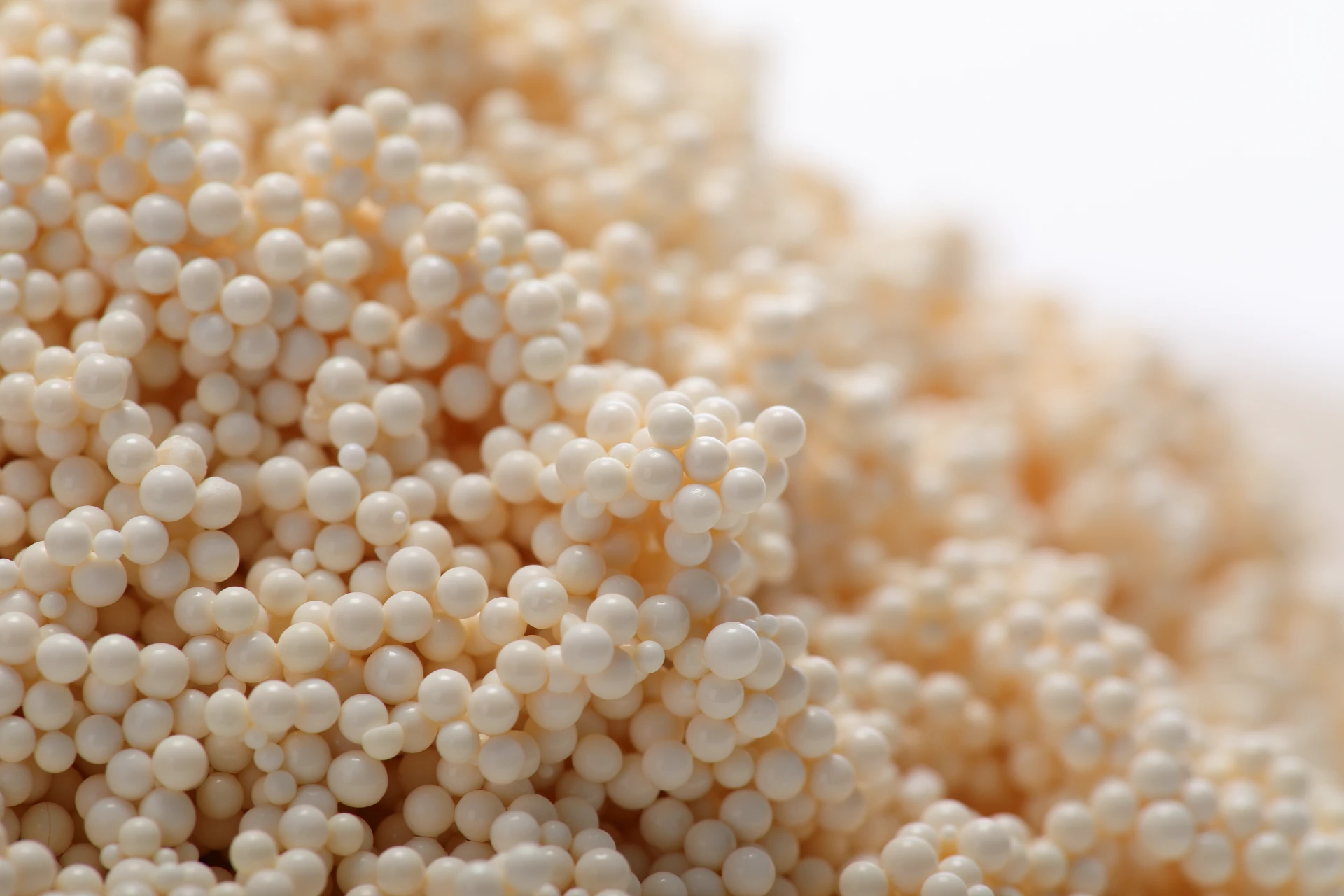
High-Performance chelating resin Solutions for Ukraine

Advanced ion exchange technology tailored for the industrial water purification and metal recovery needs of the Ukrainian manufacturing sector.

High-Performance chelating resin Solutions for Ukraine

Providing specialized polymer matrices to optimize chemical processing and water treatment efficiency across Ukraine's heavy industrial hubs.

Current State of Water Treatment in Ukraine

Analyzing the demand for high-capacity resin materials amidst industrial reconstruction.

Ukraine's chemical and metallurgical sectors are currently facing a critical need for infrastructure modernization. The reliance on legacy Soviet-era filtration systems has led to an increased demand for high-efficiency ion exchange resin to meet modern EU environmental standards.

Geographically, the varying water hardness across the Dnieper basin requires site-specific resin configurations. Industrial zones in the east and center are increasingly adopting specialized bed resin technologies to handle complex contaminant profiles resulting from heavy mineral deposits.

Despite economic challenges, there is a clear shift towards sustainable chemical manufacturing. The integration of advanced polymers is seen as a primary pathway to reduce waste discharge and improve the purity of process water in Ukrainian factories.
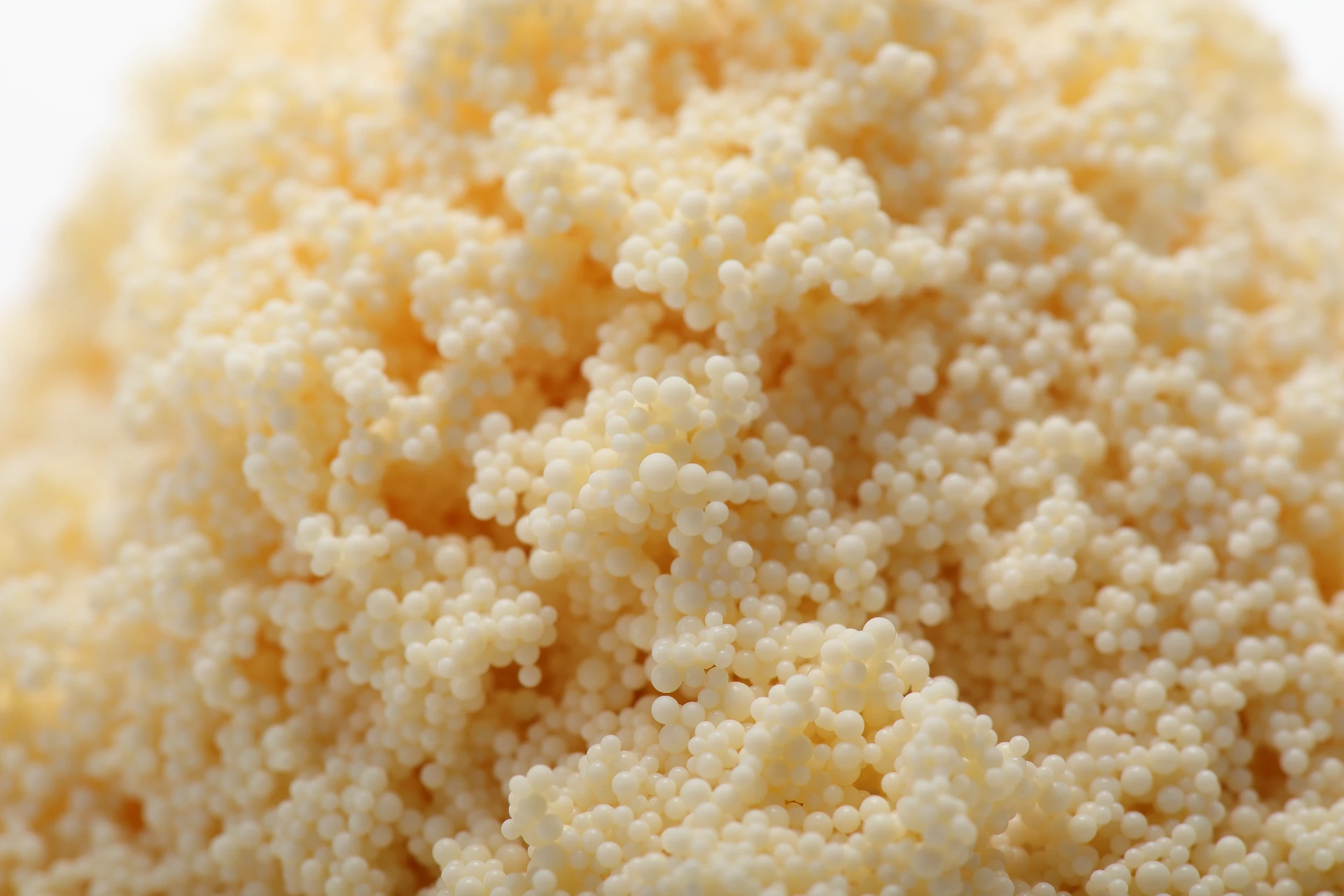
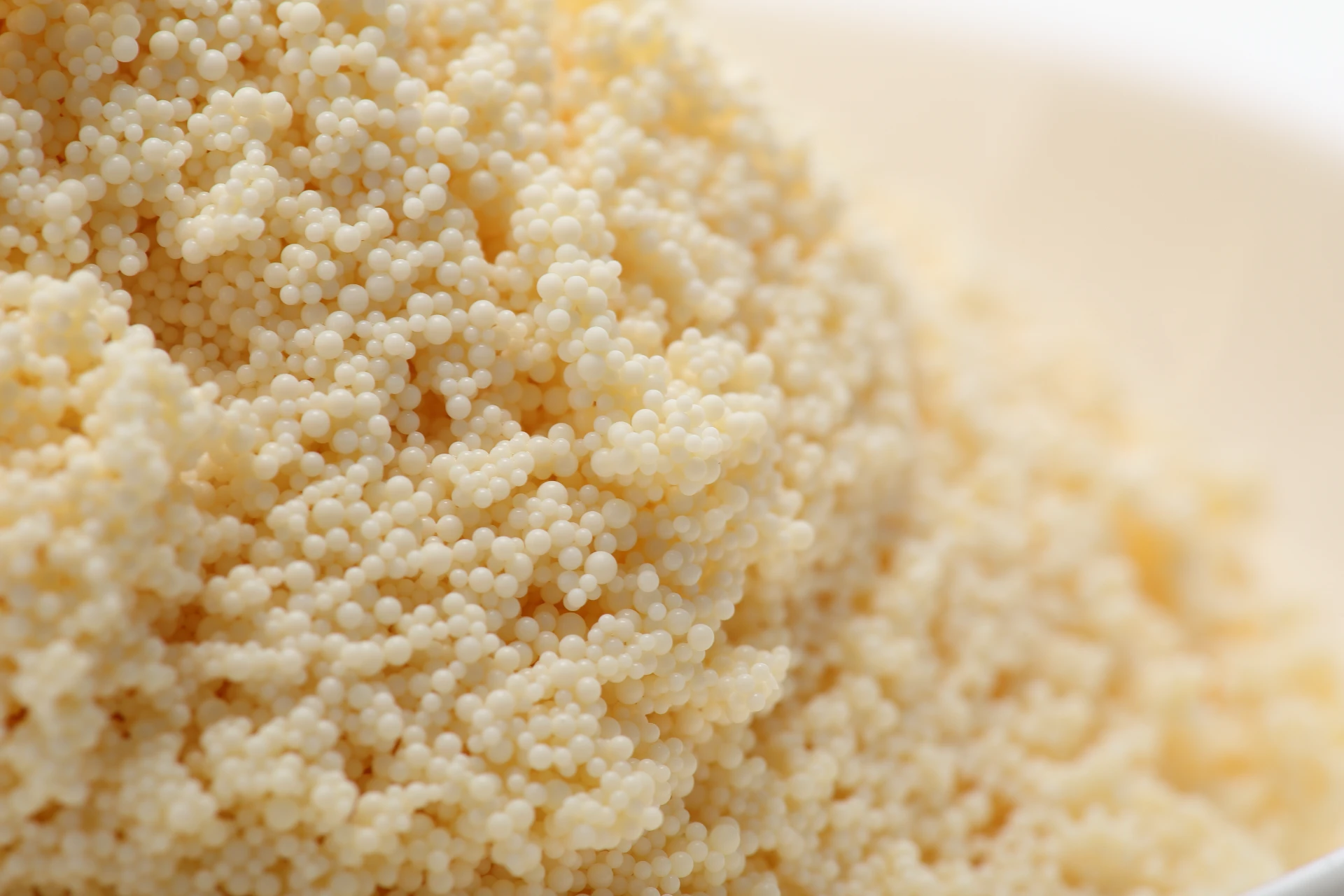
Evolution and Trajectory of Resin Technology

From basic softening to precision molecular separation.

Market Development History

During the 1970s-1990s, the Ukrainian market was dominated by generic strong-acid cation resins focused primarily on bulk water softening for power plants.

Entering the 2000s, the transition toward the "Mixed Bed" era began, where the adoption of mixed bed di resin allowed for the production of ultra-pure water necessary for the burgeoning pharmaceutical and electronics components sectors.

By 2015, the focus shifted toward selectivity. The introduction of special resin grades enabled the targeted removal of heavy metals, supporting the region's critical mining and smelting operations.

Future Development Trends

Green Chemistry Integration

Moving toward biodegradable matrices and regenerants to minimize the ecological footprint of the chemical industry in Eastern Europe.

AI-Driven Regeneration Cycles

Implementing smart sensors to optimize the regeneration frequency of resins, reducing chemical consumption by up to 20%.

High-Selectivity Nanocomposites

Development of resins with tailored pore sizes for the recovery of rare earth elements from industrial tailings.

Industry Trends and Future Outlook

Strategic forecasts for synthetic material applications in Ukraine.

EU Regulatory Alignment
Accelerated adoption of REACH-compliant resins to facilitate export trade with the European Union.
Water Scarcity Mitigation
Focus on high-regeneration resins to enable closed-loop water recycling in drought-prone regions.
Metal Recovery Focus
Increased use of chelating matrices for recovering precious metals from industrial effluent.
Energy-Efficient Processing
Development of low-pressure drop resins to reduce pumping costs in large-scale plants.

Industry Outlook

Based on Google search trends for "industrial water treatment" in Ukraine, there is a growing interest in sustainable and modular resin systems. The move toward decentralized treatment plants is expected to peak within 3-5 years.

We anticipate a surge in demand for high-selectivity resins as Ukraine integrates further into the global value chain, requiring more stringent purity levels for chemical exports.

Localized Application Scenarios in Ukraine

Real-world deployments of synthetic resins across key Ukrainian sectors.

1. Dnipro Metallurgical Plant Water Recovery

Utilization of high-capacity resins for the removal of iron and aluminum ions from cooling water, preventing scale build-up in massive heat exchangers.

2. Kyiv Pharmaceutical Pure Water Systems

Implementation of mixed bed di resin to ensure the absolute absence of ionic impurities in sterile water for injectable medicines.

3. Donbas Mining Effluent Treatment

Deployment of specialized chelating agents to capture toxic heavy metals from mine drainage water before discharge into local river systems.

4. Lviv Food & Beverage Processing

Using standard softening resins to stabilize water quality for beverage production, ensuring consistent taste and product longevity.

5. Odessa Port Chemical Filtration

Application of organic-scavenging resins to remove oils and surfactants from seawater intake used in industrial processing plants.

Brand Story

Global Development History of Hebei Lijiang Biotech Co., Ltd.

Foundational Innovation

Established with a mission to solve the inefficiency of traditional water softening, focusing on high-stability polymer research.

Technological Breakthrough

Developed a proprietary cross-linking method that significantly increased the life cycle of industrial resins in harsh environments.

Global Expansion

Expanded operations into the European market, tailoring solutions for the unique mineral profiles of the Eastern European region.

Sustainability Leadership

Pioneered the "Zero-Waste Regeneration" initiative, helping clients reduce chemical sludge by 30%.

Future Vision

Aiming to become the global leader in specialty ion exchange, driving the world toward a cleaner, water-secure future.

Comprehensive Resin Portfolio for the Ukrainian Market

A full suite of synthetic materials designed for maximum durability and efficiency.

Common Questions for Ukraine Industrial Users

Technical guidance and support for resin implementation.

How to choose the right ion exchange resin for high-mineral water in Ukraine?

We recommend a detailed water analysis first. For high hardness, a strong acid cation resin is best, whereas for targeted metal removal, a chelating resin is more effective.

What is the average lifespan of a mixed bed di resin in a pharmaceutical plant?

Depending on the influent quality and regeneration frequency, our resins typically last 3-5 years before capacity loss becomes significant.

Can special resin be used for gold recovery in Ukrainian mining?

Yes, our specialized resins are engineered with high affinity for precious metals, allowing for efficient recovery from low-concentration leach solutions.

How do I prevent fouling in my industrial bed resin systems?

Implementing a pre-filtration stage to remove suspended solids and periodic alkaline brine washes is the most effective way to prevent organic fouling.

What are the regeneration requirements for chelating resins?

Chelating resins usually require a strong acid for stripping the captured metals, followed by a caustic soda rinse for neutralization.

Are these resins compatible with EU environmental directives?

Absolutely. All our synthetic materials are manufactured to meet strict international safety and environmental standards, including REACH.

Get Expert Resin Advice

Our technical team is ready to optimize your water treatment process in Ukraine. Contact us for a custom resin configuration today.

Contact Us Now

If you are interested in our products, you can choose to leave your information here, and we will be in touch with you shortly.