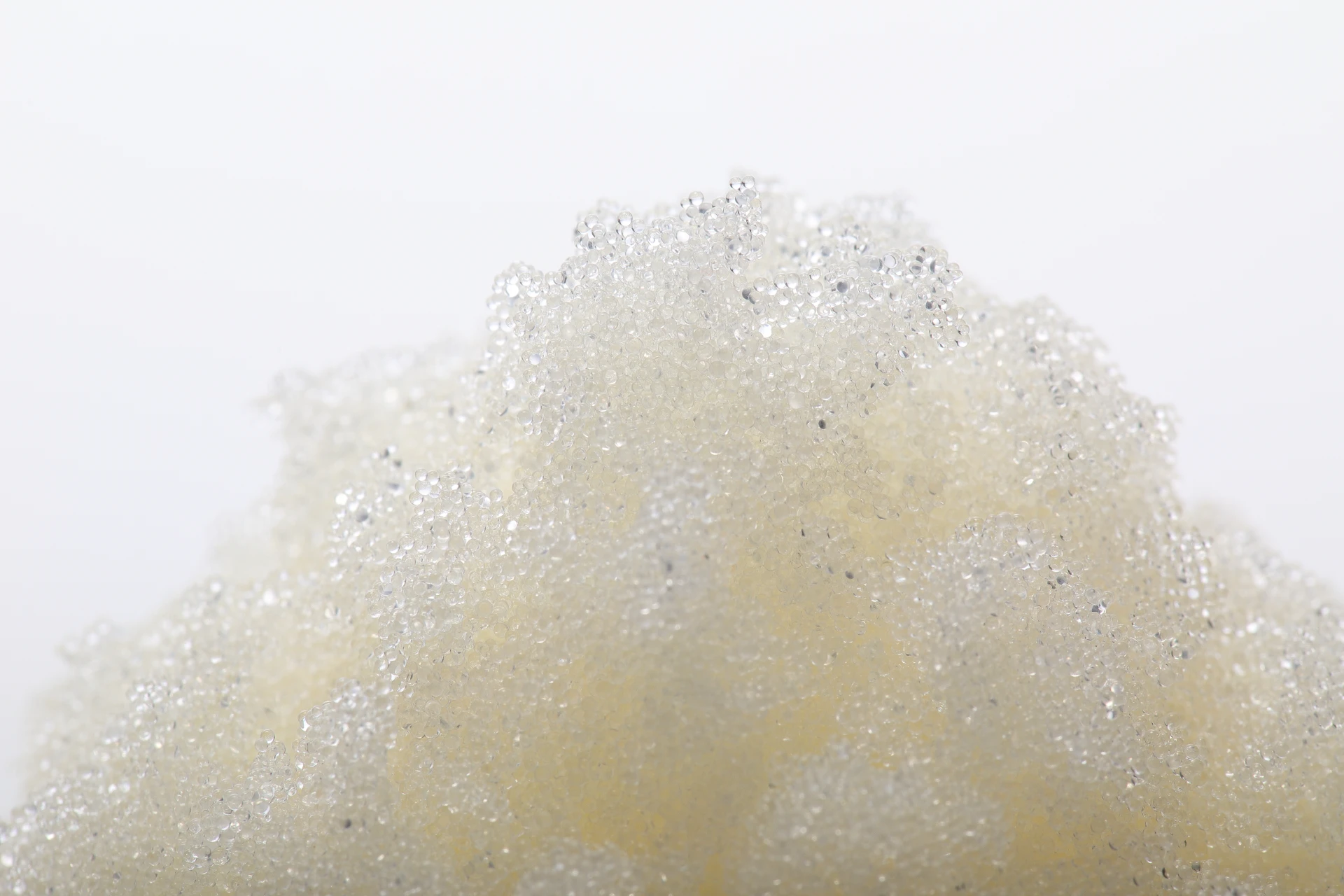
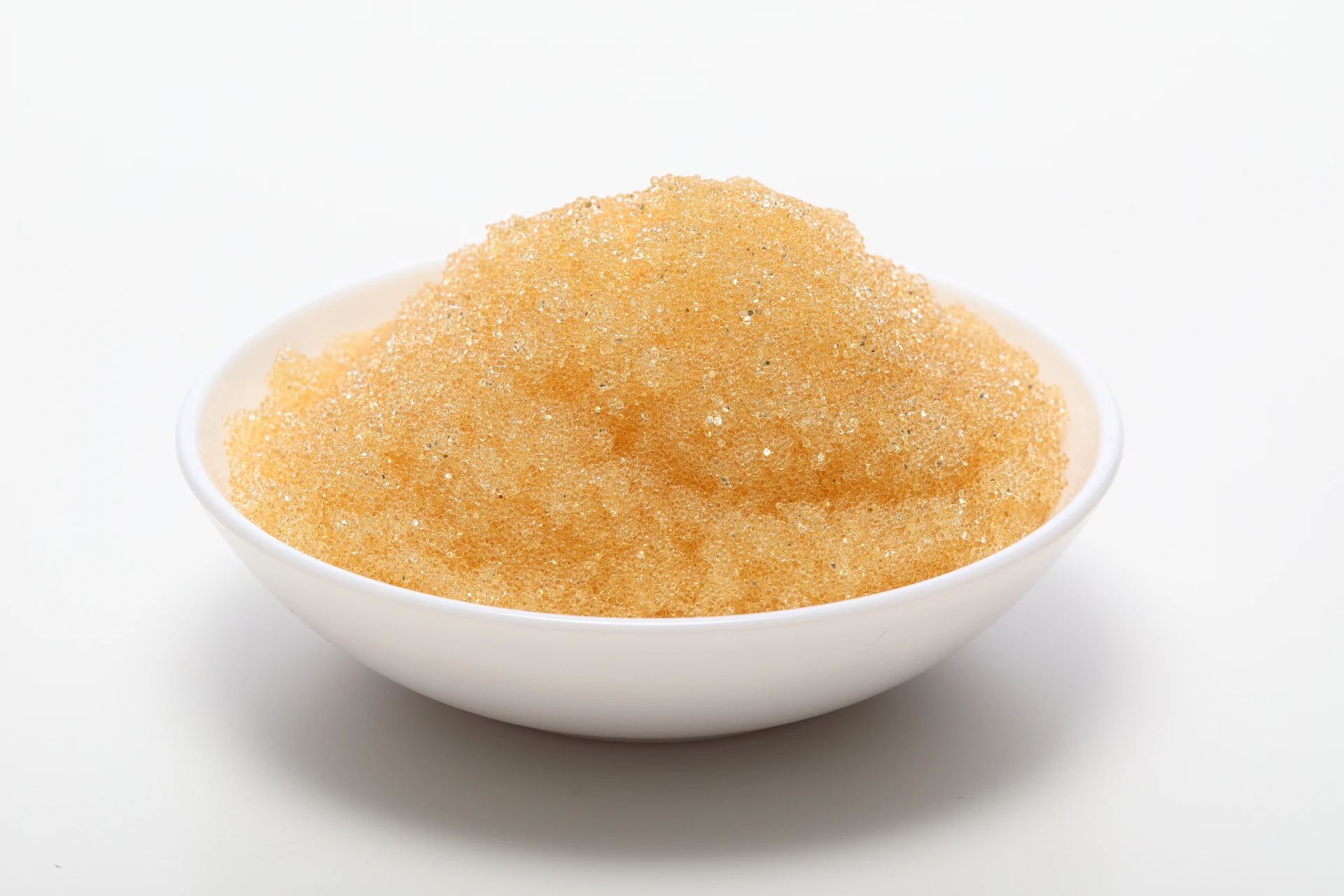
High-Performance chelating resin Solutions for Venezuela's Industrial Sector

Advanced chemical separation and purification technologies tailored for the unique water chemistry and industrial demands of the Venezuelan market.

High-Performance chelating resin Solutions for Venezuela's Industrial Sector

Providing precision-engineered synthetic materials to optimize ion exchange processes across Venezuela's mining, oil, and water treatment facilities.

Current State of Ion Exchange Industry in Venezuela

Analyzing the intersection of environmental challenges and industrial requirements in South America.

Venezuela's industrial landscape is heavily dominated by the petrochemical and mining sectors, where the demand for high-purity water and metal recovery is critical. The prevalence of hard water in several regions necessitates the robust application of ion exchange resin to prevent scaling in massive boiler systems and heat exchangers.

Economic fluctuations and logistical hurdles have historically led to a reliance on legacy systems. However, there is a growing shift toward adopting special resin grades that can handle the complex contaminant profiles found in Venezuelan groundwater, which often contains high concentrations of dissolved minerals and organic pollutants.

Current operational priorities in the region are shifting toward sustainability. Industries are increasingly seeking resins that offer longer life cycles and higher regeneration efficiency to reduce chemical waste and operational costs amidst supply chain volatility.
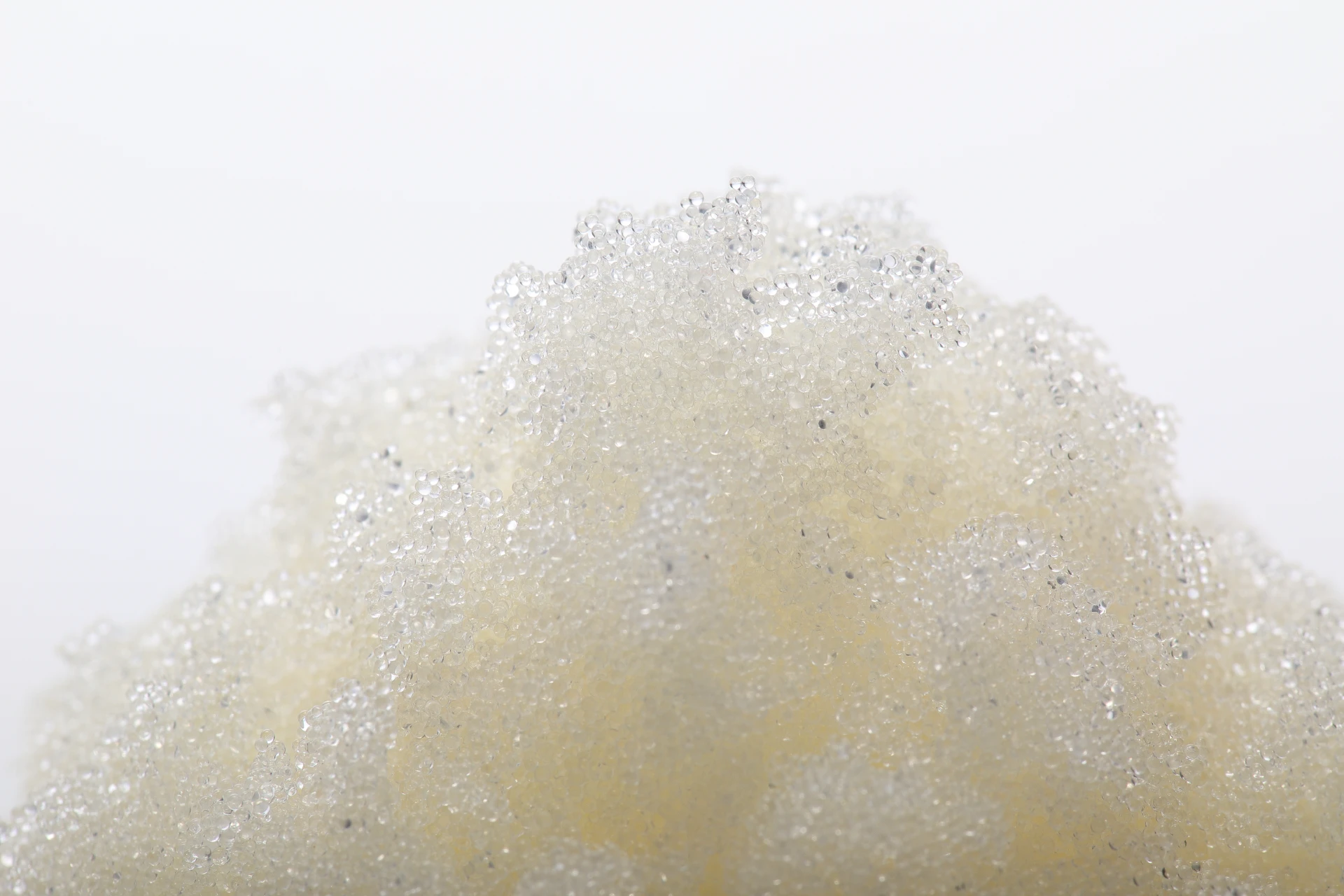
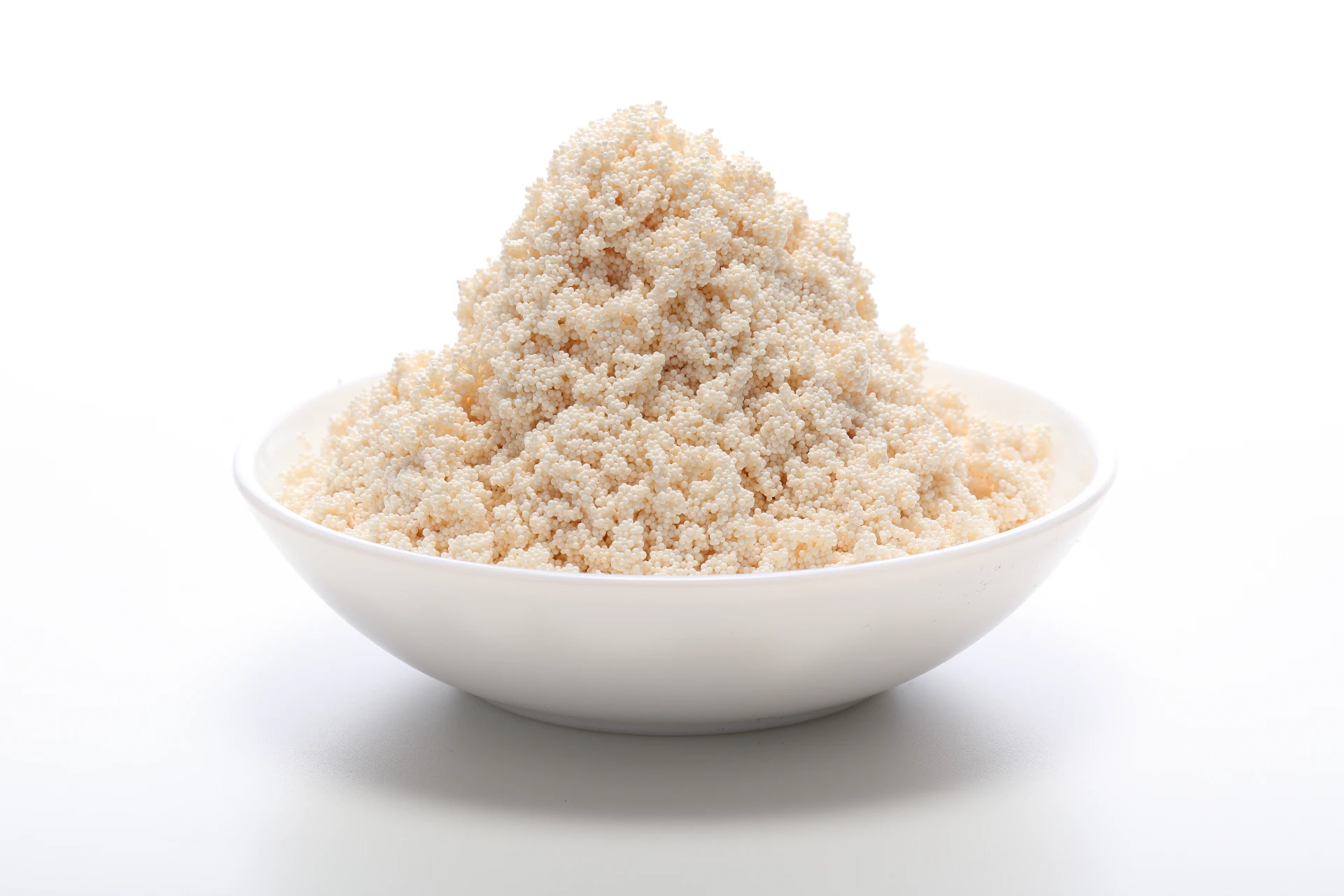
Evolution and Trajectory of Resin Technology

From basic softening to advanced selective molecular separation.

Market Development History

In the 1980s and 90s, the Venezuelan market primarily utilized standard strong acid cation and base anion resins for basic water softening and desalination. These early installations focused on volume rather than selectivity.

By the mid-2000s, the technical requirement evolved toward ultra-pure water production for the electronics and pharmaceutical sectors, leading to the widespread adoption of mixed bed di resin to achieve resistivity levels required for high-precision manufacturing.

From 2015 to the present, the focus has shifted toward "Targeted Recovery." The industry has transitioned from general-purpose materials to highly selective bed resin configurations designed for the recovery of precious metals and the removal of toxic heavy metals from industrial effluents.

Future Development Trends

Eco-Friendly Regeneration Cycles

Moving toward biodegradable regenerants and reduced salt consumption to meet stricter South American environmental regulations.

Hybrid Ion-Exchange Membranes

Integration of resin beads into membrane structures to combine the selectivity of resins with the efficiency of reverse osmosis.

AI-Driven Load Monitoring

Using IoT sensors to predict resin exhaustion points, optimizing the timing for regeneration in large-scale Venezuelan plants.

Industry Trends and Future Outlook

Predicting the next 5 years of synthetic material evolution in the chemical sector.

Selective Metal Extraction
Increasing demand for resins that can selectively capture lithium and cobalt from complex ores in Venezuela.
Waste Water Valorization
Transforming industrial waste into resource streams through advanced resin recovery techniques.
High-Temperature Stability
Developing matrices that resist thermal degradation in high-temperature petrochemical processes.
Circular Economy Integration
Developing resins that are fully recyclable at the end of their operational lifespan.

Industry Outlook

Based on search trend analysis for the region, there is a significant spike in queries regarding "industrial water purification" and "selective ion capture." This suggests that Venezuelan industries are moving away from general softening and toward high-specificity chemical processing.

The next 3-5 years will likely see the emergence of customized resin blends tailored to specific local water compositions, reducing the need for expensive pre-treatment stages and increasing overall plant efficiency.

Localized Application Scenarios in Venezuela

Real-world implementation of ion exchange technologies in the Venezuelan landscape.

01. Oil Refinery Process Water Treatment

Utilizing high-capacity resins to remove organic acids and salts from boiler feed water in the Orinoco Belt refineries, preventing corrosion and improving thermal efficiency.

02. Heavy Metal Recovery in Mining

Implementing selective capture systems in the Guayana region to extract gold and copper from leaching solutions, maximizing yield and minimizing environmental impact.

03. Municipal Desalination Plants

Using advanced softening stages in coastal cities to treat brackish water, ensuring a stable supply of potable water for urban populations.

04. Pharmaceutical Grade Water Production

Applying ultra-pure polishing stages for laboratories in Caracas to meet international pharmacopeia standards for water quality.

05. Agricultural Runoff Purification

Using specialized resins to capture nitrates and phosphates from agricultural discharge to protect local river ecosystems in rural Venezuela.

Brand Story

Global Development History of Hebei Lijia Biological Technology Co., Ltd.

Foundational Research

Established with a focus on polymer chemistry, we began by solving basic ion exchange challenges for local water treatment plants.

Technological Breakthrough

Developed proprietary synthesis methods for high-selectivity resins, allowing for the separation of chemically similar ions in industrial streams.

Global Market Expansion

Expanded operations to South America, tailoring our product portfolio to meet the specific geological and chemical needs of the region.

Quality Certification

Achieved international ISO standards and environmental certifications, ensuring our products meet the most stringent global requirements.

Future Vision

Committing to a "Green Chemistry" philosophy, developing the next generation of fully sustainable and recyclable synthetic resins.

Comprehensive Product Portfolio for the Venezuelan Market

A full suite of chemical separation materials designed for extreme industrial environments.

Common Questions in Venezuela's Resin Industry

Expert answers to technical challenges faced by local engineers.

How do I choose the right ion exchange resin for high-salinity water in Venezuela?

The choice depends on the target ion. For general softening, strong acid cation resins are best, but for specific metal removal from brine, a chelating resin is recommended for higher selectivity.

What is the typical lifespan of a mixed bed di resin in petrochemical applications?

Lifespan varies based on water quality and regeneration frequency, but typically ranges from 3 to 5 years with proper maintenance and pre-filtration.

Can special resin be used to remove organic contaminants from industrial effluent?

Yes, macroporous resins and specific adsorbent grades are designed to remove large organic molecules and surfactants from waste streams.

How to optimize bed resin regeneration to save costs?

Implementing counter-current regeneration and precise chemical dosing based on real-time throughput monitoring can reduce chemical consumption by up to 20%.

What are the signs of resin fouling in industrial systems?

Increased pressure drop across the vessel and a rapid decrease in the length of the ion-exchange cycle are primary indicators of organic or inorganic fouling.

Are these resins compatible with the temperature ranges found in Venezuelan plants?

Our products are available in various thermal stability grades. We provide specific high-temperature resins for applications exceeding 60°C to prevent polymer degradation.

Get Expert Technical Support

Ready to optimize your chemical processes? Our specialists are available to provide custom resin formulations for your projects in Venezuela.

Contact Us Now

If you are interested in our products, you can choose to leave your information here, and we will be in touch with you shortly.