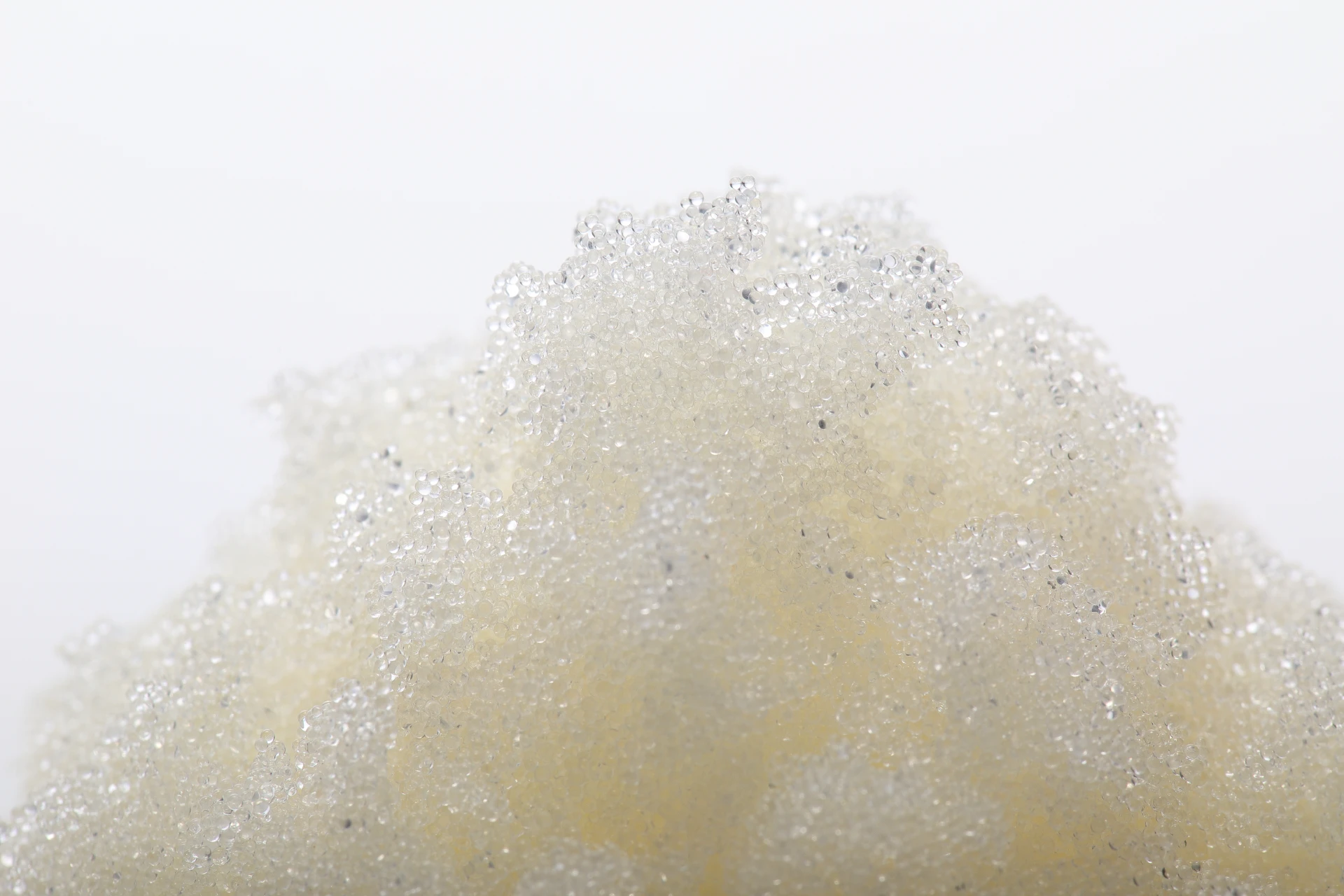
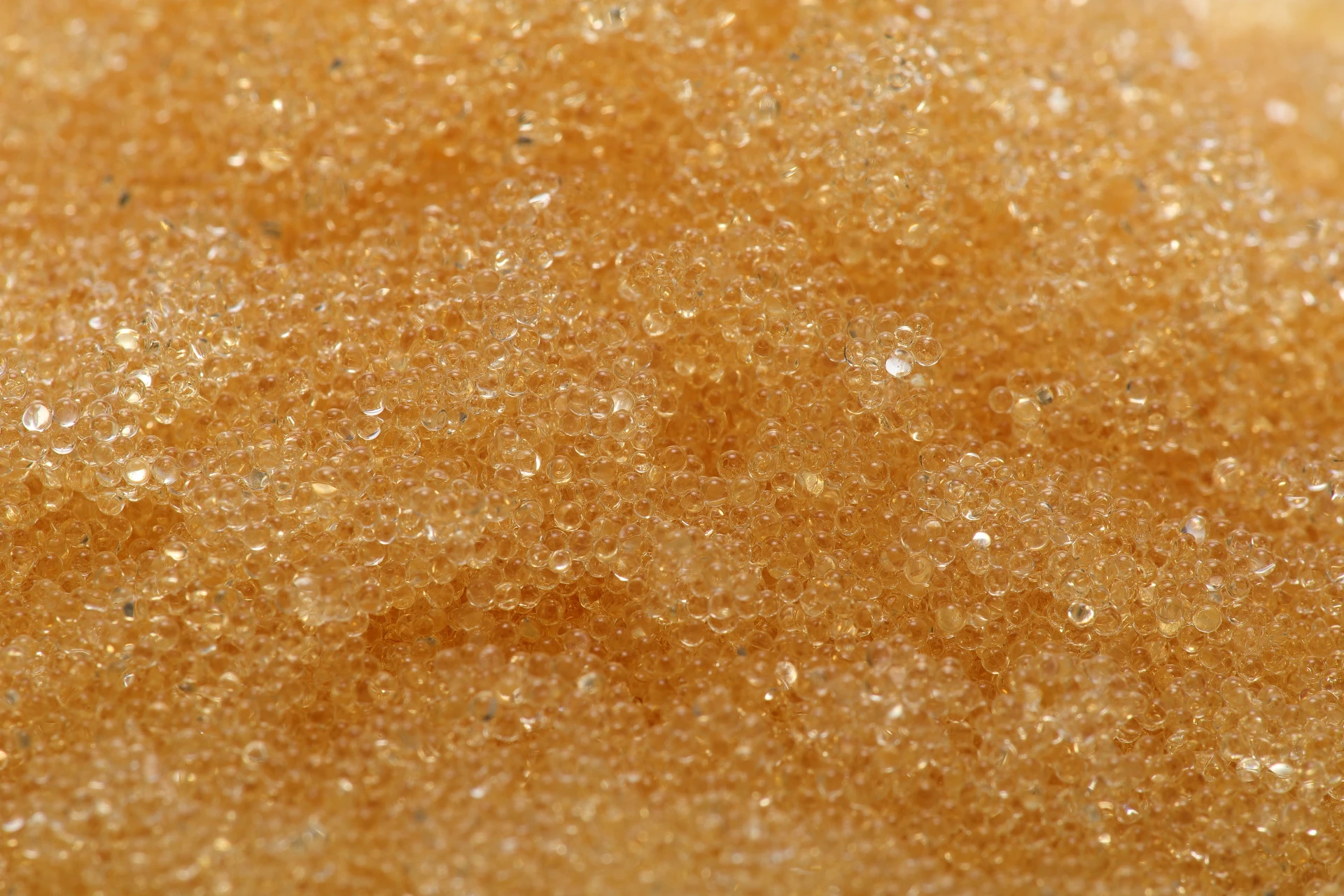
High-Precision chelating resin Solutions for Switzerland's Chemical Sector

Advanced ion exchange technology tailored for Swiss precision manufacturing, pharmaceutical purity, and sustainable water management.

High-Precision chelating resin Solutions for Switzerland's Chemical Sector

Providing the Swiss industrial landscape with state-of-the-art resins designed for selective ion removal, ultra-pure water production, and catalyst recovery.

The State of Ion Exchange Technology in Switzerland

Analyzing the synergy between Swiss environmental standards and high-performance material science.

Switzerland's chemical and pharmaceutical hub, particularly around Basel and Zurich, demands an unprecedented level of purity. The local industry relies heavily on ion exchange resin to meet stringent federal environmental regulations (FOEN), ensuring that industrial effluents are free from heavy metal contaminants before returning to the alpine water systems.

Given the country's commitment to "Green Chemistry," there is a significant shift toward the use of special resin grades that offer higher selectivity and lower regeneration frequency. This reduces the chemical footprint of the regeneration process, aligning with the Swiss goal of carbon neutrality and resource efficiency.

The economic structure of Switzerland, focused on high-value-added specialty chemicals, means that the demand has pivoted from bulk commodity resins to highly engineered bed resin systems capable of operating under extreme pressure and temperature fluctuations common in Swiss biotech labs.
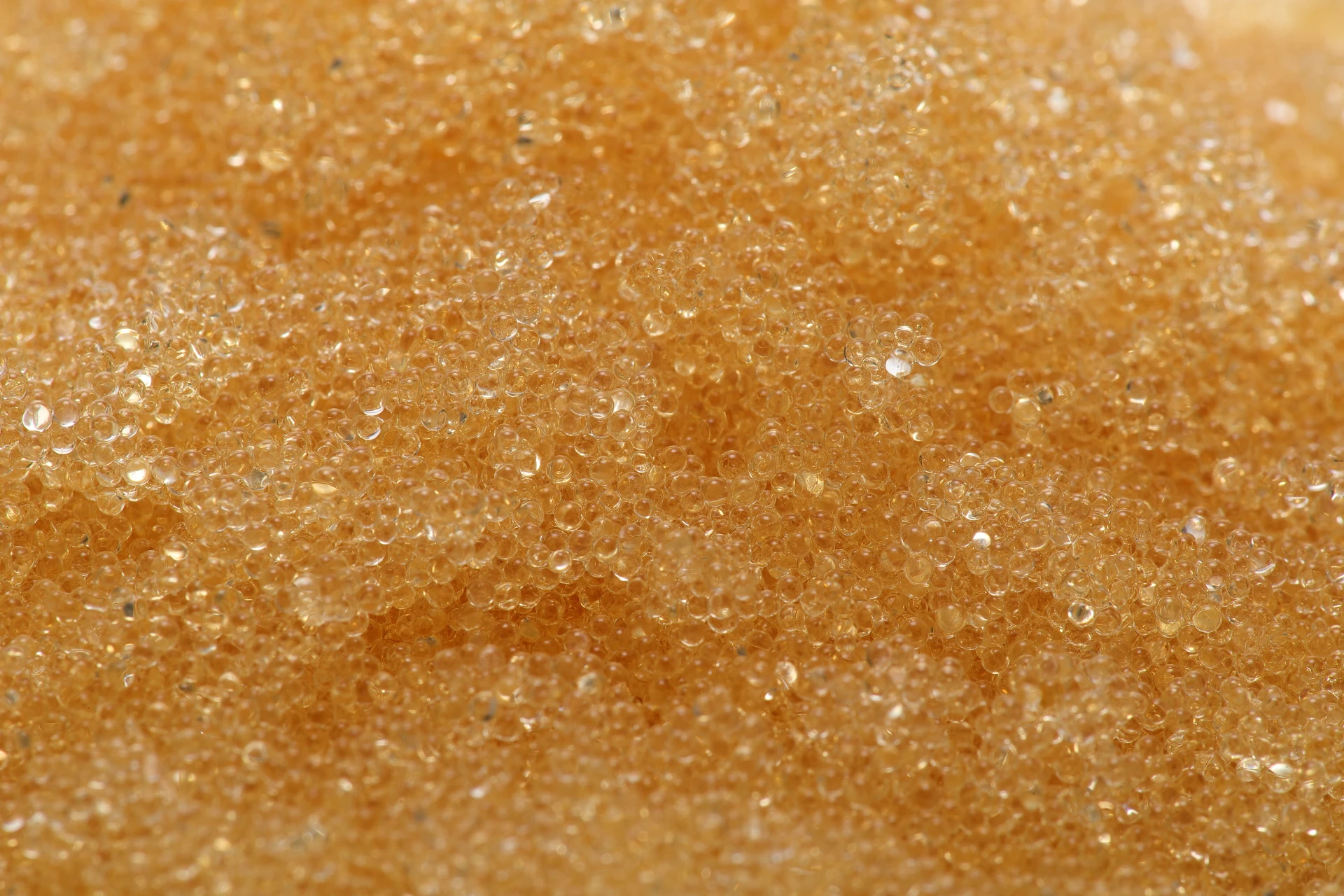
Evolution and Trajectory of Resin Manufacturing

From basic softening to molecular-level selectivity in the Swiss market.

Market Development History

In the 1980s and 90s, the Swiss market was dominated by standard softening technologies. The primary focus was on basic water hardness removal using early-generation cation resins to protect industrial boilers in the manufacturing sector.

By the early 2000s, the rise of the global pharmaceutical giant presence in Switzerland drove the adoption of mixed bed di resin technology. This era marked the transition toward "Ultra-Pure Water" (UPW) requirements for semiconductor and biotech applications.

From 2015 to the present, the focus has shifted toward "Circular Economy" models. The integration of chelating chemistries has allowed Swiss factories to recover precious metals (like Palladium and Platinum) from waste streams, turning waste treatment into a value-recovery process.

Future Development Trends

AI-Driven Regeneration Cycles

Integration of IoT sensors with resin beds to predict exhaustion points, reducing chemical waste by 20% in Swiss facilities.

Bio-Based Polymer Matrices

A move toward sustainable, biodegradable resin skeletons to replace petroleum-based styrene-divinylbenzene structures.

Ultra-Selective Rare Earth Recovery

Developing resins with specialized ligands to capture critical raw materials from industrial tailings, securing the Swiss supply chain.

Industry Trends and Future Outlook

Strategic forecasting for the synthetic materials industry in Switzerland.

Decarbonized Production
Shifting toward low-energy synthesis of resins to meet Swiss Net-Zero goals by 2050.
Precision Selectivity
Development of ligands targeting specific isotopic variants for nuclear medicine in Swiss clinics.
Zero-Liquid Discharge
Integrating resin systems into closed-loop water circuits for Alpine industrial parks.
Modular Resin Skids
Transitioning from fixed beds to flexible, modular exchange units for rapid scaling.

Industry Outlook

According to current search trend logic, there is an increasing demand in the DACH region for "selective metal capture" and "PFAS removal." We expect the next 3-5 years to see a surge in the application of specialized resins designed to target "forever chemicals" in Swiss groundwater.

Furthermore, the convergence of chemistry and digitalization will lead to "Smart Resins" that can signal their saturation level via electrical conductivity changes, allowing Swiss operators to optimize uptime and reduce chemical reagents.

Localized Application Scenarios in Switzerland

Real-world deployment of resin technology across Swiss industry sectors.

1. Basel Pharma Complex - API Purification

Using high-selectivity chelating resins to remove trace catalyst metals from Active Pharmaceutical Ingredients (APIs), ensuring compliance with European Pharmacopoeia standards.

2. Alpine Bottling Plants - Water Softening

Implementation of high-capacity bed resin systems to maintain consistent mineral profiles for premium Swiss bottled water brands.

3. Swiss Watchmaking - Electroplating Recovery

Application of specialized resins to recover gold and rhodium from polishing and plating baths in the luxury timepiece industry, reducing material waste.

4. Zurich Biotech Labs - Ultra-Pure Water

Deployment of mixed bed di resin columns to produce 18.2 MΩ·cm water for sensitive genetic sequencing and proteomics research.

5. Lake Geneva Region - Industrial Wastewater

Utilizing heavy-metal selective resins to treat chemical plant runoff, preventing the contamination of Lake Geneva's delicate ecosystem.

Brand Story

Global Development Journey of Hebei Lijia Bio-tech Co., Ltd.

Foundational Research

Established with a mission to solve the inefficiency of traditional ion exchange, focusing on the synthesis of high-stability polymer matrices.

Technological Breakthrough

Developed proprietary chelating ligands that increased metal capture rates by 30% compared to industry averages.

European Expansion

Entered the European market, tailoring resin specifications to meet the rigorous Swiss and German environmental directives.

Quality Certification

Achieved global certifications for food-grade and pharmaceutical-grade resins, enabling entry into the high-end Swiss biotech sector.

Sustainability Vision

Now pioneering the "Green Resin" initiative to ensure that the synthesis of synthetic materials contributes to a circular economy.

Comprehensive Resin Portfolio for Switzerland

A curated selection of high-performance materials for the most demanding Swiss industrial applications.

Swiss Market Frequently Asked Questions

Technical guidance for Swiss engineers and procurement specialists.

How does the mixed bed di resin impact ultra-pure water conductivity in Swiss labs?

Our mixed bed systems are designed to achieve resistivity levels of 18.2 MΩ·cm by simultaneously removing cations and anions, which is critical for Swiss pharmaceutical HPLC and LC-MS applications.

Which chelating resin is best for removing heavy metals from Swiss industrial effluent?

Depending on the target ion (e.g., Cu, Ni, or Zn), we recommend iminodiacetic acid functionalized resins which offer high selectivity even in the presence of high alkali earth metal concentrations.

Can special resin be customized for specific Swiss biotech catalysts?

Yes, we offer customized functional groups on the resin matrix to specifically target precious metal catalysts used in Swiss organic synthesis, ensuring maximum recovery rates.

What is the typical lifespan of a bed resin in a high-throughput Swiss factory?

Lifespan depends on the water chemistry, but our high-crosslinked resins are engineered to resist osmotic shock, typically lasting 3-5 years with proper regeneration protocols.

How do I choose between a standard ion exchange resin and a chelating grade?

Standard resins are for general softening or demineralization; chelating grades are used when you need to remove a specific transition metal from a solution containing other salts.

Are your resins compliant with Swiss environmental safety standards?

Absolutely. All our products are manufactured to meet REACH and local Swiss safety regulations, ensuring no hazardous leachables enter the water cycle.

Expert Consultation for Swiss Industries

Connect with our technical team to optimize your resin systems in Switzerland.

Contact Us Now

If you are interested in our products, you can choose to leave your information here, and we will be in touch with you shortly.