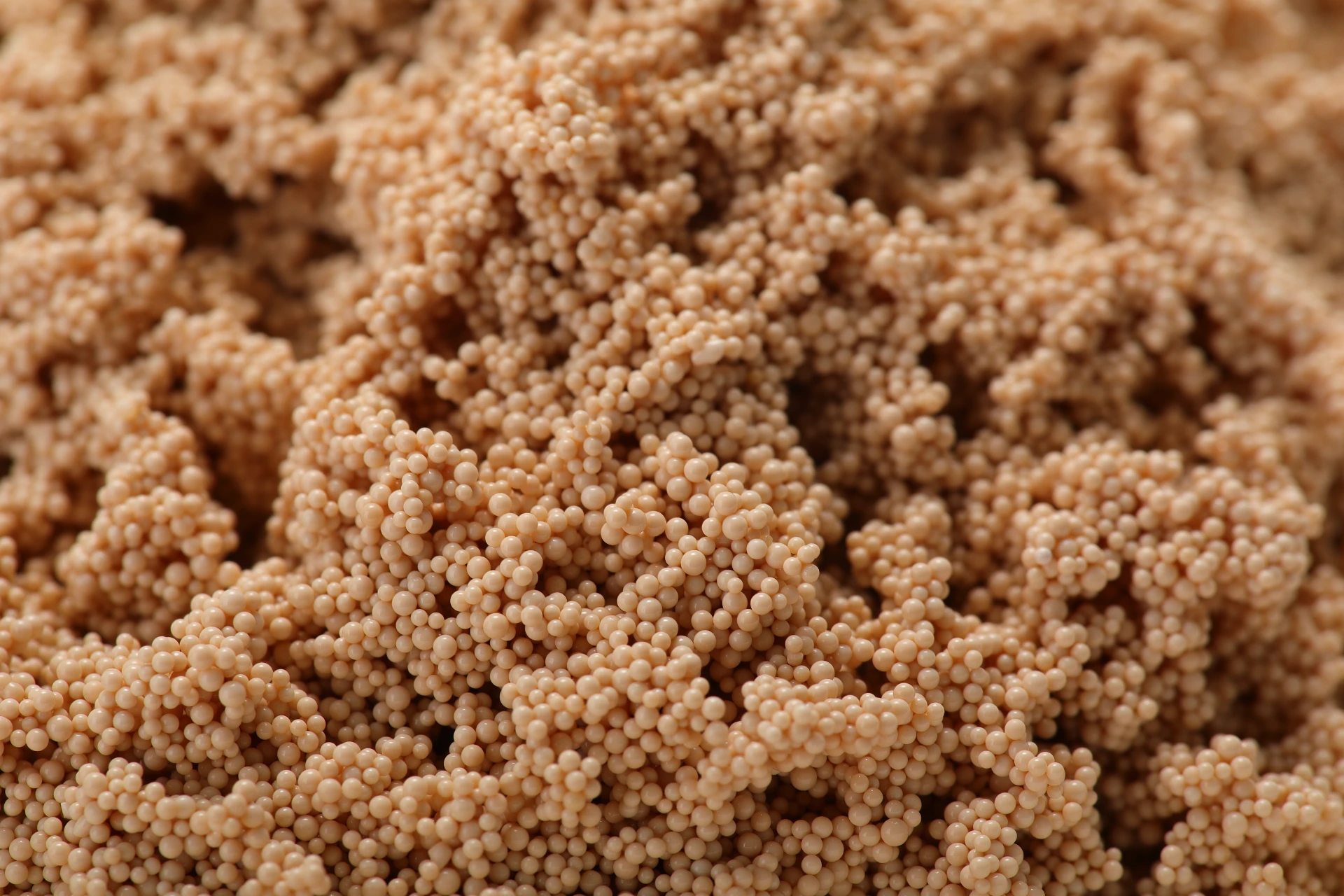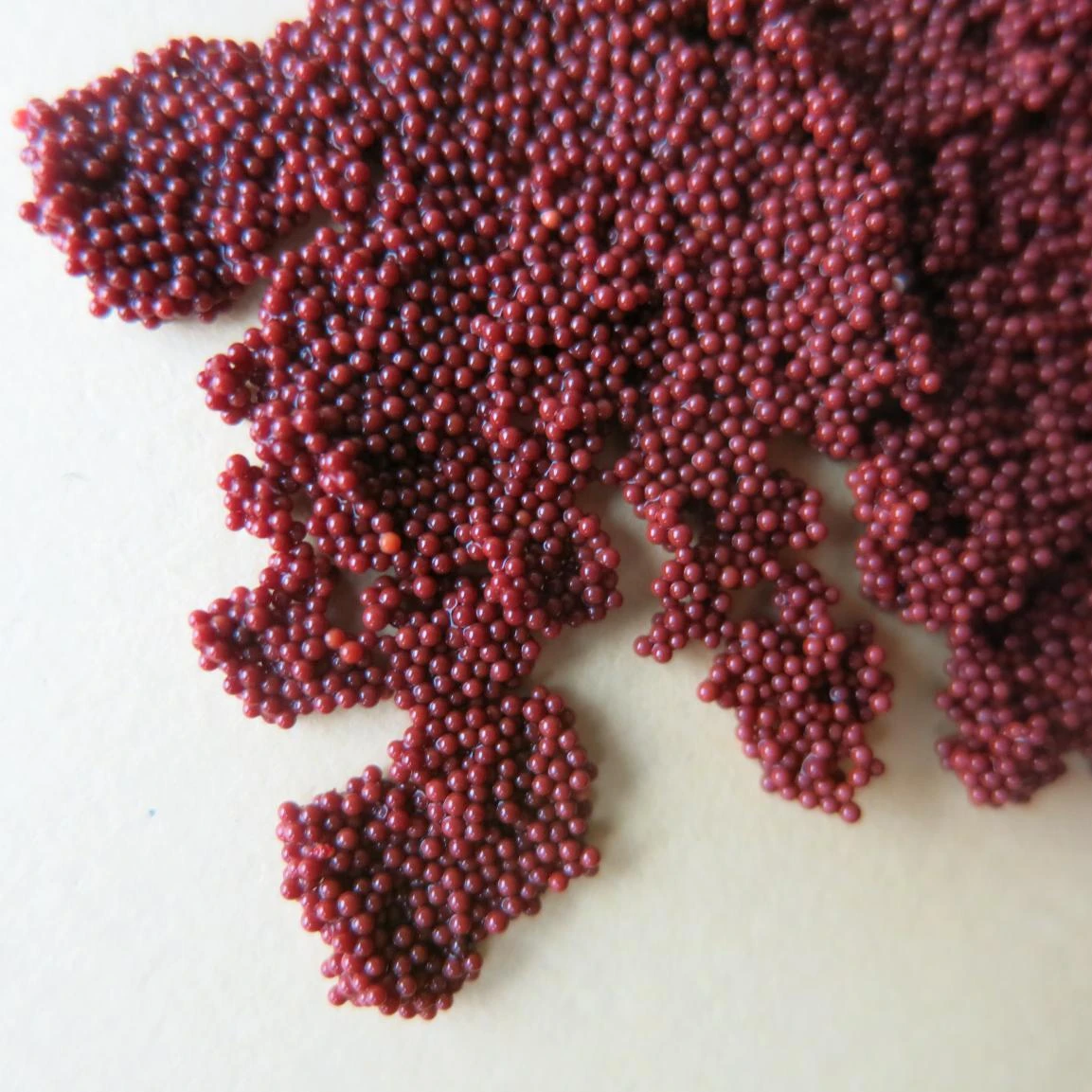
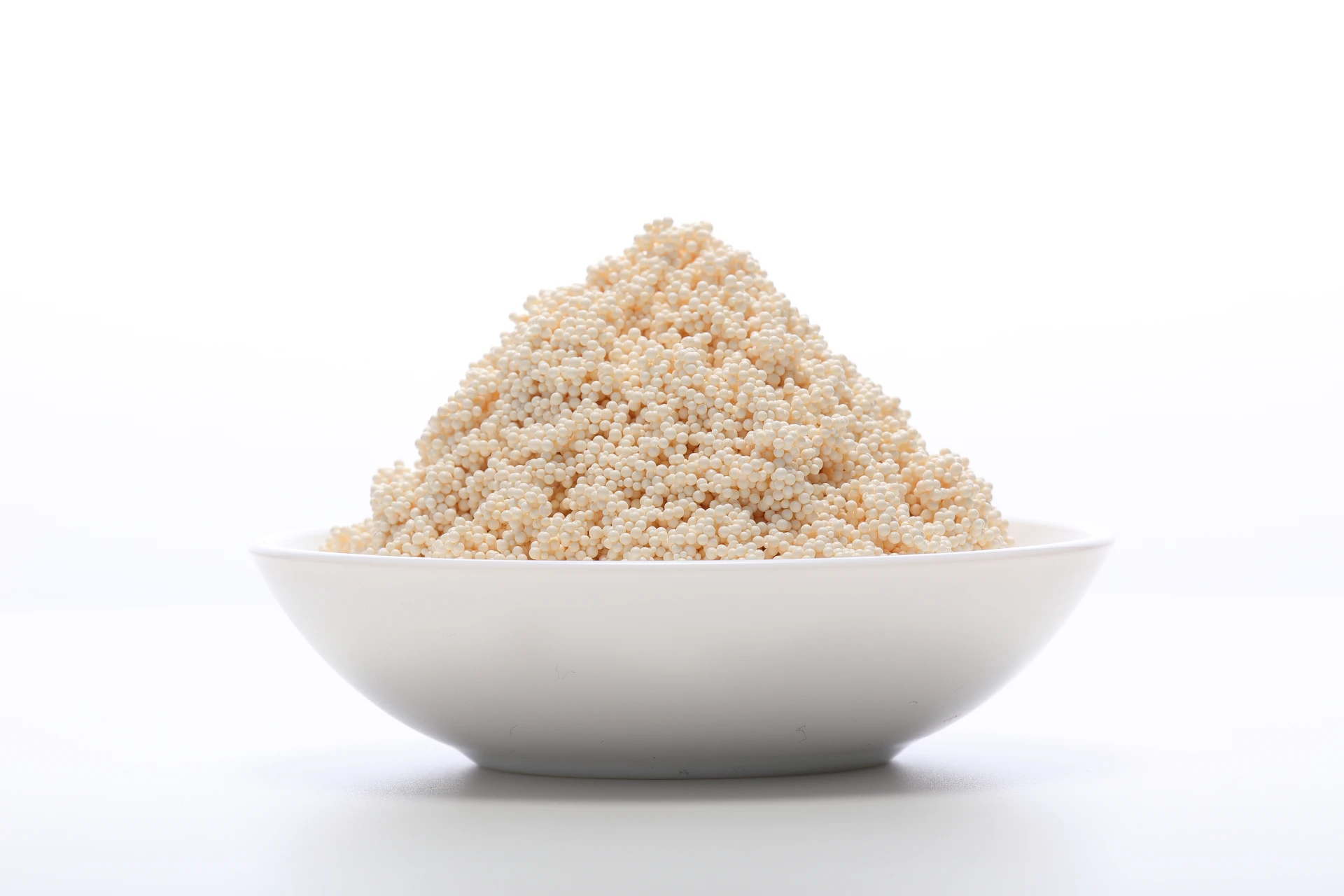
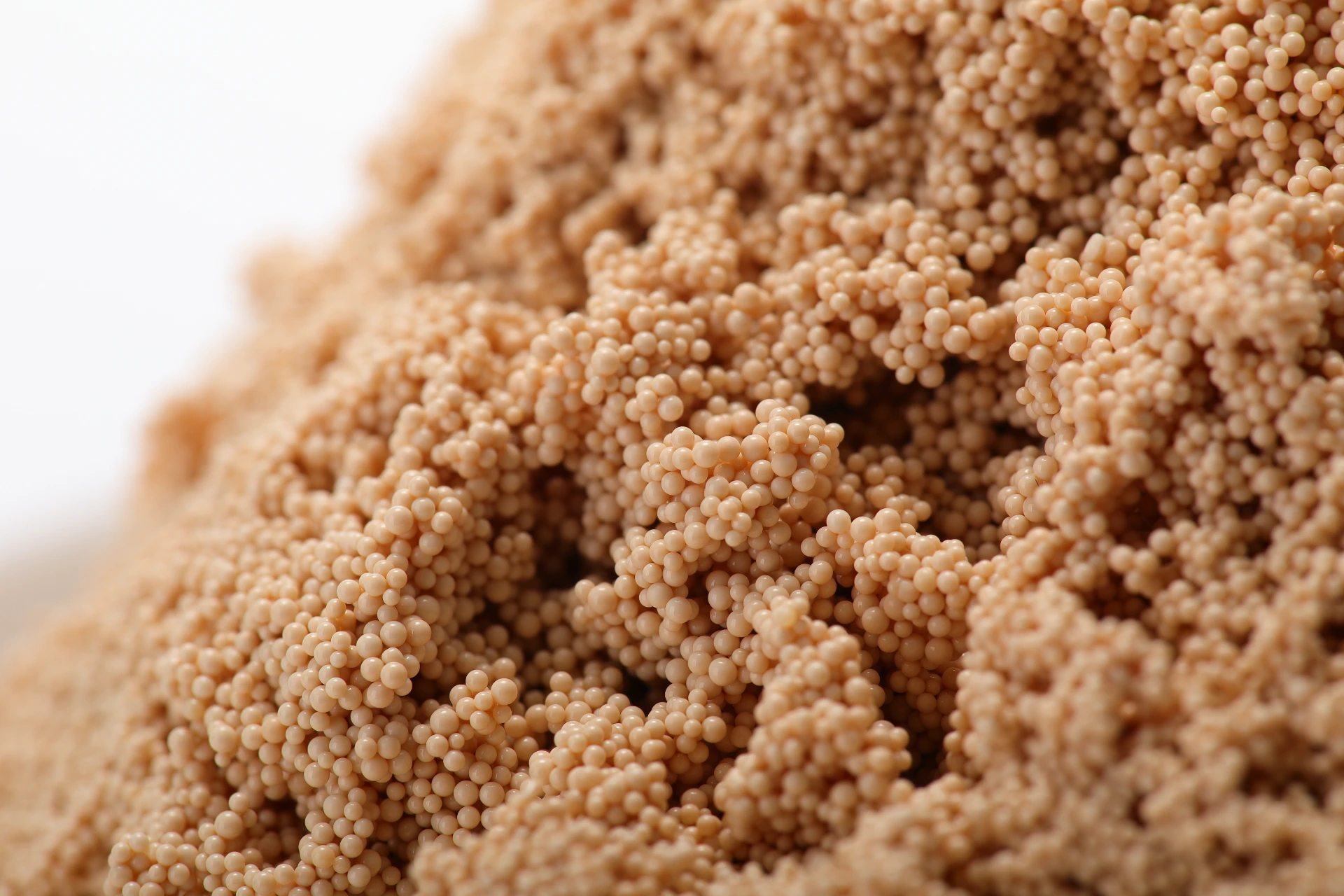
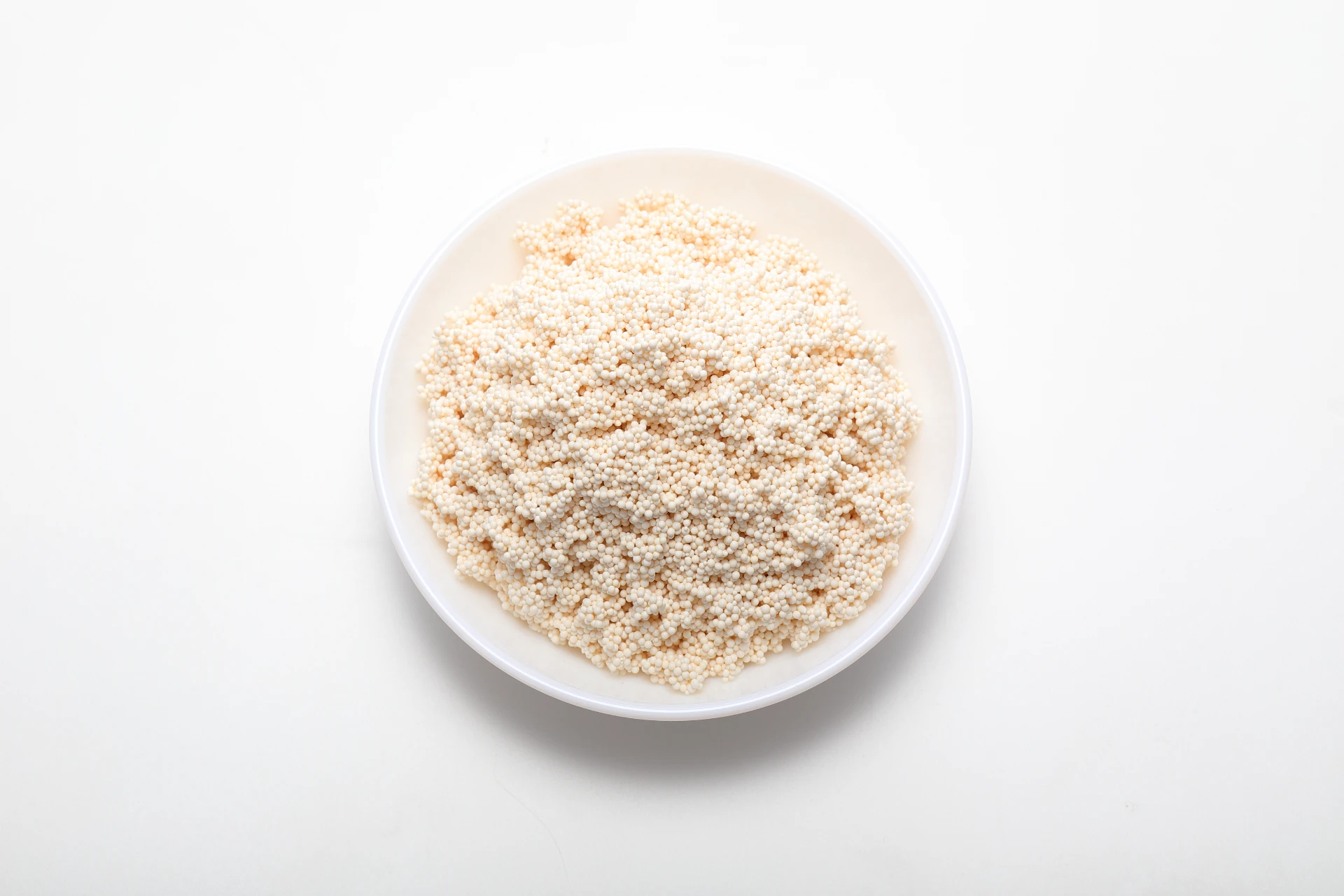
Industrial Water Treatment Solutions with chelating resin in Uganda

Advanced synthetic material technologies providing high-purity ion exchange solutions for Uganda's growing industrial and mining sectors.

Industrial Water Treatment Solutions with chelating resin in Uganda

Optimizing water purity and mineral recovery in Uganda through high-performance synthetic resins designed for extreme environmental conditions and industrial scaling.

The Current State of Synthetic Resin Application in Uganda

Analyzing the intersection of water chemistry and industrial growth in East Africa.

In Uganda, the demand for ion exchange resin has surged due to the rapid expansion of the beverage industry and mining operations in the Lake Victoria basin. The local water sources often contain high levels of hardness and organic impurities, requiring robust filtration systems to meet international quality standards.

Currently, many Ugandan facilities rely on imported bed resin systems. However, the tropical climate and seasonal fluctuations in water quality lead to faster resin degradation, creating a market need for more durable and high-capacity synthetic materials that can withstand varied organic loading.

The adoption of specialized treatment, such as using special resin for selective metal recovery, is becoming critical for Uganda's mining sector to increase yield and reduce environmental impact during the extraction of precious minerals.
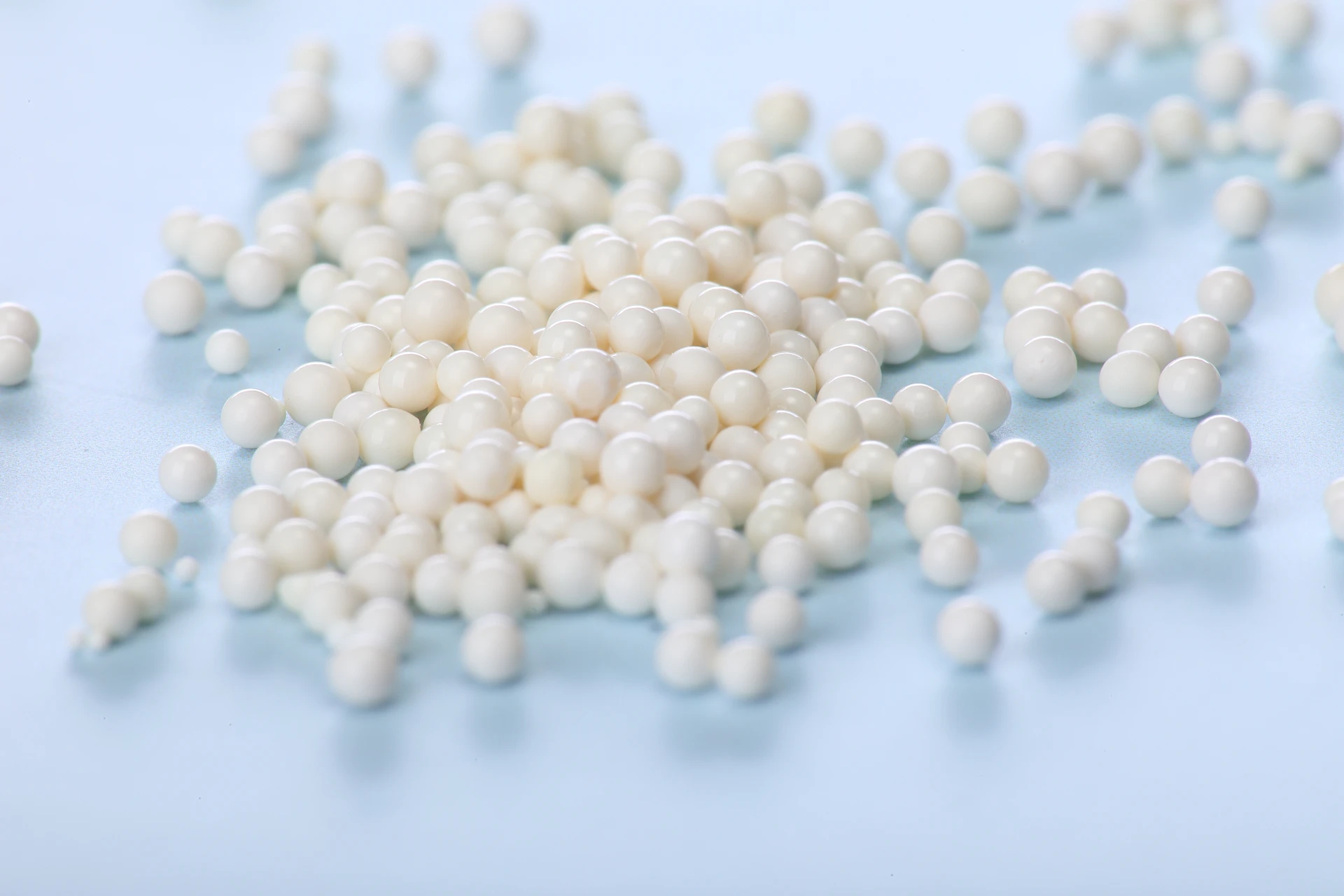
Evolution and Trajectory of Ion Exchange Technology in Uganda

From basic softening to high-precision molecular separation.

Market Development History

Prior to 2010, the Ugandan market primarily utilized simple sodium-cycle softening. Most applications were limited to basic domestic water treatment and small-scale breweries using traditional bed resin techniques.

Between 2010 and 2020, the industrial landscape shifted toward the pharmaceutical and food processing sectors. This era saw the introduction of mixed bed di resin to achieve the ultra-pure water required for sensitive manufacturing processes.

From 2020 onwards, the focus has transitioned toward "Selective Recovery." The integration of advanced chelating technologies has allowed local industries to target specific heavy metals, aligning with global ESG standards.

Future Development Trends

Digitalized Resin Monitoring

Integration of IoT sensors to monitor resin exhaustion in real-time, reducing chemical waste during regeneration cycles in Ugandan plants.

Eco-Friendly Regenerants

A shift toward biodegradable regenerants to protect Uganda's unique biodiversity, particularly around the Nile river system.

High-Selectivity Nanocomposites

Development of hybrid resins that combine the strength of synthetic polymers with the selectivity of nano-materials for complex waste streams.

Industry Trends and Future Outlook for Resin Tech

Projecting the shift toward sustainable and high-efficiency synthetic materials.

Circular Economy Integration
Implementing resin regeneration systems that minimize brine discharge and maximize material lifespan.
Precision Heavy Metal Removal
Increased reliance on high-affinity chelating polymers for purifying mining effluents.
Ultra-Pure Water Demand
Growth in the electronics and laboratory sectors driving demand for mixed bed di resin.
Customized Polymer Matrices
Developing resins tailored specifically for the chemical composition of Ugandan groundwater.

Industry Outlook

Over the next 3-5 years, the Ugandan market is expected to shift from generic resin imports to targeted, high-efficiency synthetic materials. Google search trends indicate an increasing interest in "sustainable water treatment" and "industrial waste recovery" within the East African region.

This evolution will likely lead to a decentralized water treatment model, where smaller industrial hubs in Uganda implement advanced ion exchange systems to ensure autonomy and quality control without relying on centralized municipal infrastructure.

Local Application Scenarios in Uganda

Real-world deployment of synthetic resins in Ugandan industrial environments.

01. Mining Effluent Purification

Utilizing selective chelating resins to remove copper and cobalt from mine tailing water, ensuring compliance with Uganda's National Environment Management Authority (NEMA) regulations.

02. Beverage Industry Water Softening

Implementation of high-capacity bed resin systems in Kampala's bottling plants to remove calcium and magnesium, ensuring consistent taste and product stability.

03. Pharmaceutical Grade Ultra-Pure Water

Deploying mixed bed di resin units for the production of injectable medicines and laboratory reagents in medical facilities.

04. Agricultural Irrigation Pre-treatment

Using ion exchange to remove harmful salts from borehole water used in commercial flower and tea plantations in the highlands.

05. Power Plant Boiler Feed Water

Application of specialized resins to prevent scaling and corrosion in hydropower plant boilers, extending the operational life of critical infrastructure.

Brand Story

Global Development History of Hebei Lijian Biological Technology Co., Ltd.

Foundational Research

Established as a pioneer in synthetic polymer science, focusing on the fundamental chemistry of ion exchange matrices.

Industrial Scaling

Expanded production capabilities to meet the growing demand for industrial-grade resins in the Asian and African markets.

Specialization Era

Developed a proprietary line of chelating and special resins to solve complex heavy metal contamination issues.

Global Sustainability Initiative

Launched an R&D program aimed at creating resins with longer life cycles and reduced chemical regeneration footprints.

Strategic African Expansion

Focused on delivering tailored water treatment solutions to emerging economies like Uganda to support industrialization.

Complete Product Portfolio for the Uganda Market

A comprehensive range of resins designed for East African water chemistry.

Common Questions on Resin Application in Uganda

Expert answers to technical challenges in the local manufacturing sector.

How to choose the right ion exchange resin for Ugandan groundwater?

Selection depends on the specific water analysis. For high hardness, a strong acid cation resin is ideal, while for heavy metal removal, a selective chelating resin is recommended.

What is the average lifespan of a bed resin in tropical climates?

In Uganda's tropical climate, resins typically last 3-5 years depending on the organic load and the frequency of proper regeneration cycles.

Can mixed bed di resin be regenerated locally in Uganda?

Yes, provided that high-purity HCl and NaOH are available. We provide technical guidance on the separation and regeneration process for local operators.

Which special resin is best for mining gold recovery in East Africa?

Strong base anionic resins with specific functional groups are typically used for the recovery of gold-cyanide complexes in mining operations.

How does chelating resin differ from standard softening resins?

Standard resins remove general hardness, whereas chelating resins are designed to selectively bind to specific transition metals even in the presence of high alkali concentrations.

What are the shipping requirements for resins entering Uganda?

Resins are shipped in moisture-proof bags and pallets. We ensure all documentation meets Uganda's customs and environmental import regulations.

Get Expert Resin Consultation

Our technical team is ready to optimize your water treatment processes across Uganda. Contact us for a tailored synthetic material analysis.

Contact Us Now

If you are interested in our products, you can choose to leave your information here, and we will be in touch with you shortly.