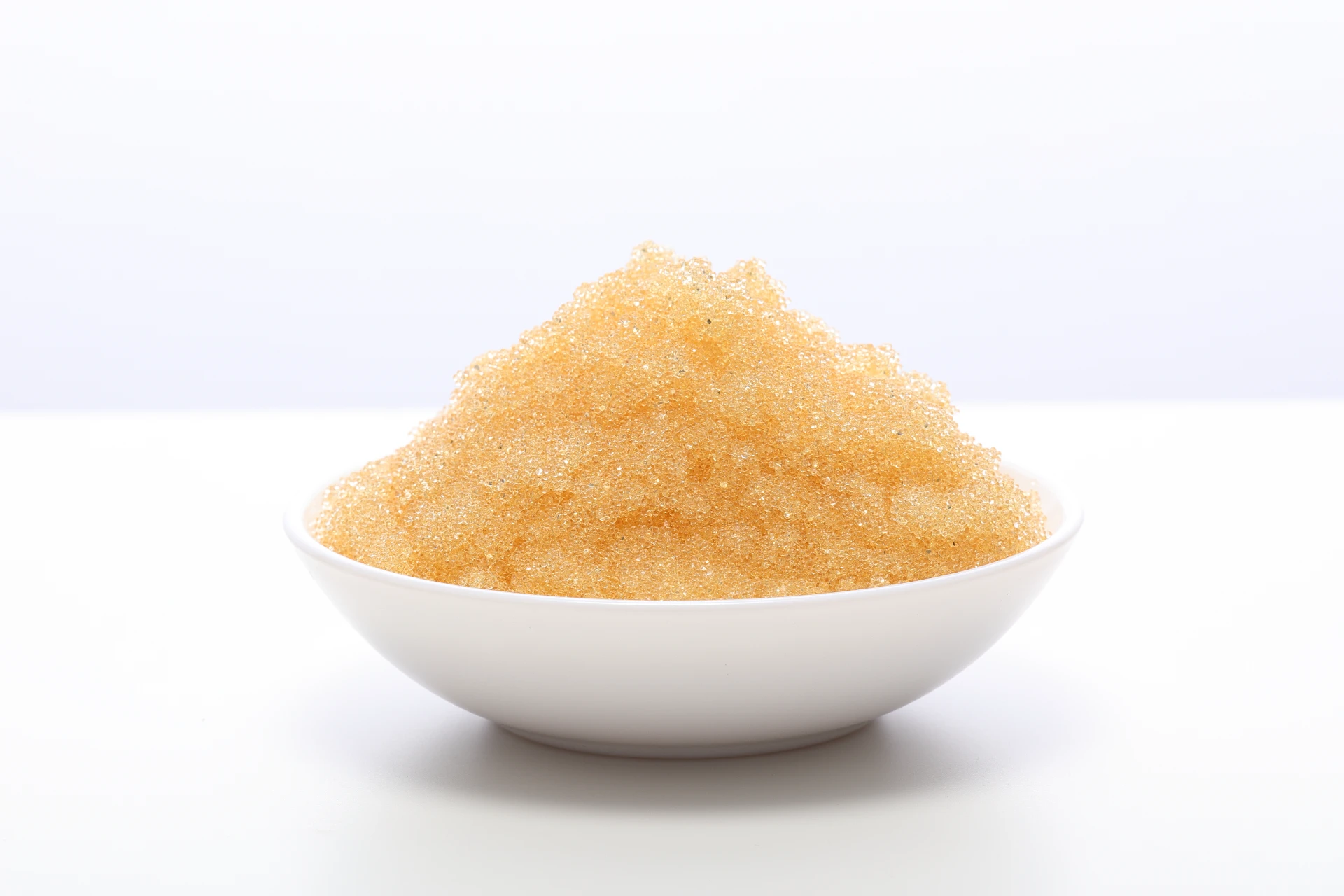
Advanced chelating resin Solutions for Central African Republic

High-performance synthetic material technologies engineered for water purification and metal recovery in the challenging environments of CAR.

Advanced chelating resin Solutions for Central African Republic

Providing the Central African Republic with industrial-grade synthetic materials to optimize chemical processing and water treatment efficiency.

Chemical Manufacturing Landscape in Central African Republic

Analyzing the current state of ion exchange technology in the heart of Africa.

In the Central African Republic, the chemical manufacturing sector is heavily influenced by the region's rich mineral deposits and tropical climate. The adoption of ion exchange resin has become critical for local mining operations seeking to extract precious metals from complex ores while managing high humidity and temperature fluctuations.

Currently, many industrial sites struggle with groundwater contamination and the lack of advanced purification infrastructure. The demand for a robust bed resin system is increasing as the government pushes for improved sanitation and cleaner industrial wastewater discharge to protect the Congo Basin ecosystem.

Logistical challenges in Bangui and surrounding provinces often lead to the use of outdated filtration methods. This creates a significant opportunity for the introduction of high-capacity resins that require less frequent regeneration, reducing the dependence on volatile chemical supply chains in the region.
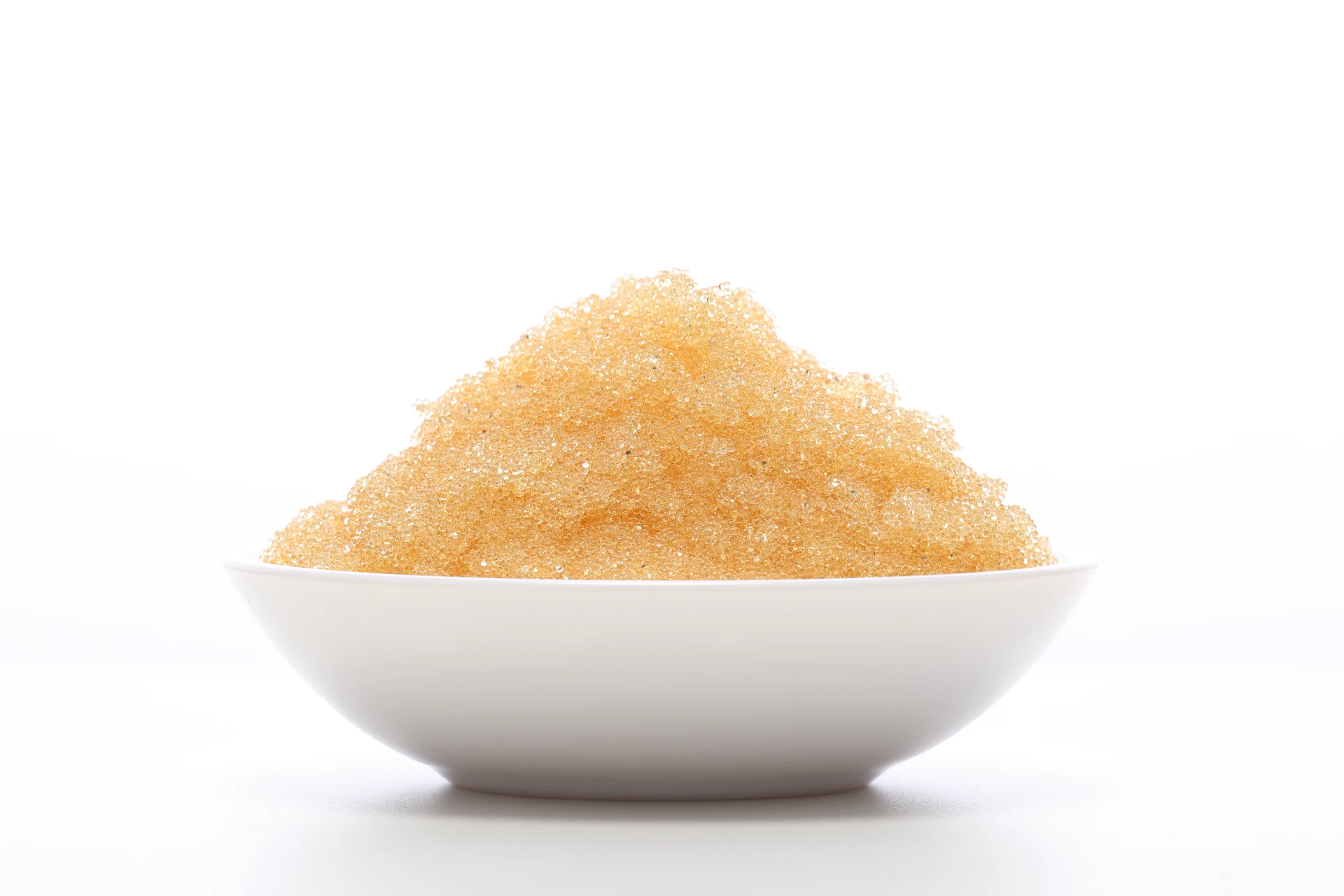
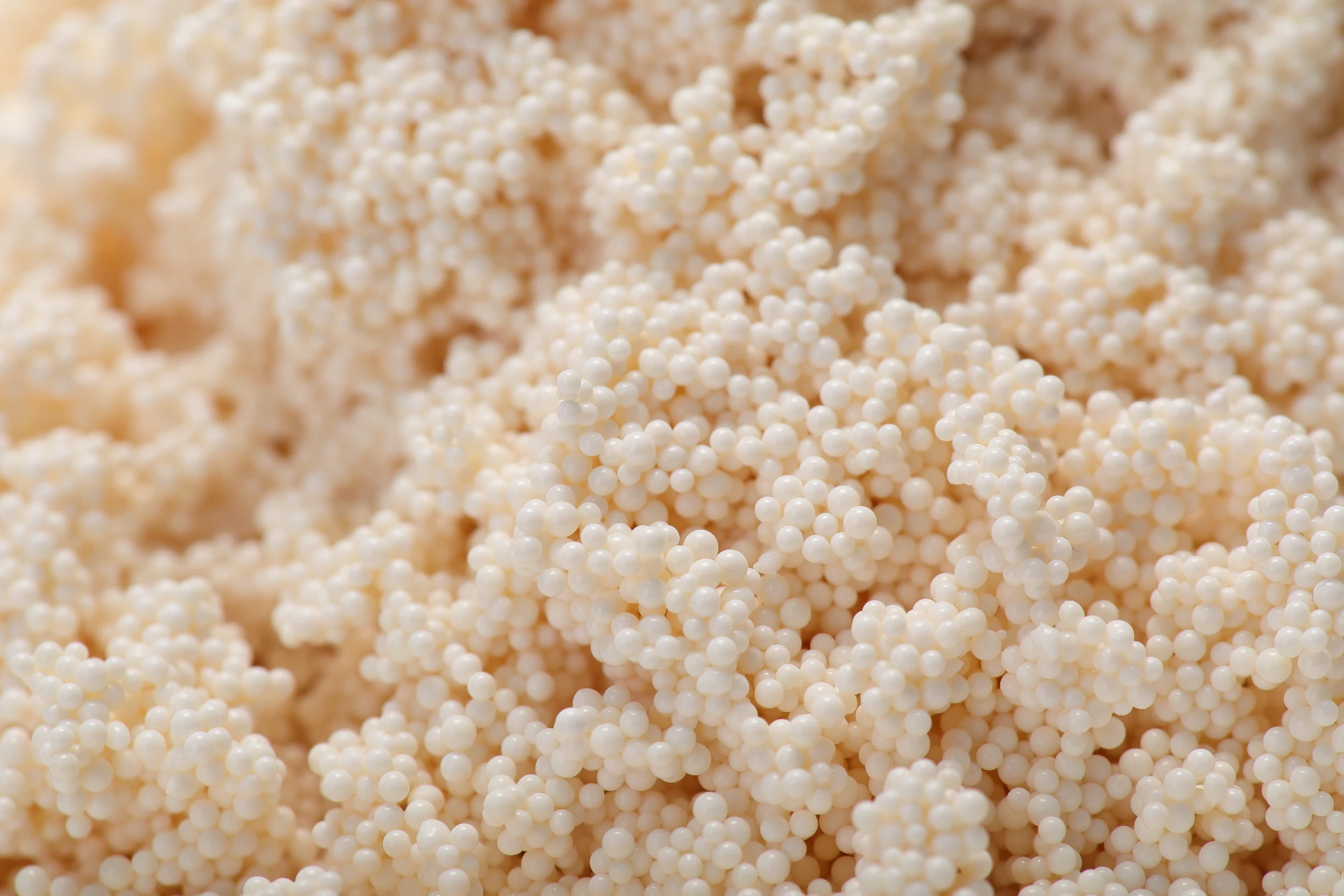
Evolution and Trajectory of Resin Technology in CAR

From basic filtration to sophisticated selective ion exchange.

Market Development History

During the late 20th century, water treatment in the Central African Republic relied primarily on basic coagulation and sand filtration. The initial introduction of special resin occurred in the 1990s, mainly within limited diplomatic and high-end commercial facilities in the capital.

Between 2005 and 2015, the mining boom accelerated the shift toward industrial-scale chemical separation. This era saw the first significant implementation of mixed bed di resin to produce high-purity water for boiler feed and industrial processing, reducing equipment corrosion.

From 2016 to the present, the focus has shifted toward environmental sustainability and the recovery of rare earth elements. Modern facilities now integrate multi-stage resin configurations to meet international environmental standards and improve resource recovery rates.

Future Development Trends

Selective Heavy Metal Removal

Increased focus on removing toxic elements from mining runoff using highly selective functional groups to prevent soil degradation.

Energy-Efficient Regeneration

Developing resins that require lower concentrations of regenerants, mitigating the cost of transporting chemicals to remote CAR sites.

Integrated Hybrid Systems

The move toward combining membrane filtration with ion exchange to handle high-turbidity water common during the rainy season.

Industry Outlook and Strategic Forecast

Projecting the growth of synthetic materials in the Central African Republic over the next 5 years.

Green Chemistry Adoption
Shift toward biodegradable resin substrates to reduce the environmental footprint in the Congo Basin.
Digital Monitoring Integration
Implementation of IoT sensors to monitor resin breakthrough points in real-time.
Mining Sector Expansion
Increased demand for uranium and gold recovery resins due to new exploration projects.
Water Security Initiatives
Scaling up municipal water softeners to improve public health and reduce scale in piping.

Industry Outlook

Based on Google search trends for "industrial water purification" and "metal recovery" in the region, there is a clear upward trajectory in the need for specialized chemical agents. The Central African Republic is moving toward a model of localized processing rather than raw material export, which necessitates high-purity water systems.

The synergy between infrastructure development and synthetic material science will likely lead to a 15% annual increase in the demand for high-grade resins, particularly those capable of operating in high-temperature tropical environments without degrading.

Localized Application Scenarios in CAR

Practical implementations of ion exchange technology in the Central African Republic.

01. Artisanal Gold Mining Purification

Implementing selective resins to recover gold from leaching solutions while eliminating mercury usage, protecting local river systems.

02. Bangui Municipal Water Softening

Utilizing high-capacity resins to remove calcium and magnesium from groundwater to prevent scaling in urban plumbing networks.

03. Pharmaceutical Grade Water Production

Using a combination of cation, anion, and mixed-bed systems to produce sterile water for medical clinics in remote provinces.

04. Industrial Boiler Feed Treatment

Applying high-purity resin beds to prevent corrosion in power generation plants, ensuring energy stability for manufacturing hubs.

05. Wastewater Decontamination in Textiles

Using specialized resins to capture dye residues and heavy metals from textile effluent before discharge into the environment.

Brand Story

Global Development Journey of Hebei Lijie Biological Technology Co., Ltd.

Foundation and Vision

Established with a commitment to solving the world's most difficult water separation challenges through molecular precision.

R&D Breakthroughs

Developing proprietary synthesis methods that increase resin exchange capacity by 20% compared to industry standards.

Global Market Expansion

Extending our reach to Africa, providing tailored solutions for mining and industrial sectors in emerging economies.

Sustainability Certification

Achieving international environmental standards to ensure our synthetic materials are produced with minimal carbon impact.

Future Frontiers

Investing in smart-resins and AI-driven regeneration cycles to redefine the future of chemical manufacturing.

Complete Product Portfolio for Central African Republic

A comprehensive range of resins designed for the specific mineral and water profiles of the region.

Frequently Asked Questions in CAR

Expert answers to common technical challenges regarding ion exchange resins.

How to choose the right ion exchange resin for mining in CAR?

Selection depends on the target metal and the presence of competing ions. For gold recovery, a selective chelating resin is recommended to ensure high purity and stability.

What is the lifespan of a bed resin in tropical climates?

Lifespan varies by water quality, but our resins are engineered for thermal stability to resist degradation in high-temperature environments common in the Central African Republic.

Can mixed bed di resin be regenerated on-site in remote areas?

Yes, provided that the necessary acid and base regenerants are available. We provide simplified regeneration protocols for off-grid industrial sites.

How does special resin handle high turbidity water?

High turbidity can foul resins. We recommend a pre-filtration stage (sand or multi-media) to protect the resin bed and extend its operational life.

Which resin is best for removing heavy metals from wastewater?

A high-affinity chelating resin is the most effective choice for targeted removal of transition metals, ensuring compliance with environmental laws.

What are the shipping requirements for resins to Bangui?

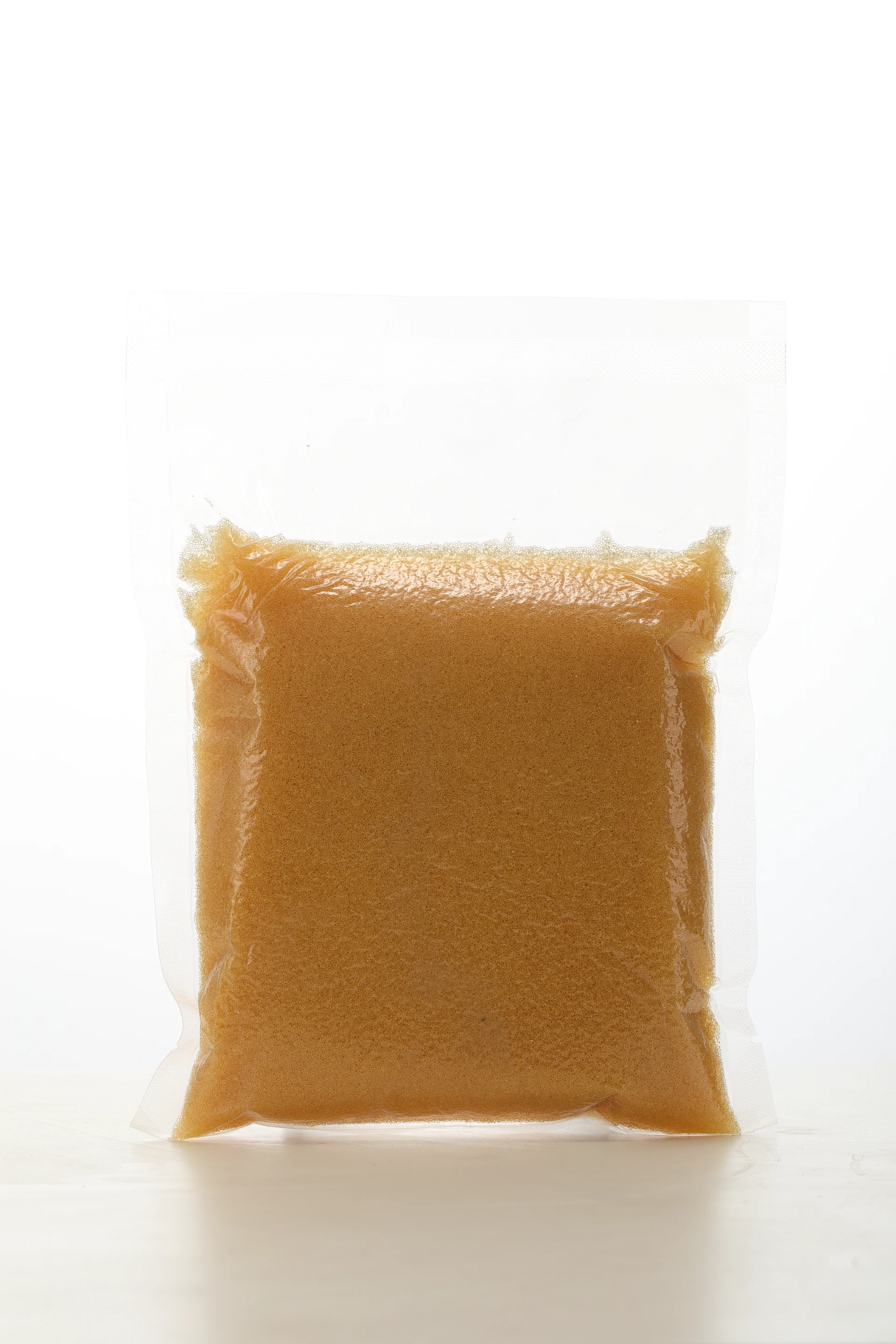
Our resins are packed in UV-resistant, moisture-proof bags to ensure quality is maintained during transit through various climatic zones to the CAR.

Request a Technical Consultation

Our engineers are ready to optimize your chemical processes in the Central African Republic. Contact us for custom resin formulations.

Contact Us Now

If you are interested in our products, you can choose to leave your information here, and we will be in touch with you shortly.