Index
|
Name
|
Specification
|
|
Appearance
|
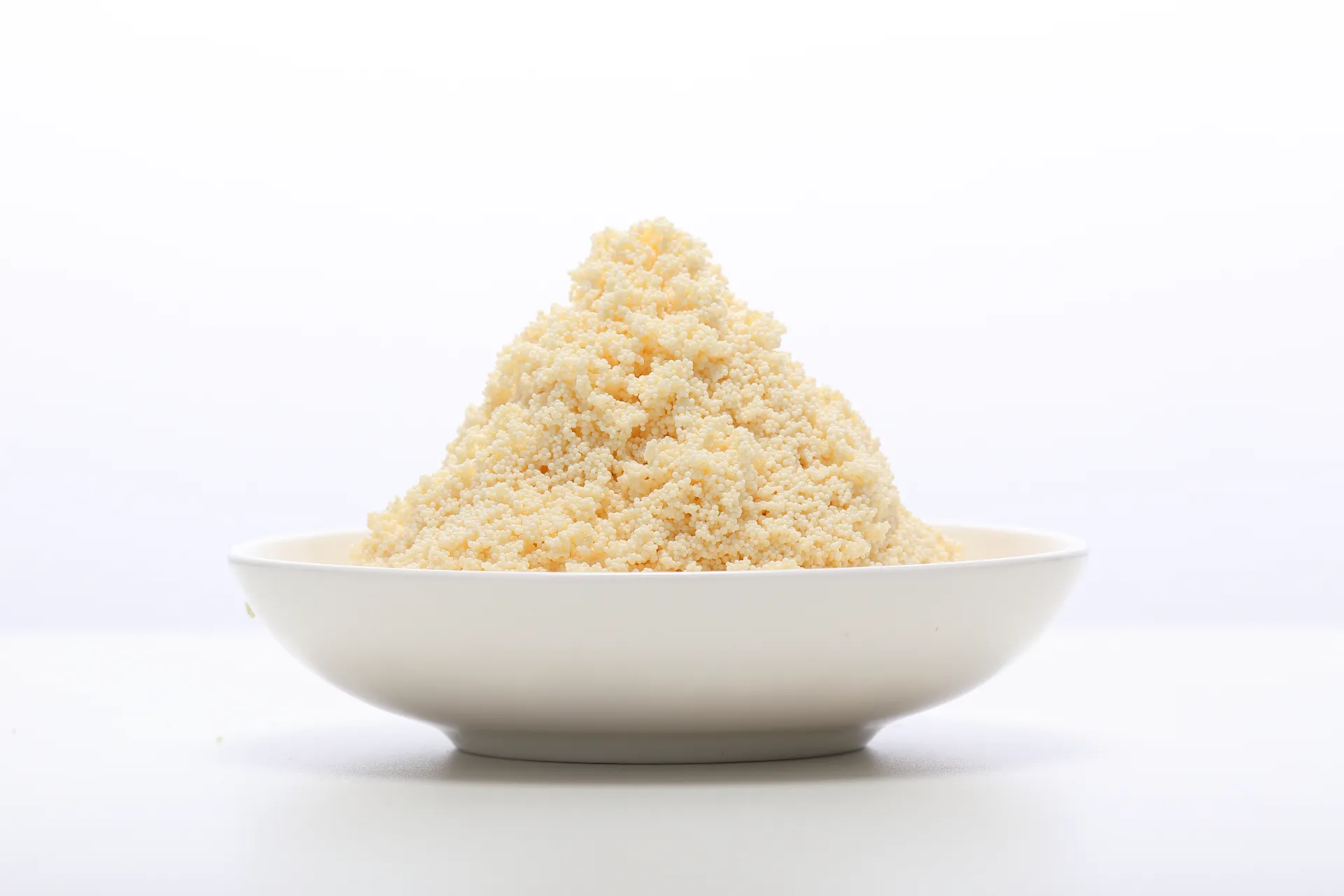
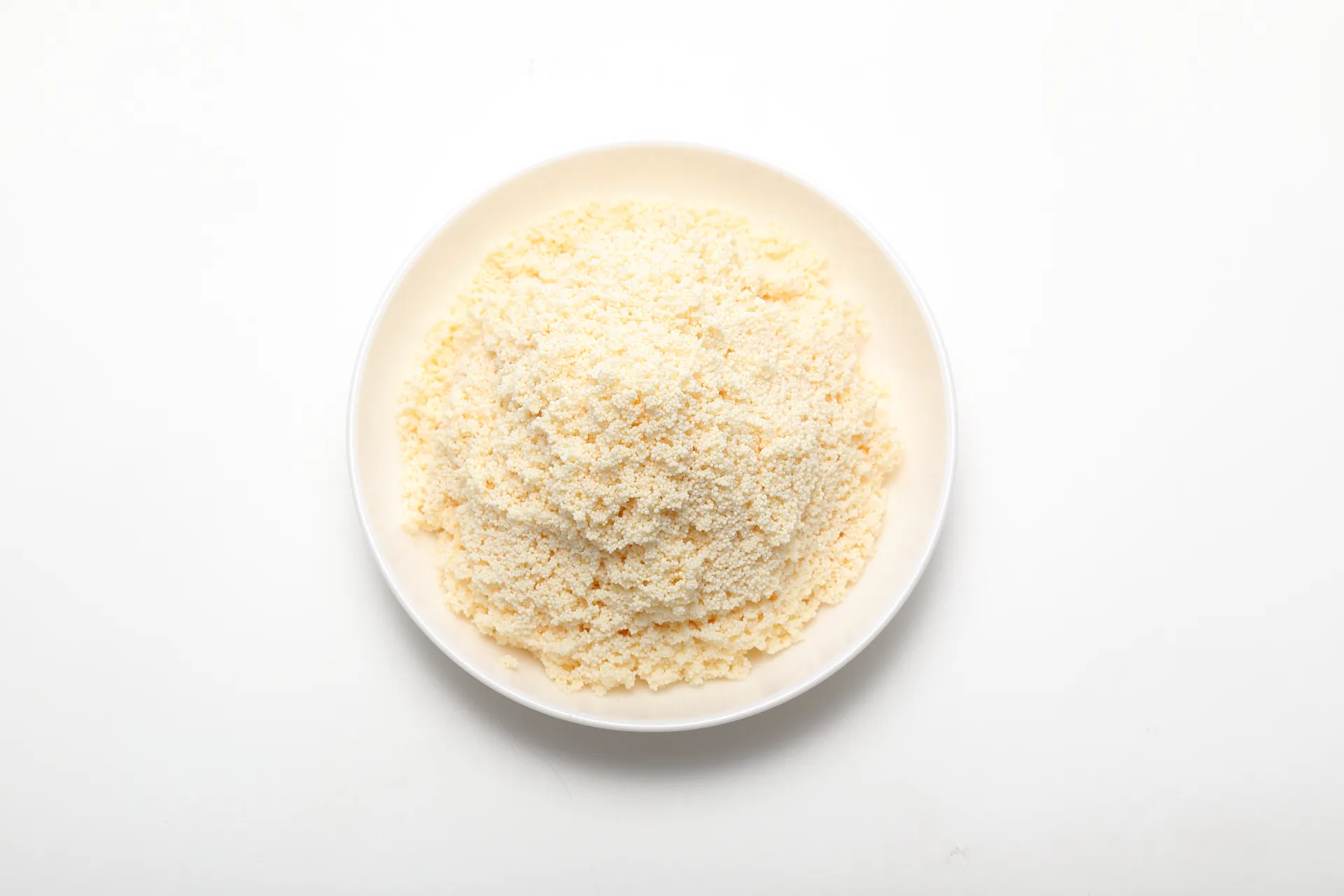
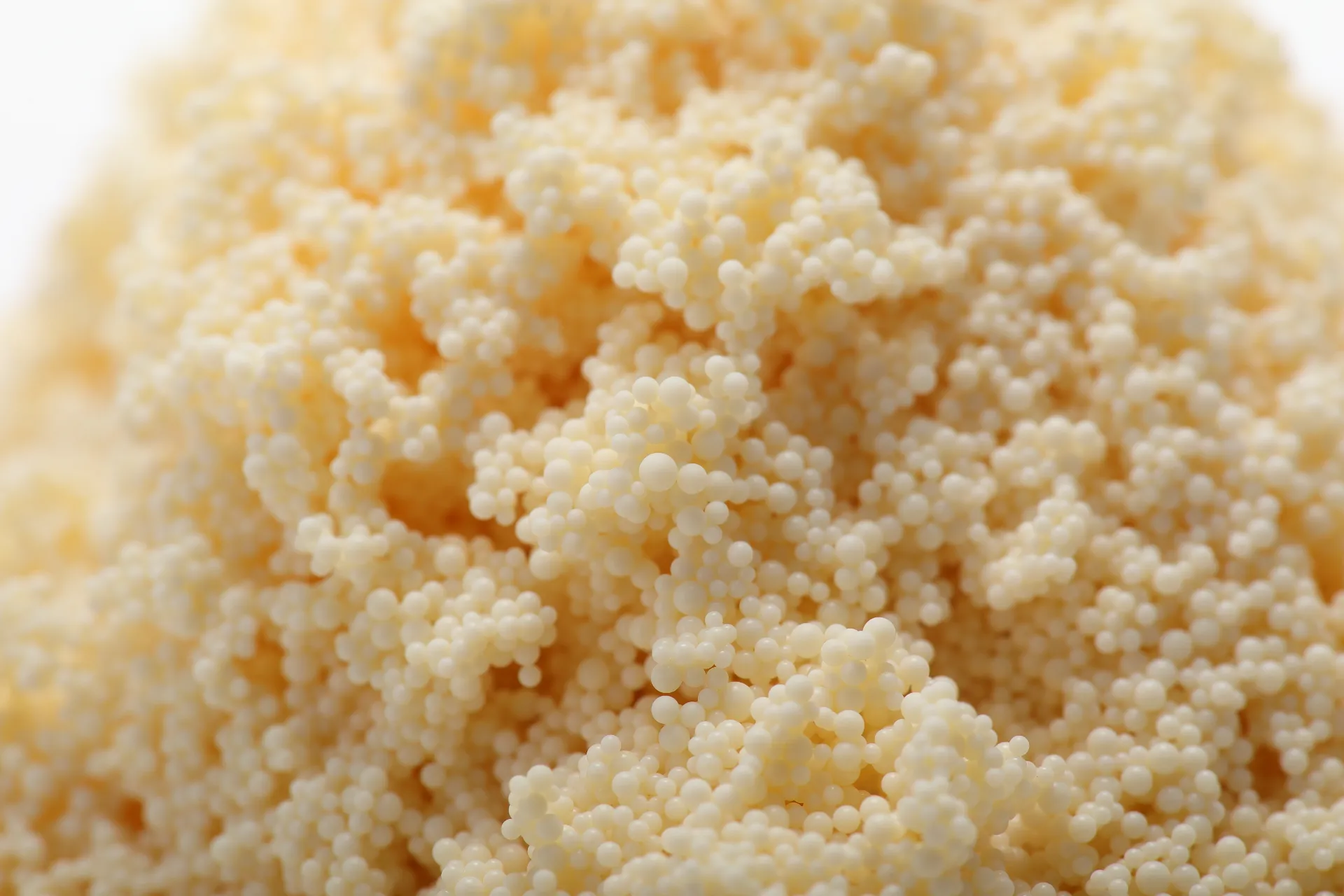
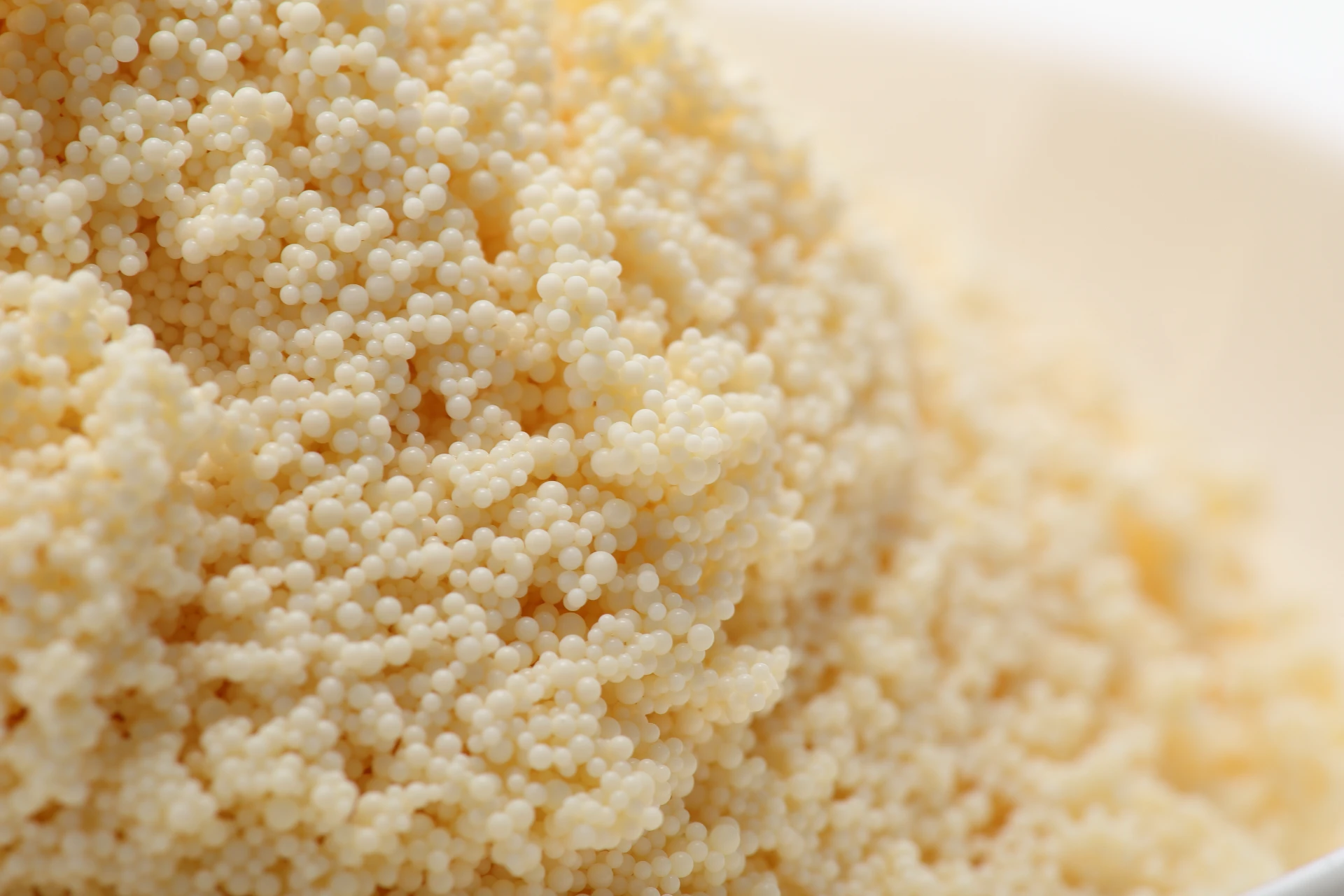
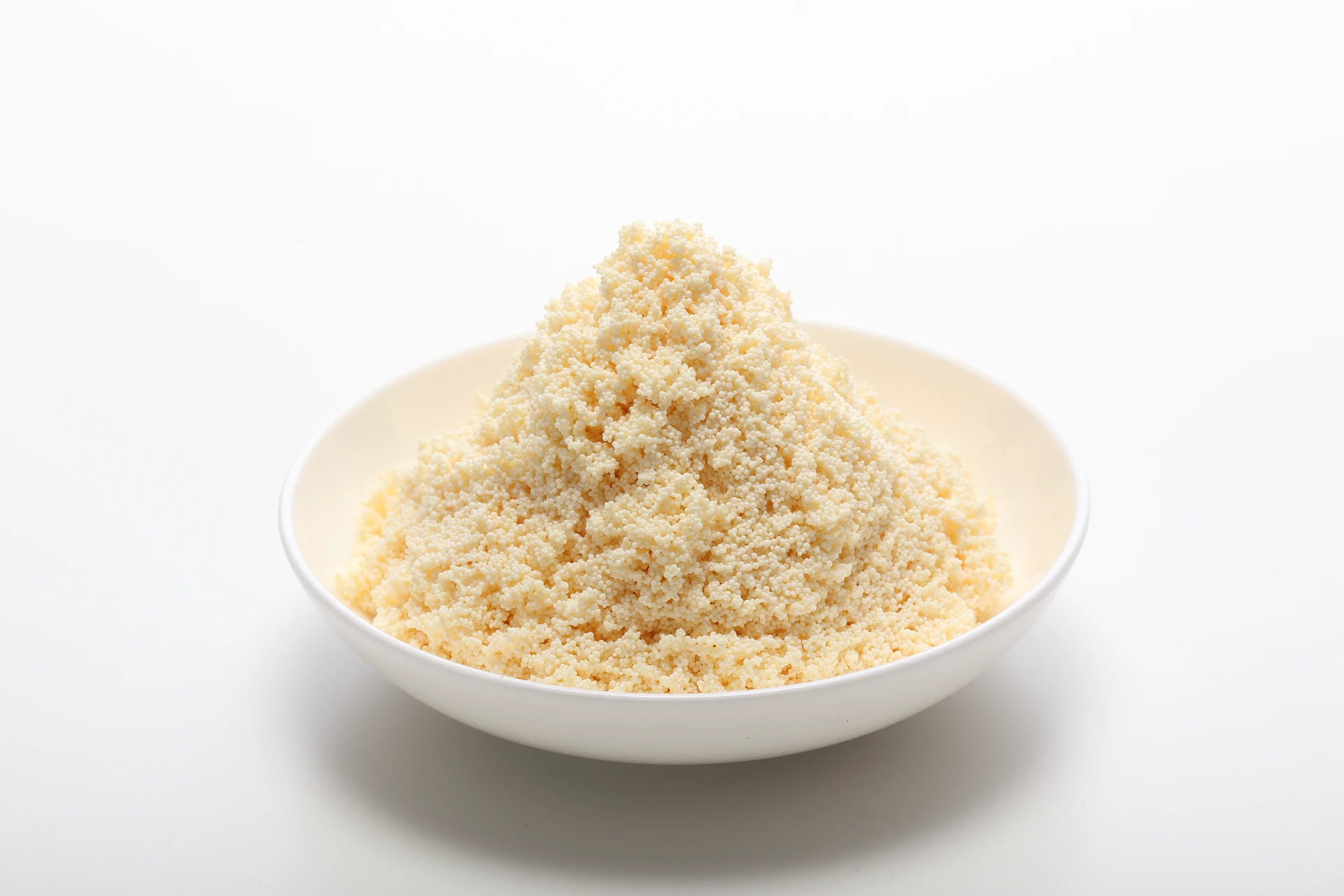
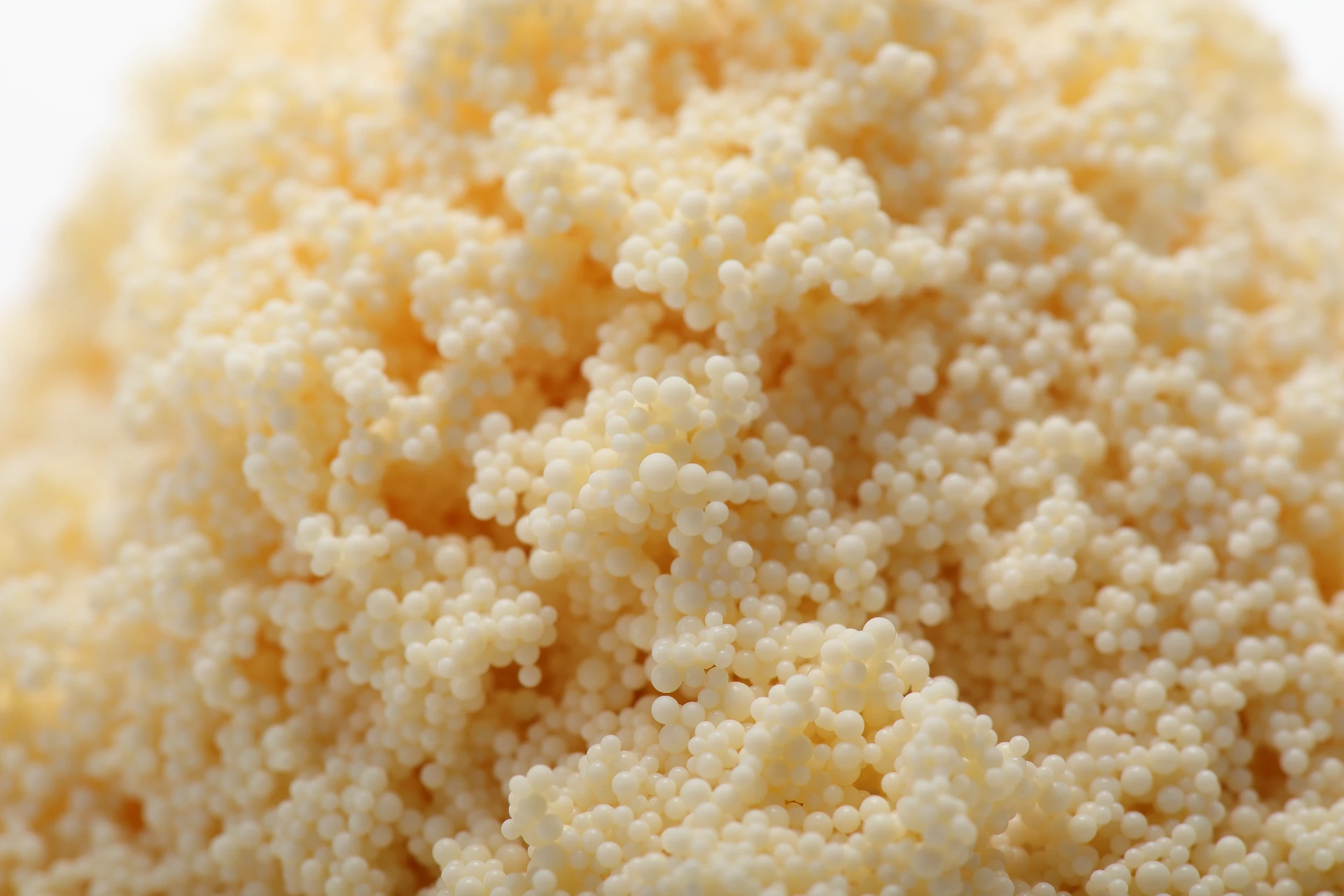
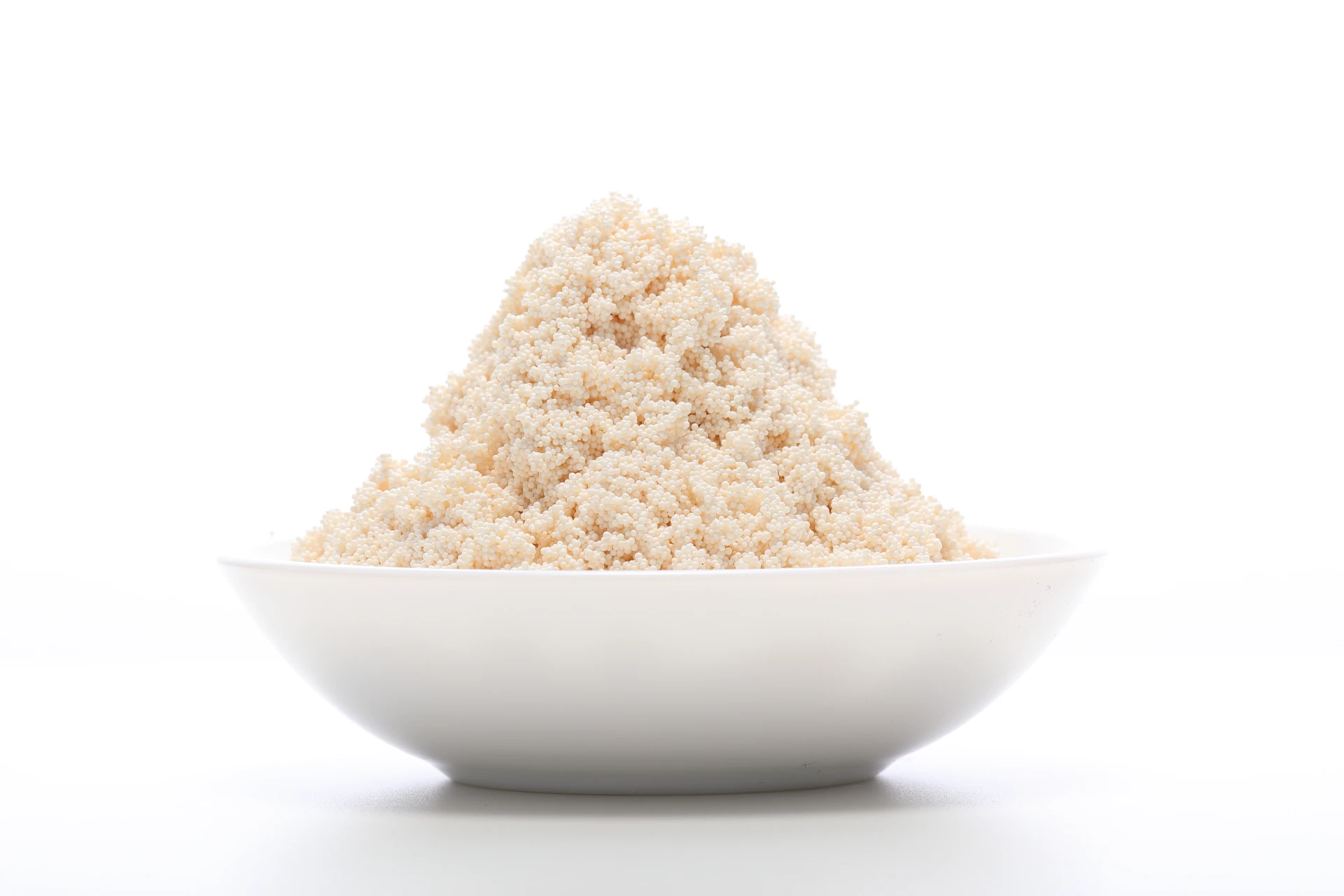
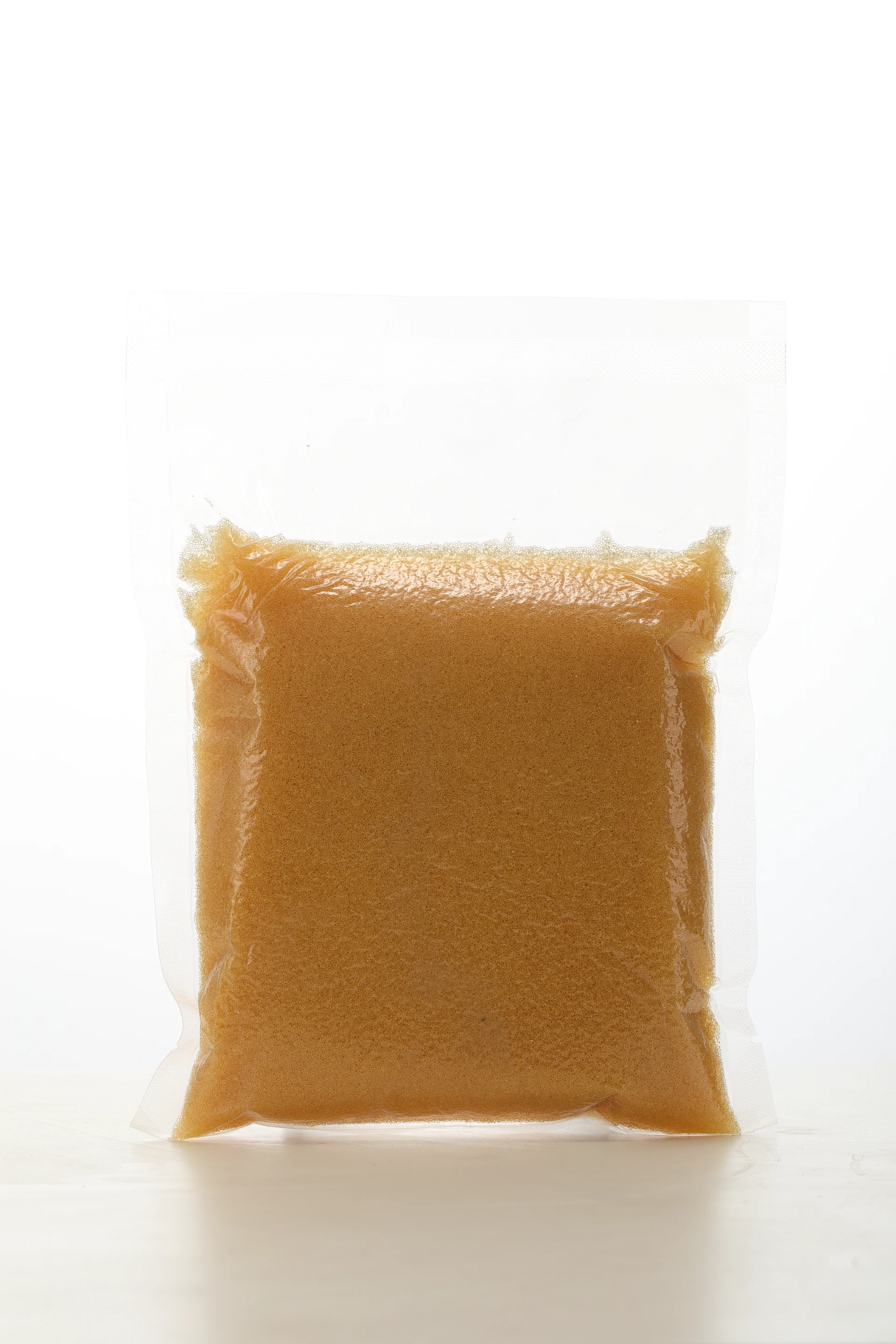
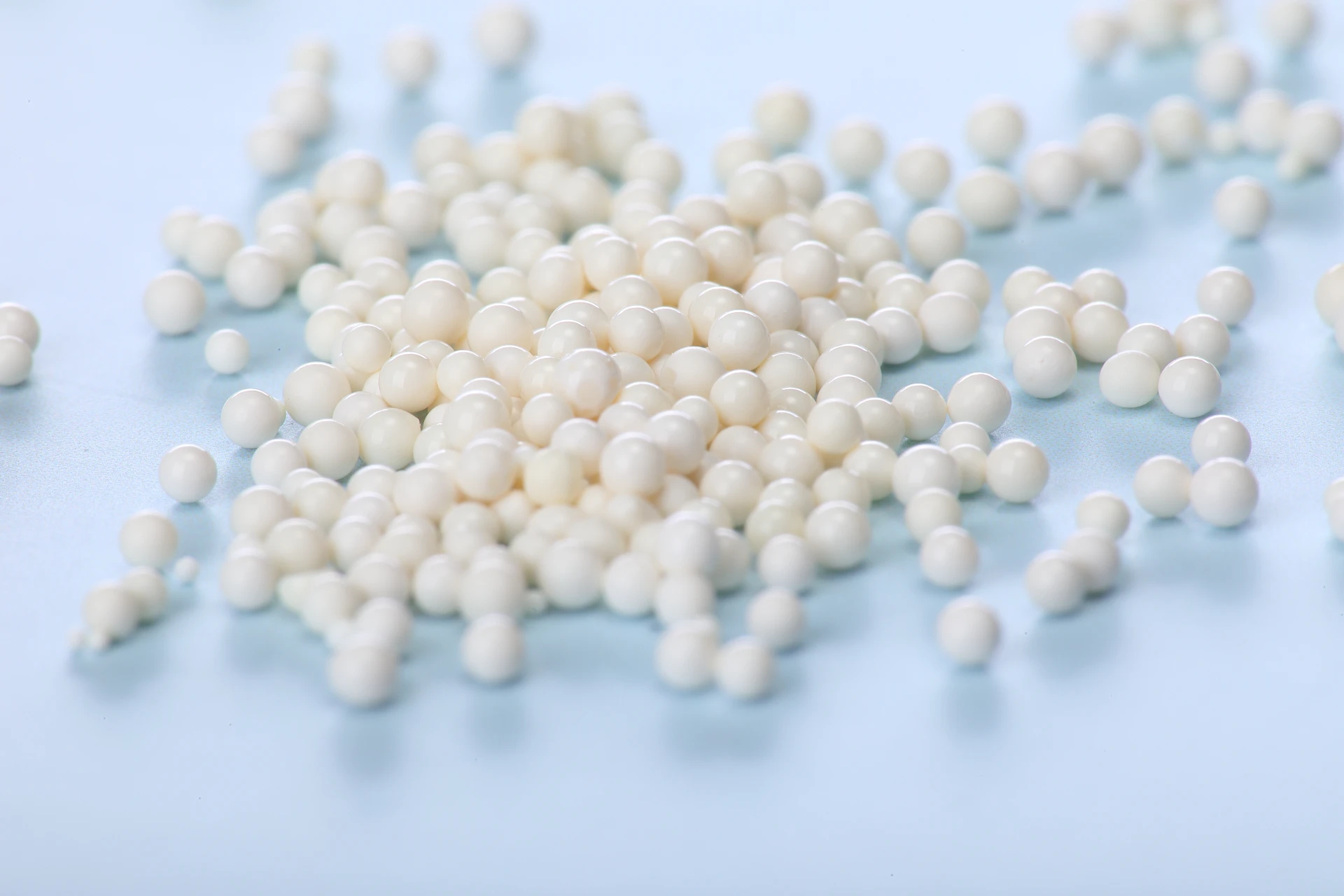
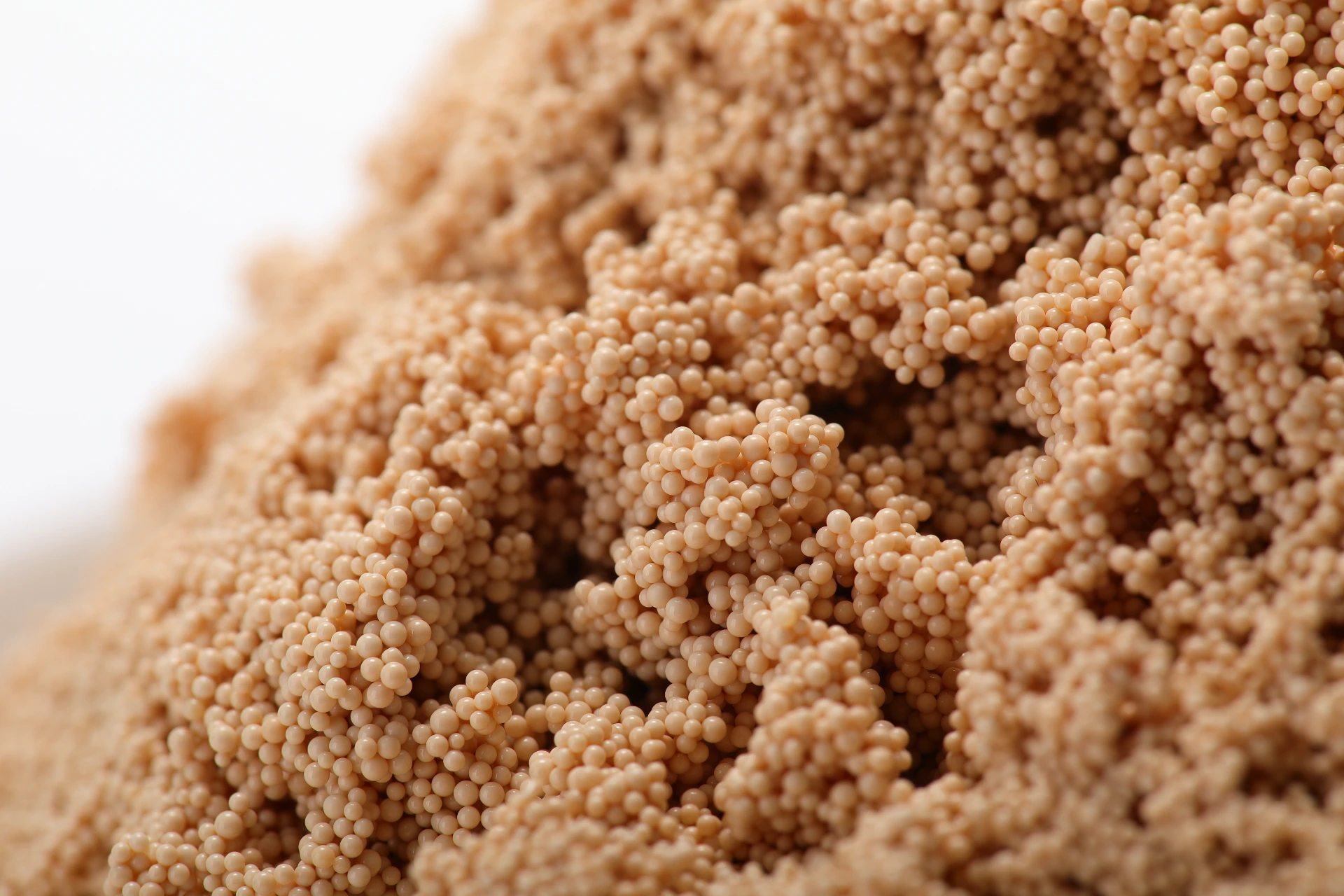
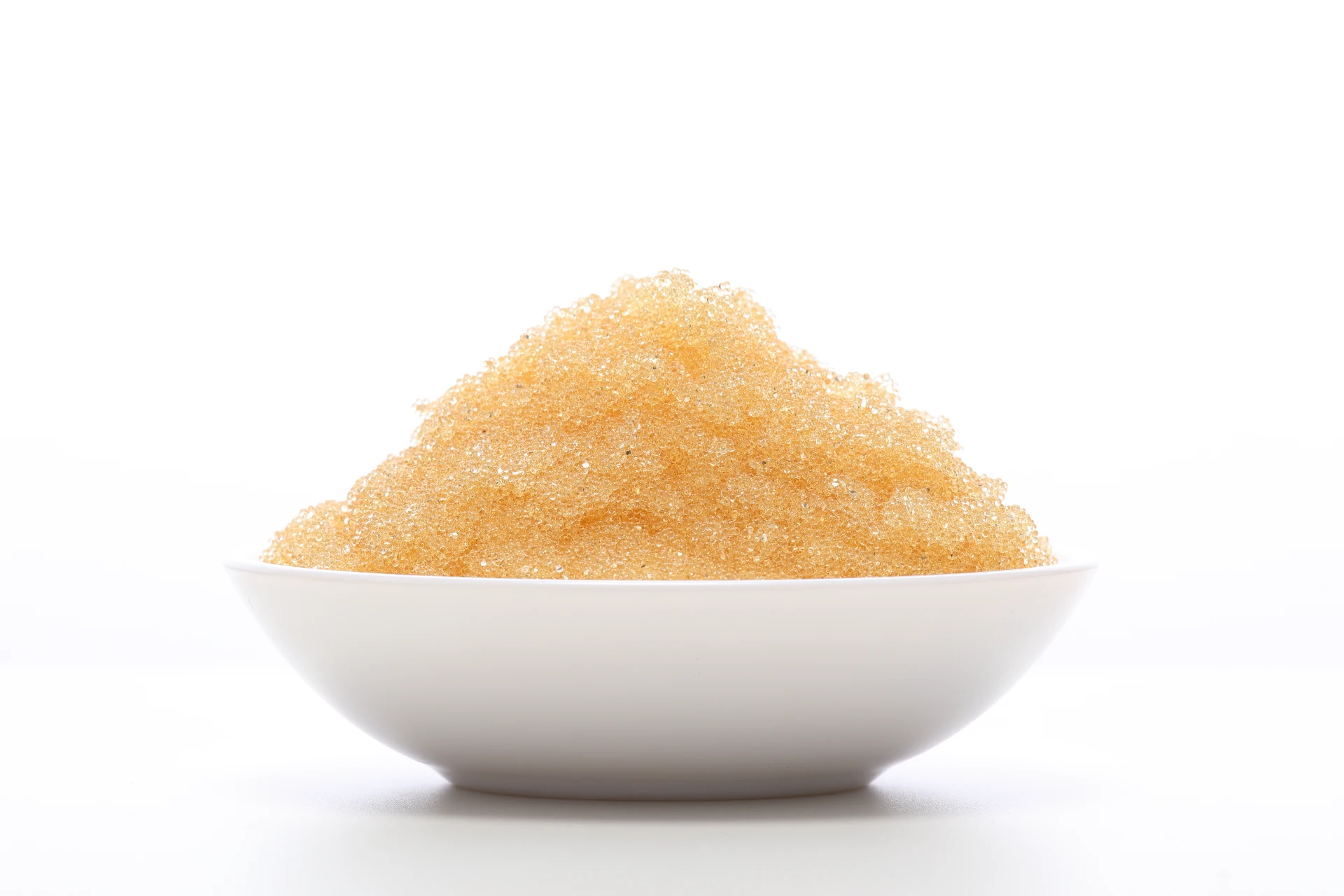
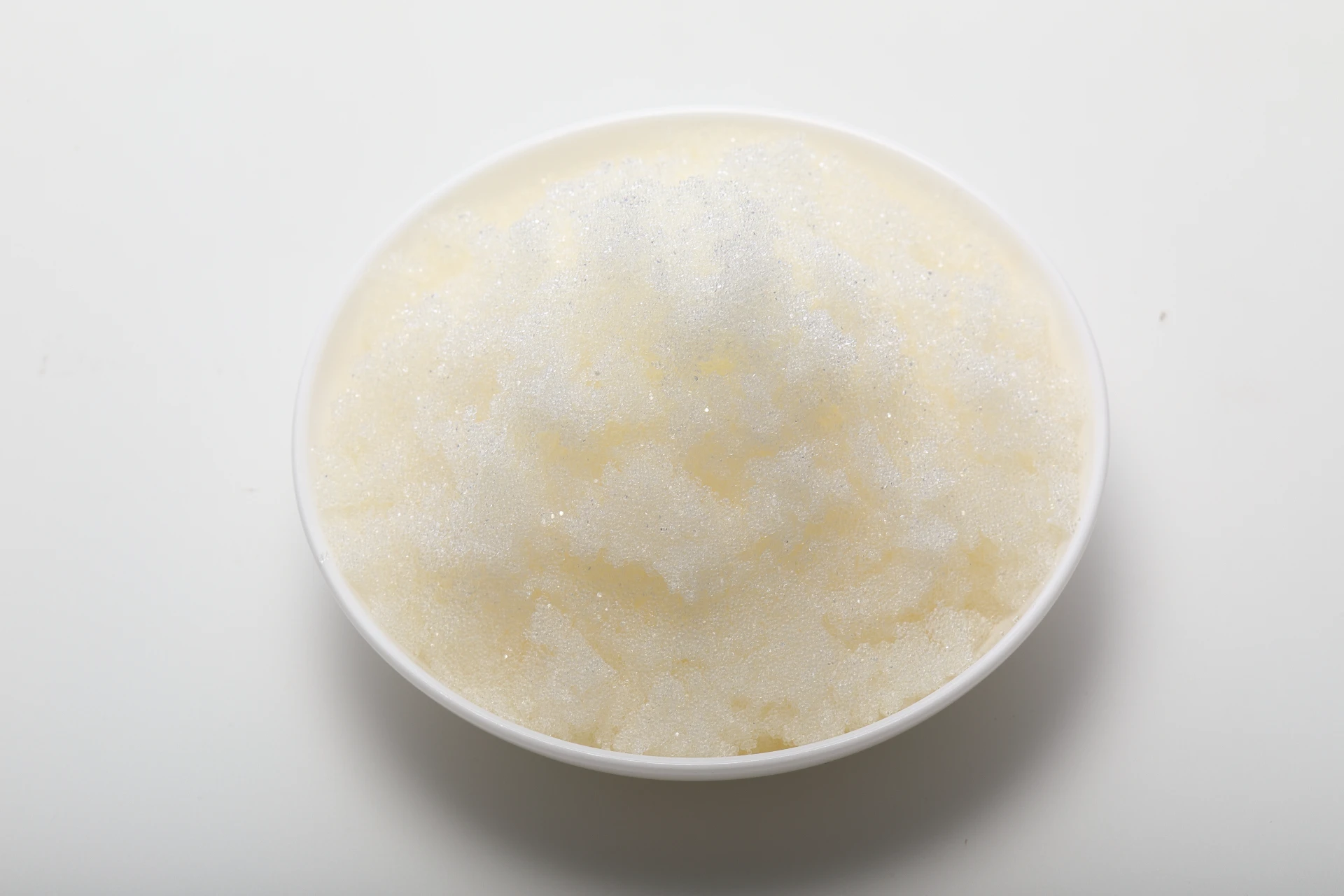
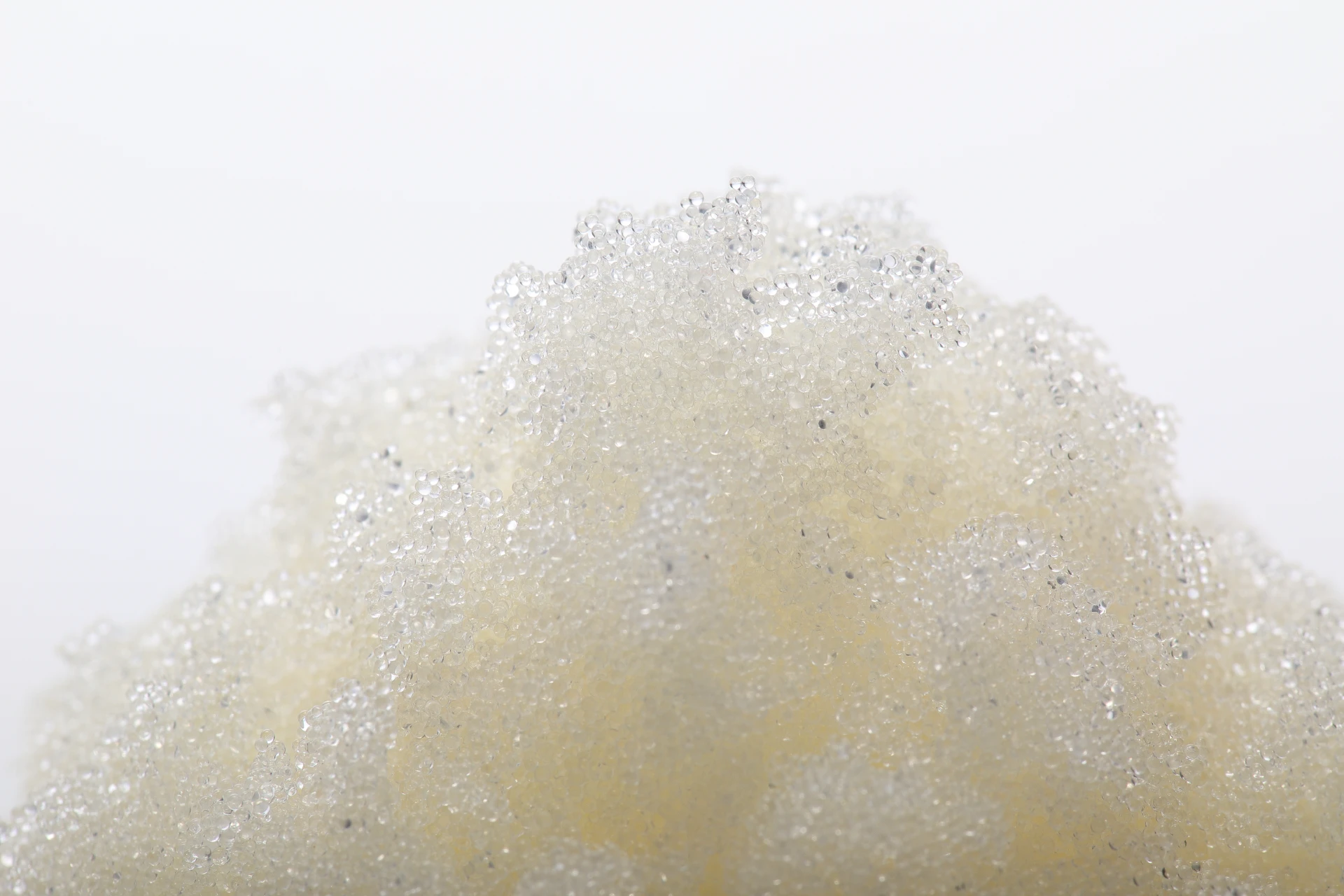
Opalescent to light yellow opaque spherical beads
|
|
Polymer
|
Acrylic polyacrylic
|
|
Functional Group
|
-COOH
|
|
Ionic Form as shipped
|
H+
|
|
Weight Exchange Capacity
|
≥10.80mmol/g
|
|
Volume Exchange Capacity
|
≥4.40mmol/ml
|
|
Real Density (g/ml)
|
1.14-1.20g/ml
|
|
Bulk Density (g/ml)
|
0.72-0.80g/ml
|
|
Water Retention Capacity
|
45%-52%
|
|
Particle Size Range
|
0.45~1.25 mm≥95%
|
|
Uniformity Coefficient
|
≤1.6
|
|
Whole Bead Count(%)
|
≥95%
|
Reference Operation Conditions
|
Maximum operating temperature
|
100℃
|
|
Resin filling height
|
1~3m
|
|
Operating velocity
|
2~10BV/h
|
|
Backwash velocity
|
4~10BV/h
|
|
Regeneration (desorption) velocity
|
1~2BV/h
|
|
Regeneration agent
|
2BV3~5%HCI,2BV2~4% NaOH
|
Application
Water softening
Zinc, nickel waste recycling
The separation and purification of biochemical drugs
Precautions
Resin should be wet state preservation. The best temperature is above 0℃. Resin should be put into a closed space or add in salt water of 5% or above if not used for a long time.Should be anti-freezing during transportation. Do not place heavy objects on the resin in case being crashed.
Generally requires alkali- water - acid - water flow path for processing. Strict requirement needs three circulation before coming to final ion kenel.
Need to consider different transformation expansion rate to set aside enough space to prevent resin overflow and ensure the appropriate liquid level height; Column diameter ratio should be within a reasonable range and avoid bias current; Use wet packed column or back-flushing to wash away bubbles inside resin layer.
Before liquid going into the resin column, steps as flocculation, filtration, or sand-filtration should be taken so that it doesn’t jam resin pore with suspended solids .
Resin inside the column that hasn’t been used for a long time should be storaged outside of the column after washing, or adding salt water in the salt resistant medium while keeping liquid level not dehydrated with usual backwashing to loosen resin in case of agglomeration.
Weak Acid Cation Exchange Resin D113 FC
In today’s rapidly evolving industrial landscape, the demand for high-efficiency water treatment solutions has never been greater. From power generation and chemical processing to food and pharmaceutical production, industries rely heavily on advanced ion exchange resins to ensure operational stability, product quality, and regulatory compliance. Among these specialized materials, Weak Acid Cation Exchange Resin D113 FC has emerged as a crucial solution for applications requiring softening, decarbonization, and precise water conditioning. Its exceptional selectivity for calcium and magnesium ions, combined with superior regeneration efficiency, makes it an indispensable component in mixed bed water softener and deionization resin mixed bed systems, delivering both performance and reliability under demanding conditions.
Supporting this technological advancement is Hebei Lijiang Biotechnology Co., Ltd., a modern high-tech manufacturer specializing in high-performance ion exchange resins. Integrating research and development, production, sales, and technical service, Lijiang produces industrial-grade, food-grade, pharmaceutical-grade, and nuclear-grade resins that meet stringent international standards. Certified by ISO9001, SGS, and the WQA of the American Water Quality Association, with food-grade products fully compliant with FDA regulations, the company ensures every batch of resin provides consistent quality and dependable performance. By combining innovative materials like D113 FC with comprehensive technical expertise, Lijiang empowers industries worldwide to achieve cleaner production, higher efficiency, and sustainable water management.
Enhancing Industrial Water Treatment Efficiency with Weak Acid Cation Exchange Resin D113 FC
As global industries accelerate toward cleaner, safer, and more efficient production processes, water treatment technology plays a central role in ensuring operational stability and environmental compliance. One critical component in modern water purification is the Weak Acid Cation Exchange Resin D113 FC, a high-performance material widely used in softening, decarbonization, and pre-treatment systems. Known for its strong exchange capacity and superior selectivity for hardness ions, D113 FC has become increasingly valuable in industries such as electrical power generation, petrochemicals, metallurgy, and boiler feedwater preparation.
The resin’s structure allows it to effectively remove calcium and magnesium ions while simultaneously reducing alkalinity, making it ideal for systems that rely on precise water conditioning. When integrated into a mixed bed water softener, D113 FC enhances system efficiency by working synergistically with strong acid and strong base resins, enabling longer operating cycles and reduced regeneration frequency. Its stability under variable operating conditions ensures reliability even in high-load, continuous-operation environments.
The advancement and wide adoption of such specialized resins are strongly supported by Hebei Lijiang Biotechnology Co., Ltd., a modern high-tech enterprise dedicated to producing premium ion exchange materials. As a leading manufacturer of industrial, food-grade, pharmaceutical-grade, and nuclear-grade resin products, Lijiang integrates research and development, production, sales, and technical service into a complete solution framework. The company has obtained ISO9001 quality certification, SGS certification, and WQA certification from the American Water Quality Association, guaranteeing that its products meet strict global standards. In addition, Lijiang’s food-grade resins comply with FDA regulations, ensuring safety and purity for applications with stringent requirements.
Why D113 FC Weak Acid Cation Resin Is Becoming a Preferred Choice for High-Precision Ion Exchange Systems
Across a wide range of water treatment technologies, the demand for consistency, long service life, and high ion-exchange efficiency has made D113 FC Weak Acid Cation Resin a preferred choice among engineering companies and industrial end users. Its weak-acid functional groups offer advantageous regeneration characteristics, requiring less acid consumption during the regeneration process. This helps reduce operational costs and minimizes discharge volume, supporting both economic and environmental sustainability.
In advanced purification processes, D113 FC is frequently applied in layered systems or combined with other high-grade resins in deionization resin mixed bed units. These systems require resins with stable physical strength, uniform particle size distribution, and excellent hydraulic performance. D113 FC fulfills these criteria, making it easy to integrate with complementary materials—including alternatives comparable to purolite mixed bed resin—to build robust purification modules capable of generating high-purity water for industrial and laboratory use.
What sets D113 FC apart is its performance stability across broad pH and temperature ranges. This makes it an optimal choice for processes such as condensate polishing, circulating cooling water treatment, and pre-treatment for reverse osmosis systems. Its low swelling rate and high mechanical strength minimize the risk of bed compaction, channeling, or resin loss, ensuring long-term operational continuity.
Hebei Lijiang Biotechnology Co., Ltd. complements these technical advantages by offering comprehensive technical support, including system design consultation, on-site debugging, long-term maintenance guidance, and resin replacement services. With its extensive expertise and vertically integrated production capabilities, the company helps clients maximize the performance and longevity of their bed resin systems.
Key Performance Benefits and Application Fields of Weak Acid Cation Exchange Resin D113 FC
The exceptional versatility and performance of D113 FC allow it to serve a wide variety of industrial applications. In power plants, the resin contributes significantly to feedwater softening and decarbonization, preventing scale formation in boilers and turbines. In chemical processing industries, it ensures stable ion removal and consistent water quality, supporting the smooth execution of reaction processes. For food and beverage manufacturers, Lijiang’s FDA-compliant standards enable safe participation in processes such as sugar deashing, beverage purification, and ingredient quality control.
Pharmaceutical and electronics manufacturers—industries that demand ultra-high purity water—depend on the reliability of resins like D113 FC. When used in conjunction with deionization resin mixed bed systems, the resin supports the production of ultra-low-conductivity water essential for product stability and contamination control. Its compatibility with a variety of purification technologies makes it a flexible choice in both new installations and system upgrades.
Environmental sustainability is another key advantage of D113 FC. Its efficient regeneration characteristics reduce chemical consumption and wastewater discharge, helping companies achieve eco-friendly operation goals. As global regulations tighten and industries move toward greener production models, materials with high efficiency and minimal environmental impact—like D113 FC—will continue to gain importance.
Beyond product performance, Hebei Lijiang Biotechnology Co., Ltd. has earned its reputation through its strong commitment to innovation and customer support. The company's advanced production lines, stringent quality control protocols, and comprehensive certification systems ensure that every resin leaving the factory meets or exceeds international benchmarks. With a complete service model that includes R&D, customization, technical support, and after-sales service, Lijiang provides customers worldwide with reliable solutions tailored to their operational needs.