Index
|
Name
|
Specification
|
|
Appearance
|
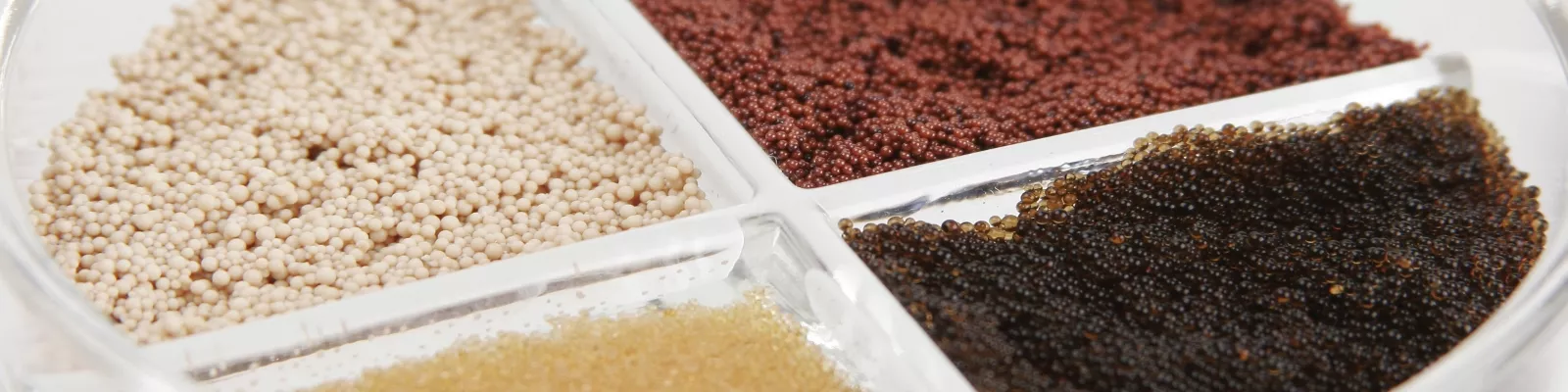
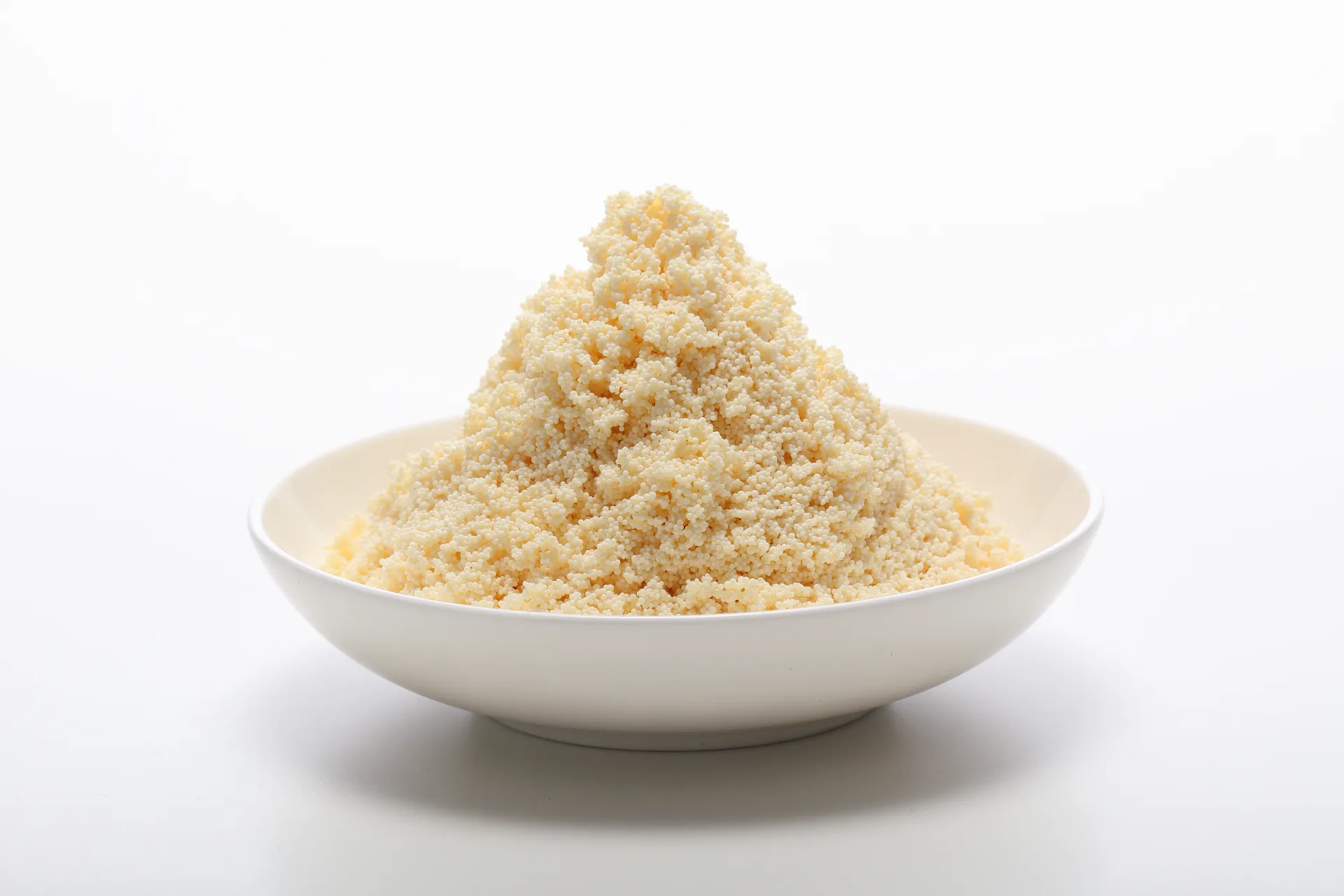
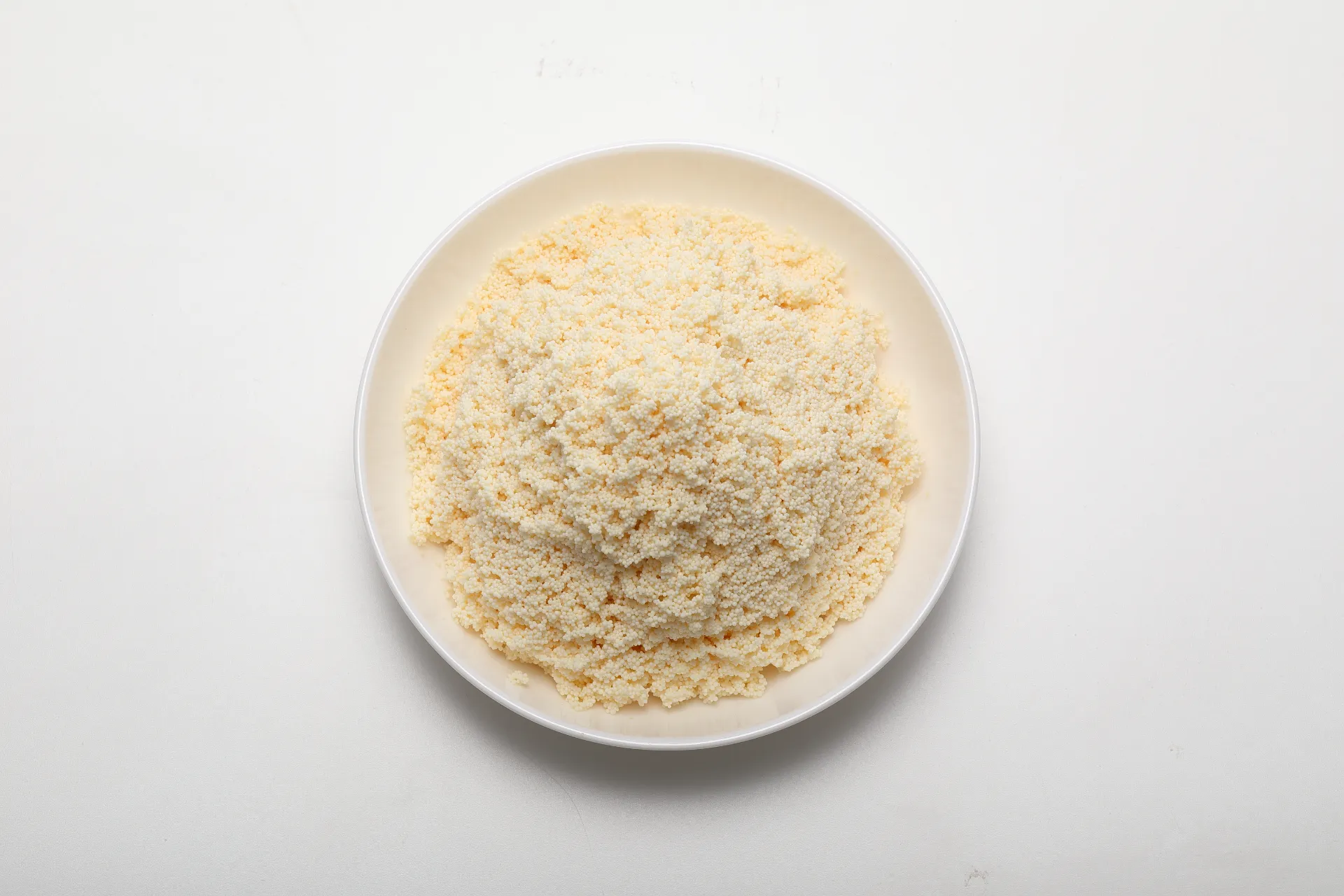
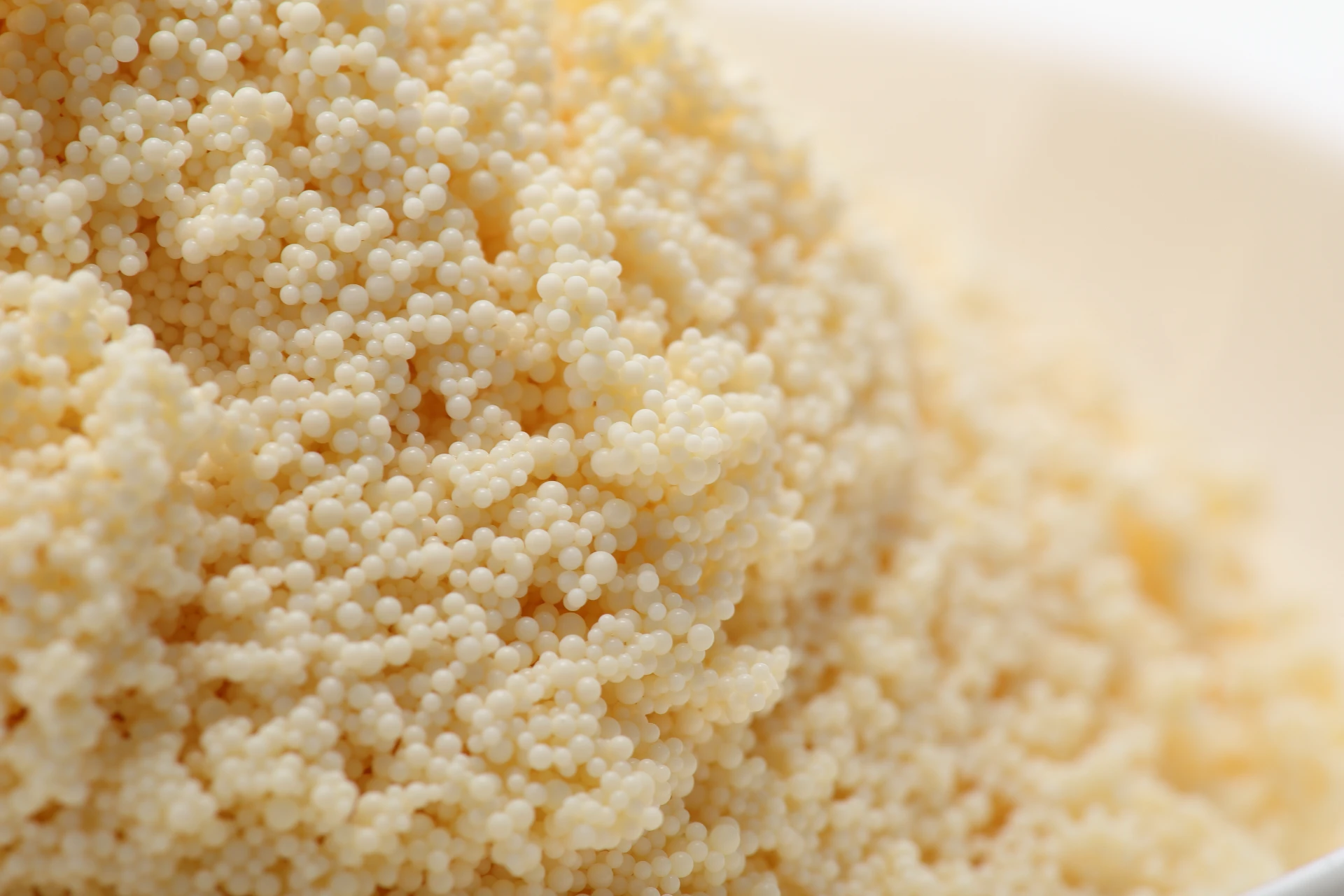
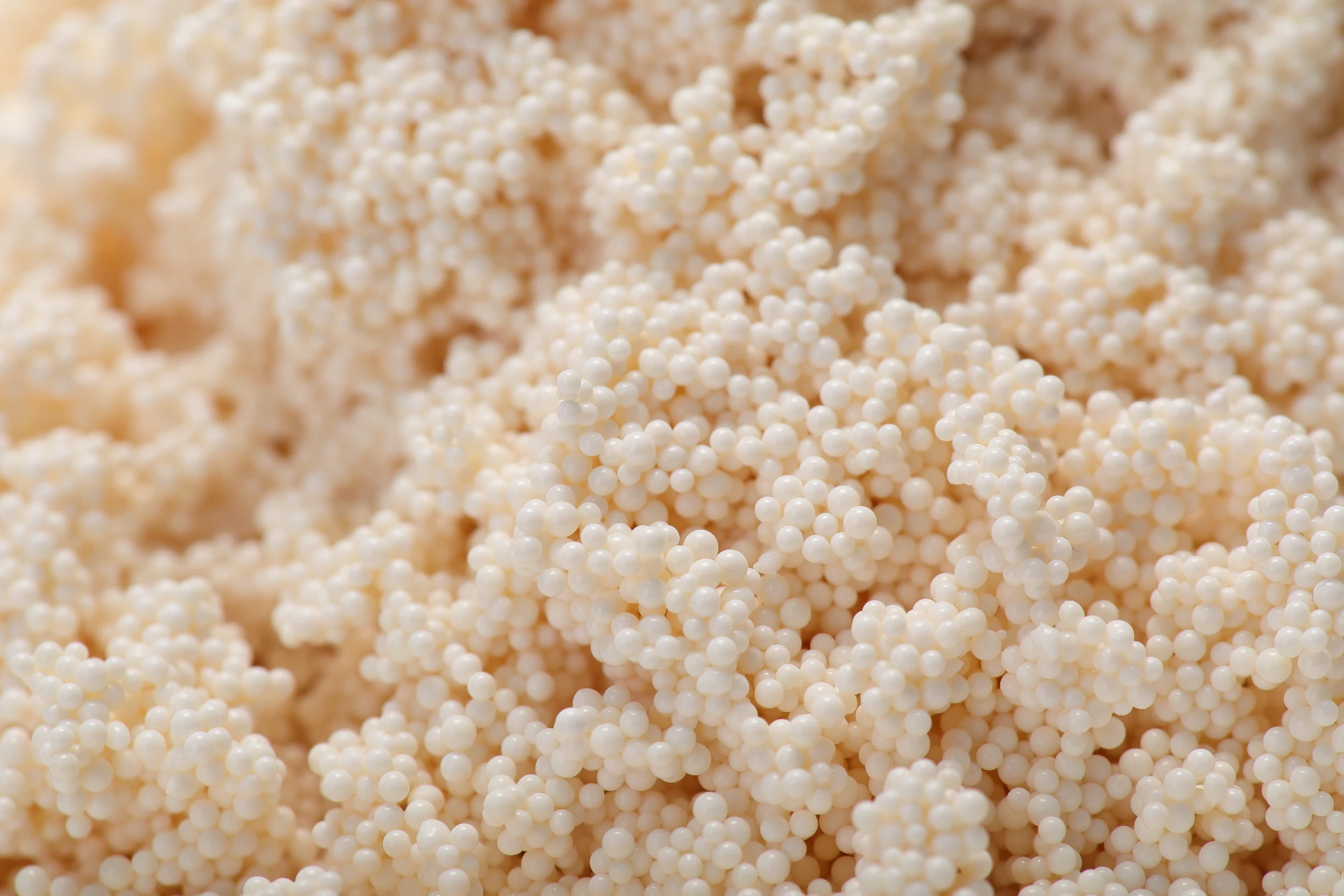
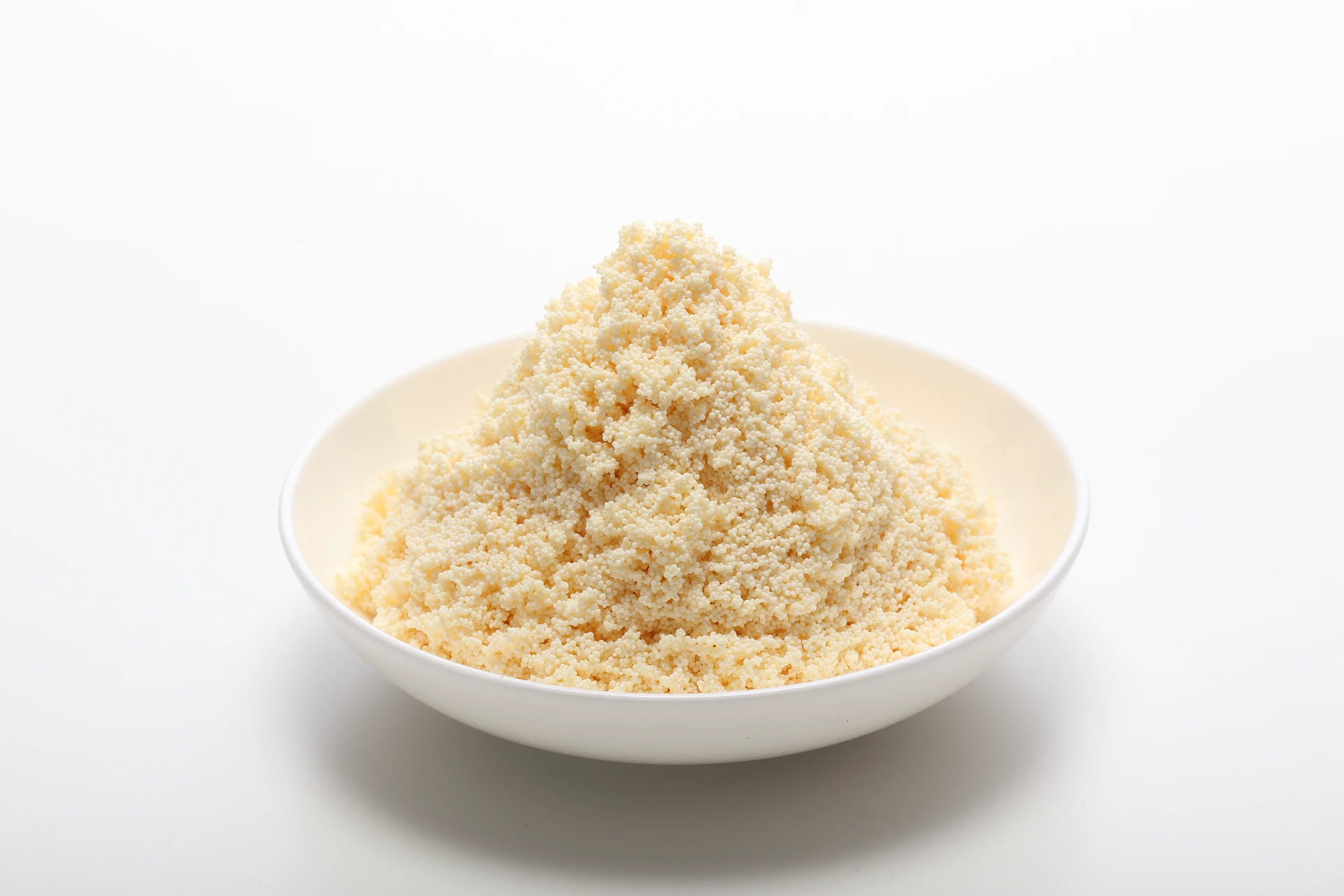
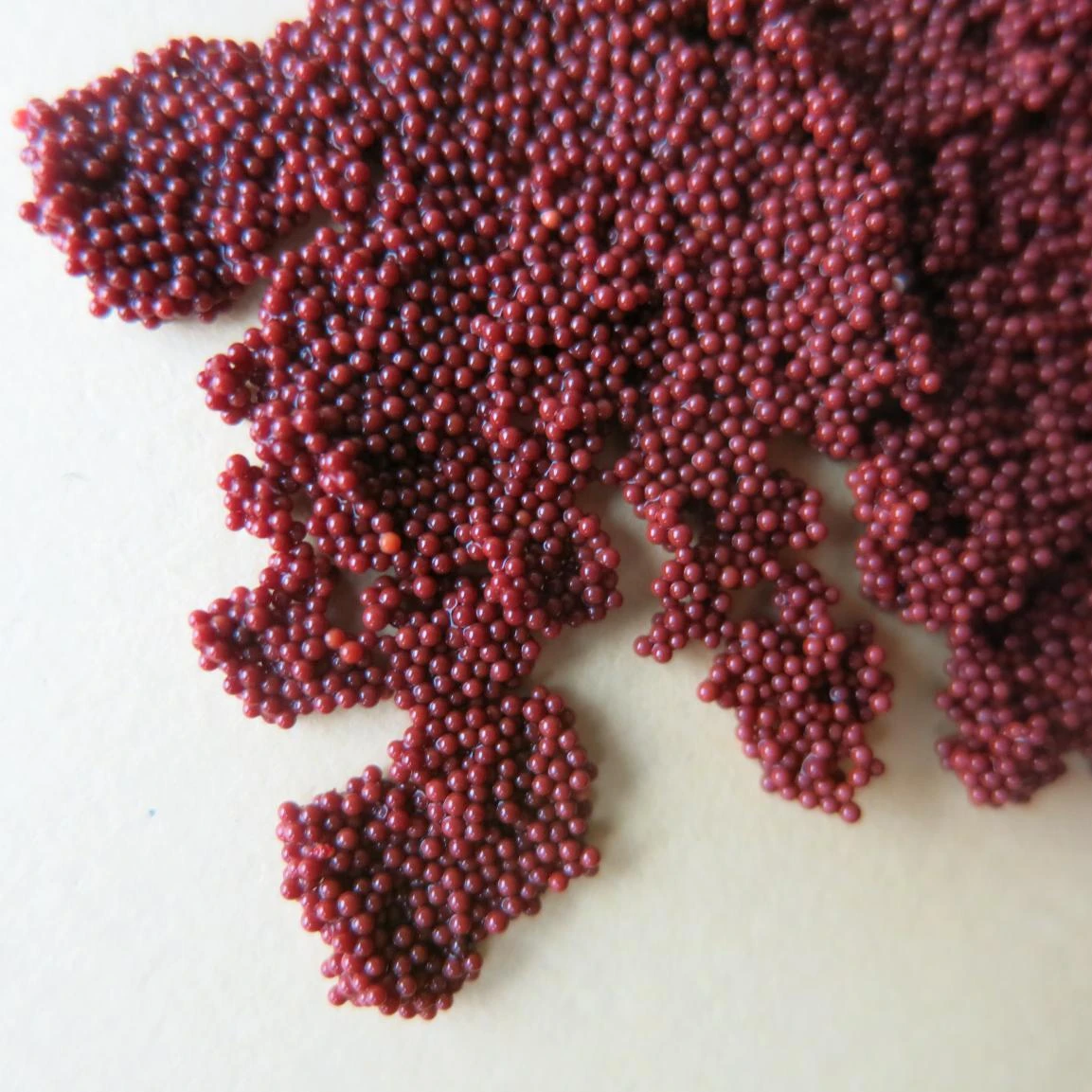
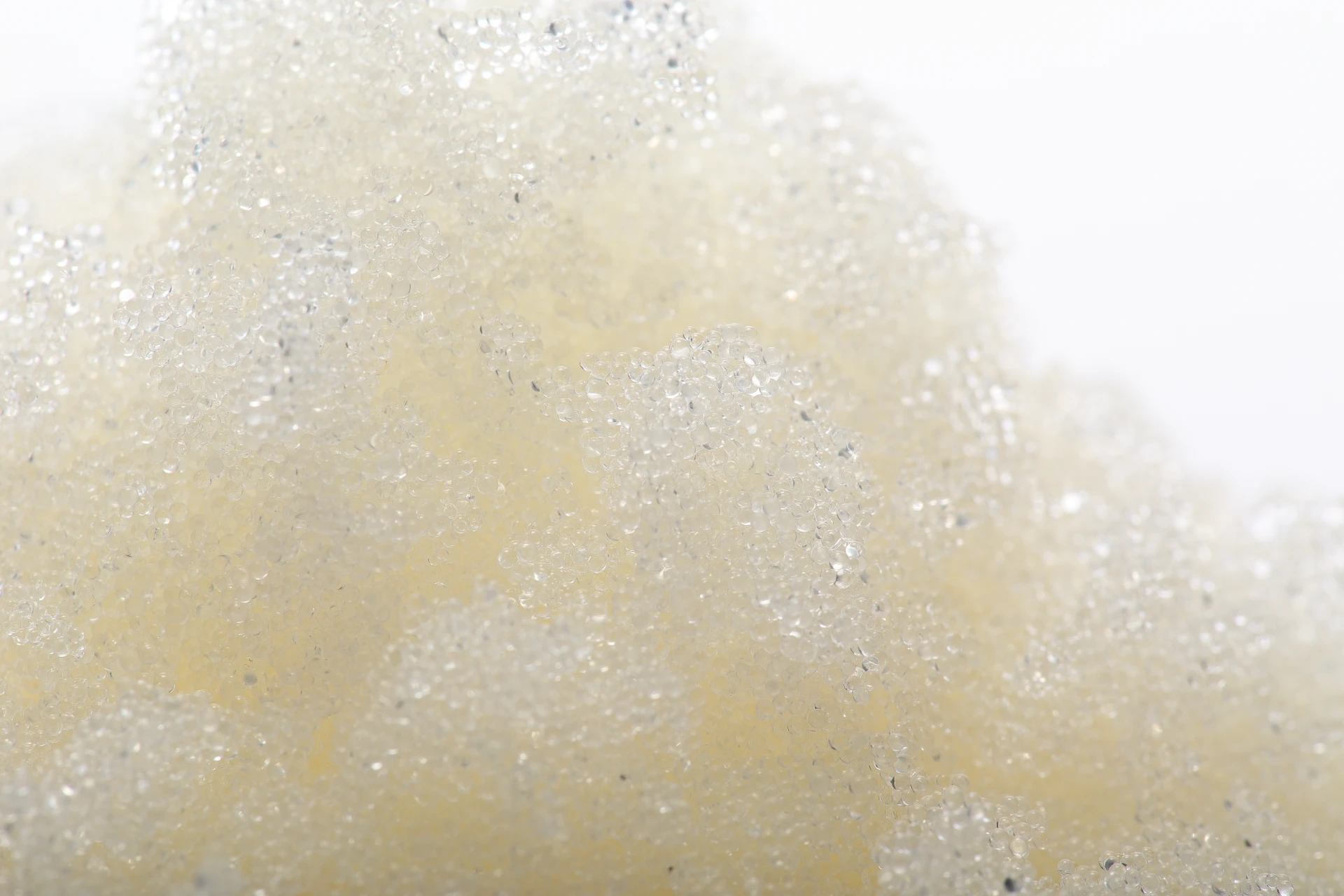
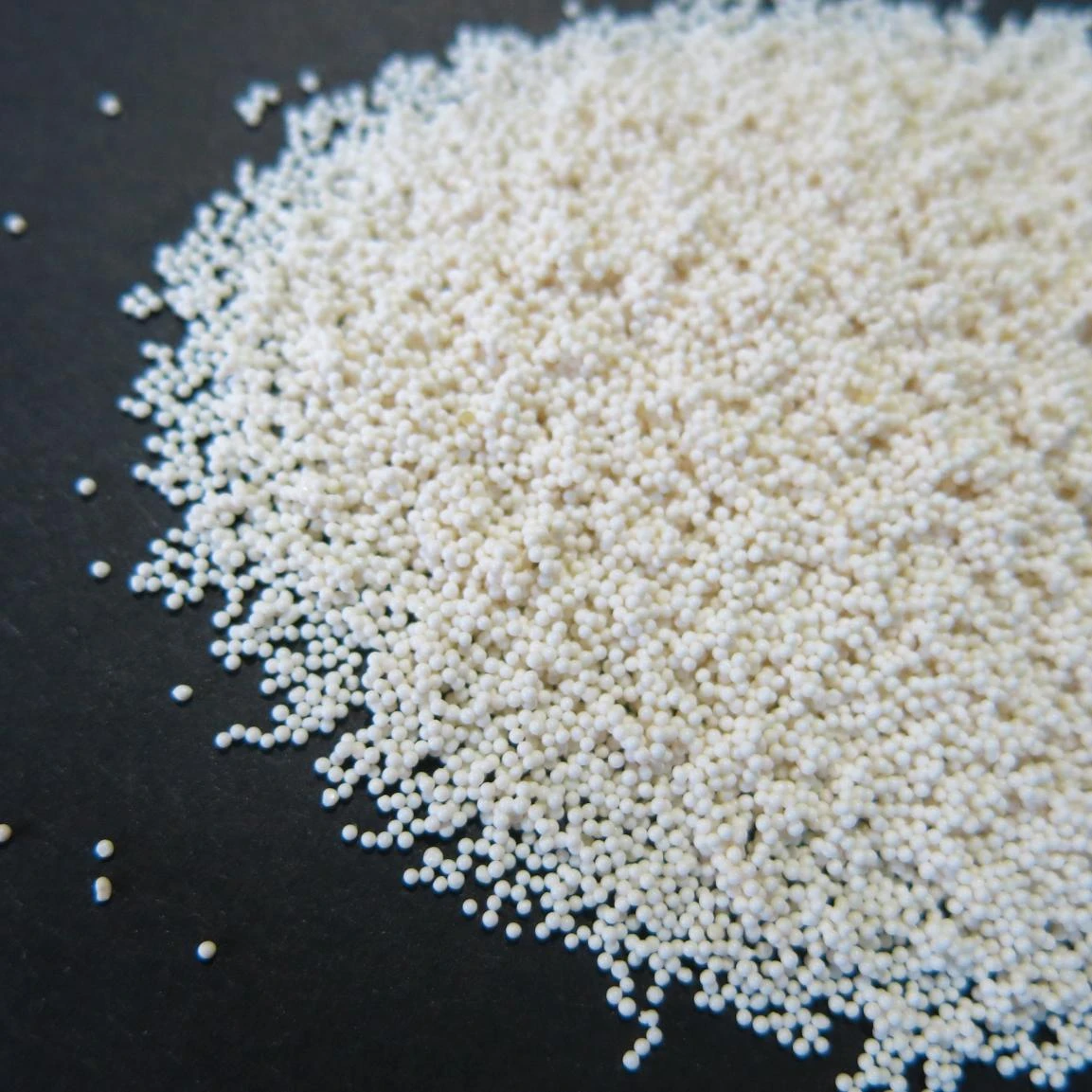
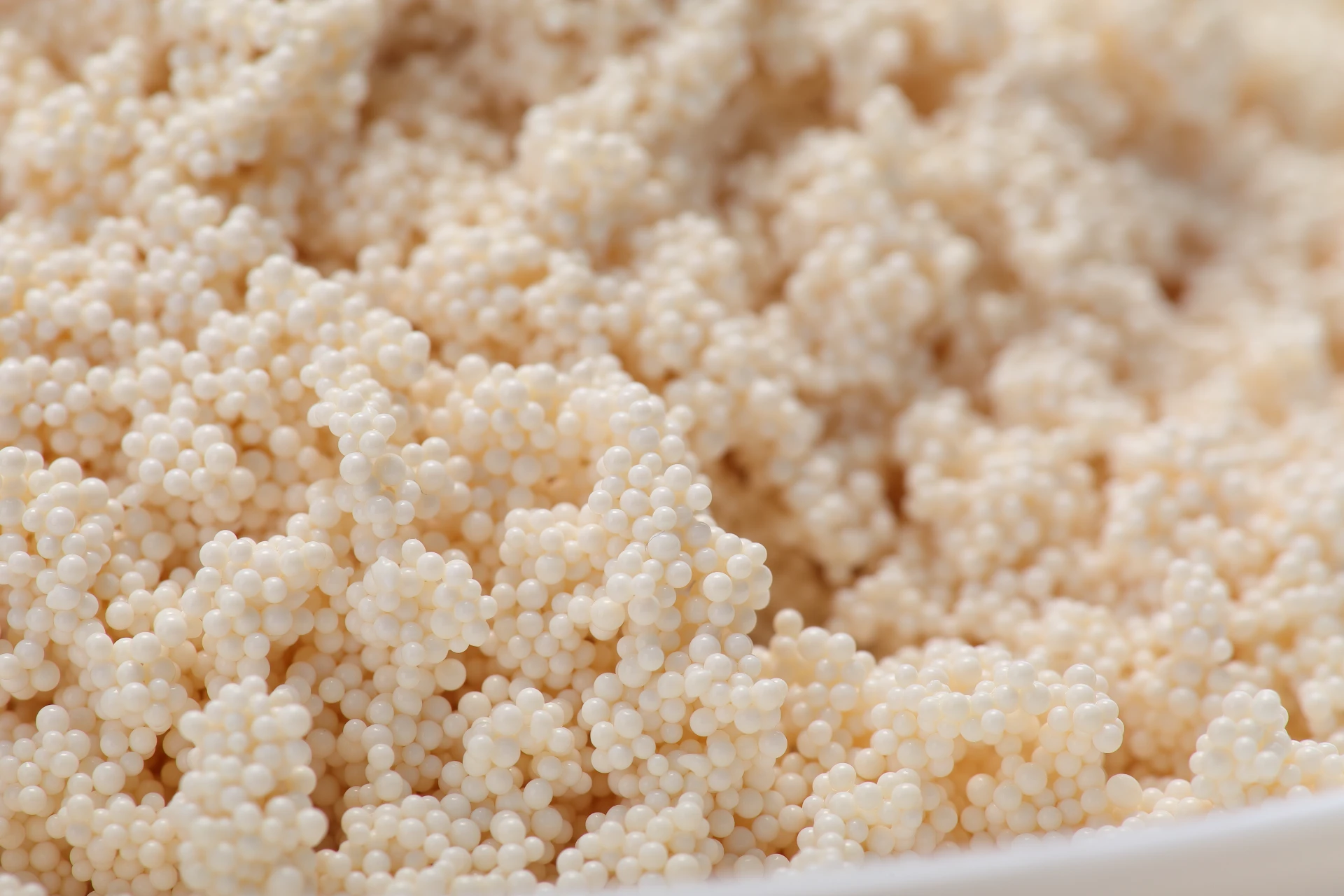
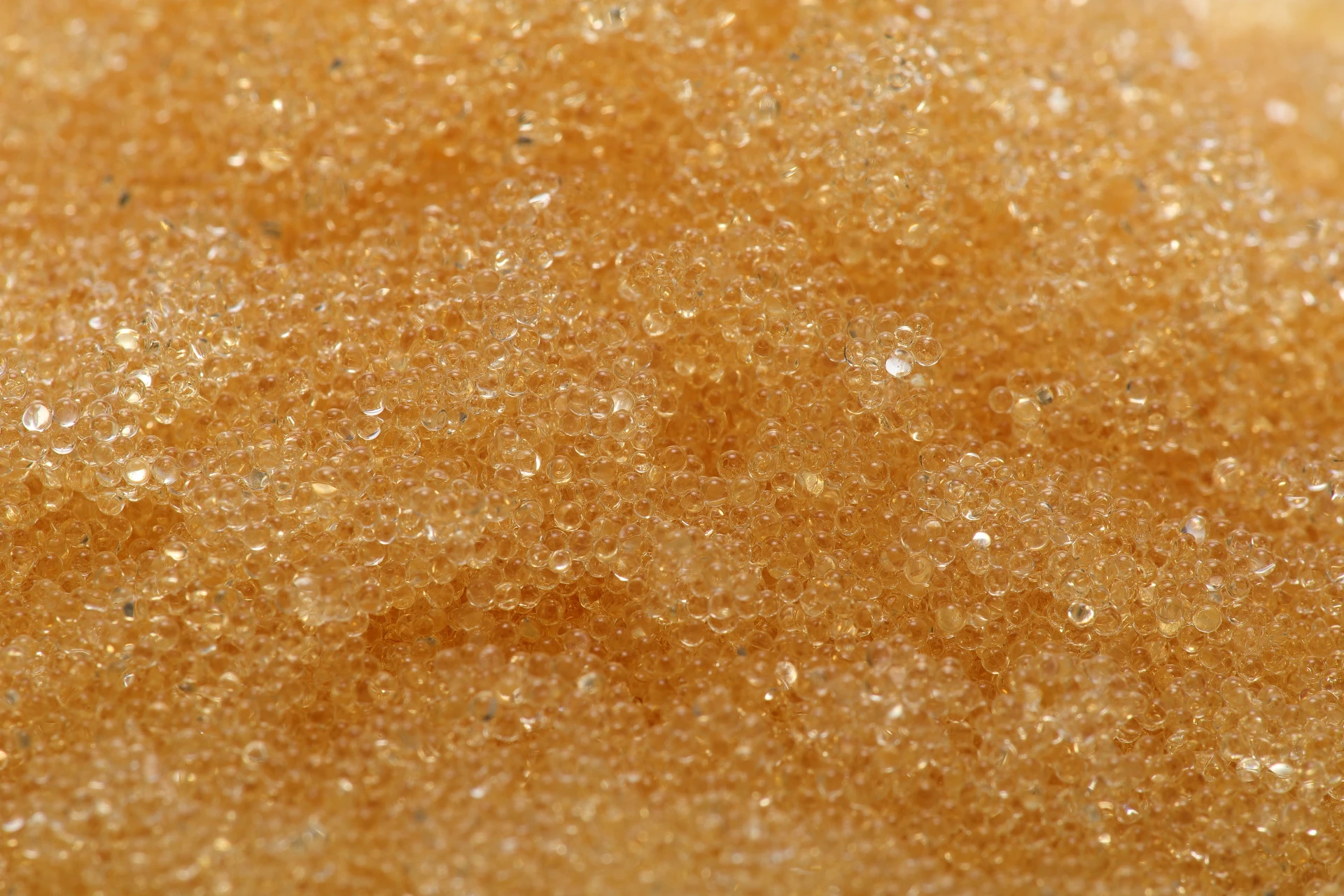
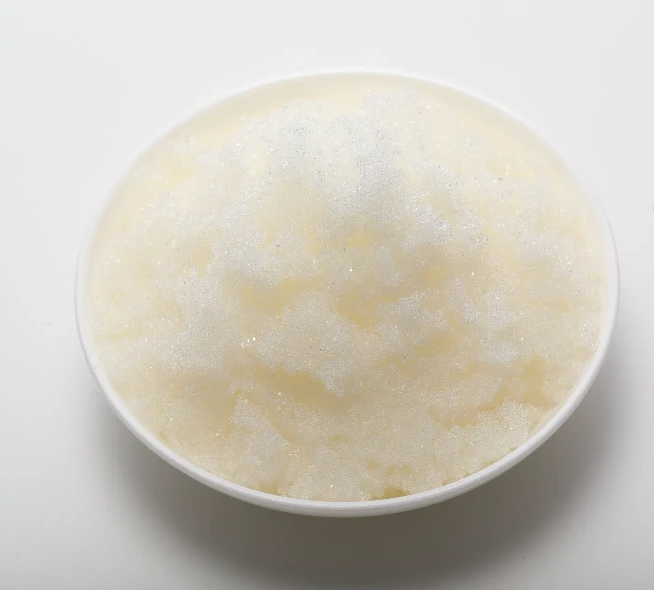
Opalescent to light yellow opaque spherical beads
|
|
Polymer
|
Acrylic polyacrylic
|
|
Functional Group
|
-COOH
|
|
Ionic Form as shipped
|
H+
|
|
Weight Exchange Capacity
|
≥10.80mmol/g
|
|
Volume Exchange Capacity
|
≥4.40mmol/ml
|
|
Real Density (g/ml)
|
1.14-1.20g/ml
|
|
Bulk Density (g/ml)
|
0.72-0.80g/ml
|
|
Water Retention Capacity
|
45%-52%
|
|
Particle Size Range
|
0.315~0.63 mm≥95%
|
|
Uniformity Coefficient
|
≤1.4
|
|
Whole Bead Count(%)
|
≥95%
|
Reference Operation Conditions
|
Maximum operating temperature
|
110℃
|
|
Resin filling height
|
1~3m
|
|
Operating velocity
|
2~10BV/h
|
|
Backwash velocity
|
4~10BV/h
|
|
Regeneration (desorption) velocity
|
1~2BV/h
|
|
Regeneration agent
|
2BV3~5%HCI,2BV2~4% NaOH
|
Application
Water softening
Zinc, nickel waste recycling
The separation and purification of biochemical drugs
Precautions
Resin should be wet state preservation. The best temperature is above 0℃. Resin should be put into a closed space or add in salt water of 5% or above if not used for a long time.Should be anti-freezing during transportation. Do not place heavy objects on the resin in case being crashed.
Generally requires alkali- water - acid - water flow path for processing. Strict requirement needs three circulation before coming to final ion kenel.
Need to consider different transformation expansion rate to set aside enough space to prevent resin overflow and ensure the appropriate liquid level height; Column diameter ratio should be within a reasonable range and avoid bias current; Use wet packed column or back-flushing to wash away bubbles inside resin layer.
Before liquid going into the resin column, steps as flocculation, filtration, or sand-filtration should be taken so that it doesn’t jam resin pore with suspended solids .
Resin inside the column that hasn’t been used for a long time should be storaged outside of the column after washing, or adding salt water in the salt resistant medium while keeping liquid level not dehydrated with usual backwashing to loosen resin in case of agglomeration.
Weak Acid Cation Exchange Resin D113 SC
In modern industrial and commercial water treatment, the demand for high-performance and reliable ion exchange materials has never been greater. Weak Acid Cation Exchange Resin D113 SC stands out as a versatile and efficient solution for softening, decarbonization, and pre-treatment applications, delivering consistent removal of hardness ions and improved water quality across diverse industries. Its compatibility with mixed bed water softener and deionization resin mixed bed systems, along with superior selectivity and regeneration efficiency, ensures operational stability while minimizing chemical consumption and maintenance requirements.
Supporting the application of D113 SC is Hebei Lijiang Biotechnology Co., Ltd., a high-tech enterprise specializing in the research, development, production, and service of high-performance cation exchange resin, anion exchange resin, adsorption resin, and chelating resin products. With international certifications including ISO9001, SGS, and WQA, and food-grade compliance aligned with FDA standards, Lijiang guarantees consistent quality, safety, and reliability. By combining advanced resin technology with comprehensive technical support, the company enables manufacturers worldwide to achieve optimized water treatment, enhanced operational efficiency, and sustainable production practices.
Improving Water Softening Efficiency with Weak Acid Cation Exchange Resin D113 SC
In today’s industrial landscape, efficient water treatment is essential for maintaining equipment longevity, ensuring product quality, and achieving sustainable operations. One material that has become increasingly vital in this process is the Weak Acid Cation Exchange Resin D113 SC. Known for its excellent softening capabilities and high selectivity for calcium and magnesium ions, this resin plays a crucial role in reducing hardness, alkalinity, and scaling in industrial water systems. When integrated into mixed bed water softener or deionization resin mixed bed systems, D113 SC enhances operational efficiency, reduces chemical consumption during regeneration, and extends the lifespan of downstream equipment.
Supporting the widespread adoption of D113 SC is Hebei Lijiang Biotechnology Co., Ltd., a modern high-tech manufacturer specializing in high-performance ion exchange resin products. Lijiang integrates research and development, production, sales, and technical service into a seamless operational framework, providing clients with complete solutions for industrial, food-grade, pharmaceutical, and nuclear-grade applications. The company’s commitment to quality is reflected in its ISO9001, SGS, and WQA certifications, as well as FDA compliance for food-grade resins. Through its stringent quality control protocols, Lijiang ensures that every batch of cation exchange resin, anion exchange resin, adsorption resin, or chelating resin meets or exceeds international standards.
Key Advantages of D113 SC Weak Acid Cation Resin in High-Performance Ion Exchange Systems
The D113 SC resin is distinguished by several critical technical advantages. Its weak-acid functional groups provide efficient removal of hardness ions while minimizing acid consumption during regeneration, thereby reducing operational costs and environmental impact. Additionally, the resin exhibits excellent mechanical strength, low swelling properties, and consistent hydraulic performance, making it suitable for both high-capacity industrial systems and precise laboratory applications.
When deployed in mixed bed water softener or deionization resin mixed bed setups, D113 SC works synergistically with complementary anion exchange resin and chelating resin components to deliver ultra-pure water. Its compatibility with high-quality materials, including alternatives similar to purolite mixed bed resin, allows system designers to optimize performance according to specific operational requirements. These characteristics make D113 SC an ideal choice for power plants, chemical manufacturing, electronics, pharmaceutical production, and food and beverage industries, where water quality directly impacts both process efficiency and product integrity.
Moreover, D113 SC demonstrates remarkable stability across a broad range of pH values and temperatures, which ensures reliable performance in both continuous and intermittent operation scenarios. Its resistance to mechanical wear reduces resin attrition, preventing bed compaction and channeling, and providing longer operational life. By maintaining high exchange capacity and predictable regeneration cycles, D113 SC contributes to energy-efficient and cost-effective water treatment solutions.
Industrial and Food-Grade Applications of Weak Acid Cation Exchange Resin D113 SC
The versatility of D113 SC is reflected in its diverse industrial and commercial applications. In power generation, it serves as a key component for boiler feedwater softening and decarbonization, preventing scale formation and protecting critical equipment such as turbines and heat exchangers. Chemical and petrochemical industries rely on its stable ion-exchange performance to purify process water, recover valuable ions, and reduce operational downtime.
In the food and beverage sector, D113 SC’s compliance with FDA standards and its high purity make it suitable for applications such as sugar deashing, beverage water treatment, and ingredient processing. The resin’s reliability ensures consistent quality while supporting hygienic and safe production practices. Similarly, in pharmaceutical manufacturing and electronics, D113 SC enables the production of ultra-pure water required for sensitive processes, minimizing the risk of contamination and ensuring product consistency.
Hebei Lijiang Biotechnology Co., Ltd. not only provides the resin but also delivers comprehensive technical support to maximize its performance. Services include system design consultation, installation guidance, process optimization, and long-term operational advice. By integrating D113 SC with complementary adsorption resin, anion exchange resin, and chelating resin components, Lijiang helps clients achieve optimal system efficiency, extended service life, and reduced maintenance costs.
Furthermore, D113 SC’s environmentally friendly characteristics, including reduced chemical usage and lower wastewater generation, support global sustainability initiatives. As industries worldwide move toward greener and more efficient production models, high-performance ion exchange resin products like D113 SC are becoming essential for modern water treatment systems.
Conclusion
The Weak Acid Cation Exchange Resin D113 SC represents a reliable and efficient solution for industrial and commercial water treatment applications. Its high selectivity, mechanical strength, and compatibility with mixed bed water softener and deionization resin mixed bed systems make it ideal for a wide range of industries, from power generation and chemical processing to food, pharmaceutical, and electronics production. By choosing D113 SC, manufacturers can achieve higher operational efficiency, reduced chemical consumption, and consistent water quality.
Supported by Hebei Lijiang Biotechnology Co., Ltd., D113 SC is part of a broader portfolio of high-performance cation exchange resin, anion exchange resin, adsorption resin, and chelating resin solutions designed to meet diverse industrial needs. Through rigorous quality control, international certifications, and comprehensive technical services, Lijiang empowers global clients to implement safe, reliable, and environmentally sustainable water treatment systems. For industries seeking dependable water conditioning solutions, D113 SC, combined with Lijiang’s expertise, delivers both superior performance and long-term value.