Phone:
+86 0319 2296164


Email:
info@lijiresin.cn
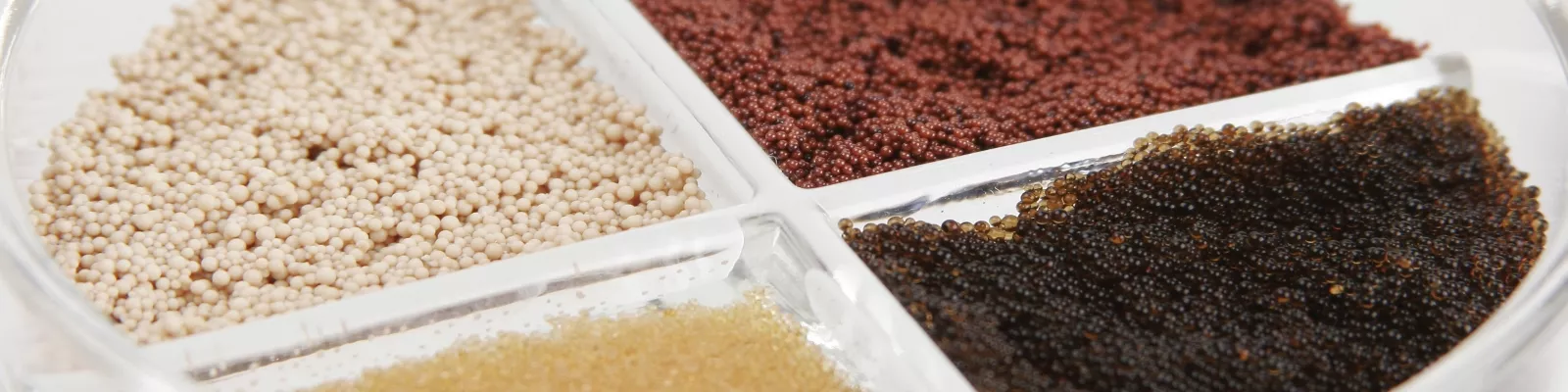
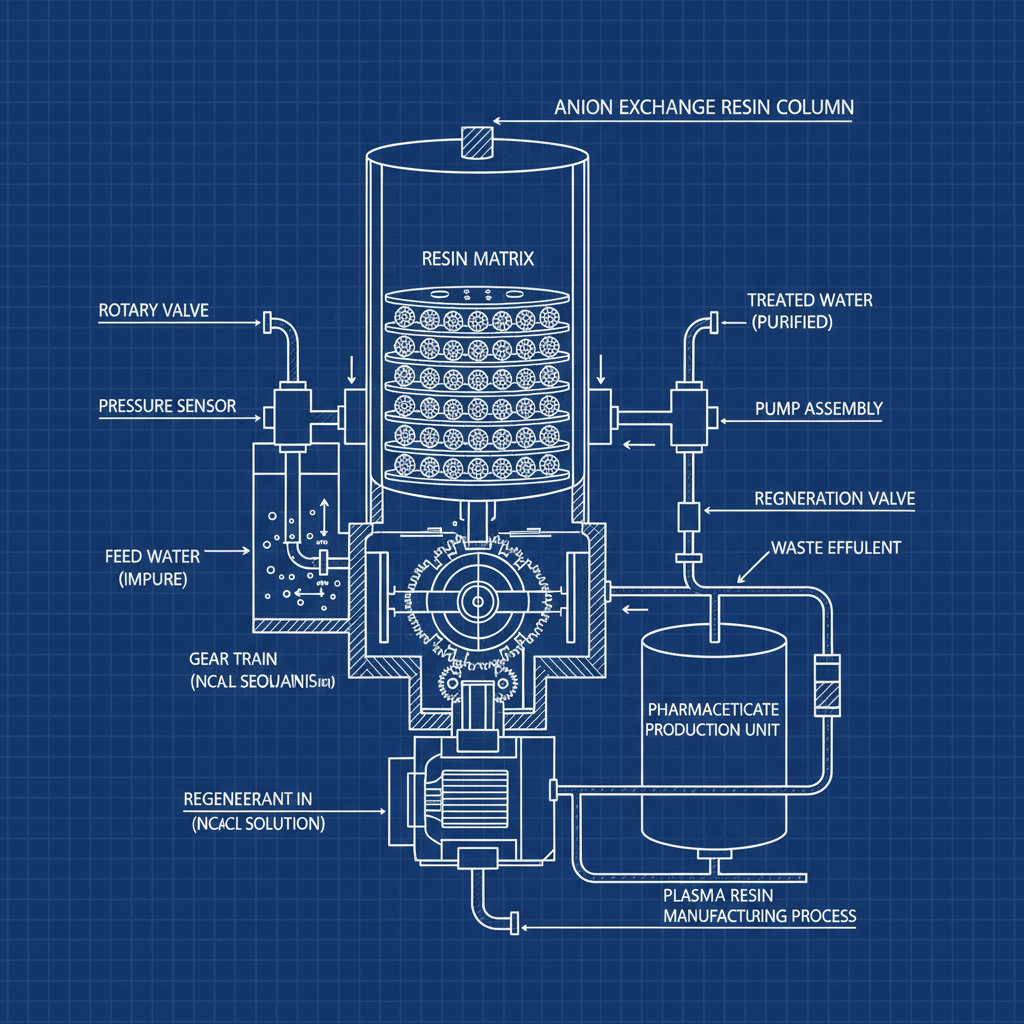
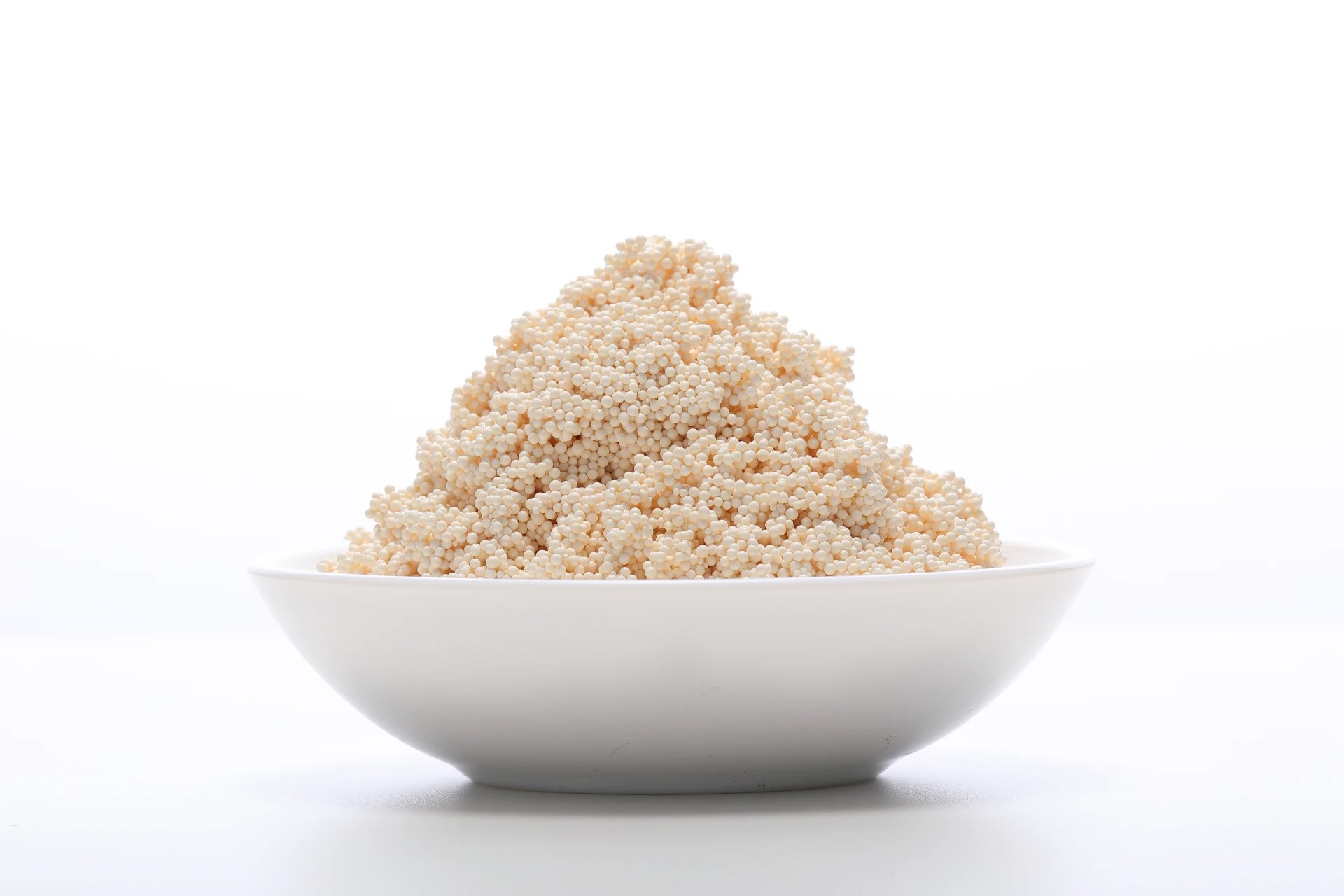
In the realm of modern water treatment, the role of specialized polymers cannot be overstated. Anion exchange resin serves as a cornerstone technology for removing dissolved inorganic anions from aqueous solutions. Whether it is used for producing ultrapure water for semiconductors or treating wastewater in chemical plants, this material provides an efficient, regenerable, and highly selective method of purification. Understanding the nuances of these resins is essential for engineers and procurement managers looking to optimize their filtration systems for maximum efficiency and longevity.
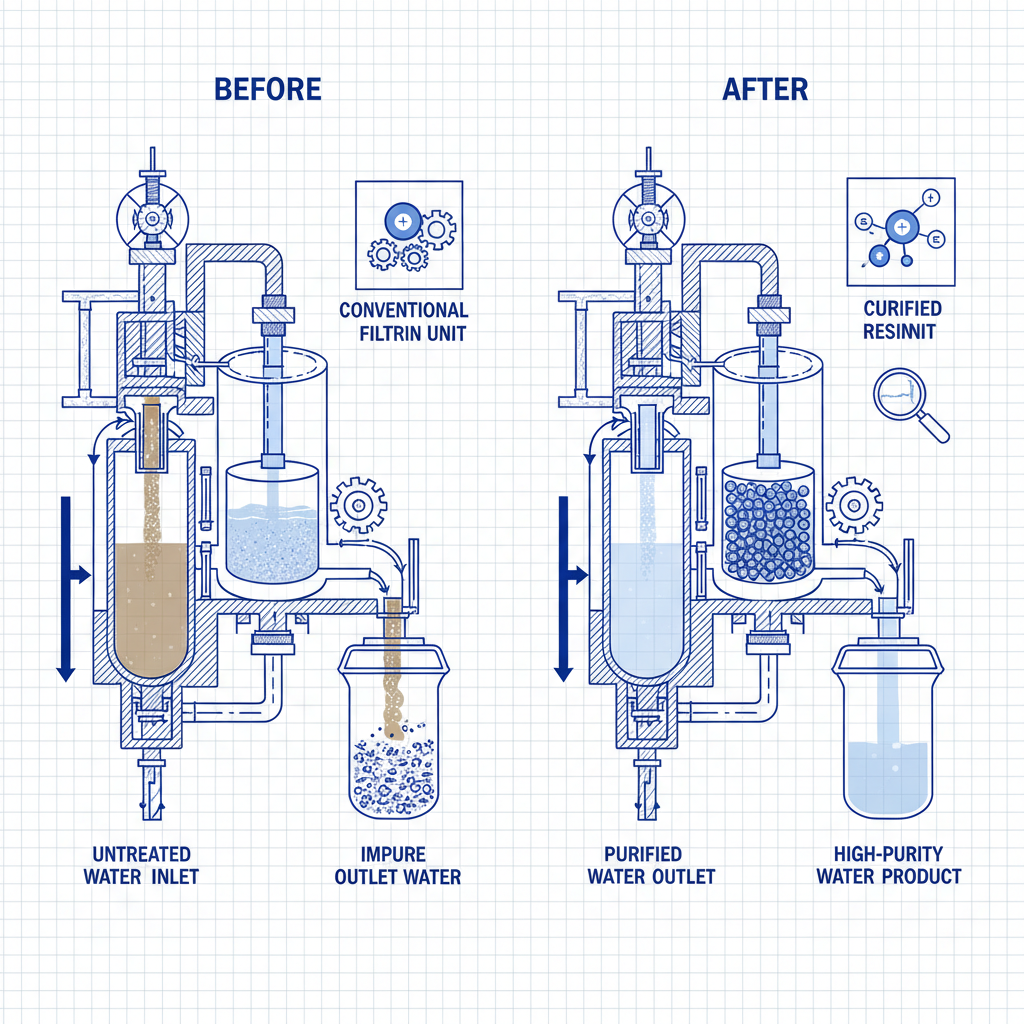
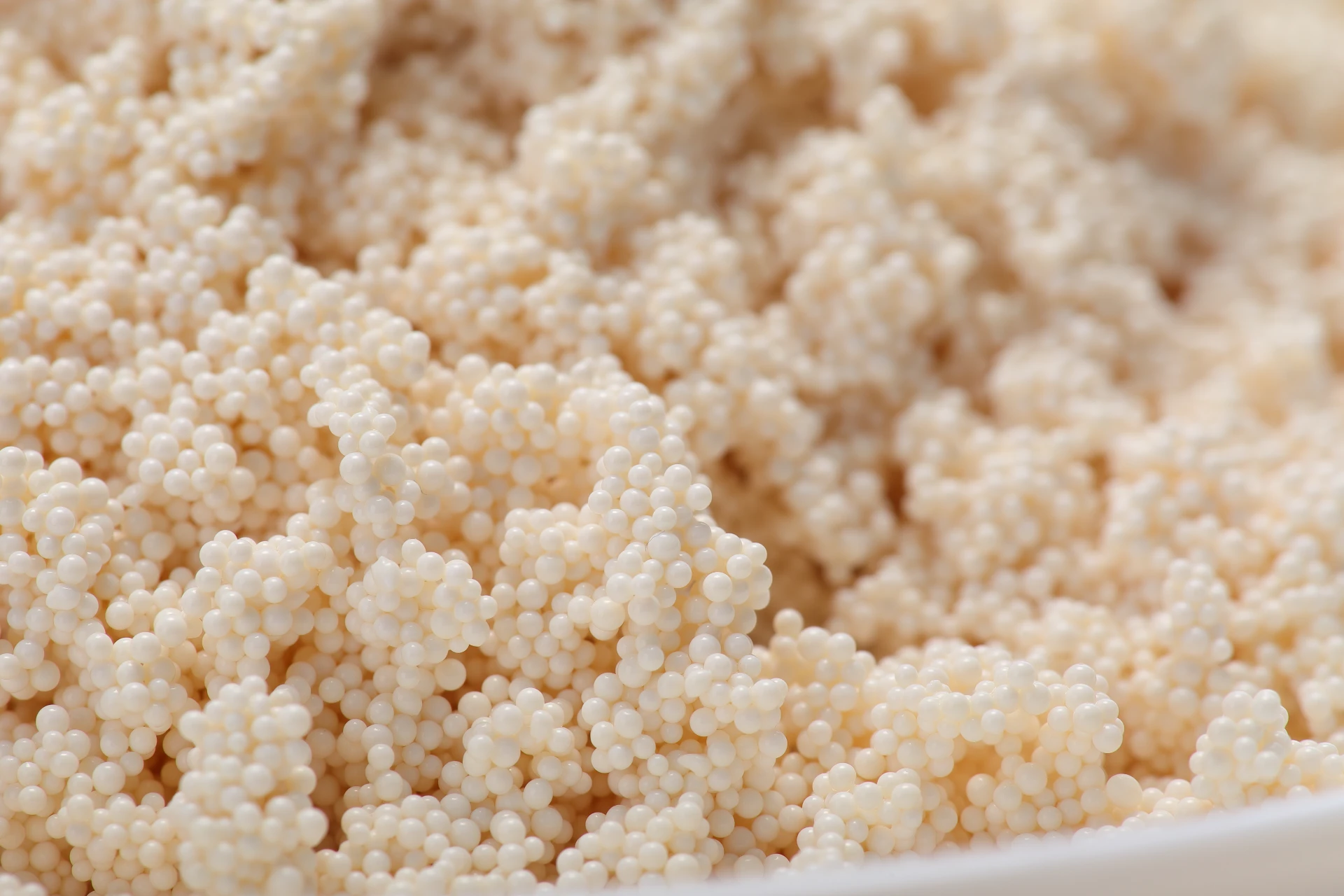
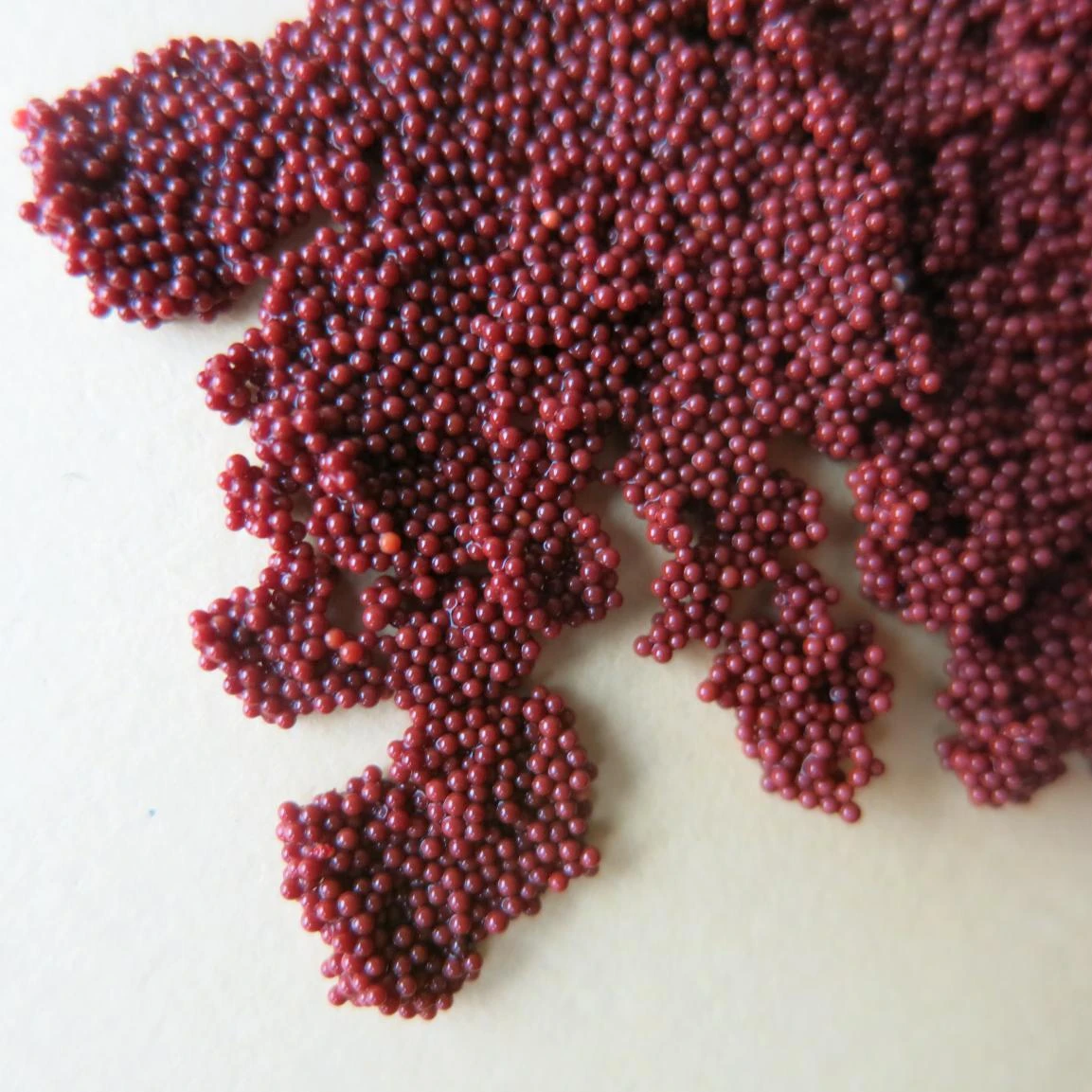
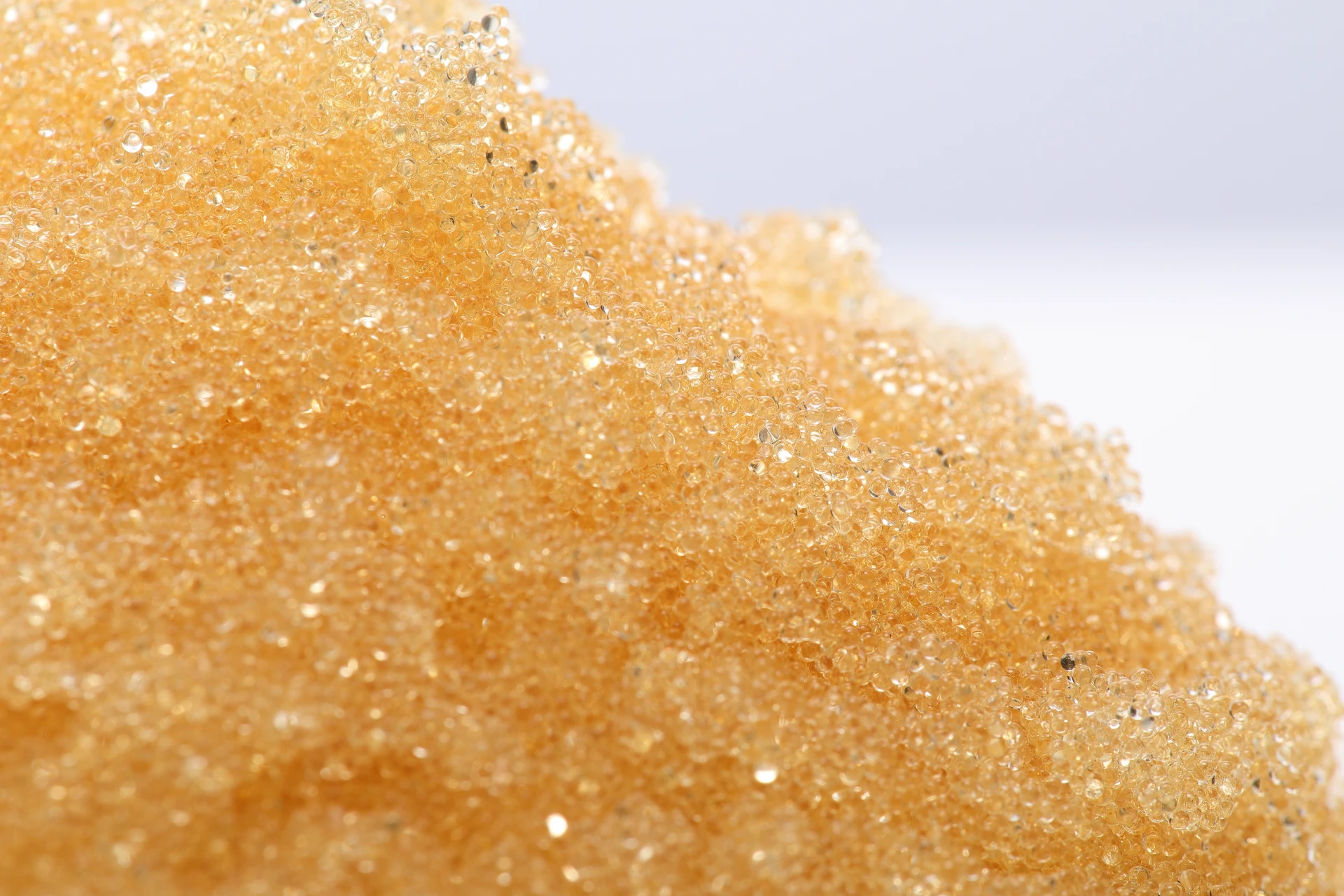
At its core, an anion exchange resin is a cross-linked polymer matrix containing fixed positive functional groups. As contaminated water passes through the resin bed, the negatively charged ions (anions) in the water are attracted to these positive sites, displacing a mobile counter-ion (usually chloride or hydroxide). This process, known as ion exchange, effectively swaps unwanted contaminants like nitrates, sulfates, and organic acids for harmless ions. The efficiency of this process depends heavily on the resin's selectivity, which determines which ions are captured first and most strongly.
Key Mechanism: The exchange process is reversible. Once the resin sites are saturated with contaminants, the resin can be "regenerated" by passing a concentrated solution of the original counter-ion through the bed, stripping away the captured anions and restoring the resin to its active state.
Not all anion resins are created equal. The industry primarily distinguishes between Strong Base Anion (SBA) and Weak Base Anion (WBA) resins. SBA resins contain quaternary ammonium groups, allowing them to remove all anions regardless of their pH, making them ideal for complete demineralization. Conversely, WBA resins utilize tertiary amine groups and are highly effective at removing strong acid anions and silica, but they are less effective at very high pH levels. Choosing between them requires a deep analysis of the feed water chemistry to ensure the most cost-effective operation.
The versatility of anion exchange resin makes it indispensable across various sectors. In the power industry, it is used to eliminate silica and chlorides from boiler feed water to prevent corrosion and scaling. In pharmaceuticals, it ensures that water used for injections is free from all ionic impurities. Additionally, it plays a vital role in the food and beverage industry for decolorization and the removal of bitter tastes caused by specific organic anions. The ability to target specific ions allows for precise control over water quality, ensuring compliance with strict international standards.
To maximize the lifespan of your anion exchange resin, proper maintenance is critical. One of the biggest challenges is "organic fouling," where large organic molecules plug the resin pores. Implementing a pre-filtration stage or using a specialized organic scavenger can significantly extend the intervals between regenerations. Furthermore, maintaining the correct flow rate (linear velocity) ensures that ions have sufficient contact time with the resin beads to be captured, preventing premature breakthrough and ensuring consistent effluent quality.
Maintenance Checklist:
• Regularly monitor pressure drops across the resin bed
• Use high-purity regenerants to avoid introducing new contaminants
• Periodically perform resin analysis to check for capacity loss
• Ensure proper backwashing to remove accumulated suspended solids
When selecting an anion exchange resin, technical specifications provide the roadmap for performance. Key metrics include the Total Exchange Capacity (meq/mL), which dictates how much ion load the resin can handle before regeneration. The moisture retention percentage indicates the resin's physical stability, while the particle size distribution affects the pressure drop and kinetics of the exchange. Below is a typical specification table for a high-performance Strong Base Anion resin used in industrial demineralization.
The selection and maintenance of a high-quality anion exchange resin are critical to the success of any water purification project. By understanding the differences between strong and weak base resins and adhering to strict maintenance protocols, industries can achieve superior water purity while minimizing operational costs. Whether your goal is removing nitrates for drinking water or eliminating silica for high-pressure boilers, the right resin technology ensures reliability and environmental compliance. Invest in professional-grade resins to secure the longevity of your infrastructure.
The regeneration frequency depends on the concentration of anions in the influent water and the total exchange capacity of the resin. In high-load industrial settings, regeneration may occur daily, whereas in low-load residential systems, it could be monthly. The most accurate way to determine the timing is by monitoring the "breakthrough point"—the moment when the target anions begin to appear in the effluent. Automated sensors can track conductivity or specific ion concentrations to trigger regeneration exactly when needed, preventing water contamination and optimizing chemical use.
No, because different resins have different selectivities and functional groups. For example, a Weak Base Anion (WBA) resin is excellent for removing strong mineral acids but cannot remove weak acids like silica or boric acid. A Strong Base Anion (SBA) resin can remove almost all anions but is more expensive to regenerate. For specialized tasks, such as removing nitrates specifically without removing sulfates, a "nitrate-selective" resin is required. Always match the resin chemistry to the specific contaminants in your water source for maximum efficiency.
The loss of capacity, often called "resin degradation," can be caused by several factors. Organic fouling is common, where large molecules block the active sites. Chemical degradation occurs if the resin is exposed to temperatures exceeding its limit (e.g., over 60°C for Type I SBA) or to strong oxidizing agents like chlorine, which can break the polymer cross-links. Physical attrition, where beads break due to excessive pressure or improper backwashing, also reduces efficiency. Regular cleaning and temperature control are essential to maintain the health of your anion exchange resin.
The "form" refers to the counter-ion currently attached to the resin. The chloride form (Cl-) is typically used for selective removal of anions or in softening applications, where the resin swaps a contaminant for a chloride ion. The hydroxide form (OH-) is used for demineralization; it swaps anions for hydroxide ions, which then react with cations (like H+) to form pure water (H2O). The choice of form depends on whether you want to simply replace one ion with another or completely remove ionic species from the water to achieve high purity.