Phone:
+86 0319 2296164


Email:
info@lijiresin.cn
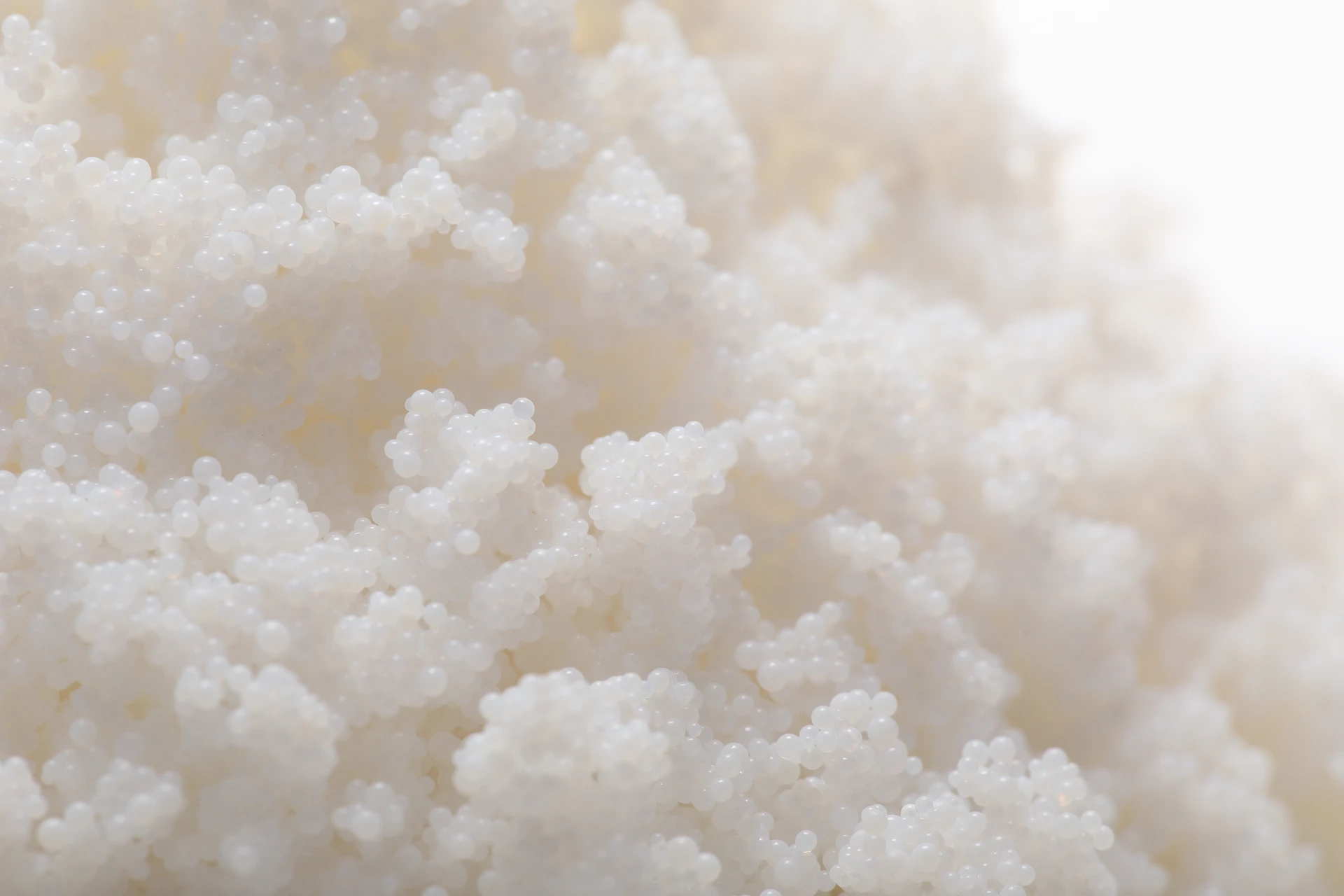
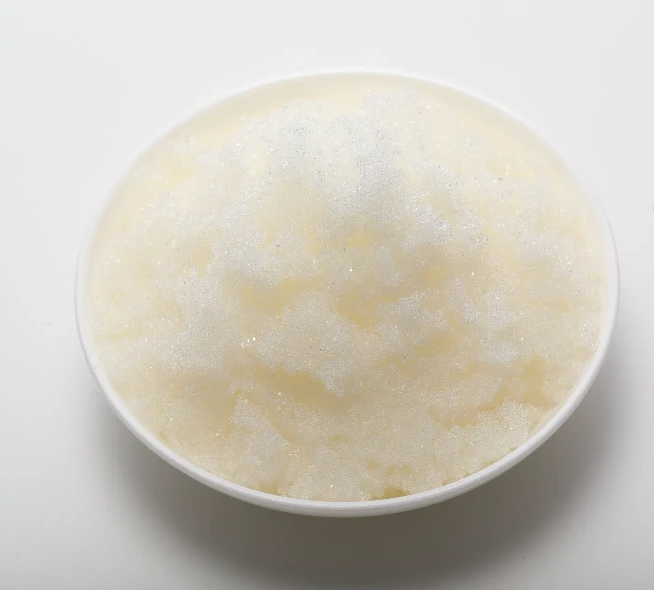
Ion exchange resin is a vital component in numerous industrial and environmental processes, offering a powerful solution for water purification, chemical separation, and catalysis. These versatile polymers are designed to selectively remove or exchange ions, leading to highly purified products and efficient process streams. This article will delve into the science behind ion exchange resins, their various types, applications, and key considerations for selection. Understanding the intricacies of these materials is crucial for optimizing performance and achieving desired outcomes in a wide range of industries.
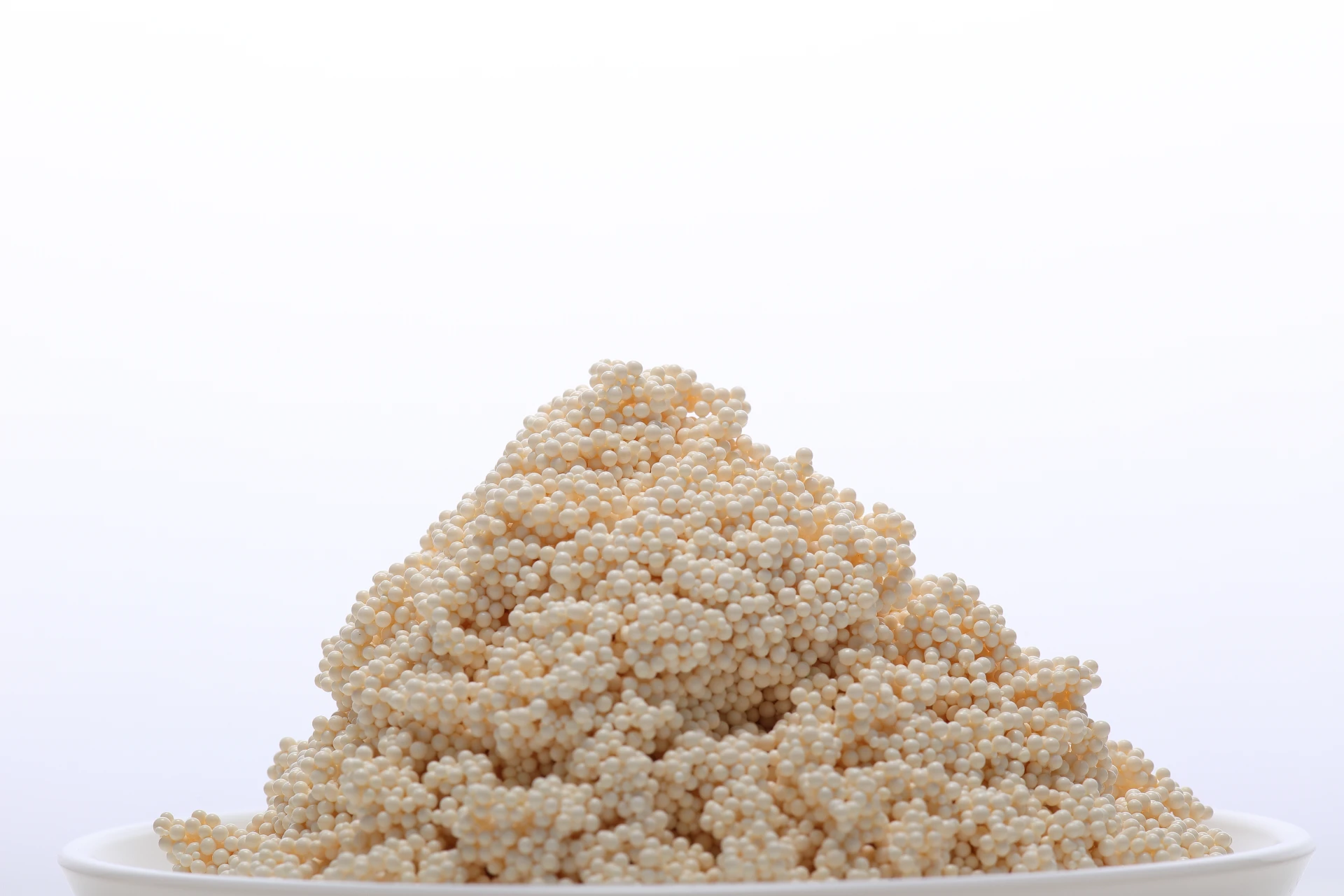
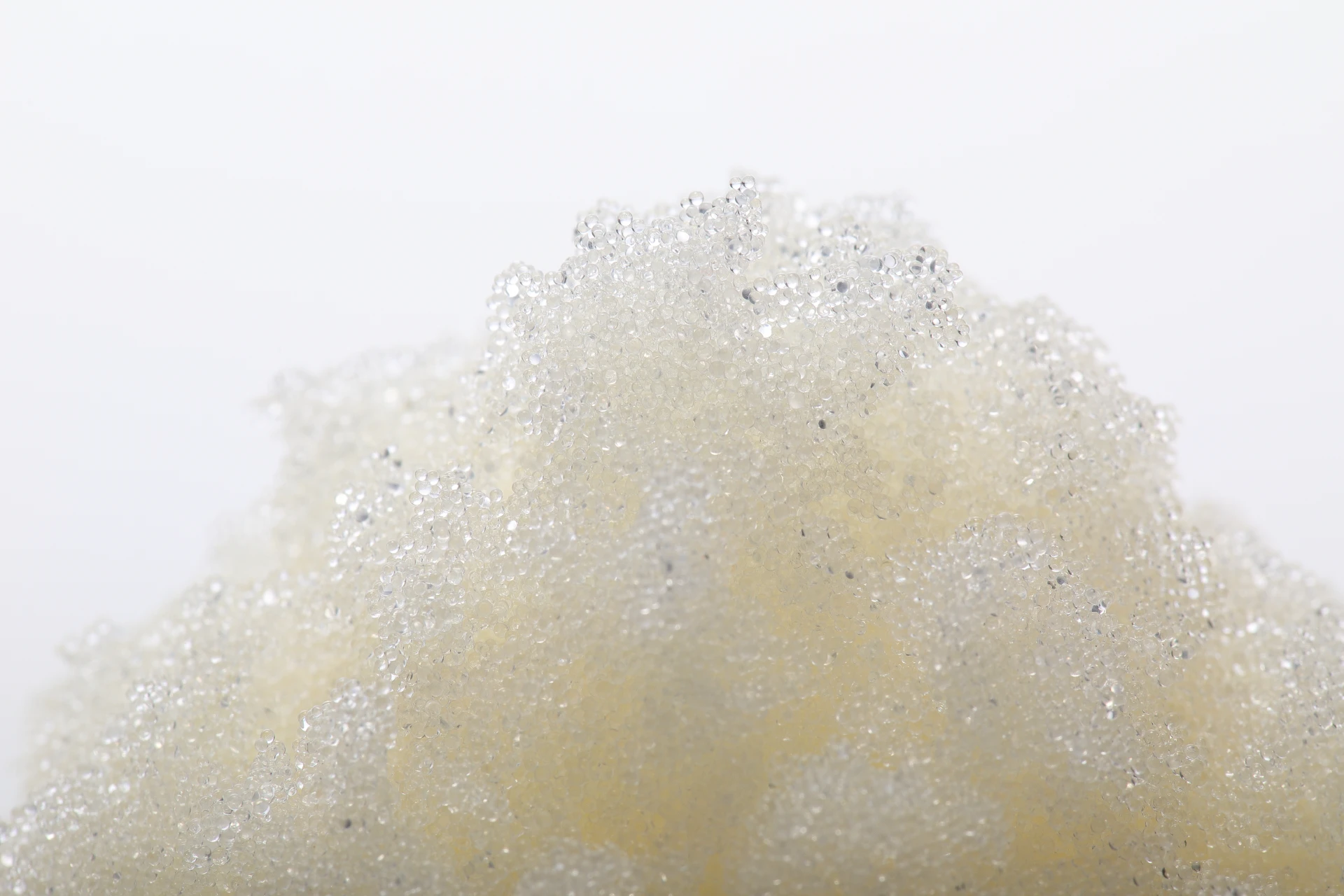
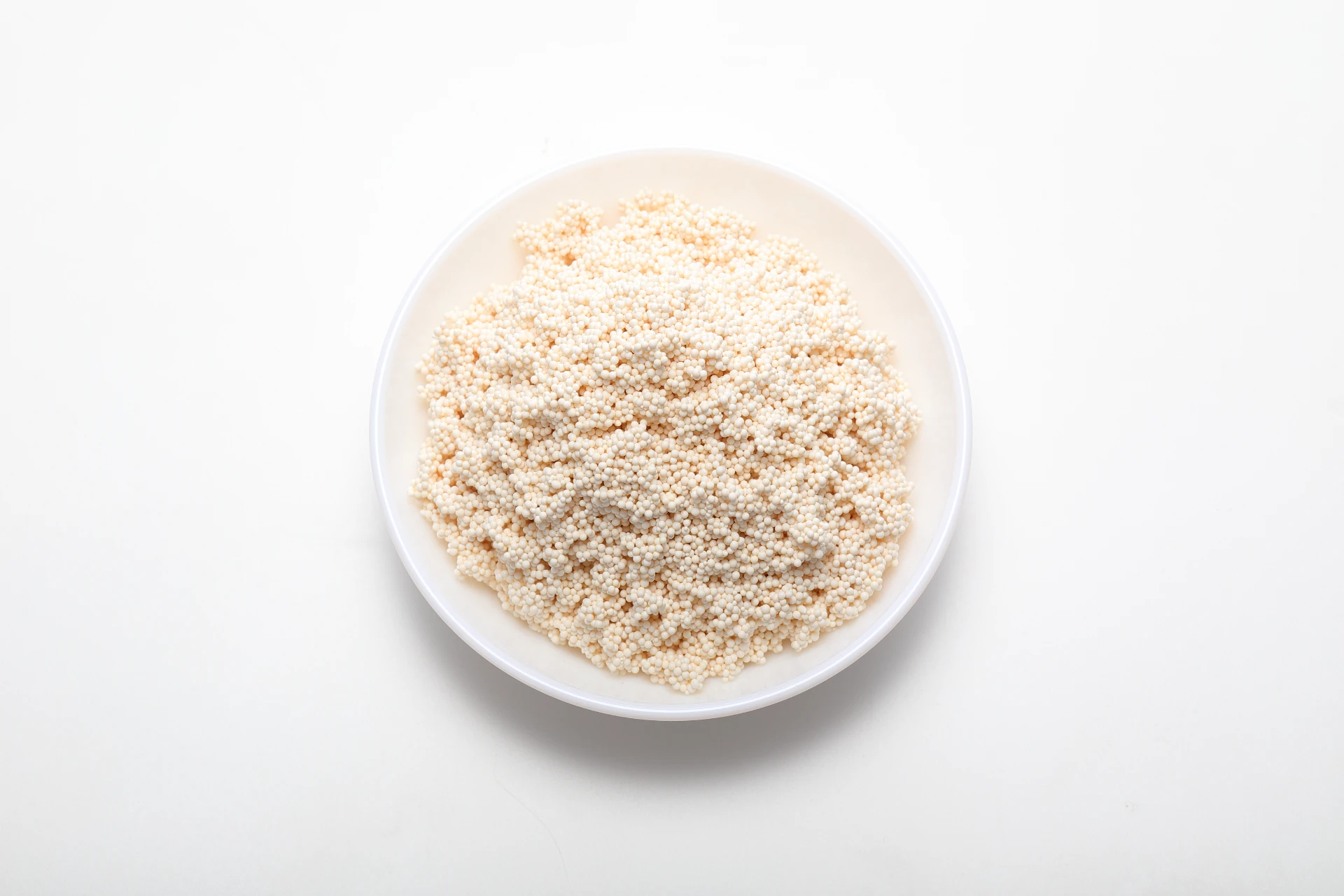
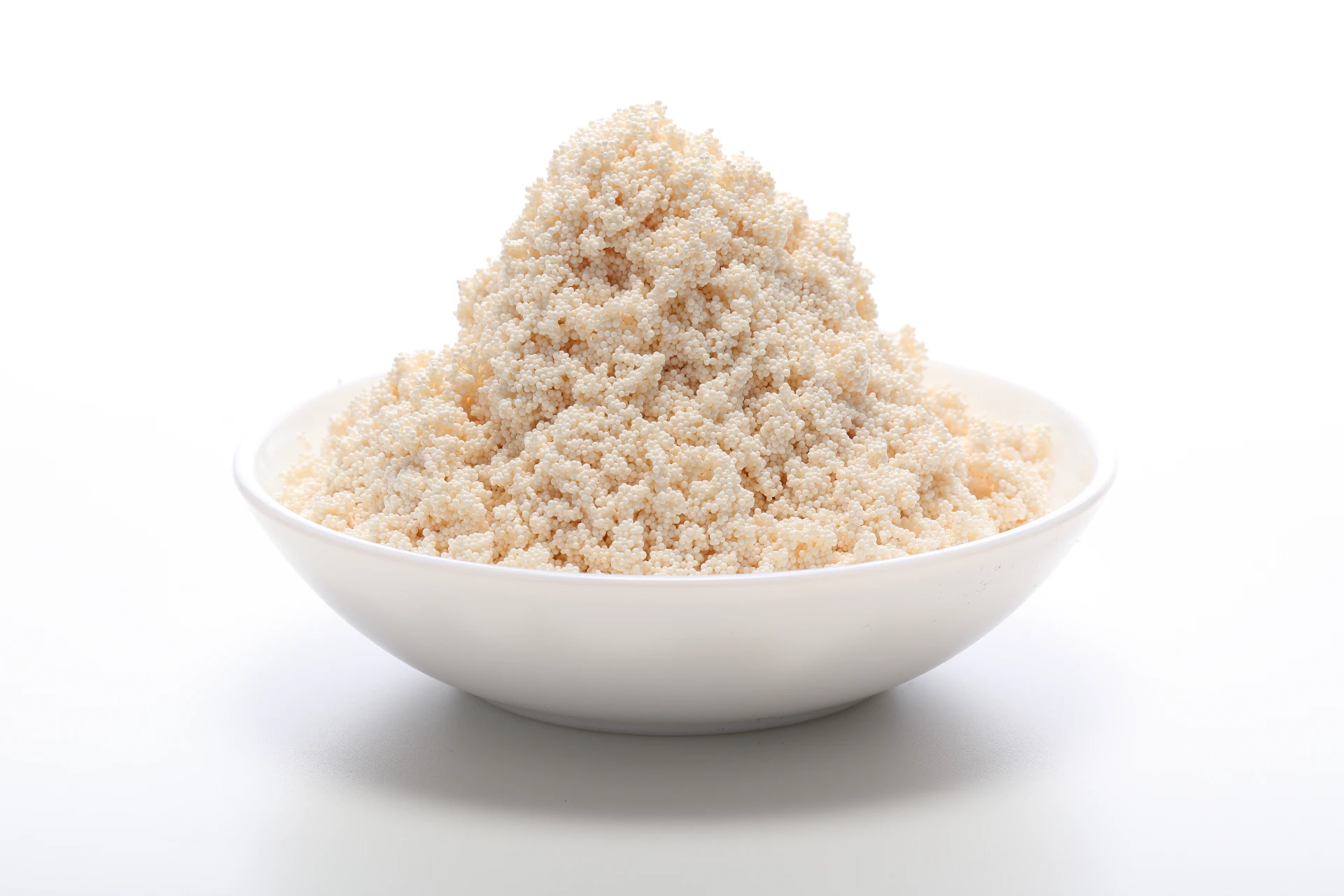
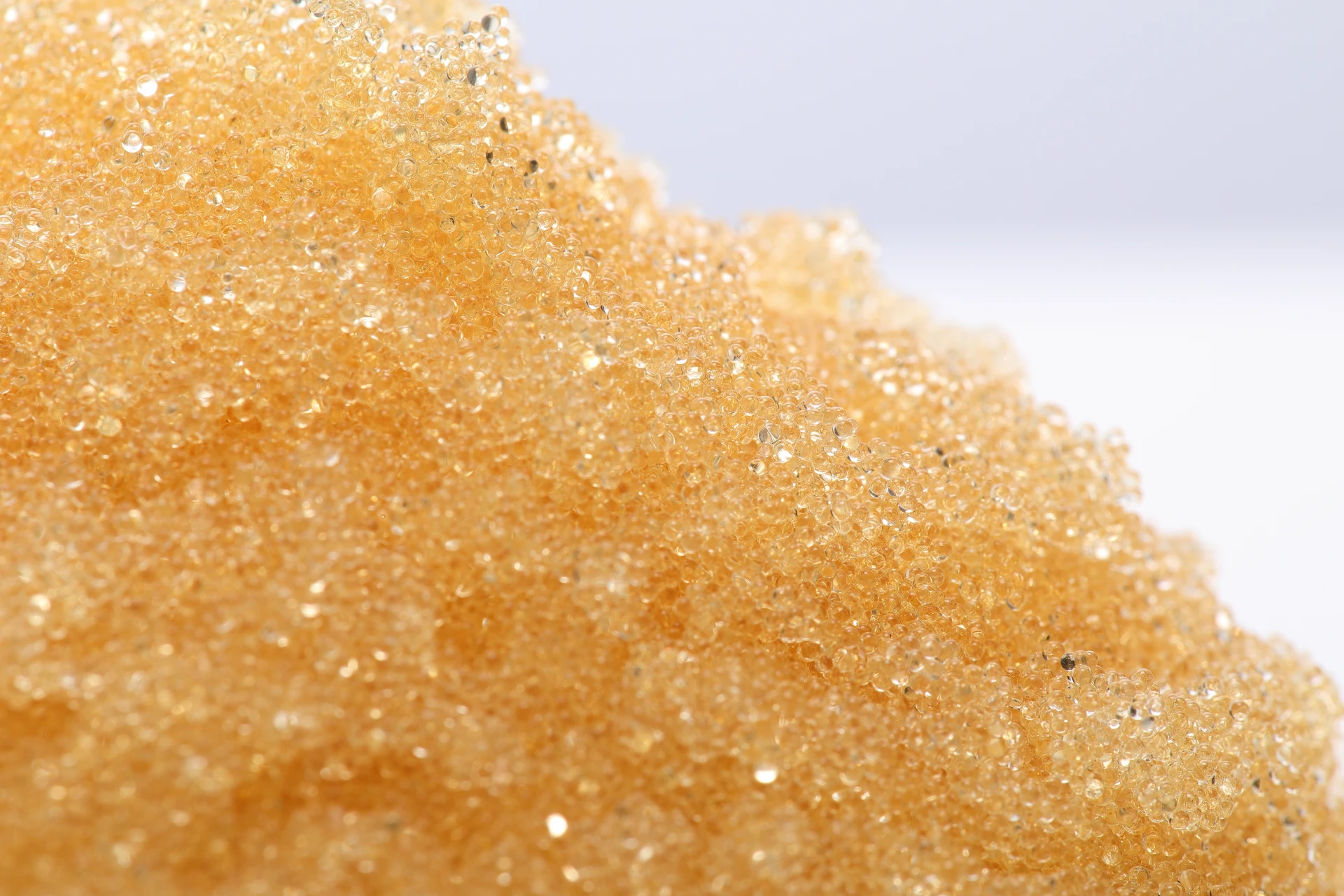
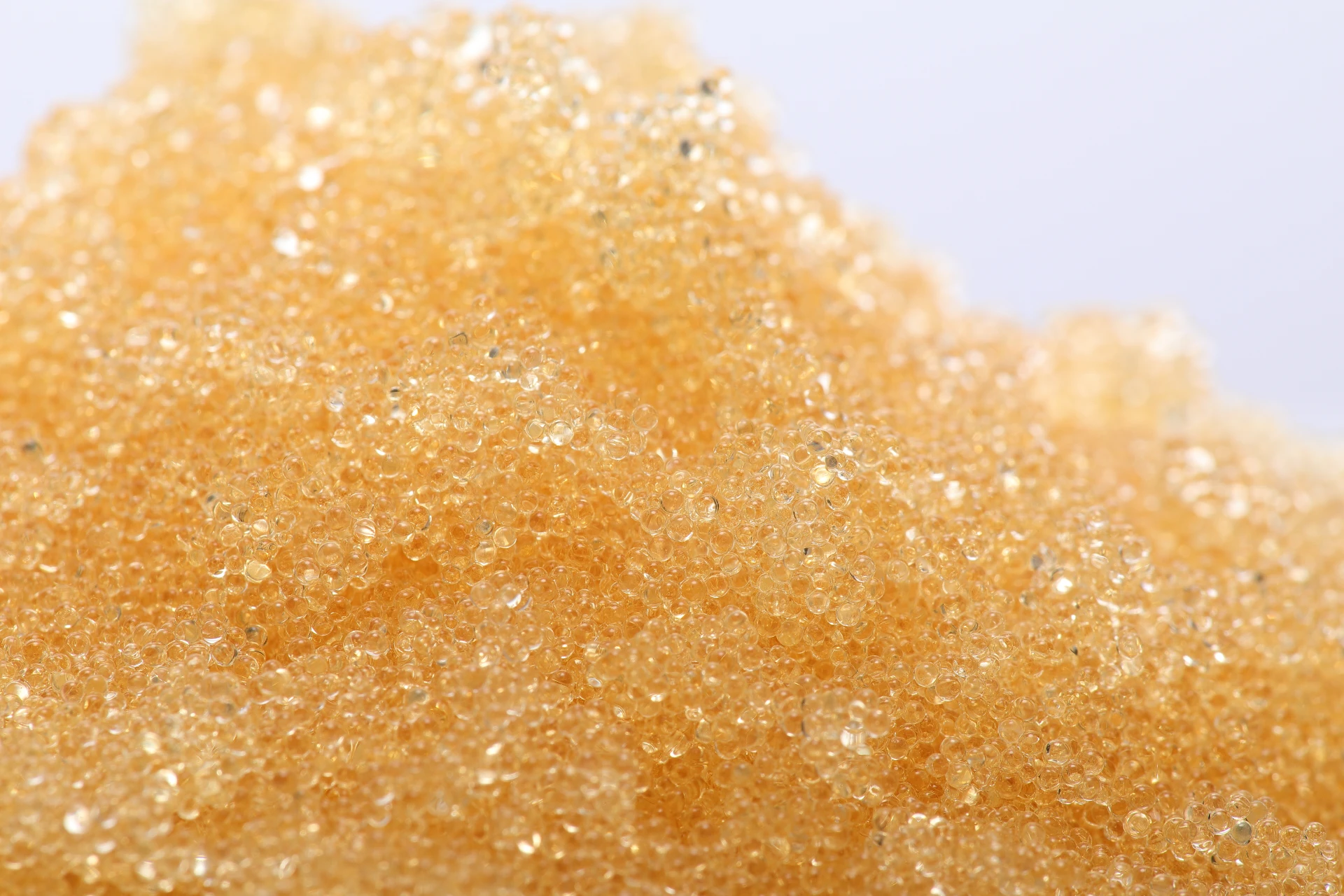
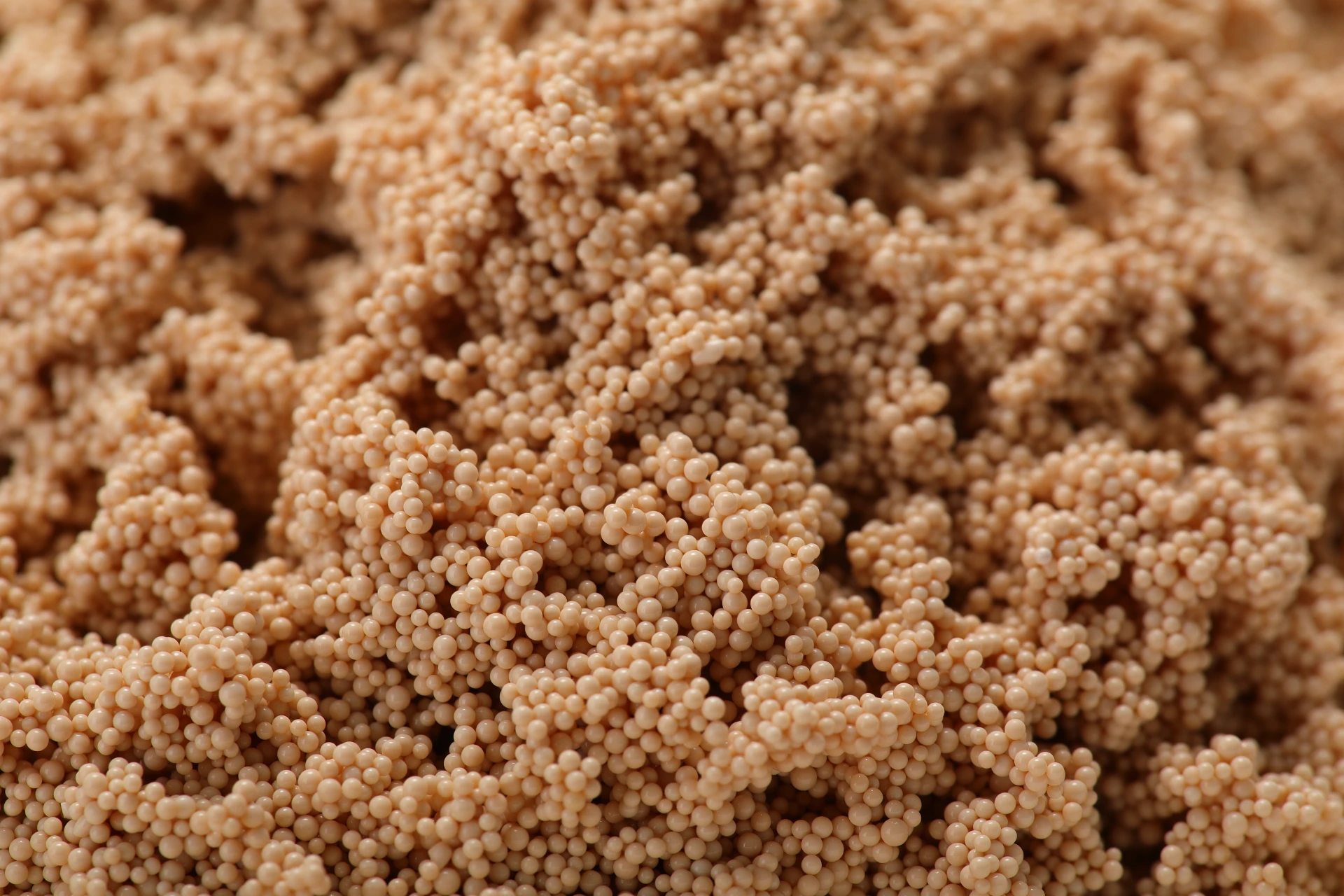
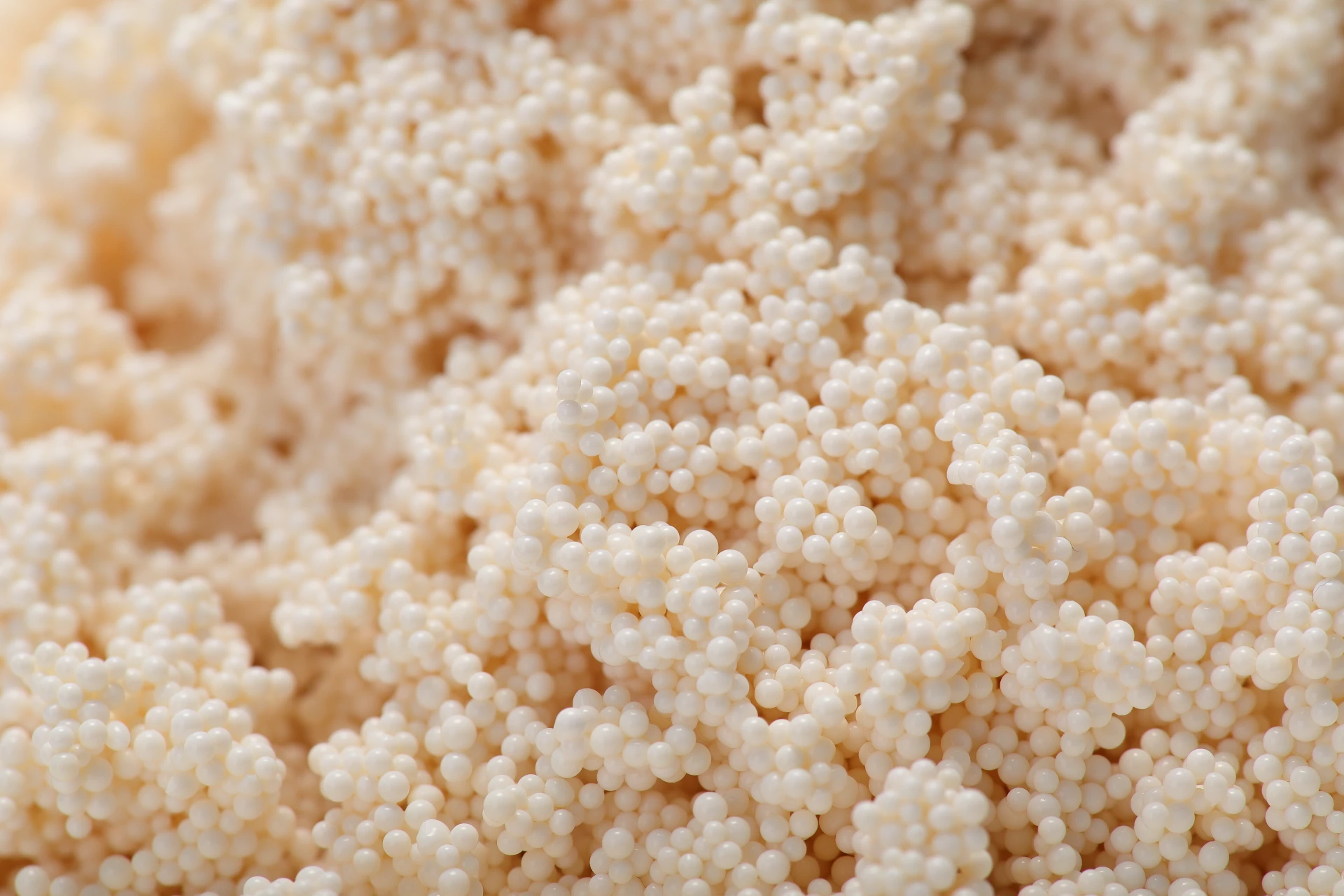
Ion exchange resins are insoluble polymer matrices, typically made from polystyrene, that contain covalently bonded functional groups capable of attracting ions. These functional groups, either acidic (cations) or basic (anions), selectively bind ions from a solution, effectively removing them or exchanging them for other ions of a similar charge. The process relies on the principle of equilibrium, driven by the concentration gradients and the affinity of the resin for specific ions. The result is a solution with a modified ionic composition, achieving purification or separation goals. Choosing the correct resin is crucial, considering factors like selectivity, capacity, and physical form. Liji Resins offers a diverse portfolio tailored to diverse needs.
Key Highlights: Ion exchange resins are insoluble polymer matrices with functional groups that selectively bind ions. The process is driven by equilibrium and concentration gradients, offering a powerful solution for purification and separation.
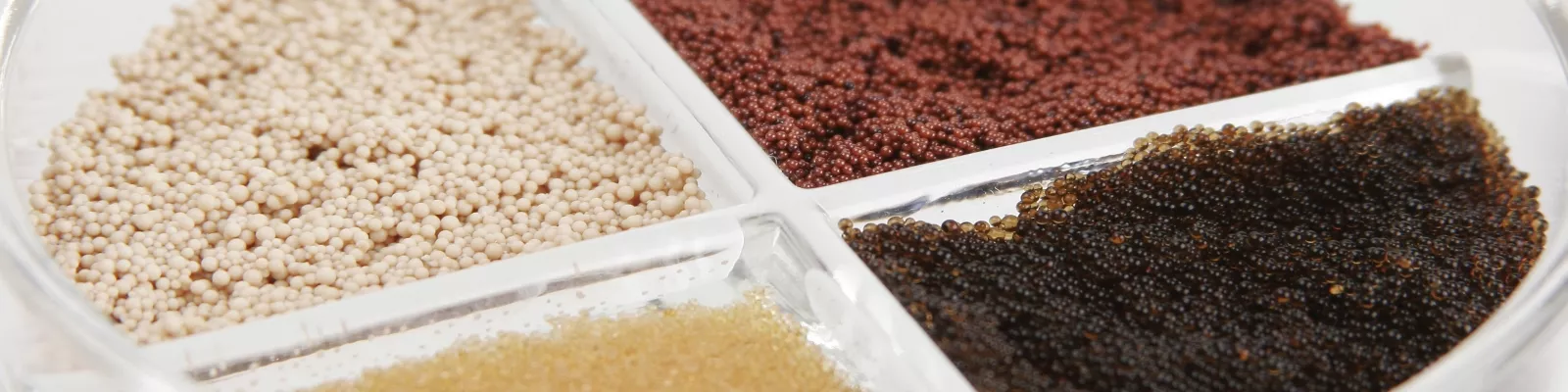
There are four main types of ion exchange resins, categorized by their functional groups and the ions they exchange. Strong Acid Cation (SAC) resins contain sulfonic acid groups and are effective across a wide pH range. Weak Acid Cation (WAC) resins utilize carboxylic acid groups, operating best in higher pH conditions. Strong Base Anion (SBA) resins employ quaternary ammonium groups, efficient throughout a broader pH spectrum. Finally, Weak Base Anion (WBA) resins utilize primary, secondary, or tertiary amine groups, performing optimally in lower pH levels. The choice between strong and weak resins depends on the specific application and the target ions.
Resin Type Comparison:
• SAC: Wide pH range, strong binding.
• WAC: Best in high pH, selective removal.
• SBA: Broad pH range, high capacity.
• WBA: Best in low pH, specialized applications.
The applications of ion exchange resins are incredibly diverse. In water treatment, they are used for softening (removing calcium and magnesium), demineralization (removing all ions), and nitrate removal. In the chemical industry, they play a crucial role in purification of chemicals, catalysis, and separation of valuable metals. Pharmaceuticals rely on them for purifying APIs and removing unwanted byproducts. Furthermore, they find use in food processing, hydrometallurgy, and even nuclear waste management. The ability to selectively target specific ions makes them indispensable in various complex processes.
Choosing the appropriate resin requires careful consideration of several factors. These include the type of ions to be removed, the pH of the solution, the operating temperature, and the flow rate. The resin’s capacity (the amount of ion it can exchange) and selectivity (its preference for certain ions) are also critical. Physical properties like particle size and porosity influence performance and pressure drop. Liji Resins provides expert guidance and a comprehensive range of resins to meet diverse application demands.
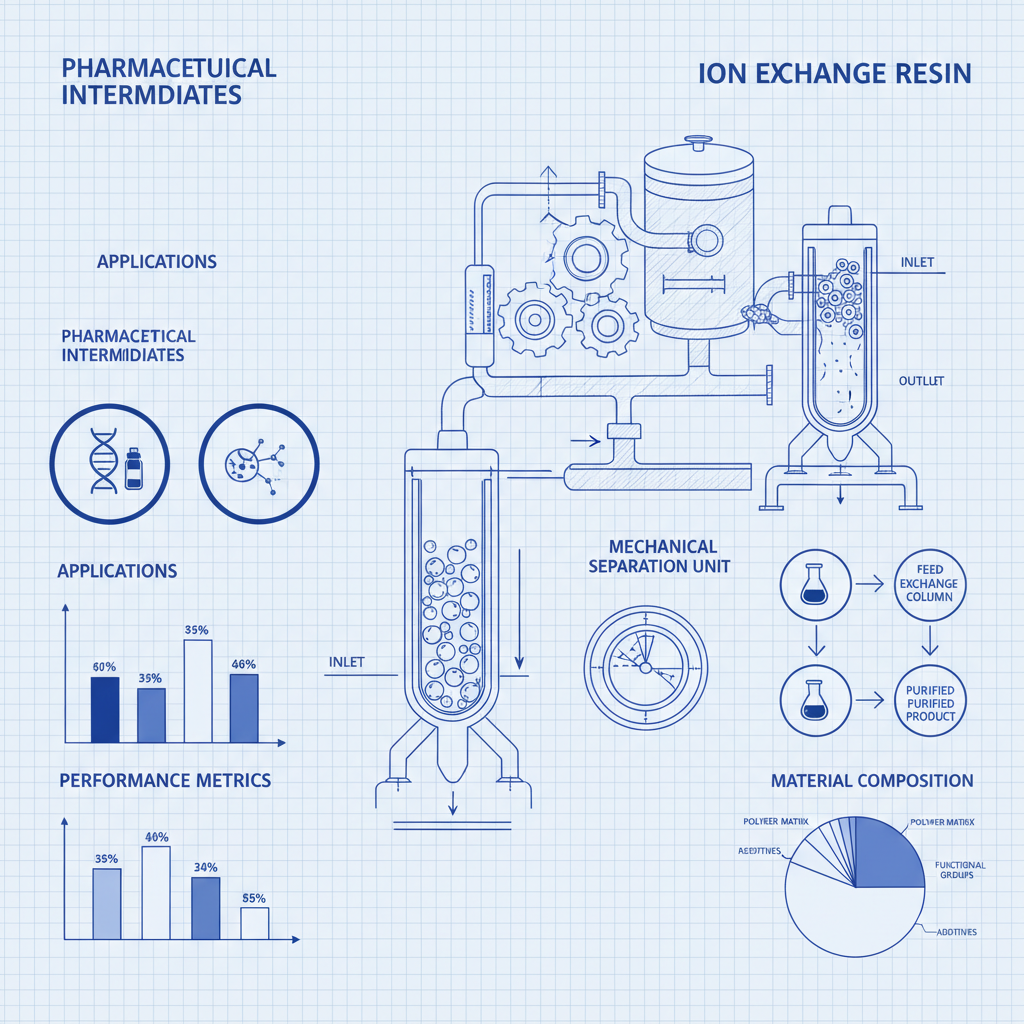
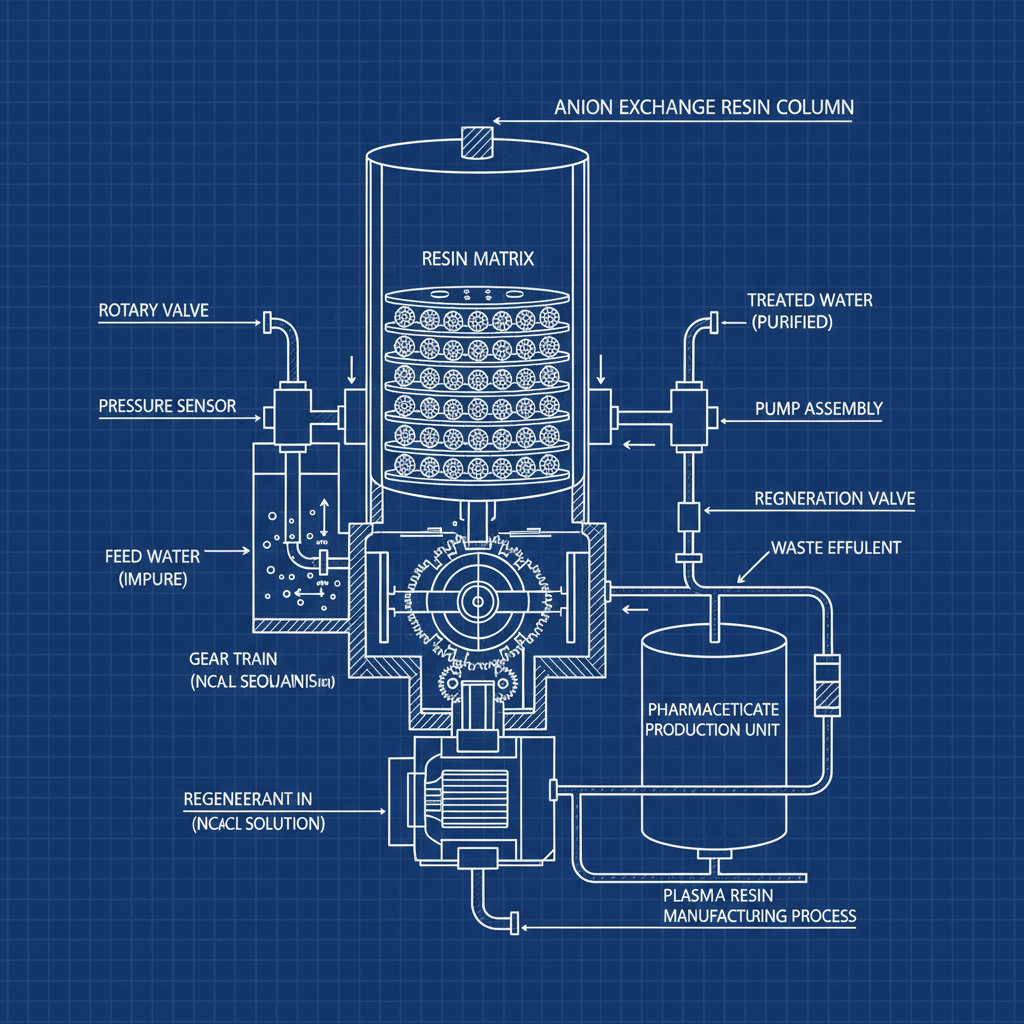
Ion exchange resins become exhausted over time as their active sites become saturated with target ions. To restore their capacity, they must be regenerated. This process involves passing a concentrated solution of regenerating ions (e.g., hydrochloric acid for SAC resins, sodium hydroxide for SBA resins) through the resin bed. This displaces the adsorbed ions and recharges the resin. Proper regeneration protocols are essential for maintaining resin performance and extending its lifespan. Factors such as regeneration frequency, chemical concentration, and backwashing procedures influence resin longevity.
Understanding the principles of ion exchange resin technology is crucial for optimizing a wide range of industrial and environmental processes. By carefully selecting the right resin type, optimizing regeneration procedures, and monitoring performance, you can achieve superior results and maximize the value of this versatile material. Liji Resins is dedicated to providing high-quality resins and expert support to help you achieve your goals.
The lifespan of an ion exchange resin varies significantly depending on operating conditions, feed water quality, and regeneration practices. Generally, with proper maintenance and regeneration, resins can last between 5 and 10 years. Factors like excessive oxidation, fouling, and attrition can shorten the lifespan. Regular monitoring of resin capacity and physical condition is crucial for determining when replacement is necessary. Liji Resins offers comprehensive resin analysis services to help assess resin health.
Water quality is a critical factor influencing resin performance. The presence of organic matter, iron, manganese, and other foulants can coat the resin beads, reducing their exchange capacity and flow rate. Pre-treatment of the water, such as filtration and oxidation, is often necessary to remove these contaminants and protect the resin. High levels of hardness, silica, and other minerals can also lead to scaling and fouling, reducing resin efficiency. Selecting a resin resistant to common foulants in your water source is key.
Effective regeneration involves several key considerations. Using the correct regenerant concentration is critical – too low and the resin won't be fully recharged, too high and it can damage the resin. Sufficient contact time between the regenerant and the resin is also important. Backwashing before and after regeneration removes particulate matter and ensures uniform flow. Regular monitoring of regenerant consumption can indicate resin fouling or degradation. Proper disposal of spent regenerant solutions is essential for environmental compliance.