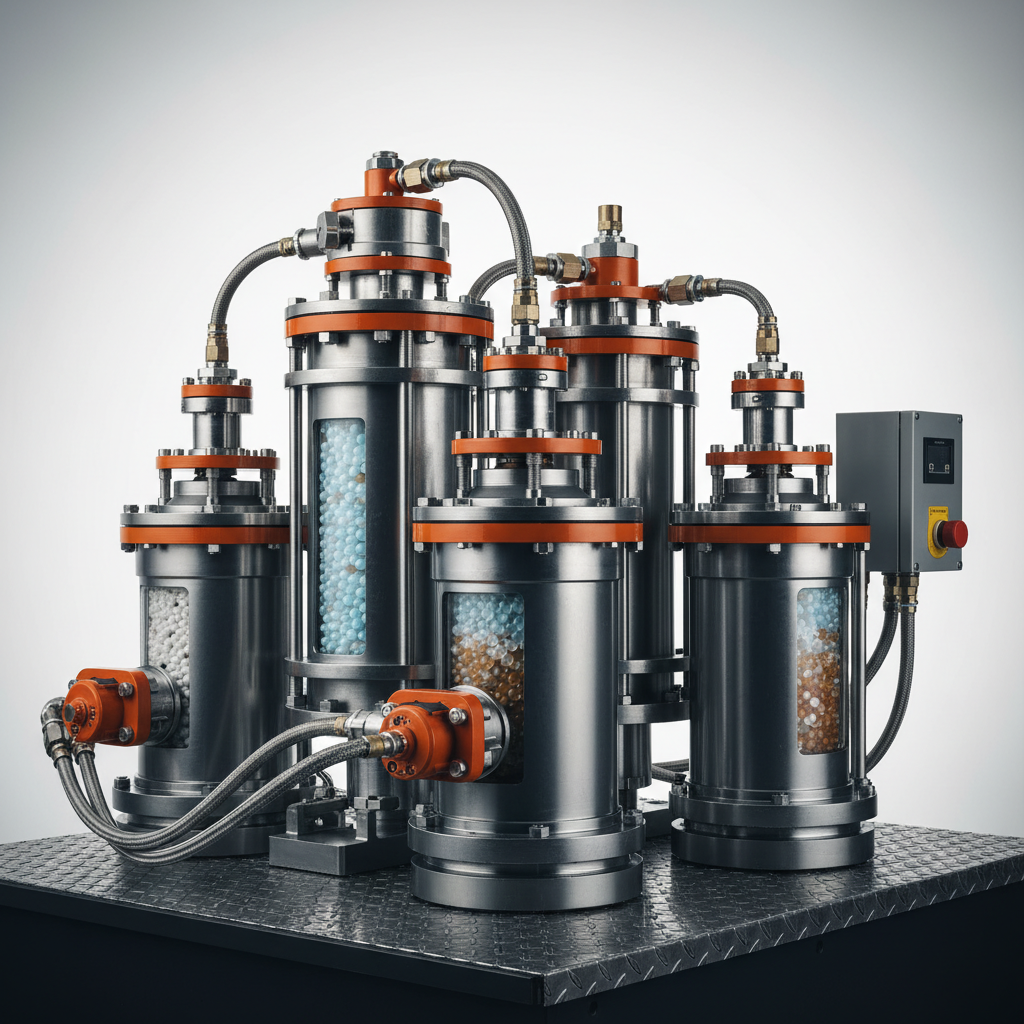
Chromatography resin plays a pivotal role in modern separation science, impacting industries ranging from pharmaceuticals and biotechnology to food processing and environmental monitoring. Its ability to selectively bind and release target molecules makes it indispensable for purification, analysis, and recovery processes. Understanding the nuances of different chromatography resin types – adsorption, ion exchange, catalytic, and more – is crucial for optimizing performance and achieving desired outcomes. The global chromatography market is experiencing significant growth, driven by increasing demand for high-purity products and advanced analytical techniques.
The increasing sophistication of analytical methods and the rigorous demands of biopharmaceutical manufacturing are driving the need for highly specialized chromatography resins. Global regulatory requirements for product purity and safety further fuel this demand, creating a consistent need for innovation and optimization in resin technology. The market is further spurred by the growth in areas like proteomics, genomics, and the development of novel therapies requiring extensive purification steps.
Furthermore, the development of sustainable and environmentally friendly resins is gaining momentum, responding to the growing global focus on green chemistry and reducing environmental impact. Chromatography resins, therefore, aren’t simply laboratory tools, but essential components of progress across vital sectors worldwide.
What is Chromatography Resin and Why Does It Matter?
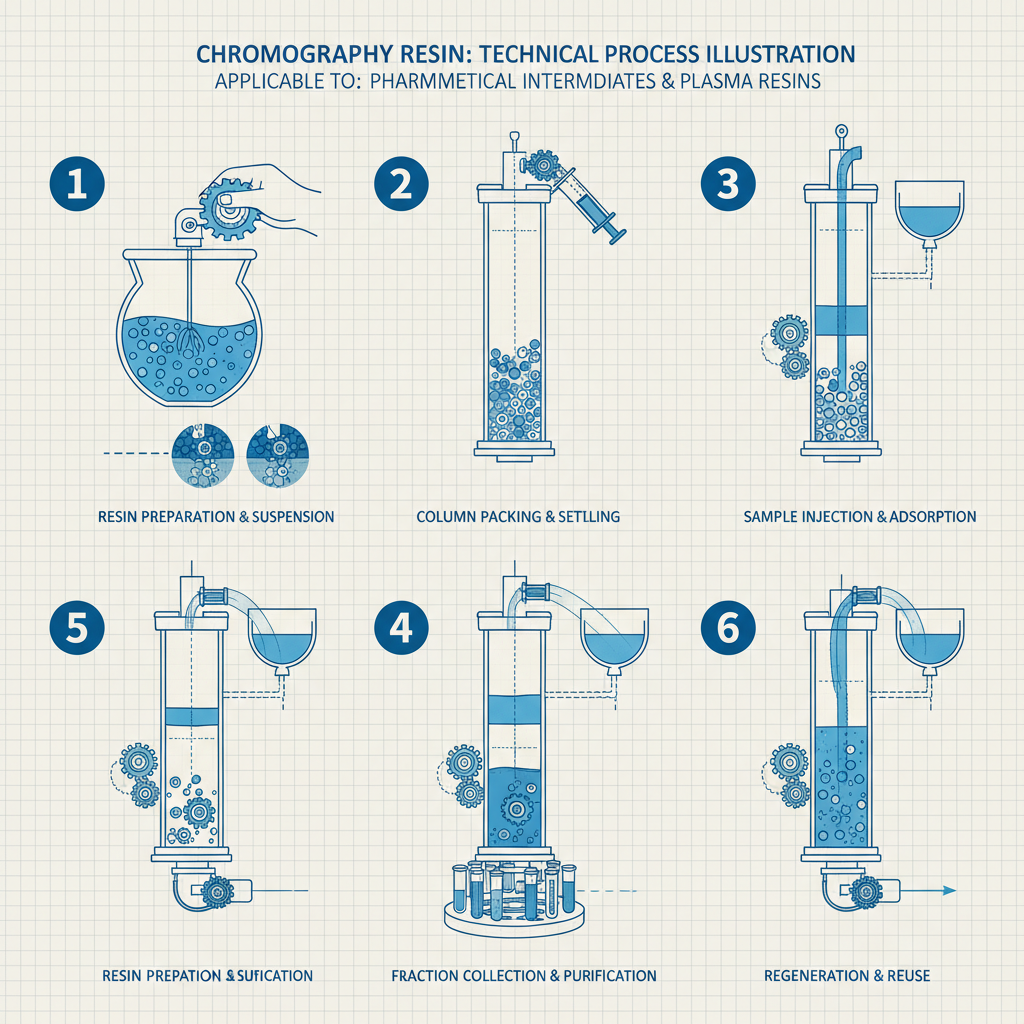
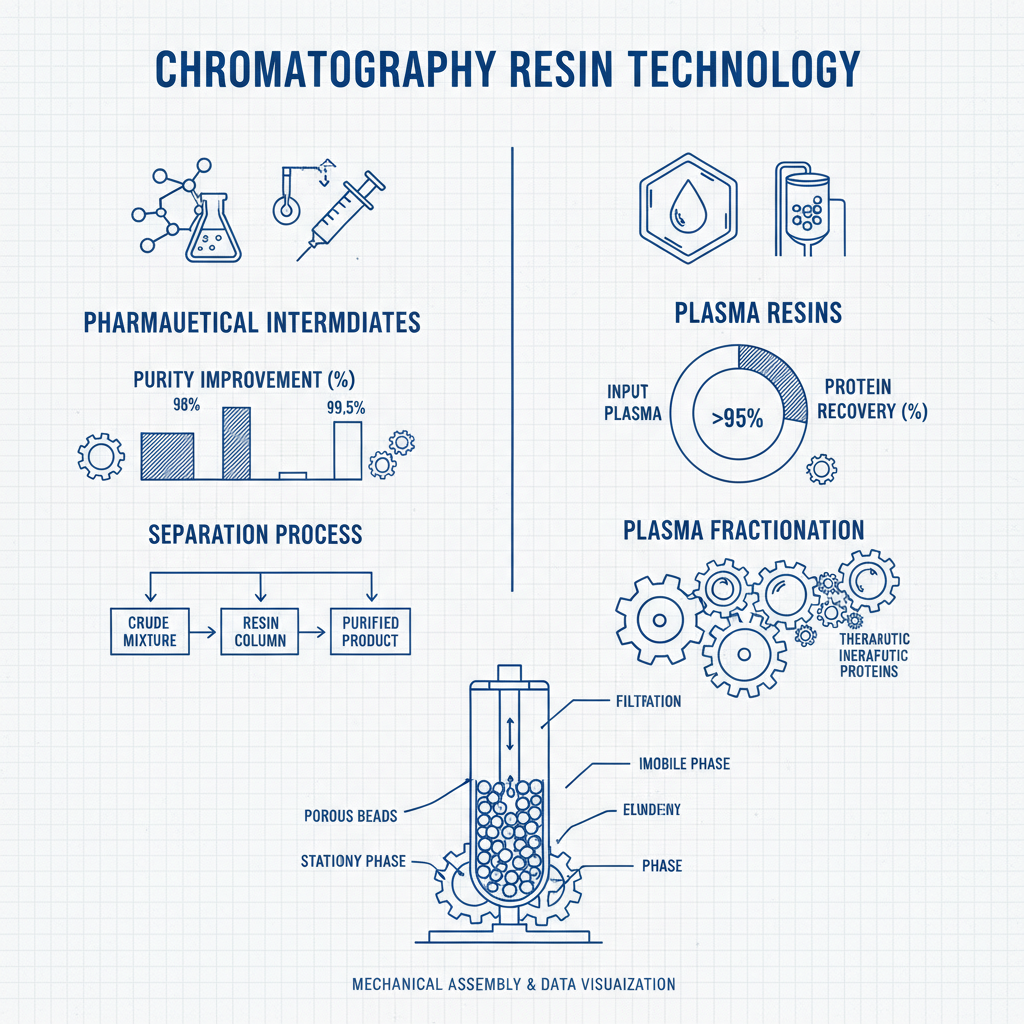
Chromatography resin serves as the stationary phase in chromatographic separation techniques. Its unique chemical properties allow it to selectively interact with different components of a mixture, enabling their separation based on factors like size, charge, or hydrophobicity. This selective binding is the cornerstone of countless analytical and purification processes.
The importance of chromatography resin lies in its ability to deliver high-purity results, critical in industries where precision and accuracy are paramount. Without effective separation techniques enabled by specialized resins, the development and production of life-saving drugs, advanced materials, and even safe food products would be significantly hindered.
The Global Context of Chromatography Resin
The global chromatography market, of which resin is a crucial component, is projected to reach significant values in the coming years. Reports from organizations like Grand View Research indicate consistent growth, driven by increasing demand in the biopharmaceutical sector. The Asia-Pacific region is emerging as a key market, with expanding pharmaceutical and biotechnology industries in countries like China and India.
This demand is also impacting the development of more sustainable resin production processes, responding to increasing environmental concerns. The UN Sustainable Development Goals, specifically those relating to health and responsible consumption and production, further emphasize the need for innovative and environmentally conscious chromatography technologies.
A significant challenge lies in ensuring consistent quality and supply chain stability, particularly with the increasing geopolitical complexities. Meeting these demands requires robust manufacturing capabilities, stringent quality control procedures, and a commitment to responsible sourcing of raw materials.
Defining Chromatography Resin: A Core Component of Separation
Simply put, chromatography resin is a solid, insoluble matrix used in chromatography to separate components of a liquid or gaseous mixture. It’s typically composed of a polymer base, functionalized with specific chemical groups that dictate its selectivity. These functional groups enable the resin to interact with target molecules based on properties like charge, hydrophobicity, or affinity.
The connection to modern industry and humanitarian needs is profound. In pharmaceutical manufacturing, chromatography resin is indispensable for purifying drug candidates and ensuring product safety. In environmental monitoring, it’s used to remove pollutants from water sources. Even in food processing, resins help to isolate valuable compounds and improve product quality.
Understanding the different types of chromatography resin – such as ion exchange, adsorption, and affinity resins – is vital for selecting the optimal material for a specific application. Each type possesses unique characteristics that determine its suitability for separating specific molecules or compounds.
Key Factors Influencing Chromatography Resin Performance
Several key factors determine the effectiveness of chromatography resin. Firstly, Durability is paramount; resins must withstand repeated use and exposure to harsh chemicals without significant degradation. Secondly, Selectivity dictates how effectively the resin can distinguish between target molecules and impurities. Thirdly, Flow Rate impacts the speed and efficiency of the separation process.
Furthermore, Binding Capacity – the amount of target molecule the resin can bind – influences the overall throughput and cost-effectiveness. Finally, Particle Size and Pore Structure play a critical role in determining mass transfer rates and separation resolution. These factors are intimately linked to the resin’s chemical composition and physical characteristics.
Chromatography Resin Performance Metrics
Global Applications and Use Cases of Chromatography Resin
Chromatography resin is used extensively in biopharmaceutical manufacturing for the purification of antibodies, proteins, and other therapeutic molecules. In the food and beverage industry, it’s used to refine sugars, remove unwanted compounds, and enhance flavor profiles. Environmental applications include water purification, pollutant removal, and recovery of valuable resources.
In post-disaster relief operations, chromatography resins can be employed in mobile water purification units, providing access to clean drinking water. In remote industrial zones, they support the extraction and purification of valuable minerals and chemicals. The versatility of chromatography resin makes it a critical tool across a broad spectrum of applications.
Advantages and Long-Term Value of Chromatography Resin
The advantages of using chromatography resin are numerous. Tangible benefits include increased product purity, higher yields, reduced waste, and cost savings through efficient separation processes. Long-term value stems from its reliability, scalability, and adaptability to evolving industry needs.
From a sustainability perspective, optimized resin usage can minimize solvent consumption and reduce environmental impact. From a safety standpoint, high-purity products derived using chromatography resin contribute to improved public health. This blend of economic, environmental, and social benefits reinforces the enduring value of this critical technology.
Future Trends and Innovations in Chromatography Resin Technology
Several exciting trends are shaping the future of chromatography resin technology. The development of novel resin materials with enhanced selectivity and binding capacity is ongoing. Miniaturization and automation of chromatography systems are improving throughput and reducing labor costs. The integration of artificial intelligence and machine learning for process optimization is also gaining traction.
Furthermore, the focus on green chemistry is driving the development of biodegradable and biocompatible resins. These innovations align with broader sustainability goals and contribute to a more environmentally responsible approach to separation science. Exploring new technologies like monolith chromatography and membrane chromatography will also play a significant role in advancing the field.
The pursuit of continuous chromatography, rather than batch processes, holds promise for increased efficiency and reduced downtime. This trend aligns with the broader industry movement towards continuous manufacturing and real-time process monitoring.
Challenges & Solutions
A primary challenge in chromatography resin application is fouling – the accumulation of unwanted substances that reduce resin performance. Another hurdle is the cost of high-performance resins, which can limit their accessibility for some applications. Furthermore, scaling up laboratory-scale separations to industrial production can present significant engineering challenges.
Solutions involve developing robust cleaning protocols to prevent fouling, exploring alternative resin materials with lower costs, and utilizing advanced modeling techniques to optimize scale-up procedures. Innovative resin designs, such as those incorporating self-cleaning properties, are also emerging.
Another critical solution is the implementation of rigorous quality control measures throughout the resin manufacturing process, ensuring consistent performance and minimizing batch-to-batch variability. Collaboration between resin manufacturers, equipment suppliers, and end-users is vital for addressing these challenges and accelerating innovation.
Summary of Chromatography Resin Challenges and Solutions
| Challenge |
Impact on Chromatography Resin Performance |
Proposed Solution |
Expected Outcome |
| Resin Fouling |
Reduced Binding Capacity & Flow Rate |
Optimized Cleaning Protocols & Resin Pre-treatment |
Restored Resin Performance & Extended Lifespan |
| High Resin Cost |
Limited Accessibility for Budget-Constrained Applications |
Exploration of Alternative, Lower-Cost Materials |
Wider Adoption of Chromatography Resin Technology |
| Scale-Up Challenges |
Inconsistent Performance Between Lab & Industrial Scales |
Advanced Modeling & Pilot-Scale Studies |
Successful Transition to Industrial Production |
| Batch-to-Batch Variability |
Inconsistent Separation Results |
Rigorous Quality Control Procedures |
Improved Reproducibility & Reliability |
| Limited Selectivity |
Difficulty Separating Similar Compounds |
Development of Novel Resin Functionalizations |
Enhanced Separation Efficiency & Purity |
| Environmental Impact |
Use of Harmful Solvents & Non-Biodegradable Materials |
Development of Eco-Friendly Resins & Solvents |
Reduced Environmental Footprint & Sustainable Practices |
FAQS
Selecting the right chromatography resin depends on several critical factors including the target molecule’s properties (size, charge, hydrophobicity), the matrix complexity, desired purity level, and scalability requirements. Consideration should also be given to the resin’s chemical stability, flow rate, and binding capacity. A careful evaluation of these parameters is crucial for optimal performance and cost-effectiveness.
Preventing fouling requires implementing robust cleaning protocols using appropriate solvents and cleaning-in-place (CIP) procedures. Pre-treatment of the sample to remove particulate matter and contaminants can also significantly reduce fouling. Regularly monitoring the resin’s performance and implementing preventative maintenance measures will extend its lifespan and maintain optimal separation efficiency.
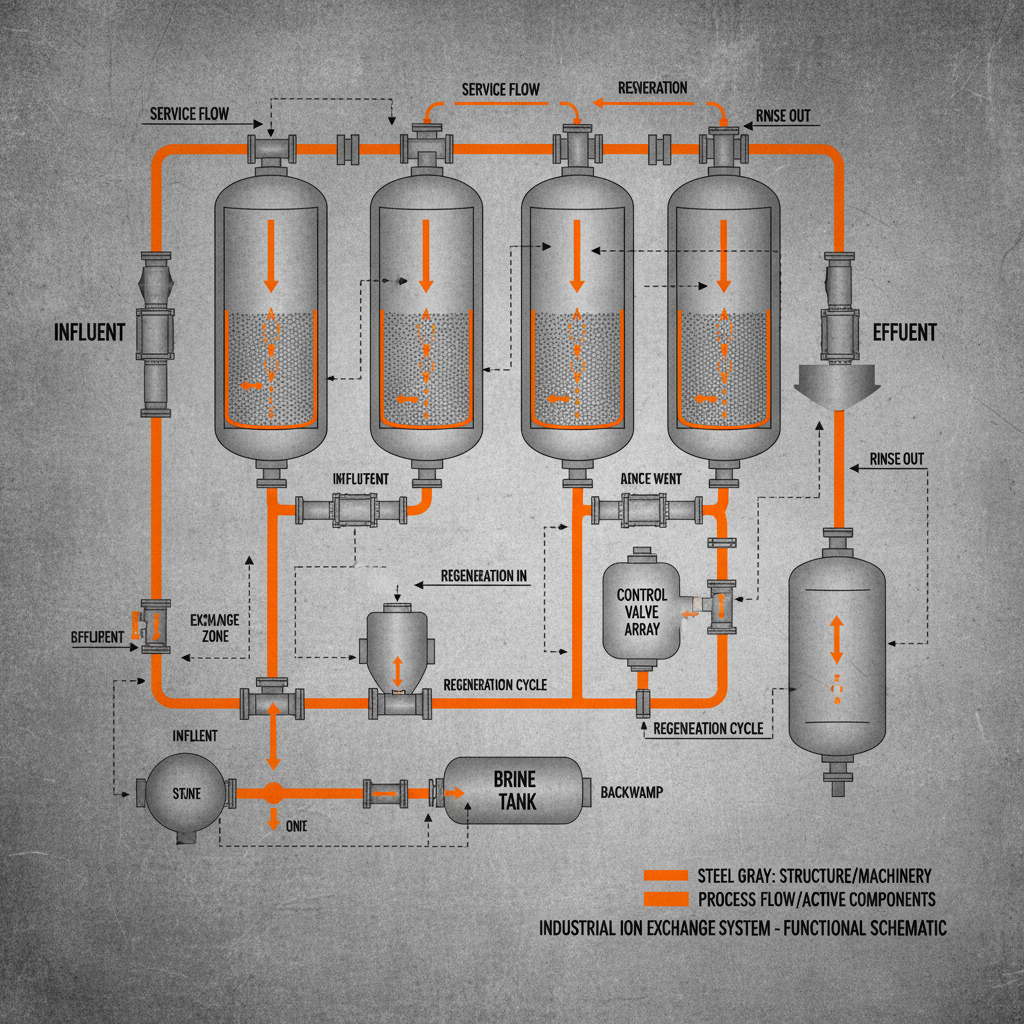
Ion exchange resins separate molecules based on their charge, utilizing functional groups that attract oppositely charged ions. Adsorption resins, conversely, rely on non-ionic interactions like hydrophobic or dipole-dipole forces to bind molecules. Ion exchange is ideal for separating ionic compounds, while adsorption is effective for separating based on size and polarity.
Smaller particle sizes generally provide higher resolution and improved separation efficiency due to increased surface area and reduced diffusion distances. However, smaller particles also generate higher backpressure, requiring more robust chromatography systems. Larger particles offer lower backpressure but may sacrifice some resolution. The optimal particle size depends on the specific application and system constraints.
Yes, there's growing research and development into environmentally friendly resins, including those made from renewable resources and biodegradable polymers. The use of greener solvents and optimization of separation protocols to minimize waste are also important steps toward sustainable chromatography. Chromatography resins that reduce solvent consumption are also being actively explored.
Pore size dictates the accessibility of the resin’s surface area to different sized molecules. If the target molecule is too large to enter the pores, separation will occur primarily on the external surface. Selecting a resin with appropriate pore size is crucial for maximizing binding capacity and achieving efficient separation, especially for larger biomolecules like proteins.
Conclusion
In conclusion, chromatography resin is an indispensable tool across a multitude of industries, enabling the purification, analysis, and recovery of valuable compounds. From biopharmaceutical manufacturing to environmental remediation, its ability to selectively separate molecules drives innovation and progress. Understanding the key factors influencing resin performance – durability, selectivity, binding capacity, and particle size – is vital for achieving optimal results.
Looking ahead, the future of chromatography resin technology promises even greater efficiency, sustainability, and accessibility. Continued research and development into novel materials, automation, and environmentally friendly processes will unlock new possibilities and solidify its position as a cornerstone of modern separation science. To learn more about our comprehensive range of chromatography resins and how we can support your specific needs, visit our website at www.lijiresins.com.