0%

Table of Contents

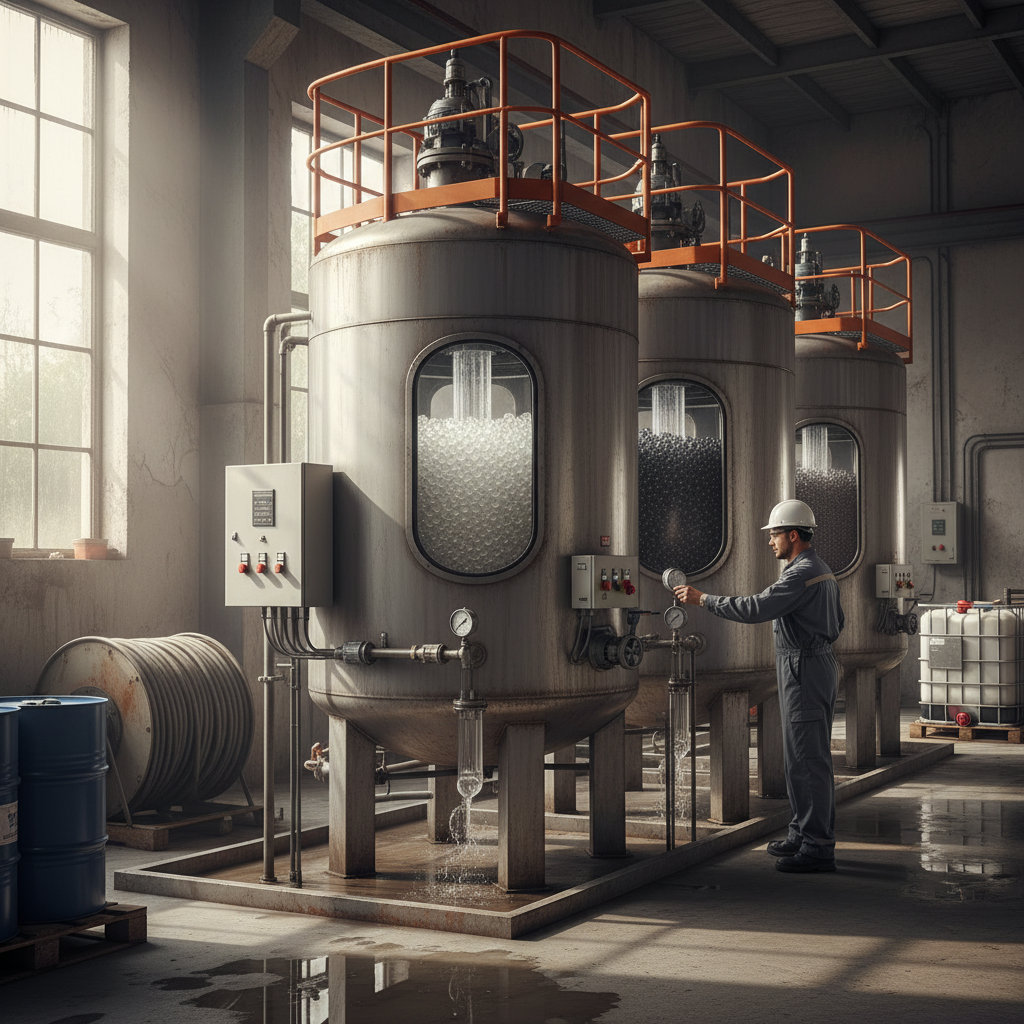
Water treatment is a cornerstone of modern civilization, and increasingly critical as global populations grow and freshwater resources become strained. The need for clean, safe water extends from industrial processes to drinking water provision, and that's where water treatment resin comes in. These aren't just laboratory chemicals; they're the workhorses silently purifying our water, enabling everything from power generation to agriculture. It’s a field I've seen evolve firsthand, spending years troubleshooting systems on-site – and the improvements in resin technology are genuinely making a difference.

The challenges are real. I’ve walked sites where water quality is severely impacting equipment lifespan, leading to costly downtime. I've seen the strain on municipalities struggling to meet increasingly stringent regulations. And I’ve witnessed the devastating consequences of waterborne illnesses in areas lacking proper treatment. That's why understanding the nuances of water treatment resins – their capabilities, limitations, and best applications – is more crucial than ever. It’s not just about chemistry; it’s about reliability, efficiency, and ultimately, public health.

At its core, water treatment resin is a synthetic material engineered to selectively remove contaminants from water. Think of it like a highly specialized filter, but instead of a mesh, it uses chemical affinity. These resins come in various forms – beads, powders, even membranes – and are designed to target specific impurities, such as hardness minerals, heavy metals, or organic compounds. I've spent countless hours unpacking drums of this stuff, configuring systems, and optimizing resin performance, so I know firsthand how vital a component it is to a functional water system.
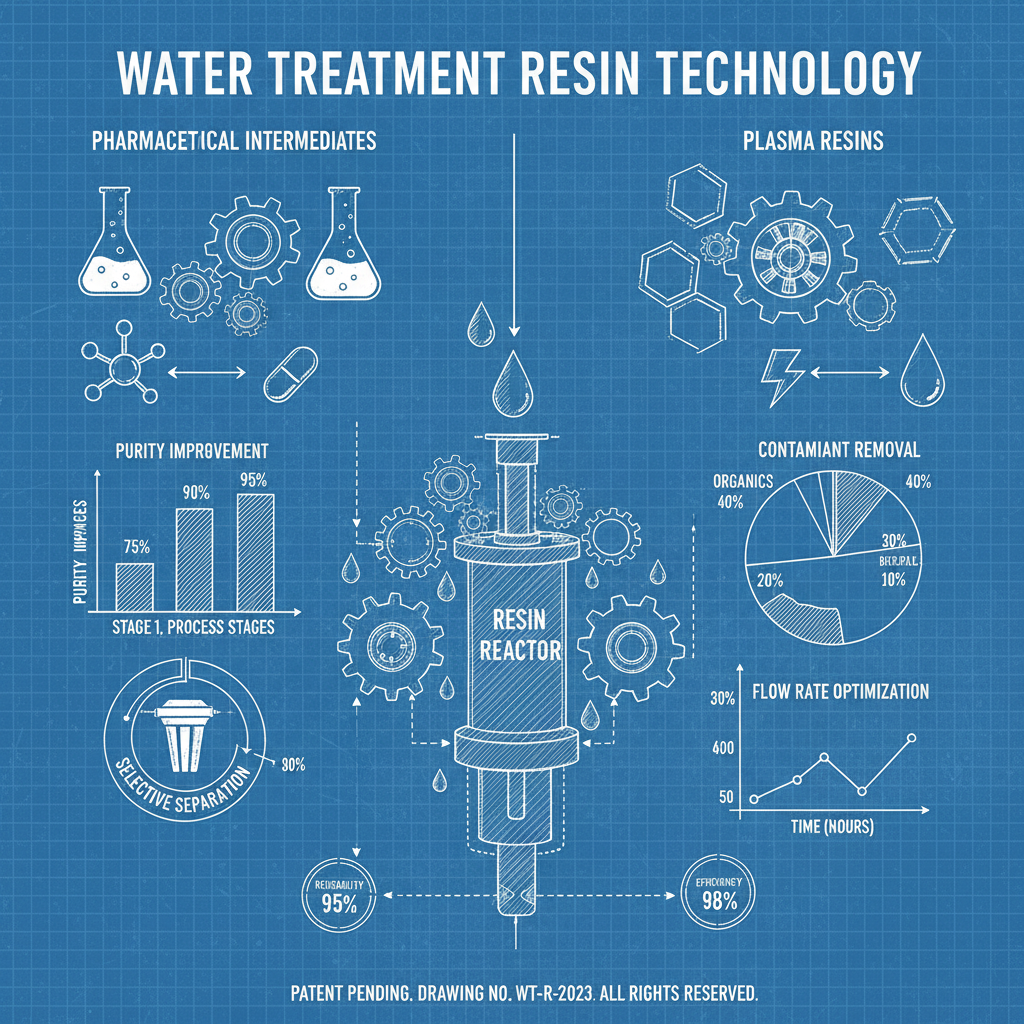
The Crucial Role of Water Treatment Resin in Modern Water Purification Systems

Key Factors or Core Components

The Crucial Role of Water Treatment Resin in Modern Water Purification Systems

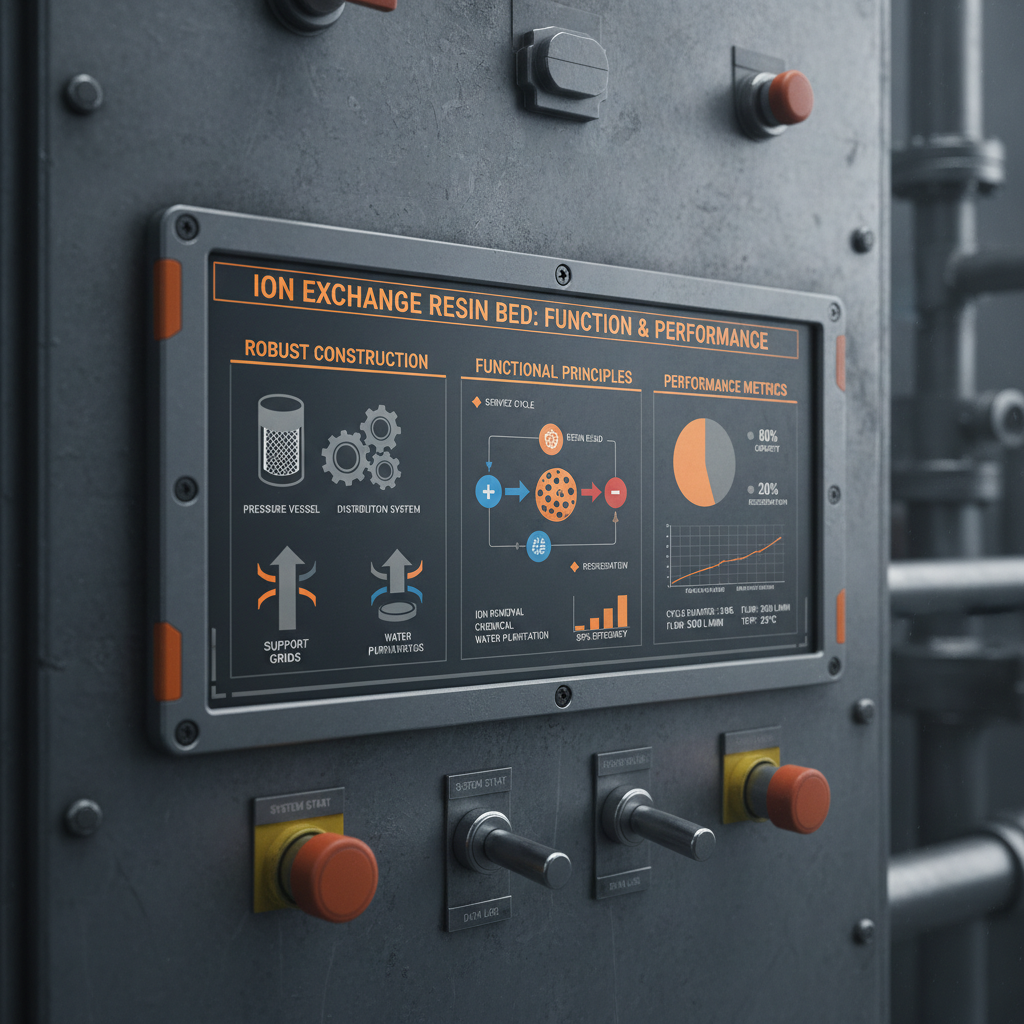
The performance of water treatment resin hinges on several key factors. First, the resin's selectivity is critical – how well it targets the specific contaminant. Then you've got capacity, which determines how much contaminant it can absorb before needing regeneration or replacement. I’ve seen systems fail because the resin capacity was underestimated, leading to breakthrough and compromised water quality. Flow rate is another big one; too fast, and the resin doesn’t have enough contact time to be effective.

Finally, physical properties like particle size and porosity affect performance and pressure drop. A smaller particle size generally offers better selectivity but can also increase pressure drop, requiring more powerful pumps. It’s a balancing act, and understanding these interconnected factors is essential for designing an effective treatment system. The right choice isn't just about the cheapest resin, it’s about the overall system performance and long-term operating costs.

Definition & Meaning

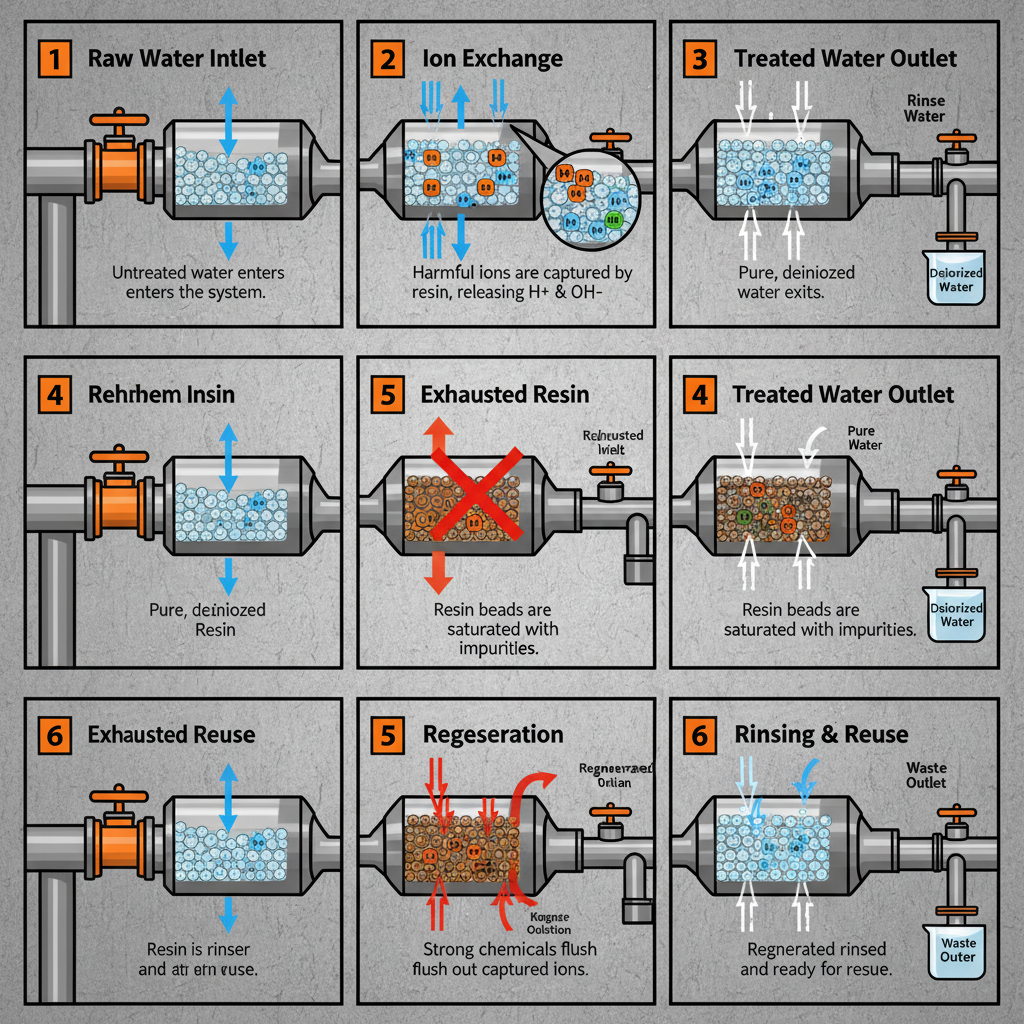
Simply put, water treatment resin are insoluble polymeric materials used to remove unwanted substances from water through adsorption or ion exchange. They’re not a 'fix-all', though. Different resins are designed for different problems. Cation exchange resins swap positively charged ions (like calcium and magnesium, causing hardness) for other ions, like sodium. Anion exchange resins do the same with negatively charged ions. Adsorbent resins, like activated carbon, physically bind contaminants to their surface.

These aren't new technologies; they've been around for decades. But continuous innovation – new polymer matrices, improved pore structures, and tailored functional groups – are constantly expanding their capabilities. I’ve seen resins developed specifically to tackle emerging contaminants like pharmaceuticals and microplastics, issues that weren’t even on the radar a few years ago. This constant evolution is what makes this field so dynamic.

Their connection to modern industry and humanitarian needs is profound. Industries like power generation, food and beverage, and pharmaceuticals rely heavily on high-purity water, making these resins essential. And in disaster relief scenarios, or in communities lacking access to clean water, these resins can be deployed in portable systems to provide safe drinking water. It's a tangible way to make a real difference.

Global Applications & Use Cases

The applications of water treatment resin are remarkably diverse. You’ll find them in large-scale municipal water treatment plants, where they soften water and remove contaminants before it reaches our taps. They're also integral to industrial processes, protecting equipment from scale buildup and ensuring product quality. Power plants use them to purify boiler feedwater, preventing corrosion and improving efficiency.

In remote areas or developing countries, point-of-use water filters incorporating these resins provide a lifeline for communities lacking access to centralized treatment. I’ve been involved in projects where these filters were deployed in rural schools and clinics, drastically reducing waterborne illnesses. These smaller-scale systems are particularly valuable in emergency response situations, providing immediate access to safe water in the aftermath of natural disasters.

And it's not just about drinking water. Agricultural runoff often contains nitrates and phosphates, which can pollute waterways. Resins can be used to remove these nutrients, protecting aquatic ecosystems. Similarly, industrial wastewater often contains heavy metals, which are toxic. Resins are crucial for removing these metals before the water is discharged back into the environment. It’s a multi-faceted solution with a global impact.

Durability

Let’s be honest, resins aren’t indestructible. Over time, they degrade from physical attrition – constant backwashing and flow through the system – and chemical attack from the contaminants they’re removing. I’ve seen resins become brittle and lose their capacity after prolonged exposure to chlorine, for example. However, modern resins are significantly more durable than those of the past.

The polymer matrix itself plays a huge role. Crosslinked polystyrene resins, for example, are known for their robustness, while acrylic resins offer better chemical resistance. Proper pre-treatment of the water is also crucial; removing sediment and organic matter extends resin life considerably. And of course, regular monitoring and regeneration are essential to maintain performance and prevent premature failure.

Water Treatment Resin Durability Ratings (1-10)


Scalability

One of the great strengths of water treatment resin systems is their scalability. You can start with a small, point-of-use filter for a single household and then scale up to a massive industrial treatment plant by simply increasing the volume of resin and the size of the vessel. It’s a modular approach that offers tremendous flexibility.

This scalability is especially important in rapidly growing areas where water demand is constantly increasing. Adding more resin capacity is often a more cost-effective and efficient solution than building entirely new infrastructure. And as water quality standards become more stringent, scalability allows facilities to adapt and meet those requirements without major disruptions.

Cost Efficiency

While the initial investment in water treatment resin systems can be significant, they often prove to be cost-effective over the long term. The key is to consider the total cost of ownership – including resin replacement, regeneration chemicals, energy consumption, and maintenance. Compared to alternative technologies like distillation or reverse osmosis, resin-based systems often have lower operating costs.

Proper system design and operation are critical for maximizing cost efficiency. Optimizing flow rates, minimizing pressure drop, and implementing effective regeneration strategies can significantly extend resin life and reduce chemical consumption. And choosing the right resin for the specific application is paramount. Using a higher-capacity resin, even if it’s more expensive upfront, can save money in the long run.

I've seen facilities drastically reduce their water treatment costs simply by implementing better monitoring and control systems. It's not just about the resin itself; it's about the entire system and how it's managed.

Advantages & Long-Term Value

The benefits of using water treatment resin extend far beyond simple cost savings. They’re essential for protecting public health by ensuring access to safe drinking water. They safeguard industrial equipment from corrosion and scaling, extending its lifespan and reducing downtime. They play a critical role in environmental protection by removing pollutants from wastewater. I've seen firsthand how these technologies can transform communities and industries.

The long-term value lies in the sustainability they offer. By enabling water reuse and reducing the demand for freshwater resources, these resins contribute to a more sustainable future. They provide a reliable and consistent source of purified water, even in challenging environments. And as technology continues to evolve, we can expect even more innovative and efficient resin-based solutions to emerge, further enhancing their value.

Ultimately, investing in water treatment resin technology isn’t just about treating water; it’s about investing in a healthier, more sustainable, and more reliable future. It's about building infrastructure that can withstand the challenges of a changing world.

A Comparative Analysis of Resin Performance Metrics

Resin Type Contaminant Removal Efficiency (%) Operational Lifespan (Years) Regeneration Cost (USD/m3)
Strong Acid Cation Resin 95 8-10 2.50
Weak Base Anion Resin 88 6-8 1.80
Activated Carbon Resin 75 4-6 0.90
Chelating Resin 92 7-9 3.20
Selective Resin (Nitrate Removal) 90 5-7 2.00
Mixed Bed Resin 98 3-5 2.80

FAQS

What is the typical lifespan of water treatment resin?

The lifespan of water treatment resin varies greatly depending on the type of resin, the water quality it’s treating, and the operating conditions. Generally, resins can last anywhere from 3 to 10 years. Regular monitoring and proper regeneration are crucial for maximizing lifespan. Frequent exposure to chlorine or high levels of iron can significantly reduce resin life. On-site experience shows that consistent water analysis and proactive maintenance are key.

How often does water treatment resin need to be regenerated?

The frequency of regeneration depends on the resin's capacity and the level of contamination in the water. Signs that regeneration is needed include a decrease in effluent water quality or an increase in pressure drop across the resin bed. Some systems use automated regeneration cycles based on time or water usage. It's important to use the correct regenerant chemicals and follow the manufacturer’s instructions to avoid damaging the resin.

Can water treatment resin be used to remove all types of contaminants?

No, not all contaminants can be removed by water treatment resin. Different resins are designed to target specific pollutants. For example, cation exchange resins remove hardness minerals, while activated carbon resins remove organic compounds. Often, a combination of different resins and other treatment technologies is needed to achieve comprehensive water purification. Understanding the specific contaminants in your water is crucial for selecting the appropriate resin.

What are the environmental impacts of using water treatment resin?

The environmental impacts are primarily related to the production and disposal of the resins, as well as the use of regeneration chemicals. However, by enabling water reuse and reducing the demand for freshwater, resins contribute to overall water conservation. Responsible disposal practices and the use of environmentally friendly regenerants can minimize the environmental footprint. Research into biodegradable resins is also ongoing.

How does the water flow rate affect the efficiency of the resin?

Water flow rate is a critical factor. Too high a flow rate reduces the contact time between the water and the resin, decreasing its ability to remove contaminants. Too low a flow rate can lead to channeling and uneven resin utilization. The optimal flow rate depends on the type of resin, the particle size, and the specific application. Proper system design ensures the correct flow rate for maximum efficiency.

What is the cost difference between different types of water treatment resins?

The cost varies significantly depending on the resin type, quality, and manufacturer. Standard resins like polystyrene are generally less expensive than more specialized resins like chelating resins or those designed for specific contaminants. While the initial cost is important, it’s crucial to consider the total cost of ownership, including regeneration costs, lifespan, and efficiency. Cheaper resins may require more frequent replacement or higher regeneration chemical usage, ultimately increasing costs.

Conclusion

In conclusion, water treatment resin represents a vital technology for ensuring access to clean and safe water worldwide. From large-scale industrial applications to point-of-use solutions for communities in need, these resins play a critical role in protecting public health, safeguarding the environment, and supporting sustainable development. Understanding their key properties, applications, and limitations is paramount for optimizing performance and maximizing their long-term value.

Looking ahead, continued innovation in resin materials and regeneration techniques will be essential for addressing emerging water quality challenges and reducing the environmental footprint of water treatment. Investing in research and development, promoting responsible disposal practices, and fostering collaboration between industry, academia, and government will pave the way for a more sustainable and water-secure future. For more information on our range of water treatment resin solutions, visit our website: www.lijiresins.com.

Robert Chen

Robert Chen

Robert Chen serves as the North American Sales Manager for Hebei Lijiang Biotechnology. Robert is responsible for expanding our presence in the US and Canada, building strong relationships with distributors and end-users. He brings a decade of experience in industrial chemical sales, with a proven track record of exceeding sales
Previous Advancements in Purification Resin Technology for Industrial and Environmental Solutions
Next Understanding Water Treatment Resin Types for Effective Purification