Phone:
+86 0319 2296164


Email:
info@lijiresin.cn
Purification resin plays a critical role in modern industrial processes and environmental protection. These specialized materials are engineered to selectively remove impurities from liquids and gases, ensuring product quality, process efficiency, and regulatory compliance. Globally, the demand for high-purity substances is rising, driven by advancements in pharmaceuticals, food and beverage production, water treatment, and the burgeoning field of biotechnology. Understanding the nuances of purification resin is therefore essential for industries seeking to optimize their operations and minimize their environmental footprint.
The increasing stringency of environmental regulations worldwide is further fueling the growth of the purification resin market. Countries are investing heavily in water purification technologies, and industries are facing pressure to reduce waste and harmful emissions. The UN Sustainable Development Goals, particularly those related to clean water and sanitation (SDG 6), highlight the global importance of efficient purification solutions. This creates both opportunities and challenges for manufacturers and end-users alike, demanding innovative resin technologies and sustainable practices.
The core benefit of utilizing purification resin lies in its ability to deliver consistent, reliable, and cost-effective separation and purification. From removing trace contaminants in pharmaceutical APIs to decolorizing sugar solutions, these resins enable the production of high-value products while minimizing operational costs and environmental impact. They represent a crucial bridge between raw materials and finished goods, impacting countless aspects of modern life.
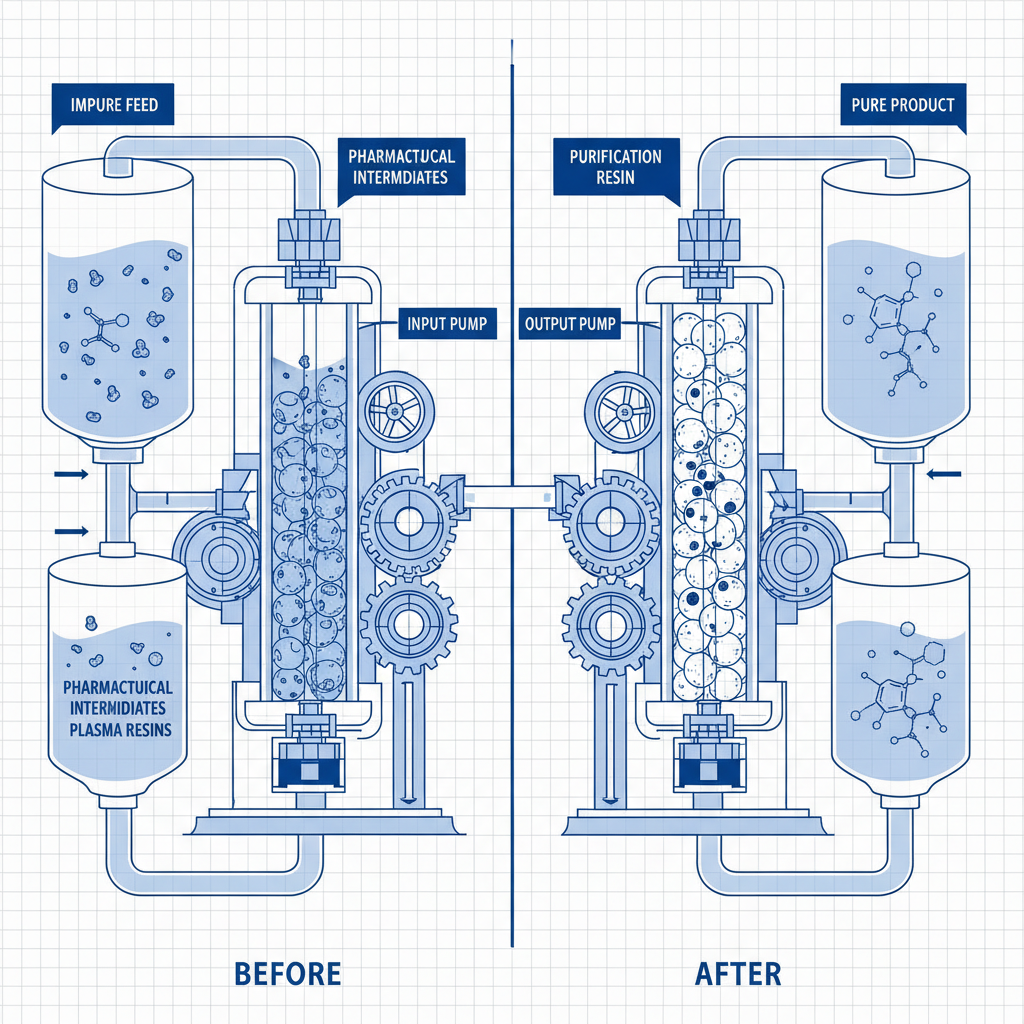
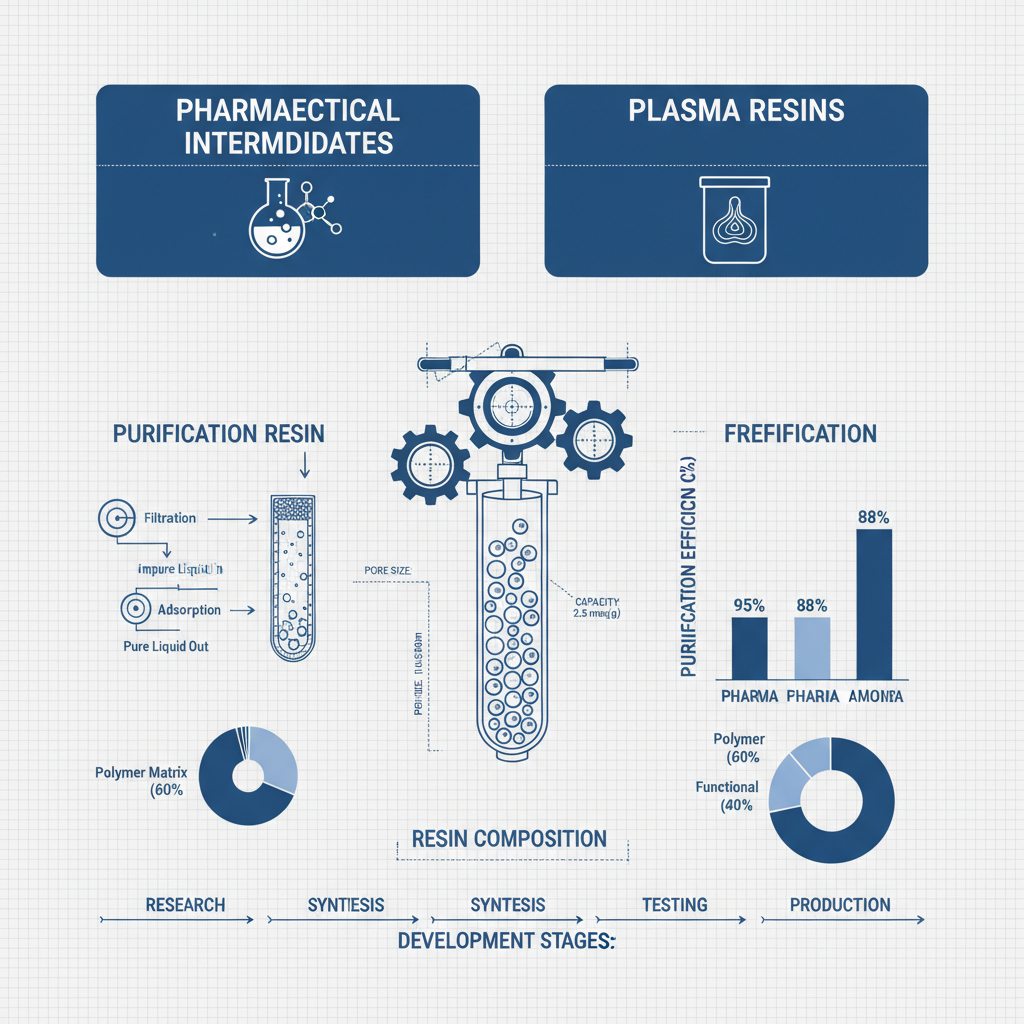
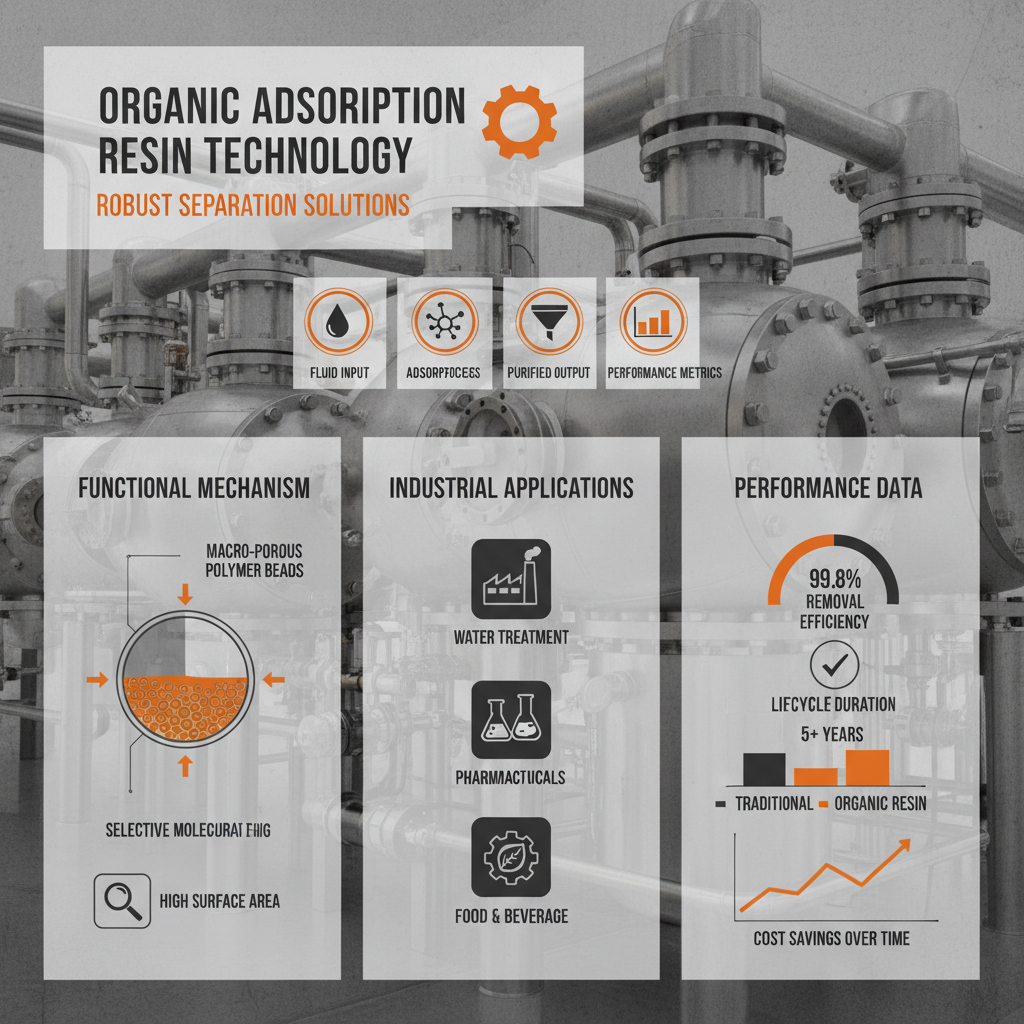
Purification resin is far more than just a filtering material; it’s a carefully engineered solution designed for selective separation. These materials, typically polymeric beads with tailored functional groups, selectively bind to target impurities, allowing for their removal from a liquid or gas stream. The versatility of purification resins allows them to address a broad spectrum of separation challenges across diverse industries.
The design and manufacture of purification resin demand a deep understanding of chemistry, materials science, and process engineering. Factors such as pore size, surface area, functional group density, and mechanical strength are all meticulously controlled to optimize performance for specific applications. This level of customization highlights the sophistication inherent in modern resin technology.
Unlike traditional filtration, which primarily relies on physical size exclusion, purification resin offers selective removal of impurities based on chemical interactions. This results in higher purity, reduced waste, and increased process efficiency. Resins can target specific contaminants, leaving desired compounds untouched, something traditional filters struggle to achieve.
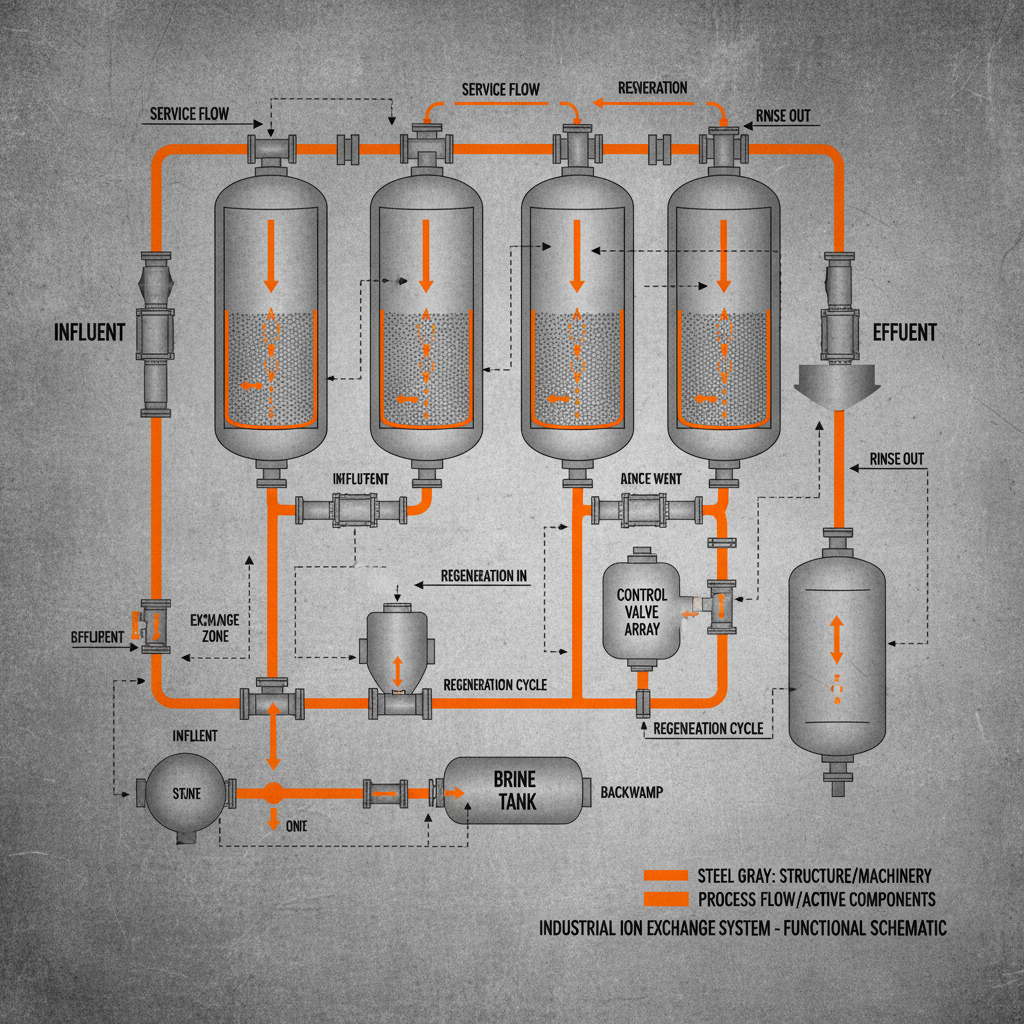
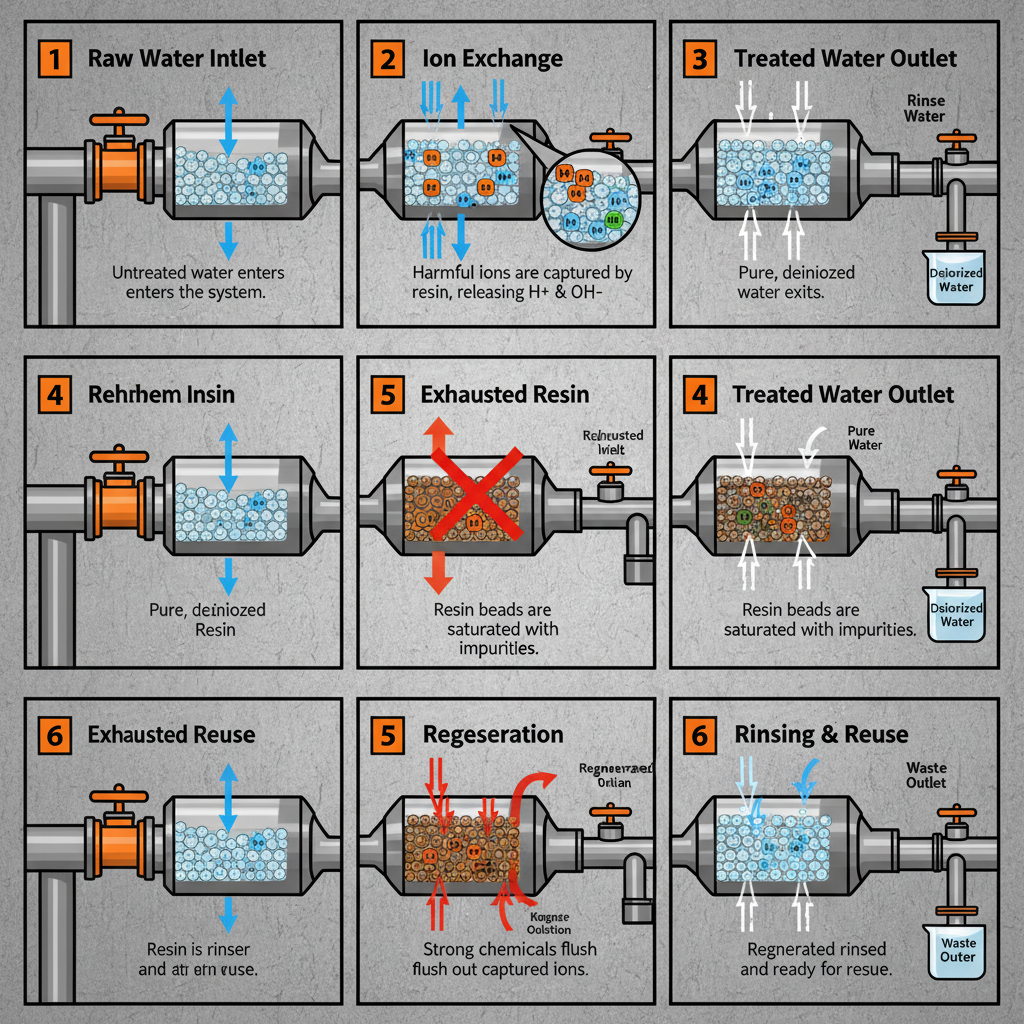
The lifespan and regeneration frequency of purification resins depend on several factors, including the type of resin, the concentration of impurities, and the operating conditions. Many resins can be regenerated multiple times using chemical solutions, extending their useful life. Replacement is generally required when the resin's structure degrades or its capacity significantly diminishes, often after hundreds of regeneration cycles.
Yes, a wide variety of purification resins are available, each designed for specific applications. These include strong acid cation exchange resins, strong base anion exchange resins, chelating resins, adsorption resins, and mixed bed resins. The choice of resin depends on the target impurities, the process conditions, and the desired level of purification.
Safety precautions depend on the specific type of resin and the regeneration chemicals used. Generally, it's recommended to wear appropriate personal protective equipment (PPE), such as gloves, safety glasses, and lab coats. Avoid contact with skin and eyes, and ensure adequate ventilation. Refer to the resin's safety data sheet (SDS) for detailed handling instructions.
Purification resins can contribute to environmental sustainability by reducing waste, enabling resource recovery, and purifying water and air. However, the disposal of spent resins can be an environmental concern. The development of biodegradable resins and closed-loop recycling systems are addressing this issue. Choosing resins with longer lifespans and efficient regeneration capabilities also minimizes environmental impact.
The cost of implementing a purification resin system is influenced by several factors, including the type of resin, the system size, the flow rate, and the regeneration requirements. Initial investment costs include the resin itself, the equipment (columns, pumps, etc.), and installation. Ongoing costs include regeneration chemicals, maintenance, and resin replacement. A careful cost-benefit analysis is crucial to ensure a viable solution.
In conclusion, purification resin represents a cornerstone technology for achieving purity, efficiency, and sustainability across a vast array of industries. Its ability to selectively remove impurities, coupled with its versatility and potential for regeneration, makes it an invaluable tool for addressing complex separation challenges. From pharmaceutical manufacturing to environmental remediation, purification resins are vital for producing high-quality products and protecting our planet.
Looking ahead, continued innovation in resin materials, process optimization, and digital integration will further enhance the performance and cost-effectiveness of these vital materials. By embracing new technologies and sustainable practices, we can unlock the full potential of purification resin to create a cleaner, safer, and more sustainable future. Visit our website at www.lijiresins.com to learn more about our comprehensive range of purification resin solutions.