0%

Table of Contents

Water treatment is a cornerstone of modern civilization, impacting everything from public health to industrial productivity. The efficiency and effectiveness of this treatment often hinges on the materials used, and that's where water treatment resin types come in. These aren’t just simple filters; they're sophisticated materials engineered to selectively remove contaminants, delivering clean, safe water for a multitude of applications. Understanding the different types of resins – their strengths, weaknesses, and optimal uses – is critical for anyone involved in water purification, whether you’re running a municipal water plant or ensuring water quality in a small rural community.

Globally, the demand for clean water is skyrocketing, driven by population growth, industrialization, and increasing environmental pressures. The United Nations estimates that billions of people lack access to safe water, and this number is projected to rise. This creates an urgent need for advanced water treatment technologies, and water treatment resin types play a vital role in meeting this demand. The sheer diversity of contaminants – from heavy metals and dissolved solids to bacteria and viruses – means a “one-size-fits-all” approach doesn’t work.

Simply put, water treatment resin types are specialized polymeric materials designed to selectively remove unwanted substances from water. They work through a variety of mechanisms, including ion exchange, adsorption, and chelation. Unlike simple filtration, these resins target specific pollutants, offering a far more precise and effective purification process. From the massive scale of municipal water treatment facilities to the crucial purification in pharmaceutical manufacturing, these resins are at the heart of ensuring water quality and safeguarding public health.
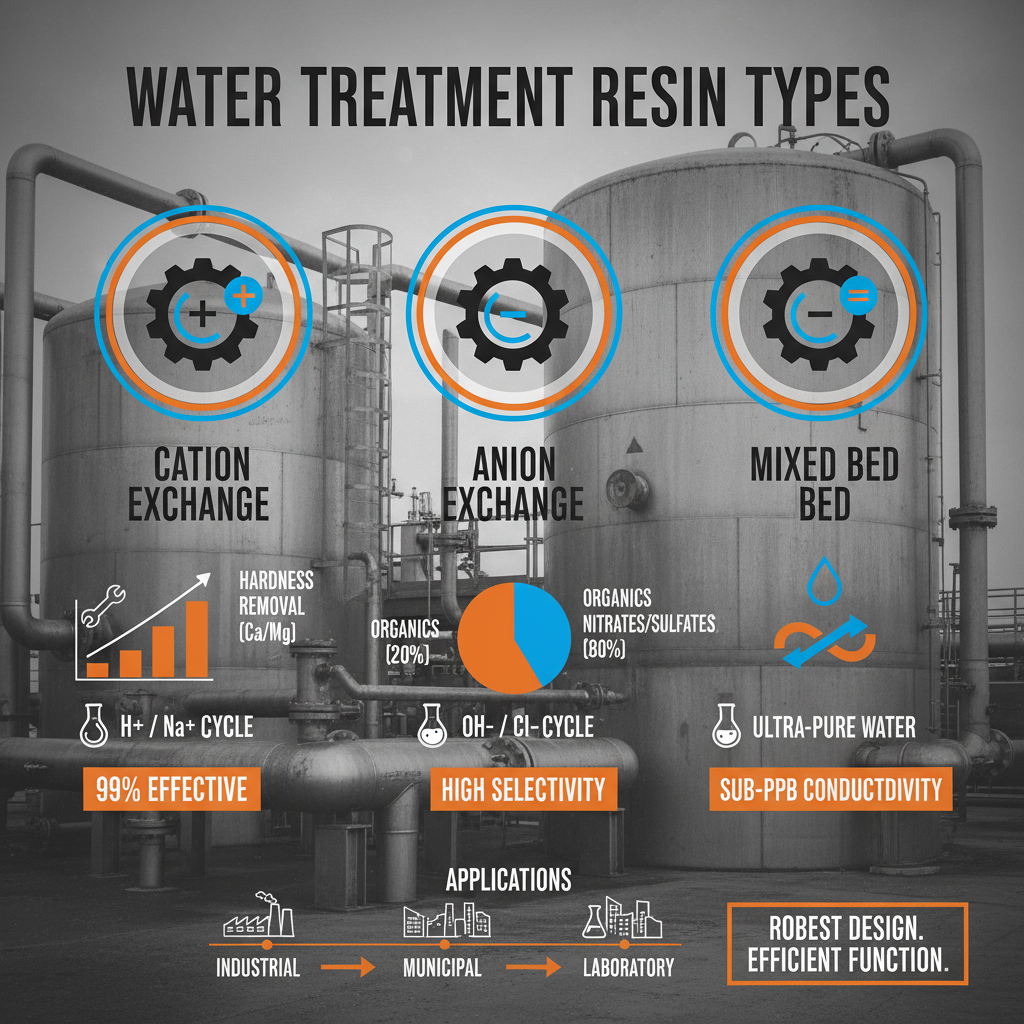
Understanding Water Treatment Resin Types for Effective Purification

The Importance of Water Treatment Resin Types

Understanding Water Treatment Resin Types for Effective Purification

Look, I’ve been around water treatment plants my entire career. I’ve seen everything from outdated systems struggling to meet regulations to state-of-the-art facilities pushing the boundaries of purification. What I’ve learned is that the heart of any effective system is the quality of the resins used. Without the right resin, you're fighting an uphill battle, constantly dealing with breakthrough, reduced capacity, and increased operational costs. It's not just about meeting standards; it's about consistently delivering safe, clean water to the people who need it.

The challenges are only getting bigger. Emerging contaminants, stricter regulations, and the need for sustainable solutions are driving demand for more specialized and efficient resin technologies. We need resins that can handle a wider range of pollutants, operate at lower pressures, and have a longer lifespan. It’s not a simple chemical sale; it’s about providing a vital service and protecting public health.

Defining Water Treatment Resin Types

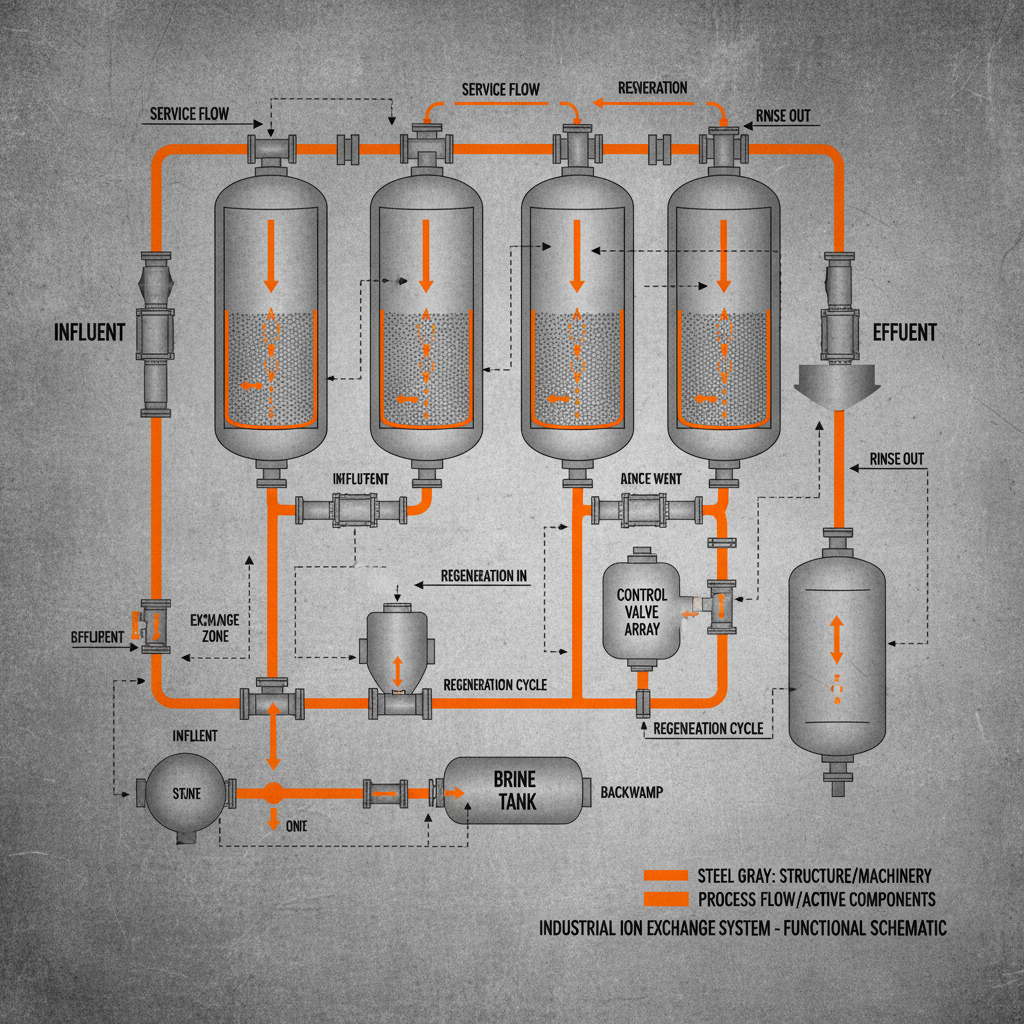
At their core, water treatment resin types are insoluble polymers with a carefully engineered structure. These structures contain functional groups that allow them to selectively bind to specific contaminants in water. Think of them like tiny, customized magnets, each designed to attract and hold onto a particular pollutant. The most common types are ion exchange resins, which swap unwanted ions (like calcium and magnesium, causing hardness) for harmless ones (like sodium or hydrogen).

But it's more than just ion exchange. Activated carbon resins physically adsorb organic compounds, removing chlorine, taste, and odor. Chelating resins target specific heavy metals like lead and mercury, forming stable complexes that are easily removed. And newer resin technologies are constantly emerging, designed to address increasingly complex water quality challenges.

This isn't lab chemistry in a textbook; this is practical engineering. We're talking about materials that need to withstand constant flow, varying temperatures, and the constant barrage of different chemicals. The right resin selection can mean the difference between a smoothly running plant and a constant headache of maintenance and repairs.

Key Factors Influencing Resin Performance

Several key factors dictate how well a water treatment resin performs. First, there's capacity – how much contaminant the resin can hold before it needs to be regenerated or replaced. Then you have selectivity – how effectively the resin targets the specific pollutant you're trying to remove. Durability is also crucial; resins need to withstand the rigors of continuous use without breaking down or losing their effectiveness.

Another major factor is regeneration efficiency. Most resins aren’t disposable; they’re regenerated using chemical solutions. A good resin will regenerate quickly and completely, minimizing downtime and chemical usage. Finally, particle size and porosity play a role, affecting flow rate and contaminant access. A smaller, more porous resin will offer a larger surface area for adsorption, but may also create higher pressure drop.

From a practical standpoint, all these factors tie back to cost. A high-capacity, selective resin might have a higher upfront cost, but its longer lifespan and reduced chemical usage can save money in the long run. It's a balancing act – finding the right combination of performance and economics for the specific application.

Global Applications and Use Cases

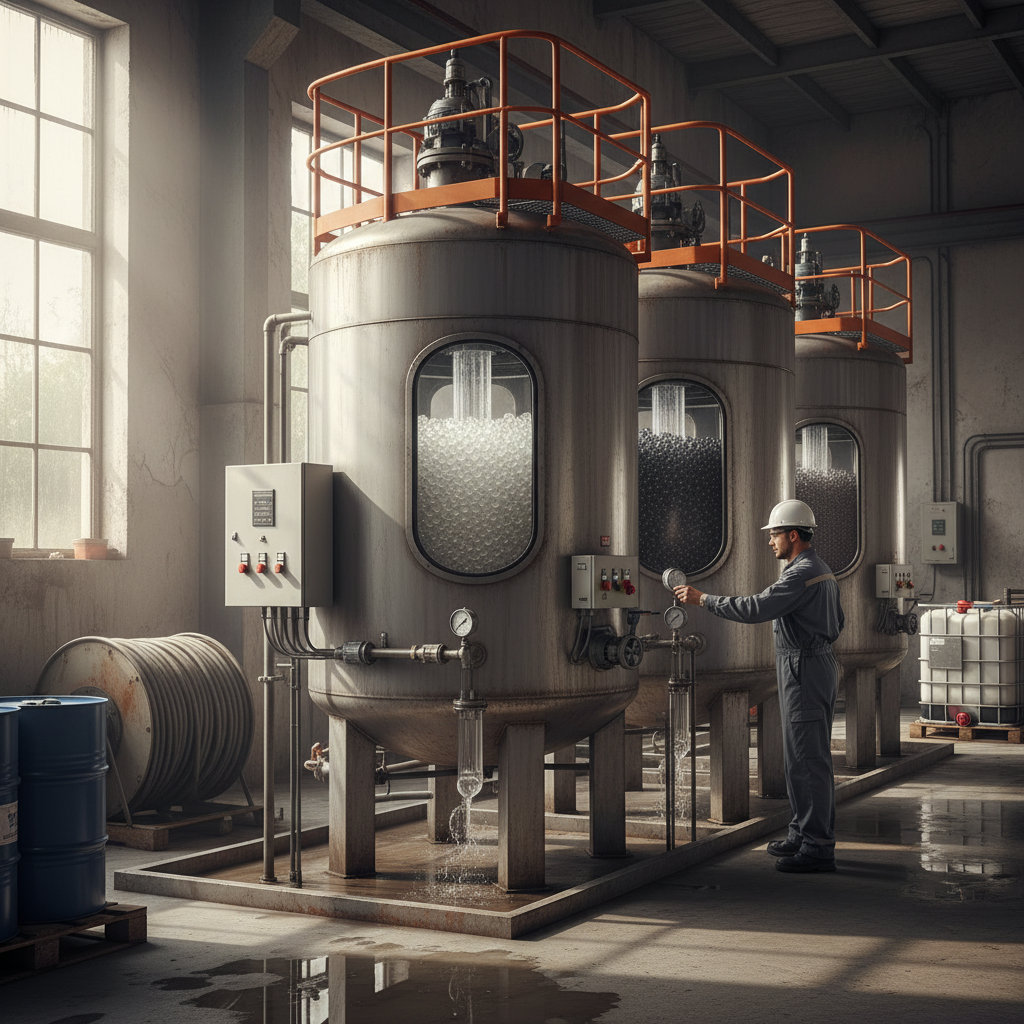
The applications for water treatment resin types are incredibly diverse. Municipal water treatment plants rely on them to remove hardness, chlorine, and other contaminants to provide safe drinking water. Power plants use them to purify boiler feed water, preventing scale buildup and corrosion. The food and beverage industry uses them to ensure the purity of process water.

We also see widespread use in pharmaceutical manufacturing, where water purity is paramount. Semiconductor fabrication requires ultra-pure water, and resins are essential to achieving the necessary levels of cleanliness. Even in remote areas, resin-based water filters are providing access to safe drinking water for communities lacking centralized treatment facilities.

Resin Type Performance Comparison


Advantages and Long-Term Value

Using the correct water treatment resin types isn’t just about compliance; it’s about long-term value. A well-designed system can significantly reduce operating costs by minimizing chemical usage, extending equipment lifespan, and decreasing maintenance requirements. Investing in high-quality resins upfront can pay dividends over the years.

Beyond economics, there's a crucial sustainability aspect. Effective water treatment reduces the need for costly and energy-intensive water sourcing and transportation. It protects our precious water resources and ensures their availability for future generations. It’s about responsible stewardship and leaving a positive impact on the environment.

Future Trends and Innovations

The field of water treatment resin types is constantly evolving. We’re seeing a rise in “smart” resins with embedded sensors that monitor performance and predict when regeneration is needed. Researchers are developing new materials with enhanced selectivity and capacity, targeting emerging contaminants like PFAS and microplastics.

There’s also a growing focus on bio-based resins, derived from renewable resources, offering a more sustainable alternative to traditional petroleum-based materials. And with the increasing adoption of digital technologies, we’re seeing more sophisticated monitoring and control systems that optimize resin performance and reduce waste.

Challenges and Solutions

Despite advancements, several challenges remain. Fouling – the buildup of organic matter and other deposits on the resin surface – can reduce performance and require frequent cleaning. Resin degradation over time is inevitable, and proper disposal is crucial to avoid environmental contamination.

Solutions include pre-treatment to remove foulants, regular resin cleaning and regeneration, and the development of more robust and fouling-resistant resin materials. Closed-loop regeneration systems can minimize chemical usage and reduce wastewater discharge. Proper disposal and recycling programs are essential for managing spent resins responsibly.

I've seen too many plants try to cut corners on resin quality or maintenance, and it always comes back to haunt them. A proactive approach – investing in quality materials and implementing a robust maintenance program – is the key to long-term success.

Summary of Key Challenges and Solutions for Water Treatment Resin Types

Challenge Impact on Performance Proposed Solution Implementation Cost (1-10)
Resin Fouling Reduced Capacity, Increased Pressure Drop Pre-treatment, Regular Cleaning 4
Resin Degradation Decreased Selectivity, Reduced Lifespan Optimized Regeneration Cycles 3
Emerging Contaminants Limited Removal Efficiency Specialty Resin Development 7
Chemical Usage Increased Operating Costs, Environmental Impact Closed-Loop Regeneration 6
Waste Disposal Environmental Concerns, Regulatory Compliance Recycling Programs, Responsible Disposal 5
Pressure Drop Reduced Flow Rate, Increased Energy Consumption Optimize Resin Particle Size 2

FAQS

What is the typical lifespan of a water treatment resin?

The lifespan of a water treatment resin varies widely based on several factors including the type of resin, the water quality, the regeneration frequency, and the operating conditions. Generally, ion exchange resins can last anywhere from 5 to 15 years with proper maintenance. Activated carbon resins typically have a shorter lifespan, around 2-5 years, as they become saturated with adsorbed contaminants. Regular monitoring and proper regeneration are key to maximizing resin lifespan and minimizing replacement costs.

How often should I regenerate my ion exchange resin?

Regeneration frequency depends on the resin’s capacity, the contaminant load in the water, and the desired water quality. It's best to monitor the effluent water quality and regenerate when breakthrough occurs – when the resin no longer effectively removes the target contaminants. Automated systems can be programmed to regenerate based on volume of water treated or time intervals, but consistent monitoring is vital to optimize regeneration frequency and avoid over or under-regeneration.

What are PFAS resins and why are they important?

PFAS (per- and polyfluoroalkyl substances) are a group of man-made chemicals that are persistent in the environment and pose health risks. PFAS resins are specifically designed to remove these contaminants from water. They’re becoming increasingly important due to growing concerns about PFAS contamination and tightening regulations. These resins typically employ a unique polymer structure that effectively adsorbs PFAS molecules, offering a crucial solution for water purification.

How do I choose the right resin for my application?

Choosing the right resin is critical for optimal performance. Start by identifying the specific contaminants you need to remove. Then, consider the water chemistry – pH, temperature, and presence of other substances. Factors like flow rate, pressure drop, and regeneration requirements also play a role. Consulting with a water treatment specialist or resin manufacturer can help you select the most appropriate resin for your unique application.

Are there eco-friendly alternatives to traditional water treatment resins?

Yes, there is growing interest in sustainable resin options. Bio-based resins, derived from renewable resources, are gaining traction as a more environmentally friendly alternative to traditional petroleum-based resins. Researchers are also exploring biodegradable resins and methods to improve the recyclability of existing resins. These advancements reflect a broader commitment to sustainable water treatment practices.

What causes resin fouling and how can it be prevented?

Resin fouling occurs when organic matter, suspended solids, and other contaminants accumulate on the resin surface, reducing its capacity and performance. Prevention strategies include pre-treatment to remove foulants, using a resin cleaning agent, and implementing regular backwashing. Selecting a resin with higher fouling resistance can also help minimize fouling issues. Effective pre-treatment is the most important step in preventing fouling.

Conclusion

Water treatment resin types are the unsung heroes of clean water. They’re complex materials, but their function is simple: to safeguard our health and protect our environment. Understanding the different types, their applications, and the factors that influence their performance is essential for anyone involved in water purification, from municipal operators to industrial engineers. Investing in the right resin technology and implementing proper maintenance practices is not just a matter of compliance; it’s a commitment to a sustainable future.

As we face increasingly complex water quality challenges, innovation in resin technology will be critical. We need to embrace new materials, advanced monitoring systems, and sustainable practices to ensure access to clean, safe water for all. For more information on our comprehensive range of water treatment resin types and how we can help you optimize your water purification system, visit our website: water treatment resin types.

James Wilson

James Wilson

James Wilson is the Quality Control Manager at Hebei Lijiang Biotechnology, overseeing the rigorous testing and certification processes for our resins. James ensures all products meet or exceed industry standards, including ISO9001, SGS, and WQA certifications. He's a dedicated professional with 12 years of experience in quality assurance within the
Previous The Crucial Role of Water Treatment Resin in Modern Water Purification Systems
Next Understanding the Diverse Types of Chromatography Resins and Their Applications