Types of chromatography resins are absolutely crucial these days, not just in labs, but across a huge swathe of industries. It’s not just about fancy purification anymore; we’re talking about scaling up biomanufacturing for life-saving drugs, ensuring the purity of our food supply, and even tackling environmental contaminants. Knowing what resin to use, and why, is the difference between a process running smoothly and costing a fortune in rework. From a practical standpoint, if you’re not choosing the right resin, you're losing yield, and that translates directly to lost revenue.
The demand for high-performance resins is steadily increasing, driven by the growth of the biopharmaceutical industry, especially with the rise of biosimilars and personalized medicine. Reports from organizations like the UN and the World Bank highlight the need for efficient and scalable purification processes in areas like vaccine production and access to essential medicines globally. This isn’t some academic exercise; it’s about real-world impact. We're seeing a shift towards continuous manufacturing, and that puts even more pressure on resin performance.
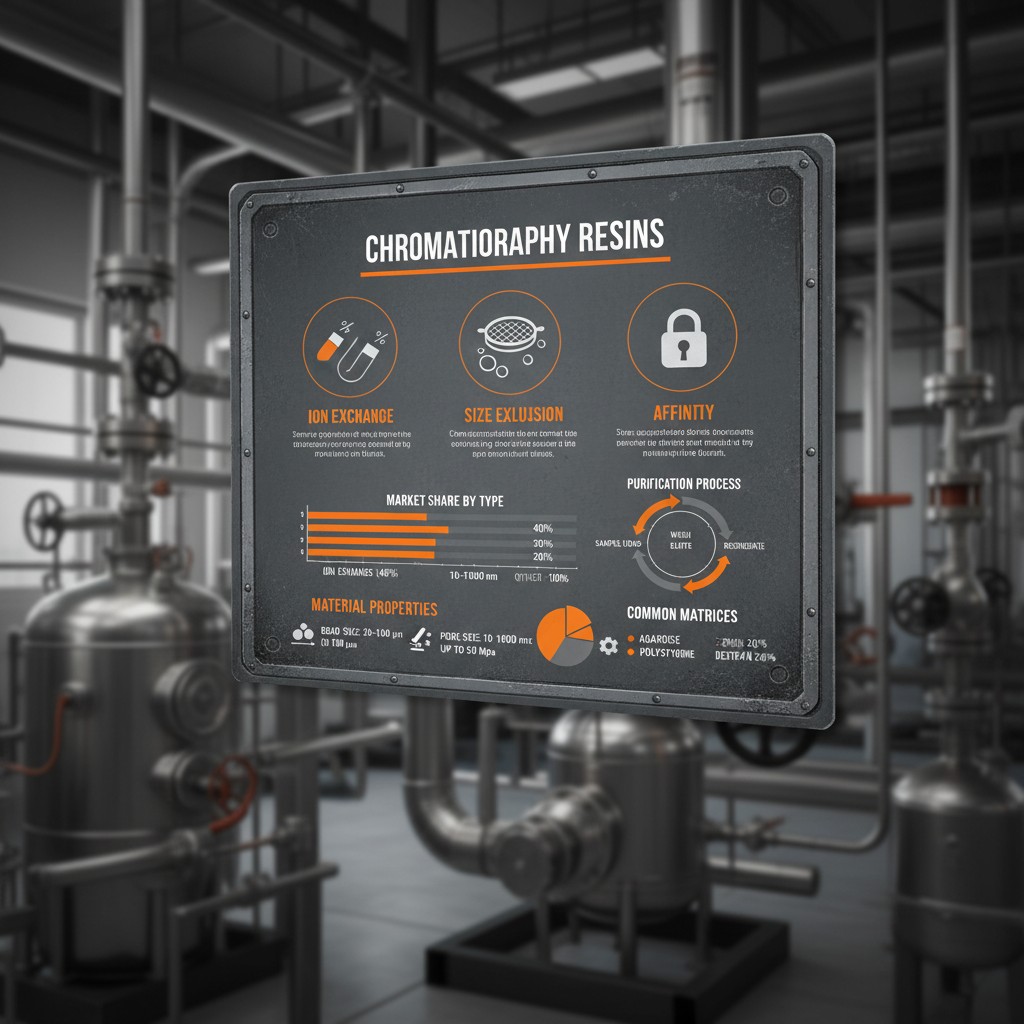
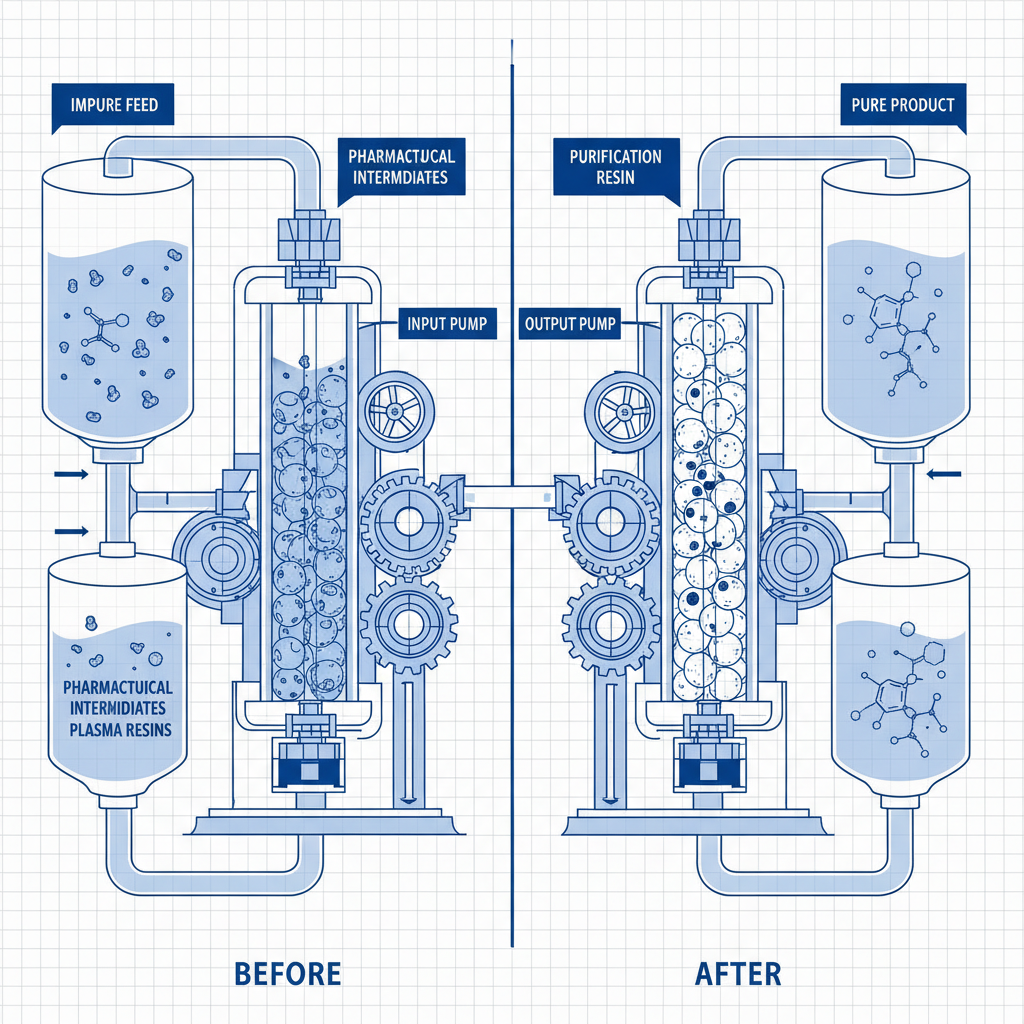
Essentially, types of chromatography resins are solid stationary phases used in chromatography to separate components of a mixture. They’re the workhorses that selectively bind to target molecules, allowing us to isolate and purify them. Think of it like a highly specialized filter, but instead of just size, it’s looking for specific chemical properties. This technology is vital for modern industry, especially in areas where purity is paramount – like creating pharmaceuticals or analyzing complex biological samples. It's even got applications in humanitarian efforts, like quickly testing water quality in disaster zones.
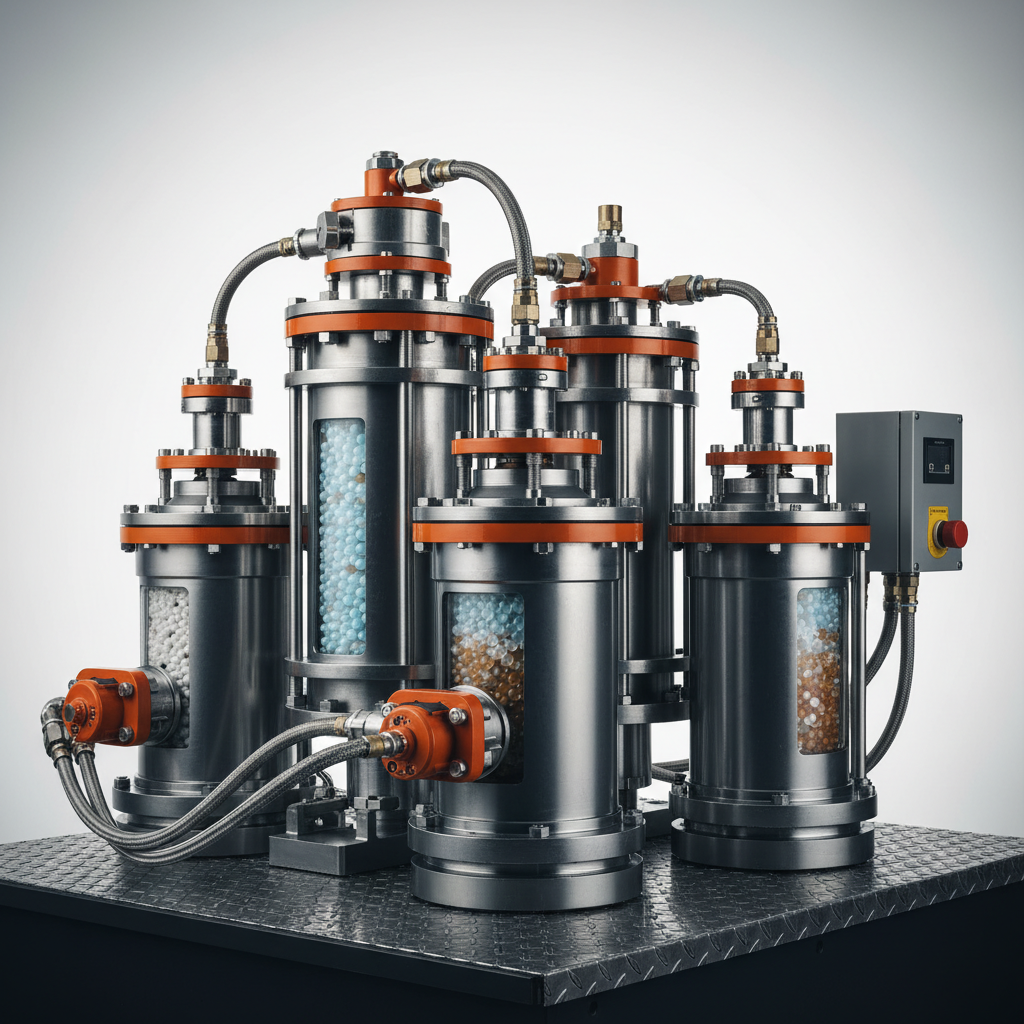
When you’re on the ground, dealing with the real-world stuff, resin selection boils down to a few critical things. First, you’ve got selectivity – how well does the resin bind specifically to what you want to capture? No point in using a resin that grabs everything; you'll end up with a mess. Then there's capacity – how much of your target molecule can the resin hold? Higher capacity generally means more throughput, which translates to lower costs.
Beyond that, chemical and physical stability are huge. You need a resin that can withstand the conditions of your process – pH swings, temperature changes, and repeated cleaning cycles. A resin that degrades quickly is just throwing money away. And lastly, particle size and porosity matter a lot. Smaller particles generally give you better resolution, but also higher backpressure. Finding the right balance is key, and it's all dependent on the specific application and the equipment you're working with. You don't want to blow out a column because you chose the wrong particle size!
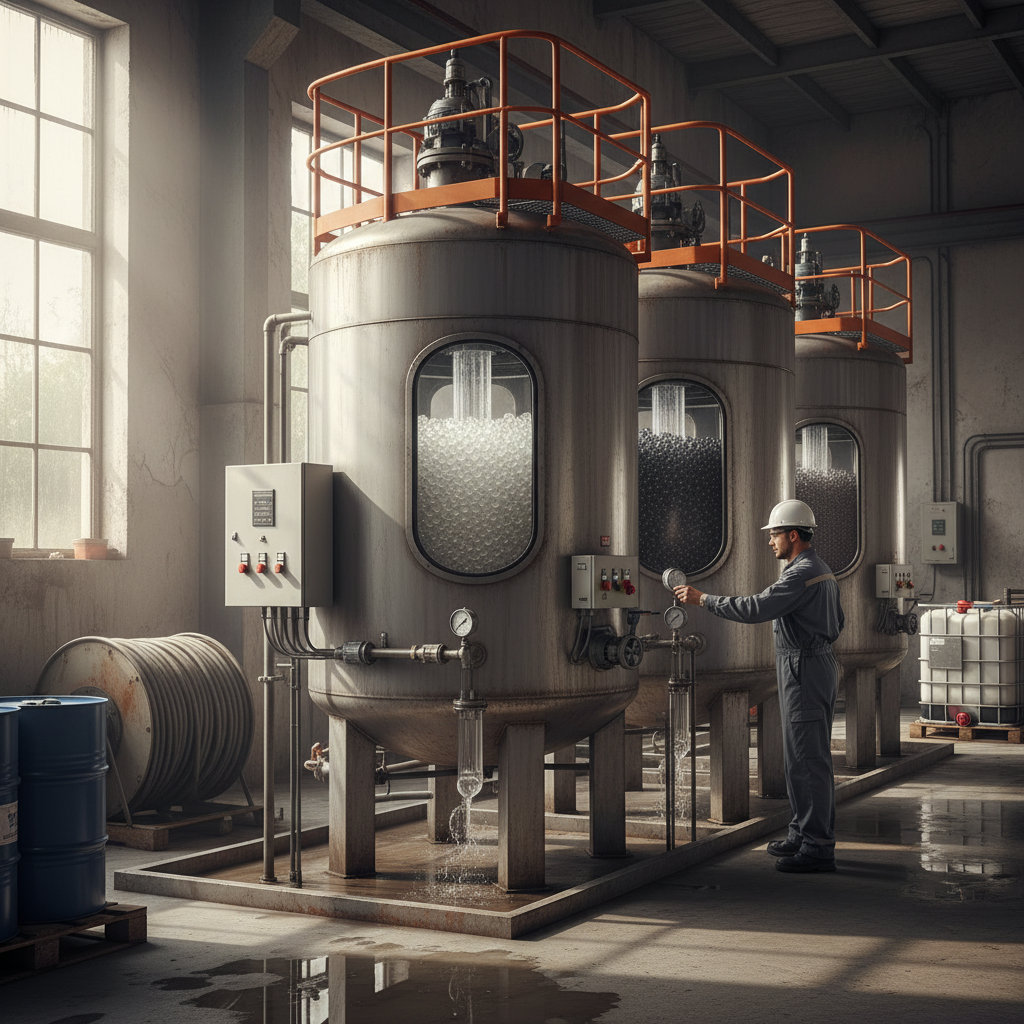
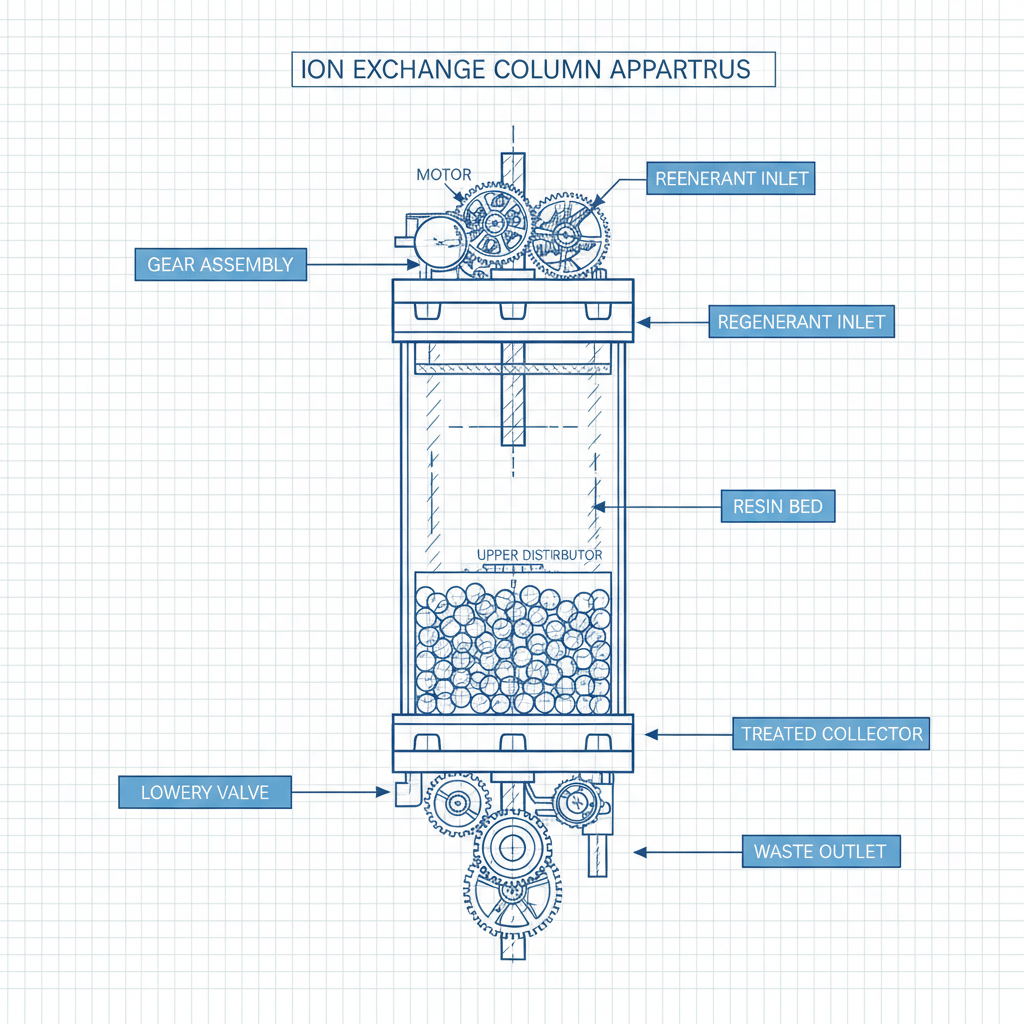
The applications for different types of chromatography resins are incredibly diverse. In the biopharmaceutical world, Protein A resins are gold standard for antibody purification, but they’re expensive. You see a lot of innovation happening around alternatives to Protein A, especially as companies try to reduce costs for biosimilars. Ion exchange resins are used everywhere – from water purification to amino acid separation.
We’re also seeing increased use of resins in the food and beverage industry for things like sugar purification and flavor compound isolation. And don’t forget about environmental applications, like removing heavy metals from contaminated water. I’ve even seen them used in forensic science for analyzing drug samples! The need for these resins isn’t confined to developed nations; in fact, some of the biggest opportunities are in emerging markets where access to clean water and affordable medicines is critical.
Regions like China and India, with their rapidly growing pharmaceutical industries, are major consumers of chromatography resins. North America and Europe remain key markets for high-end resins used in biomanufacturing. Organizations like WHO are increasingly relying on these technologies to ensure the quality and safety of vaccines and other essential medicines distributed globally.
The benefits of using the right types of chromatography resins go way beyond just getting a pure product. The biggest advantage is cost reduction. Higher selectivity means less waste, less rework, and higher yields. That adds up fast, especially when you’re dealing with expensive biomolecules. Improved efficiency means less time spent on purification, allowing you to get products to market faster.
From a sustainability standpoint, resins can contribute to greener processes. By minimizing solvent usage and waste generation, they align with the growing demand for environmentally responsible manufacturing. Reliability is another huge factor. Knowing your resin performs consistently batch after batch builds trust in your process and reduces the risk of costly failures. This leads to innovation because engineers can rely on these resins to work as expected when designing new manufacturing workflows.
And ultimately, using high-quality resins improves product safety and efficacy, which is paramount in industries like pharmaceuticals. This builds trust with regulators, healthcare professionals, and patients alike. That long-term value – the combination of cost savings, sustainability, and product quality – is what makes investing in the right resins a smart decision.
You can’t just pick a resin off the shelf; you need to understand the underlying chemistry. Different types of resins rely on different interaction mechanisms – hydrophobic interactions, ion exchange, affinity binding, size exclusion, and so on. For example, if you're purifying a positively charged protein, a cation exchange resin will be your go-to. But the type of functional group on that resin (strong vs. weak) matters too.
The matrix material itself – typically agarose, polystyrene, or silica – also plays a role. Agarose is generally softer and has higher flow rates, making it good for large biomolecules. Polystyrene is more rigid and can handle harsher conditions. Silica offers high resolution but can be prone to cracking under high pH. Knowing these trade-offs is crucial for optimizing performance.
Scaling up from lab-scale purification to industrial production requires careful consideration of resin cost and availability. While Protein A resins offer excellent performance, their high price tag can be prohibitive for large-scale processes. Alternatives like Protein G or even entirely different ligands are gaining traction. You also need to factor in the cost of the column itself and the associated hardware.
Resin lifetime is another important factor. How many cleaning and regeneration cycles can the resin withstand before its performance degrades? Investing in a more durable resin upfront can save you money in the long run by reducing the frequency of replacements. You also need to consider the cost of disposal – some resins require special handling due to hazardous materials.
We’re seeing a lot of exciting developments in resin technology. One major trend is the development of single-use resins. These pre-packed columns eliminate the need for cleaning and validation, reducing downtime and costs. Another is the move towards continuous chromatography, where the resin is packed into a rotating bed or monolithic column, allowing for continuous feed and elution.
There’s also a growing focus on engineered resins with tailored selectivity. Researchers are designing resins with specific ligands or surface modifications to capture even challenging targets. And let’s not forget about the increasing use of artificial intelligence and machine learning to optimize resin selection and process parameters. It’s going to allow us to predict resin performance and tailor process conditions for maximum efficiency.
Implementing chromatography resins isn’t always smooth sailing. One common challenge is fouling, where unwanted substances accumulate on the resin, reducing its capacity and performance. Regular cleaning and the use of guard columns can help mitigate fouling. Another issue is channeling, where the mobile phase flows preferentially through certain areas of the column, leading to poor separation.
Proper column packing and optimization of flow rates can help prevent channeling. Also, resin compatibility with your buffer systems is vital. Incompatible buffers can damage the resin or interfere with binding. Thorough testing and careful selection of buffers are essential. Finally, you’ve got the cost of validation. Regulatory requirements often necessitate extensive validation studies to demonstrate the suitability of the resin for its intended application.
| Challenge | Root Cause | Solution | Preventative Measure |
|---|---|---|---|
| Low Binding Capacity | Resin degradation or incorrect pH | Resin regeneration or pH adjustment | Regular resin monitoring and pH control |
| Channeling | Uneven column packing | Repack column or optimize flow rate | Proper column packing procedures |
| Fouling | Presence of particulates or contaminants | Cleaning with appropriate solvents | Use pre-filters and optimized sample preparation |
| Non-Specific Binding | Insufficient salt concentration in buffer | Increase salt concentration or add blocking agents | Optimize buffer composition for selectivity |
| Resin Swelling/Shrinkage | Incompatible buffer or temperature changes | Change buffer or stabilize temperature | Resin compatibility check and temperature control |
| Decreased Resolution | Broad peak broadening | Reduce flow rate and optimize column dimensions | Appropriate column selection and flow rate control |
The lifespan of a chromatography resin varies significantly depending on the type of resin, the application, and how well it's maintained. Generally, you can expect a good-quality resin to last for hundreds of cleaning and regeneration cycles, potentially several years. However, factors like harsh chemicals, high temperatures, and frequent mechanical stress can shorten its lifespan. Regular monitoring of performance, such as binding capacity and resolution, is crucial to determine when a resin needs to be replaced.
Cleaning and regeneration protocols depend heavily on the resin type and the contaminants it’s been exposed to. Generally, it involves removing bound substances with appropriate buffers (like high salt concentrations or acidic/basic solutions) followed by sanitization to prevent microbial growth. It's critical to follow the manufacturer’s recommendations, as improper cleaning can damage the resin. Often, a sequence of steps, including wash, strip, and sanitize, is necessary.
Agarose resins are soft, biocompatible, and have good flow rates, making them ideal for large biomolecules. Cellulose resins offer good chemical stability and are often used for polysaccharide purification. Silica-based resins provide high rigidity and resolution, but can be sensitive to pH changes. Agarose is often favored for proteins, cellulose for carbohydrates, and silica for smaller molecules requiring higher separation precision.
Smaller particle sizes generally lead to higher resolution because they provide more surface area for interaction and reduce diffusional path lengths. However, they also increase backpressure, requiring higher pump pressures. Larger particles have lower resolution but lower backpressure. The optimal particle size depends on the specific application and the system's pressure limits. A balance between resolution and flow rate is usually sought.
Yes, most chromatography resins are designed for reuse, but they require proper cleaning and regeneration after each cycle. The number of cycles a resin can withstand depends on its type and the nature of the contaminants. Over time, the resin's binding capacity and selectivity may decrease due to fouling or degradation. Regular performance monitoring is essential to determine when replacement is necessary.
Proper storage is crucial for maintaining resin integrity. Resins should be stored in a cool, dry place, typically at 2-8°C, and always in their storage buffer (usually a solution containing a preservative like sodium azide). Avoid freezing and thawing cycles, as this can damage the resin matrix. Keep the resin covered to prevent dehydration and contamination. Always follow the manufacturer’s storage recommendations.
Types of chromatography resins are the unsung heroes of modern purification, driving advancements across pharmaceuticals, biotechnology, food science, and environmental monitoring. Selecting the right resin, understanding its chemistry, and implementing proper maintenance protocols are all essential for achieving optimal results. It's more than just picking a product; it's about understanding the science and tailoring the solution to the specific application.
Looking ahead, innovation in resin technology will continue to focus on improving selectivity, capacity, and durability, with a growing emphasis on sustainability and cost-effectiveness. Embracing these advancements and staying informed about the latest developments is crucial for anyone involved in purification processes. For more information on our range of chromatography resins and how we can help you optimize your processes, visit our website.