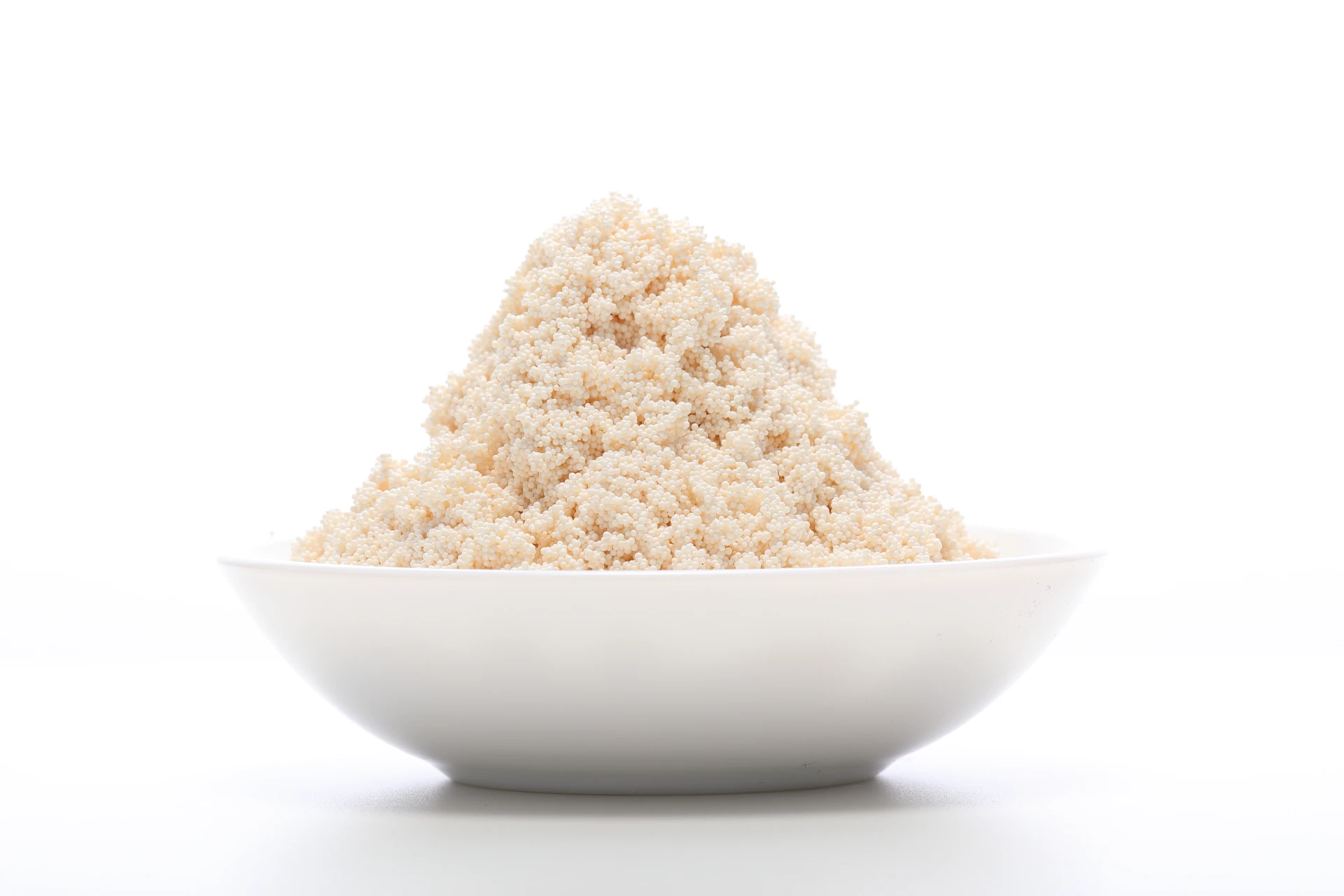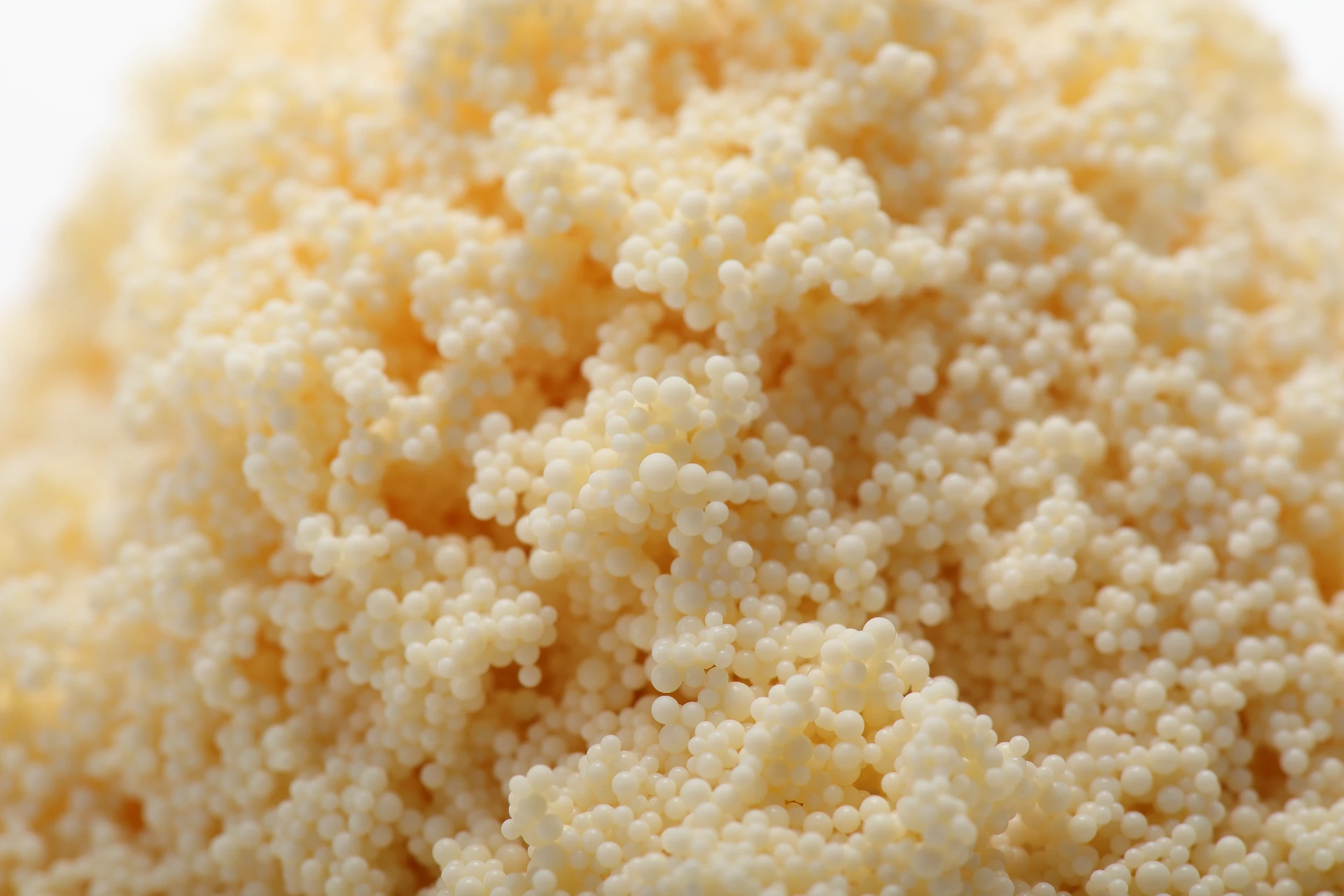
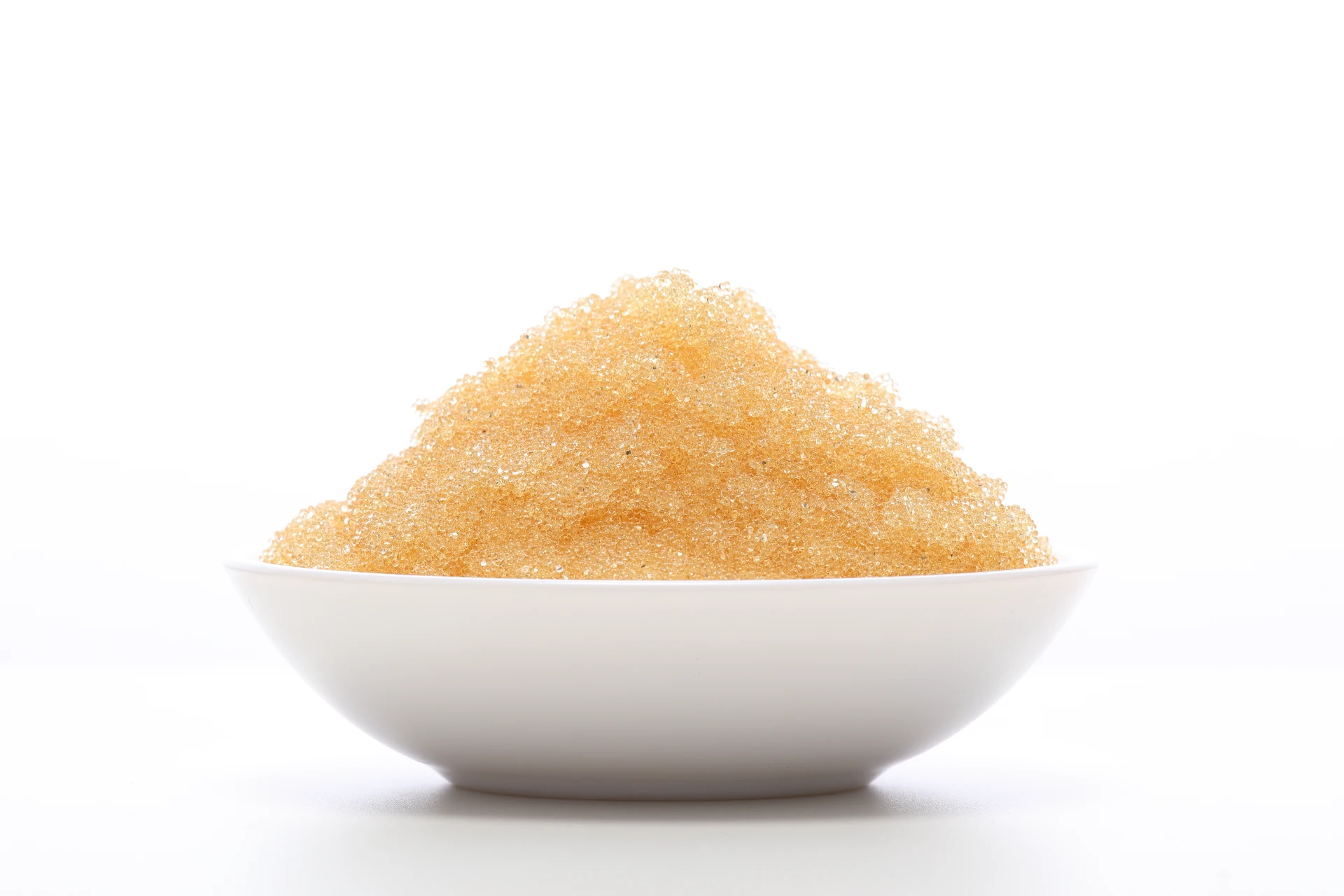
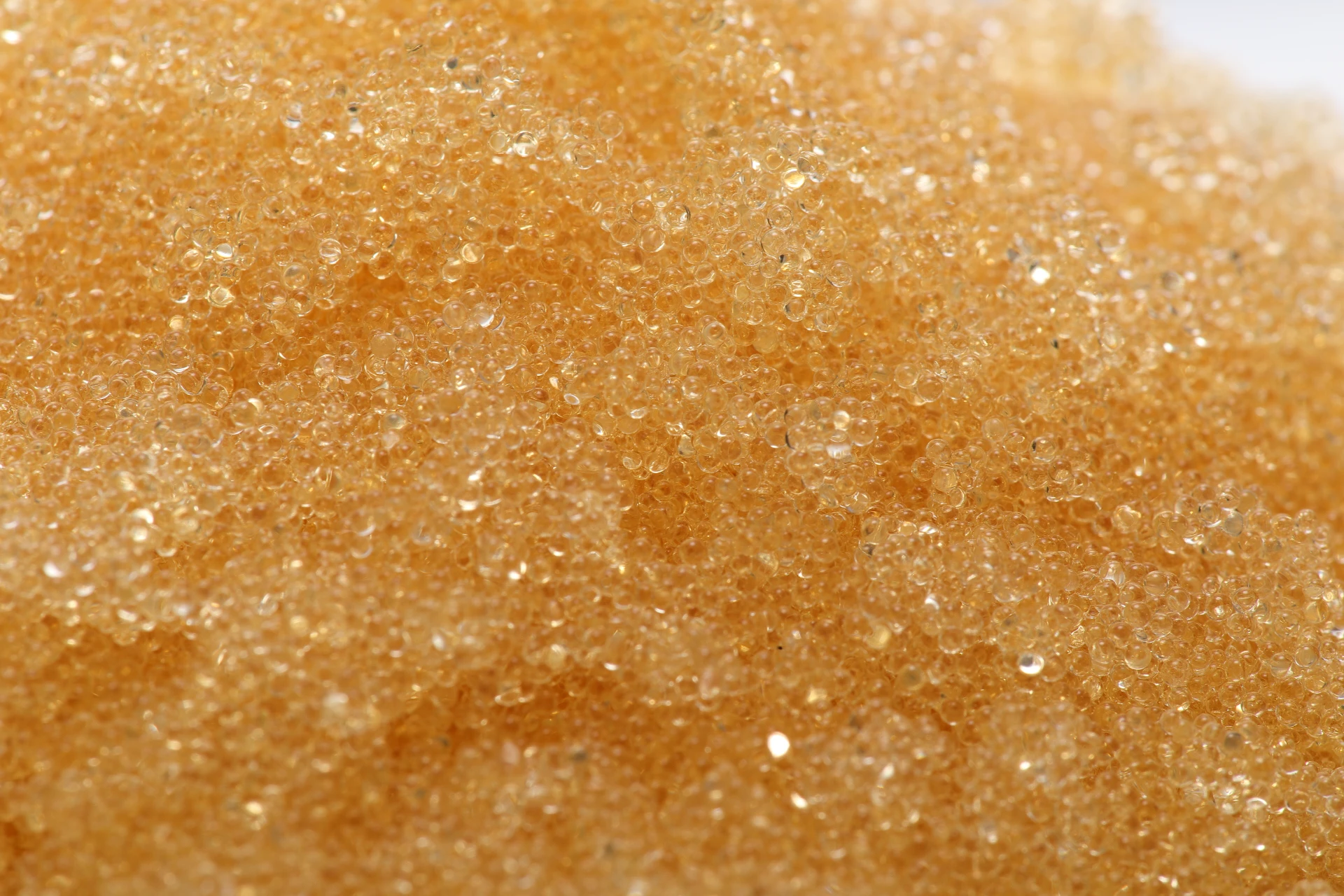
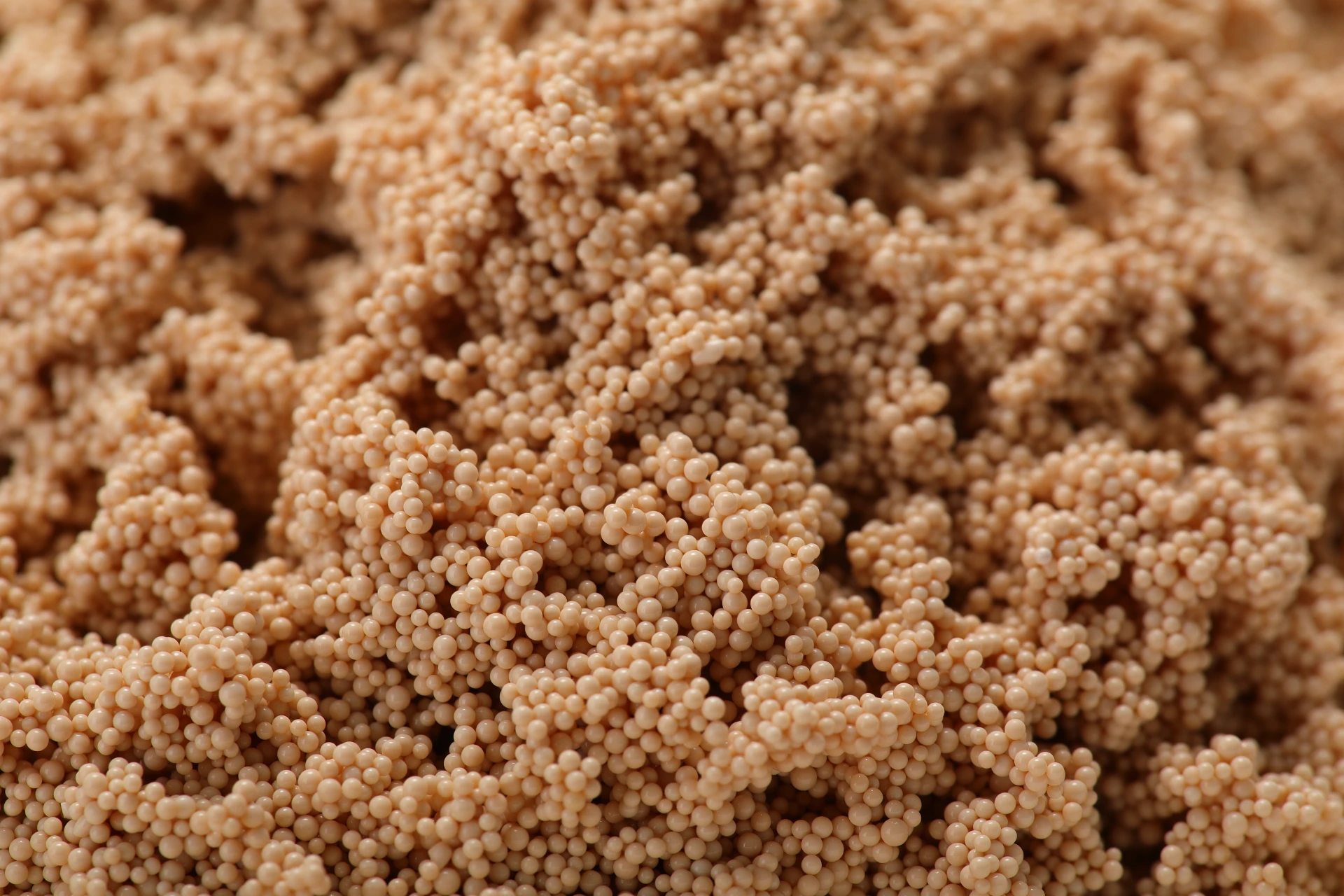
Advanced chelating resin Solutions for Ecuador's Industrial Water Purification

Optimizing mineral extraction and wastewater treatment across Ecuador with high-performance ion exchange technologies tailored for Andean and Coastal environments.

Advanced chelating resin Solutions for Ecuador's Industrial Water Purification

Providing Ecuador's chemical and mining sectors with cutting-edge resin technologies to ensure sustainable water management and precise metal recovery.

Current State of Water Treatment in Ecuador

Analyzing the intersection of Ecuador's unique geography and chemical synthesis needs.

In Ecuador, the industrial landscape is heavily influenced by its diverse topography, from the Andean highlands to the Pacific coast. The demand for ion exchange resin has surged as mining operations in the highlands face stringent environmental regulations regarding heavy metal discharge into pristine water sources.

The local chemical manufacturing sector is currently transitioning from basic filtration to specialized molecular separation. This shift is driven by the need for ultra-pure water in pharmaceutical production in Quito and Guayaquil, where the use of mixed bed di resin is becoming the standard for achieving maximum conductivity control.

Despite the availability of imports, there is a critical gap in localized technical support for bed resin maintenance. The high humidity of the coastal regions often affects the storage and longevity of synthetic resins, necessitating more robust, climate-resistant chemical materials.
Evolution of Resin Technology in the Ecuadorian Market

From traditional softening to intelligent molecular recognition.

Market Development History

From 1990 to 2010, the Ecuadorian market primarily relied on standard cation and anion resins for basic water softening in agricultural irrigation and early industrial boiler feeds, focusing on simple hardness removal.

Between 2011 and 2020, the rise of the gold and copper mining boom led to the introduction of special resin grades capable of selective metal recovery, shifting the focus from simple purification to high-value resource extraction.

Since 2021, the integration of digital monitoring and high-capacity polymers has allowed Ecuadorian plants to reduce regeneration frequency, optimizing the operational lifecycle of their ion exchange systems.

Future Development Trends

Eco-Friendly Regeneration Cycles

The trend is moving toward reducing the chemical footprint of regeneration, utilizing biodegradable agents to align with Ecuador's constitutional "Rights of Nature."

Hyper-Selective Chelating Agents

Future growth will see the adoption of resins with higher specificity for rare earth elements found in Andean deposits, improving recovery rates by up to 30%.

Smart Resin Bed Monitoring

Integration of IoT sensors within the resin bed to predict breakthrough points in real-time, reducing water waste in large-scale industrial plants.

Industrial Trends and Future Outlook

Strategizing for the next generation of synthetic materials in South America.

Circular Water Economy
Implementing closed-loop systems in Ecuador's textile and food industries to maximize water reuse via advanced resins.
High-Purity Standards
Driving the adoption of ultra-low conductivity water for the expanding electronics and pharmaceutical sectors in Quito.
Selective Mineral Capture
Using specialized ligands in resins to isolate precious metals from complex ores in Andean mining sites.
Resilient Polymer Matrix
Developing resins with enhanced thermal and osmotic stability to withstand extreme Ecuadorian industrial pressures.

Industry Outlook

Google search trends for "sustainable water purification" in Ecuador indicate a significant rise in industrial interest toward green chemistry. We expect a 15% annual increase in the adoption of specialized ion exchange materials as the government tightens wastewater effluent standards.

The synergy between synthetic material science and environmental engineering will likely lead to the deployment of "hybrid" resin systems that combine membrane filtration with ion exchange for maximum efficiency.

Localized Application Scenarios in Ecuador

Real-world implementation of resin technologies across various Ecuadorian sectors.

01. Andean Mining Metal Recovery

Utilizing chelating resin to selectively capture copper and gold from acidic leach liquors, significantly reducing chemical waste in the highlands.

02. Coastal Shrimp Farm Water Treatment

Implementing specialized ion exchange resin systems to manage salinity and remove toxic ammonia from aquaculture ponds in Guayas.

03. Quito Pharmaceutical Grade Water

Deploying mixed bed di resin units to produce USP-grade purified water, ensuring zero conductivity for critical medication synthesis.

04. Banana Plantation Irrigation Softening

Applying large-scale bed resin installations to prevent calcium scale buildup in drip irrigation systems across the coast.

05. Industrial Boiler Feed Purification

Using special resin to remove silica and organic contaminants, extending the life of high-pressure boilers in Ecuadorian power plants.

Brand Story

Global Development History of Hebei Lijie Biological Technology Co., Ltd.

Foundational Research

Our journey began with a commitment to solving the fundamental problem of ion selectivity in complex industrial wastewater.

Technological Breakthrough

Developed a proprietary polymer matrix that increased the exchange capacity and lifespan of industrial resins by 40%.

Global Expansion

Expanded our footprint into South America, bringing specialized water treatment solutions to challenging geological terrains.

Quality Certification

Achieved international ISO and environmental standards, ensuring our resins meet the strictest global safety requirements.

Future Sustainability

Currently pioneering biodegradable resin supports to eliminate the environmental impact of spent synthetic materials.

Comprehensive Resin Portfolio for the Ecuadorian Market

A full spectrum of synthetic materials designed for the unique challenges of Ecuador's chemical and mining industries.

Frequently Asked Questions in Ecuador

Expert answers to common technical challenges faced by local engineers.

How to choose the right chelating resin for Andean mining ores?

Selection depends on the target metal (e.g., Copper vs. Nickel) and the pH of the leach solution. We recommend a pilot test to determine the optimal ligand affinity for your specific ore grade.

What is the typical lifespan of mixed bed di resin in industrial use?

Typically, a well-maintained mixed bed system lasts 3-5 years. However, in Ecuador's coastal areas, pre-filtration is essential to prevent organic fouling from extending the replacement cycle.

Can special resin handle high-salinity water from coastal shrimp farms?

Yes, our specialized resins are designed with high osmotic stability to handle fluctuating salinity levels without losing structural integrity.

How do I prevent bed resin compaction in large-scale tanks?

Proper backwashing protocols and the use of uniform particle size resins are critical. We provide customized backwash schedules based on your flow rate.

What are the regeneration requirements for ion exchange resin?

Depending on the type, common regenerants include HCl, NaOH, or NaCl. We offer a detailed chemical compatibility guide to optimize your regeneration costs.

Does humidity in Guayaquil affect resin storage?

Extreme humidity can lead to premature degradation if bags are opened. We recommend climate-controlled storage and immediate sealing after use.

Request a Technical Consultation

Our experts are ready to optimize your water treatment systems across Ecuador. Contact us for customized resin specifications and efficiency audits.

Contact Us Now

If you are interested in our products, you can choose to leave your information here, and we will be in touch with you shortly.