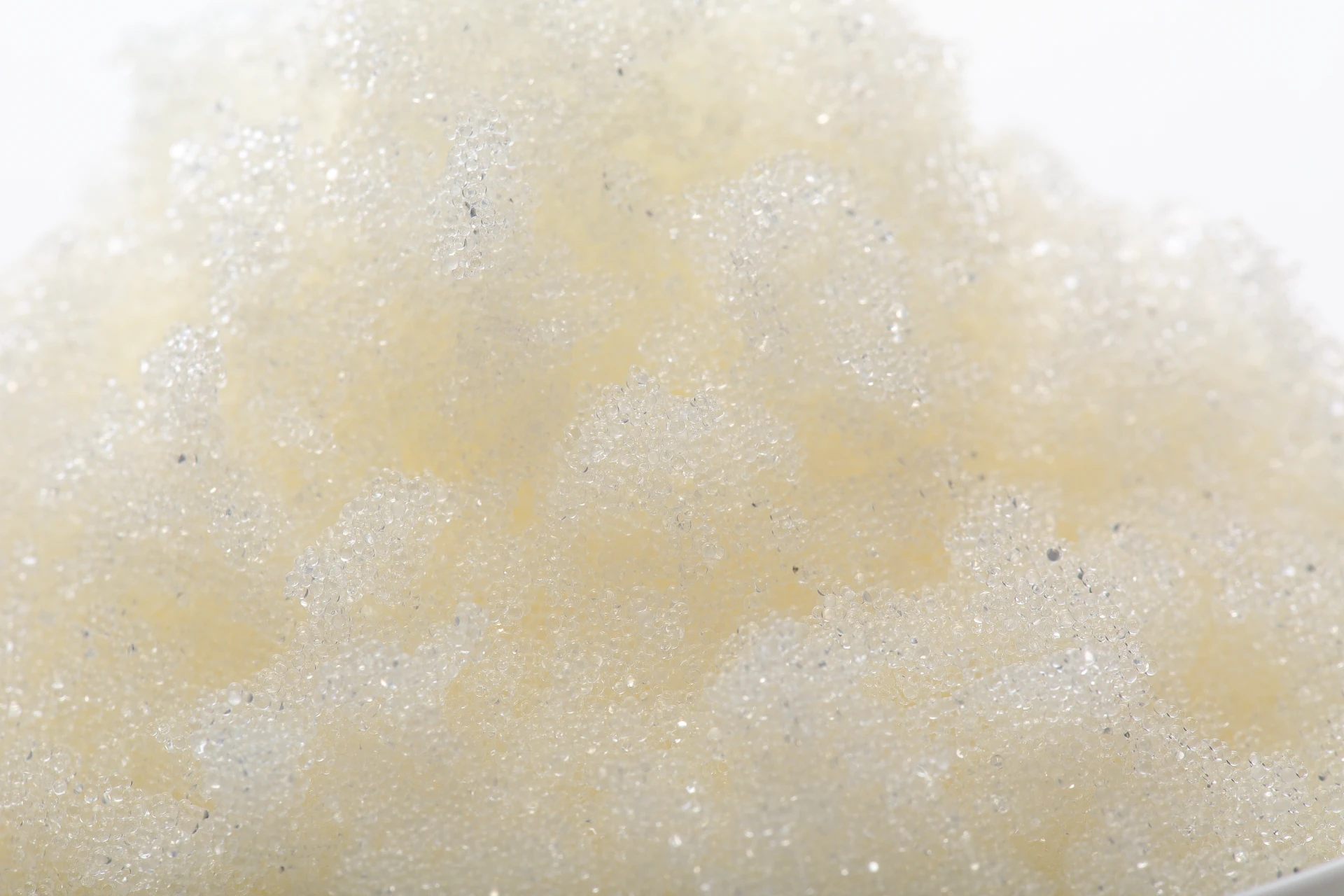
Advanced chelating resin Solutions for Equatorial Guinea Industrial Water Treatment

Optimizing chemical processing and mineral extraction with high-performance synthetic materials tailored for the equatorial climate of Africa.

Advanced chelating resin Solutions for Equatorial Guinea Industrial Water Treatment

Providing high-capacity ion exchange resin technology to solve complex purification challenges in Equatorial Guinea's manufacturing and petrochemical sectors.

Current State of Resin Manufacturing in Equatorial Guinea

Analyzing the synergy between high humidity and industrial resin performance.

In Equatorial Guinea, the industrial landscape is heavily driven by the oil and gas sector, creating a critical demand for high-purity water. The tropical rainforest climate, characterized by extreme humidity and high temperatures, puts significant stress on bed resin stability, often leading to faster degradation of standard polymers.

Currently, most chemical manufacturing plants in Malabo and Bata rely on imported materials. The lack of localized synthesis of special resin grades means that enterprises often struggle with long lead times and resins that aren't optimized for the specific mineral compositions of local groundwater.

Moreover, the shift toward diversifying the economy beyond hydrocarbons has sparked interest in mining and food processing, where the application of mixed bed di resin is becoming essential for meeting international quality standards and environmental regulations.
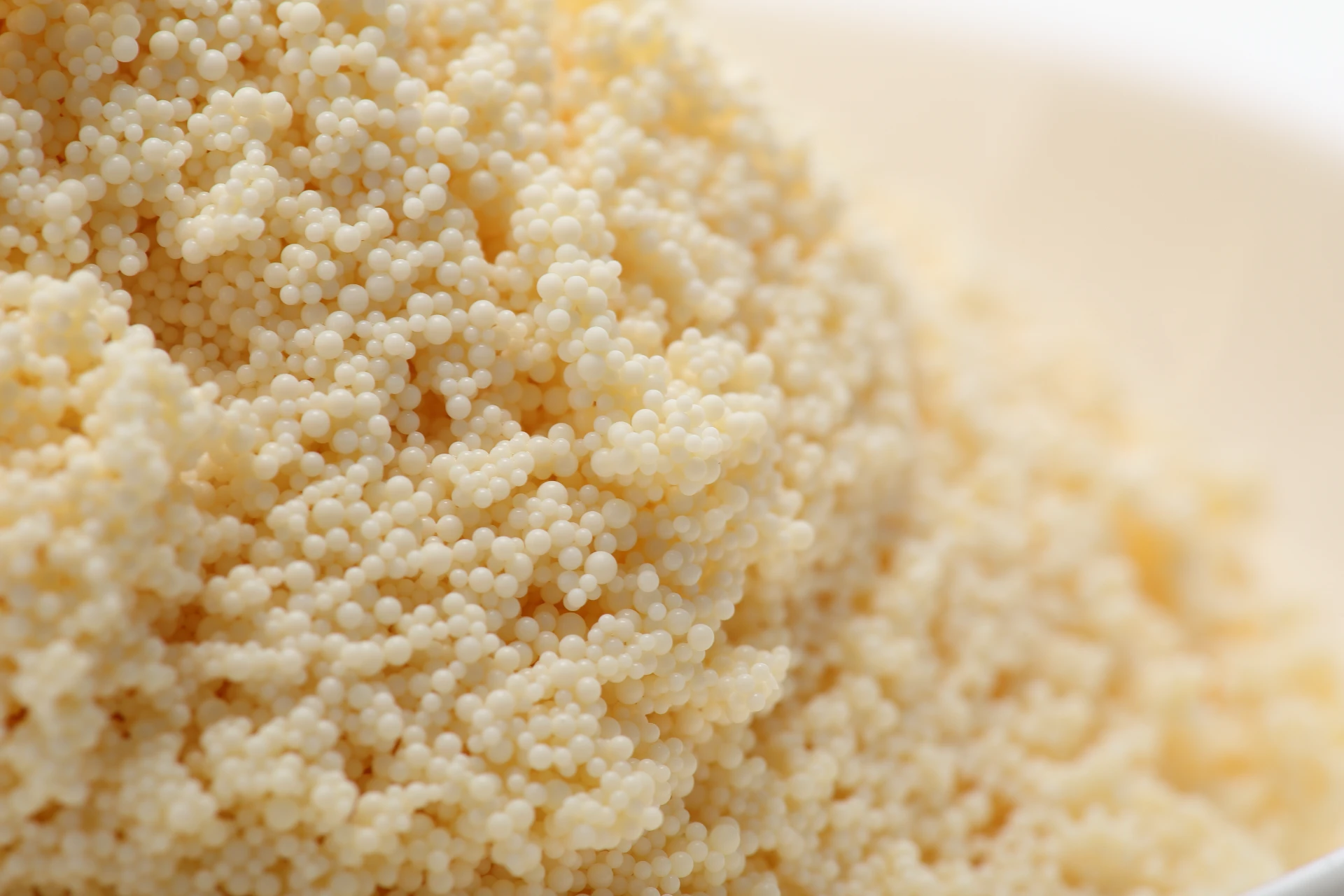
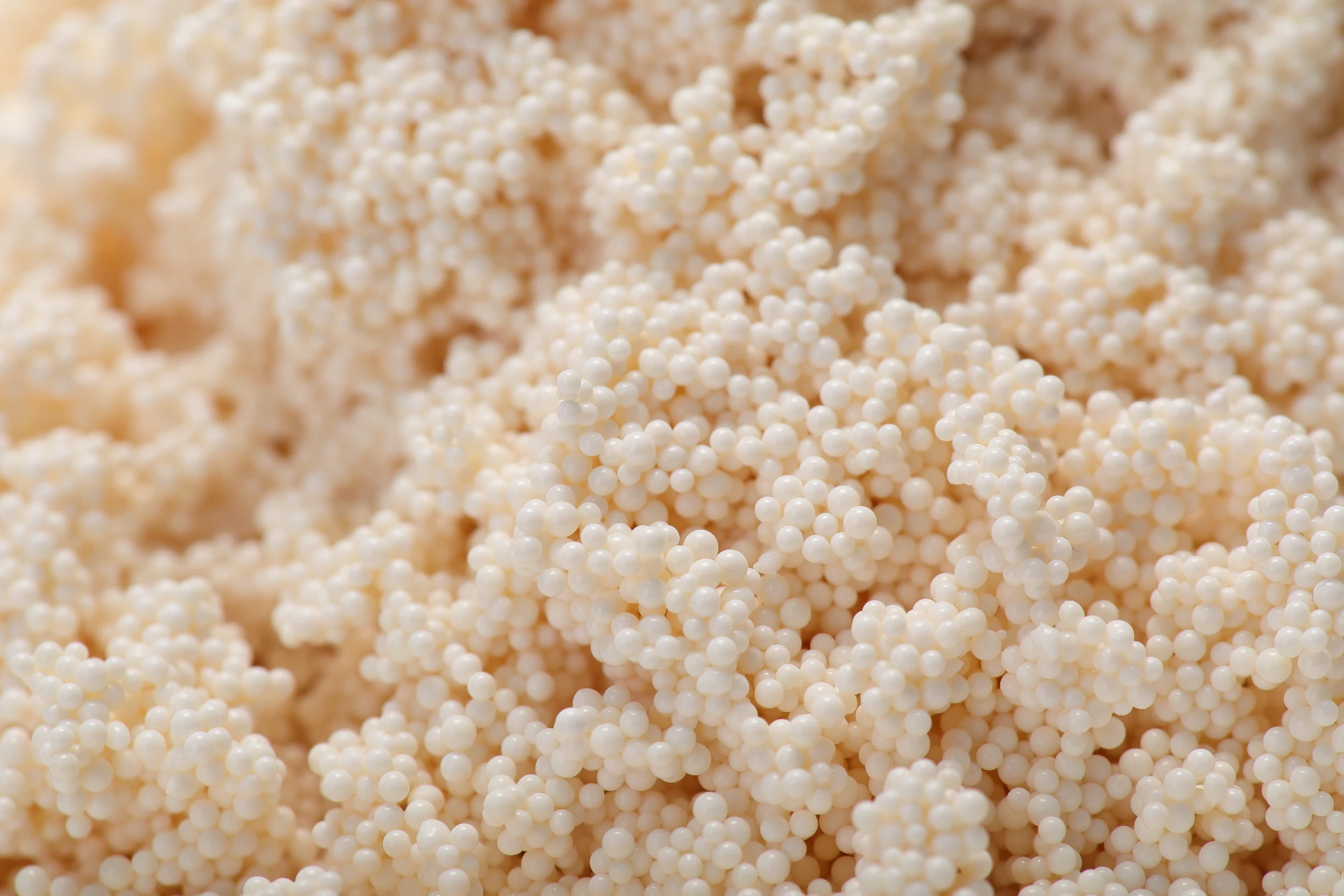
Evolution and Technical Trajectory of Ion Exchange in Africa

From basic softening to advanced selective molecular separation.

Market Development History

From 2000 to 2010, the market was dominated by basic strong acid cation resins used primarily for simple water softening in early industrial hubs across the Gulf of Guinea.

Between 2011 and 2020, a technical shift occurred as the oil industry demanded higher purity. This era saw the introduction of mixed bed di resin to achieve ultra-low conductivity water for boiler feeds and laboratory use.

Since 2021, the focus has pivoted toward environmental sustainability, integrating highly selective chelating technologies to remove heavy metals from industrial wastewater, reducing the ecological footprint in sensitive coastal regions.

Future Development Trends

Smart Regeneration Cycles

The adoption of AI-driven sensors to monitor resin exhaustion in real-time, reducing chemical waste during the regeneration of bed resin systems.

Eco-friendly Polymer Bases

A transition toward bio-based cross-linking agents to create sustainable special resin variants that maintain high mechanical strength in humid environments.

High-Selectivity Metal Recovery

Increasing demand for resins capable of recovering precious metals from low-concentration streams, driving the growth of advanced chelating polymers.

Industry Trends and Future Outlook

Forecasting the next 5 years of synthetic material innovation in Equatorial Guinea.

Selective Contaminant Removal
Increasing shift toward resins that target specific ions in complex saline waters found in coastal Equatorial Guinea.
Thermal Stability Enhancement
Development of heat-resistant matrices to prevent resin bead collapse in high-temperature industrial processes.
Circular Economy Integration
Implementing resin recycling programs to minimize waste in the chemical manufacturing sectors of Bata.
Hybrid Resin Systems
Combining ion exchange with membrane technologies for extreme purification in the petrochemical industry.

Industry Outlook

Based on search trend logic, the demand for specialized water purification in Central Africa is shifting toward "zero liquid discharge" (ZLD). This means the future will see a surge in special resin applications that can handle highly concentrated brines.

We predict a 15% annual increase in the adoption of advanced polymers as Equatorial Guinea diversifies its industrial base, moving from simple water softening to precision molecular management.

Localized Application Scenarios in Equatorial Guinea

Real-world deployment of resin technology across diverse local industries.

1. Oil Refinery Boiler Feedwater

Using mixed bed di resin to eliminate silica and dissolved salts, preventing scale build-up in high-pressure boilers within Malabo's refinery complexes.

2. Heavy Metal Recovery from Mining

Implementing selective chelating resin to extract valuable metals from ore leachates, improving yield and reducing environmental toxicity in mining sites.

3. Pharmaceutical Grade Water Production

Deploying multi-stage ion exchange resin systems to ensure water meets strict pharmacopeia standards for local medicine production.

4. Tropical Groundwater Desalination

Applying specialized bed resin configurations to remove high levels of iron and manganese common in the coastal aquifers of Bata.

5. Industrial Wastewater Treatment

Utilizing special resin to capture toxic organic pollutants from chemical plant effluents before discharge into the Atlantic Ocean.

Brand Story

Global Development Journey of Hebei Lijian Biological Technology Co., Ltd.

Foundation of Excellence

Established with a mission to solve the most challenging ion separation problems, focusing on the synthesis of high-purity polymers.

Technical Breakthroughs

Developed proprietary cross-linking technology that allows resins to withstand extreme pH levels and temperature fluctuations.

Global Expansion

Expanded our reach into Africa, providing tailored resin solutions for the unique geological and climatic conditions of the region.

Environmental Commitment

Launched a series of biodegradable and high-efficiency resins to support the global transition toward green chemistry.

Vision for the Future

Striving to become the world leader in selective ion exchange, empowering industries with precision material science.

Complete Resin Portfolio for Equatorial Guinea Markets

From standard softening to ultra-pure water solutions for the Gulf of Guinea.

Common Questions in Equatorial Guinea Resin Applications

Expert answers to local technical challenges.

How does high humidity in Malabo affect the storage of ion exchange resin?

High humidity can lead to premature moisture absorption or biological growth. We recommend sealed, UV-protected packaging and climate-controlled storage to maintain the integrity of the beads.

Which chelating resin is best for removing heavy metals from industrial effluent?

Depending on the metal (e.g., Cu, Ni, Pb), iminodiacetic acid functional resins are generally most effective for high-selectivity removal in complex wastewater streams.

Can mixed bed di resin be regenerated locally in Equatorial Guinea?

Yes, provided that high-purity HCl and NaOH are available. We provide detailed regeneration protocols to ensure the resin's capacity is fully restored.

What is the expected lifespan of a bed resin in a petrochemical plant?

Typically 3-5 years, depending on the frequency of regeneration and the organic loading of the feed water. Pre-filtration is key to extending lifespan.

Do you offer a special resin for treating saline groundwater in Bata?

Yes, we offer high-crosslinked resins specifically designed to resist osmotic shock and handle high salinity without losing structural integrity.

How to prevent organic fouling in ion exchange resin systems?

Using an organic scavenger resin as a pre-treatment stage is the most effective way to protect downstream polishing resins from fouling.

Contact Our Specialists

Get a tailored water treatment consultation for your project in Equatorial Guinea.

Contact Us Now

If you are interested in our products, you can choose to leave your information here, and we will be in touch with you shortly.