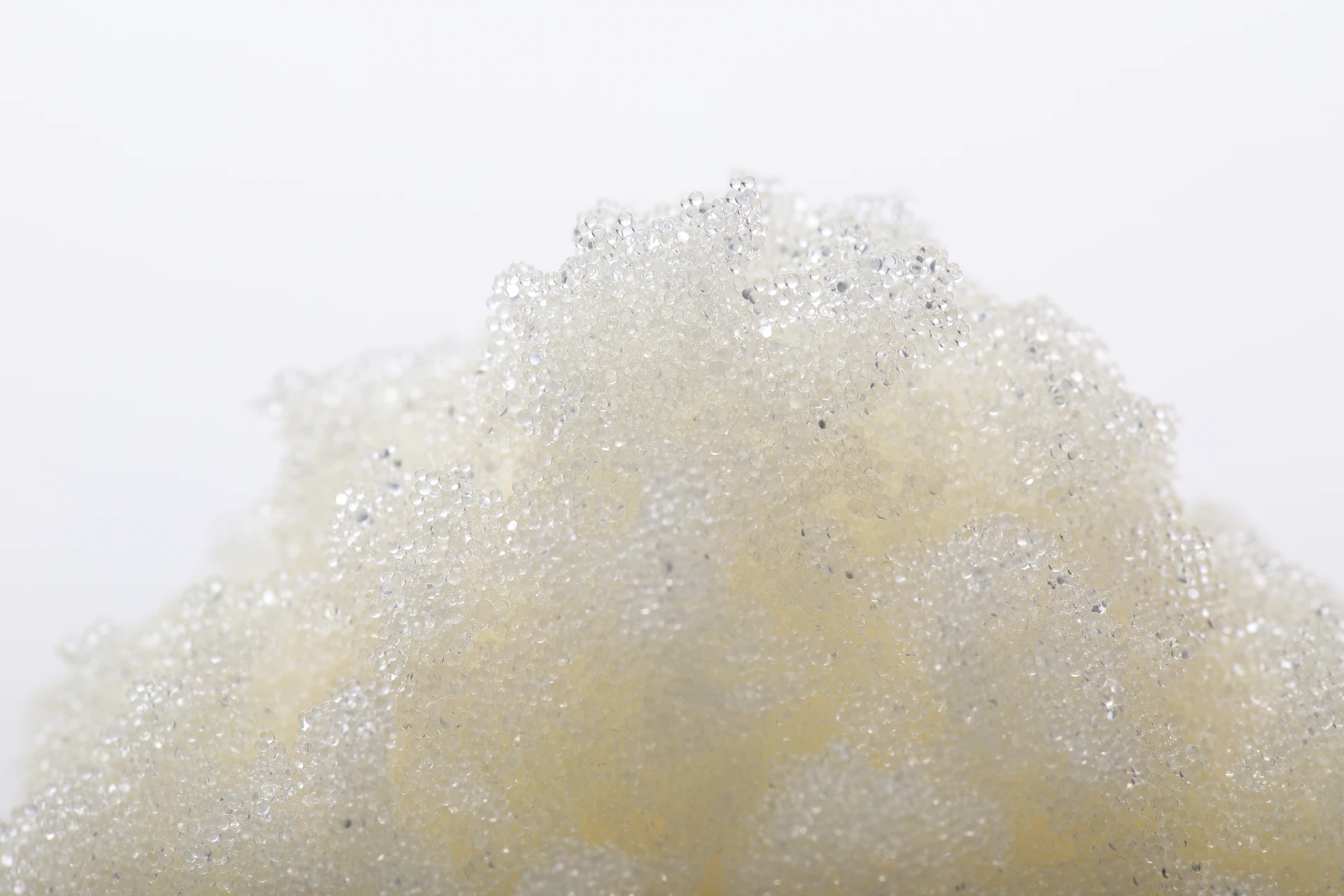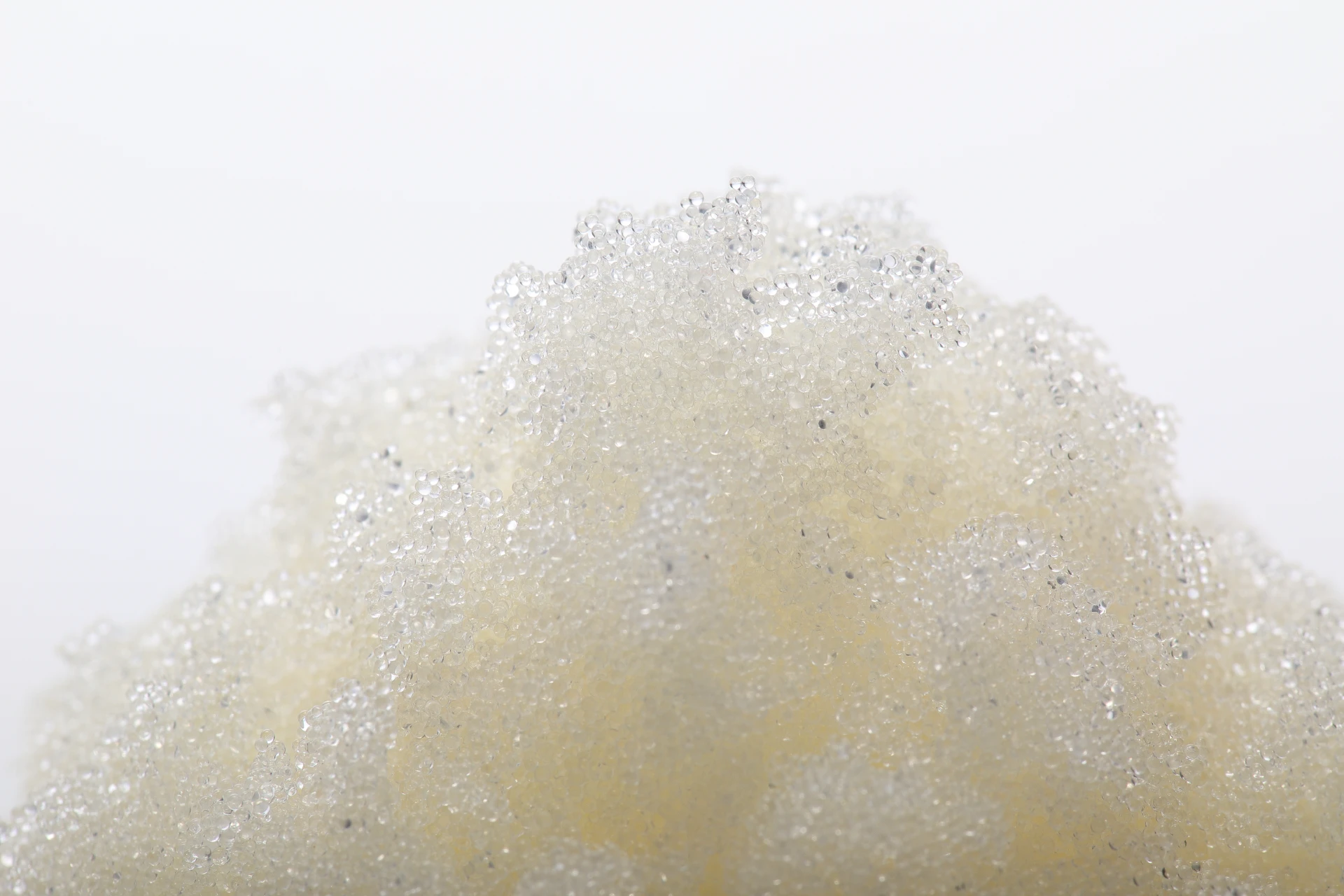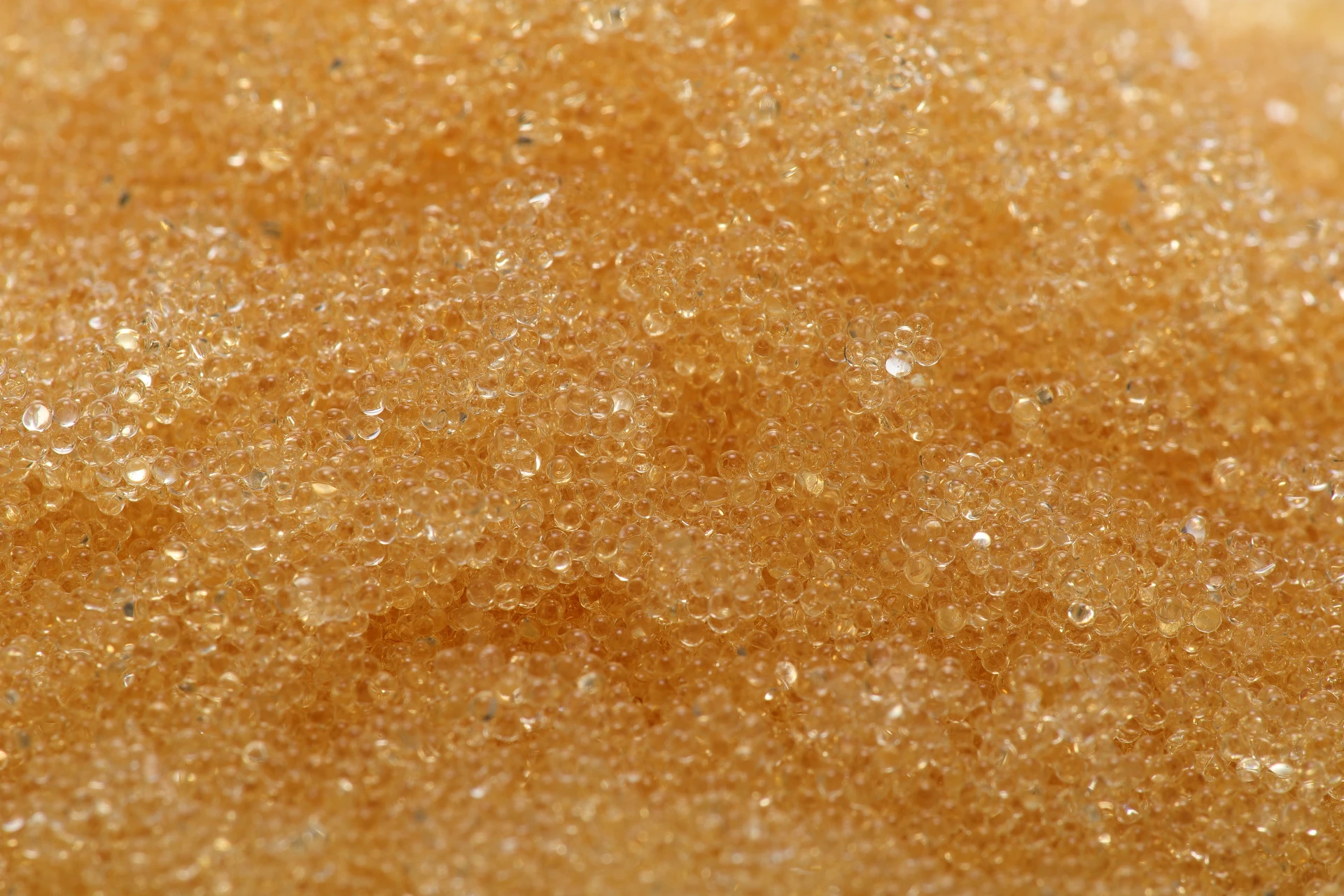
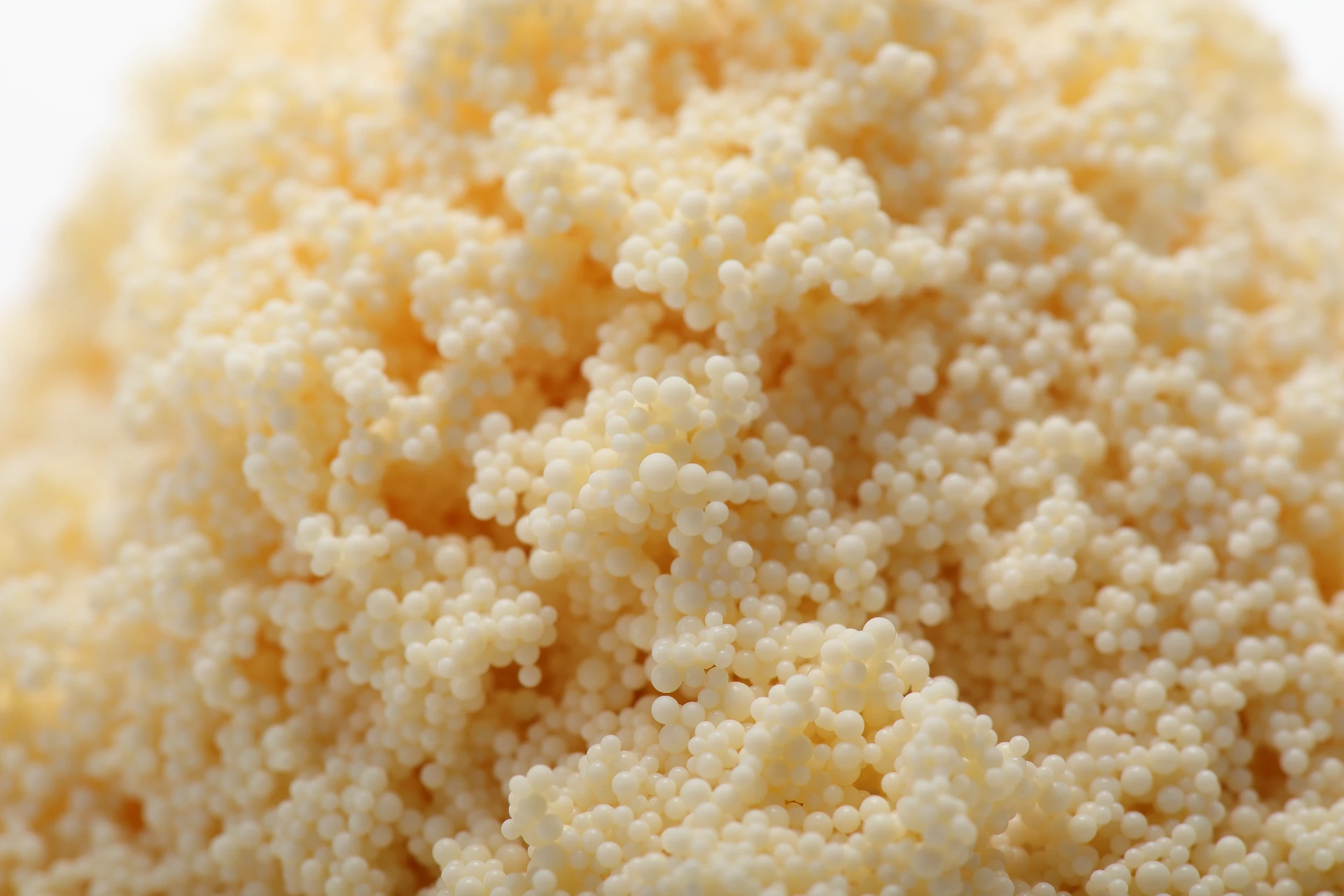
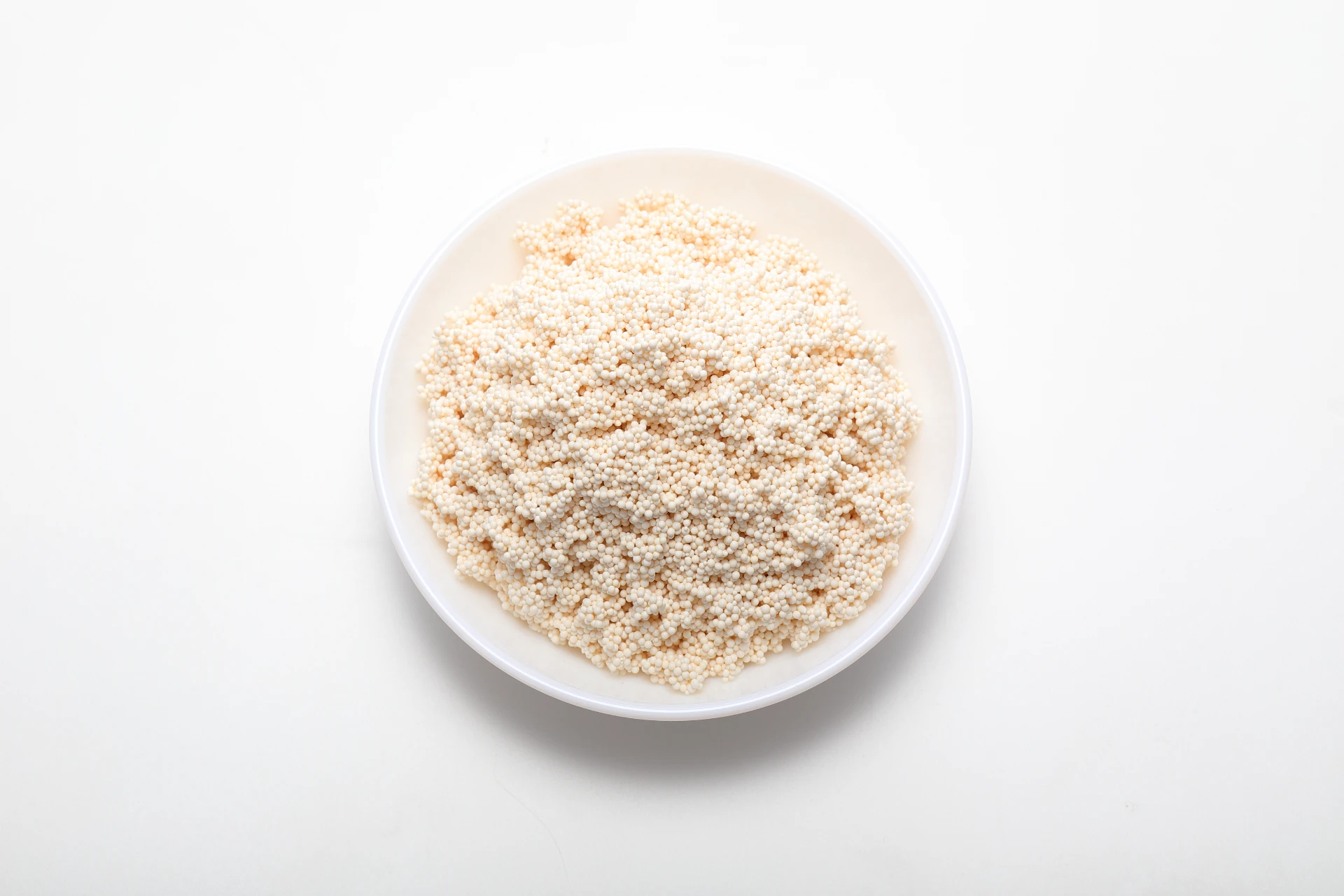
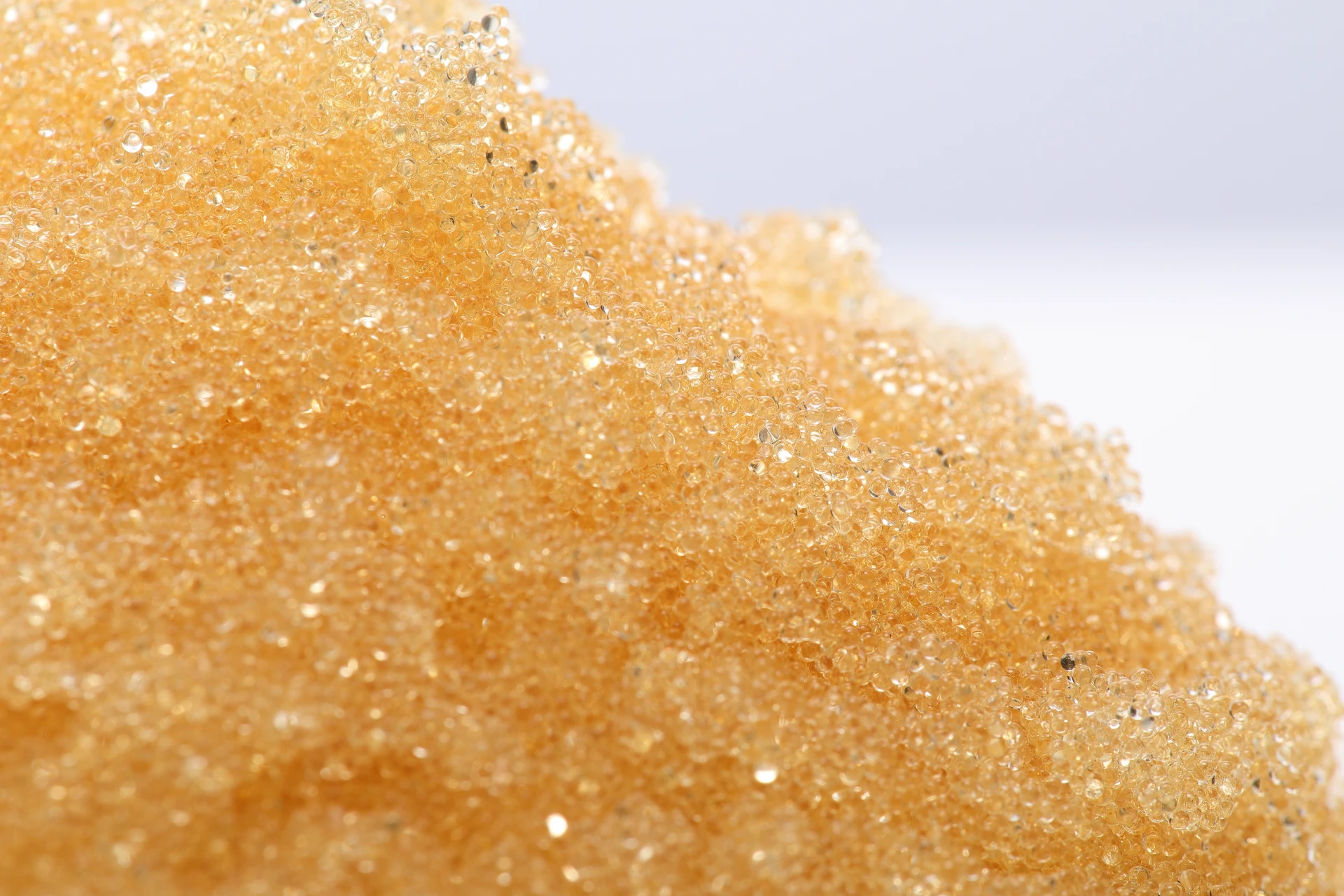
Advanced chelating resin Solutions for Hungary's Industrial Water Treatment

High-performance ion exchange technologies tailored for the unique chemical and environmental requirements of the Hungarian manufacturing sector.

Advanced chelating resin Solutions for Hungary's Industrial Water Treatment

Providing cutting-edge separation and purification media to enhance operational efficiency and environmental compliance across Hungary's chemical and synthetic material industries.

Current State of Ion Exchange Industry in Hungary

Analyzing the intersection of Danube water chemistry and synthetic material manufacturing requirements.

Hungary's chemical industry, centered around hubs like Tatabánya and Budapest, faces significant challenges due to the high mineral content of local groundwater. The widespread use of ion exchange resin is critical here to manage hardness and specific ionic impurities that interfere with high-precision synthetic material production.

The market is currently transitioning from general-purpose resins to high-selectivity media. As Hungary integrates deeper into the EU's circular economy framework, there is a surging demand for special resin capable of recovering precious metals and treating complex industrial effluents to meet strict environmental mandates.

Furthermore, the agricultural and pharmaceutical sectors in Hungary are increasingly adopting bed resin technologies to ensure ultrapure water standards, reflecting a shift toward more sustainable and resource-efficient manufacturing processes.
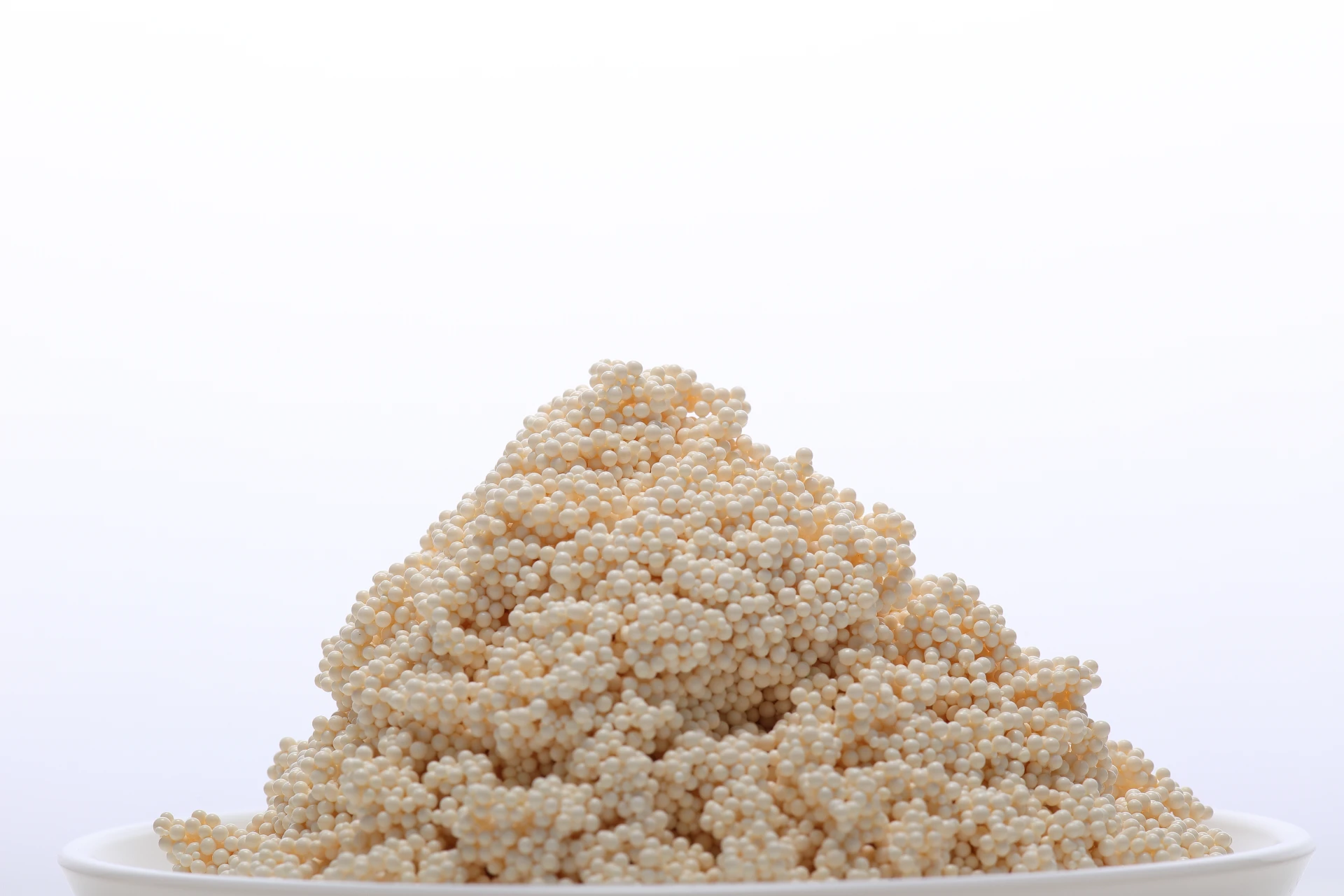
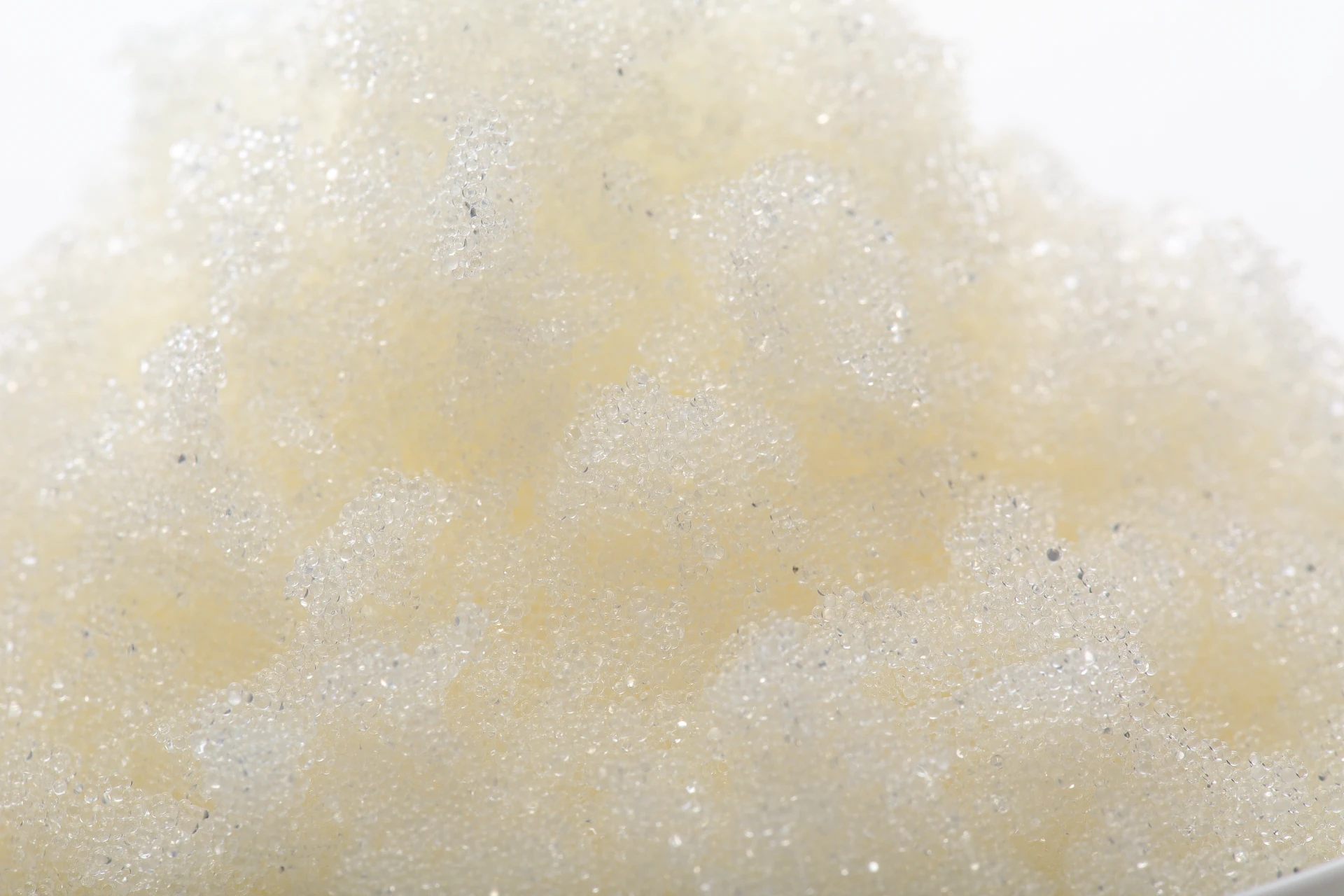
Evolution and Trajectory of Resin Technology

From basic softening to molecular-level precision in the Hungarian market.

Market Development History

In the 1980s and 90s, the Hungarian industry relied heavily on standard strong acid and base resins for basic water softening, primarily focusing on bulk removal of calcium and magnesium.

By the mid-2000s, the introduction of mixed bed di resin revolutionized the local pharmaceutical and electronics sectors, allowing for the production of deionized water with extremely low conductivity.

From 2015 to the present, the focus has shifted toward "functionalized" resins, where the chemistry of the polymer matrix is engineered for specific contaminant capture, reflecting a move toward specialized synthetic material manufacturing.

Future Development Trends

Selective Ion Capture

Increasing focus on resins that can differentiate between similar ions in complex brine streams, reducing chemical consumption during regeneration.

Eco-Friendly Matrix Materials

Transitioning toward biodegradable or recycled polymer bases for resin beads to align with the European Green Deal.

Smart Monitoring Integration

Integration of real-time sensor data to predict breakthrough points in resin beds, optimizing the replacement cycle for industrial operators.

Industry Trends and Future Outlook

Strategic foresight for the synthetic material and resin sector in Hungary.

Zero Liquid Discharge (ZLD)
Adopting advanced resin cycles to minimize wastewater, focusing on total water recovery in Hungarian factories.
Heavy Metal Recovery
Using chelating technologies to extract valuable catalysts from synthetic material waste streams.
Digital Twin Optimization
Virtual modeling of resin bed kinetics to maximize lifespan and reduce chemical regenerant usage.
Hybrid Treatment Systems
Combining membrane filtration with resins for superior purification in chemical synthesis.

Industry Outlook

Google search trends indicate a rising interest in "sustainable ion exchange" and "selective metal removal" within the CEE region. This suggests that Hungarian firms are shifting away from commodity resins toward high-value, application-specific media.

Over the next 3-5 years, we expect the Hungarian market to be dominated by integrated water-energy-material loops, where resin systems act as the critical point for resource recovery, transforming waste streams into revenue sources.

Localized Application Scenarios in Hungary

Real-world implementation of resin technologies in diverse Hungarian industrial contexts.

1. Pharmaceutical Grade Water in Budapest

Implementation of mixed bed di resin systems to provide USP-grade water for drug formulation plants, ensuring zero ionic contamination.

2. Automotive Parts Finishing in Győr

Using specialized resins to remove heavy metal residues from rinse waters in electroplating lines, ensuring compliance with EU water directives.

3. Thermal Water Mineral Management

Applying selective special resin to balance mineral content in industrial-scale thermal water applications without losing therapeutic properties.

4. Synthetic Polymer Purification

Utilizing high-capacity resins to remove catalyst residues from synthetic monomers, improving the purity and stability of the final plastic products.

5. Agricultural Nutrient Recovery

Deploying large-scale resin beds to capture nitrates and phosphates from runoff in the Great Hungarian Plain, converting waste into fertilizer precursors.

Brand Story

Global Development Journey of Hebei Lijia Biological Technology Co., Ltd.

Foundational Innovation

Started with a mission to solve the fundamental challenges of purity in synthetic materials, focusing on the molecular stability of resin beads.

Technological Breakthrough

Developed proprietary chelating agents that significantly increased the selectivity for transition metals in industrial wastewater.

European Expansion

Established strategic partnerships across Europe, tailoring product lines to meet the rigorous REACH and EU environmental standards.

Industry Leadership

Recognized as a leading provider of high-performance ion exchange media for the global synthetic materials manufacturing sector.

Sustainable Future

Committed to developing "Green Resin" technologies that reduce the carbon footprint of water treatment worldwide.

Comprehensive Resin Portfolio for the Hungarian Market

A full spectrum of ion exchange solutions designed for efficiency, durability, and purity.

Common Questions Regarding Resin Applications in Hungary

Expert answers to technical queries from local industrial engineers.

How do I choose the right chelating resin for heavy metal removal in Hungarian industrial water?

Selection depends on the specific target ion (e.g., Cu, Ni, Zn) and the background salinity. We recommend a pilot test to determine the optimal selectivity coefficient for your specific water chemistry.

What is the typical lifespan of a mixed bed di resin in high-purity pharmaceutical applications?

Depending on the feed water quality and regeneration frequency, these resins typically last 3-5 years before organic fouling or physical degradation requires replacement.

Can special resin be used for the recovery of catalysts in synthetic material manufacturing?

Yes, our specialized resins are engineered with high affinity for noble metals and transition catalysts, allowing for high-purity recovery and significant cost savings.

How does Hungarian water hardness affect the performance of standard bed resin?

High calcium and magnesium levels can lead to faster saturation. Using a high-capacity bed resin with optimized cross-linking can extend the run time between regenerations.

What are the EU compliance requirements for using ion exchange resin in water treatment?

Resins must comply with REACH regulations and ensure that no harmful monomers leach into the treated water, especially for food and pharma grade applications.

How can I optimize the regeneration cycle for ion exchange resin to reduce chemical waste?

Implementing counter-current regeneration and using real-time conductivity monitoring allows for precise regenerant dosing, significantly reducing chemical overhead.

Optimize Your Resin Systems Today

Contact our technical experts for tailored ion exchange solutions and efficiency audits across Hungary.

Contact Us Now

If you are interested in our products, you can choose to leave your information here, and we will be in touch with you shortly.