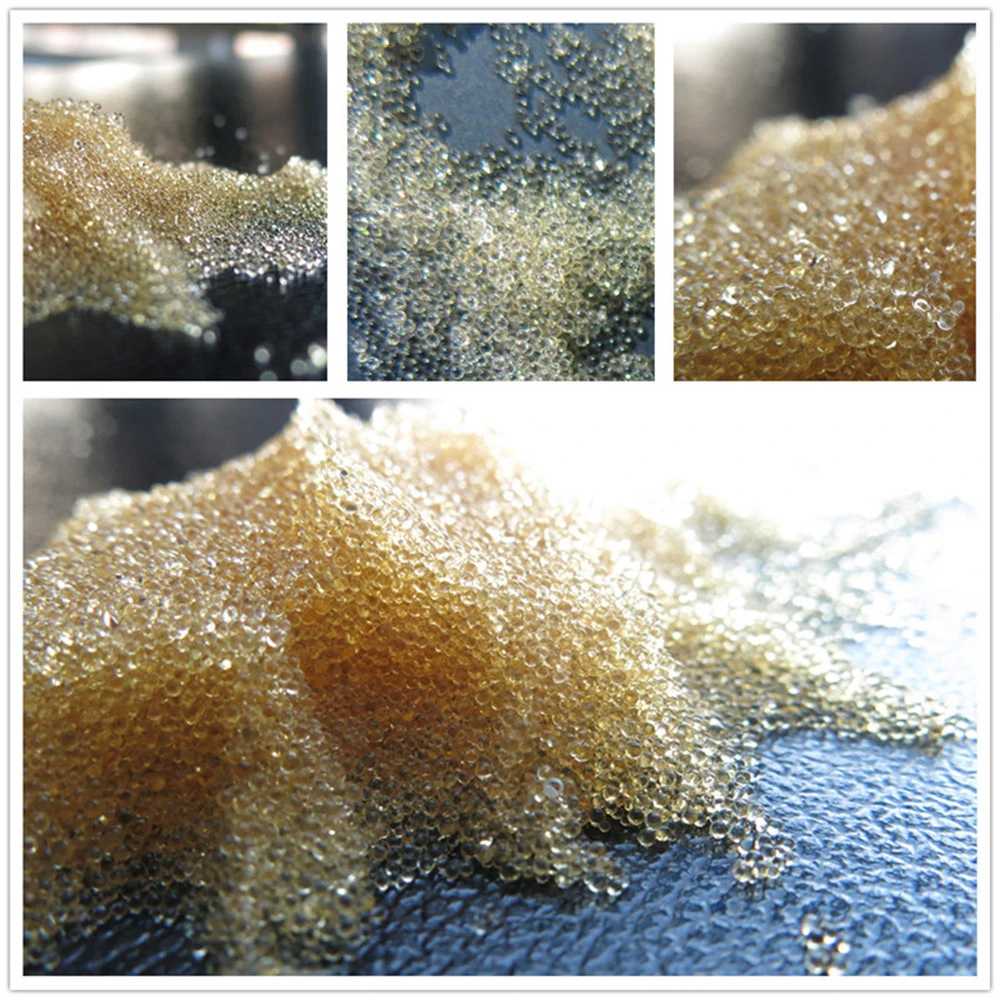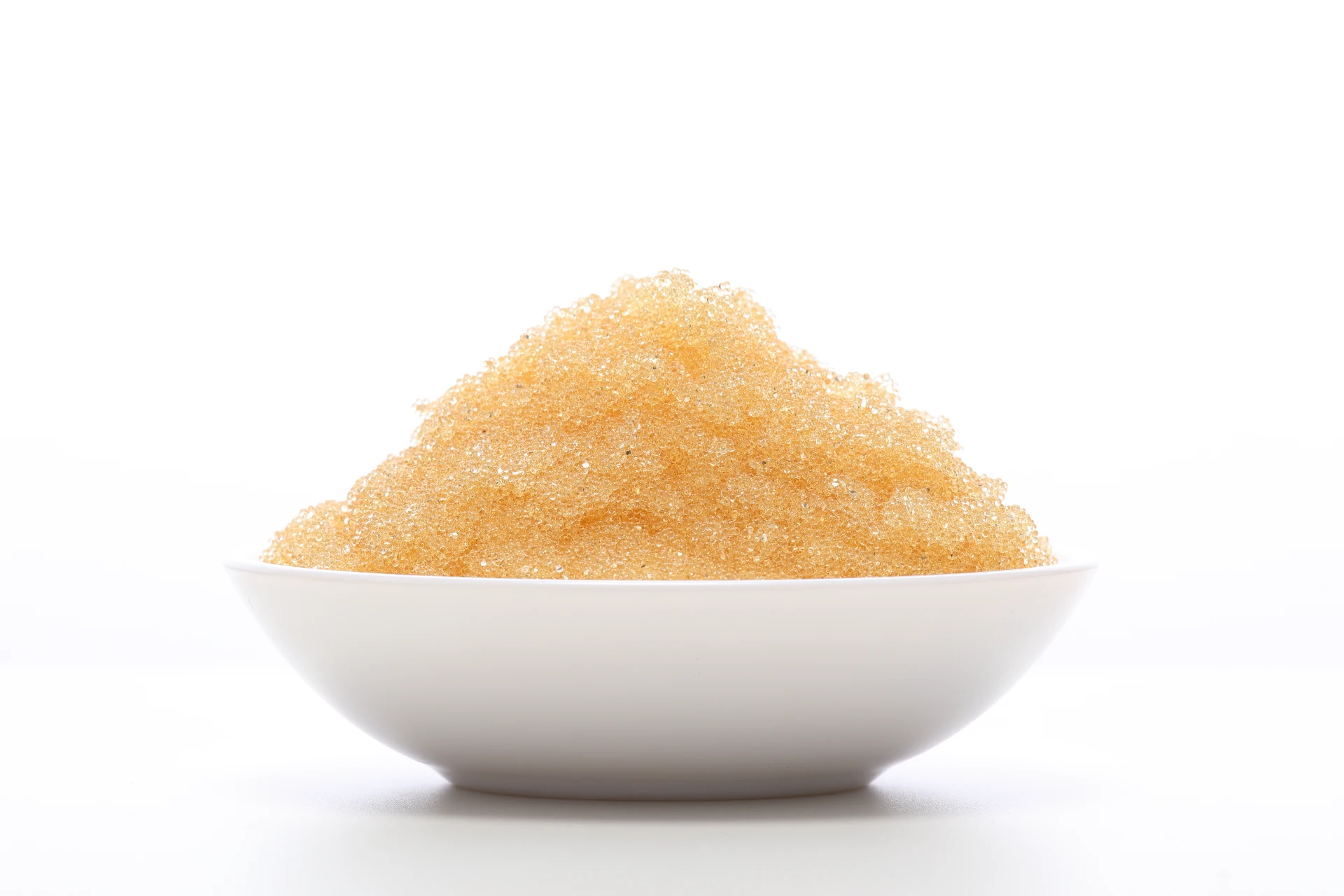
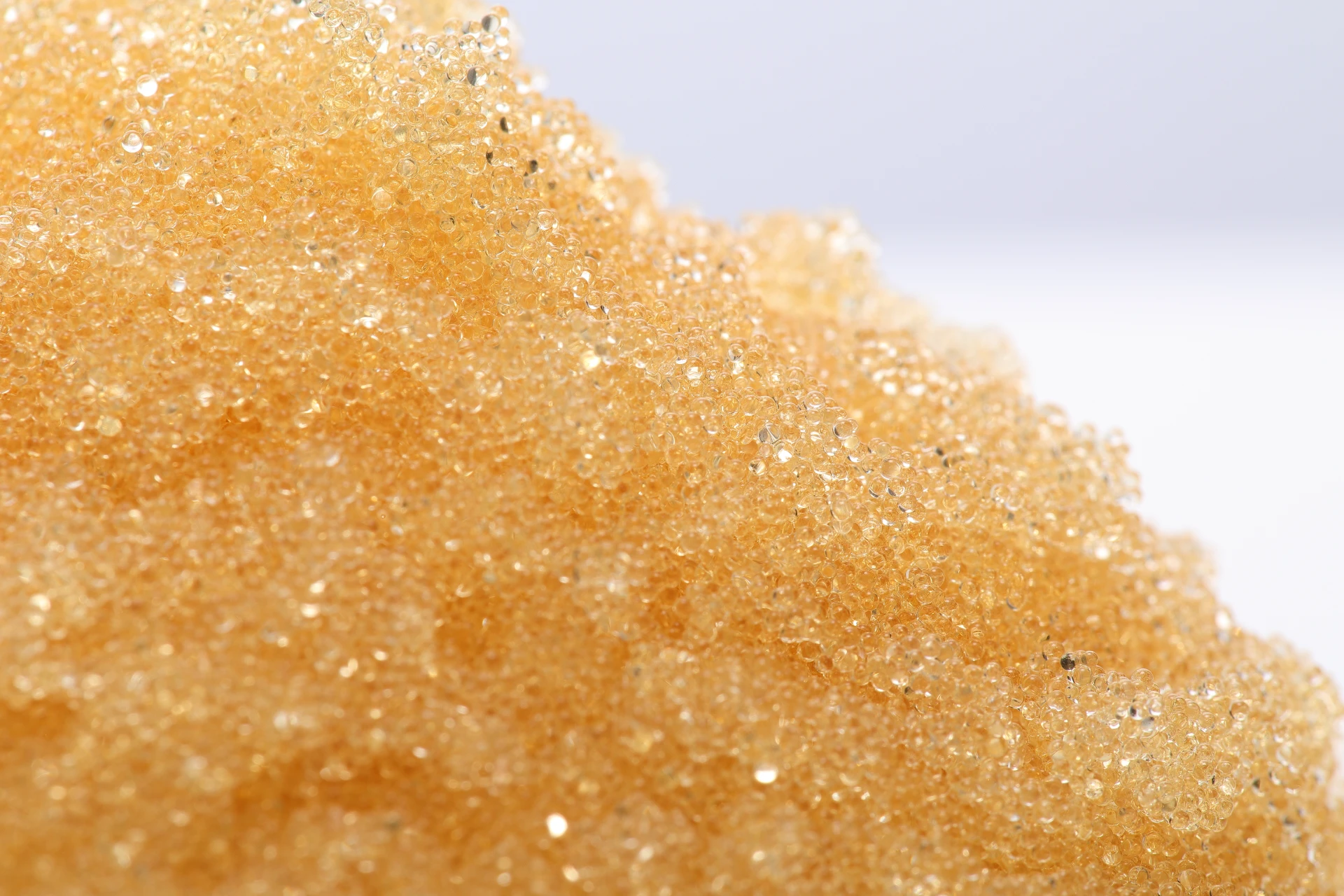
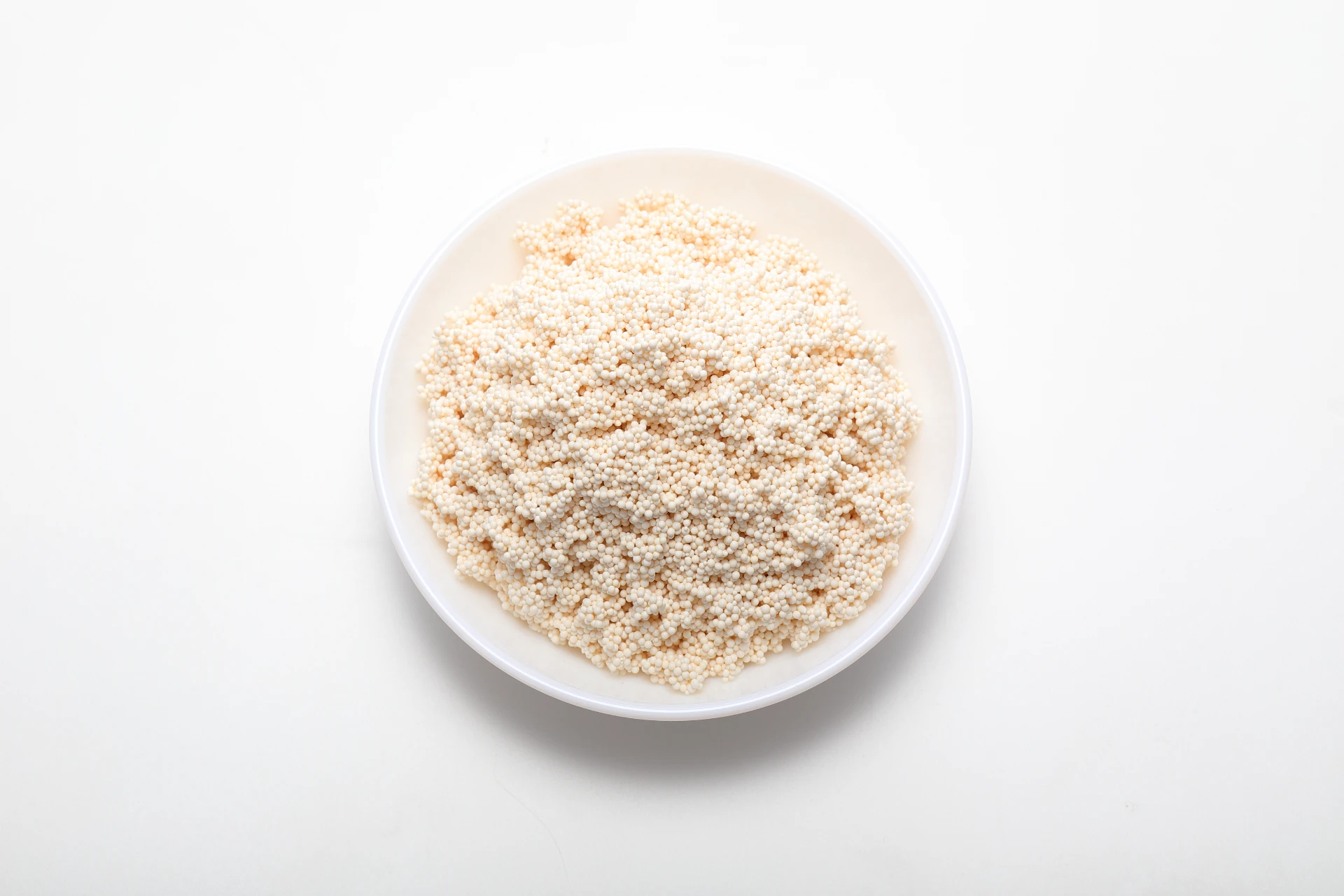
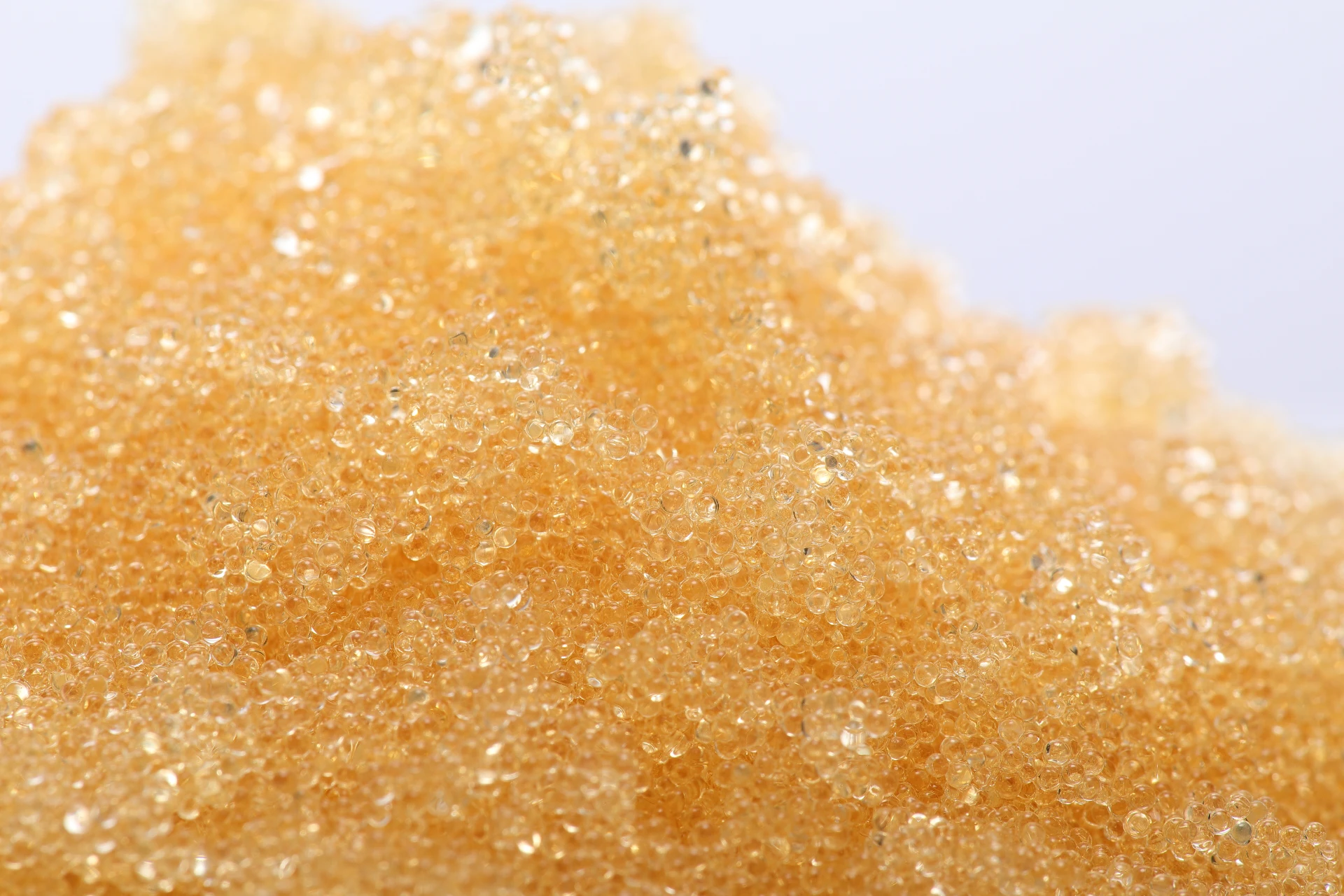
Advanced chelating resin Solutions for Kazakhstan Industry

Providing high-performance synthetic material solutions for water treatment and mineral processing across the Central Asian region.

Advanced chelating resin Solutions for Kazakhstan Industry

Specialized synthetic resin engineering designed to meet the rigorous demands of Kazakhstan's heavy industrial and mining sectors, ensuring optimal ion selectivity and purity.

The State of Ion Exchange Technology in Kazakhstan

Analyzing the intersection of Kazakhstan's mineral wealth and chemical material requirements.

Kazakhstan's industrial landscape is characterized by vast mineral deposits and a growing focus on water scarcity. In this environment, the application of ion exchange resin has become critical for the extraction of rare metals and the purification of brackish groundwater common in the steppe regions.

The extreme continental climate, with severe temperature fluctuations, places unique stress on chemical materials. Local industries require a robust bed resin that can maintain structural integrity and kinetic efficiency despite the fluctuating temperatures of industrial processing plants.

Currently, there is a strategic shift toward diversifying the chemical supply chain. The demand for high-selectivity materials to treat complex industrial wastewater in the Almaty and Karaganda regions is driving the adoption of more sophisticated synthetic polymer technologies.
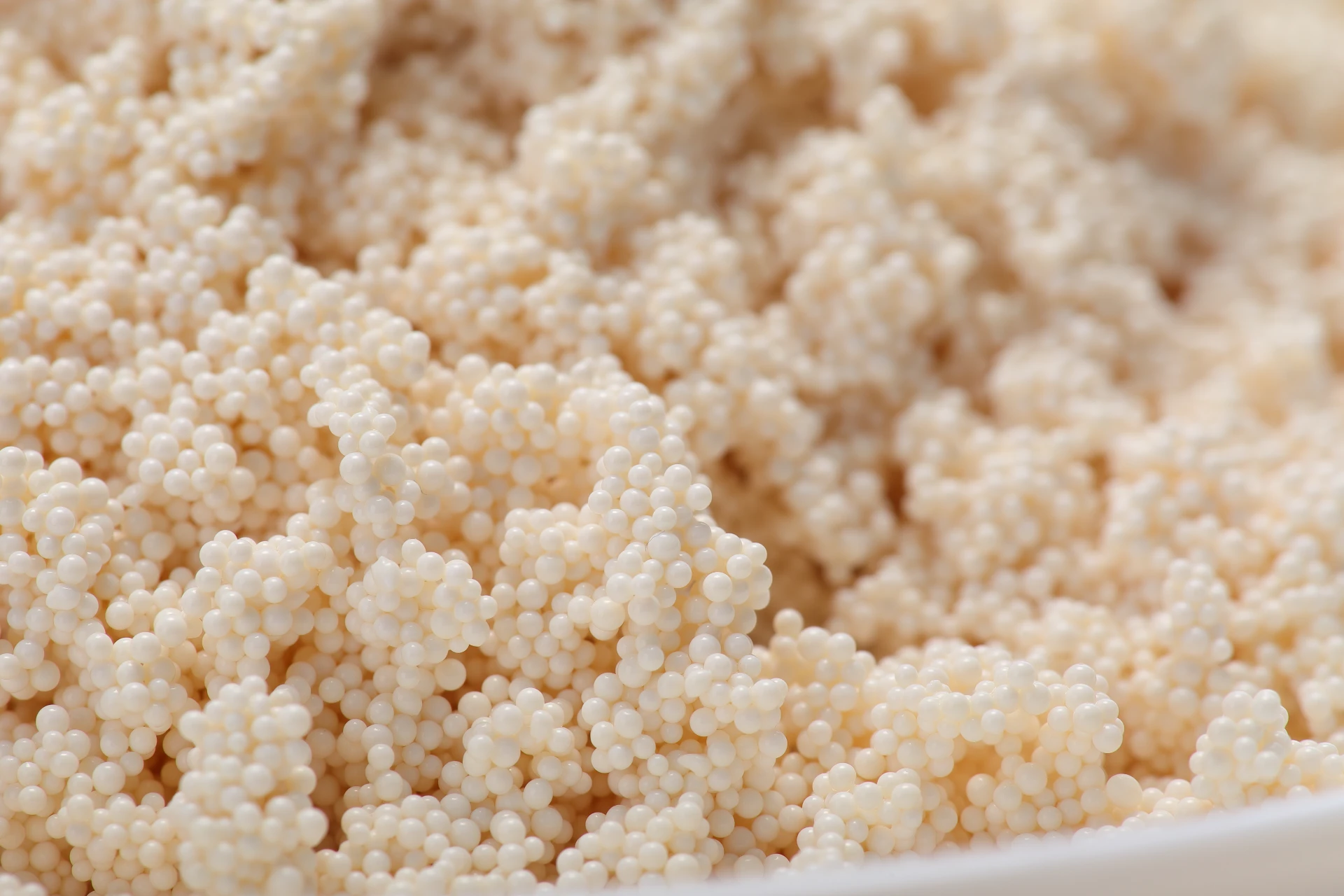
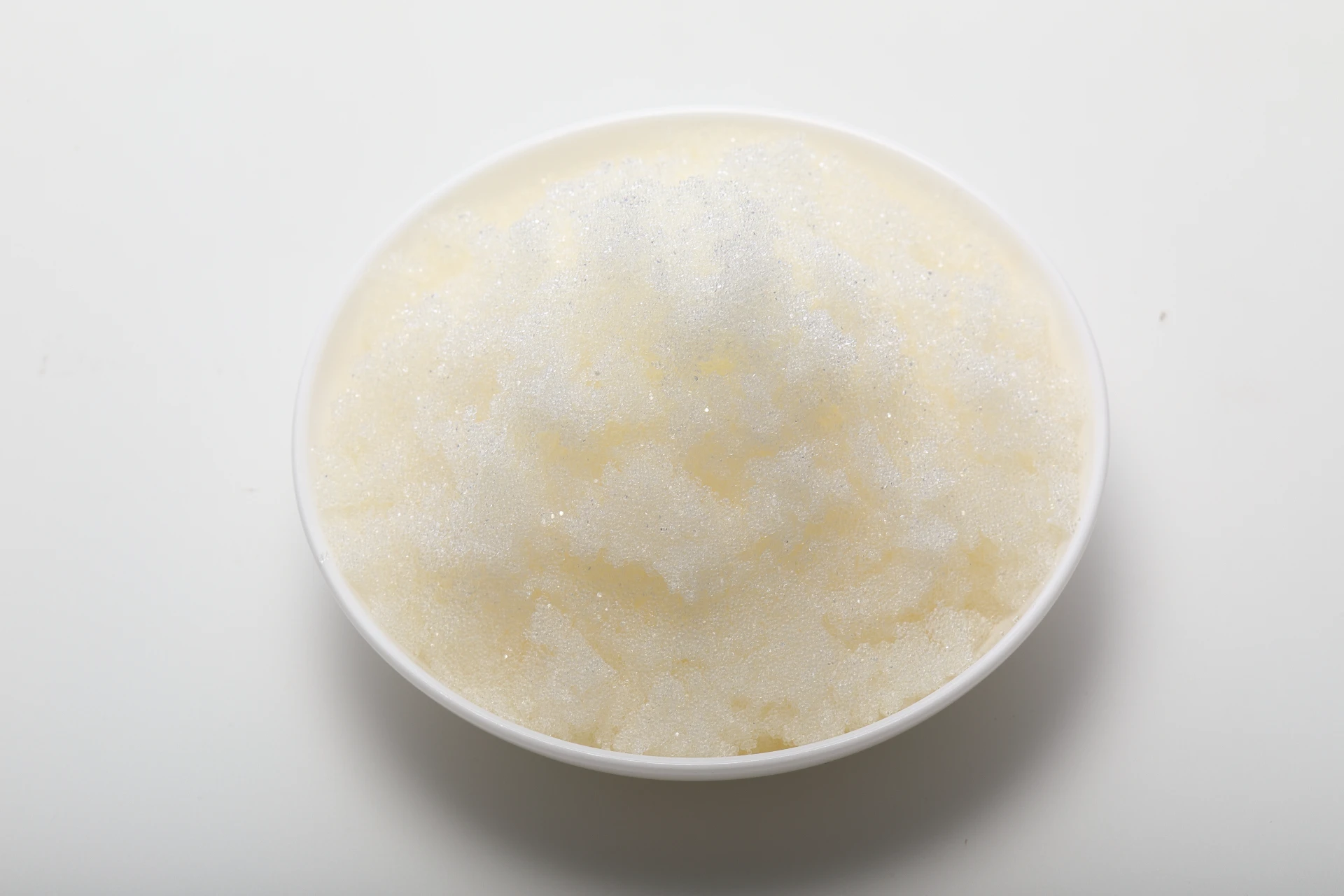
Evolution and Trajectory of Synthetic Resins

From basic softening to high-precision molecular separation.

Market Development History

In the early 1990s, the Kazakhstan market relied heavily on basic strong acid and base resins for simple water softening and desalination, primarily legacy systems from the Soviet era.

By the 2010s, the boom in the mining sector led to the introduction of special resin grades capable of selective metal recovery, moving beyond general water treatment to high-value chemical synthesis.

Today, the market has entered the era of precision purification, where mixed bed di resin is utilized to produce ultra-pure water for the electronics and high-end pharmaceutical industries emerging in the region.

Future Development Trends

Smart Polymer Integration

Integration of sensors within the resin bed to monitor breakthrough points in real-time, reducing chemical waste during regeneration cycles.

Eco-Friendly Regeneration

A shift toward bio-degradable regenerants to comply with Kazakhstan's tightening environmental regulations regarding wastewater discharge.

High-Temperature Stability

Development of resins capable of operating at 100°C+ for direct application in geothermal and high-pressure steam condensate polishing.

Industry Trends and Future Outlook

Forecasting the next 5 years of synthetic material innovation in Central Asia.

Selective Ion Capture
Increasing demand for resins that target specific heavy metals like Uranium and Lithium in brine solutions.
Circular Economy
Focus on resin longevity and the implementation of closed-loop regeneration systems to minimize salt discharge.
Ultra-Pure Water
Expansion of semiconductor-grade water requirements driving the use of specialized mixed-bed resins.
Hybrid Resin Beds
Combining adsorption and ion exchange in a single bed to treat complex industrial pollutants.

Industry Outlook

Google search trends indicate a rising interest in "sustainable water treatment" and "selective metal recovery" within the Central Asian corridor. This suggests that the next wave of growth will not be in volume, but in the specificity of the resin chemistry used.

We expect a transition toward modular resin systems that can be quickly deployed and regenerated, allowing Kazakhstan's remote mining sites to maintain water quality without massive infrastructure investment.

Localized Application Scenarios in Kazakhstan

Tailored synthetic material applications for regional industrial challenges.

01. Uranium Mining Brine Treatment

Utilization of high-capacity chelating agents to remove impurities and concentrate precious metals from Kazakhstan's vast in-situ leaching (ISL) operations.

02. Oilfield Produced Water Purification

Implementing multi-stage ion exchange resin systems to treat produced water for reuse in hydraulic fracturing or irrigation.

03. Power Plant Condensate Polishing

Using mixed bed di resin in thermal power plants across the Pavlodar region to prevent boiler corrosion and scale.

04. Municipal Softening in Almaty

Large-scale industrial softening beds designed to handle the high mineral content of mountain-fed water sources for urban utilities.

05. Pharmaceutical Grade Water Production

Deployment of specialized special resin series for the production of sterile water in the growing healthcare manufacturing hubs.

Brand Story

Global Development History of Hebei Lijie Biological Technology Co., Ltd.

Foundational Innovation

Established with a mission to bridge the gap between raw synthetic chemistry and practical industrial application in water purification.

Technical Diversification

Expanded our R&D to include highly selective chelating materials, solving the pain point of precious metal loss in mining.

Global Reach Expansion

Entered the Central Asian market, adapting our product lines to withstand the extreme temperature variances of the Kazakh steppe.

Quality Standardization

Achieved international certifications for purity and capacity, ensuring our resins meet the strictest global semiconductor standards.

Sustainable Future

Currently focusing on "Green Chemistry" to reduce the environmental footprint of ion exchange regeneration worldwide.

Regional FAQs for Resin Applications

Expert answers to common technical questions in the Kazakhstan market.

Which ion exchange resin is best for Kazakhstan's hard water?

For the high calcium and magnesium levels found in Kazakhstan's groundwater, we recommend a high-capacity strong acid cation resin for optimal softening efficiency.

How to extend the life of a bed resin in cold climates?

Ensuring proper insulation of the vessel and maintaining a constant influent temperature prevents physical stress and cracking of the resin beads during winter.

Can chelating resin recover Uranium from brine?

Yes, our specialized chelating resins are engineered for high selectivity toward uranyl ions, making them ideal for the mining sectors in Kazakhstan.

What is the regeneration frequency for mixed bed di resin?

Regeneration frequency depends on the influent conductivity; however, for high-purity industrial water in Kazakhstan, typically every 500-1000 bed volumes.

How do I choose the right special resin for wastewater?

Selection should be based on a complete water analysis. We analyze the specific ions and organic contaminants to match the resin's functional group to the target pollutant.

Is shipping available to remote regions of Kazakhstan?

Yes, we provide specialized logistics for the delivery of chemical materials to remote mining and oil sites across the country.

Request Technical Consultation

Contact our engineering team for customized resin solutions tailored to the specific industrial conditions of Kazakhstan.

Contact Us Now

If you are interested in our products, you can choose to leave your information here, and we will be in touch with you shortly.