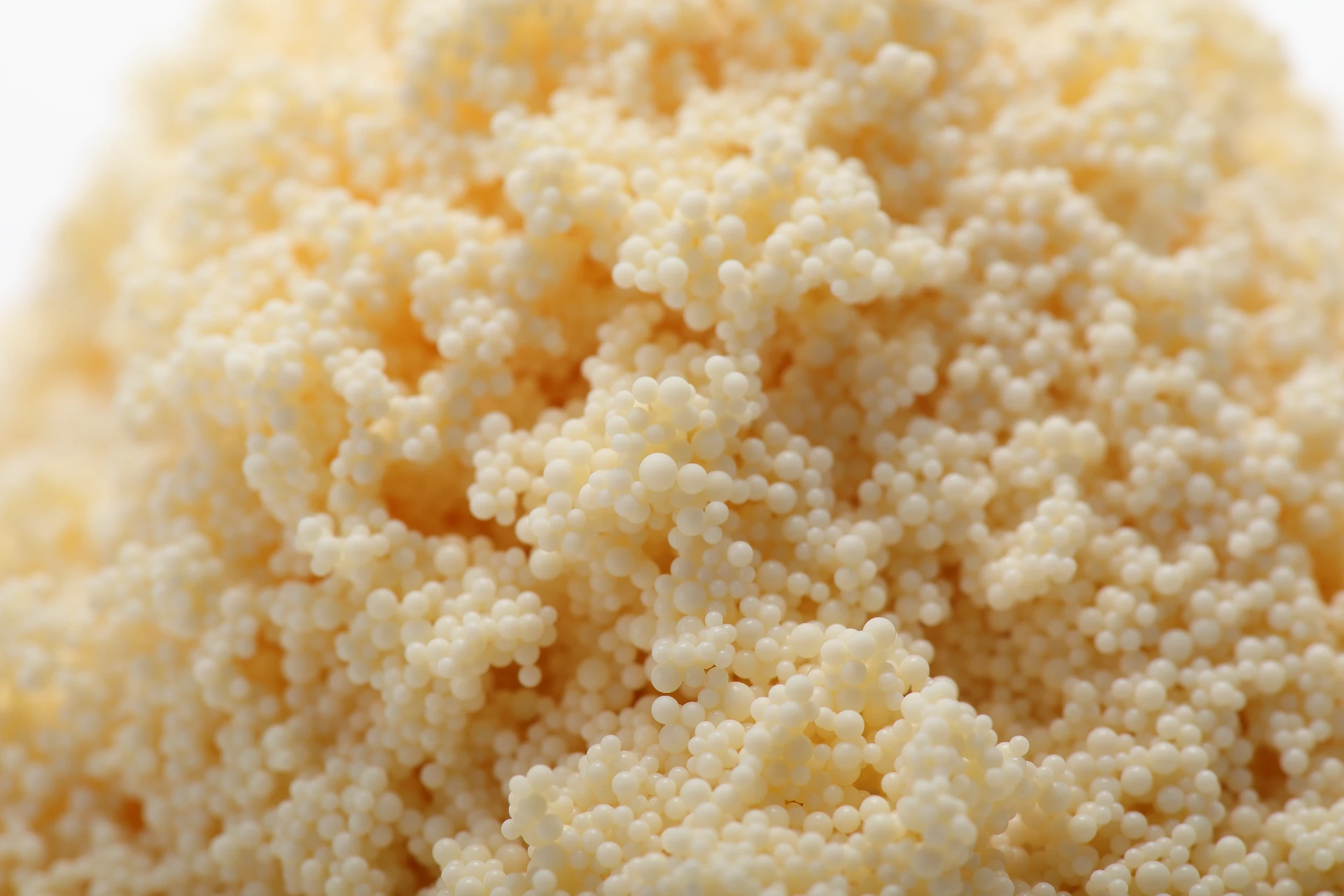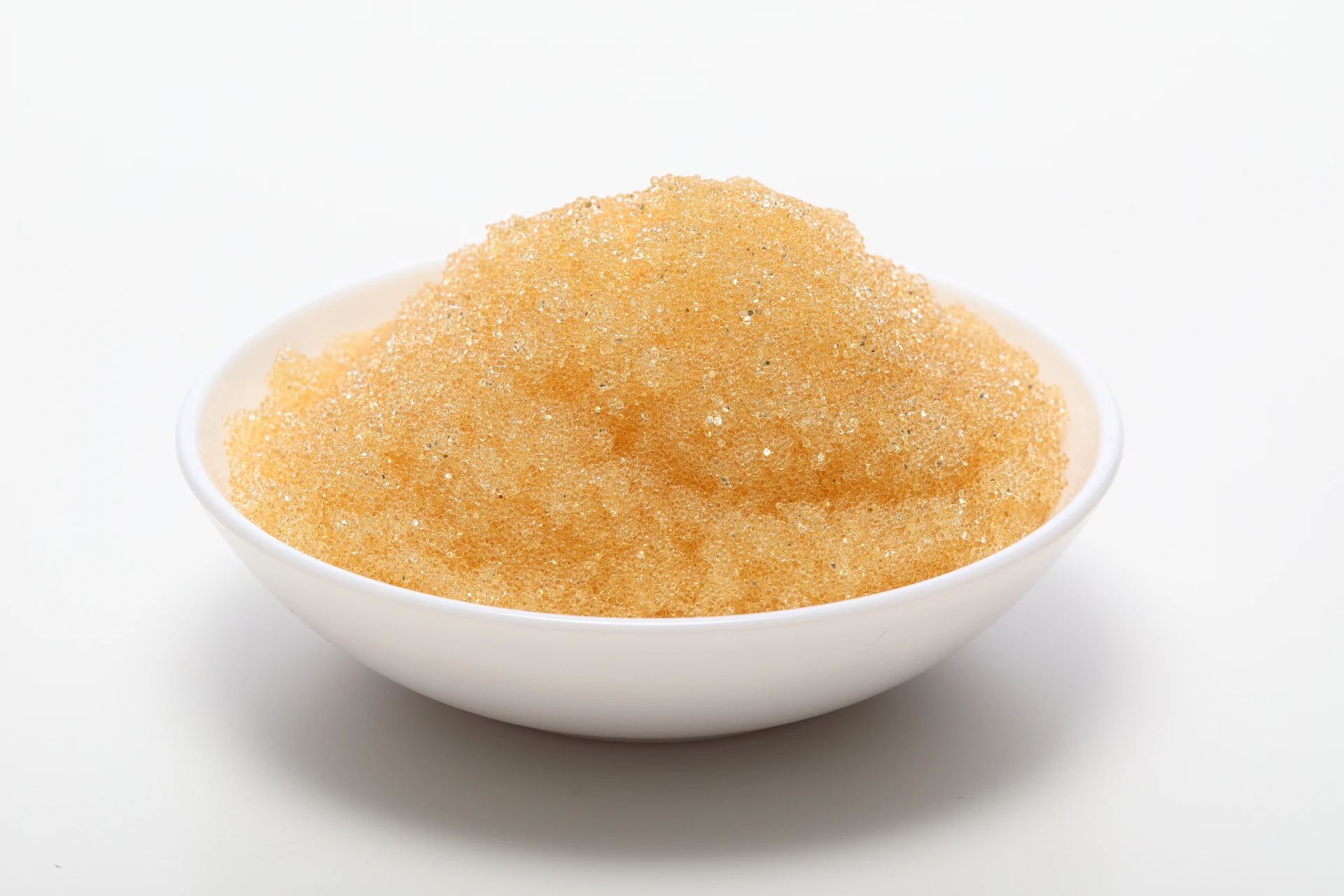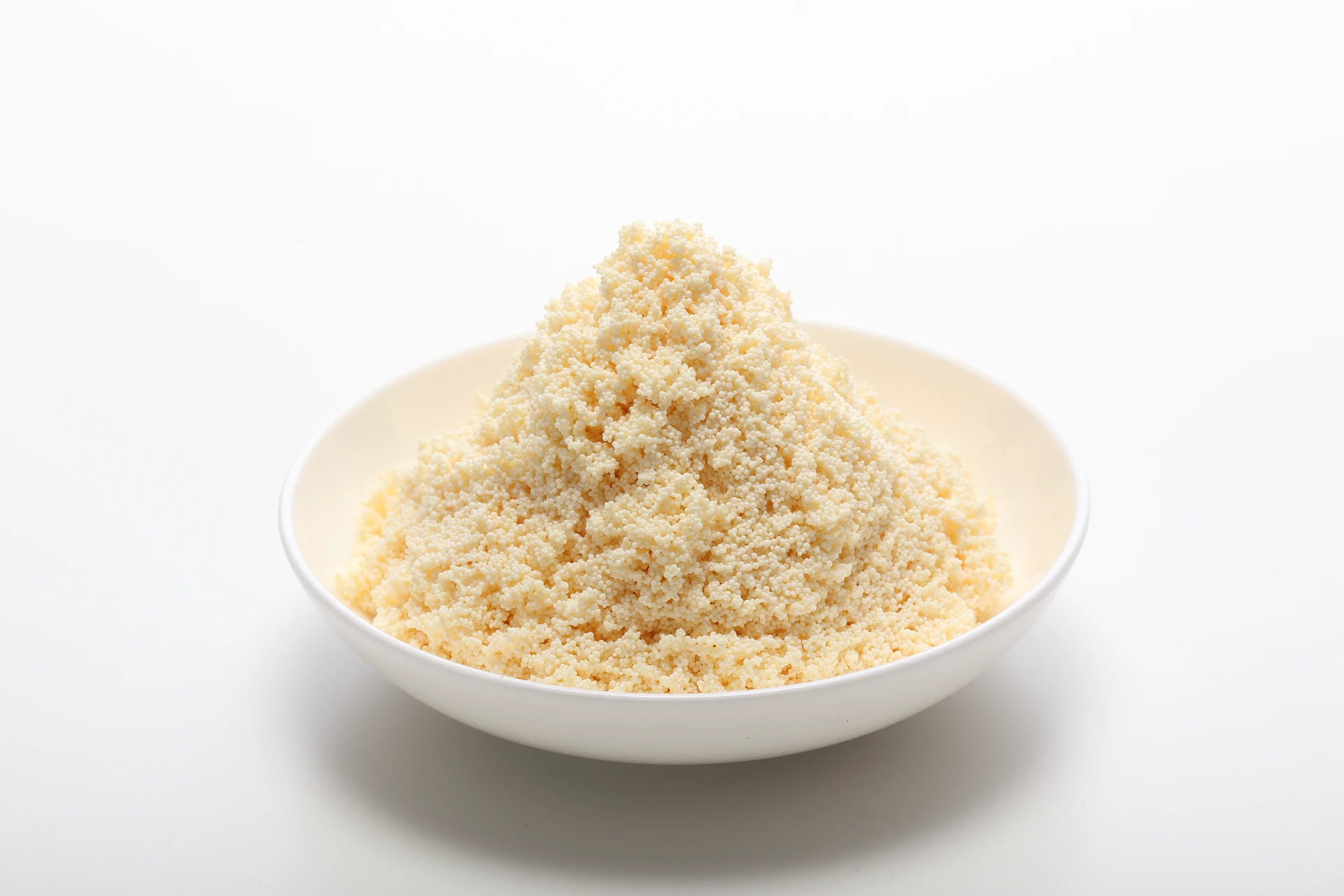
In Libya, the industrial landscape is heavily dominated by oil refining and petrochemicals, where the availability of high-purity water is a critical bottleneck. The prevalence of highly saline groundwater and the reliance on desalination plants necessitate the use of robust ion exchange resin systems to remove competing ions and prevent scaling in high-pressure boilers.
The harsh Saharan environment, characterized by extreme temperature fluctuations, places significant thermal stress on synthetic materials. Traditional resins often suffer from premature degradation, leading to a growing demand for special resin grades that maintain structural integrity and selectivity under high-temperature conditions typical of Libyan industrial plants.
Currently, the market is transitioning from basic softening processes to sophisticated polishing stages. The adoption of mixed bed di resin is increasing in the power generation sectors of Tripoli and Benghazi, as industries strive to meet international standards for ultrapure water in chemical synthesis.