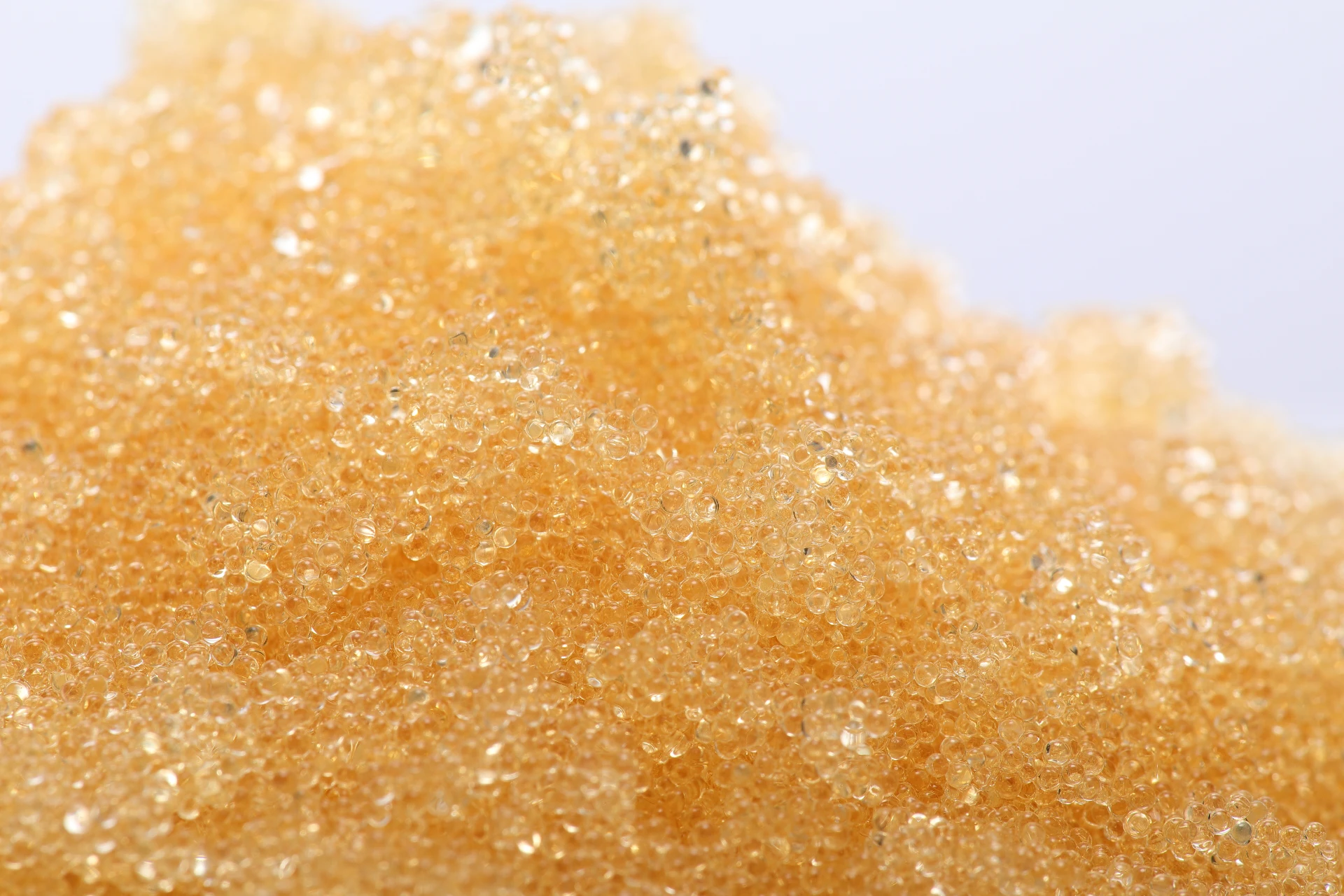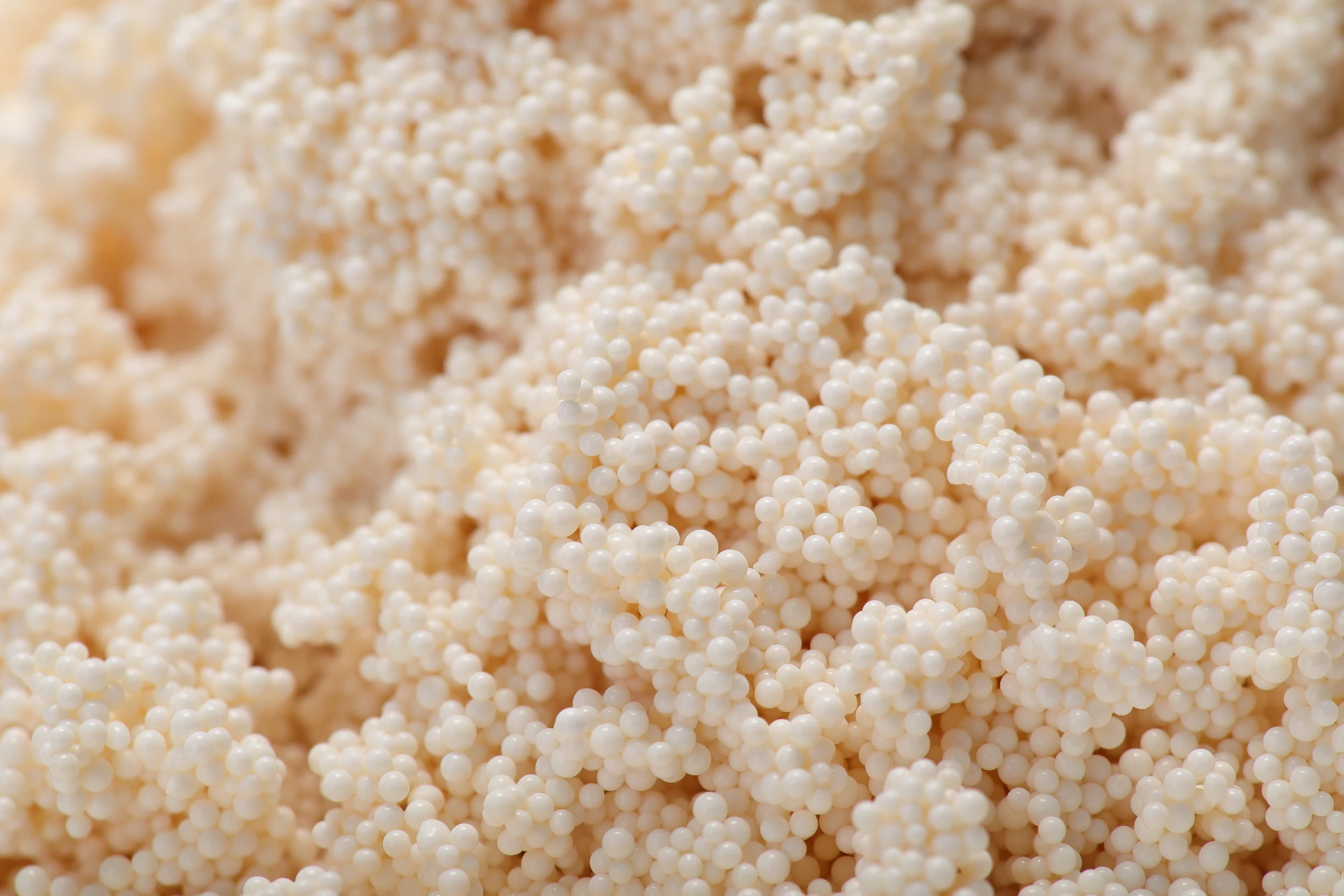
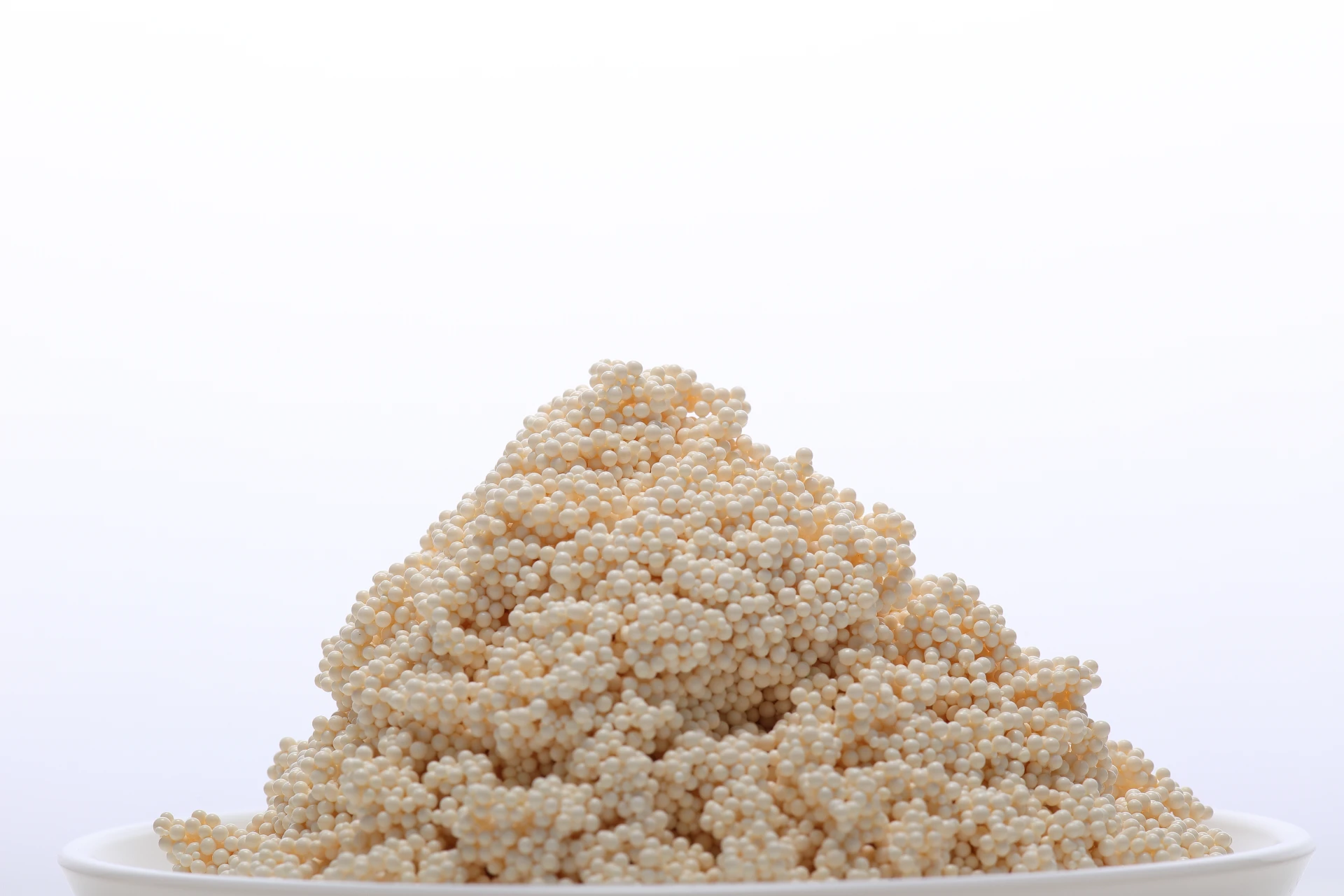
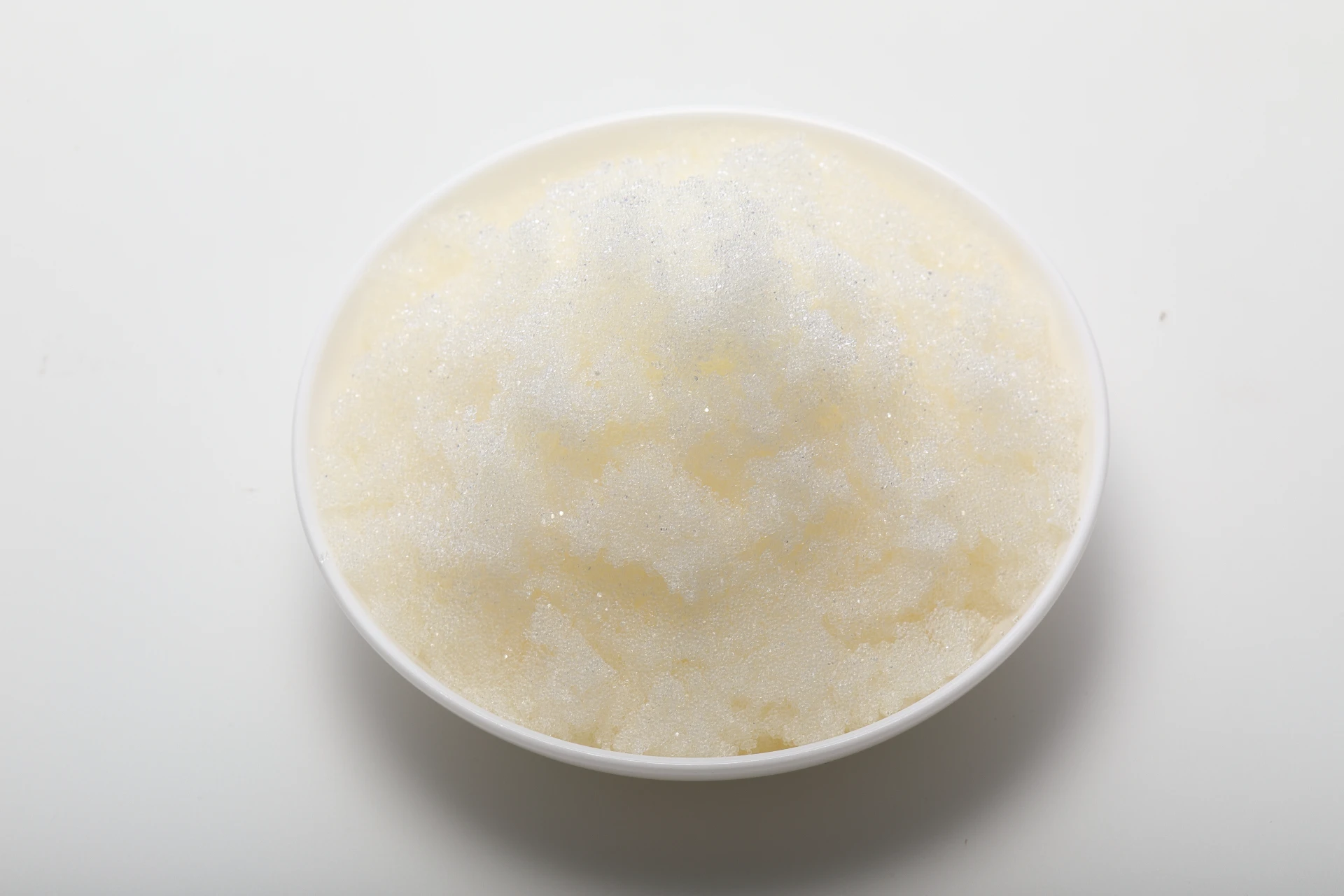
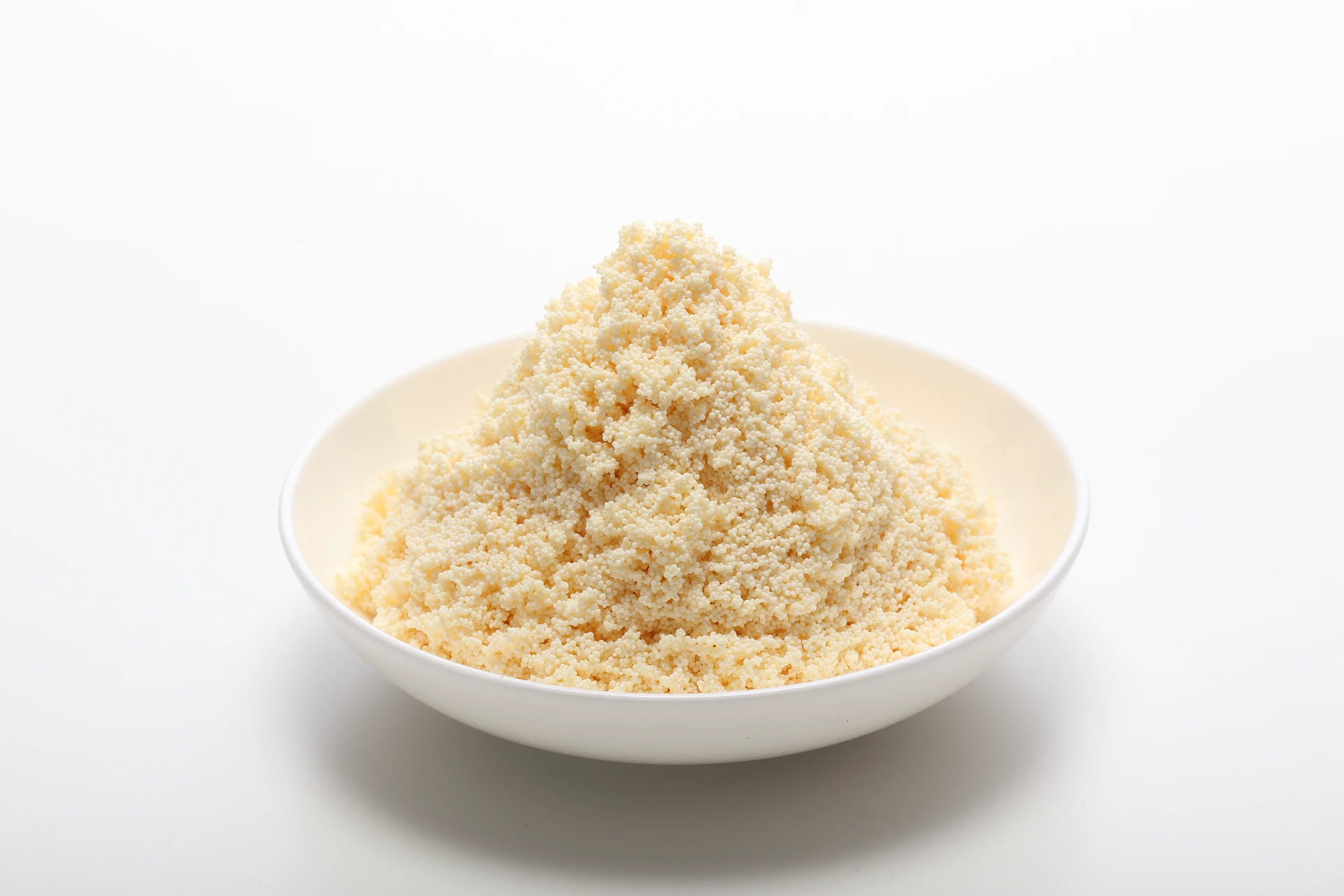
Advanced chelating resin Solutions for Rwanda's Industrial Growth

High-performance synthetic materials engineered for precision water treatment and mineral extraction in the East African heartland.

Advanced chelating resin Solutions for Rwanda's Industrial Growth

Empowering Rwanda's chemical and manufacturing sectors with world-class ion exchange resin technology to ensure purity, efficiency, and sustainable resource management.

The Current State of Resin Application in Rwanda

Analyzing the intersection of synthetic material needs and Rwanda's unique environmental landscape.

In Rwanda, the demand for specialized bed resin has surged as the nation pushes toward industrialization. The local water chemistry, often influenced by volcanic soil and varied mineral deposits, requires precise treatment to prevent scaling in textile and food processing plants.

Currently, many Rwandan facilities rely on imported basic filtration, but there is a growing shift toward special resin applications to handle heavy metal contamination and selective ion removal in the growing mining sector.

The logistical challenges of the landlocked geography mean that durability and long-cycle stability of resins are paramount. Rwandan industries are now seeking materials that reduce the frequency of regeneration to lower operational costs.
Evolution and Trajectory of Ion Exchange Technology

From basic softening to high-precision molecular separation in Rwanda.

Market Development History

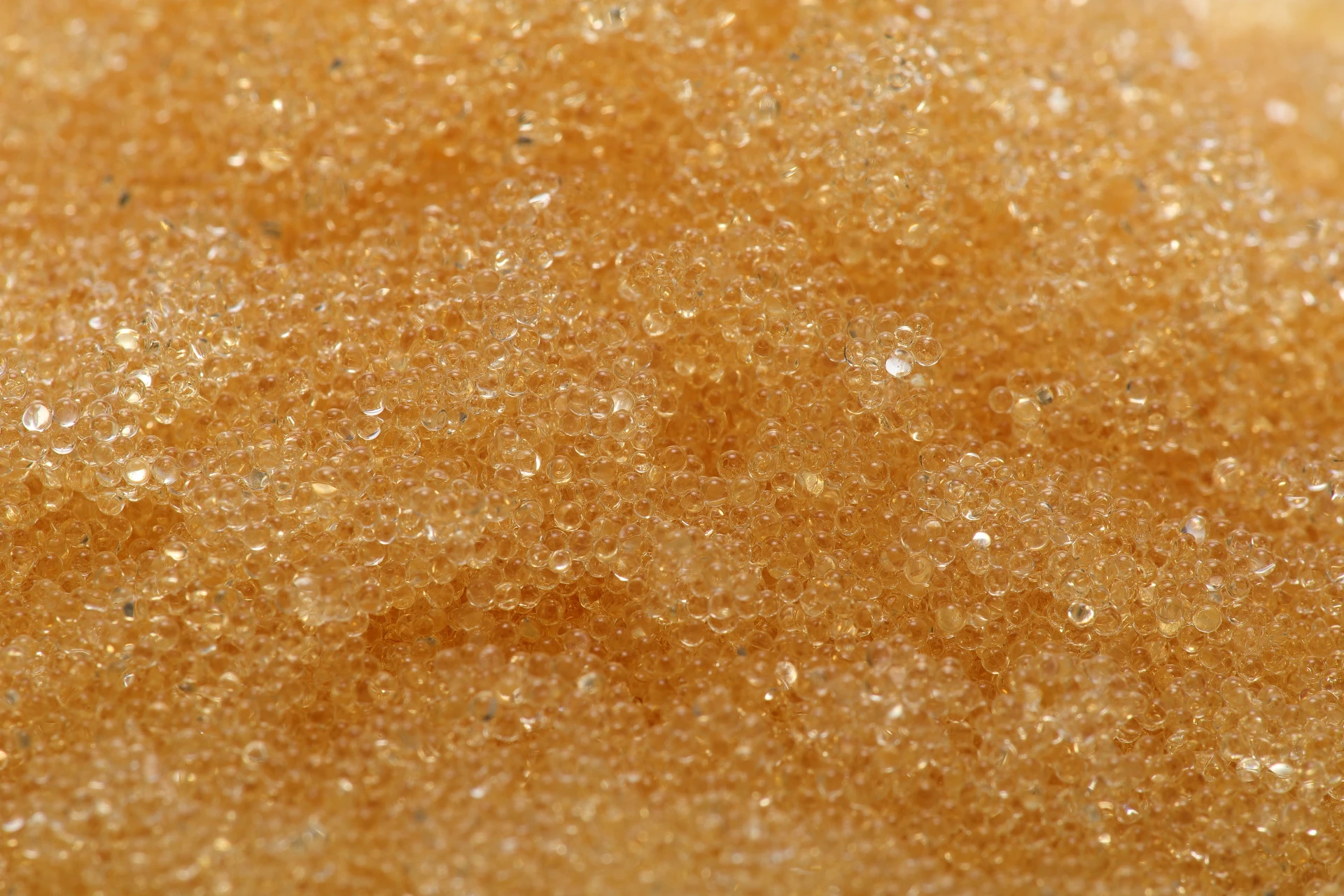
Between 2000 and 2010, the Rwandan market primarily utilized basic cation and anion resins for simple water softening in small-scale beverage production.

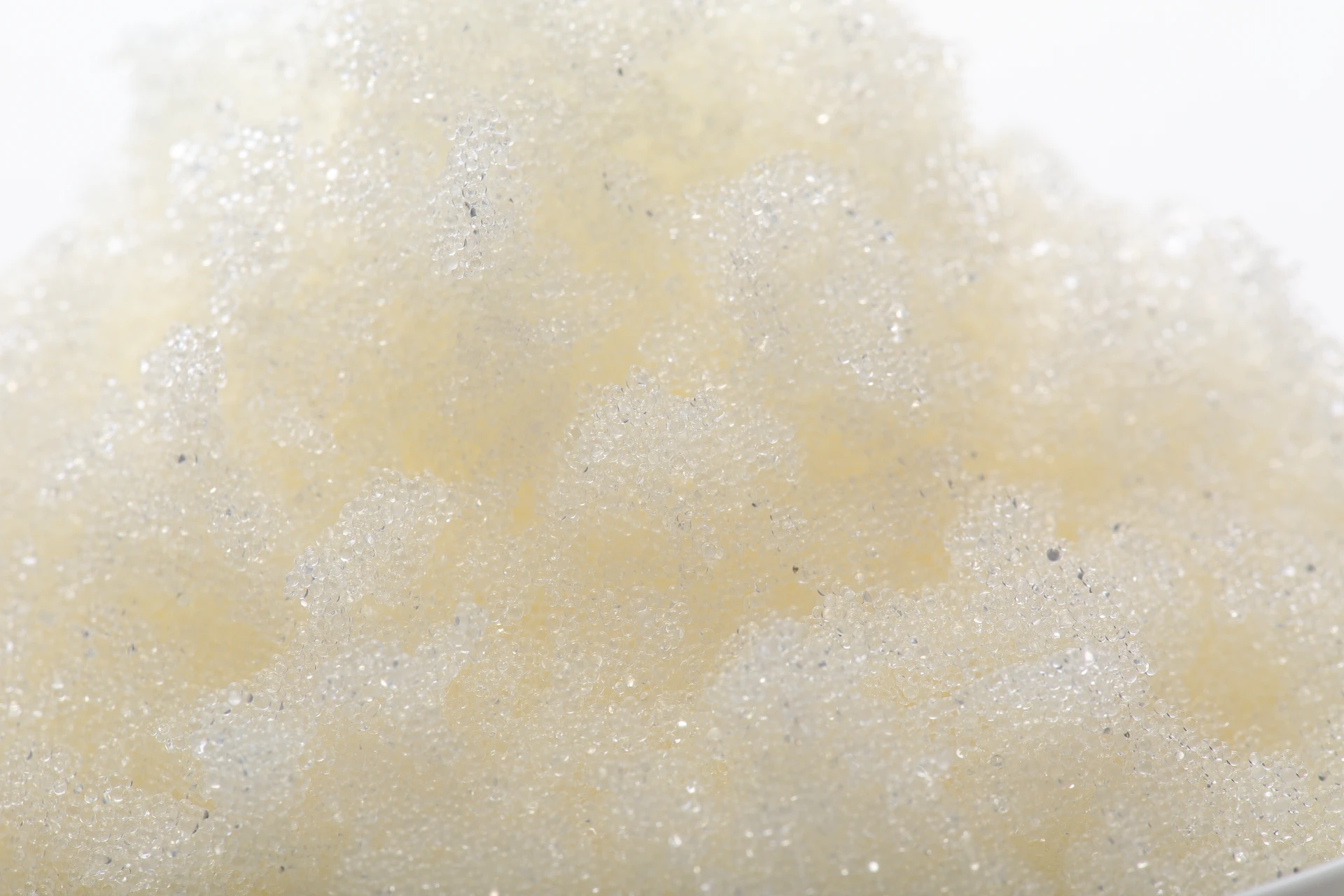
From 2011 to 2020, the introduction of mixed bed di resin revolutionized the pharmaceutical and electronics sectors in Kigali, allowing for ultra-pure water production.

Since 2021, the focus has shifted toward selective adsorption, utilizing chelating technologies to recover precious metals and treat complex industrial wastewater.

Future Development Trends

Green Resin Chemistry

A move toward biodegradable substrates and eco-friendly regenerants to align with Rwanda's strict environmental protection laws.

Smart Monitoring Integration

Integration of IoT sensors to monitor the breakthrough point of resins in real-time, optimizing the regeneration cycle.

High-Selectivity Specialized Polymers

Development of resins specifically tuned for the unique rare-earth element profiles found in Rwandan mineral deposits.

Industry Trends and Future Outlook

Predicting the next 5 years of synthetic resin evolution in the East African region.

Circular Economy Adoption
Implementing resin regeneration loops to minimize waste in Rwanda's manufacturing hubs.
Ultra-Pure Water Demand
Rising demand for high-grade DI water in Rwandan clinics and laboratories.
Mining Sector Specialization
Custom resins for selective recovery of cobalt and lithium from tailings.
Localized Technical Support
Shift toward on-site resin auditing and customized regeneration protocols.

Industry Outlook

Based on Google search trends for water treatment in East Africa, there is a significant increase in queries regarding "industrial wastewater purification" and "selective ion removal." This indicates a transition from general water use to high-value chemical processing.

We predict that the Rwandan market will transition toward automated resin systems, reducing human error and increasing the lifespan of special resin installations by up to 30% over the next three years.

Localized Application Scenarios in Rwanda

Practical implementations of resin technology tailored to Rwanda's economic landscape.

01. Rare Earth Element Extraction in Mining

Utilizing highly selective chelating resins to separate valuable minerals from complex ore leachates in the Northern Province mines.

02. Pure Water for Kigali's Medical Labs

Implementing mixed bed systems to provide ASTM Grade II water for diagnostic equipment and pharmaceutical compounding.

03. Textile Wastewater Treatment

Using ion exchange processes to recover dyes and remove toxic salts from textile factory effluents to protect local river systems.

04. Volcanic Water De-mineralization

Applying specialized bed resins to remove excessive fluoride and silica from groundwater in volcanic regions for potable use.

05. Beverage Industry Softening

Deploying large-scale ion exchange resins for the soft drink and brewery industries to ensure consistent taste and equipment longevity.

Brand Story

Global Development History of Hebei Lijian Biological Technology Co., Ltd.

Foundational Excellence

Established with a mission to bridge the gap between raw chemical synthesis and industrial application.

Technological Breakthrough

Developed advanced polymerization techniques that increased resin exchange capacity by 25%.

Global Expansion

Expanded operations into the African market, focusing on solving water scarcity and purity issues.

Sustainable Innovation

Launched a line of eco-friendly resins designed for low-chemical regeneration.

Future Vision

Committed to providing Rwanda and the world with the most stable and efficient synthetic materials.

Complete Resin Portfolio for the Rwandan Market

A comprehensive range of synthetic materials designed for durability in African climates.

Frequently Asked Questions in Rwanda

Expert answers to common technical challenges faced by local industries.

How to choose the right ion exchange resin for Rwandan groundwater?

It depends on the specific mineral content. For volcanic areas with high silica, we recommend a specialized special resin with high selectivity to prevent fouling.

What is the lifespan of a mixed bed di resin in industrial use?

Typically 3-5 years, but this varies based on the quality of the pre-treatment and the regeneration frequency used in your facility.

Can chelating resin remove heavy metals from mining wastewater?

Yes, our chelating resins are specifically engineered to bind with heavy metal ions even in the presence of high concentrations of alkali metals.

How to optimize the regeneration of a bed resin system?

We recommend using a counter-current regeneration method to reduce chemical consumption and improve the purity of the effluent.

Are these resins compatible with extreme temperature fluctuations?

Our products are designed for thermal stability, ensuring they maintain structural integrity during Rwanda's seasonal temperature changes.

Which resin is best for ultra-pure water in laboratories?

A high-grade mixed bed system is the gold standard for achieving the conductivity levels required for laboratory-grade ultra-pure water.

Consult Our Resin Experts Today

Get a customized water treatment audit and resin selection guide for your project in Rwanda.

Contact Us Now

If you are interested in our products, you can choose to leave your information here, and we will be in touch with you shortly.