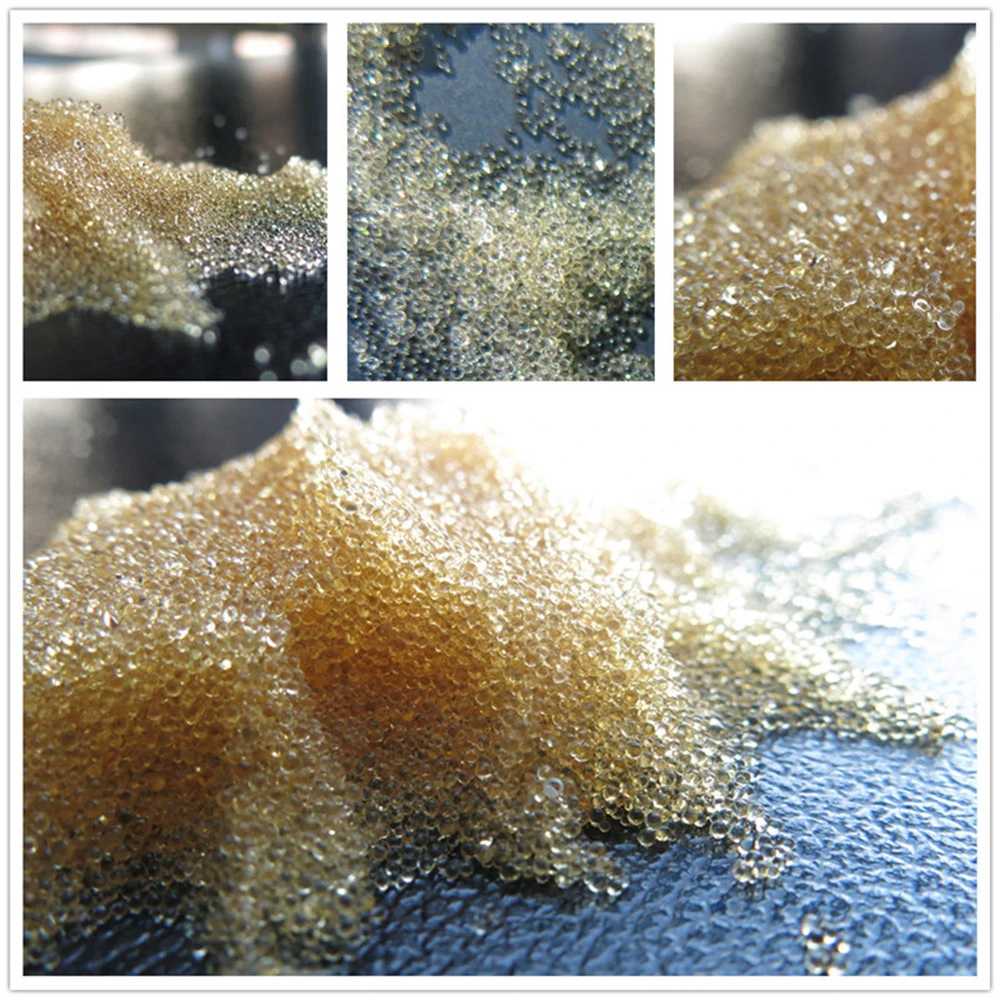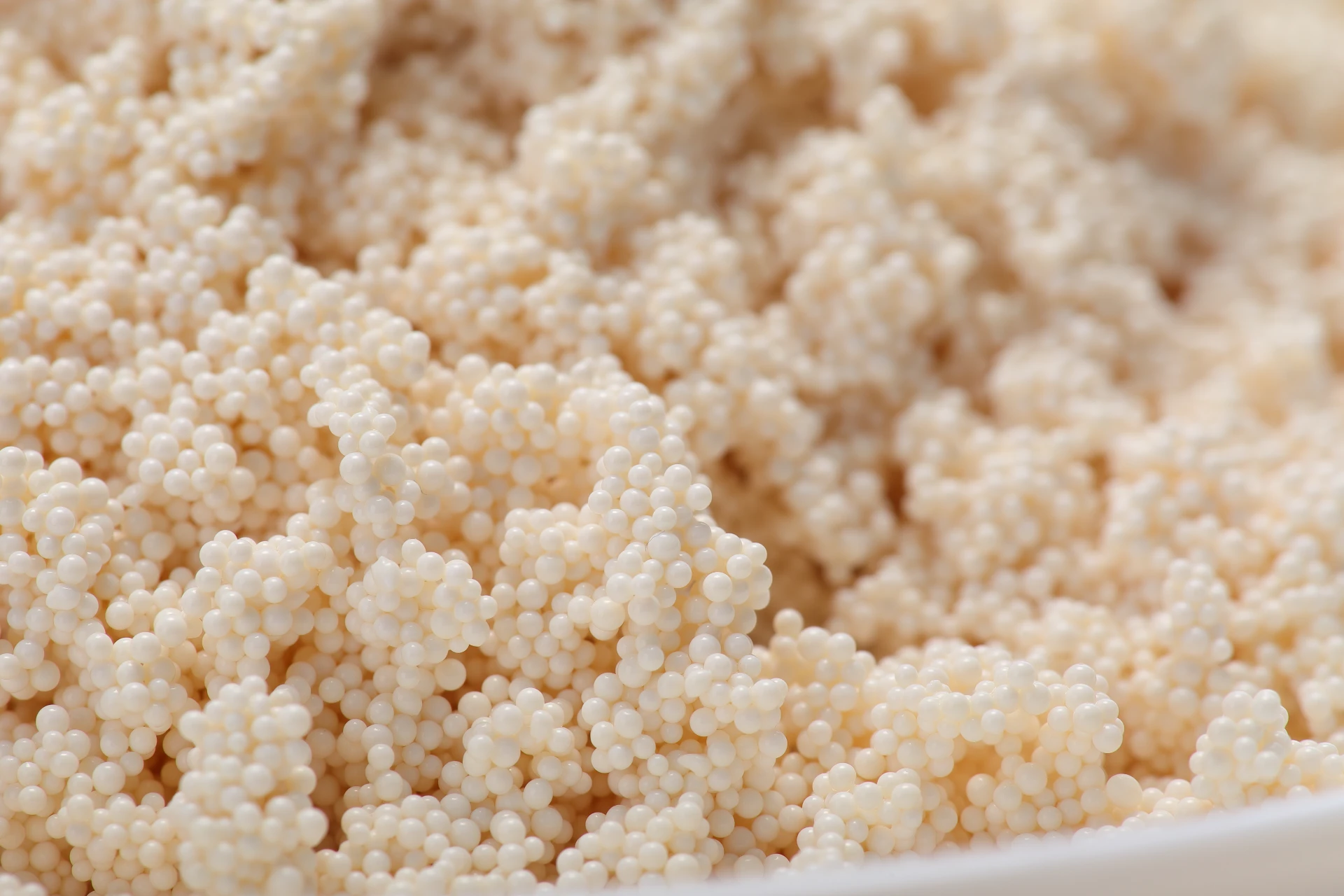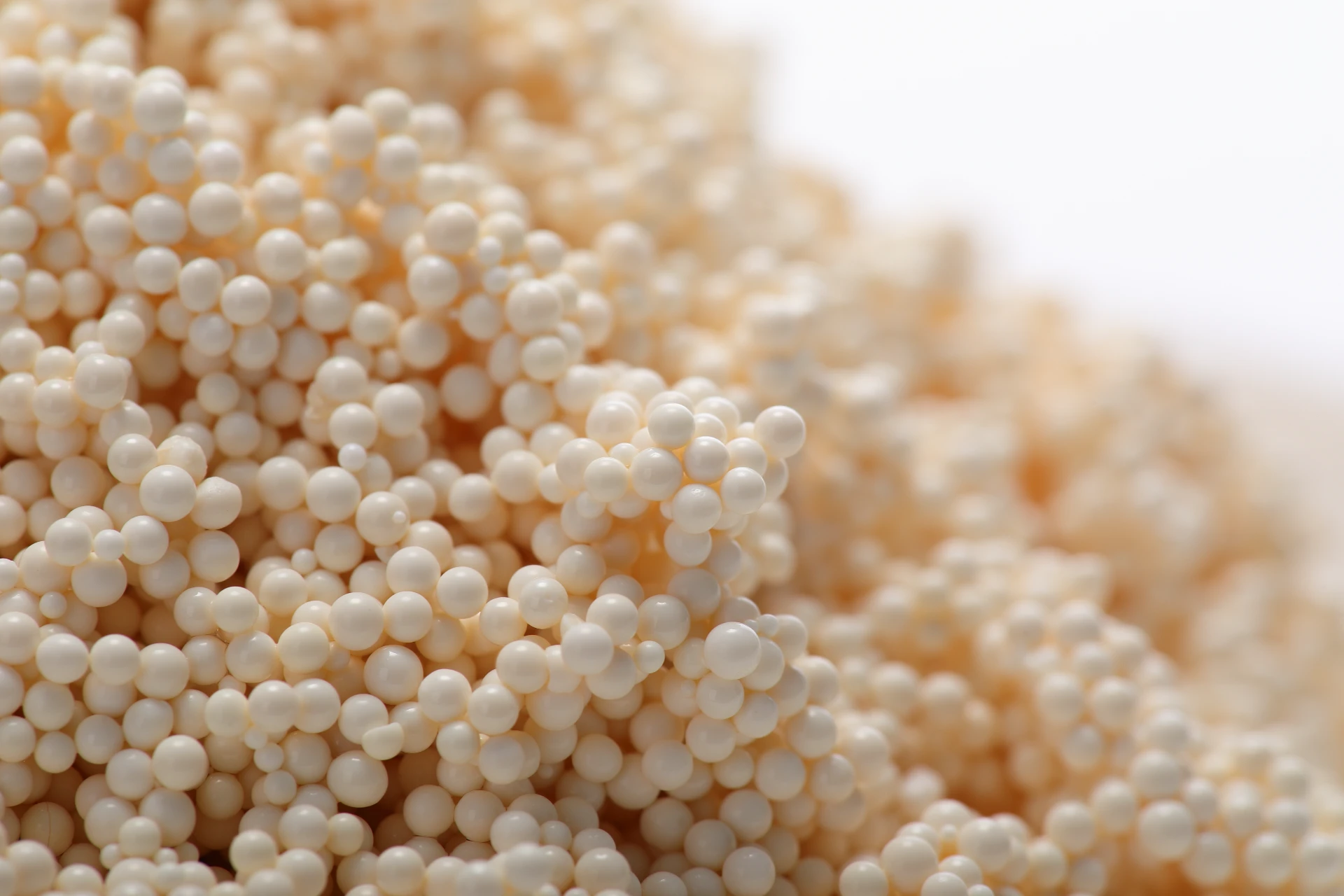
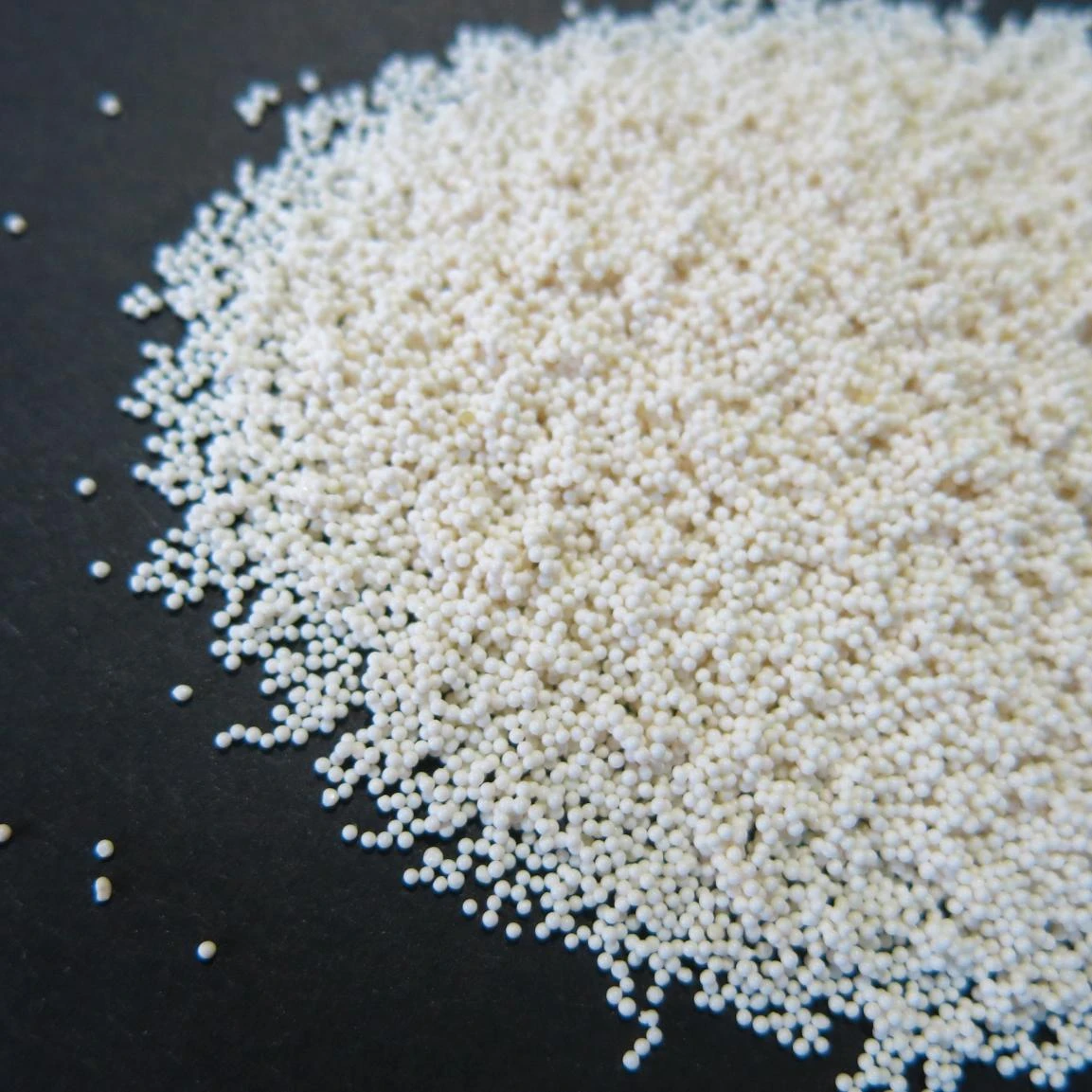
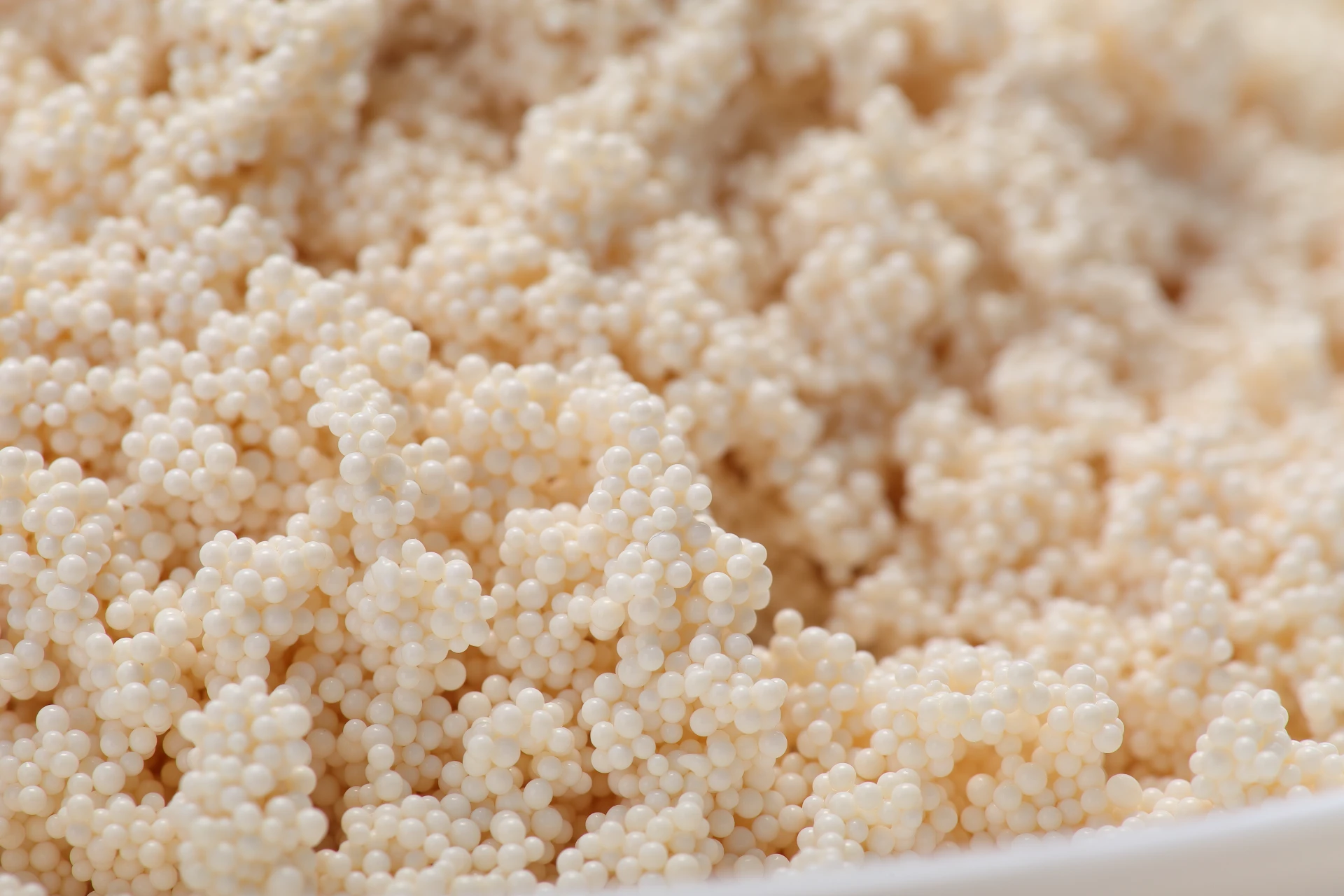
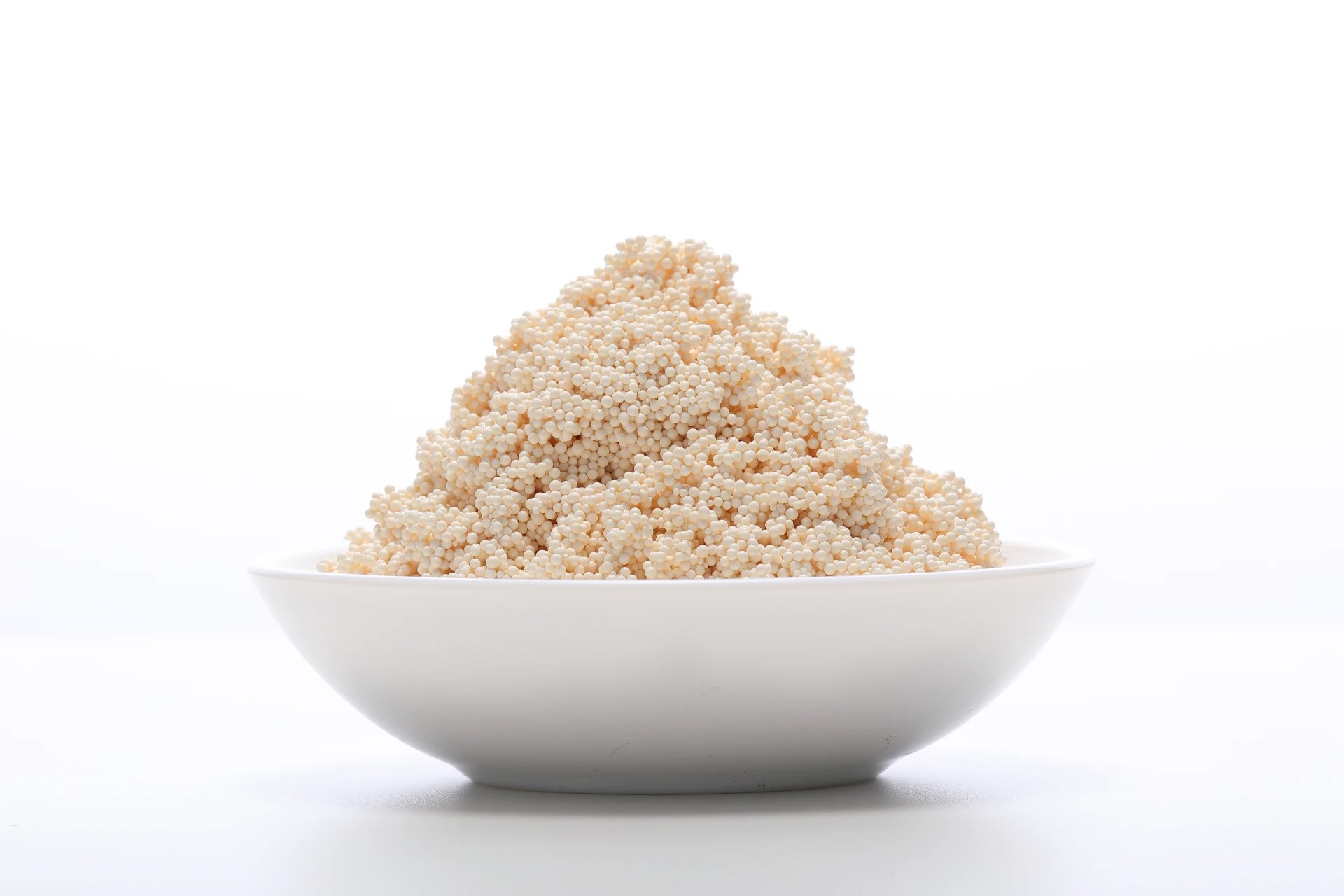
Advanced chelating resin Solutions for Saudi Arabia's Industrial Water Treatment

High-performance ion exchange technologies engineered for the extreme climatic conditions and rigorous industrial standards of the Kingdom of Saudi Arabia.

Advanced chelating resin Solutions for Saudi Arabia's Industrial Water Treatment

Providing cutting-edge synthetic material solutions to ensure water purity and mineral recovery in Saudi Arabia's petrochemical and desalination sectors.

The Landscape of Water Purification in Saudi Arabia

Addressing the challenges of high salinity and extreme temperatures in the Arabian Peninsula.

Saudi Arabia faces unique challenges due to its arid climate and heavy reliance on desalination. The industry heavily utilizes ion exchange resin to treat brackish groundwater and seawater, where high concentrations of dissolved salts require robust chemical stability.

The growth of Vision 2030 has accelerated the demand for high-purity water in the Neom and Red Sea projects. This has shifted the focus toward more efficient bed resin configurations that can withstand thermal fluctuations and high osmotic pressure common in the region.

Currently, the market is transitioning from generic filtration to highly selective processes. The integration of specialized resins is critical for removing specific heavy metals from industrial wastewater in the Jubail and Yanbu industrial cities, ensuring environmental compliance.
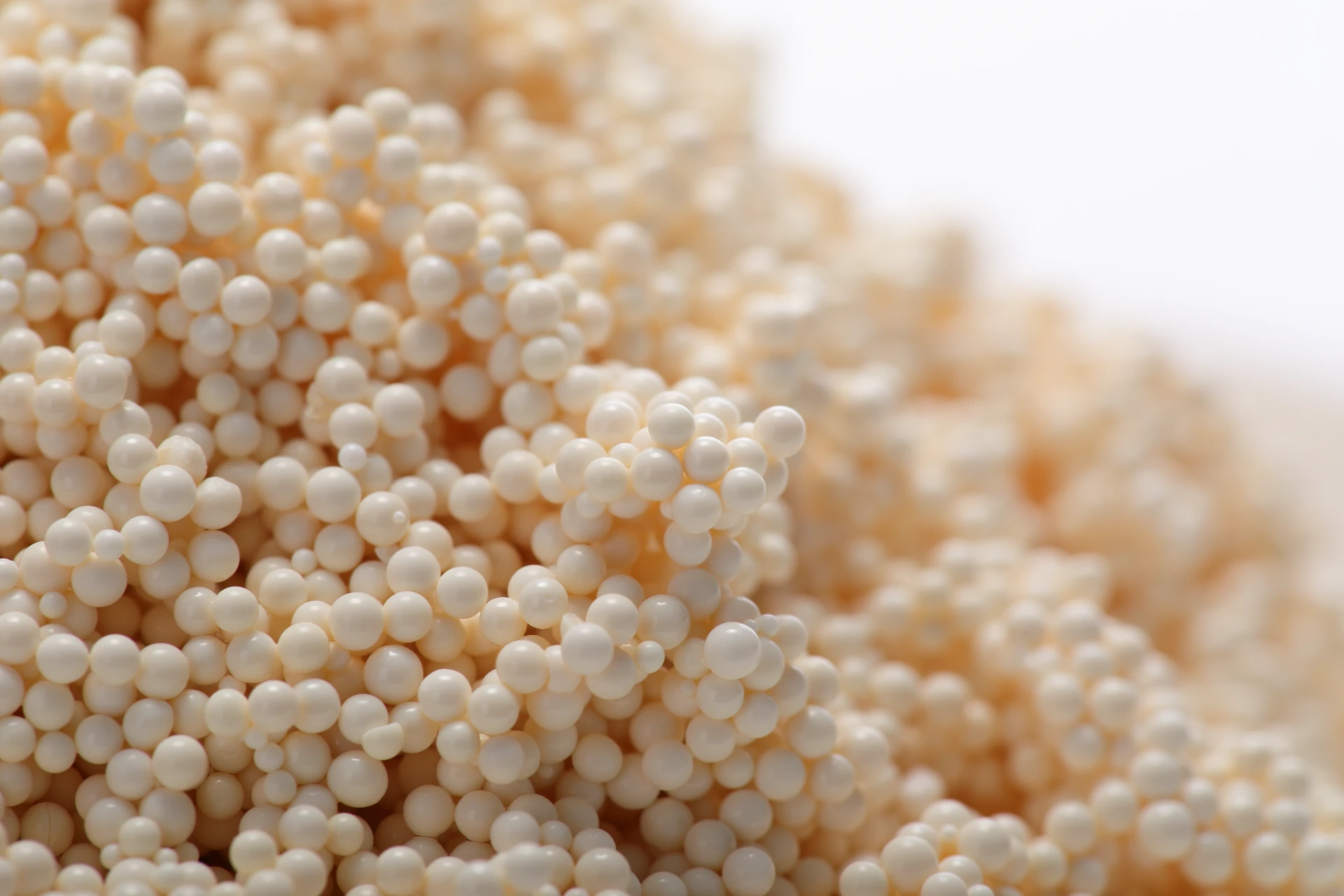
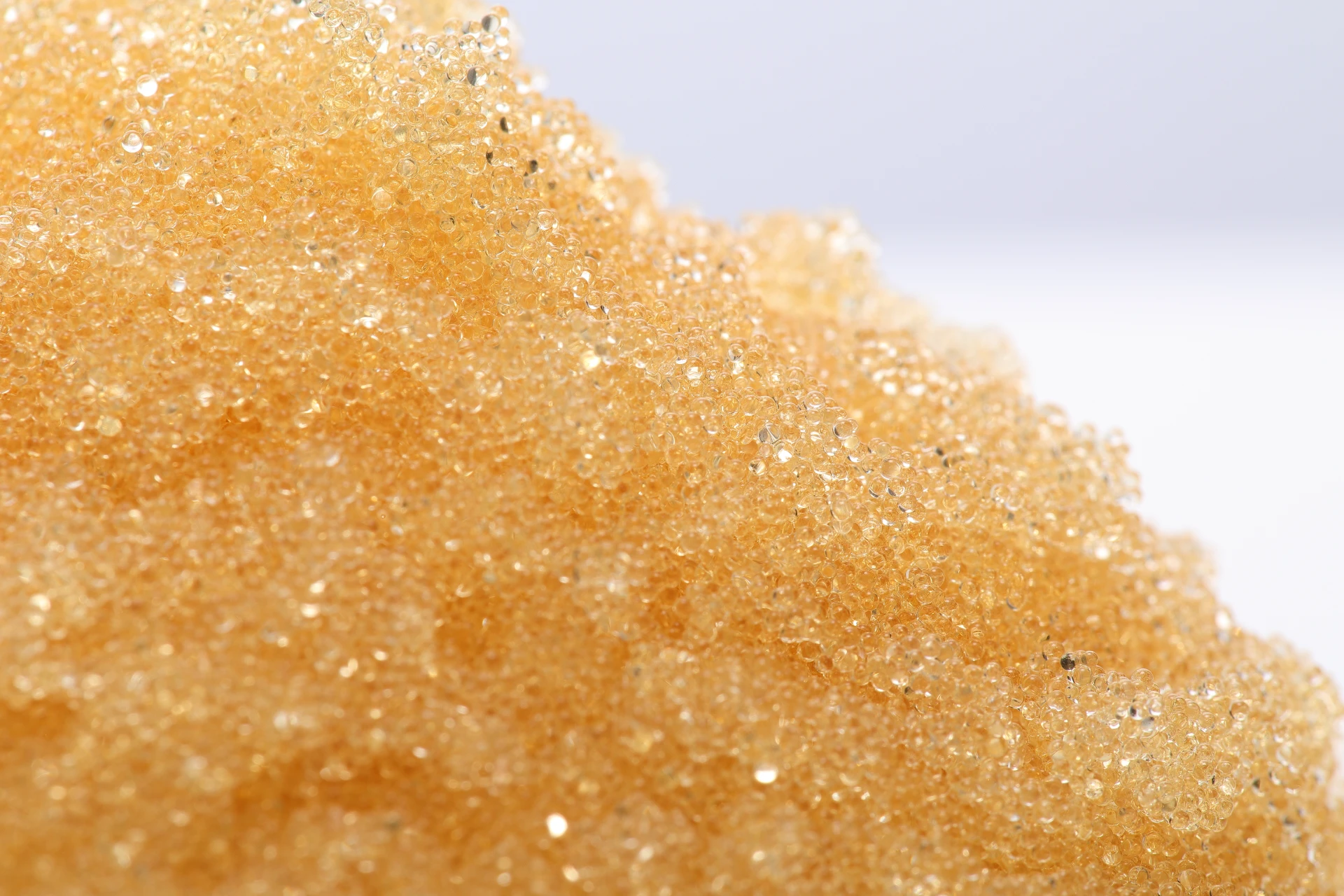
Evolution of Resin Technology in Saudi Arabia

From basic softening to precision molecular separation.

Market Development History

In the 1980s and 90s, the Saudi market relied primarily on basic strong acid and strong base resins for simple water softening in oil refineries, focusing on bulk volume rather than selectivity.

By the mid-2010s, the introduction of mixed bed di resin became standard for the power generation sector, allowing for the production of ultra-pure water required for high-pressure boilers.

From 2020 onwards, the industry has moved toward "smart materials," adopting special resin types designed for the selective recovery of precious metals and the targeted removal of boron from desalinated water.

Future Development Trends

Sustainable Regeneration Cycles

Moving toward low-chemical consumption regeneration processes to reduce the environmental footprint of water plants in the desert ecosystem.

Hyper-Selective Ion Capture

Development of resins with higher affinity for specific contaminants, reducing the frequency of bed replacements in extreme salinity environments.

Digital Integration and Monitoring

Combining resin beds with IoT sensors to predict exhaustion points in real-time, optimizing the operational efficiency of Saudi industrial hubs.

Industry Outlook and Future Trajectory

Analyzing the shift toward circular economy and high-efficiency separation.

Zero Liquid Discharge (ZLD)
Increasing adoption of ZLD systems in Saudi refineries to maximize water recovery using advanced ion exchange arrays.
Energy-Efficient Desalination
Integrating resins into hybrid RO-IX systems to reduce the energy load required for high-purity water production.
Heavy Metal Recovery
Focusing on the extraction of lithium and other critical minerals from brine using selective chelating technologies.
Green Chemistry Synthesis
Developing bio-based polymer matrices for ion exchange to replace traditional petroleum-derived resins.

Industry Outlook

Based on Google search trends in the Middle East, there is a surging interest in "industrial water recycling" and "selective ion removal." This indicates a pivot toward sustainability in Saudi Arabia's manufacturing sector.

Over the next 3-5 years, the synergy between AI-driven process control and high-performance synthetic resins will redefine the efficiency of water treatment plants across the Kingdom.

Localized Application Scenarios in Saudi Arabia

Real-world implementation of resin technologies in the Kingdom's key industries.

01. Oil & Gas Produced Water Treatment

Utilizing specialized ion exchange resin to remove organic acids and heavy metals from produced water in the Eastern Province, allowing for safe reinjection or agricultural reuse.

02. Seawater Desalination Polishing

Implementing mixed bed di resin as a final polishing stage to ensure ultra-low conductivity in water supplied to pharmaceutical plants in Riyadh.

03. Industrial Wastewater Mining

Applying chelating resin to selectively recover valuable metals from industrial effluent in Jubail, turning waste streams into revenue sources.

04. Boiler Feed Water Purification

Using a high-capacity bed resin system to prevent scale formation in ultra-high pressure boilers used in Saudi electricity plants.

05. Brackish Water Softening

Deployment of special resin for the targeted removal of hardness and silica from deep-well groundwater in central Saudi Arabia.

Brand Story

Global Development Journey of Hebei Lijian Biological Technology Co., Ltd.

Foundational Excellence

Established as a pioneer in synthetic materials, we focused on solving the core problem of ion selectivity in complex chemical environments.

Technological Breakthrough

Developed a proprietary cross-linking technology that significantly enhanced the thermal stability of resins for high-temperature industrial use.

Global Expansion

Expanded our footprint to the Middle East, tailoring our products to meet the harsh environmental demands of the Saudi Arabian market.

Quality Certification

Achieved international standards for purity and performance, becoming a trusted partner for global petrochemical giants.

Sustainable Vision

Now leading the transition toward eco-friendly resins that support the global goal of water security and zero-pollution manufacturing.

Comprehensive Resin Portfolio for Saudi Arabia

A complete range of synthetic materials engineered for the Kingdom's diverse industrial needs.

Saudi Arabia Industrial Resin FAQ

Expert answers to common technical questions regarding resin application in the region.

How does high temperature in Saudi Arabia affect ion exchange resin lifespan?

Extreme heat can lead to the degradation of the polymer matrix. We provide thermally stable resins specifically designed to maintain their functional groups at higher operating temperatures.

What is the best mixed bed di resin for ultra-pure water in refineries?

A combination of high-capacity strong acid cation and strong base anion resins is ideal, ensuring conductivity levels below 0.1 μS/cm for critical boiler systems.

Can chelating resin effectively remove boron from desalinated water?

Yes, our specialized chelating resins are engineered with functional groups that have a high affinity for boron, ensuring water meets strict agricultural standards.

How often should a bed resin be replaced in high-salinity environments?

Replacement frequency depends on the fouling rate. In Saudi's high-salinity waters, we recommend rigorous pre-filtration and quarterly resin health checks to optimize lifespan.

What special resin is recommended for removing heavy metals from industrial wastewater?

We recommend iminodiacetic acid functionalized resins, which are highly effective at capturing Cu, Pb, and Ni even in the presence of high sodium concentrations.

Are your resins compatible with the water quality standards of Saudi Arabia's Vision 2030?

Absolutely. Our products are designed to meet and exceed the sustainability and efficiency goals outlined in the Kingdom's strategic environmental initiatives.

Consult Our Resin Experts Today

Get a customized water treatment solution tailored for your industrial plant in Saudi Arabia.

Contact Us Now

If you are interested in our products, you can choose to leave your information here, and we will be in touch with you shortly.