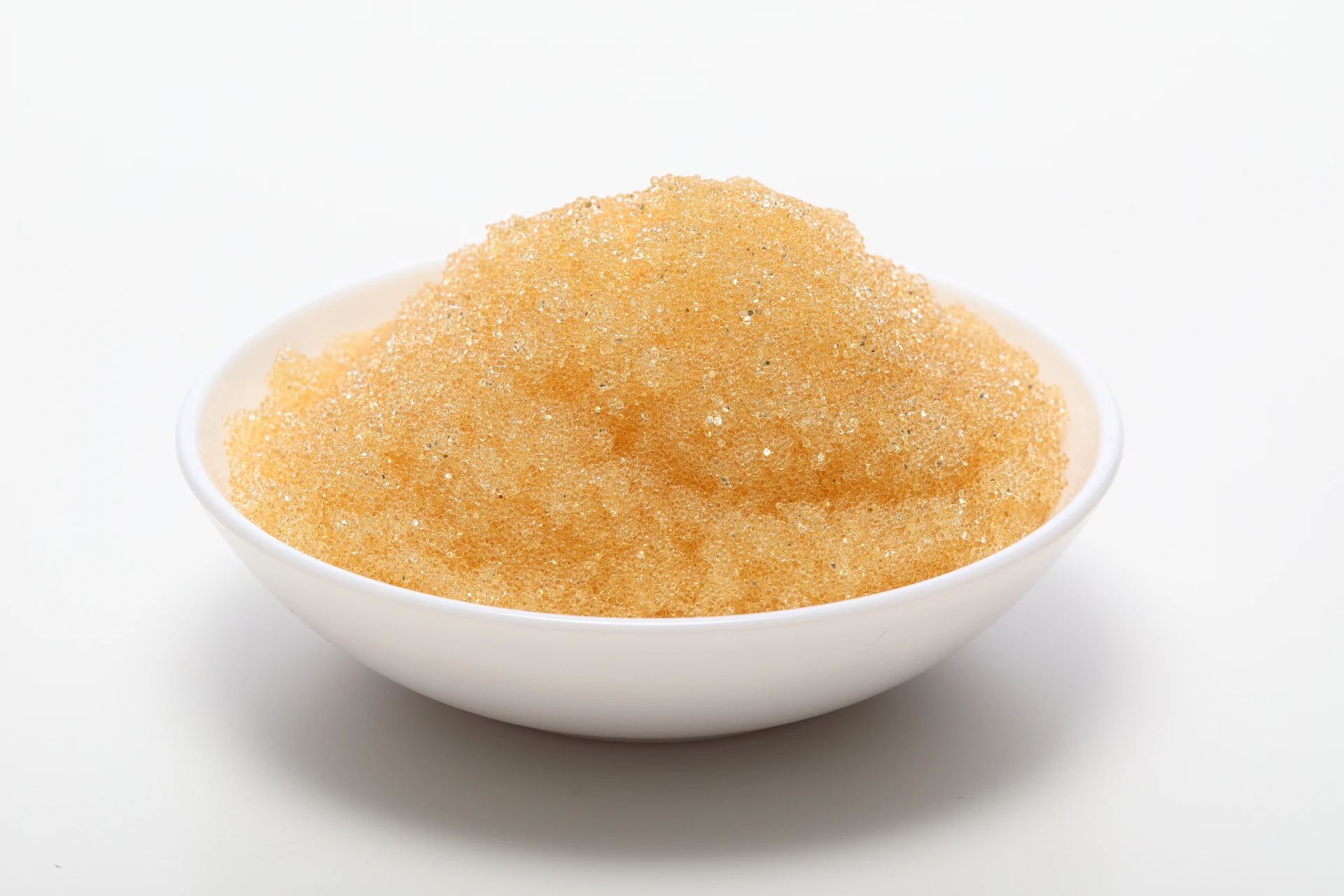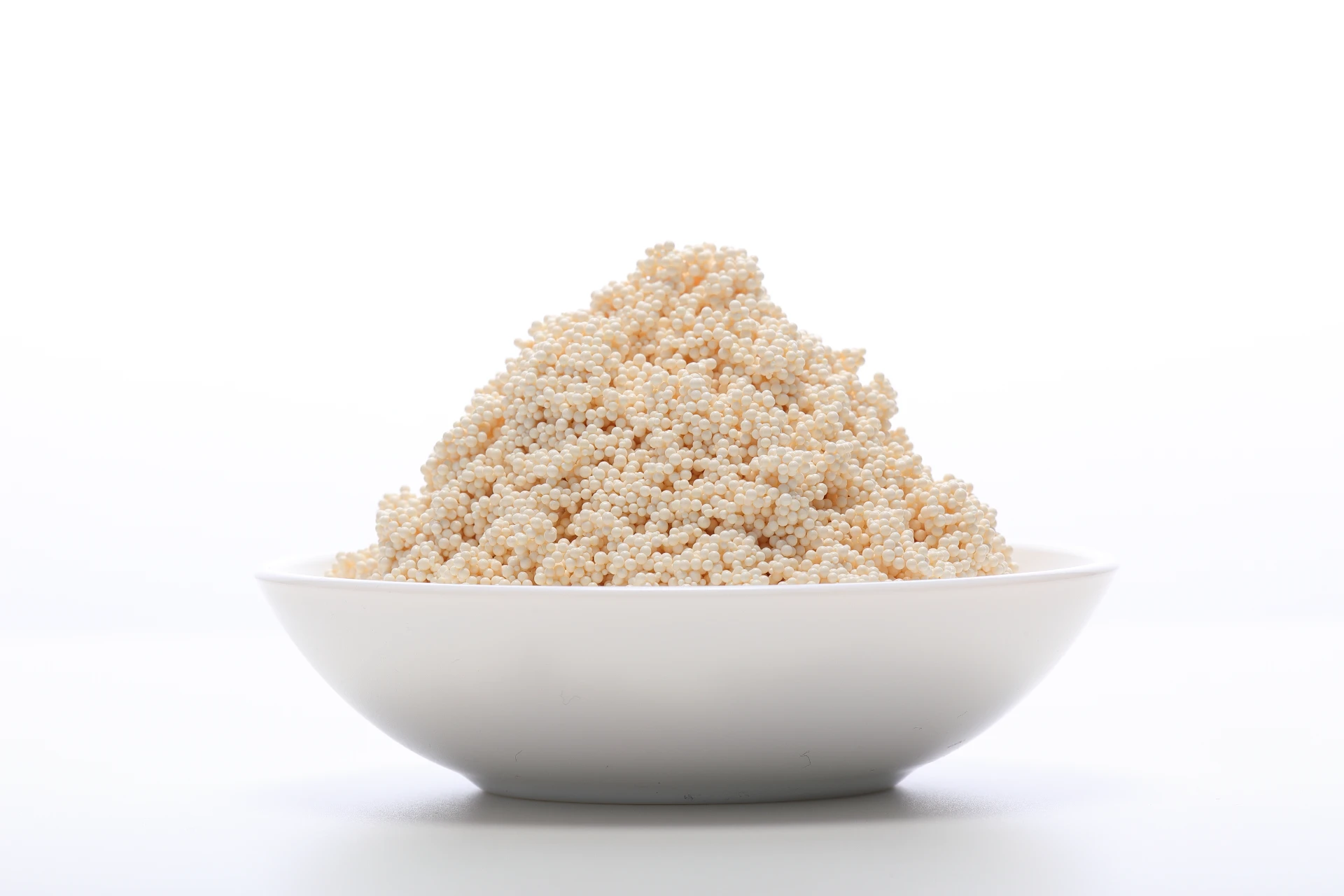
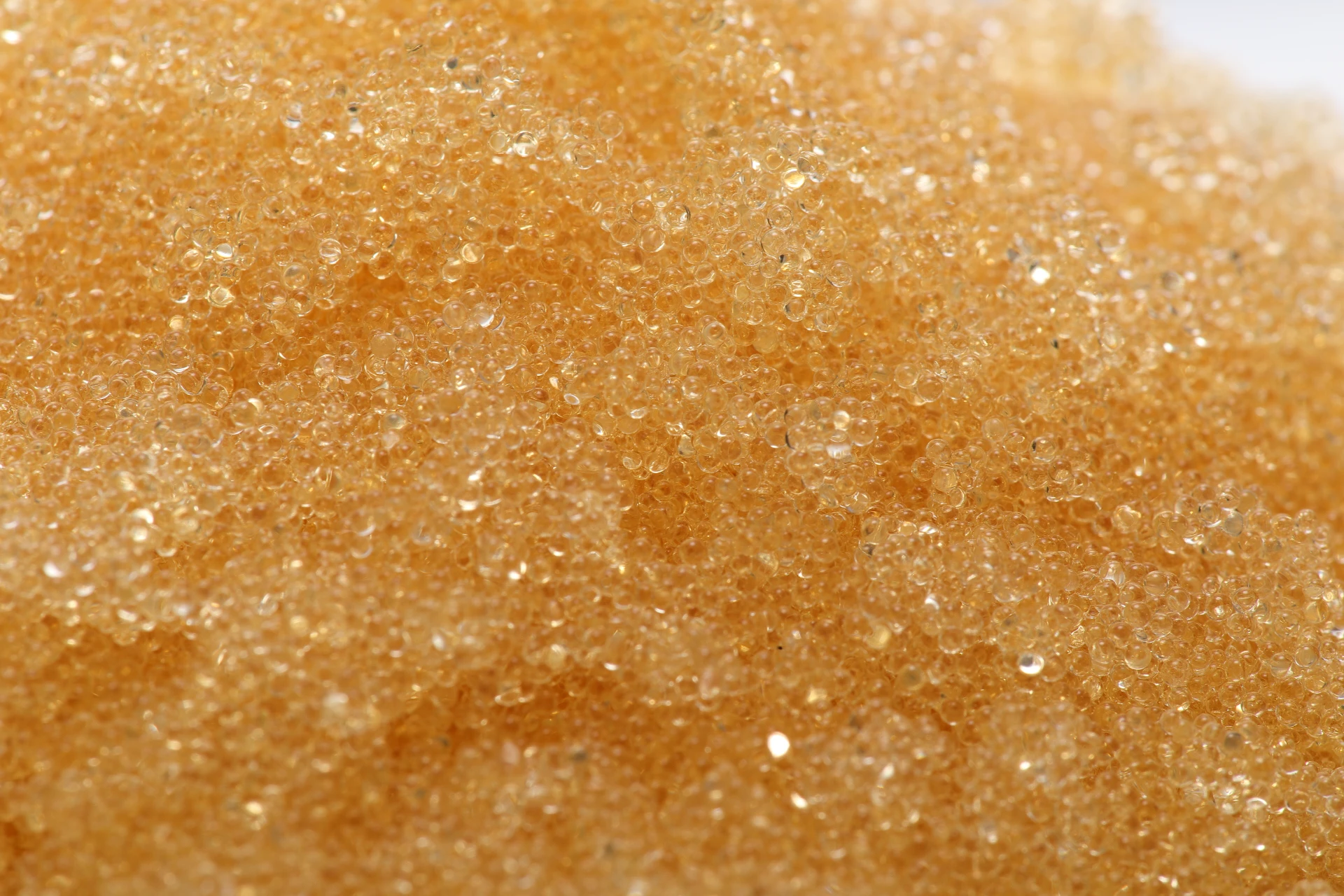
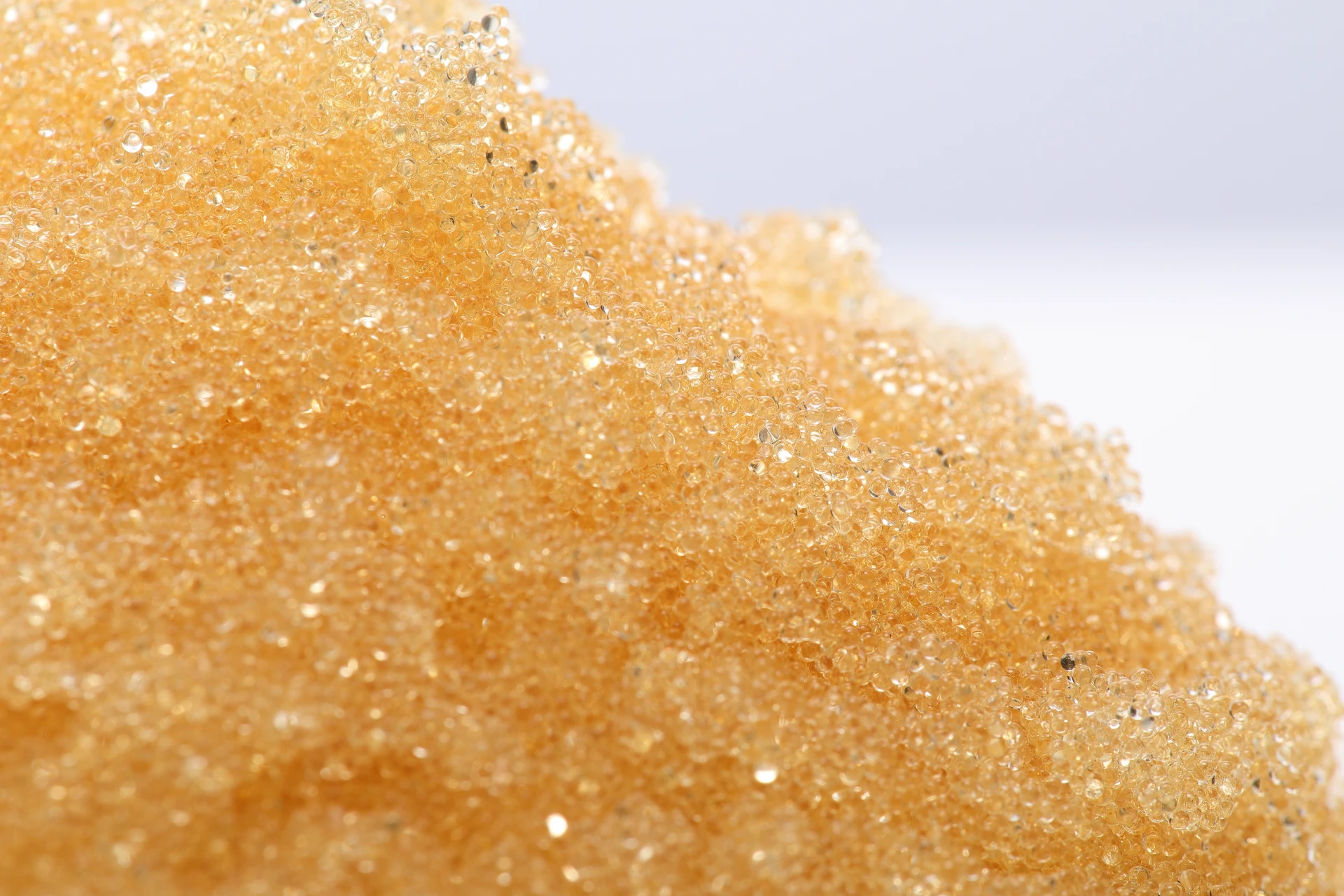
Advanced chelating resin Solutions for Uruguay Industrial Water Treatment

Optimizing ion exchange processes for the Uruguayan chemical and manufacturing sectors with high-performance synthetic materials.

Advanced chelating resin Solutions for Uruguay Industrial Water Treatment

Providing specialized high-capacity resins tailored to the unique mineral compositions and industrial requirements of the Uruguayan market, ensuring purity and efficiency.

Industrial Resin Landscape in Uruguay

Analysis of the current state of synthetic material application in South American chemical manufacturing.

In Uruguay, the demand for ion exchange resin is closely tied to the country's strong agricultural export economy and its growing chemical processing industry. With a focus on sustainability and environmental protection, local plants are increasingly adopting advanced resins to manage wastewater and ensure high-purity water for food and beverage production.

The geographical characteristics of Uruguay, including its specific groundwater mineral profiles, require highly selective materials. The industry is moving away from generic solutions toward special resin applications that can target specific contaminants, reducing chemical waste during regeneration cycles.

Current market trends show a significant shift toward integrated systems where bed resin configurations are optimized for long-term stability, reducing the operational costs for small to medium-sized manufacturing enterprises across the region.
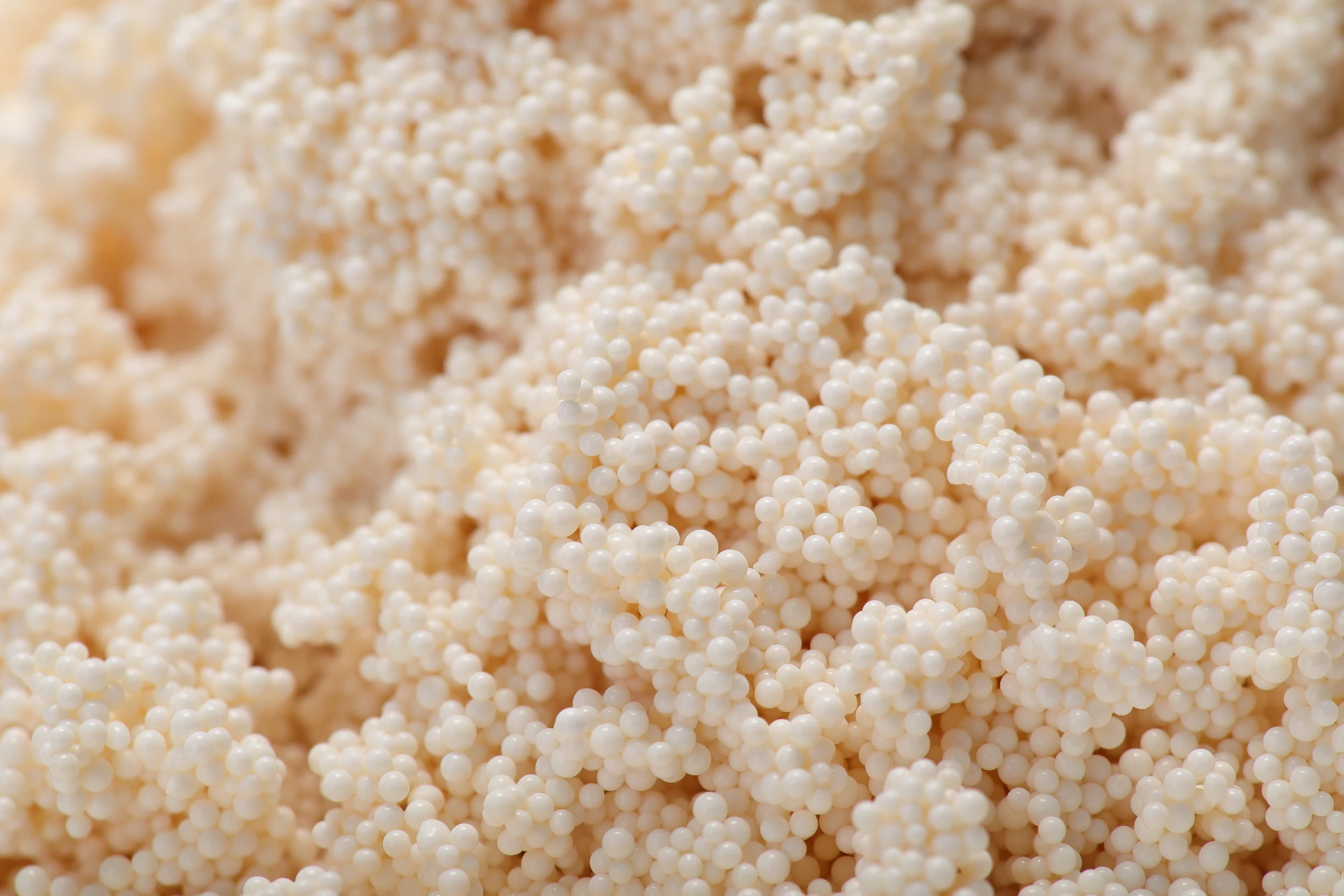
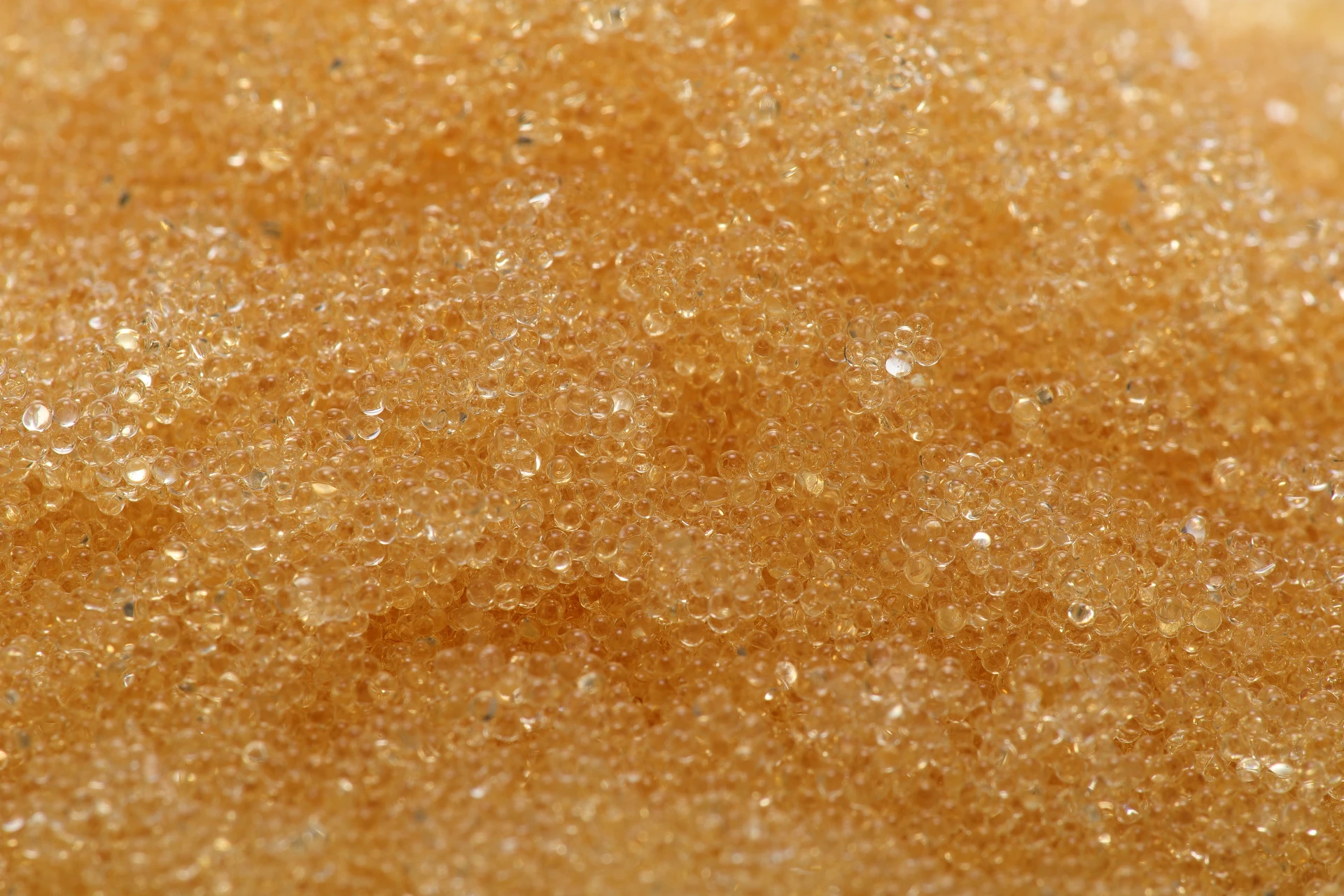
Evolution of Ion Exchange Technology in Uruguay

Tracing the trajectory from traditional filtration to high-precision molecular separation.

Market Development History

From 1990 to 2005, the Uruguayan market relied heavily on basic softening resins. During this era, the focus was primarily on hardness removal for basic industrial boilers, utilizing standard strong acid cation resins with limited selectivity.

Between 2006 and 2018, there was a technical pivot toward purity. The introduction of mixed bed di resin systems allowed local pharmaceutical and electronics manufacturers to achieve the ultra-pure water standards required for international exports.

Since 2019, the focus has shifted toward "Selective Recovery." The adoption of chelating technologies has enabled industries to recover precious metals and remove toxic heavy metals from industrial effluent, aligning with global ESG standards.

Future Development Trends

AI-Driven Regeneration Cycles

Integration of real-time sensors with resin beds to predict exhaustion points, optimizing the use of regenerants in Uruguayan plants.

Biodegradable Resin Matrices

Research into sustainable polymer bases to reduce the environmental footprint of synthetic materials at the end of their lifecycle.

Hyper-Selective Chelation

Development of resins with increased affinity for trace contaminants in highly saline environments, common in coastal industrial zones.

Industry Trends and Future Outlook

Strategic forecasting for the synthesis and application of ion exchange materials.

Circular Economy Integration
Moving toward zero-liquid discharge (ZLD) systems using high-efficiency resins to recycle process water.
Precision Metal Recovery
Using advanced chelating resins to extract rare minerals from industrial runoff with 99% accuracy.
Energy-Efficient Regeneration
Development of resins that require lower chemical concentrations for regeneration, reducing costs.
Custom-Engineered Matrices
Tailoring resin pore sizes to specific molecular weights for high-precision pharmaceutical separation.

Industry Outlook

Based on Google search trends in the South American region, there is a rising interest in "Sustainable Water Purification" and "Heavy Metal Removal." We predict that the next 3-5 years will see a transition toward smart-resin systems that integrate IoT monitoring to maximize the lifespan of the resin bed.

Uruguay's commitment to green energy and clean water will drive the demand for resins that are not only effective but also environmentally benign. The focus will shift from simple ion exchange to complex molecular recognition and targeted capture.

Localized Application Scenarios in Uruguay

Practical implementations of ion exchange technology across diverse Uruguayan sectors.

01. Dairy and Beverage Processing

Implementation of high-capacity resins to remove nitrates and organic impurities from water used in milk powder production, ensuring international export quality.

02. Pulp and Paper Industry

Using specialized resins to recover caustic soda from black liquor, significantly reducing raw material costs and wastewater toxicity in local mills.

03. Pharmaceutical Water Purification

Deploying mixed bed di resin systems to produce USP-grade purified water for medicine manufacturing in Montevideo.

04. Mining and Metal Recovery

Application of chelating resins for the selective extraction of precious metals from tailings, increasing the efficiency of mineral processing.

05. Municipal Wastewater Treatment

Integrating large-scale resin beds for the removal of harmful salts and heavy metals from industrial zones before discharge into the Rio de la Plata.

Brand Story

Global Development Process of Hebei Lijian Biological Technology Co., Ltd.

Foundation of Excellence

Established with a vision to solve the most challenging separation problems in the chemical industry through advanced polymer science.

Technological Breakthrough

Developed a proprietary synthesis method for chelating resins that increased selectivity by 40% compared to traditional materials.

Global Expansion

Expanded operations to South America, establishing strategic partnerships to bring high-purity materials to the Uruguayan market.

Commitment to Green Chemistry

Pioneered the use of eco-friendly precursors in resin production, reducing VOC emissions during the manufacturing process.

Industry Leadership

Now recognized as a global leader in specialized resin manufacturing, solving critical water purity issues across six continents.

Comprehensive Resin Portfolio for Uruguay

A full suite of synthetic materials designed to meet the rigorous demands of South American industry.

Uruguay Industrial Resin FAQ

Expert answers to the most common technical questions from the region.

How do I choose the right ion exchange resin for Uruguayan groundwater?

Selection depends on a detailed water analysis. For high hardness, a strong acid cation resin is ideal, whereas for specific metal contamination, a chelating resin is recommended for higher selectivity.

What is the typical lifespan of a bed resin in chemical processing?

Depending on the regeneration frequency and water quality, a high-quality bed resin typically lasts 3-5 years before capacity loss requires replacement.

Can mixed bed di resin be regenerated on-site in Uruguay?

Yes, with the appropriate separation equipment and chemical agents, mixed bed systems can be efficiently regenerated on-site to maintain ultra-pure water standards.

Which special resin is best for removing heavy metals from textile waste?

Iminodiacetic acid based chelating resins are highly effective for capturing divalent metal ions like Cu2+, Pb2+, and Ni2+ from complex textile effluents.

How does temperature affect the performance of ion exchange resin?

Most resins have a specific temperature limit. For high-temperature applications, specialized heat-stable resins must be used to prevent polymer degradation.

What are the shipping requirements for resins imported to Uruguay?

Resins are typically shipped in moisture-proof bags or IBC tanks. We provide all necessary SDS and technical certifications for smooth customs clearance in Uruguay.

Consult Our Resin Experts

Get a customized water treatment solution tailored for your facility in Uruguay.

Contact Us Now

If you are interested in our products, you can choose to leave your information here, and we will be in touch with you shortly.