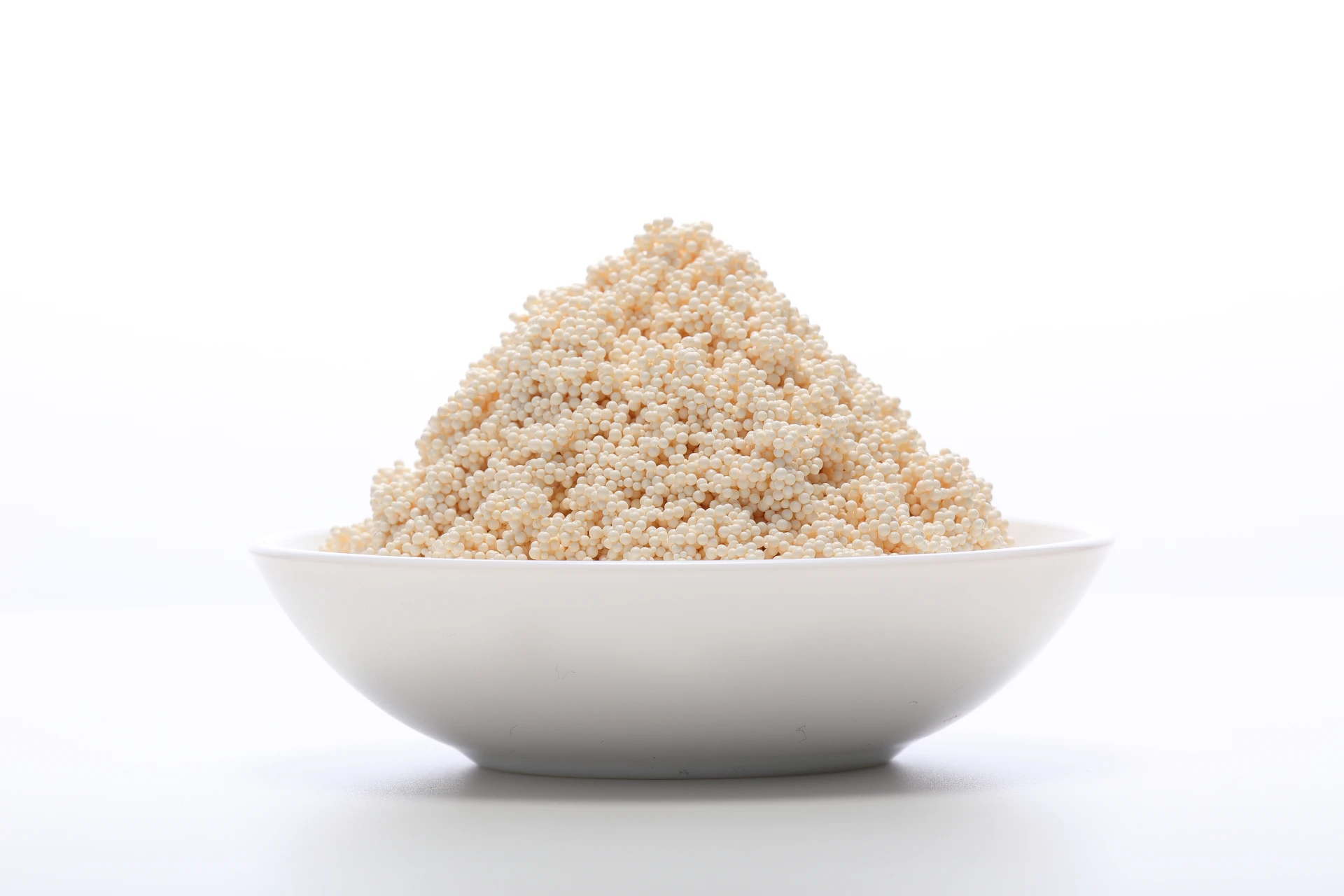
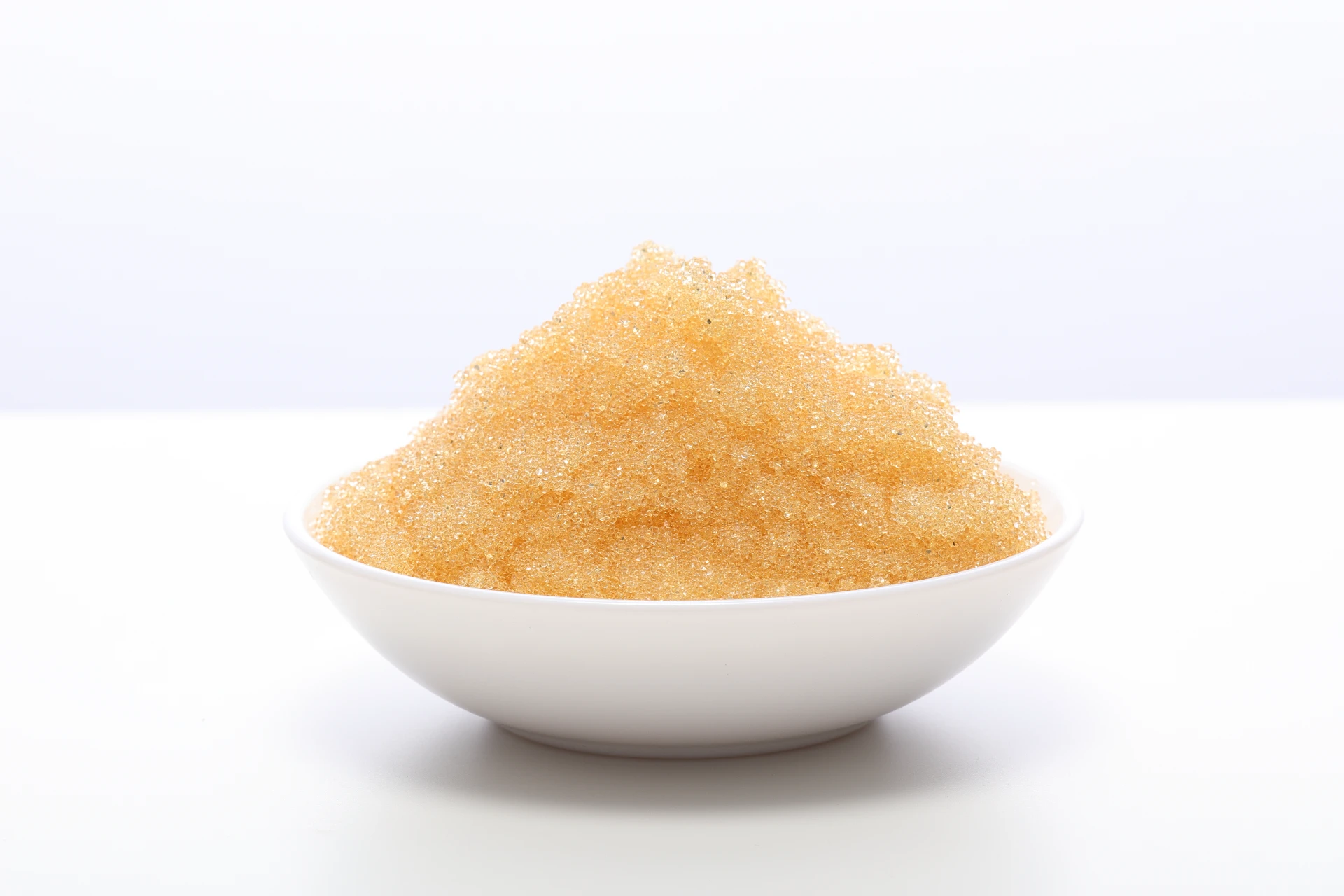
Advanced chelating resin Solutions for US Industrial Water Treatment

High-performance synthetic materials engineered for precision ion removal and heavy metal recovery across North American manufacturing sectors.

Advanced chelating resin Solutions for US Industrial Water Treatment

Providing the United States market with cutting-edge ion exchange resin technology to ensure ultra-pure water and efficient resource recovery in complex chemical environments.

Industrial Landscape of Resin Manufacturing in the United States

Analyzing the current operational state of synthetic material applications in North America.

The United States market for bed resin is currently characterized by a shift toward stringent EPA regulations regarding wastewater discharge. In regions like the Midwest and the Gulf Coast, chemical plants are increasingly integrating advanced filtration systems to meet Zero Liquid Discharge (ZLD) mandates.

Geographically, the diversity of water hardness across the US—from the limestone-rich aquifers of the East Coast to the mineral-heavy waters of the West—demands highly specialized special resin formulations that can withstand varying pH levels and contaminant profiles.

Economically, the US manufacturing sector is prioritizing the circular economy. This has led to a surge in demand for resins capable of selective metal recovery, transforming waste streams into value-added raw materials for the electronics and automotive industries.
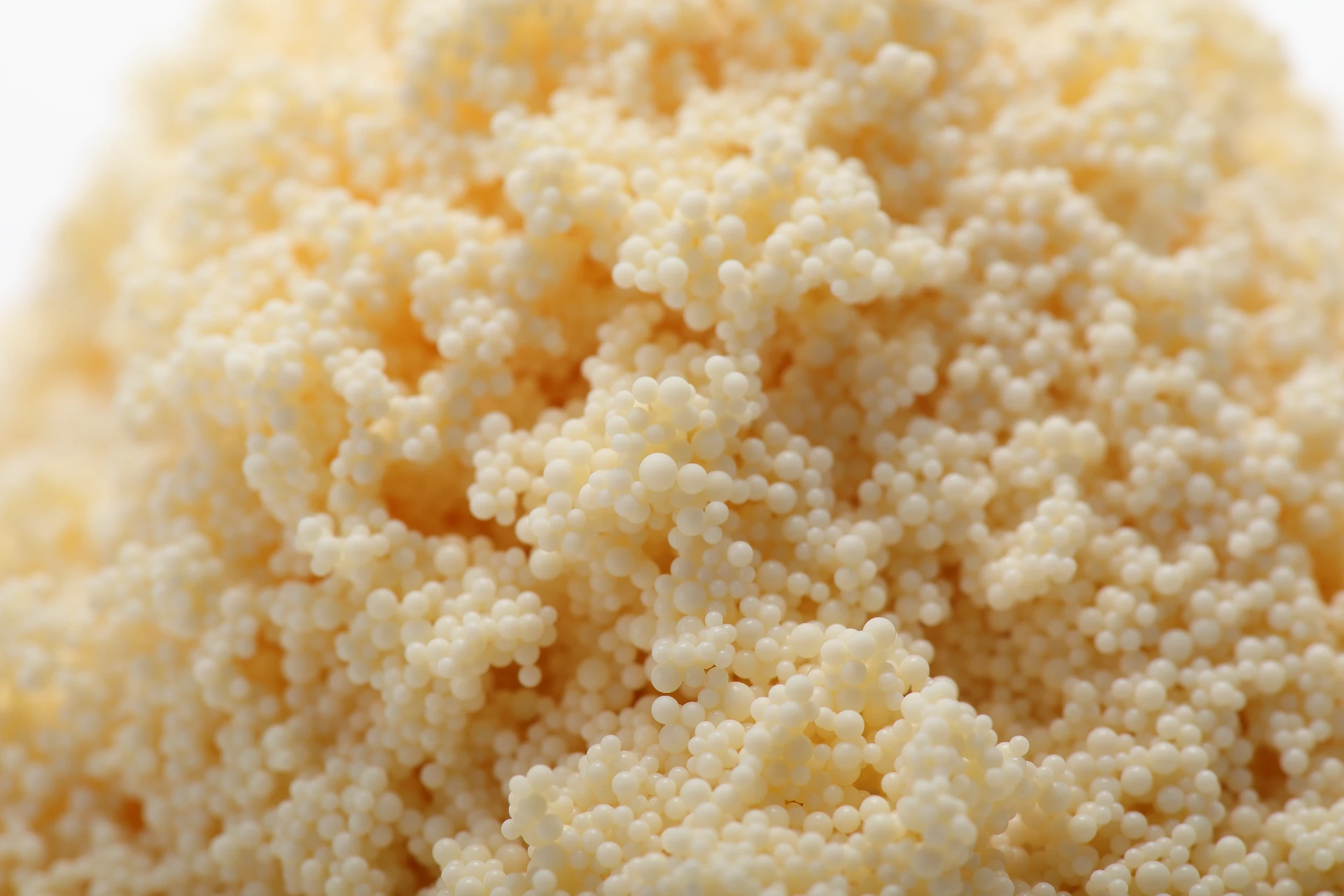
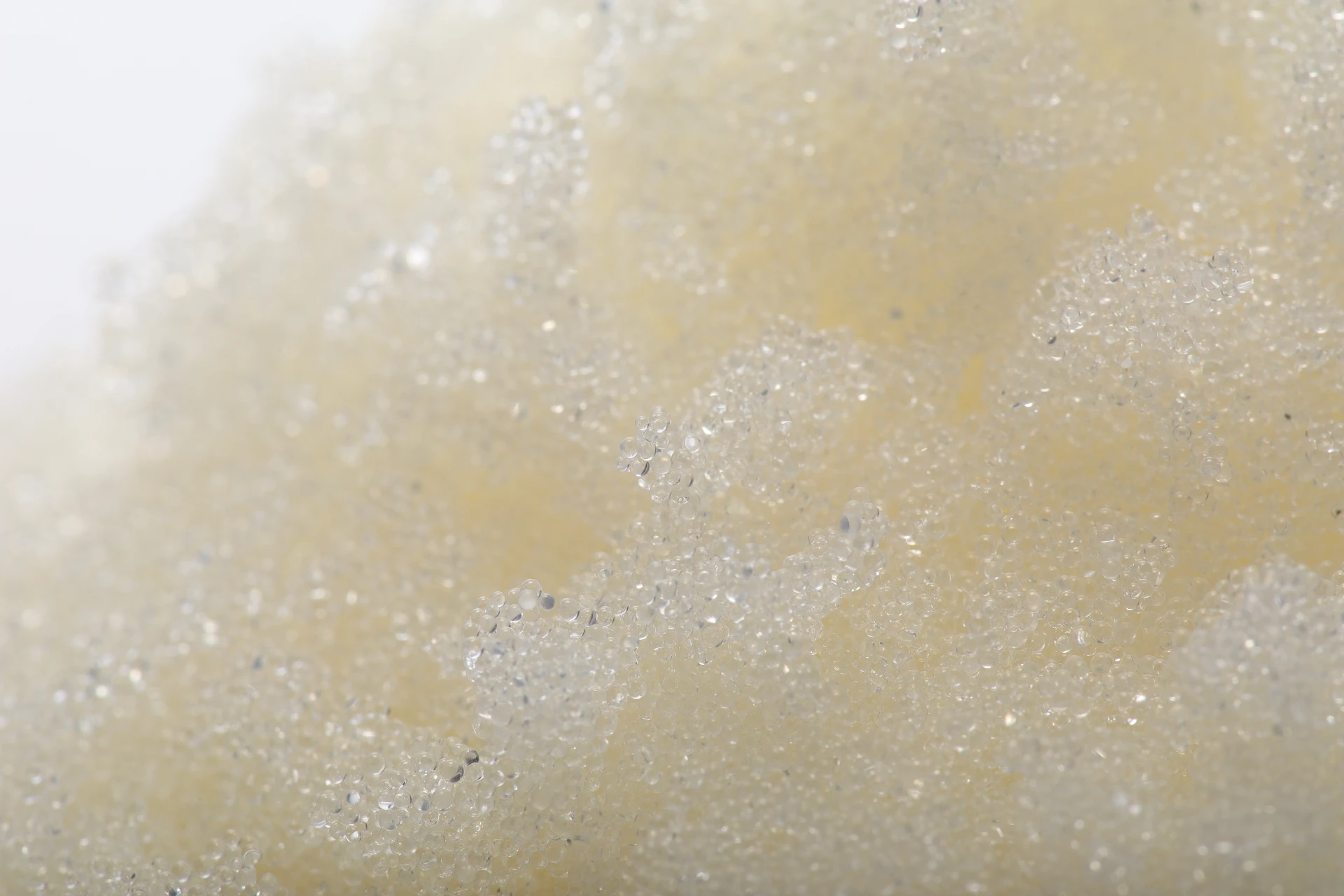
Evolution of Ion Exchange Technology in North America

From basic softening to high-selectivity molecular engineering.

Market Development History

In the mid-20th century, the US industry relied primarily on generic softening resins. The primary goal was simple scale prevention in boilers and cooling towers, utilizing basic cation and anion exchange mechanisms.

Between 1990 and 2010, the trajectory shifted toward high-purity requirements. The rise of the semiconductor industry in Silicon Valley drove the adoption of mixed bed di resin to achieve the resistivity levels required for wafer fabrication.

From 2015 to the present, the focus has evolved into "Smart Synthesis." Modern resins now feature functional groups tailored for specific ionic radii, allowing for the surgical removal of toxic heavy metals from industrial effluents.

Future Development Trends

Biodegradable Polymer Matrices

Research is pivoting toward sustainable substrates to reduce the environmental footprint of resin disposal in US landfills.

AI-Driven Resin Selection

Integration of machine learning to predict resin exhaustion rates based on real-time sensor data from US municipal water grids.

Nano-Composite Integration

Combining ion exchange properties with nano-porous structures to increase the exchange capacity per cubic meter of the bed resin.

Industry Trends and Future Outlook

Strategic projections for the synthetic material sector in the US.

Green Chemistry Synthesis
Transitioning to solvent-free polymerization processes to align with US sustainability goals.
Selective Ion Recovery
Development of resins that target rare earth elements essential for US energy independence.
Digital Twin Monitoring
Creating virtual models of resin beds to optimize regeneration cycles and reduce chemical waste.
Hyper-Pure Standards
Advancing mixed bed di resin to achieve PPT-level purity for quantum computing labs.

Industry Outlook

Based on Google search trends, there is a significant increase in queries related to "selective ion exchange" and "sustainable water treatment" within the United States. This indicates a market pivot from general water softening to precision contaminant removal.

The next 3-5 years will likely see a convergence of material science and IoT, where resin performance is monitored in real-time, leading to a "Resin-as-a-Service" model for large US industrial parks.

Localized Application Scenarios in the United States

Tailored resin applications for diverse US industrial environments.

01. Semiconductor Fabrication in Arizona/Texas

Using ultra-high purity mixed bed di resin to produce ultrapure water (UPW) for wafer cleaning, ensuring zero ionic contamination in microchip production.

02. Pharmaceutical Manufacturing in New Jersey

Implementing special resin for the purification of active pharmaceutical ingredients (APIs) and the removal of organic impurities from injectable solutions.

03. Mining and Mineral Recovery in Nevada

Deploying high-selectivity chelating resin to recover lithium and other critical minerals from brine deposits, supporting the US EV battery supply chain.

04. Municipal Water Treatment in Florida

Utilizing specialized ion exchange resin to remove nitrates and arsenic from groundwater sources to comply with state health standards.

05. Power Plant Cooling Systems in the Rust Belt

Using heavy-duty bed resin to prevent scale buildup and corrosion in high-pressure steam generators for energy plants.

Brand Story

Global Development History of Hebei Lijian Biological Technology Co., Ltd.

Foundational Excellence

Established with a focus on high-polymer chemistry, we began by solving basic water purification challenges with rigorous quality control.

Technological Breakthrough

Developed proprietary synthesis methods for chelating resins, enabling the selective removal of heavy metals in complex industrial streams.

Global Market Expansion

Extended our footprint into North America, adapting our product lines to meet US EPA and FDA standards for industrial and pharmaceutical use.

Innovation Leadership

Invested in R&D to create specialized resins for the semiconductor and green energy sectors, focusing on extreme purity and durability.

Commitment to Sustainability

Now leading the way in eco-friendly resin manufacturing, aiming to reduce the chemical footprint of global water treatment.

Complete Resin Portfolio for the US Market

A comprehensive range of synthetic materials designed for North American industrial specifications.

Common Questions on US Resin Applications

Expert answers to technical queries regarding ion exchange systems.

How to choose the right chelating resin for heavy metal removal in US wastewater?

Selection depends on the target ion (e.g., Cu, Ni, Zn) and the background salinity. We recommend analyzing the water chemistry to determine whether an iminodiacetic acid or aminophosphonic group is most effective.

What is the typical lifespan of a mixed bed di resin in pharmaceutical applications?

Lifespan varies based on influent quality and regeneration frequency. In US pharma plants, high-grade resins typically last 3-5 years if pre-filtration and proper regeneration protocols are maintained.

Can special resin be used for PFAS removal in North American groundwater?

Yes, specialized anion exchange resins are specifically engineered to target the carbon-fluorine bonds of PFAS, providing a highly effective solution for municipal water remediation.

How does bed resin compaction affect flow rates in large-scale industrial systems?

Excessive compaction increases pressure drop and can lead to channeling. Proper initial loading and optimized backwash cycles are critical to maintaining uniform flow and exchange efficiency.

What are the regeneration requirements for ion exchange resin used in power plants?

Regeneration typically involves strong acids (HCl or H2SO4) for cation resins and strong bases (NaOH) for anion resins, following specific US safety and environmental disposal guidelines.

Which ion exchange resin is best for softening hard water in the US Midwest?

Strong acid cation resins in the sodium form are the industry standard for removing calcium and magnesium ions commonly found in Midwest groundwater.

Consult Our Resin Experts

Ready to optimize your water treatment process in the United States? Our technical team is available for custom material selection and system auditing.

Contact Us Now

If you are interested in our products, you can choose to leave your information here, and we will be in touch with you shortly.