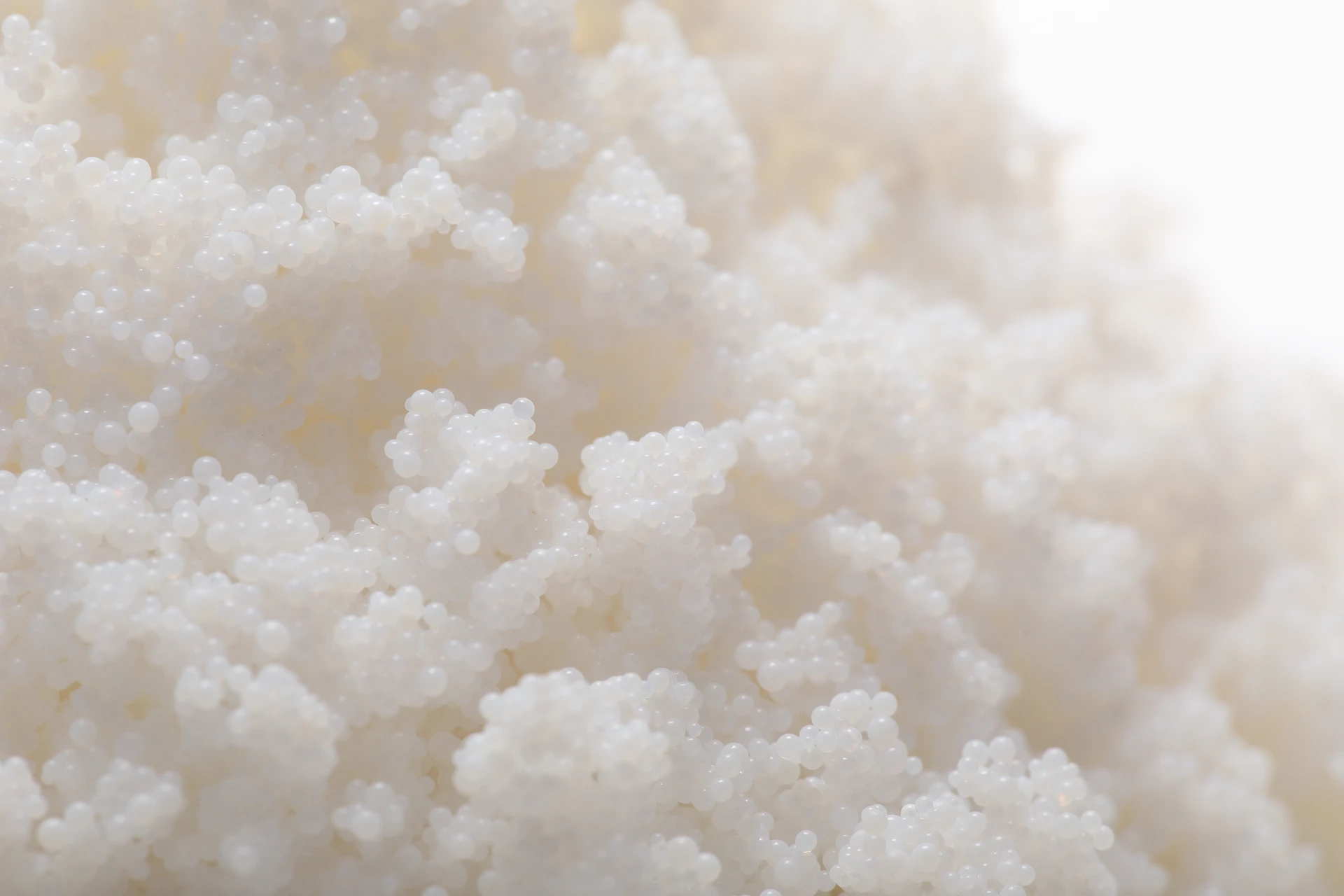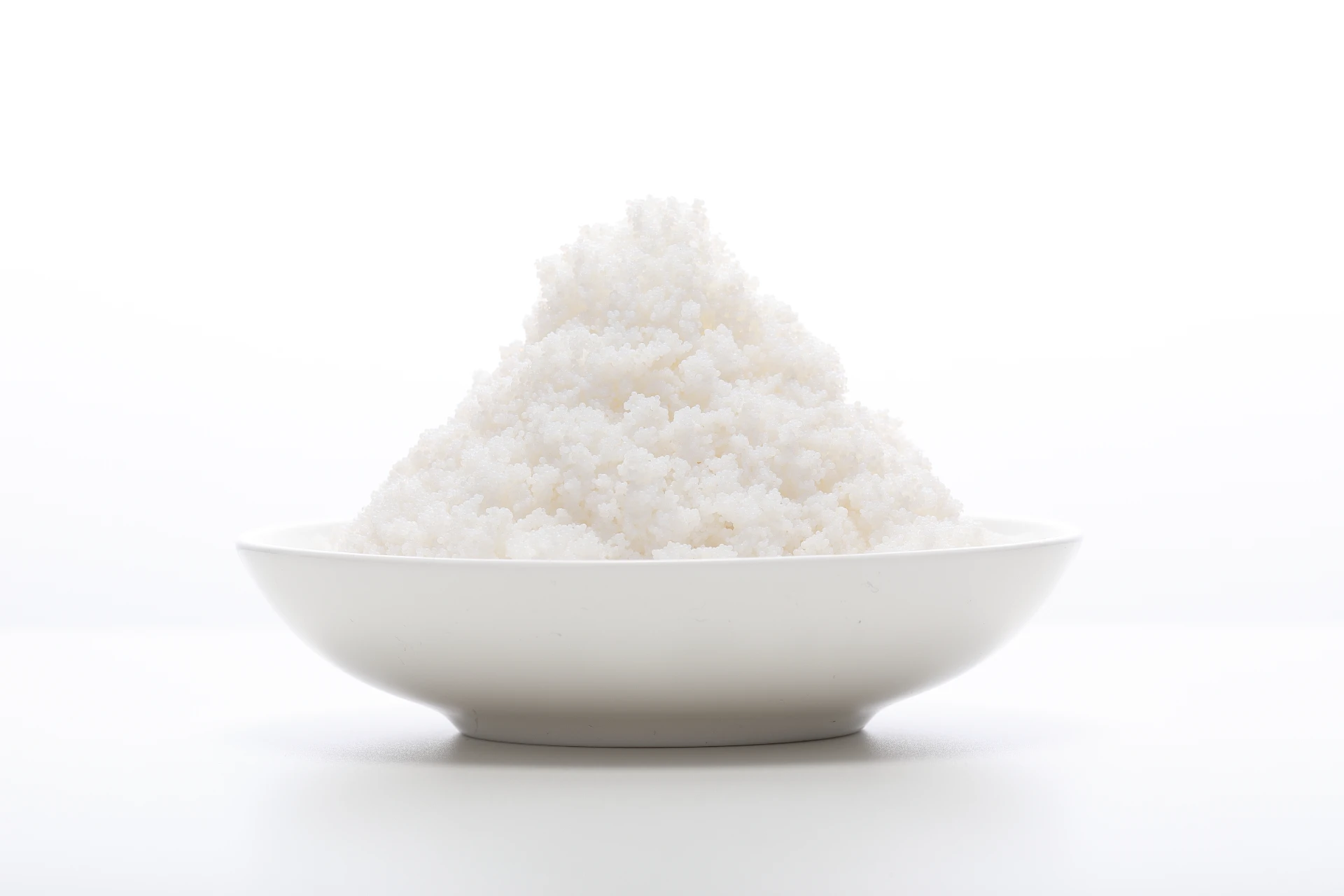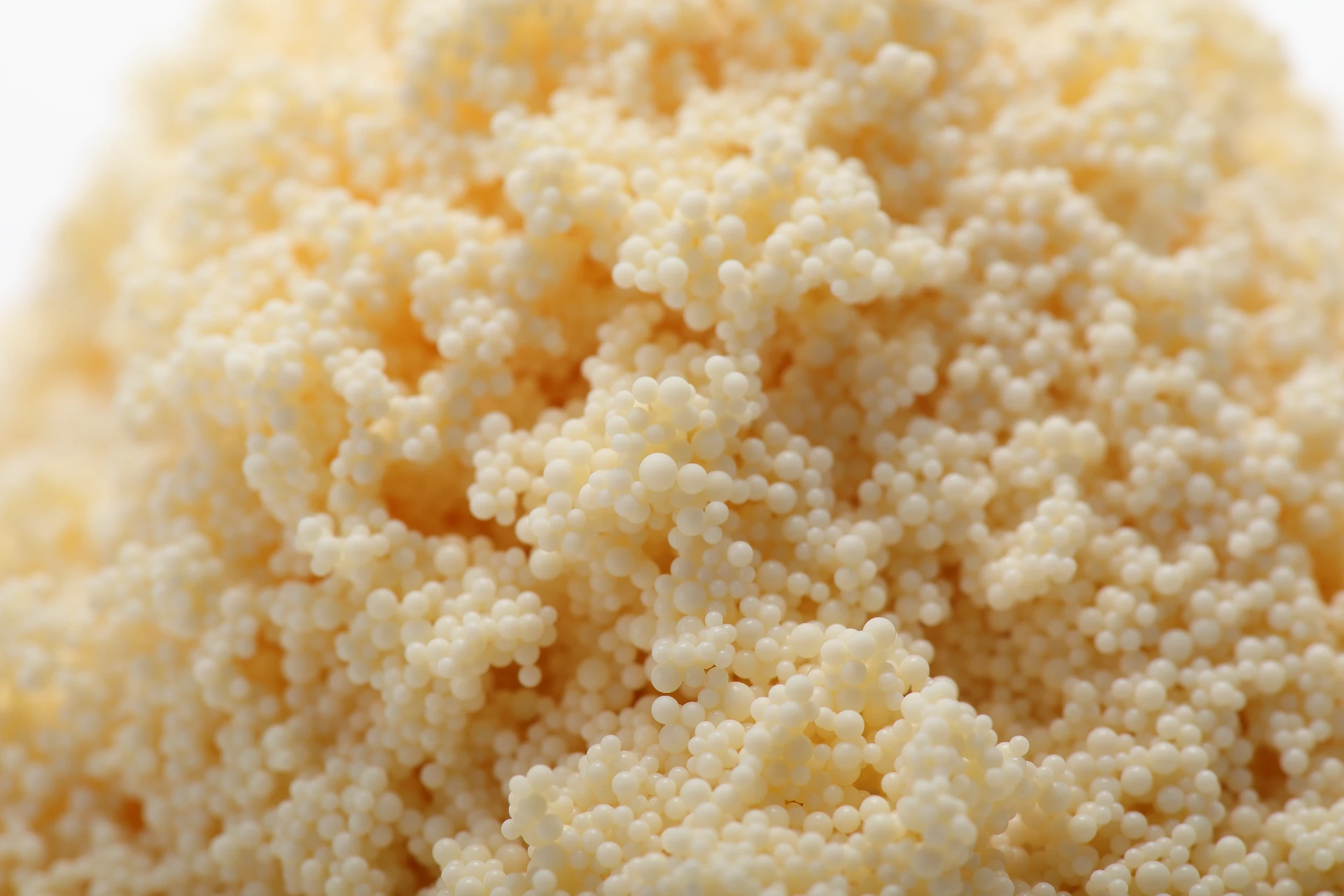
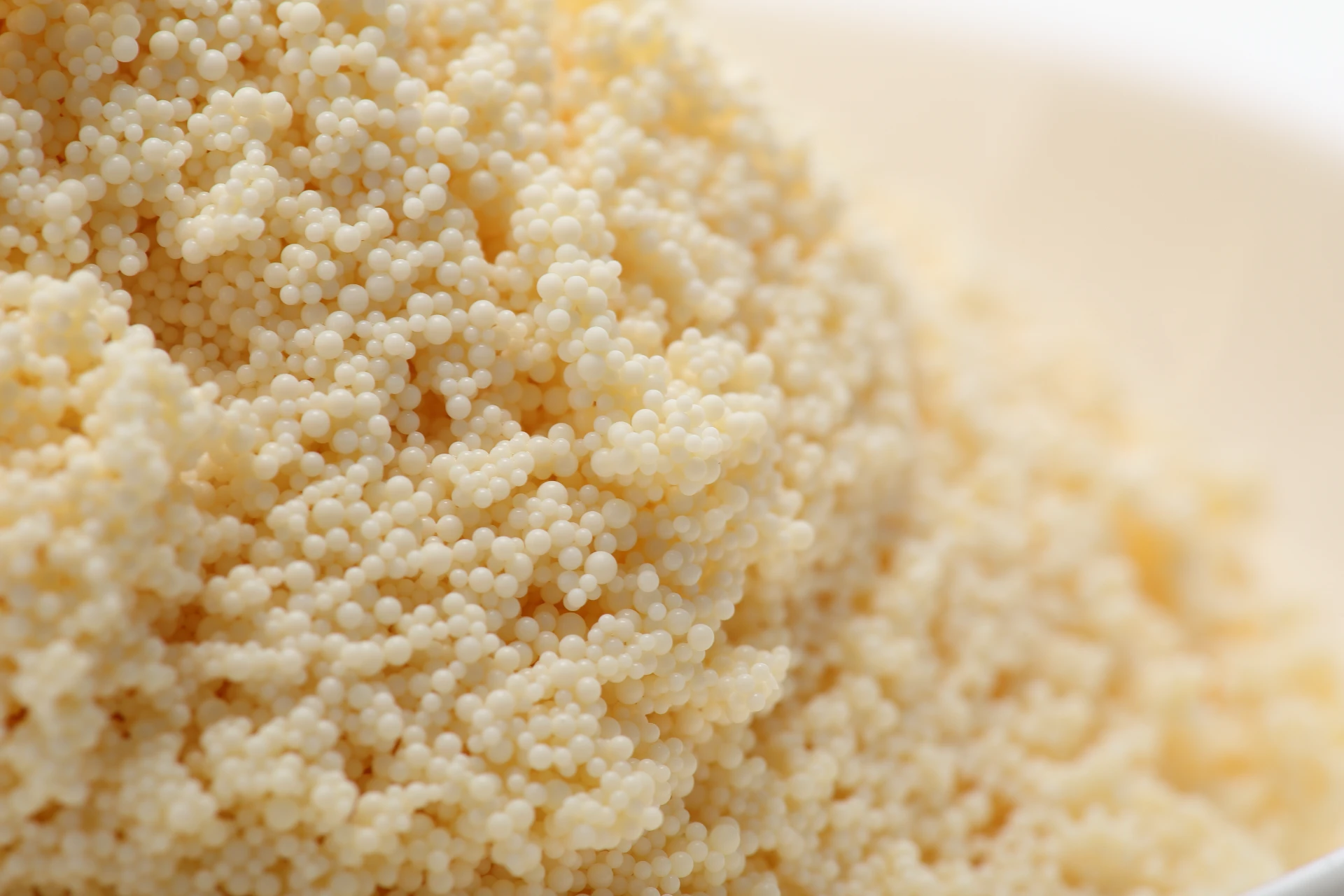
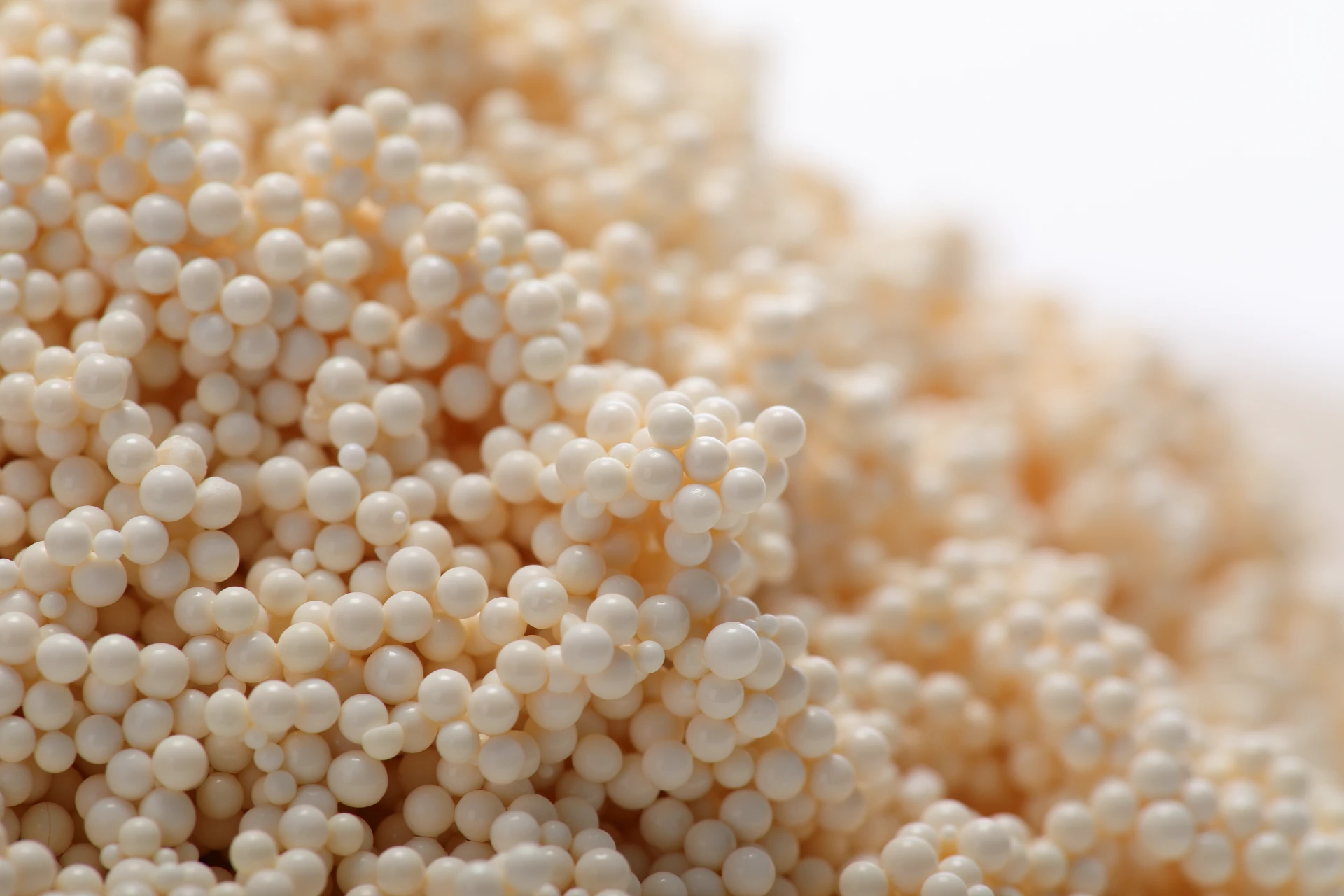
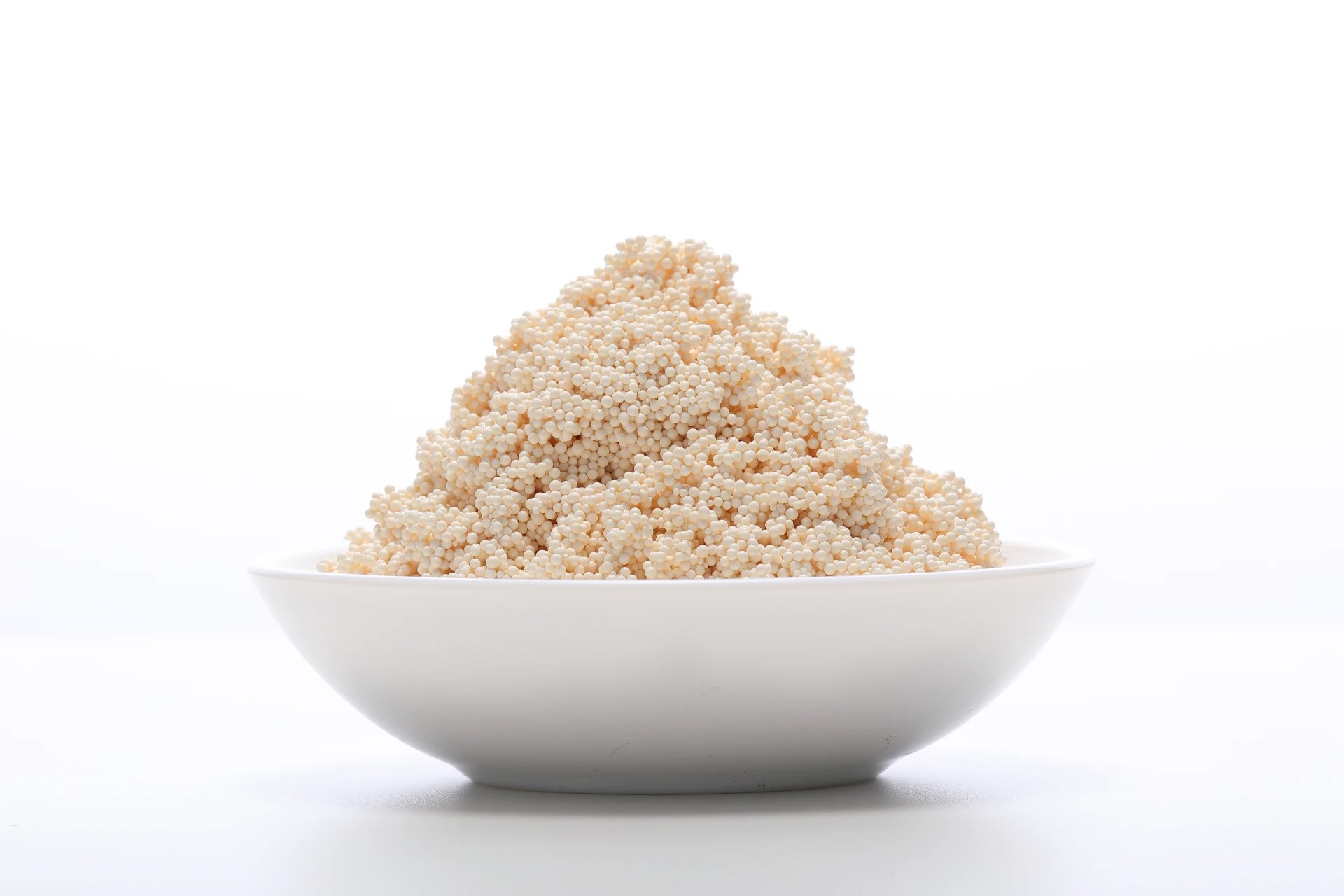
Advanced chelating resin Solutions for Yemen Industrial Water Treatment

High-performance synthetic materials engineered to tackle extreme salinity and heavy metal contamination in the Middle Eastern chemical and mining sectors.

Advanced chelating resin Solutions for Yemen Industrial Water Treatment

Providing Yemen's chemical and manufacturing industries with state-of-the-art synthetic material technologies to achieve ultra-pure water and precise mineral recovery.

Current State of Resin Application in Yemen

Analyzing the intersection of water scarcity and chemical manufacturing needs in the region.

In Yemen, the manufacturing sector faces severe challenges due to highly saline groundwater and an arid climate. The reliance on ion exchange resin has become critical for desalination and the purification of process water used in chemical synthesis, ensuring that raw materials are not contaminated by local mineral impurities.

Economic instability and logistical constraints have historically led to the use of outdated filtration systems. However, there is a growing demand for special resin grades that can withstand high temperature fluctuations and aggressive chemical environments typical of Yemen's industrial zones.

Current operations are transitioning from simple softening to complex purification. The adoption of mixed bed di resin is increasing in pharmaceutical and specialized chemical plants to meet international quality standards for distilled water.
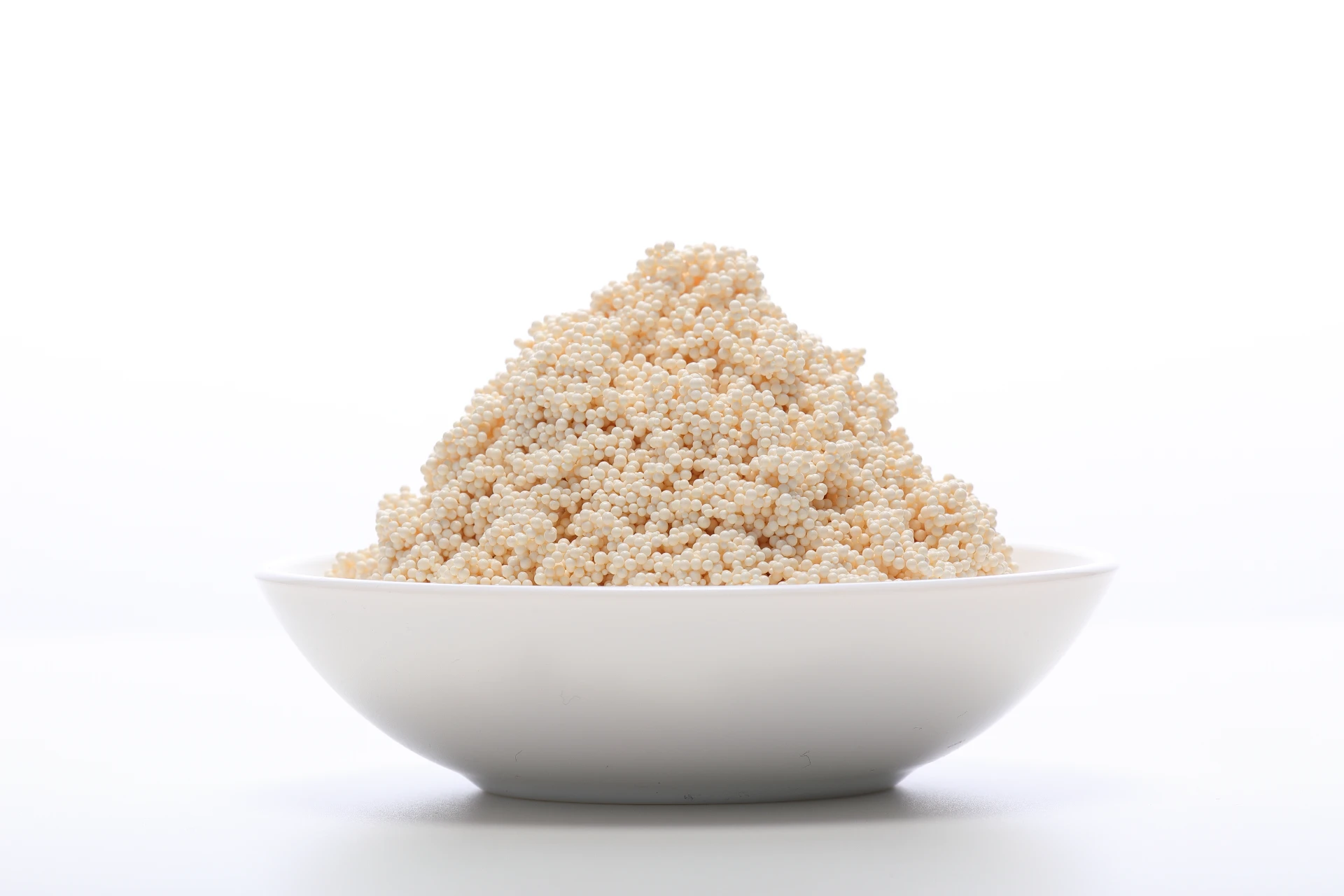
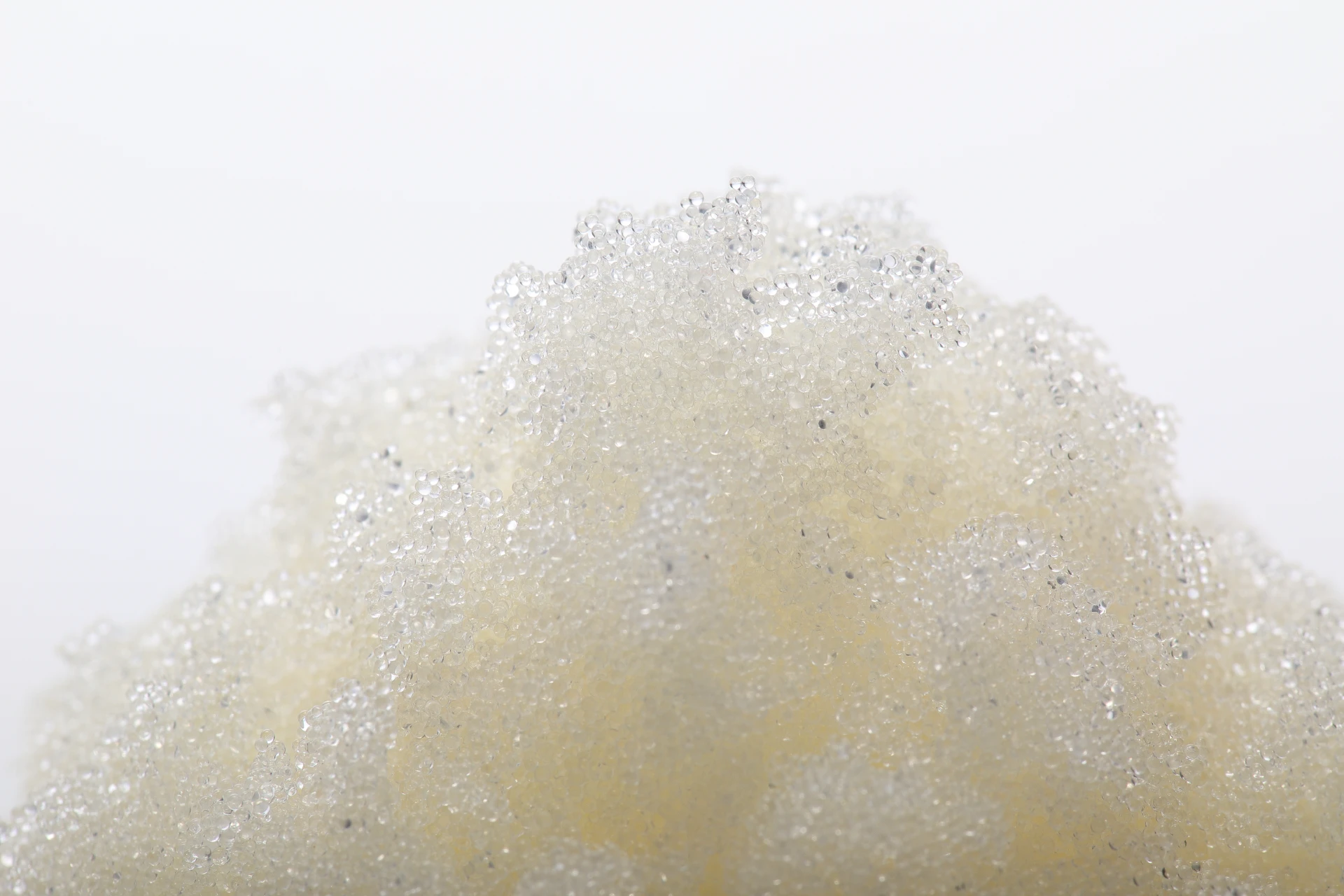
Evolution and Technical Trajectory

From basic softening to high-selectivity ion capture.

Market Development History

During the early 2000s, the Yemeni market relied primarily on basic strong acid cation resins for simple hardness removal, focusing on basic boiler feed water treatment.

Between 2010 and 2020, the shift toward "selectivity" began. The introduction of advanced bed resin configurations allowed industries to target specific contaminants like boron and nitrates, which are prevalent in local groundwater.

Currently, the market has entered the era of high-efficiency specialty materials, where the focus is on minimizing regenerant waste and maximizing the life cycle of the synthetic media to reduce operational costs.

Future Development Trends

Eco-Friendly Regeneration

Transitioning toward biodegradable regenerants to reduce the environmental impact on Yemen's fragile ecosystem.

High-Temperature Stability

Development of polymers capable of operating at temperatures exceeding 80°C for direct industrial waste heat recovery processes.

Smart Monitoring Integration

Integrating IoT sensors with resin beds to predict breakthrough points and optimize regeneration cycles in real-time.

Industry Trends and Future Outlook

Strategic forecasting for synthetic material applications in the chemical sector.

Selective Metal Recovery
Increasing focus on recovering precious metals from industrial streams using high-affinity chelating agents.
Ultra-Low Conductivity
Shift towards mixed-bed systems to achieve ppb-level conductivity for semiconductor-grade chemicals.
Water Loop Closure
Implementing ZLD (Zero Liquid Discharge) systems powered by advanced resin regeneration.
Resistant Polymers
Development of resins with higher resistance to oxidative fouling and organic contamination.

Industry Outlook

Based on global search trends and industrialization paths in similar arid regions, Yemen is expected to see a 15% annual increase in the demand for high-selectivity resin media over the next 3-5 years. The focus will shift from bulk water treatment to high-precision chemical purification.

We anticipate a surge in the deployment of modular ion-exchange units that can be easily transported and scaled, catering to the fragmented industrial landscape of the country while ensuring high-purity output.

Localized Application Scenarios in Yemen

Practical implementations of resin technology in regional industrial contexts.

1. Brine Treatment for Coastal Chemical Plants

Utilizing chelating resin to remove heavy metal impurities from seawater before it enters the synthesis chain, preventing catalyst poisoning.

2. Pharmaceutical Grade Water Production

Deploying mixed bed di resin in Sana'a-based medical labs to ensure water exceeds pharmacopeia standards for injectable medications.

3. Agricultural Mineral Extraction

Using special resin to capture trace micronutrients from industrial runoff, turning waste into usable agricultural fertilizers.

4. Boiler Feed Water Softening

Standardizing bed resin systems for power generation units to prevent scale buildup in extreme heat conditions.

5. Industrial Wastewater Remediation

Implementation of ion exchange resin columns to remove toxic chrome and nickel from textile and tanning chemical runoff.

Brand Story

Global Development Journey of Hebei Lijian Biological Technology Co., Ltd.

Foundation and Vision

Established with a mission to solve the global crisis of industrial water purity through polymer science innovation.

R&D Breakthroughs

Developed proprietary cross-linking techniques that increased resin longevity by 30% in harsh environments.

Global Expansion

Expanded operations to the Middle East, tailoring synthetic materials for high-salinity regions like Yemen.

Quality Certification

Achieved international ISO and FDA compliance, ensuring our resins are safe for pharmaceutical and food-grade use.

Sustainable Future

Currently leading the shift toward biodegradable resin matrices to eliminate plastic waste in water treatment.

Complete Resin Portfolio for the Yemen Market

A comprehensive range of synthetic media designed for maximum efficiency in arid climates.

Yemen Resin Application FAQ

Expert answers to common technical challenges in the region.

How to prevent fouling in ion exchange resin in Yemen's high-salinity water?

Implementing a robust pre-filtration system and utilizing specific resin grades with larger pore structures can minimize organic fouling and extend the life of the media.

What is the best chelating resin for removing copper from industrial waste?

Iminodiacetic acid functionalized resins are highly recommended for their superior selectivity towards divalent metal ions like copper and nickel.

Can mixed bed di resin be regenerated on-site in remote Yemeni locations?

Yes, provided that high-purity HCl and NaOH are available. We provide modular regeneration kits designed for low-infrastructure environments.

How does temperature affect the performance of special resin in the desert?

Excessive heat can degrade polymer matrices. We recommend using thermally stable resins specifically rated for high-temperature industrial processes.

What is the typical lifespan of a bed resin in a desalination plant?

Depending on the water quality and regeneration frequency, our industrial grade resins typically last between 3 to 7 years.

Which resin is most effective for nitrate removal from Yemen's groundwater?

Strong base anion resins with a nitrate-selective functional group are the most efficient for reducing nitrate levels to potable standards.

Get Expert Resin Consultation

Optimize your industrial water treatment today with customized synthetic material solutions for Yemen.

Contact Us Now

If you are interested in our products, you can choose to leave your information here, and we will be in touch with you shortly.