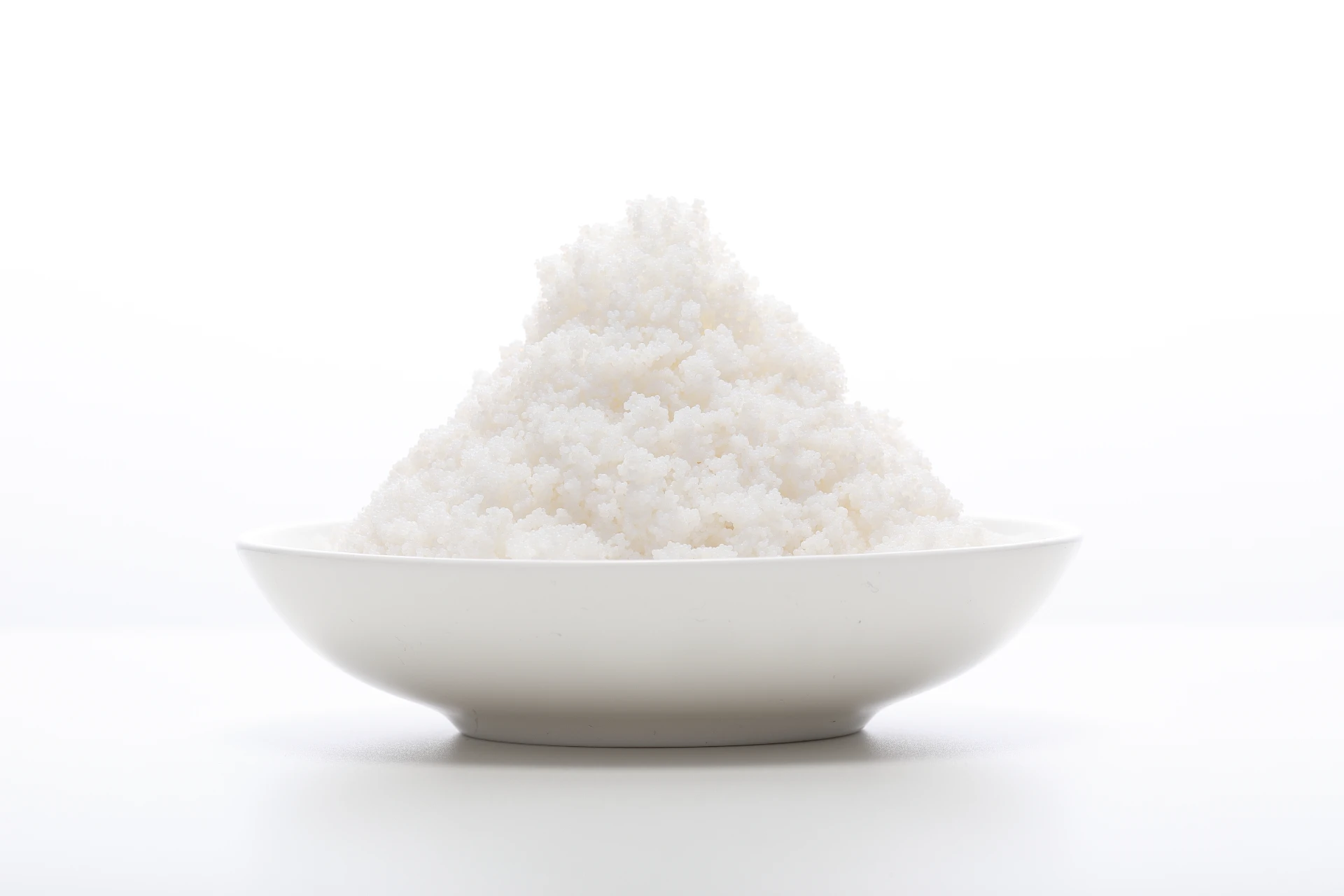
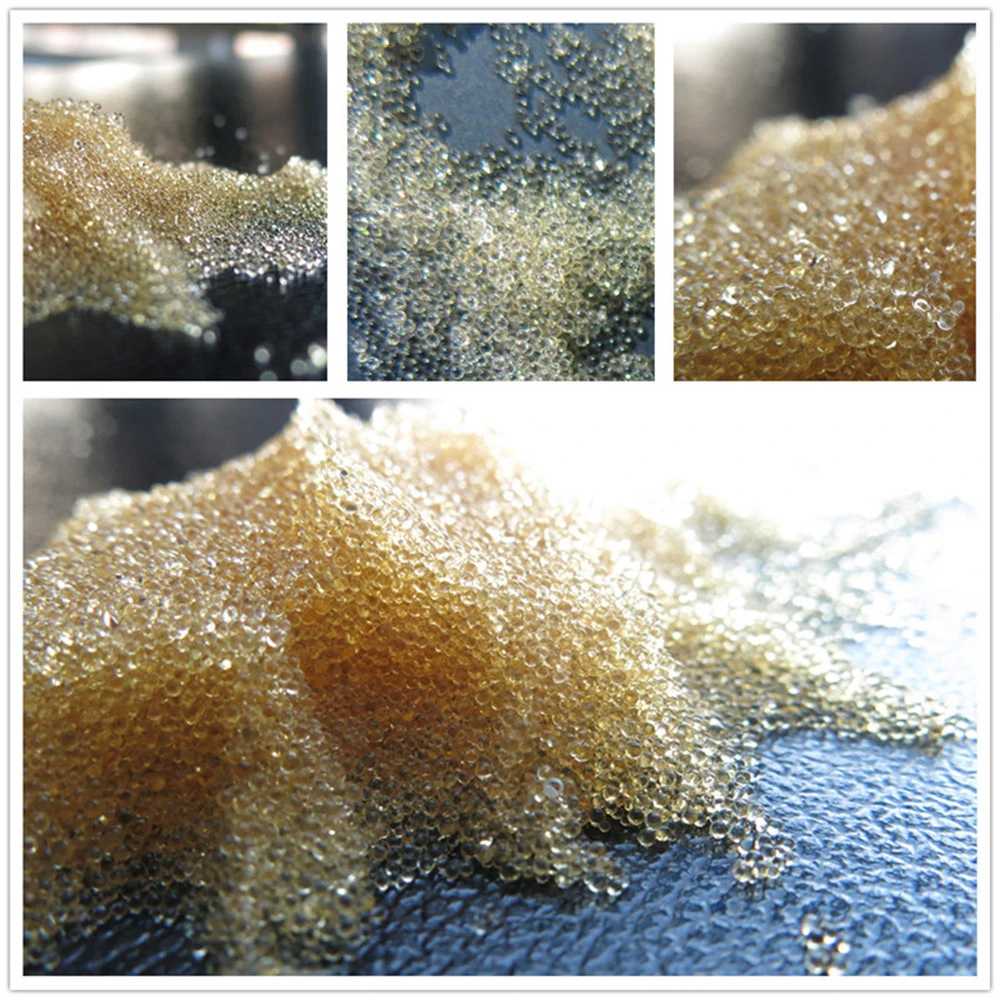
Advanced Water Purification Solutions with chelating resin in Nigeria

Providing high-performance synthetic materials to tackle complex industrial water challenges and mineral extraction across the Nigerian landscape.

Advanced Water Purification Solutions with chelating resin in Nigeria

Our comprehensive range of high-capacity resins is designed to optimize chemical processing, power generation, and pharmaceutical water standards in Nigeria's rapidly growing industrial hubs.

The Current State of Resin Application in Nigeria

Analyzing the intersection of environmental challenges and industrial demand for ion exchange materials.

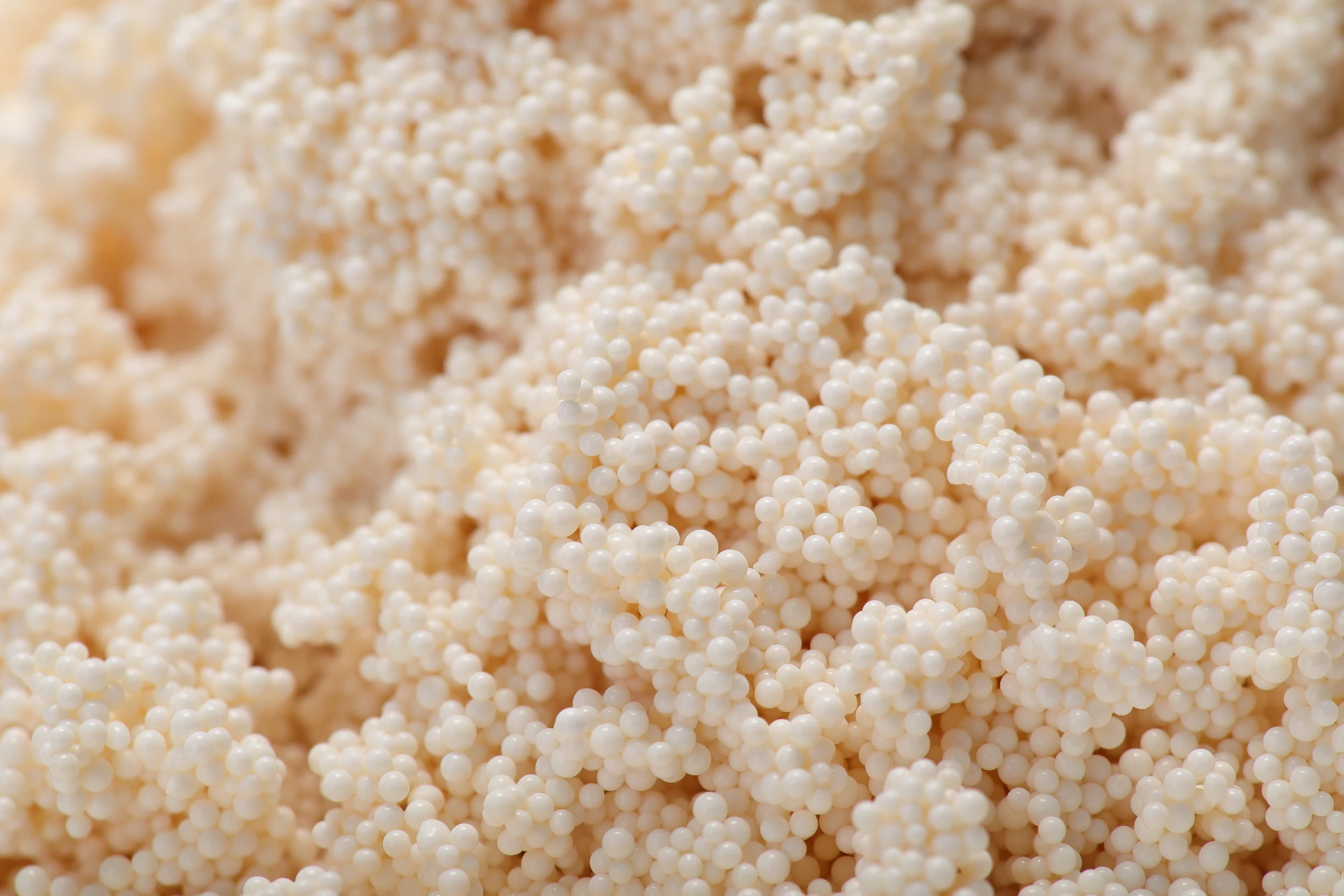
In Nigeria, the industrial sector faces significant challenges due to high groundwater mineralization and fluctuating water quality. The reliance on ion exchange resin has become critical for the food and beverage industry in Lagos and Kano, where removing hardness and impurities is essential for product consistency.

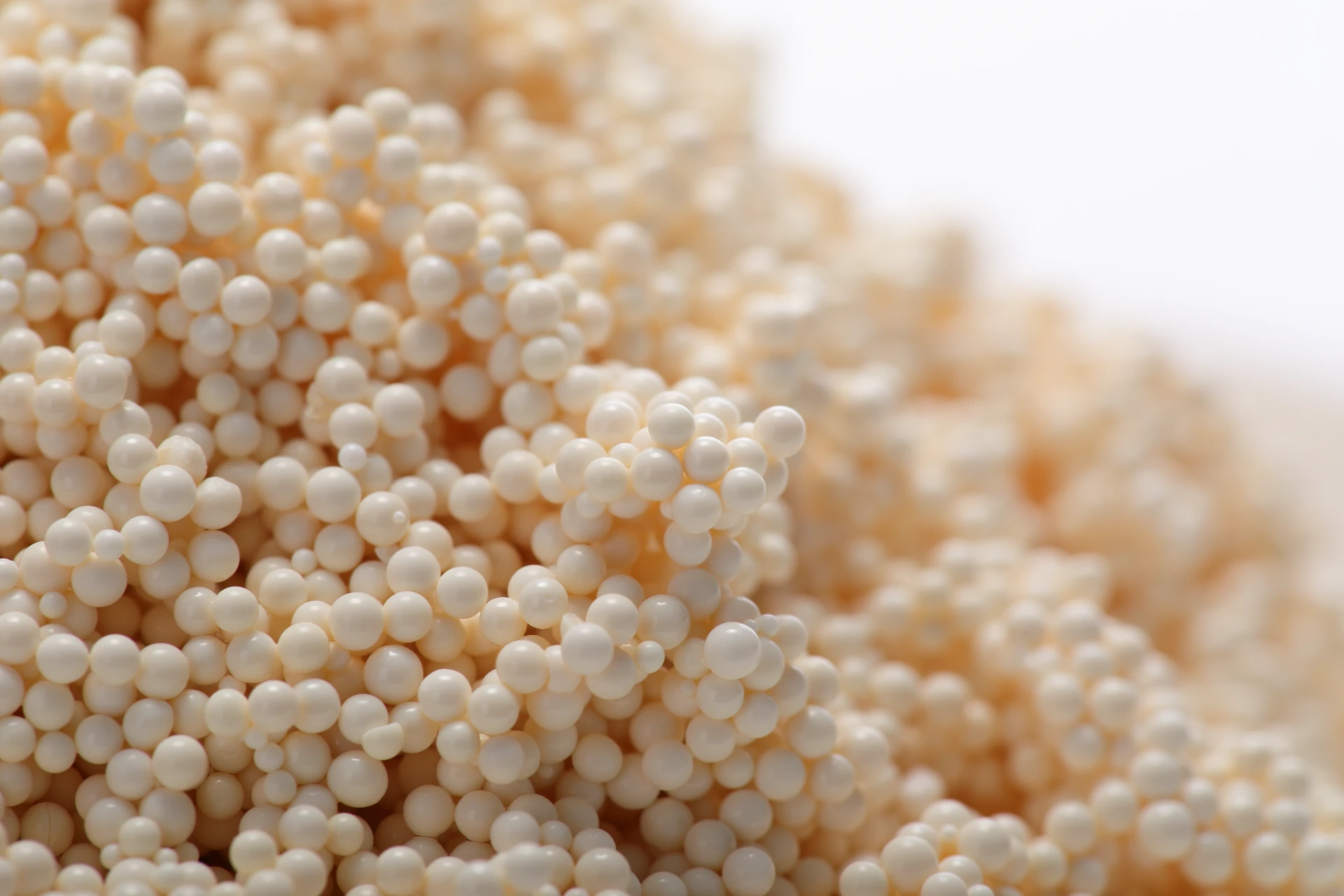
Furthermore, the oil and gas sectors in the Niger Delta region demand robust materials for catalyst recovery and brine treatment. The extreme humidity and tropical climate of Nigeria accelerate the degradation of low-grade resins, driving a market shift toward high-stability bed resin options that can withstand frequent regeneration cycles.

Currently, there is a growing gap between the availability of basic resins and the need for highly specific materials. As Nigerian industries move toward stricter environmental regulations, the adoption of specialized materials for heavy metal removal is increasing to prevent groundwater contamination.
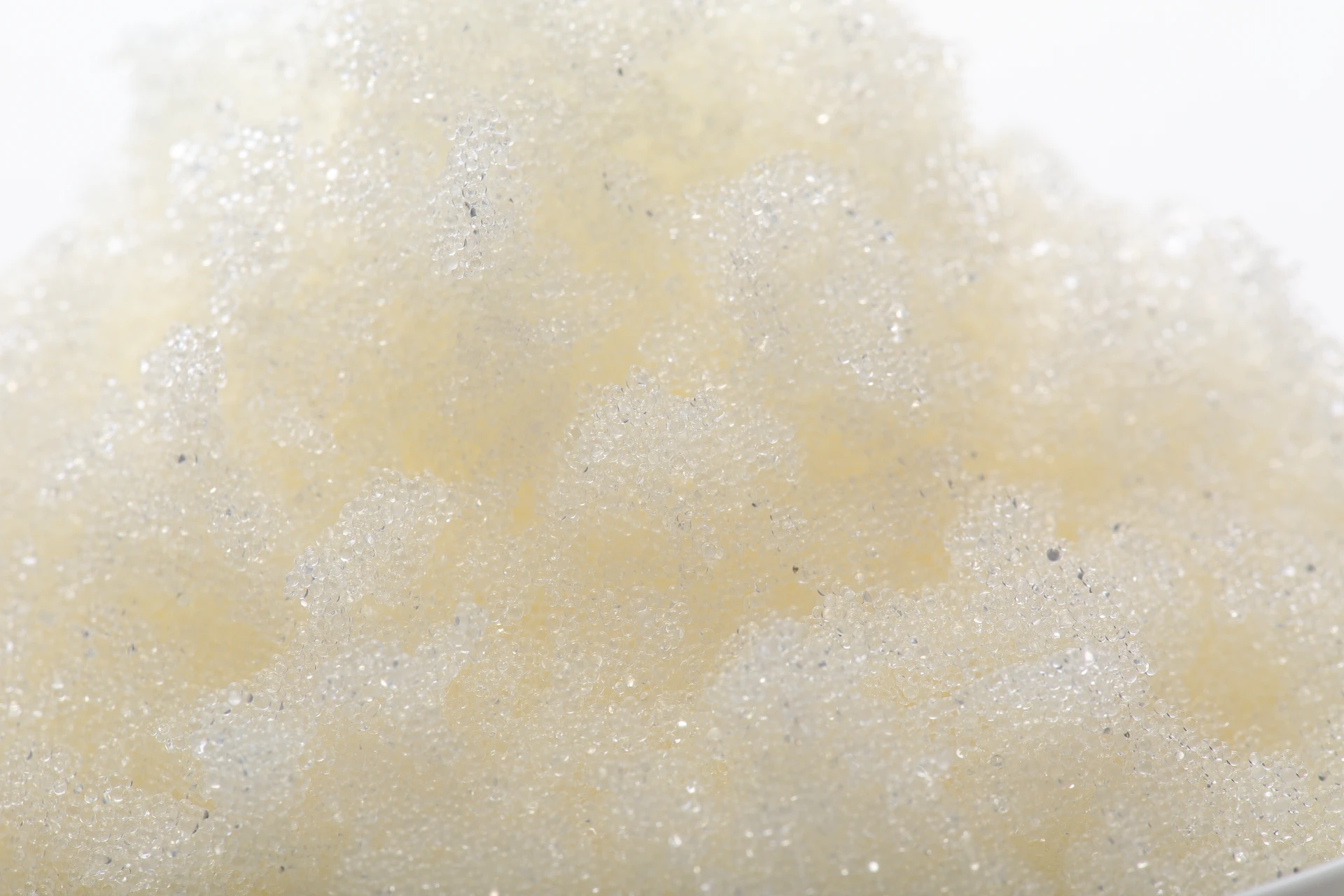
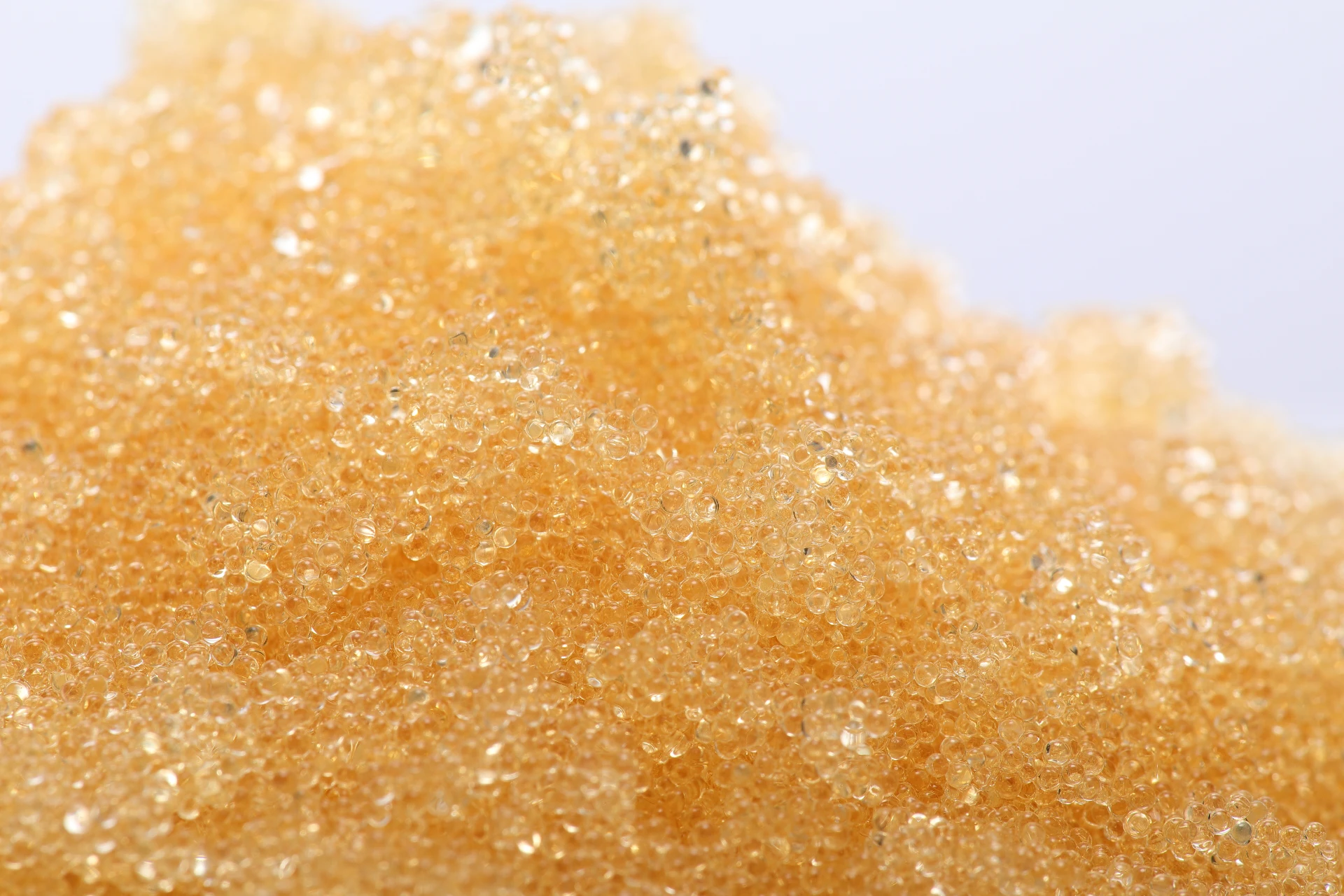
Evolution of Resin Technology in Nigerian Industry

From basic softening to advanced selective ion separation.

Market Development History

In the early 2000s, the Nigerian market primarily utilized basic strong acid cation resins for simple water softening in residential and small-scale commercial settings, focusing mainly on calcium and magnesium removal.

Between 2010 and 2020, the industrialization of the manufacturing sector led to the introduction of mixed bed di resin systems. This shift allowed power plants and pharmaceutical labs to achieve the ultra-pure water standards required for boiler feed and injectable medications.

Recently, the focus has shifted toward sustainability and precision. The integration of special resin grades has enabled the local mining sector to recover precious metals more efficiently, reducing chemical waste.

Future Development Trends

AI-Driven Regeneration Cycles

Integration of smart sensors to monitor resin exhaustion in real-time, reducing chemical consumption during regeneration in Nigerian factories.

Eco-Friendly Bio-Based Resins

A transition toward sustainable synthetic materials to reduce the carbon footprint of chemical manufacturing plants in Africa.

Advanced Heavy Metal Selectivity

Increasing demand for resins capable of targeting specific contaminants found in Nigerian industrial effluents, such as lead and cadmium.

Industry Outlook and Technological Trajectory

Predicting the next 5 years of synthetic material advancement in the region.

High-Selectivity Focus
Growth in demand for resins that target specific ions in complex industrial wastewater.
Operational Efficiency
Optimization of resin bed depth and flow rates to reduce pressure drops in large plants.
Water scarcity adaptation
Development of resins capable of treating highly saline brackish water for agricultural use.
Regulatory Compliance
Alignment with Nigerian Environmental Standards (NESREA) for effluent discharge.

Industry Outlook

Google search trends in the region indicate a sharp increase in queries related to "industrial water purification" and "heavy metal removal," suggesting that Nigerian businesses are moving away from generic filters toward specialized ion exchange systems.

We expect the market to see a surge in the deployment of integrated resin systems that combine softening and demineralization, reducing the footprint of water treatment plants in crowded urban industrial zones like Lagos.

Localized Application Scenarios in Nigeria

Practical implementations of resin technology across diverse Nigerian sectors.

1. Niger Delta Oil Refinery Wastewater

Utilizing chelating resin to remove trace heavy metals and catalyst residues from refining effluents, ensuring compliance with environmental laws.

2. Lagos Pharmaceutical Water Systems

Implementing mixed bed di resin to produce USP-grade purified water for drug formulation and sterile injectable manufacturing.

3. Kano Textile Dyeing Effluent Treatment

Applying high-capacity ion exchange materials to recover dyes and remove salts from textile wastewater, enabling water recycling in water-stressed areas.

4. Abuja Beverage Bottling Plants

Using specialized bed resin to ensure consistent mineral profiles in bottled water and soft drinks, removing unwanted organics and odor.

5. Nigerian Gold and Lithium Mining

Deploying special resin for the selective adsorption of precious metals from leach liquors, maximizing recovery rates in local mines.

Brand Story

Global Development Journey of Hebei Lijia Biological Technology Co., Ltd.

Foundational Excellence

Established with a commitment to chemical purity, focusing on the R&D of high-polymer materials for water treatment.

Technological Breakthrough

Developed proprietary synthesis methods to improve the exchange capacity and mechanical strength of ion exchange materials.

Global Market Expansion

Expanded distribution networks to Africa and Asia, tailoring resin products to local water chemistry and industrial needs.

Sustainability Leadership

Launched a series of eco-friendly resins designed to reduce the chemical footprint of industrial regeneration processes.

Industrial Solutions Partner

Transformed from a product manufacturer to a solution provider, solving critical water purity pain points globally.

Complete Resin Portfolio for the Nigerian Market

A comprehensive suite of synthetic materials engineered for Africa's unique industrial requirements.

Frequently Asked Questions for Resin Users in Nigeria

Expert answers to common technical and operational queries.

How to choose the right ion exchange resin for Nigerian groundwater?

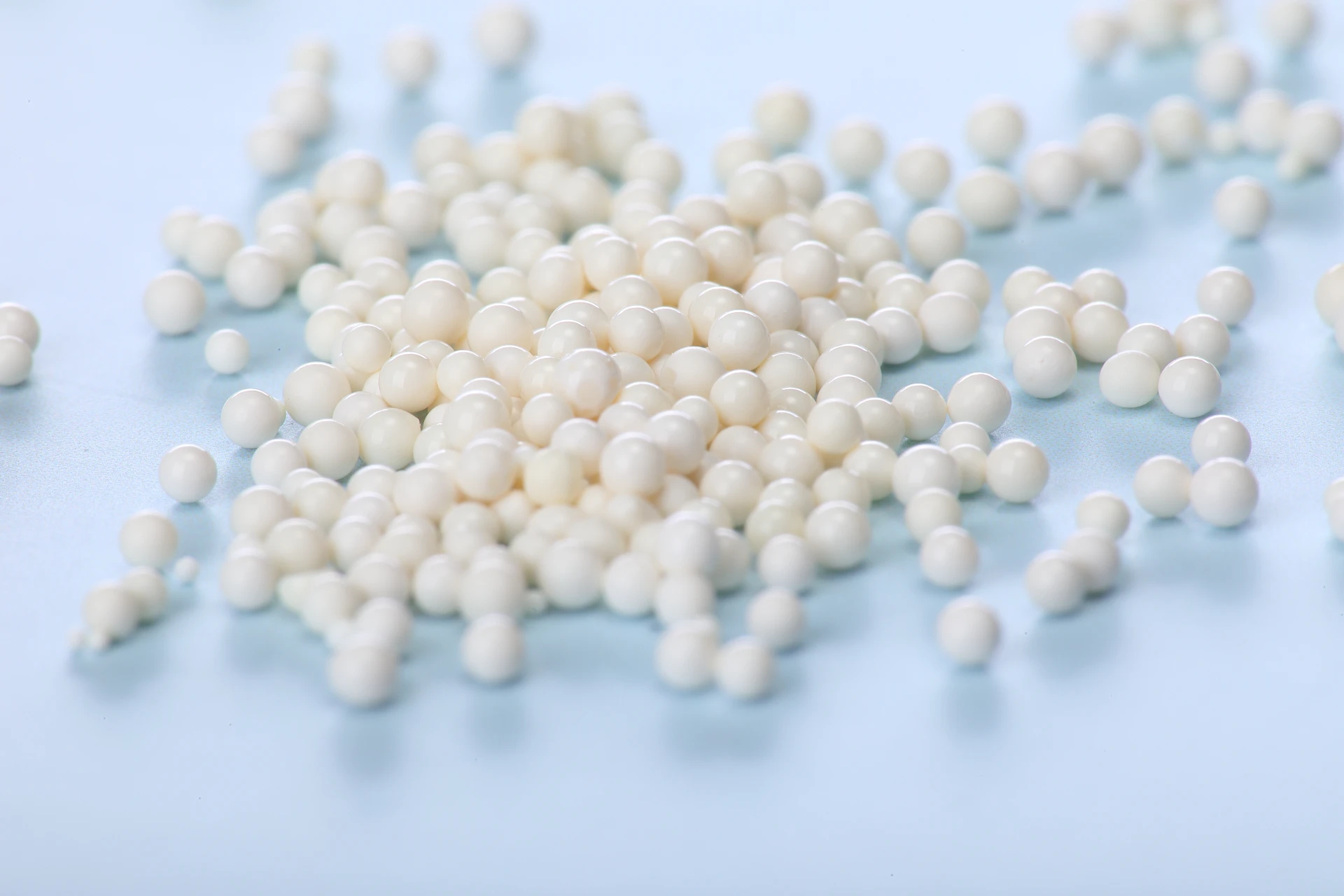
Selection depends on a water analysis report. For high hardness, a strong acid cation resin is best; for heavy metal contamination, a chelating resin is recommended.

What is the typical lifespan of a mixed bed di resin in industrial use?

Depending on the organic load and regeneration quality, a mixed bed resin typically lasts 3-5 years before capacity drops significantly.

Can chelating resin remove lead and copper from industrial waste?

Yes, chelating resins are specifically designed with functional groups that have high affinity for divalent heavy metal ions, making them ideal for lead and copper removal.

How does high temperature in Nigeria affect bed resin stability?

High temperatures can accelerate resin degradation. We provide thermally stable grades that maintain structural integrity even in hot tropical climates.

What is the difference between special resin and standard resins?

Standard resins target general ions (Ca, Mg), while special resins are engineered for specific molecules, such as nitrate removal or precious metal recovery.

How often should I regenerate my resin system?

Regeneration frequency depends on the total dissolved solids (TDS) of the influent water and the total exchange capacity of the resin volume used.

Request a Technical Consultation

Our engineers are ready to help you optimize your water treatment systems in Nigeria with the most efficient resin technology.

Contact Us Now

If you are interested in our products, you can choose to leave your information here, and we will be in touch with you shortly.