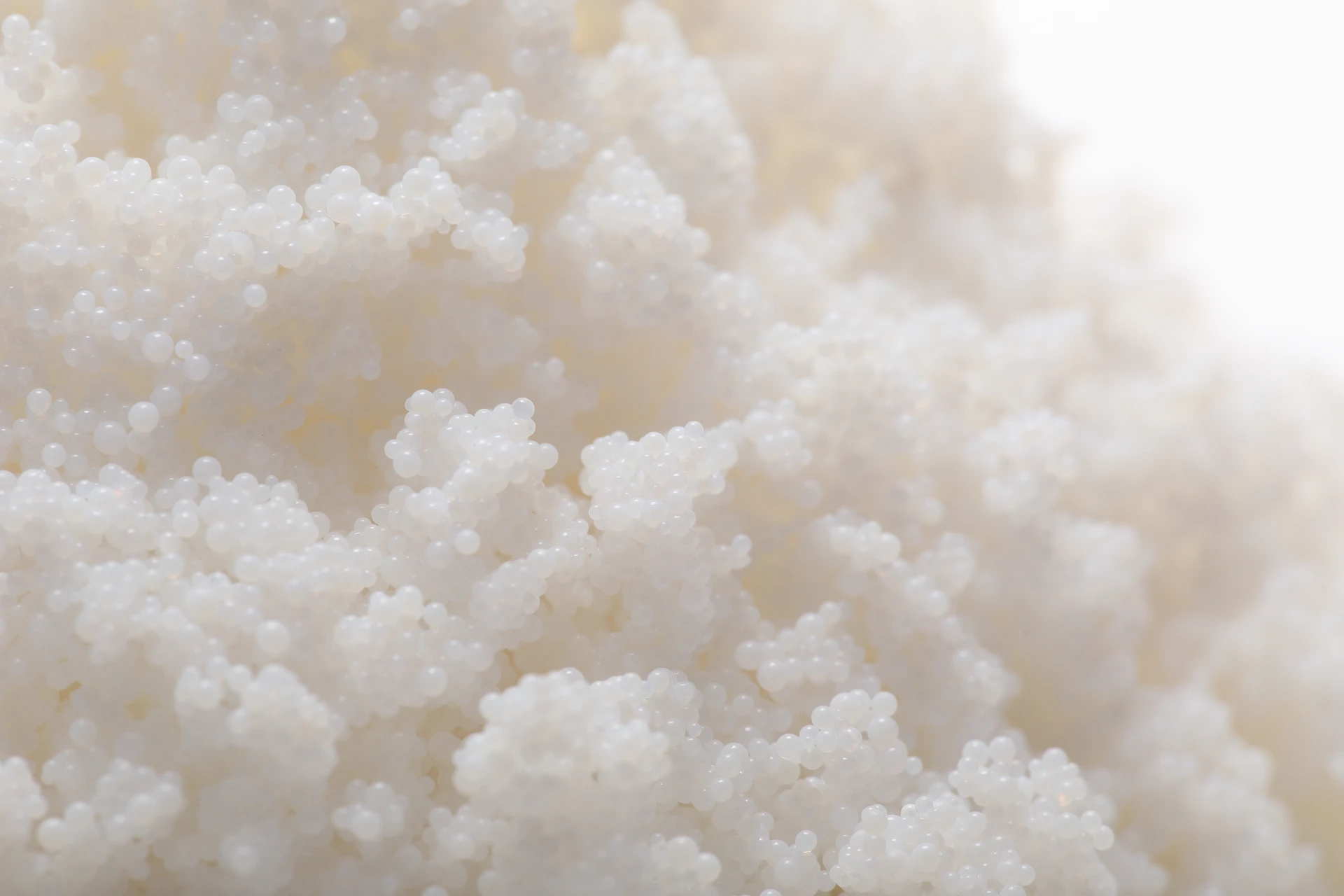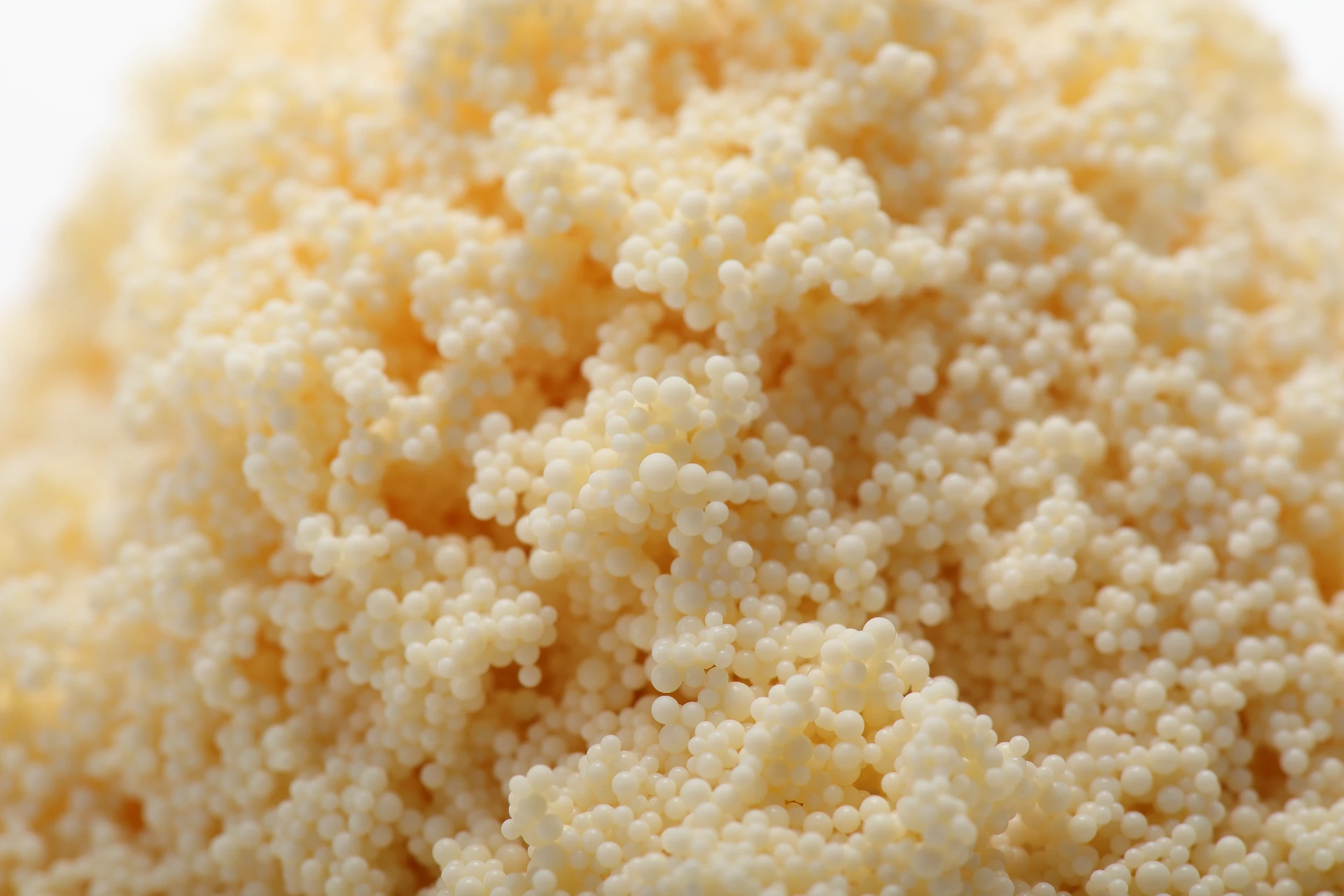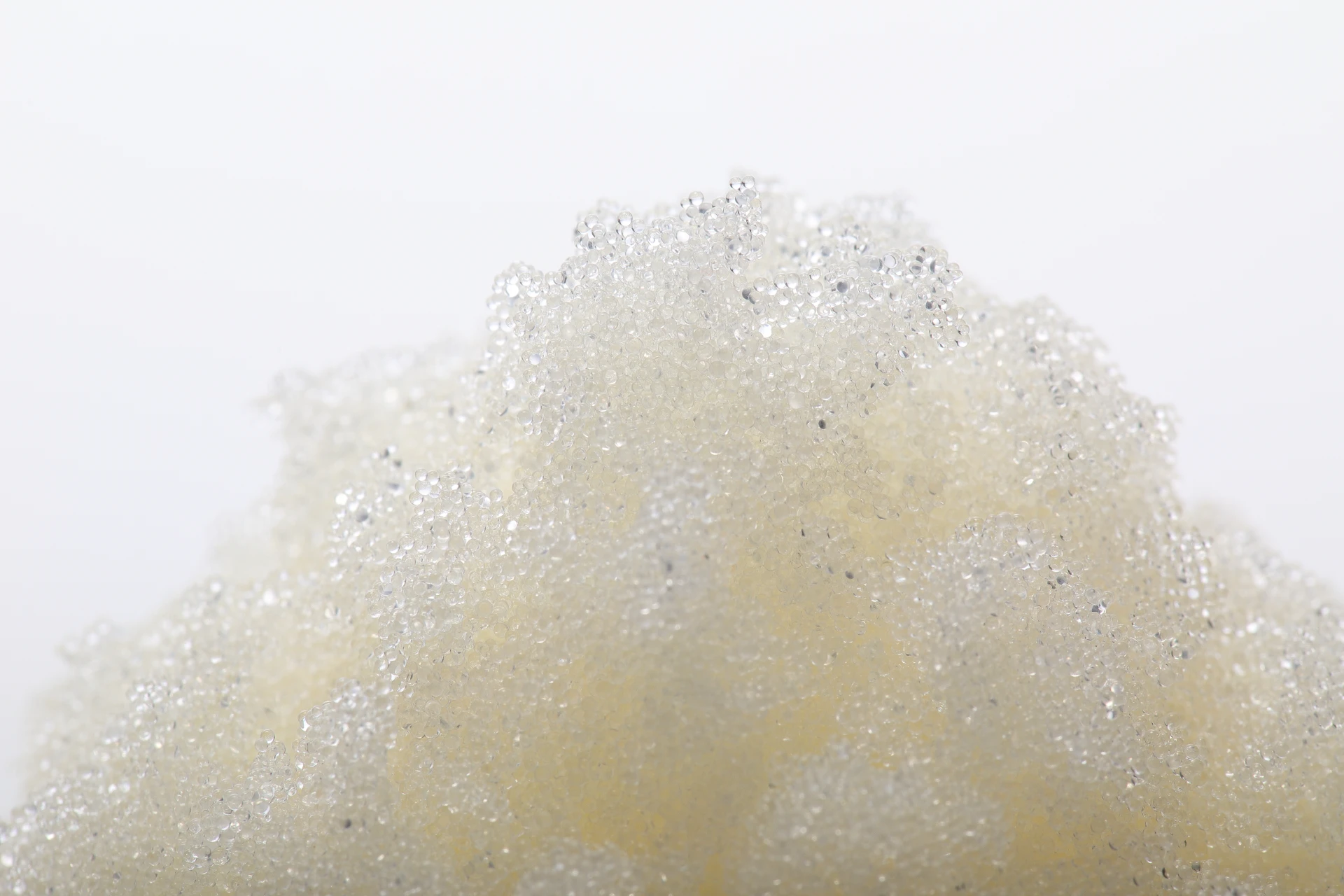
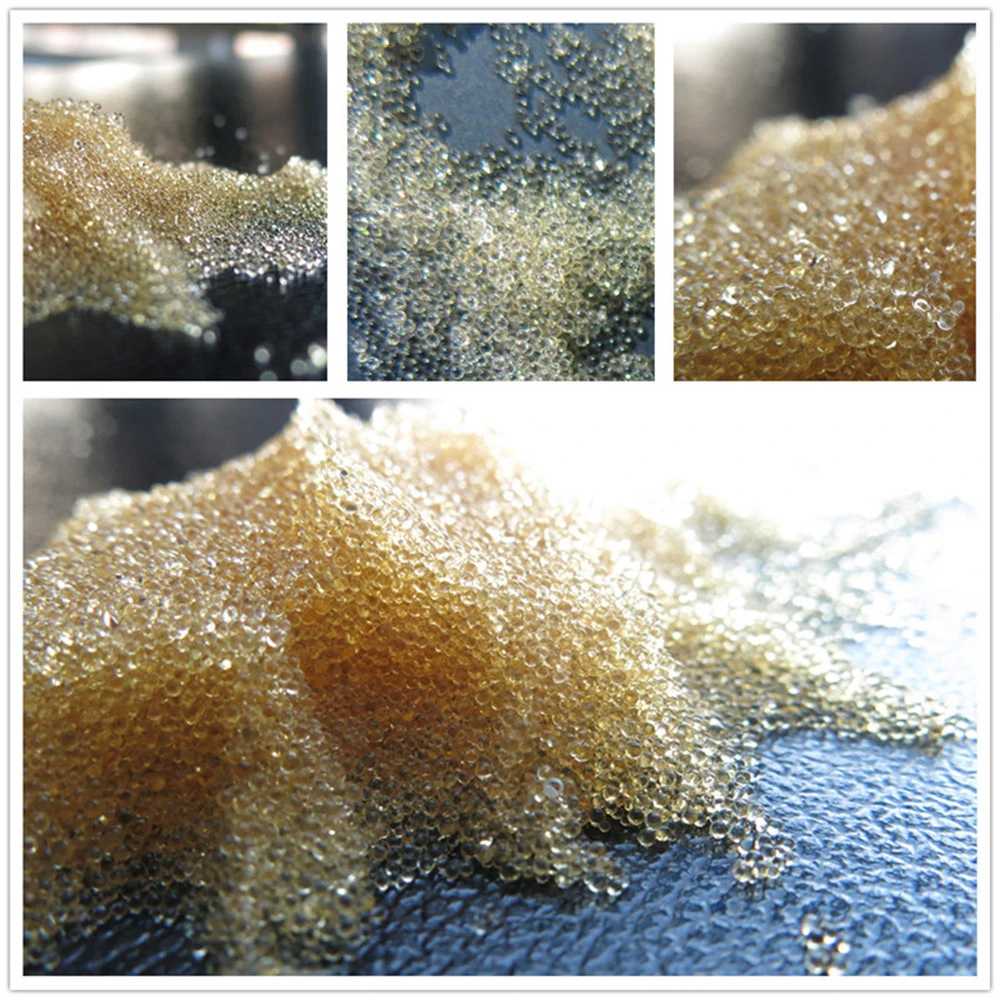
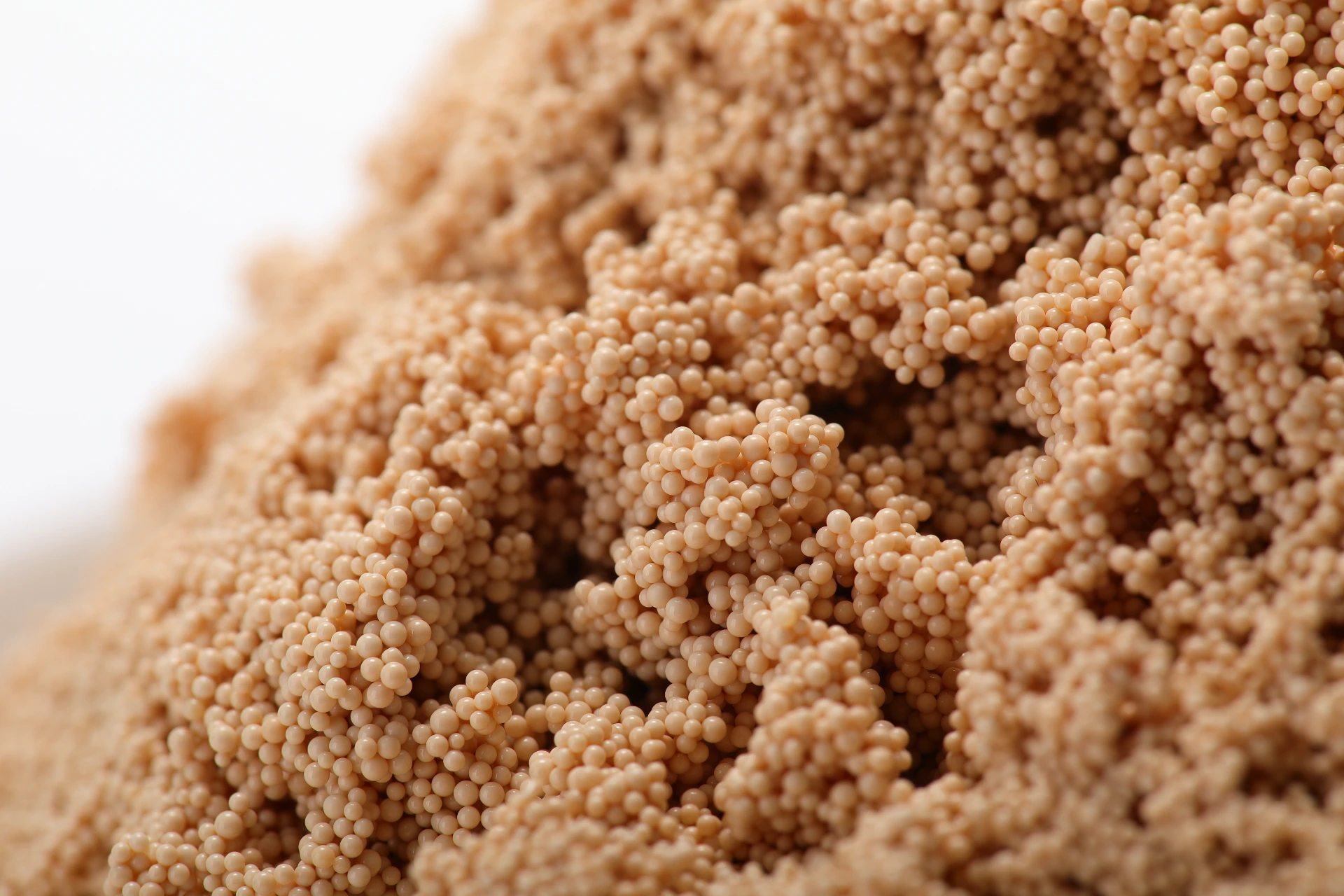
Advanced Water Purification with chelating resin in Japan

Precision-engineered ion exchange solutions tailored for Japan's stringent industrial purity standards and semiconductor-grade water requirements.

Advanced Water Purification with chelating resin in Japan

Providing high-performance resin technology to ensure ultra-pure water and efficient metal recovery for the Japanese manufacturing sector.

Industrial Landscape of Resin Applications in Japan

Analyzing the intersection of chemical engineering and Japan's high-tech industrial demands.

Japan's chemical manufacturing sector is characterized by an extreme commitment to quality and precision. In the context of water treatment, the use of ion exchange resin is not merely a utility but a critical quality control step, particularly in the Kanto and Kansai industrial belts where space is limited and efficiency is paramount.

Given Japan's unique geography and strict environmental regulations (such as the Water Pollution Control Law), there is a massive demand for special resin capable of targeting specific hazardous ions in wastewater, ensuring that industrial discharge meets the most rigorous ecological standards.

The market currently faces a transition toward digitalization and "Smart Water Management." Japanese firms are integrating automated monitoring with bed resin systems to reduce chemical waste and optimize regeneration cycles, aligning with the national goal of carbon neutrality by 2050.
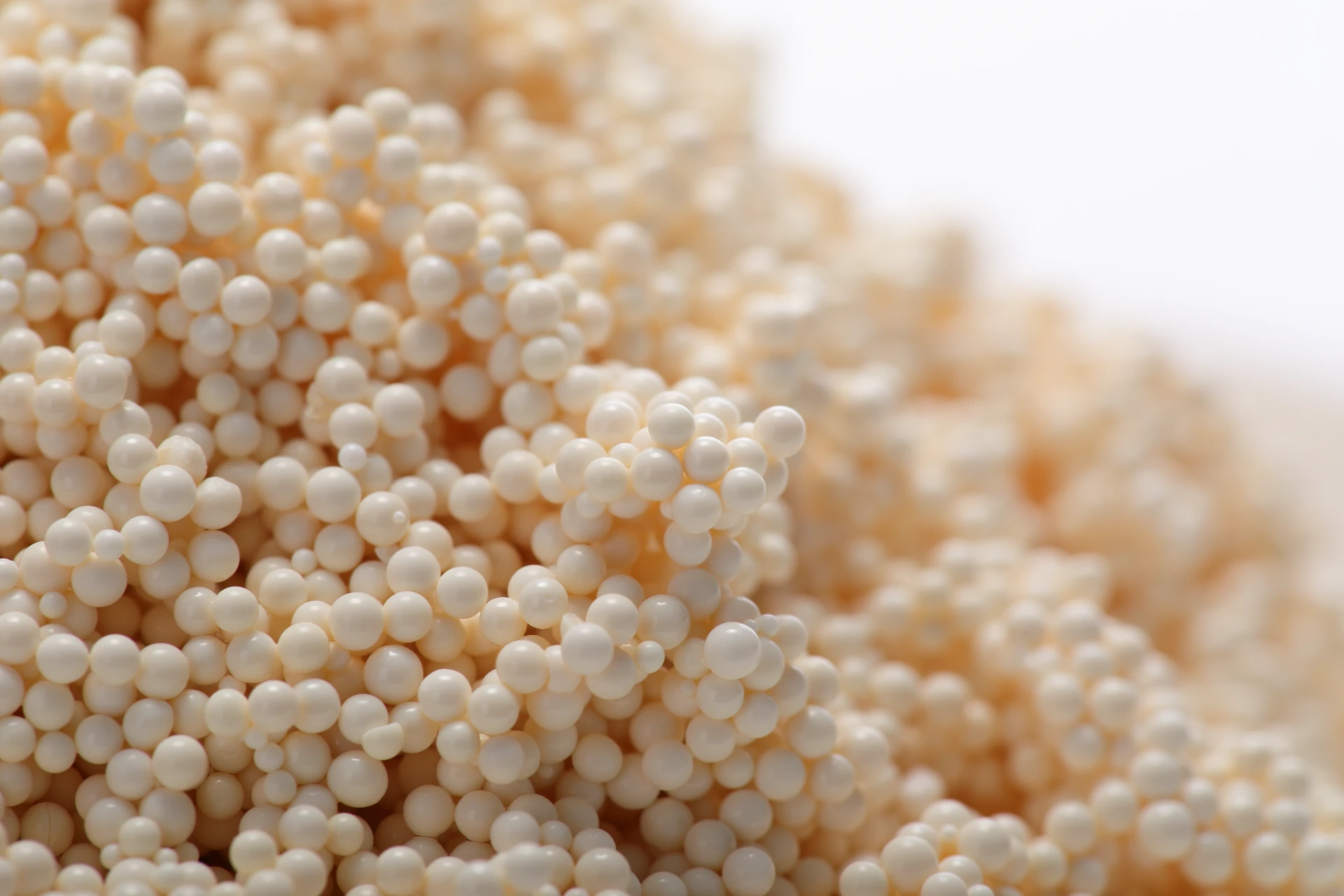
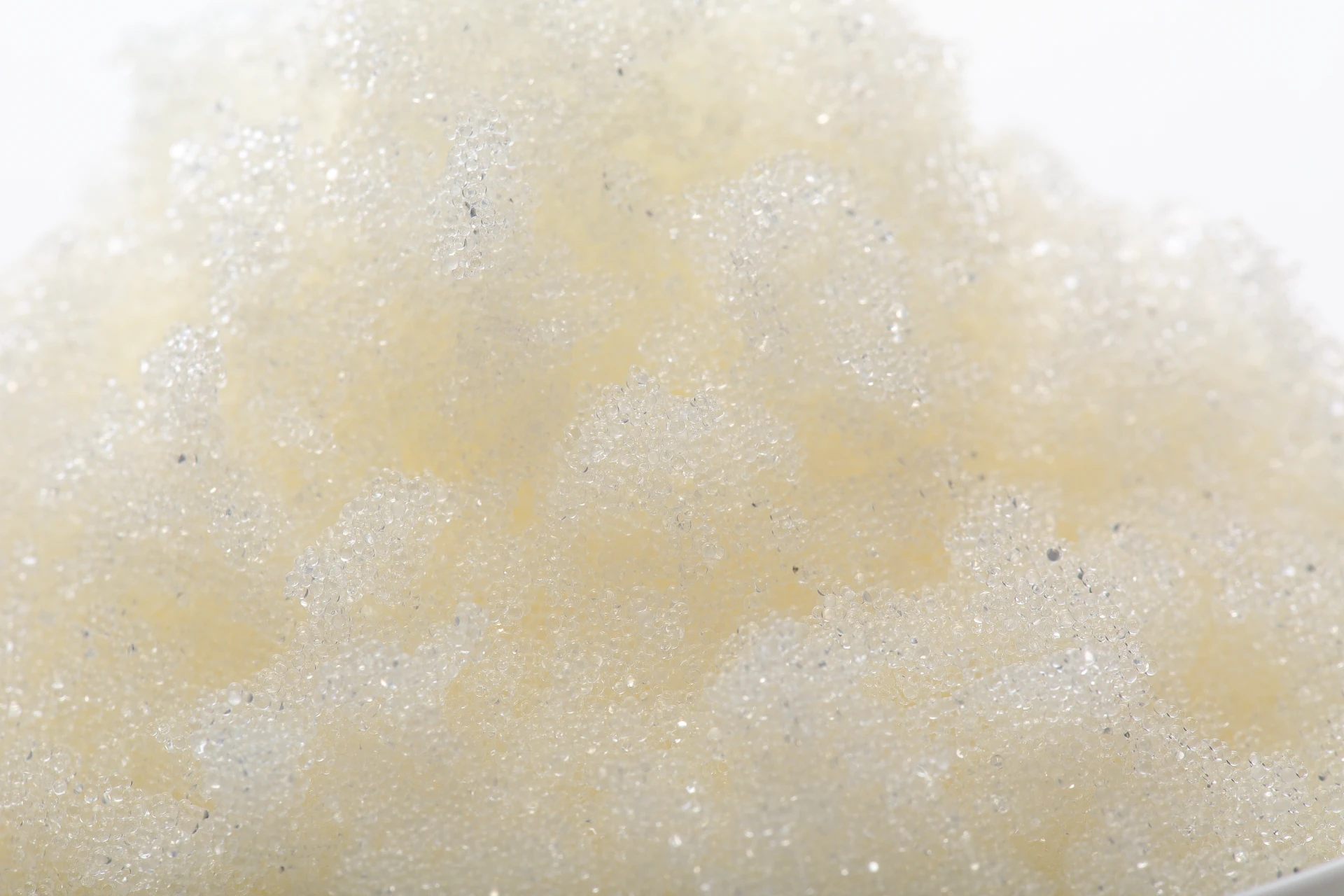
Evolution and Technical Trajectory of Resin Technology

From basic softening to molecular-level selectivity.

Market Development History

In the 1970s and 80s, the Japanese market focused on bulk water softening and basic desalination, utilizing standard strong acid and strong base resins for general industrial use.

By the 1990s, the rise of the global semiconductor industry shifted the focus toward ultra-pure water (UPW). This era saw the widespread adoption of mixed bed di resin to achieve electrical resistivity levels of 18.2 MΩ·cm.

From 2010 to the present, the focus has evolved toward "Selective Capture." The development of highly specific functional groups allowed for the removal of trace heavy metals from complex streams, moving the industry from general purification to targeted molecular separation.

Future Development Trends

Green Regeneration Technologies

Transitioning from harsh mineral acids to biodegradable regenerants to minimize the environmental footprint of ion exchange plants.

Nano-Composite Hybrid Resins

Integration of inorganic frameworks with organic polymers to enhance mechanical strength and thermal stability for extreme industrial environments.

AI-Driven Cycle Optimization

Using machine learning to predict resin exhaustion based on real-time influent analysis, maximizing the lifespan of the resin bed.

Strategic Trends and Future Outlook

Forecasting the next 3-5 years of synthetic material evolution in the Japanese market.

Ultra-High Selectivity
Development of resins that can differentiate between ions of the same valence with extreme precision.
Circular Economy Integration
Focusing on the recovery of precious metals from e-waste using specialized chelating matrices.
Energy-Efficient Processing
Reducing the pressure drop across the resin bed to lower pumping energy costs.
Smart Sensing Integration
Developing "intelligent resins" that change color or signal when saturation is reached.

Industry Outlook

Based on search trends for "sustainable chemical manufacturing" in Asia, we anticipate a shift toward bio-based polymer substrates. This will reduce the reliance on petroleum-derived styrene-divinylbenzene matrices while maintaining the high capacity required for industrial ion exchange.

Furthermore, Japan's focus on hydrogen energy production will drive a surge in demand for specialty resins used in the purification of electrolytes and the removal of contaminants in fuel cell water loops.

Localized Application Scenarios in Japan

Real-world implementations across Japan's diverse industrial sectors.

01. Semiconductor Fabrication in Kyushu

Implementing mixed bed di resin systems to produce ultra-pure water for wafer rinsing, ensuring zero ionic contamination in the "Silicon Island" manufacturing hubs.

02. Automotive Paint Shop Recovery in Aichi

Utilizing specialized ion exchange systems to recover precious metals and recycle process water in automotive assembly plants, reducing water consumption in the Toyota industrial corridor.

03. Pharmaceutical Purification in Osaka

Applying high-purity special resin for the removal of endotoxins and specific metallic impurities from injectable drug precursors.

04. Power Plant Boiler Feedwater in Tohoku

Deploying large-scale bed resin configurations to prevent scale formation and corrosion in high-pressure steam boilers for regional power grids.

05. Rare Earth Element Recovery in Mining

Using advanced chelating resin to selectively extract rare earth elements from low-concentration leachates, supporting Japan's strategic mineral security.

Brand Story

Global Development Journey of Hebei Lijie Biological Technology Co., Ltd.

Foundational Research

Established with a vision to bridge the gap between academic polymer chemistry and practical industrial water treatment challenges.

Technical Breakthroughs

Developed proprietary cross-linking technologies that significantly increased the mechanical stability of resins under high-pressure flow.

Global Expansion

Expanded operations into the Asian market, establishing strategic partnerships in Japan to meet the demands of the electronics industry.

Sustainability Pivot

Launched a new line of eco-friendly resins focused on reducing chemical consumption during the regeneration phase.

Industry Leadership

Currently recognized as a premier provider of high-selectivity resins, solving the most complex ion separation problems worldwide.

Comprehensive Resin Portfolio for the Japanese Market

From general-purpose exchangers to ultra-selective specialty matrices.

Frequently Asked Questions in Japan

Technical guidance and commercial insights for resin procurement.

How to choose the right chelating resin for heavy metal removal in wastewater?

The choice depends on the target ion (e.g., Cu, Ni, Pb) and the pH of the solution. Iminodiacetic acid groups are generally preferred for versatile transition metal capture in industrial effluents.

What is the expected lifespan of a mixed bed di resin in UPW systems?

Lifespan varies by influent quality, but typically ranges from 2 to 5 years. Regular monitoring of effluent conductivity is essential to determine the optimal regeneration or replacement cycle.

Can special resin be used for selective nitrate removal in agriculture water?

Yes, nitrate-selective resins are designed with larger functional groups that prefer nitrate ions over sulfate ions, making them ideal for groundwater remediation.

How does temperature affect the performance of a bed resin system?

Increased temperature generally increases the rate of ion exchange but may degrade the polymer matrix over time. We provide thermally stable grades for high-temperature applications.

What are the advantages of using a mixed bed compared to separate beds?

Mixed beds provide much lower leakage and higher purity levels because the cation and anion exchange happen simultaneously in the same vessel, essentially acting as a continuous polishing step.

Are your resins compliant with Japanese environmental and safety standards?

Yes, our products are manufactured under strict quality control and are compliant with international safety standards, ensuring they meet the environmental requirements of the Japanese market.

Consult Our Resin Experts

Ready to optimize your water treatment process? Contact our technical team for customized solutions in Japan.

Contact Us Now

If you are interested in our products, you can choose to leave your information here, and we will be in touch with you shortly.