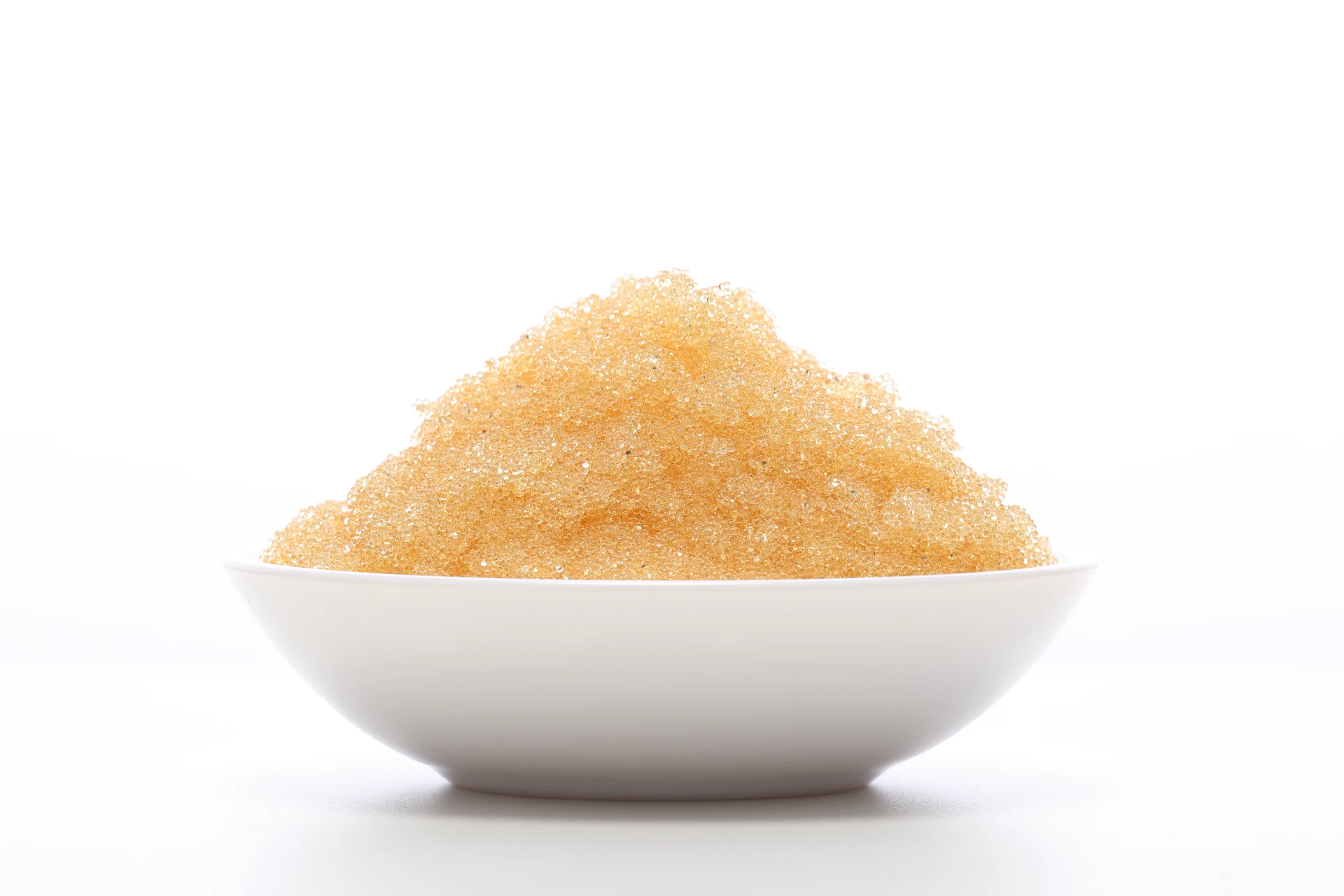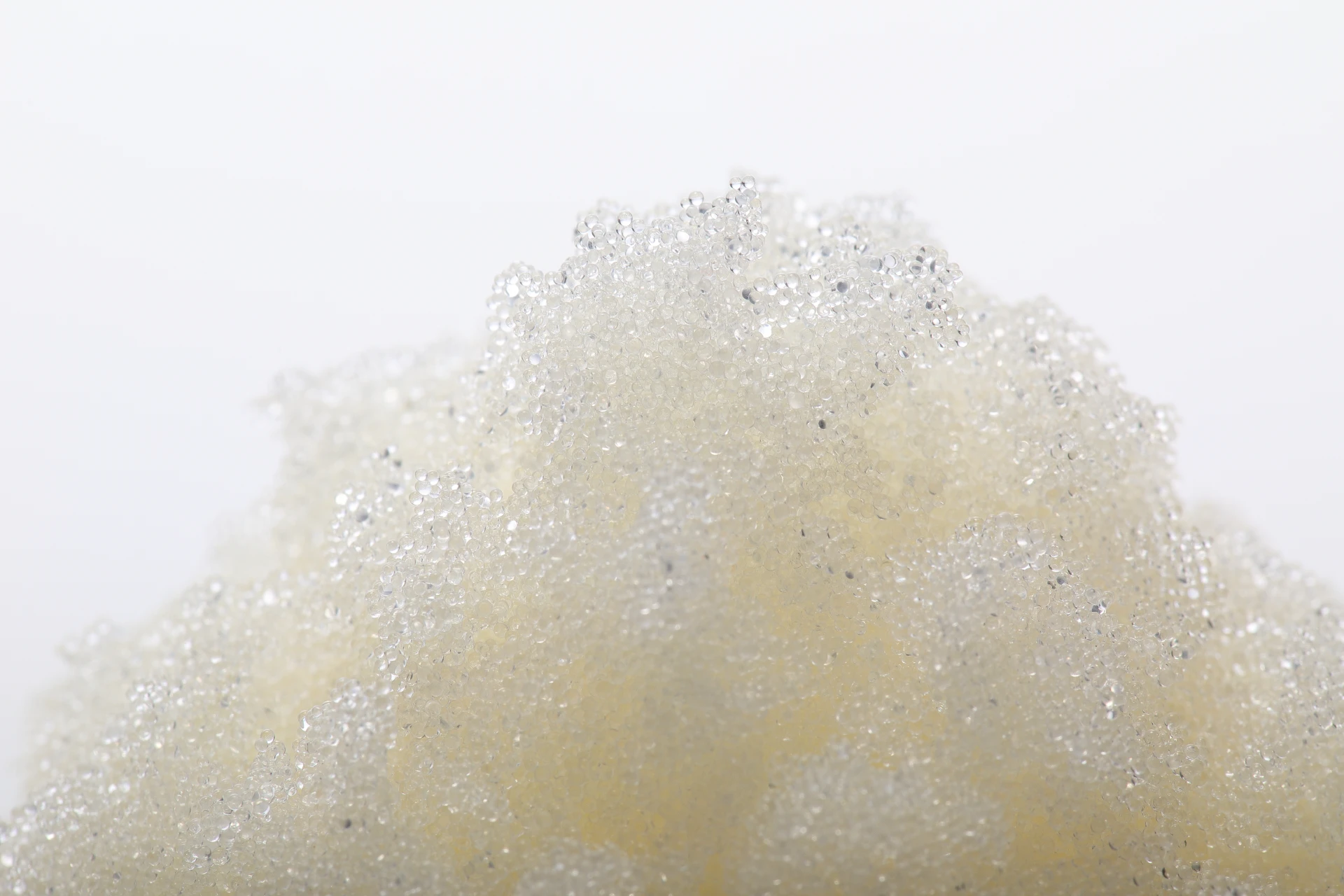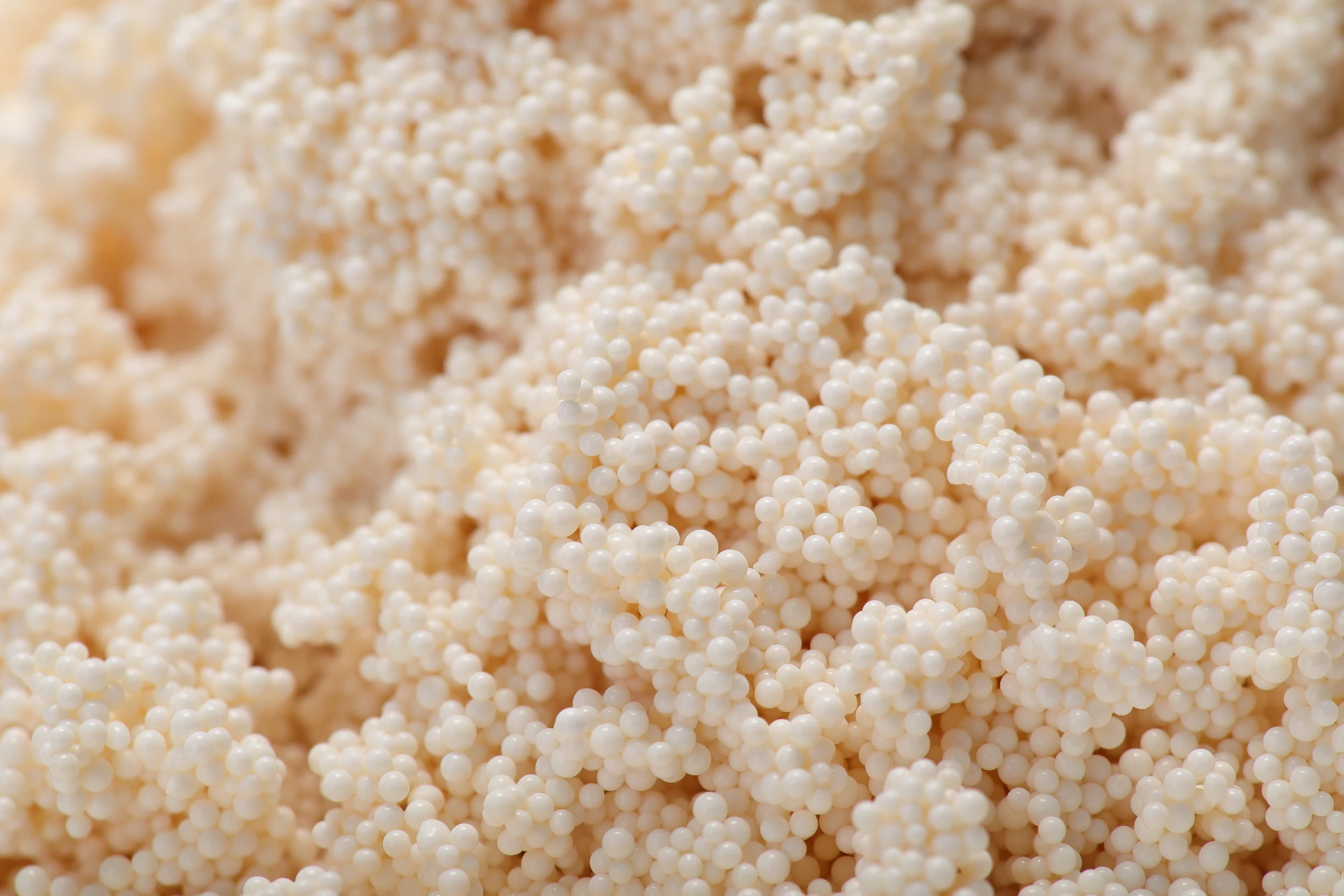
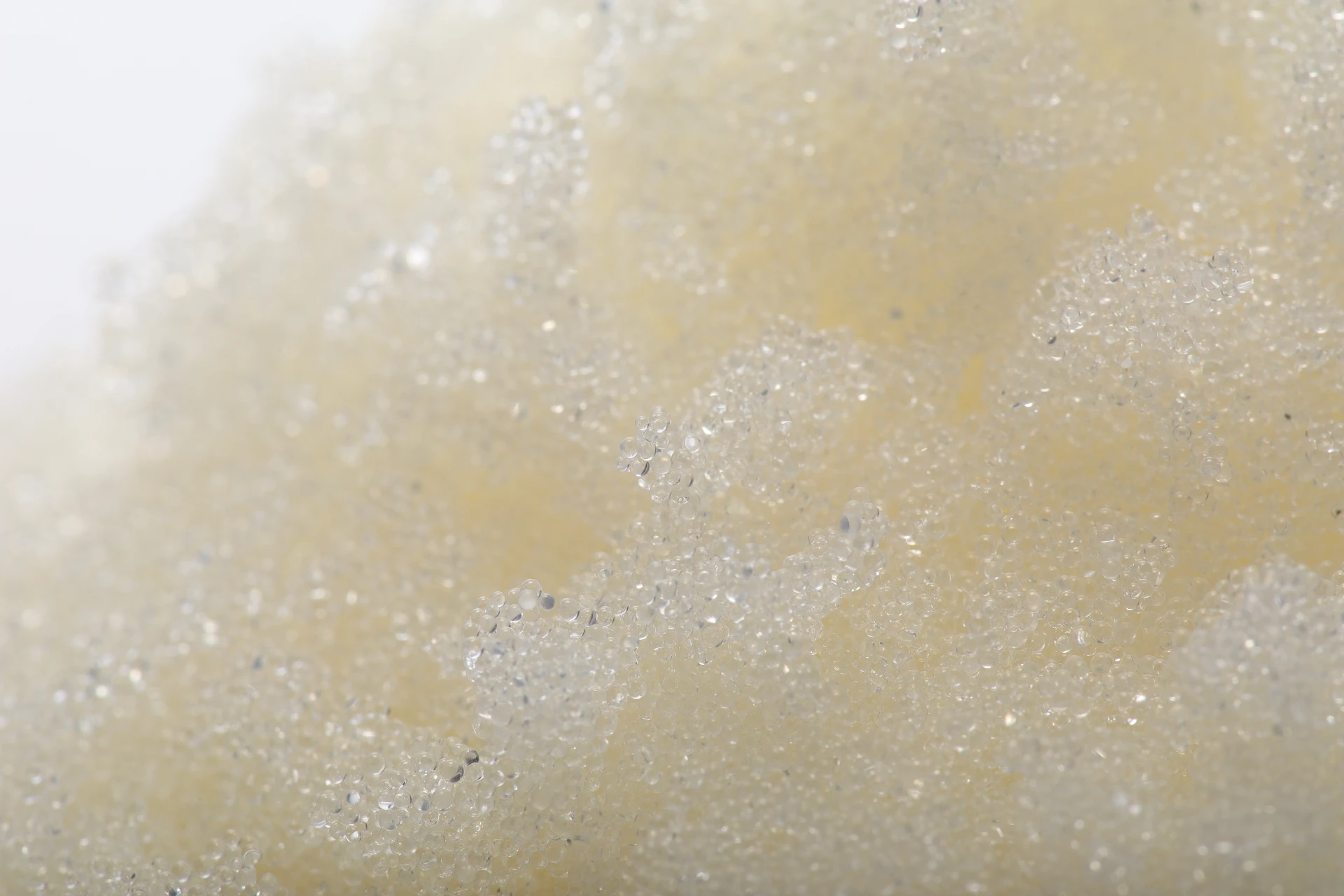
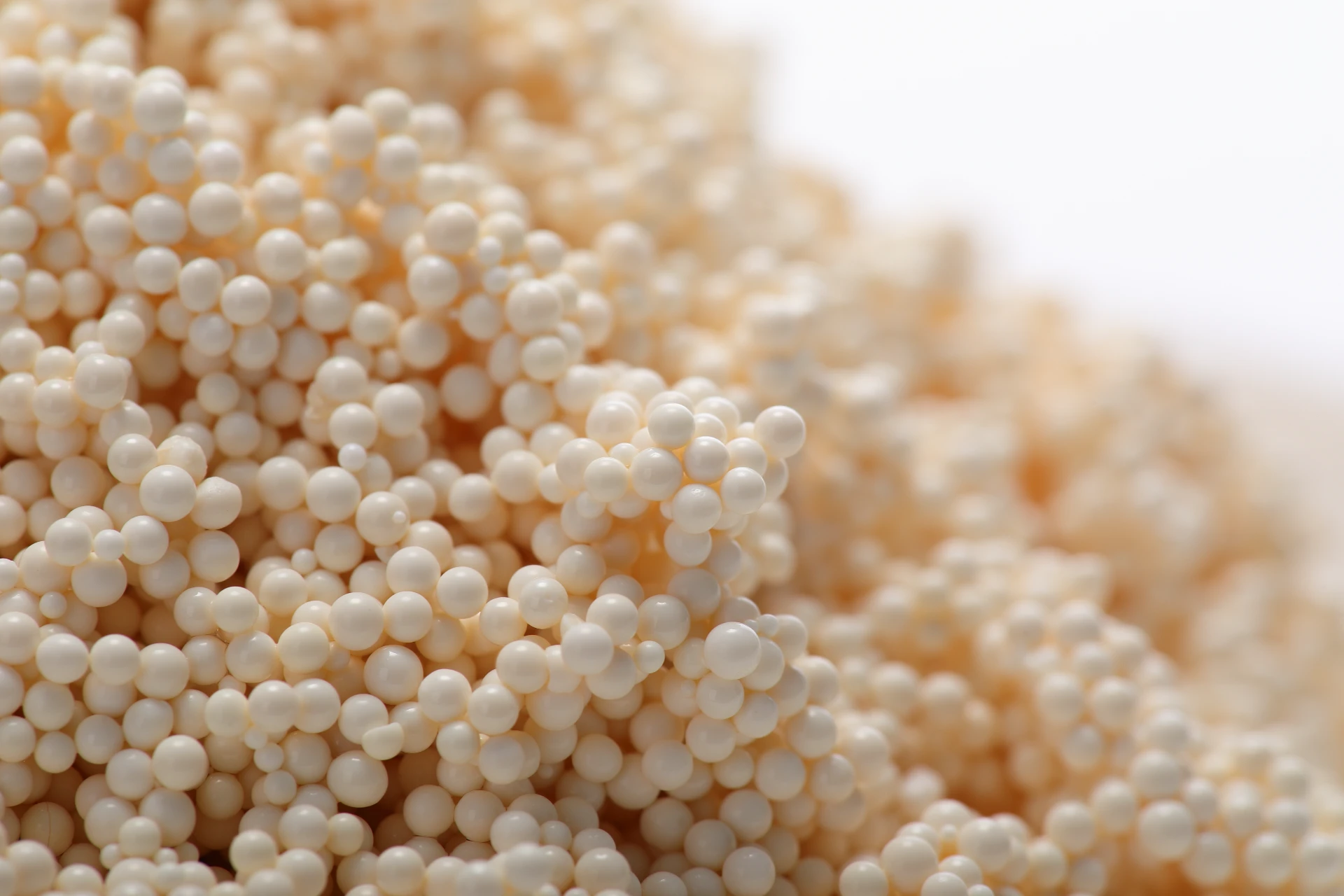
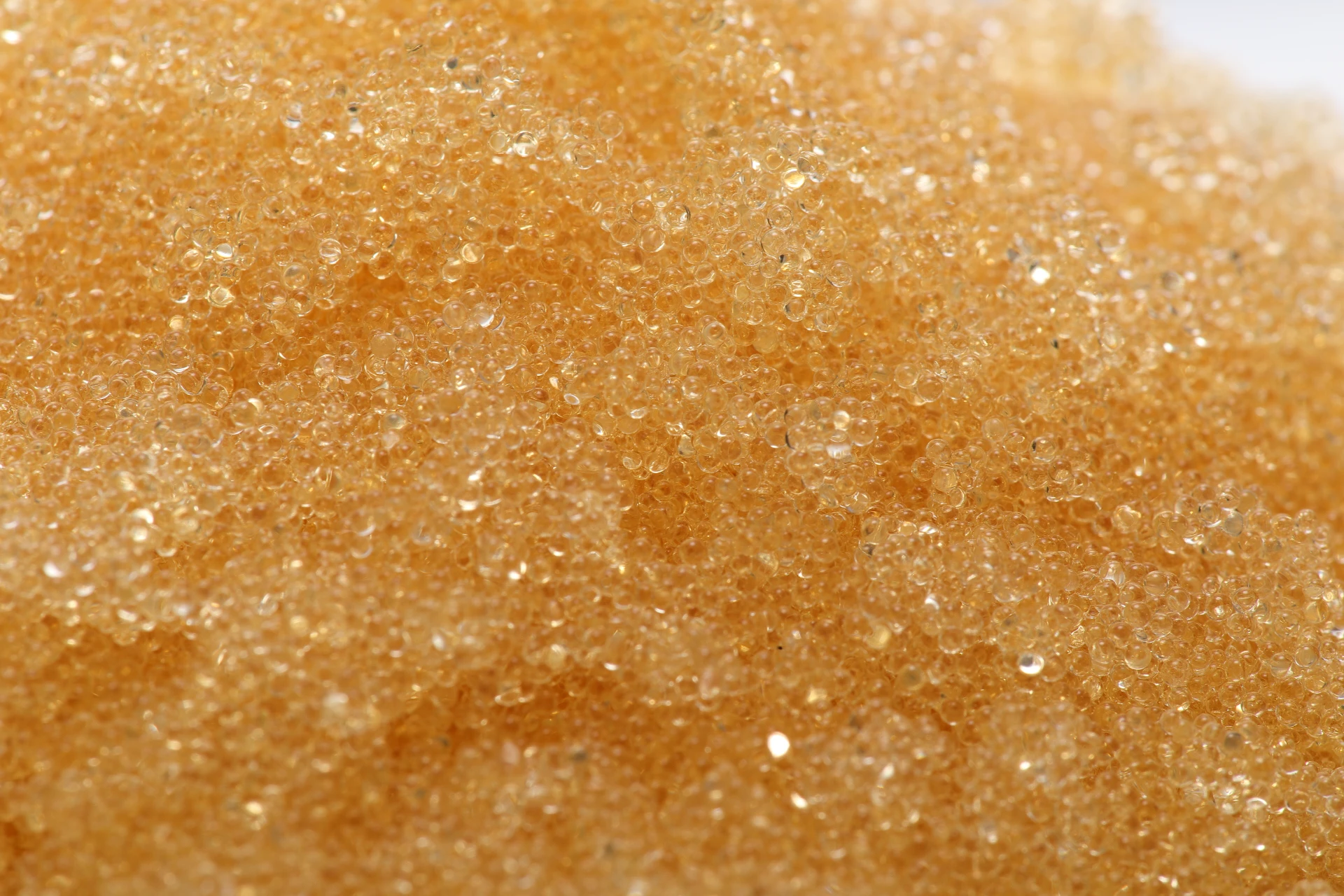
Advanced Water Treatment Solutions with chelating resin in Colombia

Optimizing industrial purity and resource recovery for Colombian manufacturing through high-performance synthetic materials.

Advanced Water Treatment Solutions with chelating resin in Colombia

Providing specialized ion exchange resin technologies tailored to the unique mineral profiles and industrial demands of the Colombian market.

The State of Ion Exchange Technology in Colombia

Analyzing the intersection of Colombian geography and synthetic material application.

Colombia's diverse topography, from the Andean highlands to the coastal plains, creates varied water chemistry challenges. In the mining and oil sectors, there is an increasing reliance on special resin to manage complex heavy metal contaminants found in groundwater across the Antioquia and Chocó regions.

The industrialization of the Magdalena River basin has intensified the need for precise water softening and purification. Local manufacturers are shifting from traditional lime softening to advanced bed resin systems to reduce chemical sludge and improve operational efficiency in textile and food processing plants.

Furthermore, Colombia's commitment to environmental regulations has pushed the pharmaceutical and chemical sectors in Bogotá and Medellín to adopt high-purity mixed bed di resin to meet strict international standards for ultrapure water, reflecting a mature evolution in local material science application.
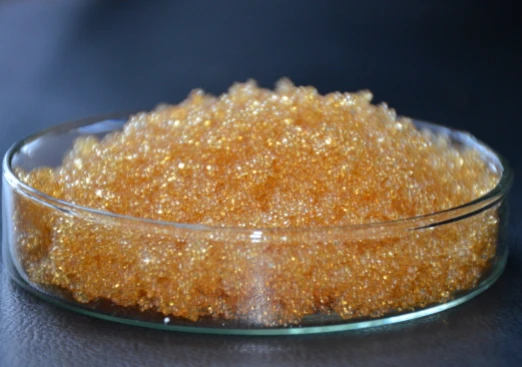
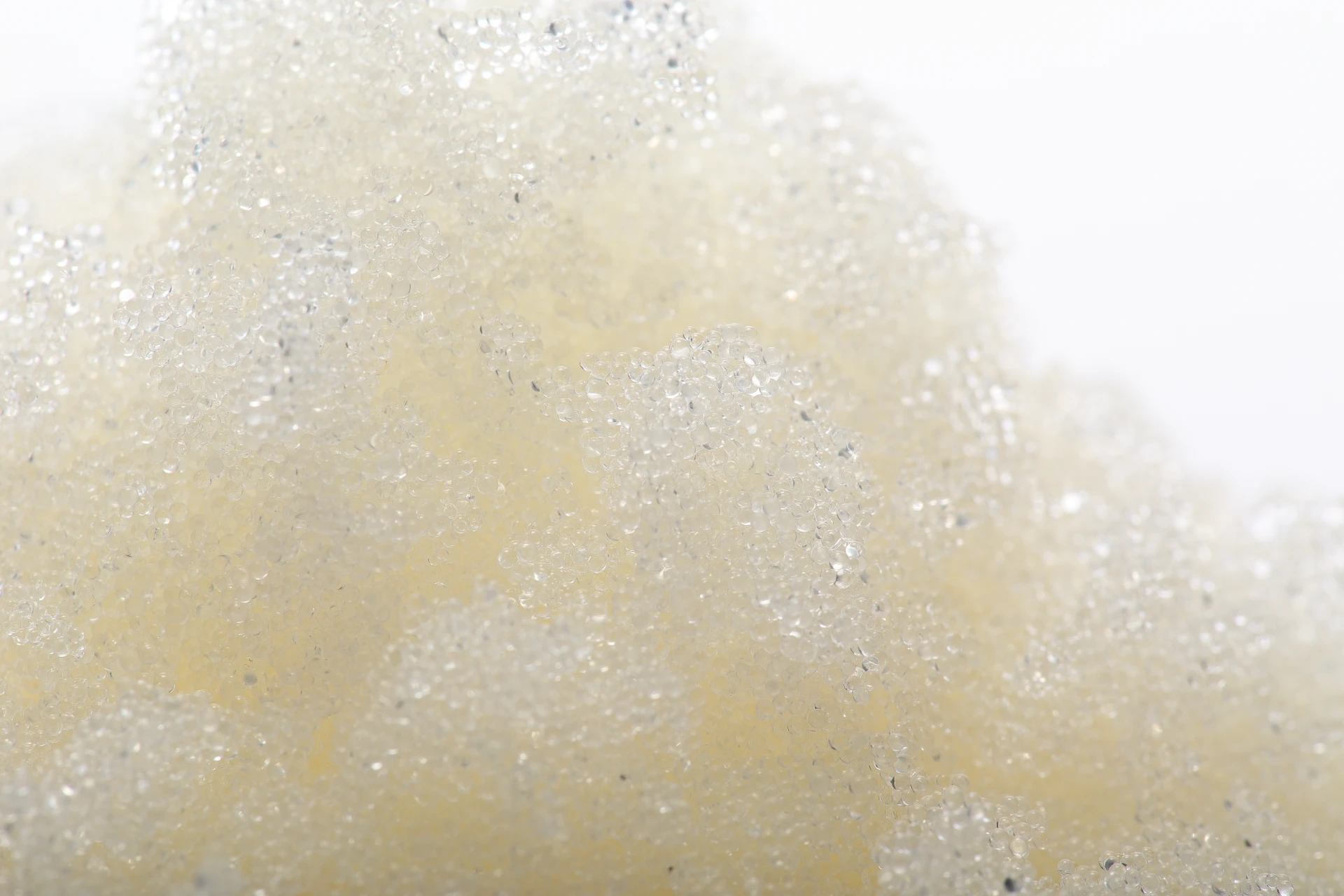
Evolution and Trajectory of Synthetic Resins in Colombia

From basic softening to intelligent molecular separation.

Market Development History

During the 1990s and early 2000s, the Colombian market primarily utilized basic cation and anion exchange materials for simple hard water removal. The focus was on capacity and longevity rather than high selectivity, serving primarily the basic agricultural processing sector.

Between 2010 and 2020, a technical pivot occurred as the mining industry expanded. This period saw the introduction of high-selectivity resins designed to capture gold and copper, shifting the market focus toward specialized chemical functionality and higher kinetics.

Today, the industry has entered the era of precision. Modern Colombian facilities now integrate automated regeneration cycles and utilize hybrid resins that combine the benefits of adsorption and ion exchange for complex effluent treatment.

Future Development Trends

Eco-Friendly Regeneration Cycles

There is a growing trend toward reducing the salt and acid footprint of resin regeneration, aligning with Colombia's "Green Growth" national policy to minimize industrial runoff.

Nano-Composite Material Integration

Integration of nano-scale additives into the polymer matrix to enhance the mechanical strength and thermal stability of resins used in high-temperature Colombian industrial processes.

Digitalized Resin Lifecycle Monitoring

Moving toward "Smart Bed" technologies where sensors monitor the saturation levels of the resin in real-time, optimizing the replacement intervals for industrial users.

Industry Trends and Future Outlook

Strategic directions for the Colombian chemical materials market.

Circular Water Economy
Transitioning from "treat and discard" to "recover and reuse" using high-efficiency resins to reclaim valuable minerals.
Selective De-ionization
Advanced molecular targeting to remove specific ions without affecting essential mineral balances in processed water.
Modular Resin Plants
Deployment of containerized, pre-fitted ion exchange systems for remote mining sites in the Colombian Andes.
Ultra-Low Conductivity
Pushing the boundaries of resistivity for the Colombian semiconductor and high-tech electronics budding industry.

Industry Outlook

Based on Google search trend data for the region, there is a significant spike in queries related to "sustainable water treatment" and "heavy metal removal" in South America. This indicates a shift toward high-value chelating resin applications over general softening.

The next 3-5 years will likely see Colombia becoming a regional hub for synthetic material innovation, specifically in the application of resins for lithium recovery and the treatment of wastewater in the coffee-processing industry.

Localized Application Scenarios in Colombia

Real-world implementation of synthetic resins in Colombian industries.

1. Heavy Metal Recovery in Antioquia Mining

Using high-selectivity chelating resin to capture trace amounts of gold and copper from acidic mine drainage, ensuring environmental compliance and revenue recovery.

2. Coffee Processing Wastewater Purification

Implementing bed resin systems to remove organic acids and minerals from coffee washing water, enabling recycled water use in the Eje Cafetero region.

3. Ultrapure Water for Bogotá Pharmaceuticals

Utilizing mixed bed di resin to produce ASTM Type I water for sensitive drug formulation and laboratory analysis.

4. Oilfield Brine Treatment in the Llanos Basin

Application of special resin for the removal of boron and strontium from produced water to prevent scaling in injection wells.

5. Food and Beverage Softening in Medellín

Large-scale installation of industrial ion exchange resin to standardize water hardness for beverage carbonation and bottling lines.

Brand Story

Global Development History of Hebei Lijie Biological Technology Co., Ltd.

Foundational Research

Established with a focus on polymer chemistry, we began by solving basic ion separation challenges for local chemical plants.

Technological Breakthrough

Developed proprietary cross-linking techniques that significantly increased the osmotic shock resistance of our resin beads.

Global Market Expansion

Extended our reach to South America, tailoring synthetic materials to meet the unique geological needs of the Colombian market.

Sustainability Pivot

Launched a line of biodegradable-compatible resin matrices to reduce the long-term environmental impact of industrial waste.

Industry Leadership

Recognized as a leading provider of high-purity synthetic resins, bridging the gap between complex chemistry and practical industrial application.

Comprehensive Product Portfolio for Colombia

Engineered materials for every stage of water and chemical purification.

Common Questions for Colombia's Resin Industry

Expert answers to technical challenges in the Colombian region.

How to choose the right ion exchange resin for Andean groundwater?

You must first analyze the specific ionic composition of the water. For groundwater in the Andes, which often contains high sulfates, a strong acid cation resin is typically recommended for initial softening.

What is the advantage of using chelating resin in Colombian mining?

Chelating resins provide superior selectivity for transition metals over alkali metals, allowing for the efficient recovery of gold and copper even in low-concentration solutions.

How often should mixed bed di resin be replaced in pharmaceutical plants?

Replacement depends on the throughput and raw water quality. Typically, monitoring resistivity is key; once the resin can no longer maintain 18.2 MΩ·cm after regeneration, replacement is required.

Can special resin handle high organic loads in coffee wastewater?

Yes, by using macroporous special resins, we can ensure better kinetics and resistance to organic fouling compared to standard gel resins.

What are the regeneration requirements for an industrial bed resin?

Most industrial bed resins in Colombia are regenerated using NaCl for softening or HCl/NaOH for demineralization, depending on the resin type and target purity.

How do I prevent fouling in my Colombian water treatment system?

Pre-filtration is essential. We recommend multi-media filters and activated carbon to remove suspended solids and chlorine before the water reaches the ion exchange stage.

Expert Consultation for Colombia

Looking to optimize your chemical processes in Colombia? Our engineers provide customized material selection and system design.

Contact Us Now

If you are interested in our products, you can choose to leave your information here, and we will be in touch with you shortly.