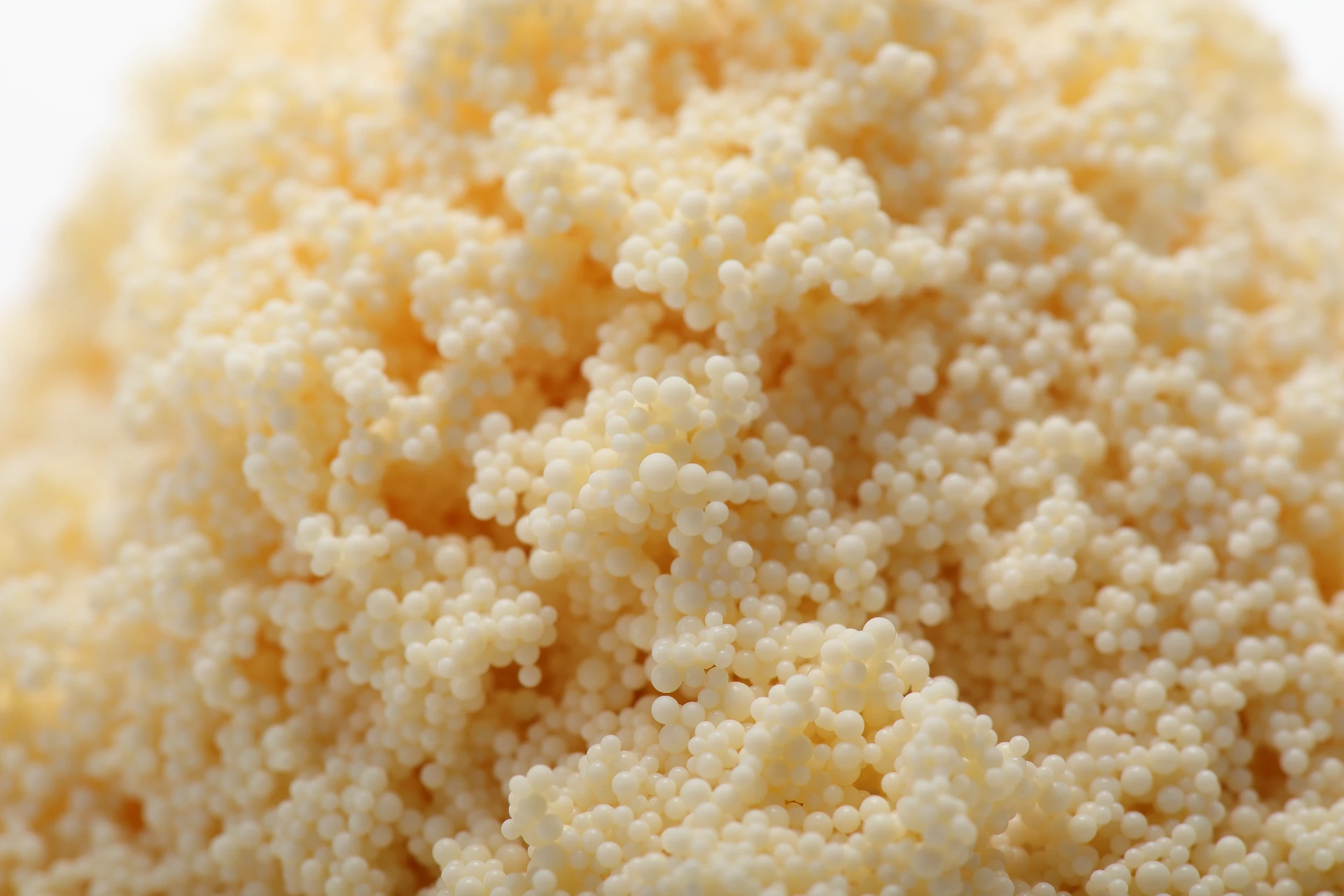
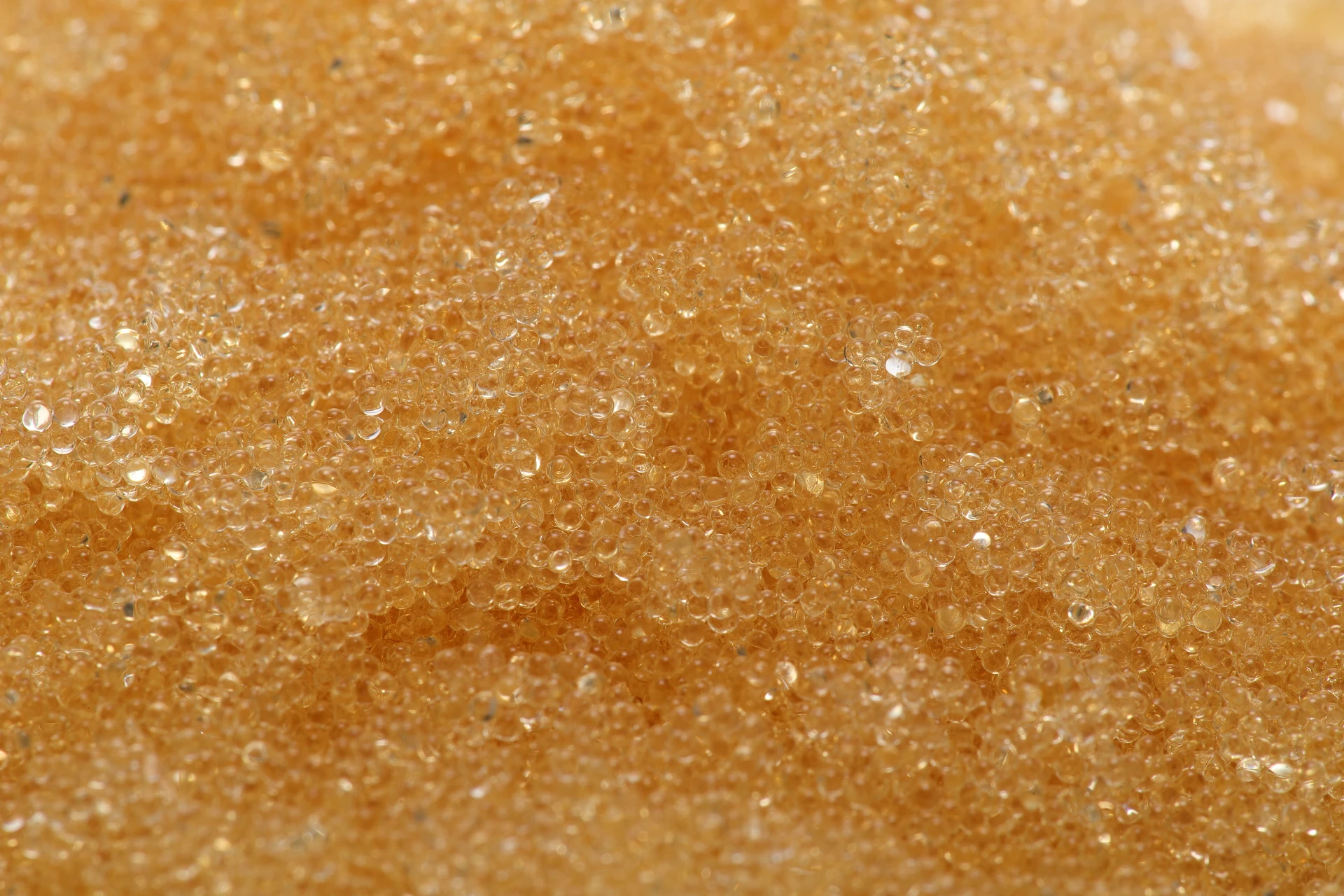
Advanced Water Treatment Solutions with chelating resin in Germany

High-performance synthetic materials engineered for Germany's rigorous industrial purity standards and environmental regulations.

Advanced Water Treatment Solutions with chelating resin in Germany

Providing the German manufacturing sector with high-capacity ion exchange solutions to ensure ultra-pure water and efficient metal recovery.

Industrial Landscape of Resin Manufacturing in Germany

Analyzing the intersection of German engineering excellence and synthetic material requirements.

Germany's chemical industry, centered in hubs like Ludwigshafen and Leverkusen, operates under some of the world's strictest environmental laws (Abwasserverordnung). This creates a massive demand for high-selectivity ion exchange resin to treat complex industrial effluents before discharge.

The prevalence of high-precision automotive and pharmaceutical manufacturing in Germany requires water with zero conductivity. Consequently, the adoption of mixed bed di resin has become standard to meet the ultra-pure water (UPW) specifications necessary for semiconductor and biotech applications.

Economic pressure to recover precious metals from waste streams has pushed German firms toward advanced special resin technologies, optimizing circular economy goals while reducing raw material costs in heavy machinery production.
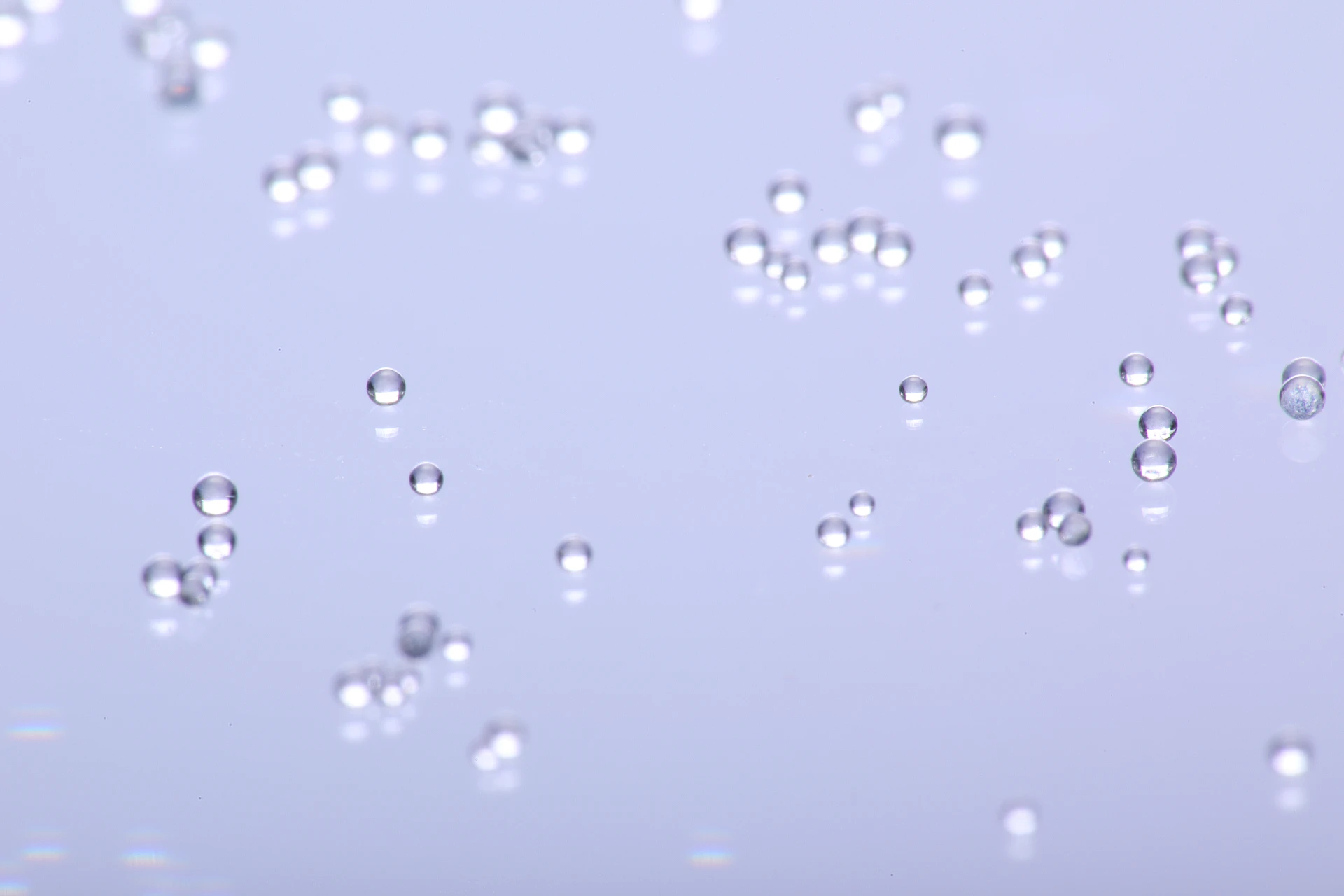
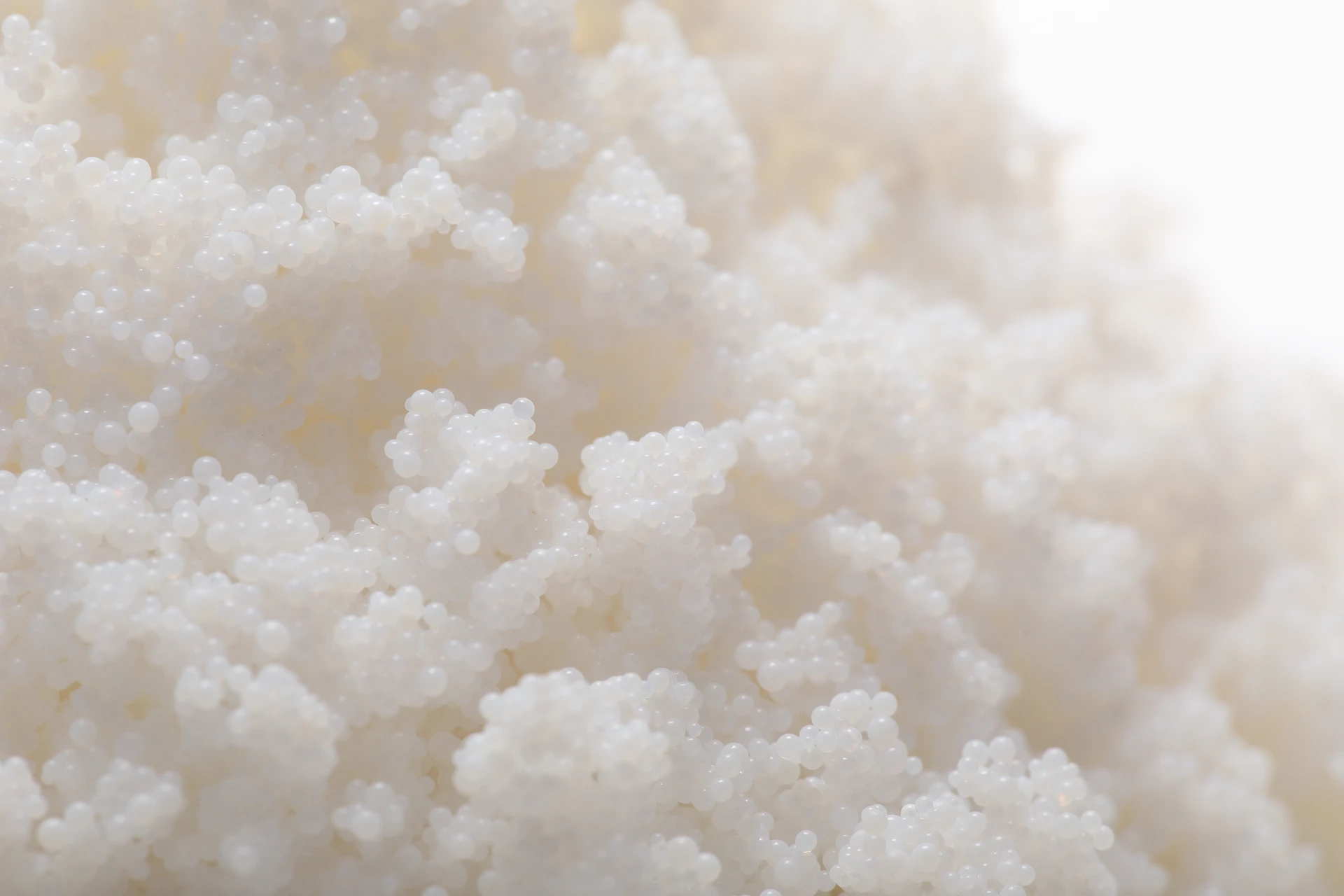
Evolution and Trajectory of Resin Technology

From basic softening to molecularly engineered selective separation.

Market Development History

In the 1970s and 80s, the German market relied primarily on standard strong acid cation and base anion bed resin for basic water softening and dechlorination in municipal systems.

Between 1990 and 2010, the focus shifted toward "Selective Separation." The introduction of macroporous structures allowed for better kinetics and the ability to handle organic fouling, coinciding with the expansion of the German chemical specialty sector.

Since 2015, the integration of Industry 4.0 has led to "Smart Resin Systems," where the lifespan and breakthrough curves of resins are monitored in real-time to minimize chemical regenerant waste.

Future Development Trends

Bio-based Polymer Matrices

Transitioning from petroleum-based polystyrene to sustainable, biodegradable substrates to align with the European Green Deal.

Nano-composite Functionalization

Integrating nano-particles into the resin matrix to increase the active site density and improve exchange capacity for trace pollutant removal.

AI-Driven Resin Selection

Using machine learning to predict the optimal resin blend for specific industrial wastewater compositions based on fluctuating influent chemistry.

Industry Outlook and Future Projections

Strategic foresight for the synthetic resin market in the DACH region.

Zero-Liquid Discharge (ZLD)
Increasing demand for resins that enable closed-loop water cycles to eliminate industrial discharge.
Critical Mineral Recovery
Specialized resins for extracting Lithium and Cobalt from brine to support the German EV battery chain.
Energy-Efficient Regeneration
Development of resins that require lower concentrations of regenerants to reduce CO2 footprints.
PFAS Removal Focus
High-affinity resins specifically designed to target "forever chemicals" in groundwater.

Industry Outlook

Google search trends for "sustainable water treatment" and "resource recovery" in Germany show a 25% year-over-year increase, indicating a pivot from simple filtration to value-added chemical separation.

The market is expected to move toward highly customized, small-batch resin production where the chemistry is tailored to the specific ionic fingerprint of a plant's wastewater stream.

Localized Application Scenarios in Germany

Real-world deployment of ion exchange technology across German industrial sectors.

1. Automotive Component Plating in Baden-Württemberg

Utilizing chelating resin to recover nickel and chromium from rinse waters, reducing toxic discharge and recycling valuable metals.

2. Pharmaceutical Synthesis in Hesse

Implementing mixed bed di resin systems to produce Pyrogen-free water for injectable drug formulation, ensuring compliance with EU GMP standards.

3. Power Plant Cooling Systems in North Rhine-Westphalia

Deploying large-scale bed resin units for condensate polishing to prevent boiler scaling and maximize thermal efficiency.

4. Specialty Chemical Production in Bavaria

Applying special resin for the removal of specific organic catalysts from process streams, enabling higher purity final products.

5. Municipal Wastewater Tertiary Treatment in Berlin

Integration of ion exchange for nitrate and phosphate removal to prevent eutrophication in local river systems, meeting strict EU water directives.

Brand Story

Global Development Journey of Hebei Lijiang Bio-Tech Co., Ltd.

Foundation of Excellence

Started with a vision to solve the most challenging water purity problems through rigorous polymer science and chemical engineering.

Technological Breakthroughs

Developed proprietary cross-linking techniques that significantly increased the mechanical stability and longevity of industrial resins.

Global Expansion

Extended our footprint into the European market, adapting our products to meet the stringent REACH and ISO standards required in Germany.

Sustainable Innovation

Launched a new line of eco-friendly resins designed to reduce chemical consumption during the regeneration cycle.

Future Vision

Striving to be the global leader in "smart" ion exchange materials, empowering industries to achieve true zero-liquid discharge.

Complete Resin Portfolio for the German Market

A comprehensive range of synthetic materials tailored for European industrial specifications.

Common Questions for German Industrial Users

Expert answers to technical challenges in ion exchange applications.

How to choose the right chelating resin for heavy metal removal?

Selection depends on the target metal and competing ions. For Germany's industrial wastewater, we recommend resins with iminodiacetic acid groups for high selectivity toward divalent cations like Cu2+ and Ni2+.

What is the typical lifespan of a mixed bed di resin in UPW systems?

Lifespan varies by water quality and regeneration frequency, but high-grade resins typically last 3-5 years before capacity loss requires replacement.

Can special resin be used for PFAS remediation?

Yes, specialized anion exchange resins with tailored hydrophobic properties are highly effective at capturing long and short-chain PFAS molecules.

How does bed resin compaction affect pressure drop in large vessels?

Uniform particle size distribution is critical. We provide monodisperse resins that minimize pressure drop and prevent channeling in large-scale German installations.

Are your ion exchange resin products compliant with EU REACH regulations?

Absolutely. All our synthetic materials exported to Germany are fully compliant with REACH and provide complete SDS documentation.

What is the most efficient way to regenerate exhausted resins?

Using counter-current regeneration techniques significantly reduces chemical consumption and improves the quality of the treated water.

Get Expert Technical Support

Our engineers are ready to optimize your water treatment process in Germany. Contact us for customized resin selection and pilot testing.

Contact Us Now

If you are interested in our products, you can choose to leave your information here, and we will be in touch with you shortly.