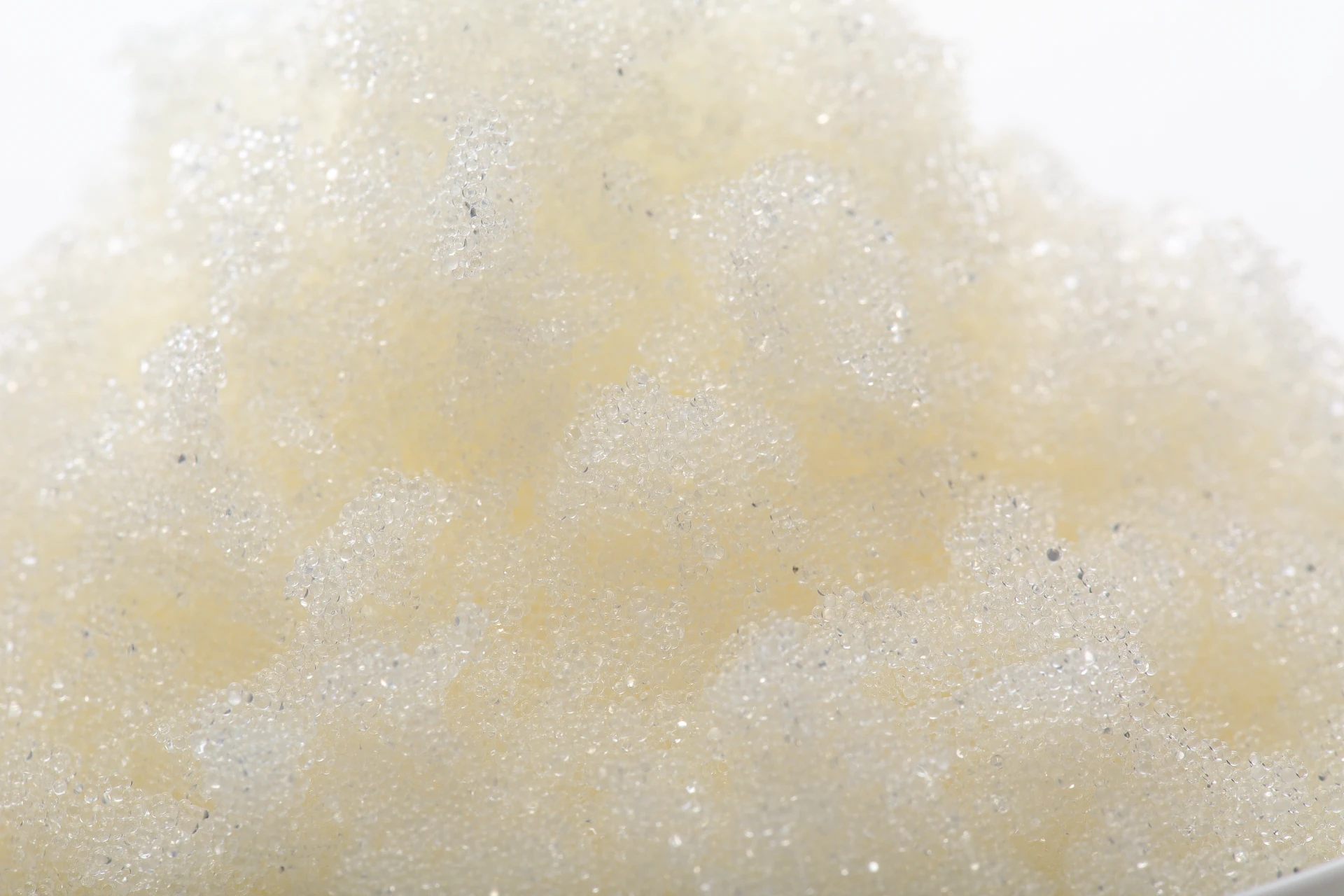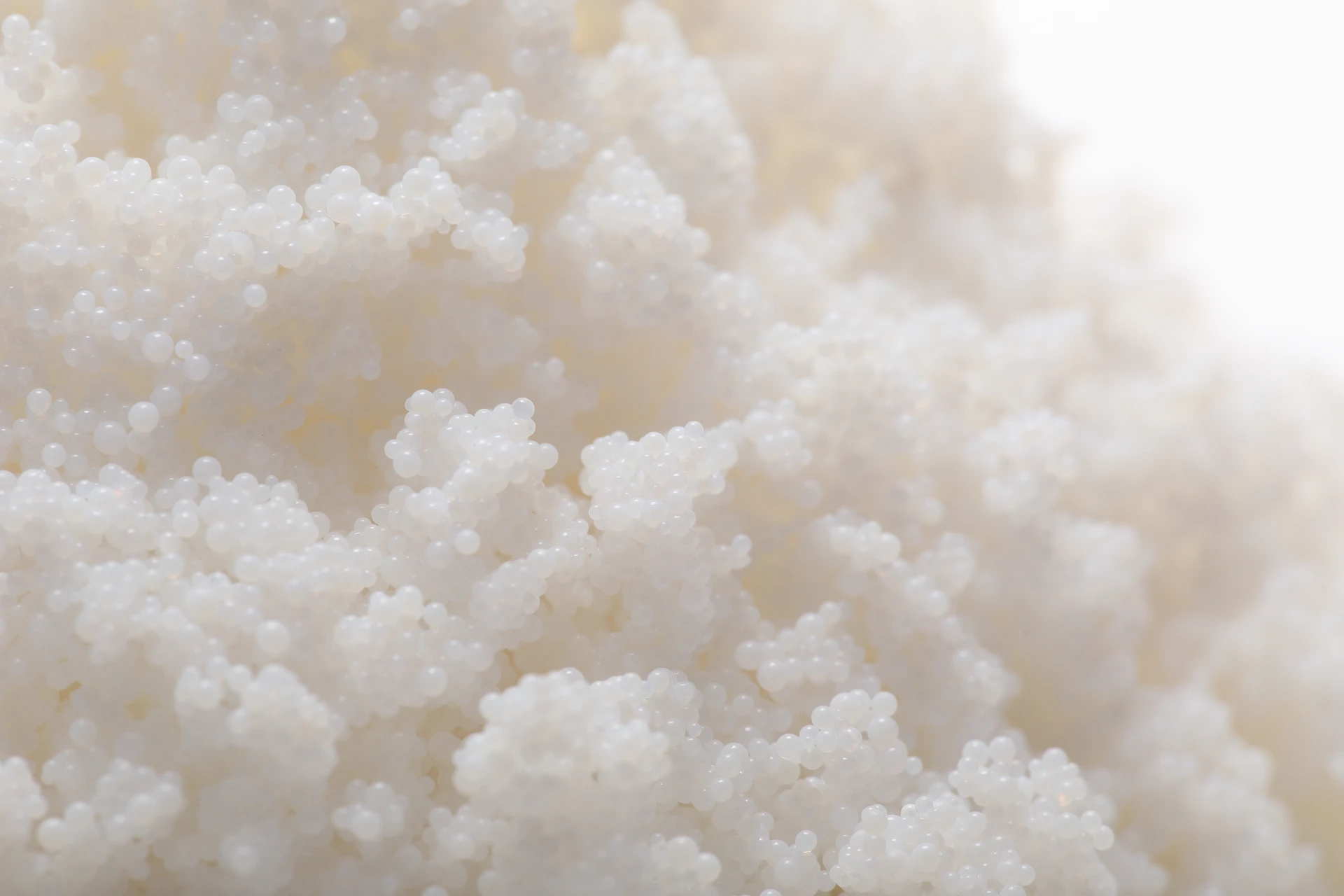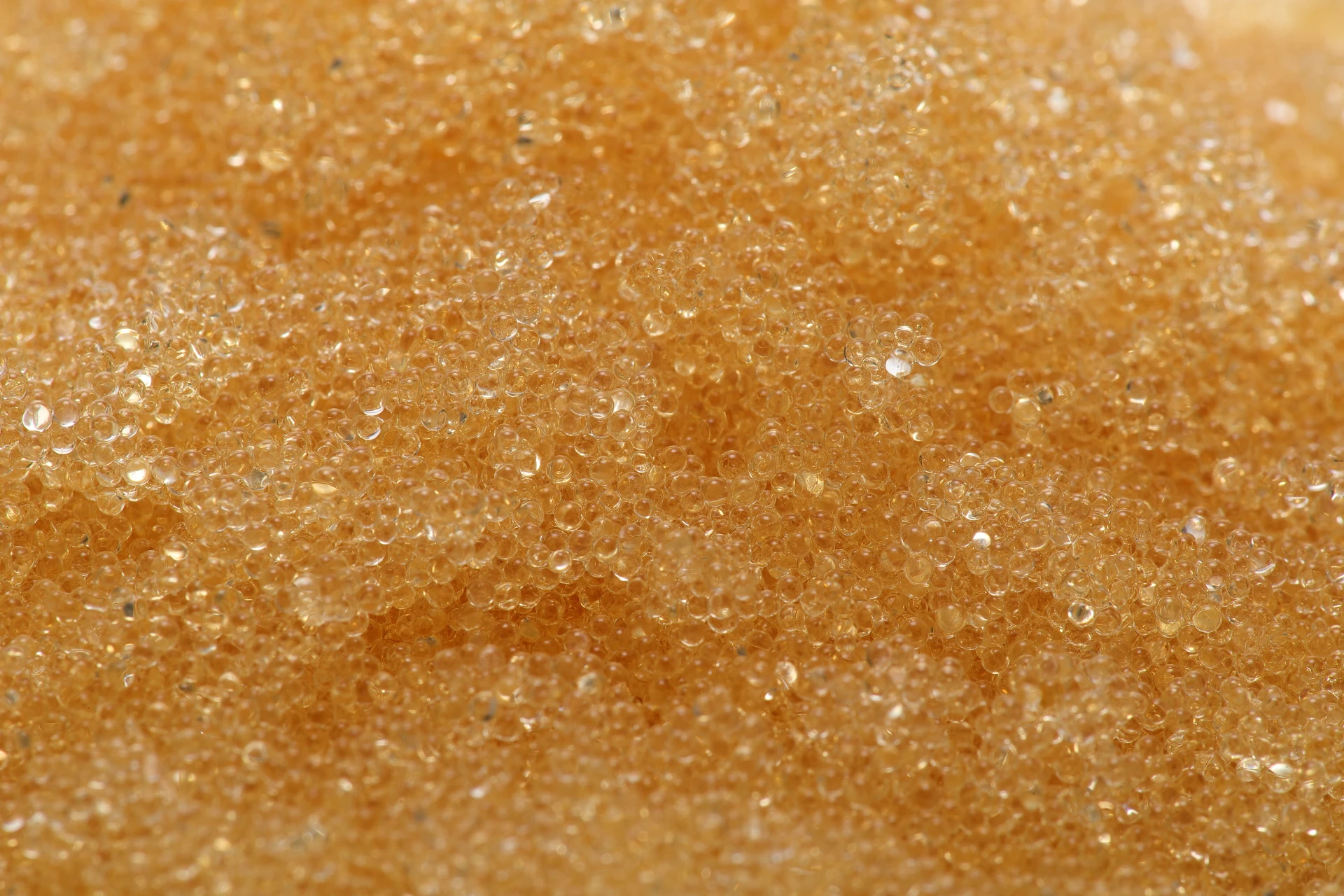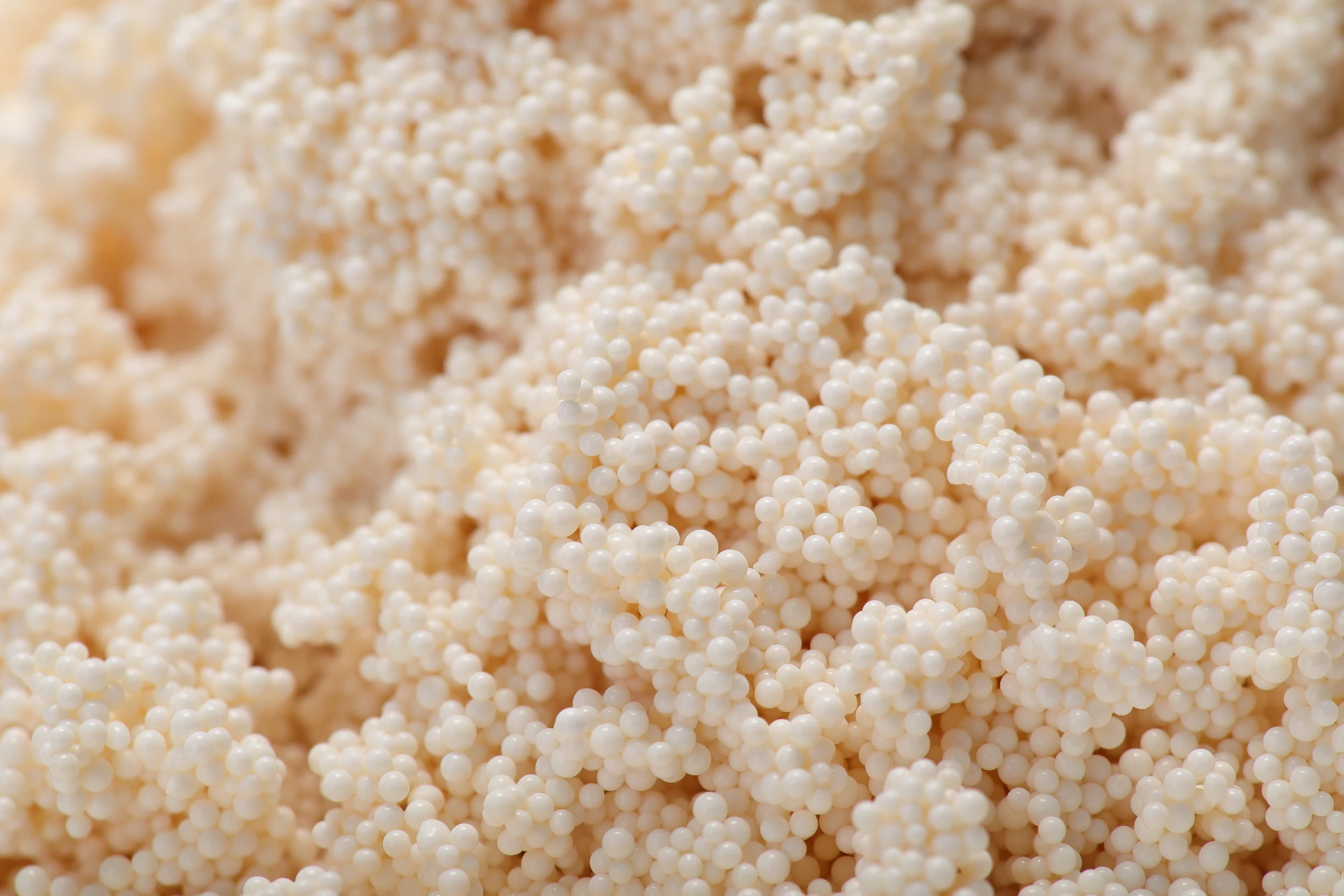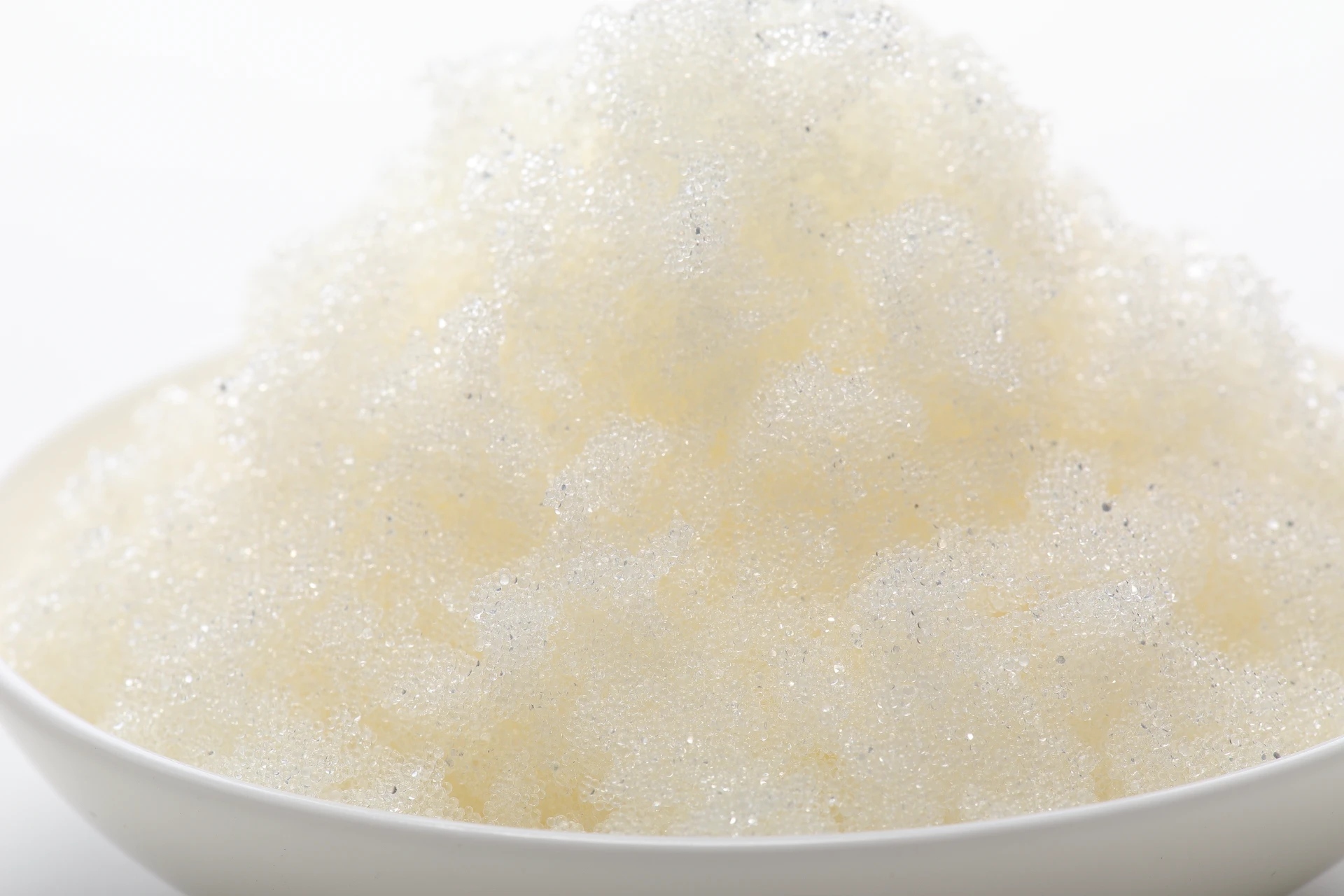
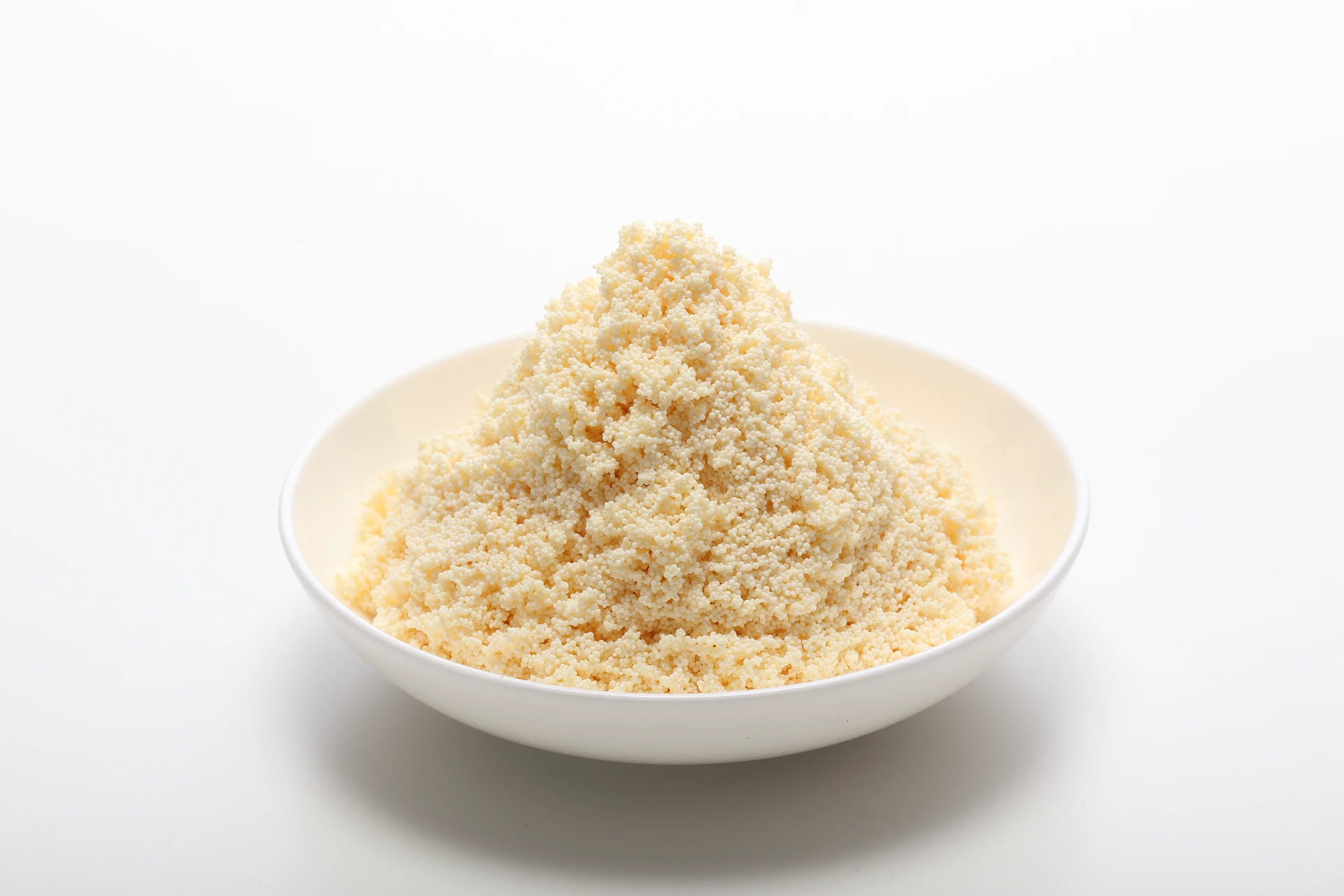
The Netherlands faces a unique hydrogeological challenge due to its low-lying geography and proximity to the North Sea, leading to significant saltwater intrusion in groundwater. This environment necessitates the widespread use of ion exchange resin to ensure water quality for both potable use and high-tech manufacturing.
In the industrial hubs of Brabant and Limburg, the demand for special resin has surged as chemical plants shift toward circular economy models. The focus has moved from simple filtration to the selective recovery of precious metals and the removal of toxic micropollutants from wastewater streams.
Furthermore, the Dutch agricultural sector, particularly the advanced hydroponics industry, relies heavily on precise nutrient control. The implementation of high-capacity bed resin systems allows for the removal of competing ions, ensuring optimal growth conditions for crops in a highly controlled environment.