Water scarcity and contamination have become some of the most pressing global challenges of the 21st century, driving a critical need for advanced purification technologies. Among these, ion exchange resins water treatment stands as a cornerstone of modern industrial and municipal water management, offering a highly selective method for removing dissolved ionic impurities. By leveraging the chemical affinity between functional groups on a polymer matrix and specific ions in water, these resins ensure that water meets the stringent purity standards required for everything from drinking water to ultra-pure semiconductor fabrication.
The versatility of ion exchange technology allows it to address a wide array of contaminants, ranging from simple hardness ions like calcium and magnesium to complex heavy metals and toxic nitrates. As global regulations on wastewater discharge become more stringent, the adoption of specialized resins—such as chelating and mixed bed varieties—has surged, providing industries with a reliable way to reclaim valuable metals and protect fragile ecosystems. This chemical process is not merely a technical requirement but a vital component of the global circular economy.
Understanding the nuances of ion exchange resins water treatment is essential for engineers and plant managers aiming to optimize operational costs and maximize the lifespan of their equipment. From selecting the right resin functional group to managing the regeneration cycle, the strategic application of this technology transforms raw, contaminated water into a high-value asset. This comprehensive guide explores the mechanisms, applications, and future innovations that make ion exchange an indispensable tool in the quest for sustainable water security.
Global Relevance of Ion Exchange Resins Water Treatment
On a global scale, the demand for purified water is skyrocketing due to rapid urbanization and the increasing complexity of industrial pollutants. According to data aligned with UN Sustainable Development Goal 6, billions of people still lack access to safely managed drinking water, and industrial runoff continues to threaten groundwater reserves. ion exchange resins water treatment provides a scalable solution to these crises, enabling the removal of harmful ions that conventional filtration methods simply cannot capture.
Beyond humanitarian needs, the economic impact is profound. Industries such as pharmaceuticals and power generation rely on "demineralized" water to prevent boiler scaling and ensure product purity. The ability to precisely target specific ions makes this technology indispensable for maintaining infrastructure longevity and operational efficiency across diverse geographic regions, from the arid plains of the Middle East to the industrial hubs of Southeast Asia.
Defining the Mechanisms of Ion Exchange
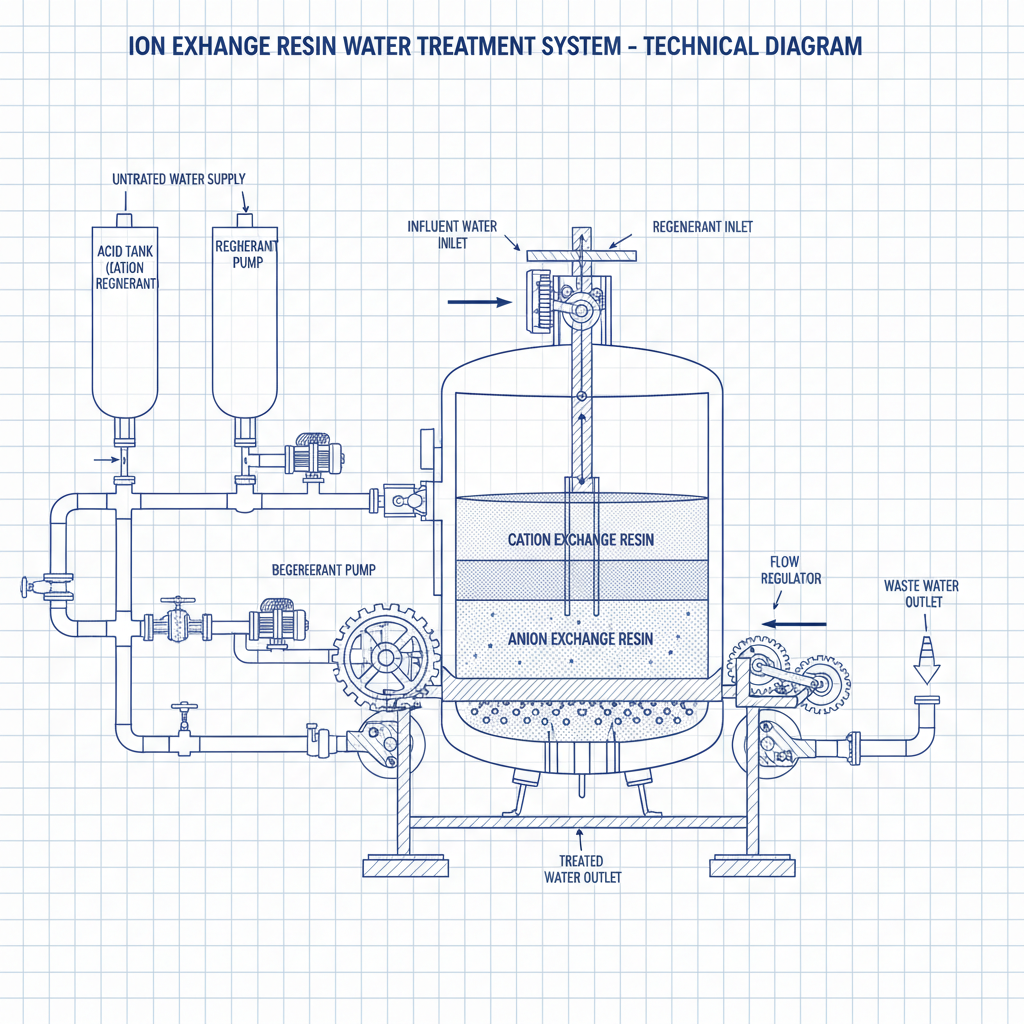
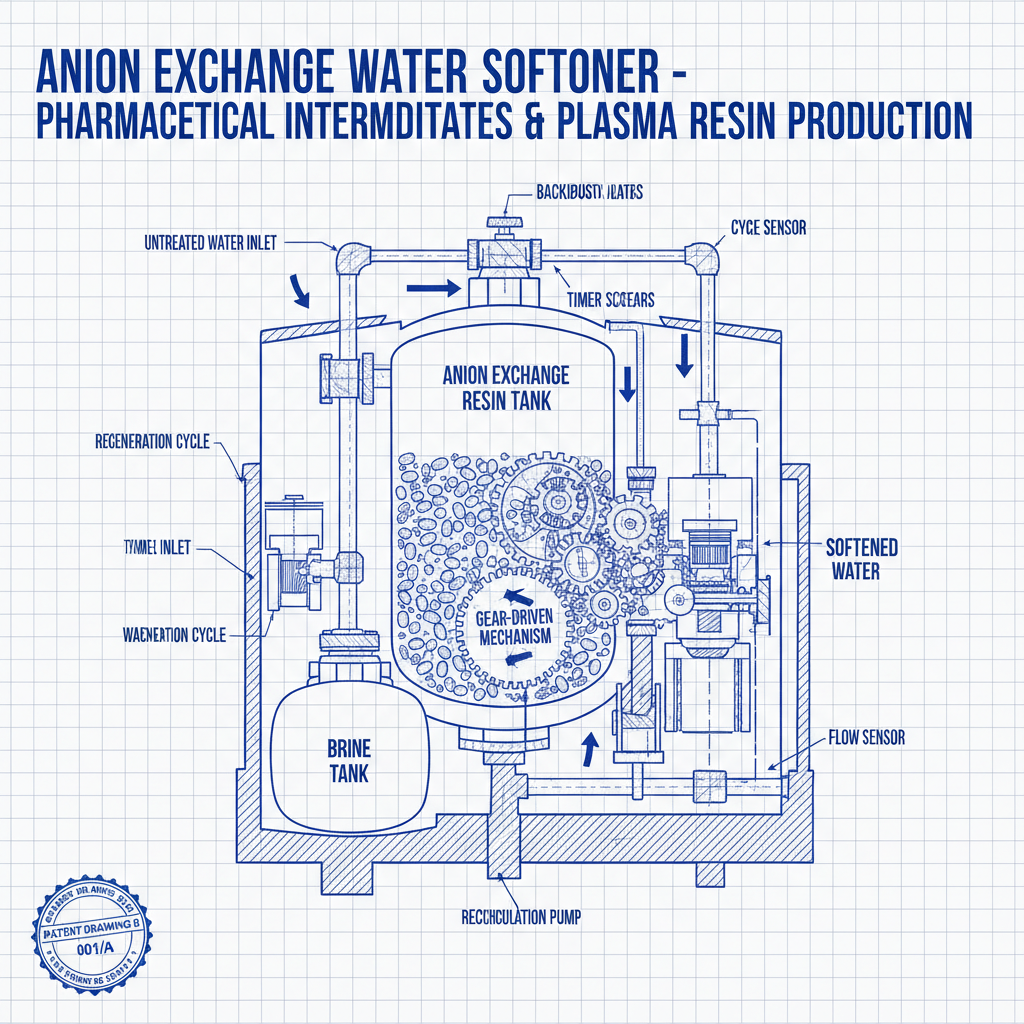
At its core, ion exchange resins water treatment is a chemical process where undesirable ions in a liquid are swapped for desirable ones attached to a solid polymer matrix. These resins are typically composed of a cross-linked polystyrene bead containing functional groups—such as sulfonic acid for strong acid cation resins or quaternary ammonium for strong base anion resins. When contaminated water passes through the resin bed, the ions with a higher affinity for the functional group displace the existing ions, effectively "cleaning" the water.
This process is categorized into cation exchange (removing positively charged ions like Ca²⁺ and Mg²⁺) and anion exchange (removing negatively charged ions like NO₃⁻ and SO₄²⁻). For applications requiring the highest level of purity, a "Mixed Bed" approach is used, combining both resin types in a single vessel to achieve near-zero conductivity. This allows for the production of ultra-pure water essential for the manufacturing of microchips and high-precision electronics.
The beauty of this system lies in its reversibility. Once the resin sites are saturated with contaminants, the resin can be "regenerated" using a concentrated solution of the original ion (such as brine for water softening). This regenerability ensures that the material remains a cost-effective, long-term investment rather than a disposable filter, aligning with modern industrial goals of waste reduction and resource efficiency.
Core Factors Affecting Resin Performance
The efficiency of ion exchange resins water treatment is primarily governed by the selectivity of the resin. Selectivity refers to the resin's preference for one ion over another, which is influenced by the ion's valence (charge) and hydrated radius. For instance, a resin will typically have a higher affinity for a trivalent ion like Al³⁺ than a monovalent ion like Na⁺, making it highly effective for targeted heavy metal removal.
Another critical factor is the cross-linking density of the polymer matrix. A higher cross-linking percentage increases the physical durability and selectivity of the resin but can slow down the diffusion rate of ions into the bead. Balancing these factors is key to optimizing the throughput of an ion exchange resins water treatment system, ensuring that the water is purified quickly without compromising the structural integrity of the resin.
Finally, the influence of pH and temperature cannot be overlooked. Certain resins, particularly weak acid cation or weak base anion resins, are highly sensitive to the pH of the influent water. Operating outside the optimal pH range can lead to a sharp drop in capacity or even the degradation of the resin beads. Professional system design must therefore incorporate pre-treatment stages to stabilize these parameters for consistent performance.
Industrial Applications and Use Cases
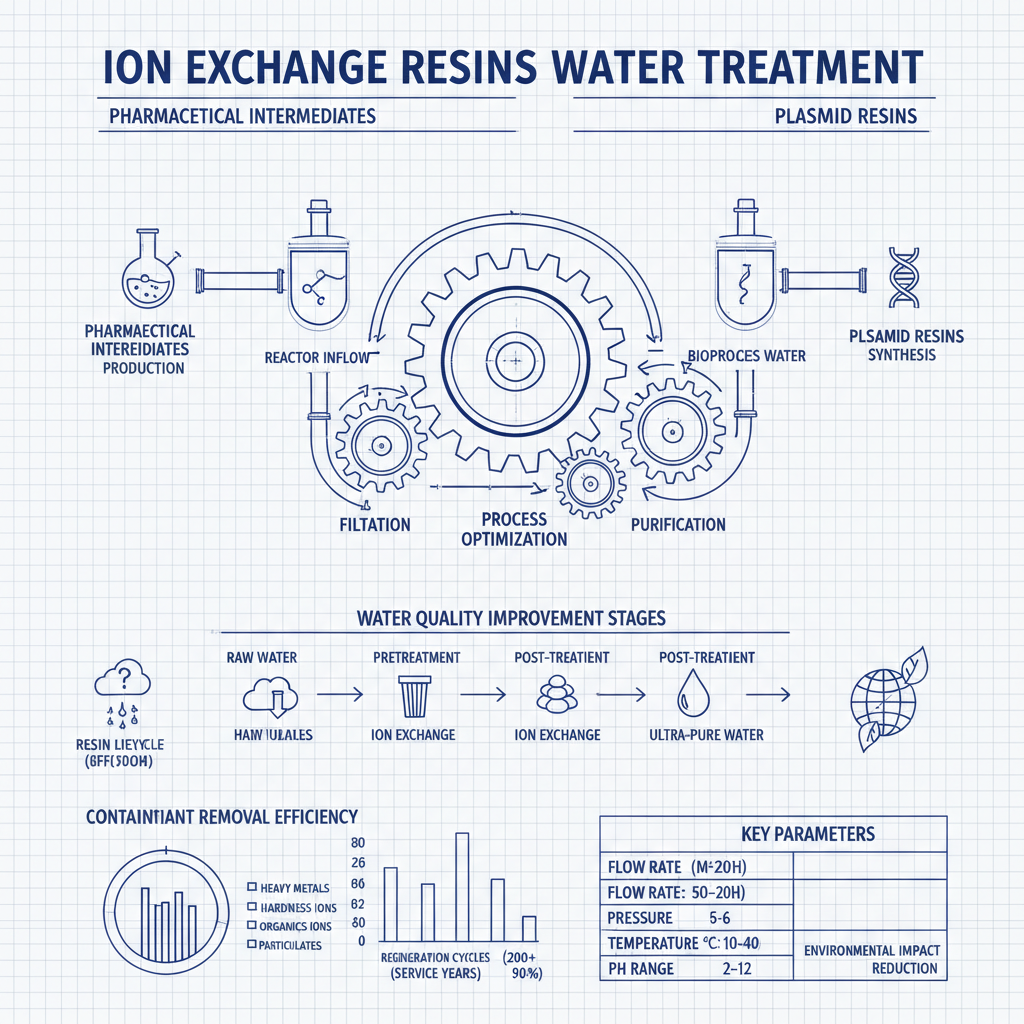
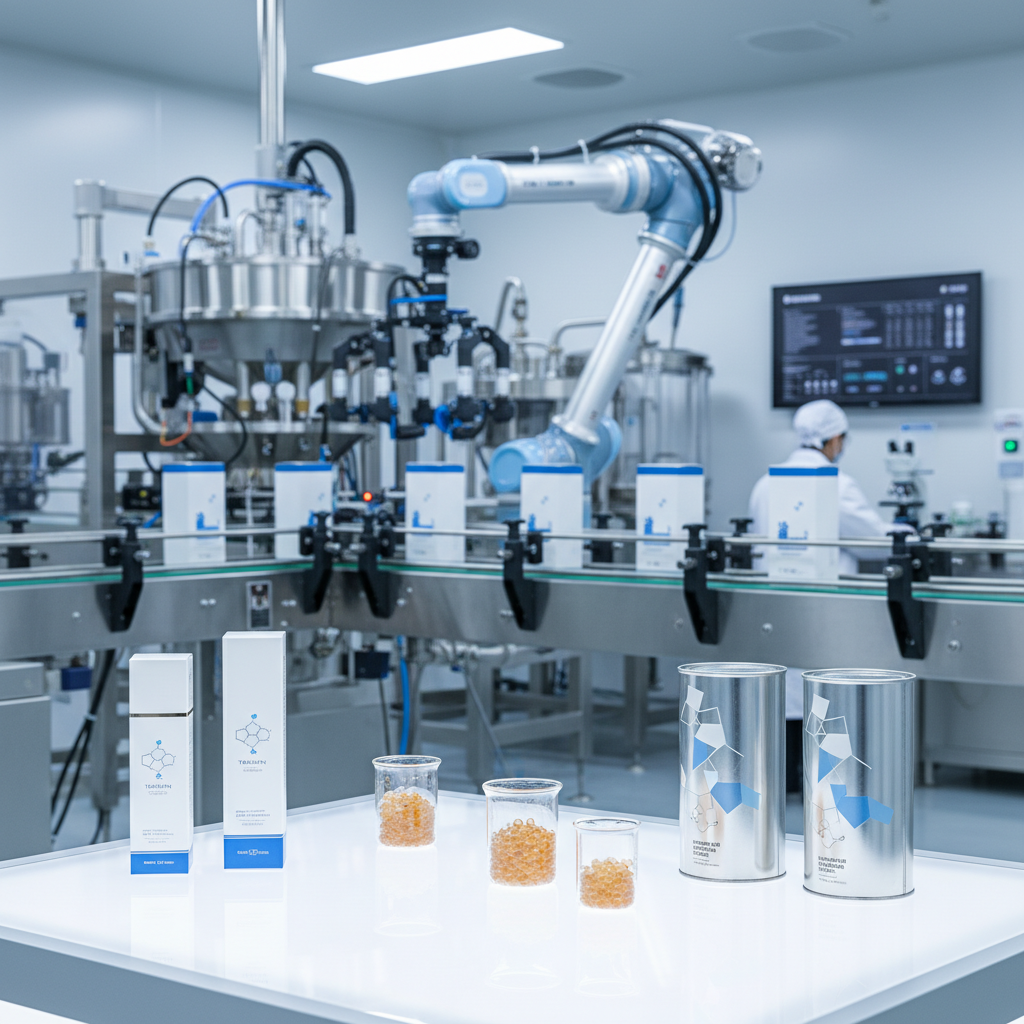
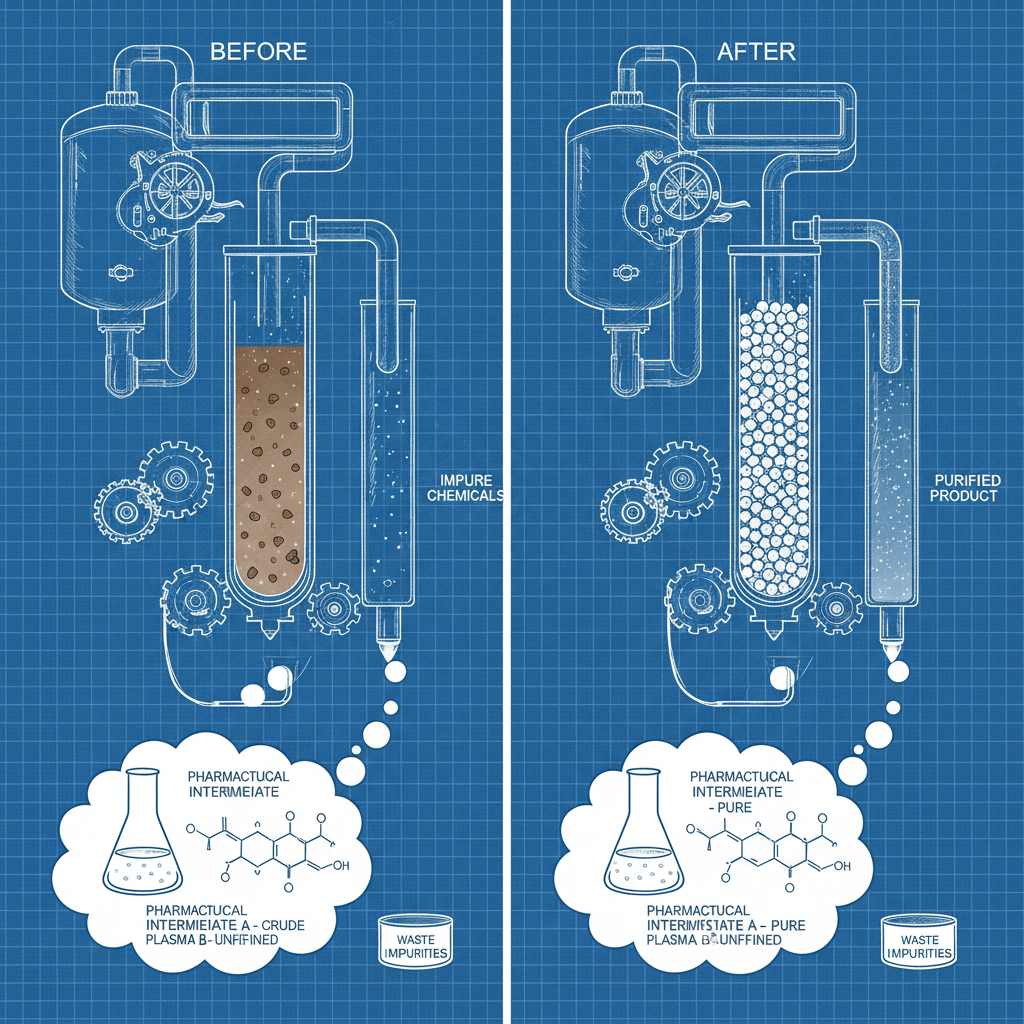
The practical application of ion exchange resins water treatment spans almost every major industrial sector. In the food and beverage industry, resins are used to decoir water to prevent scale buildup in pasteurizers and boilers, ensuring product consistency and energy efficiency. In the pharmaceutical sector, the use of specialized adsorption and catalytic resins allows for the purification of active ingredients and the removal of organic impurities from solvent streams.
Beyond traditional manufacturing, hydrometallurgy utilizes specialized resins to recover precious metals like gold, platinum, and uranium from dilute leach solutions. In remote mining zones, these resins provide a sustainable way to extract valuable minerals while treating process water to prevent environmental contamination. This capability transforms what was once considered waste into a secondary revenue stream for mining operations.
Performance Efficiency of Various Ion Exchange Methods
Long-Term Value and Sustainability Benefits
The long-term value of implementing ion exchange resins water treatment extends far beyond simple filtration. From a financial perspective, the high regeneration capacity of modern resins significantly reduces the "cost per gallon" of treated water compared to reverse osmosis, which often generates a high volume of brine waste. By extending the life of downstream equipment through the elimination of scaling and corrosion, companies realize massive savings in maintenance and capital expenditure.
From a sustainability angle, these resins play a critical role in the "Zero Liquid Discharge" (ZLD) movement. By selectively recovering ions and pollutants, industries can recycle their process water multiple times, drastically reducing their freshwater footprint. This not only ensures compliance with environmental laws but also builds trust with stakeholders and communities who value corporate responsibility and the protection of local water sources.
Future Trends in Resin Innovation
The future of ion exchange resins water treatment is being shaped by the intersection of material science and digital transformation. We are seeing the emergence of "smart resins" with nano-engineered surfaces that offer unprecedented selectivity, allowing for the removal of specific micropollutants like PFAS (per- and polyfluoroalkyl substances) which have traditionally been difficult to target. These advanced materials are designed to operate with higher efficiency at lower pressures, further reducing energy consumption.
Parallel to material advances is the integration of IoT and automation. Modern resin beds are now being equipped with real-time sensors that monitor breakthrough curves and ion leakage. This data-driven approach allows for "predictive regeneration," where the system only triggers a regeneration cycle when the resin is actually exhausted, rather than on a fixed timer. This optimization reduces chemical usage and extends the overall lifespan of the resin beads.
Furthermore, there is a growing shift toward bio-based resins. As the industry moves away from petroleum-derived polystyrene, researchers are developing biodegradable polymer matrices that maintain high ion-exchange capacities. This transition will make the entire lifecycle of ion exchange resins water treatment eco-friendly, from production to disposal, fulfilling the promise of a truly green chemical industry.
Overcoming Common Operational Challenges
Despite its effectiveness, ion exchange resins water treatment can face challenges such as organic fouling and resin oxidation. Organic fouling occurs when large organic molecules coat the resin beads, blocking the active sites and reducing the exchange capacity. To overcome this, experts recommend the use of organic scavengers or periodic alkaline brine washes to strip the foulants and restore the resin's activity.
Oxidation, often caused by residual chlorine in the feed water, can break the polymer cross-links, leading to "swelling" of the beads and increased pressure drop across the bed. The solution is the installation of activated carbon pre-filters or the use of chlorine-resistant resin grades. By implementing a robust pre-treatment strategy, operators can prevent these common pitfalls and ensure the stability of their water chemistry.
Lastly, the management of regenerant waste is a significant concern. The discharge of high-salt brine can be harmful to the environment. Innovative solutions now include the use of bipolar membrane electrodialysis (BMED) to split the waste brine back into acid and base, which can then be reused for regeneration. This closes the loop, turning a waste problem into a self-sustaining resource cycle.
Comparison of Operational Solutions for Ion Exchange Resin Challenges
| Challenge Type |
Root Cause |
Expert Solution |
Impact Rating (1-10) |
| Organic Fouling |
Humic acids/TOC |
Organic Scavenger Pre-bed |
9 |
| Resin Oxidation |
Free Chlorine/Ozone |
Activated Carbon Filtration |
8 |
| Pressure Drop |
Bead Fragmentation |
Proper Backwashing Cycle |
7 |
| Capacity Loss |
Incomplete Regeneration |
Optimized Chemical Dosage |
9 |
| Brine Waste |
Regeneration Discharge |
BMED Waste Recovery |
10 |
| Iron Scaling |
Fe²⁺/Fe³⁺ Precipitation |
Acidic Resin Cleaning |
8 |
FAQS
Cation exchange resins are designed to remove positively charged ions (cations) such as calcium, magnesium, and sodium from water. Anion exchange resins target negatively charged ions (anions) like nitrates, sulfates, and chlorides. In most professional ion exchange resins water treatment systems, both are used in sequence or as a mixed bed to achieve complete demineralization of the water source.
Regeneration frequency depends on the total dissolved solids (TDS) of the influent water and the resin's total exchange capacity. In high-load industrial environments, regeneration may occur daily, whereas in residential softening, it might be weekly. Modern automated systems monitor the water's conductivity or hardness in real-time to trigger regeneration only when necessary, maximizing efficiency.
Yes, specifically through the use of chelating resins. Unlike standard resins, chelating resins have specialized functional groups that form strong bonds with transition metals. This makes ion exchange resins water treatment highly effective for removing lead, cadmium, mercury, and nickel, even in the presence of high concentrations of competing ions like sodium.
It depends on the target purity and water volume. Ion exchange generally has lower energy requirements because it doesn't require high-pressure pumps. However, it requires chemicals for regeneration. For specific ion removal (like softening or nitrate removal), ion exchange is typically more cost-effective; for total dissolved solids removal at very high levels, a hybrid system using both RO and IX is often the most economical.
The primary causes are chemical oxidation (from chlorine or ozone), physical stress (from excessive backwash pressure), and thermal degradation (operating above the resin's temperature limit). Additionally, irreversible fouling from organic matter or mineral scaling can block the active sites. Regular maintenance and proper pre-filtration are the best ways to extend resin life.
Yes, especially when compared to traditional chemical precipitation. They allow for the recovery of valuable metals and the recycling of process water. The main environmental concern is the regeneration brine, but with the advent of brine recovery systems and bio-based resins, the environmental footprint of ion exchange resins water treatment continues to decrease.
Conclusion
In summary, ion exchange resins water treatment represents a sophisticated synergy of chemistry and engineering that addresses the most critical water purity challenges of today. By understanding the interplay between resin selectivity, cross-linking, and operational parameters, industries can achieve unparalleled levels of water quality while optimizing their operational costs. From the removal of simple hardness to the recovery of precious metals and the elimination of toxic pollutants, these resins provide a versatile, regenerable, and scalable solution that is fundamental to industrial sustainability.
Looking ahead, the shift toward smart, nano-engineered, and bio-based resins promises a future where water treatment is not only more efficient but also entirely circular. As we face increasing water scarcity, the strategic adoption of advanced ion exchange technologies will be a decisive factor in ensuring both industrial growth and environmental preservation. We encourage plant managers and engineers to evaluate their current water treatment trains and explore how specialized resin applications can enhance their efficiency. Visit our website: www.lijiresins.com