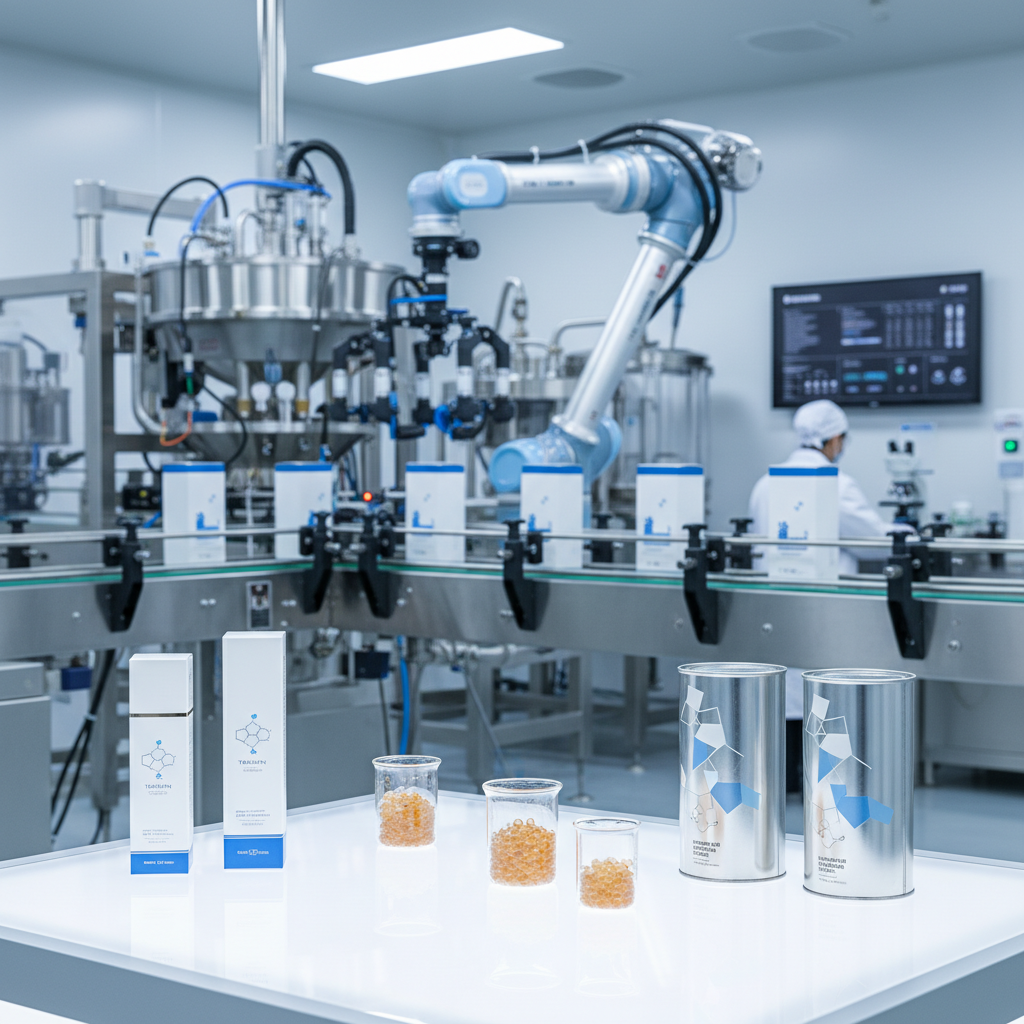
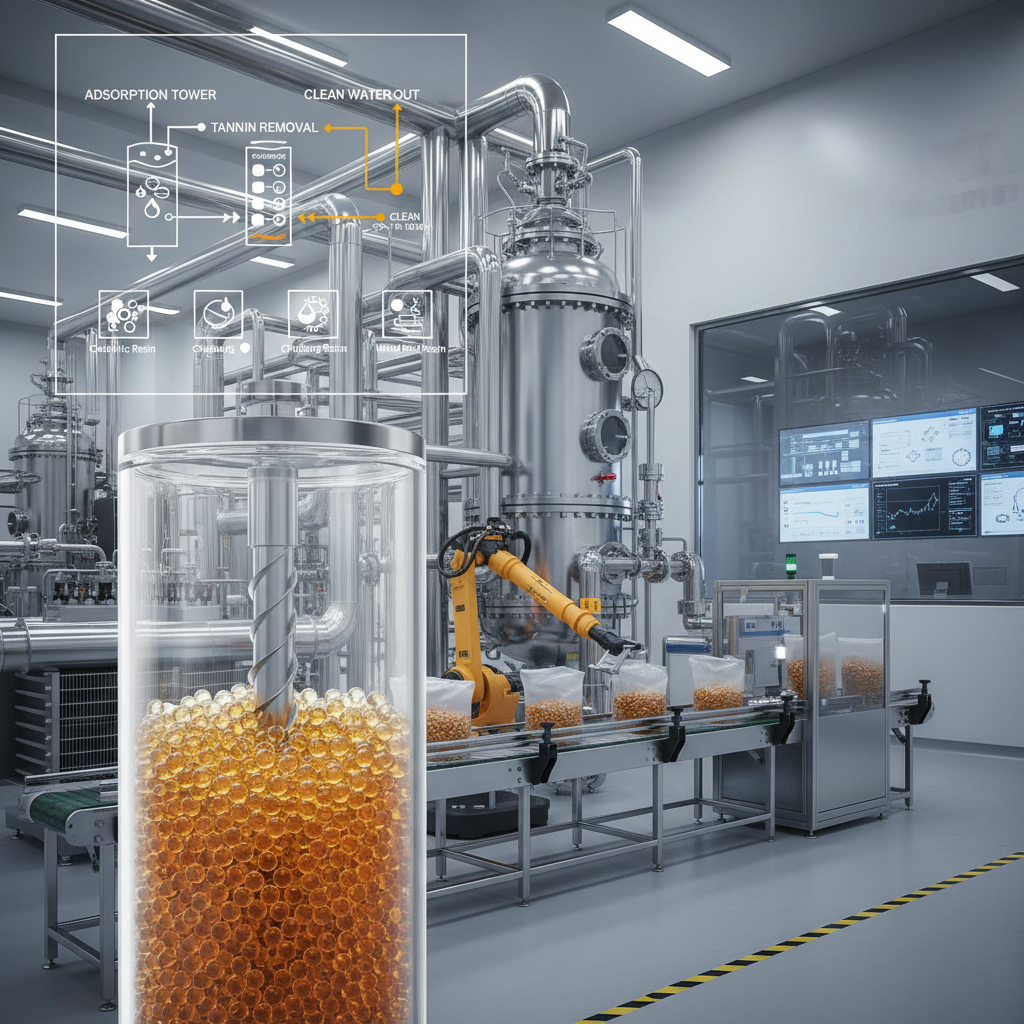
Tannins are naturally occurring polyphenolic compounds found in various plants, often causing significant challenges in industrial water treatment and food processing due to their color and astringency. The implementation of a high-performance tannin removal resin serves as a critical solution for removing these organic contaminants, ensuring that the final product meets strict quality and aesthetic standards.
Globally, the demand for purified extracts and clean process water has surged, making the selection of an appropriate ion exchange or adsorption medium a priority for chemical engineers. By utilizing a specialized tannin removal resin, industries can achieve selective removal of large molecular weight polyphenols without compromising the integrity of the desired solute.
Understanding the synergy between resin porosity, functional group chemistry, and flow dynamics is essential for optimizing the lifespan of the media. This comprehensive guide explores how the right tannin removal resin can transform operational efficiency, reduce waste, and enhance the purity of industrial outputs across various sectors.
Global Relevance of Tannin Removal Resin
On a global scale, the presence of tannins in raw water and industrial extracts represents a significant economic hurdle. According to industry standards and environmental guidelines, the removal of these organic loads is essential to prevent fouling in downstream membranes and to ensure the clarity of beverages and pharmaceuticals. The adoption of tannin removal resin has become a benchmark in regions with high organic matter in groundwater, such as parts of Southeast Asia and Northern Europe.
The challenge lies in the chemical diversity of tannins, which range from hydrolyzable to condensed forms. Traditional coagulation methods often produce excessive sludge, leading to higher disposal costs and environmental footprints. In contrast, a specialized tannin removal resin offers a regenerable, low-waste alternative that aligns with ISO 14001 environmental management systems, providing a scalable solution for modern industrialization.
Defining Tannin Removal Resin Technology
A tannin removal resin is a specialized polymeric material, typically a macroporous strong base anion exchange resin or a non-ionic adsorbent, designed to selectively capture polyphenolic molecules from a liquid stream. Unlike standard water softening resins, these are engineered with larger pore sizes to accommodate the bulky structure of tannin molecules, allowing them to migrate into the resin matrix and bind to active sites.
In modern industry, this technology is not merely about filtration but about molecular recognition. By leveraging the electrostatic attraction between the negatively charged phenolic groups of tannins and the positively charged quaternary ammonium groups of the resin, these materials can "strip" color and bitterness from a solution with surgical precision. This is vital for the production of high-purity ingredients in the food and beverage sector.
Beyond simple removal, this process supports humanitarian and public health needs by treating surface water in remote areas where natural organic matter (NOM) is high. By implementing a tannin removal resin system, communities can obtain clear, palatable water that is free from the astringent taste and potential health risks associated with untreated organic compounds.
Core Components of Effective Resin Systems
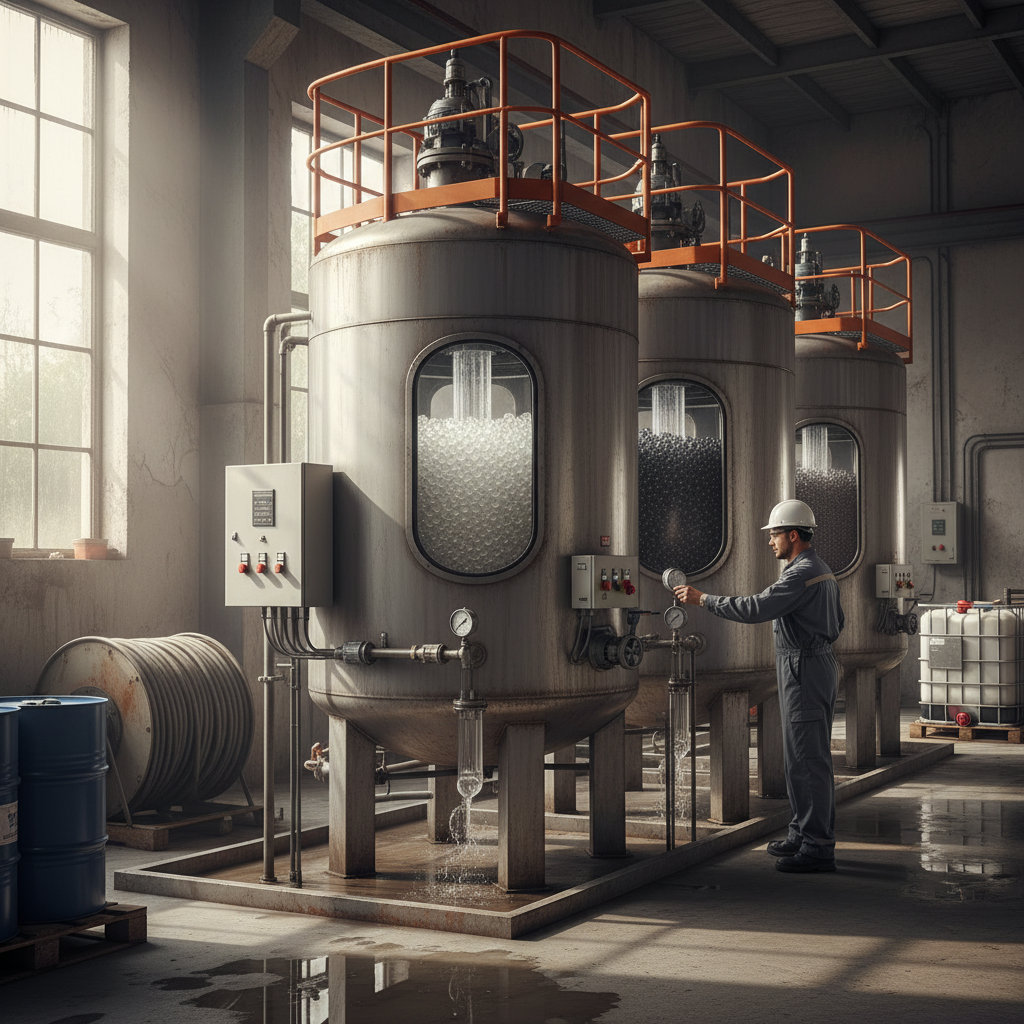
The efficacy of a tannin removal resin is primarily determined by its physical architecture. Macroporosity is the most critical factor; a permanent pore structure ensures that large organic molecules can access the internal functional groups without being blocked by the polymer surface, preventing premature breakthrough and increasing the operating capacity.
Chemical selectivity is another cornerstone. High-quality tannin removal resin utilizes a balance of hydrophobic and hydrophilic interactions. While the ion exchange sites provide the primary binding force, the polystyrene-divinylbenzene matrix provides the necessary hydrophobic environment to attract the aromatic rings inherent in tannin structures.
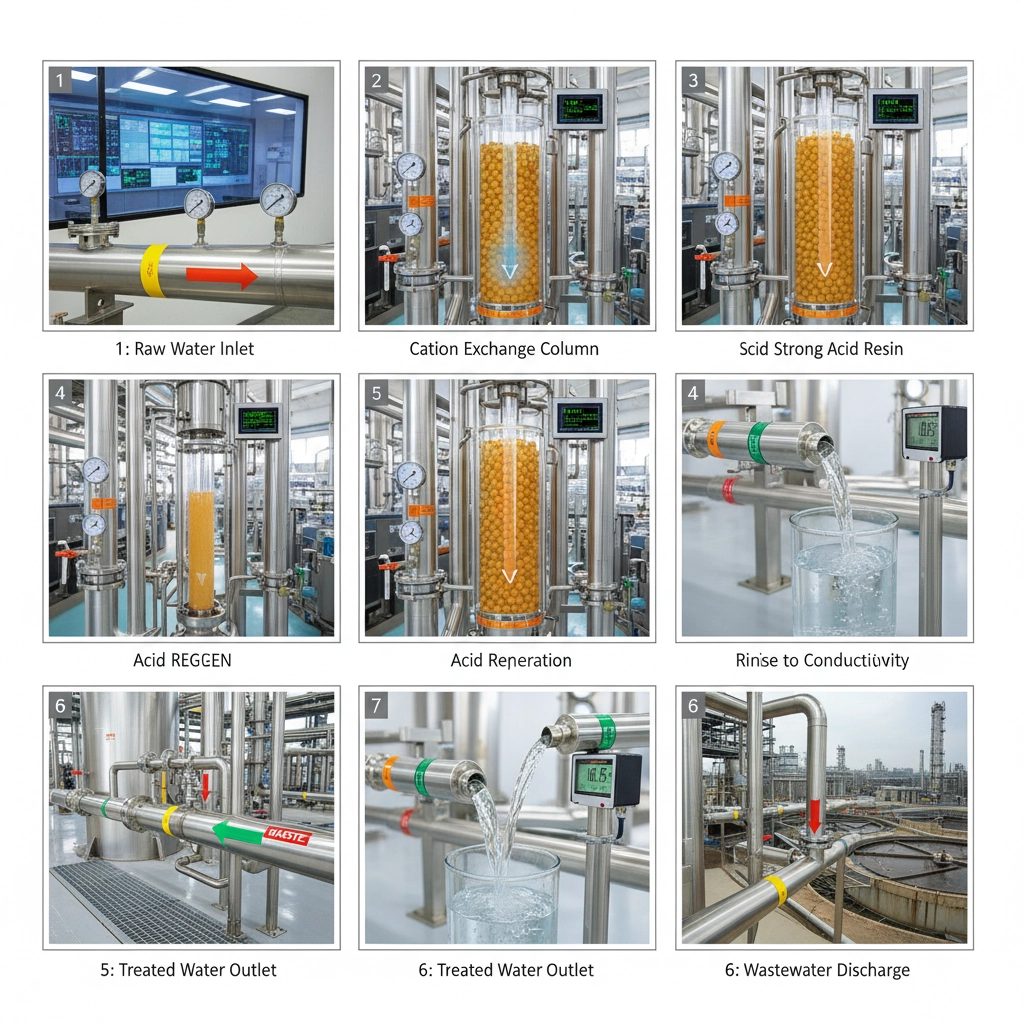
Finally, the mechanical durability and regenerability of the resin define its economic viability. A robust tannin removal resin must withstand repeated cycles of caustic regeneration (typically using NaOH) without losing its structural integrity or exchange capacity, ensuring a service life that spans several years of continuous operation.
Industrial Applications and Case Studies
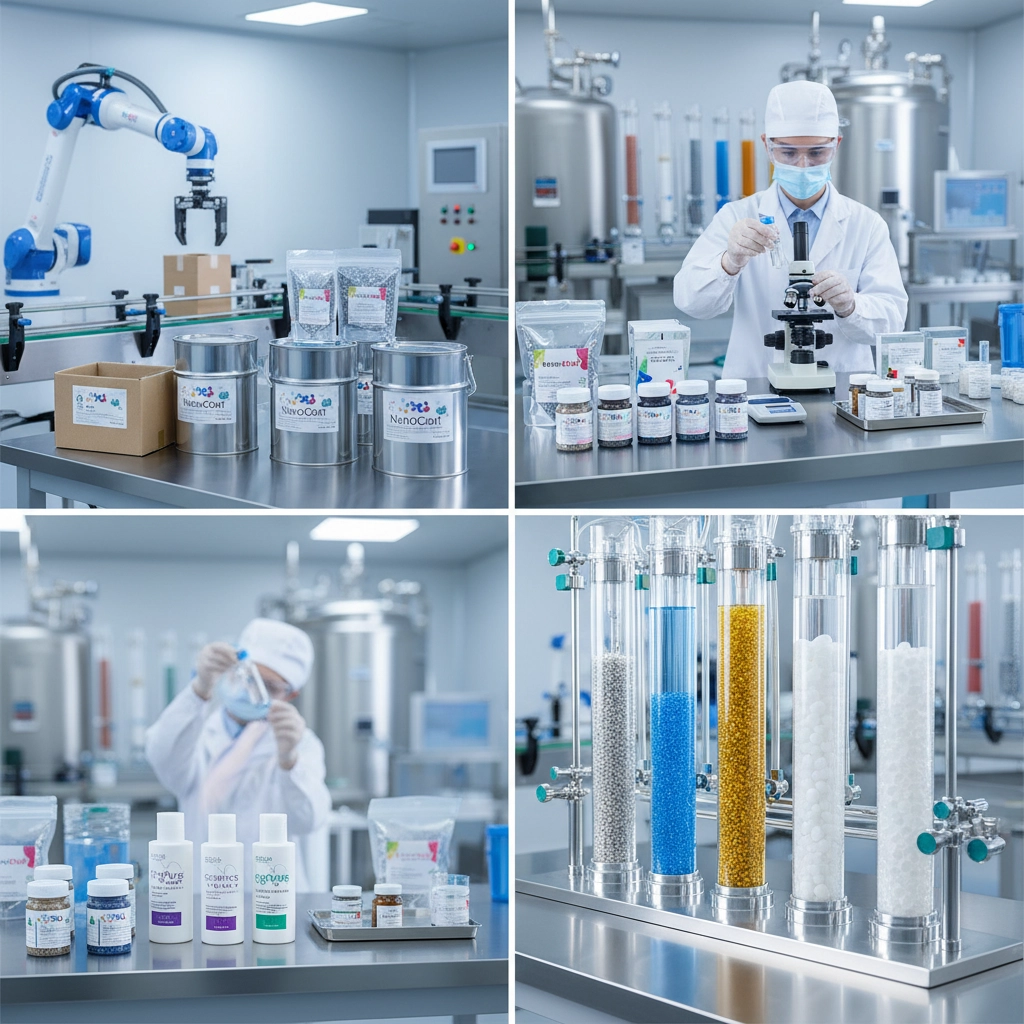
The practical application of tannin removal resin spans multiple high-value industries. In the wine and juice industry, these resins are used for "debittering" and color stabilization, removing excess tannins that would otherwise lead to precipitation or an unpleasant mouthfeel. Similarly, in the pharmaceutical sector, they are employed to purify plant-based extracts, ensuring that only the active pharmacological compounds remain.
In heavy industrial zones, such as pulp and paper mills, tannin removal resin is used to treat effluent water, recovering valuable organic compounds while reducing the Chemical Oxygen Demand (COD) of the wastewater before it reaches biological treatment plants. This not only ensures regulatory compliance but also protects the biological flora of the treatment system from organic shock loads.
Performance Comparison of Tannin Removal Resin Methods
Long-Term Value and Sustainability
The investment in a high-quality tannin removal resin provides tangible long-term financial benefits. By reducing the need for disposable filter aids and decreasing the frequency of membrane replacement in RO (Reverse Osmosis) systems, companies can significantly lower their operational expenditure (OPEX). The ability to regenerate the resin means that the only recurring costs are the regeneration chemicals, rather than the constant purchase of new media.
Beyond the balance sheet, there is a profound social and environmental impact. Reducing the chemical sludge associated with traditional tannin precipitation aligns with the global push toward "Zero Liquid Discharge" (ZLD) goals. This innovation fosters trust with regulators and consumers, who increasingly demand transparency and sustainability in the production of their food and medicine.
Future Innovations in Resin Synthesis
The next generation of tannin removal resin is moving toward "intelligent" polymers. Researchers are developing resins with switchable affinity, where the binding strength can be adjusted via external stimuli such as pH or temperature, allowing for even more efficient regeneration and reduced chemical usage.
Digital transformation is also playing a role, with the integration of real-time sensors in resin beds. By monitoring the breakthrough curve of tannins in real-time, automation systems can trigger regeneration precisely when needed, eliminating the guesswork and preventing product contamination while maximizing the capacity of the tannin removal resin.
Furthermore, the shift toward green chemistry is leading to the development of bio-based resin matrices. By replacing petroleum-derived styrene with renewable precursors, the industry is working toward a completely circular lifecycle for the tannin removal resin, reducing the carbon footprint of the purification process.
Overcoming Operational Challenges
Despite the advantages, users often face the challenge of "organic fouling," where very large molecules permanently block the resin pores. The solution lies in the implementation of a pre-filtration stage or the use of a dual-resin bed where a coarse tannin removal resin protects a more selective, fine-pored resin downstream.
Another common issue is the incomplete regeneration of the bed, leading to a gradual decline in capacity. Expert insight suggests that implementing a brine-caustic mixture for regeneration can better displace the strongly bound polyphenolic complexes, restoring the tannin removal resin to its original efficiency.
Finally, optimizing the flow rate (Space Velocity) is essential. Running the system too fast can lead to "channeling," where the liquid bypasses the resin beads. Proper bed grading and the use of high-quality distributors ensure that every bead of the tannin removal resin is utilized, maximizing the volume of treated water per cycle.
Analysis of Tannin Removal Resin Operational Parameters
| Parameter |
Impact on Efficiency |
Recommended Range |
Risk of Deviation |
| Pore Diameter |
High |
Macroporous (>50nm) |
Pore Plugging |
| Regenerant Conc. |
Medium |
2-4% NaOH |
Incomplete Stripping |
| Flow Velocity |
High |
5-15 BV/h |
Early Breakthrough |
| Feed pH |
Medium |
pH 4.0 - 7.0 |
Reduced Affinity |
| Bed Depth |
Low |
>800 mm |
Short Contact Time |
| Cycle Frequency |
Medium |
Based on UV254 |
Resin Exhaustion |
FAQS
While activated carbon is effective, it is typically a disposable medium. A tannin removal resin is regenerable, meaning it can be used for hundreds of cycles, significantly reducing long-term waste and material costs. Additionally, resins offer higher selectivity for specific polyphenol molecular weights, resulting in a more consistent product purity.
Regeneration frequency depends on the influent tannin concentration and the bed volume. Most industrial systems monitor the "breakthrough point" using UV254 absorbance or colorimetric analysis. Once the effluent exceeds a predefined threshold, the resin is regenerated with a caustic solution to restore its active sites.
Yes, most tannin removal resin products are designed to remove a broad range of humic and fulvic acids. However, if the water contains high levels of oils or suspended solids, pre-filtration is required to prevent the resin pores from clogging, which would reduce the overall capacity for tannins.
The regeneration process produces a concentrated waste stream of tannins and salt. In professional setups, this stream is neutralized and treated in a wastewater plant. Because the resin itself is a long-term asset, the total chemical footprint is often lower than that of single-use coagulation and flocculation methods.
Depending on the water quality and the rigor of the regeneration protocol, a high-grade tannin removal resin typically lasts between 3 to 7 years. Gradual loss of capacity is normal, but sudden drops usually indicate organic fouling or chemical degradation of the polymer matrix.
Strong Base Anion (SBA) resins are preferred for highly charged tannins and when a very low effluent color is required. Non-ionic adsorbent resins are better suited for neutral polyphenols or when the water has a very high salt content that would compete with tannins for ion-exchange sites.
Conclusion
The implementation of a high-performance tannin removal resin is a strategic necessity for any industry dealing with complex organic loads. From enhancing the sensory profile of beverages to ensuring the purity of pharmaceutical extracts and protecting industrial membranes, these resins provide a balance of selectivity, durability, and economic efficiency. By focusing on macroporous structures and optimized regeneration cycles, operators can achieve superior clarity and consistency in their final products.
Looking forward, the integration of bio-based materials and automated monitoring will further elevate the sustainability of tannin removal. We encourage industrial engineers and procurement managers to evaluate their current organic load challenges and transition toward regenerable resin technologies to reduce waste and enhance quality. For more information on selecting the right medium for your specific application, visit our website: www.lijiresins.com.