Water purification is a cornerstone of modern industrial success, and the implementation of an anion exchange water softener represents one of the most sophisticated methods for removing unwanted dissolved solids. By leveraging the specific chemical affinity of ion-exchange resins, these systems target negatively charged ions, ensuring that water meets the stringent purity standards required for high-precision manufacturing and pharmaceutical applications.
Across the globe, the demand for high-purity water is escalating as industries shift toward more sustainable and efficient production cycles. An anion exchange water softener is not merely a filtration tool but a critical asset in preventing scale buildup, reducing chemical waste, and extending the operational lifespan of expensive industrial equipment.
Understanding the nuances of anion exchange—from the selection of Strong Base Anion (SBA) resins to the regeneration cycles—allows plant managers to optimize their water treatment costs. By integrating an anion exchange water softener, organizations can achieve a level of ionic control that traditional softening methods simply cannot provide, paving the way for superior product quality.
Global Industry Context of Anion Exchange Water Softeners
On a global scale, the management of water hardness and ionic impurities has become a primary concern for ISO-certified manufacturing plants. The rise of semiconductor fabrication and high-purity chemical synthesis has pushed the requirements for water quality to the extreme, making the anion exchange water softener an indispensable part of the utility chain.
Current data suggests that industrial water treatment markets are expanding rapidly in Asia-Pacific and North America, driven by stricter environmental regulations regarding wastewater discharge. The challenge lies in removing nitrates, sulfates, and organic acids—impurities that traditional cation-only softeners cannot address, necessitating the deployment of specialized anion exchange systems.
Defining the Anion Exchange Water Softener Mechanism
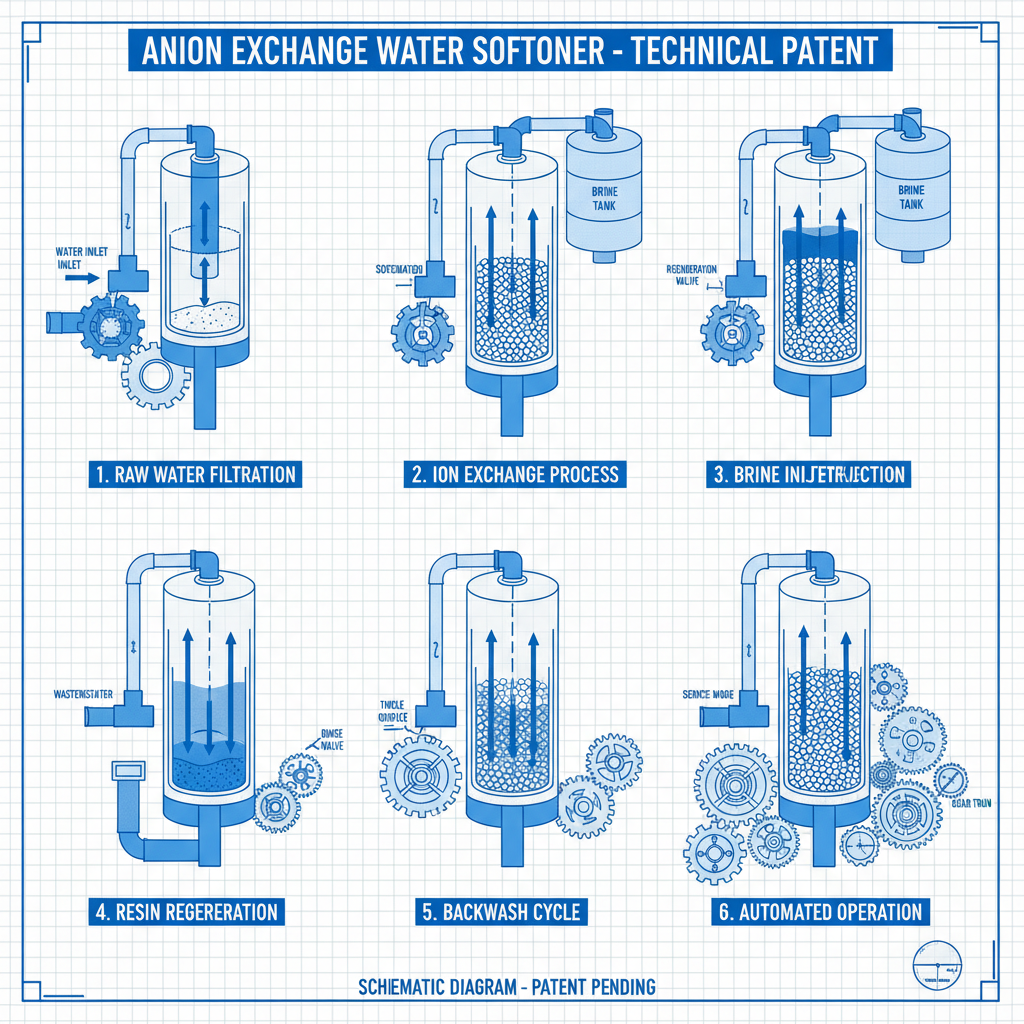
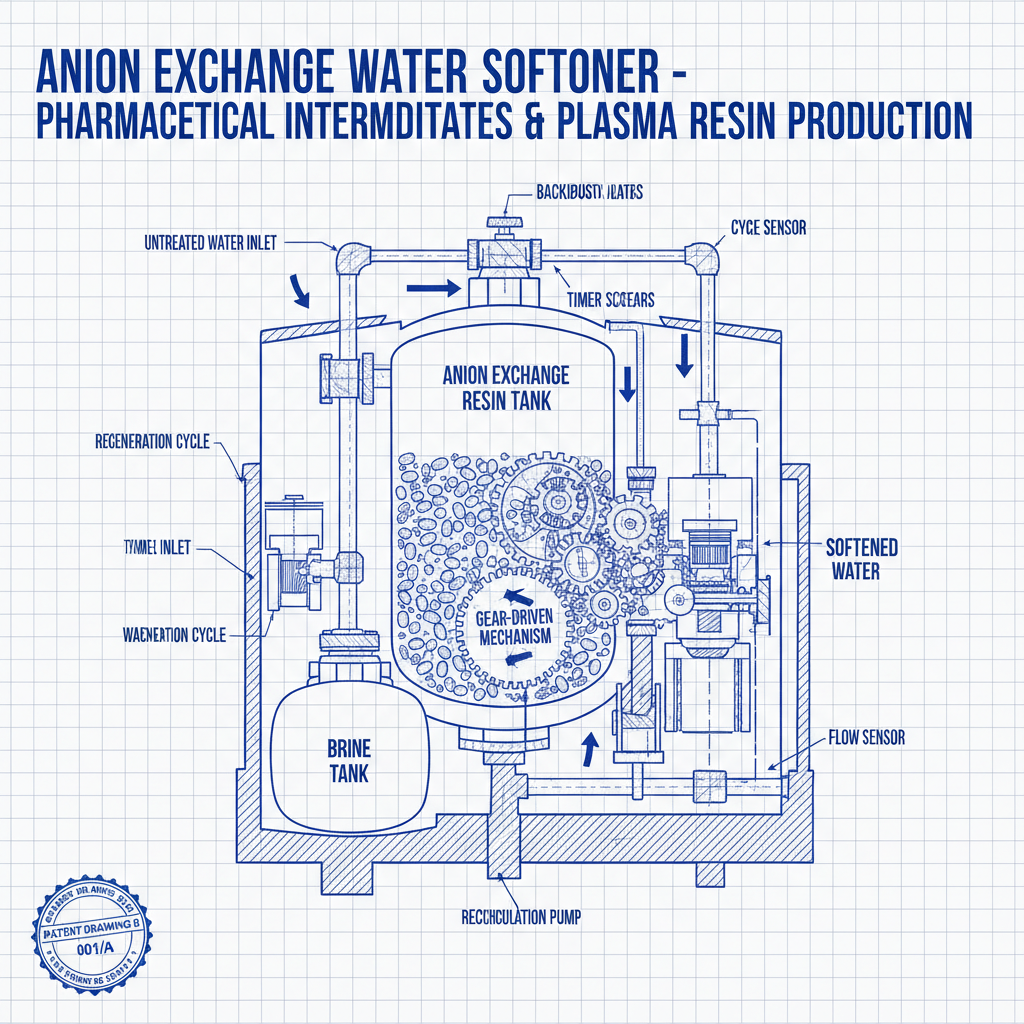
An anion exchange water softener is a chemical treatment system that utilizes synthetic resin beads to swap undesirable anions (negatively charged ions) in water for more benign ones, typically hydroxyl (OH-) or chloride (Cl-) ions. Unlike standard softening which focuses on calcium and magnesium, this process targets species like silica, nitrates, and sulfates that can cause scaling or interfere with chemical reactions.
From a molecular perspective, the resin consists of a polymer matrix with fixed positive functional groups. As contaminated water flows through the bed, the resin's affinity for certain anions pulls them out of the solution, effectively "softening" the water of its aggressive anionic load. This mechanism is fundamental to achieving "demineralized" water.
In modern industry, this technology bridges the gap between basic filtration and ultra-pure water production. By integrating an anion exchange water softener into a mixed-bed or two-stage system, companies can ensure that their feed water does not compromise the integrity of their catalysts or the purity of their final synthetic materials.
Core Components for Optimal Performance
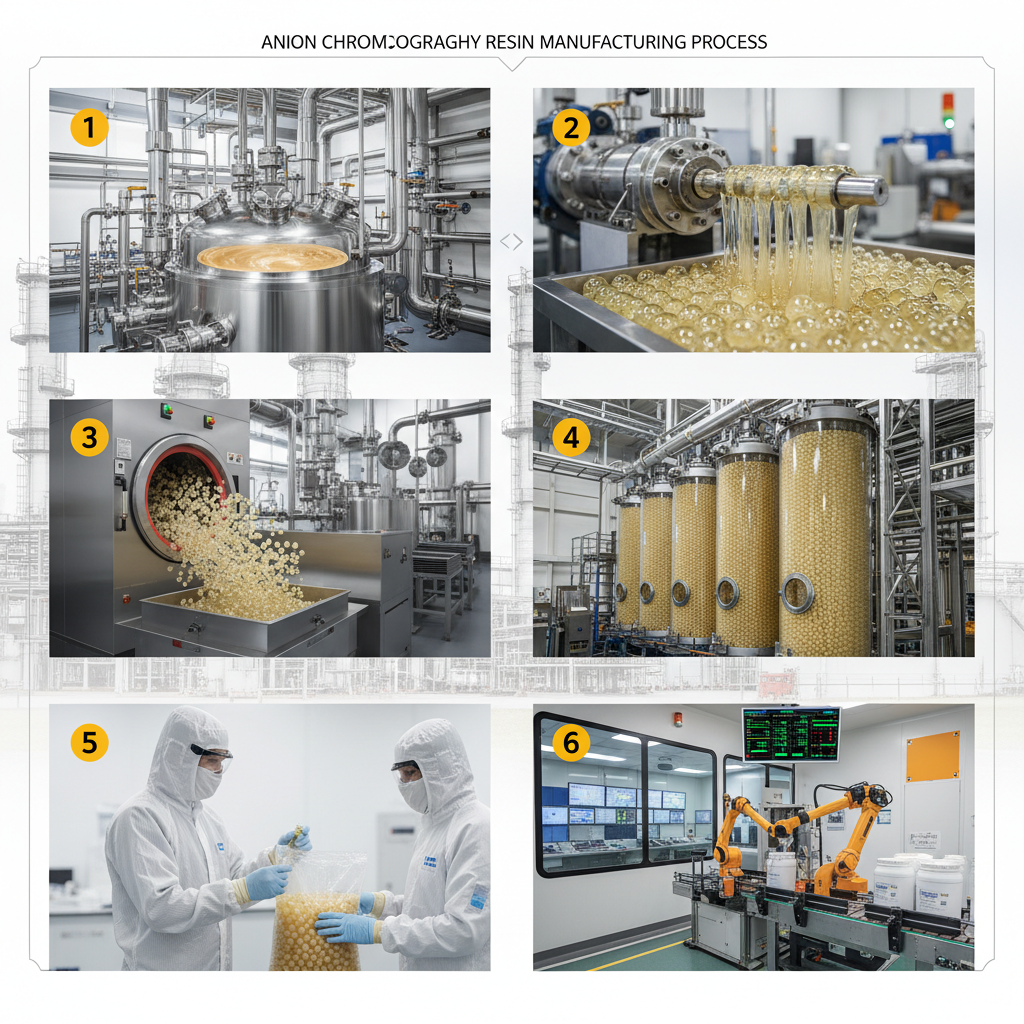
The heart of any anion exchange water softener is the resin selection. Whether using a Strong Base Anion (SBA) resin for complete mineralization or a Weak Base Anion (WBA) resin for selective organic removal, the choice of polymer determines the system's capacity and regeneration frequency.
Durability and scalability are also critical. High-grade resins must withstand osmotic shock during the regeneration phase, where caustic soda (NaOH) is typically used to restore the resin's ion-exchange capacity. A robust anion exchange water softener design ensures that pressure drops are minimized even as the resin bed ages.
Finally, the control system—including automated valves and conductivity sensors—plays a vital role in maintaining consistency. By monitoring the "breakthrough point" where the anion exchange water softener becomes saturated, operators can trigger regeneration precisely, reducing chemical consumption and water waste.
Efficiency Metrics and Comparative Analysis
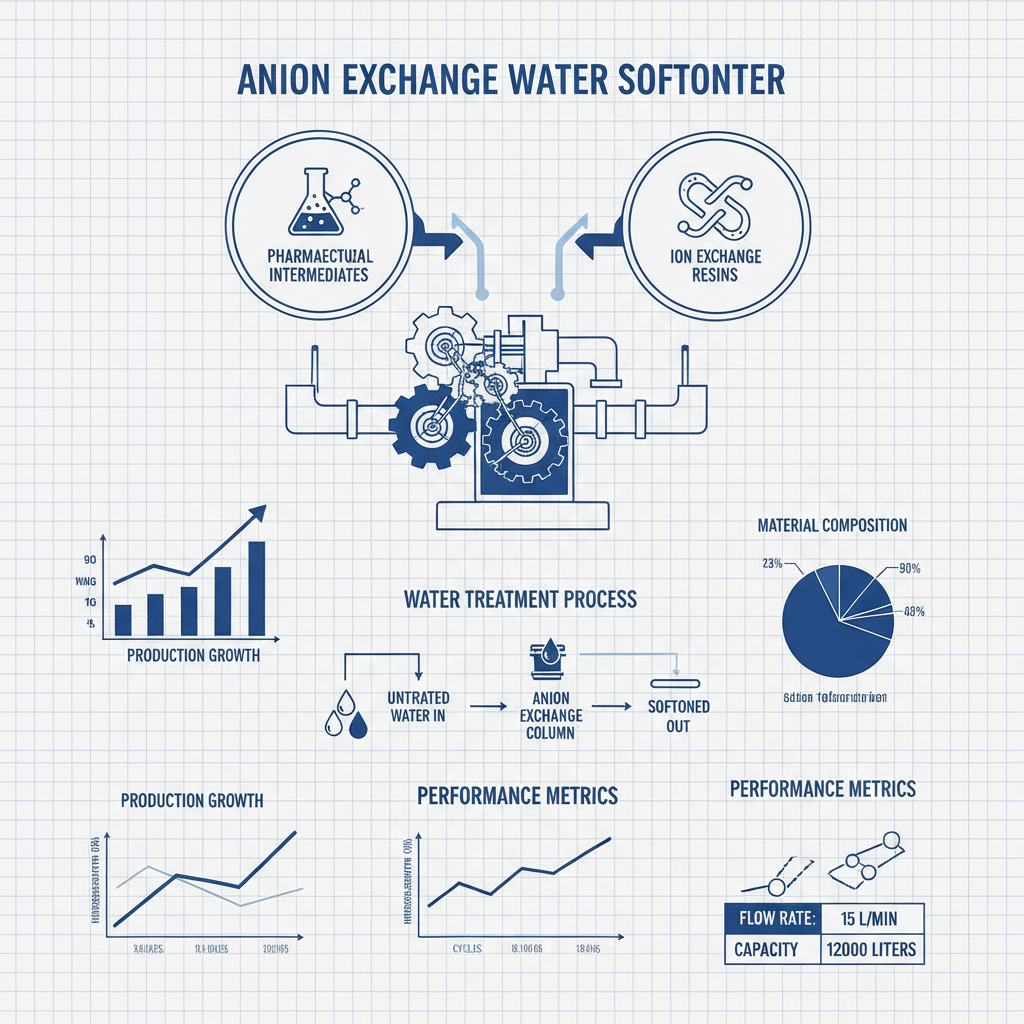
Evaluating the performance of an anion exchange water softener requires a look at its exchange capacity and kinetics. The ability of the resin to rapidly capture ions while maintaining a high throughput determines the overall ROI of the installation.
Different resin types offer varying levels of efficiency depending on the target contaminant. For instance, while SBA resins provide maximum purity, WBA resins offer superior regeneration efficiency and are more environmentally friendly due to lower chemical requirements.
Performance Comparison of Anion Exchange Water Softener Variants
Global Applications and Industrial Use Cases
The application of an anion exchange water softener spans multiple critical sectors. In the pharmaceutical industry, these systems are used to produce Water for Injection (WFI), where the absence of silica and other anions is mandatory to prevent precipitate formation in medical vials.
In remote industrial zones, such as mining operations in Australia or chemical plants in Southeast Asia, these systems are deployed to treat brackish groundwater. By removing aggressive anions, the anion exchange water softener prevents the corrosion of piping and the fouling of heat exchangers, significantly reducing maintenance downtime.
Long-Term Value and Sustainability Benefits
Investing in a high-quality anion exchange water softener provides tangible economic benefits through the reduction of "total cost of ownership." By extending the life of downstream membranes (like Reverse Osmosis) and reducing the frequency of boiler descaling, the system pays for itself within a few years of operation.
From a sustainability perspective, advanced anion exchange resins are now being developed to be more regenerable with fewer chemicals. This shift reduces the salt and caustic load in wastewater streams, aligning industrial water treatment with global ESG (Environmental, Social, and Governance) goals.
Ultimately, the reliability of an anion exchange water softener fosters trust in the production process. When a manufacturer can guarantee the ionic purity of their water, they can guarantee the consistency of their product, leading to higher customer satisfaction and brand prestige.
Future Trends in Ion Exchange Technology
The future of the anion exchange water softener is leaning toward "smart resins" and digital integration. We are seeing the emergence of resins with nano-engineered pores that can target specific pollutants, such as PFAS or perchlorates, with unprecedented precision.
Digital transformation is also hitting the water treatment sector. IoT-enabled anion exchange water softener systems can now predict resin exhaustion using AI algorithms, shifting maintenance from a scheduled basis to a predictive basis, thereby optimizing chemical use.
Furthermore, the drive toward "Green Chemistry" is encouraging the development of bio-based resin matrices. These sustainable alternatives aim to maintain the high exchange capacity of synthetic polymers while reducing the carbon footprint associated with the manufacturing of the resins themselves.
Comparative Analysis of Future Anion Exchange Resin Technologies
| Resin Technology |
Selectivity Index |
Regeneration Cost |
Environmental Impact |
| Standard SBA Resin |
Medium (6/10) |
Moderate |
Standard |
| Nano-Porous Resin |
Very High (9/10) |
Higher |
Low Waste |
| Bio-Based Matrix |
Medium (5/10) |
Low |
Very Low |
| Smart-Sensing Resin |
High (8/10) |
Optimized |
Minimal |
| Selective WBA Resin |
High (7/10) |
Very Low |
Low |
| Composite Hybrid Resin |
Extreme (10/10) |
Moderate |
Moderate |
FAQS
A cation softener primarily removes positively charged ions like calcium and magnesium to prevent hardness. In contrast, an anion exchange water softener targets negatively charged ions such as sulfates, nitrates, and silica. While cation systems make water "soft" for soap and skin, anion systems are essential for chemical purity and industrial process water.
Regeneration frequency depends on the influent water's ionic load and the resin's total exchange capacity. In typical industrial settings, this can range from once every few days to once every few weeks. Using an automated conductivity monitor is the best way to determine the exact moment the anion exchange water softener has reached exhaustion.
Yes, they are often used to remove nitrates and sulfates from drinking water, which is critical in agricultural areas where runoff is high. However, it is important to use food-grade resins and ensure the regeneration chemicals are thoroughly rinsed out before the water is consumed.
The most common regenerant for Strong Base Anion (SBA) resins is sodium hydroxide (NaOH), also known as caustic soda. For some specialized resins, sodium chloride (NaCl) brine may be used. The choice depends on whether the goal is total demineralization or specific ion removal within the anion exchange water softener.
Yes, particularly Weak Base Anion (WBA) resins are highly effective at removing organic acids and humic substances. Many industrial plants use a WBA resin as a "scavenger" before the main anion exchange water softener to protect the SBA resin from organic fouling.
With proper pre-filtration and regeneration practices, industrial-grade resins can last between 3 to 7 years. Factors that shorten the lifespan include organic fouling, exposure to strong oxidants like chlorine, and physical attrition of the beads during backwashing.
Conclusion
The anion exchange water softener stands as a pivotal technology in the quest for industrial water purity. By precisely targeting anionic impurities, these systems protect infrastructure, ensure product consistency, and enable high-tech manufacturing processes that would otherwise be impossible. From the selection of the resin matrix to the automation of the regeneration cycle, every detail contributes to a more efficient and sustainable industrial ecosystem.
Looking ahead, the integration of AI-driven monitoring and bio-based materials will likely redefine the efficiency of ion exchange. We encourage plant operators and engineers to evaluate their current water treatment train and consider how an upgraded anion exchange water softener could reduce operational costs and environmental impact. For professional guidance and high-performance resin solutions, visit our website: www.lijiresins.com