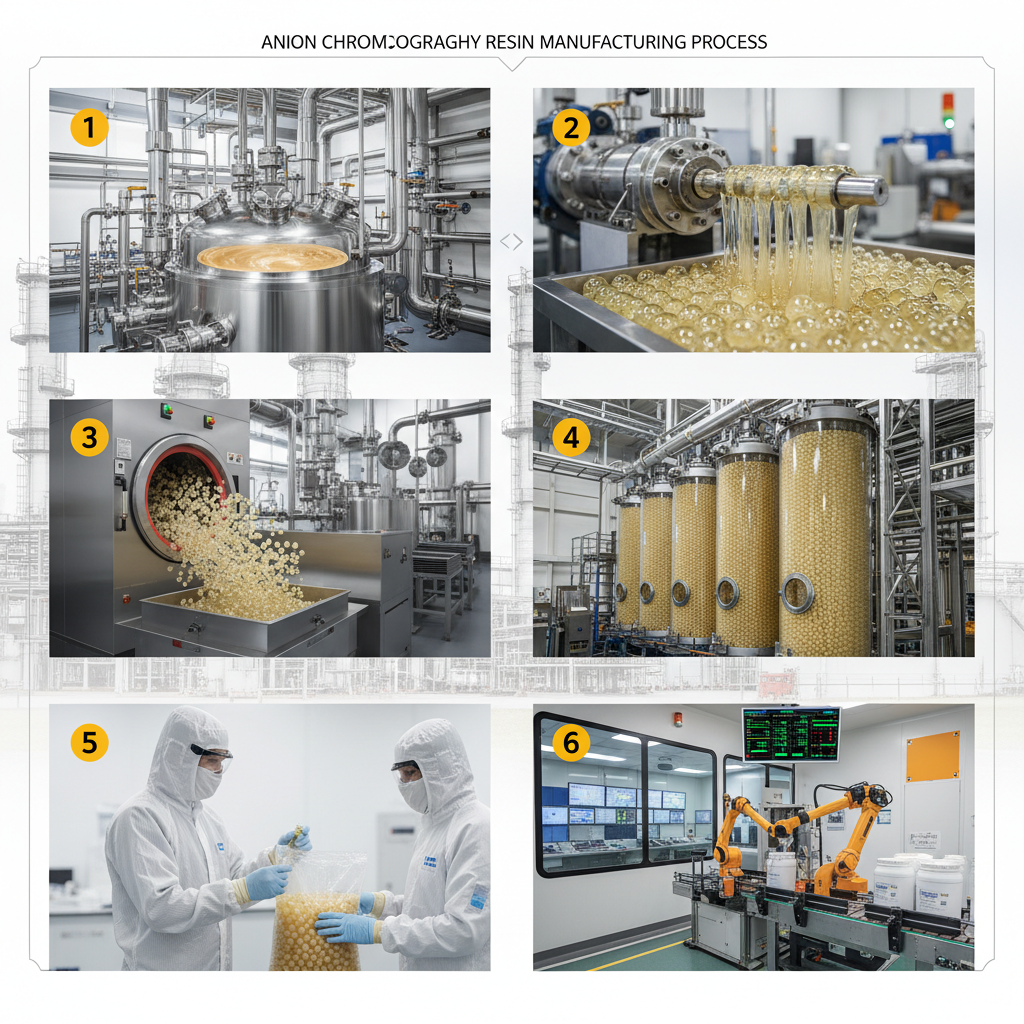
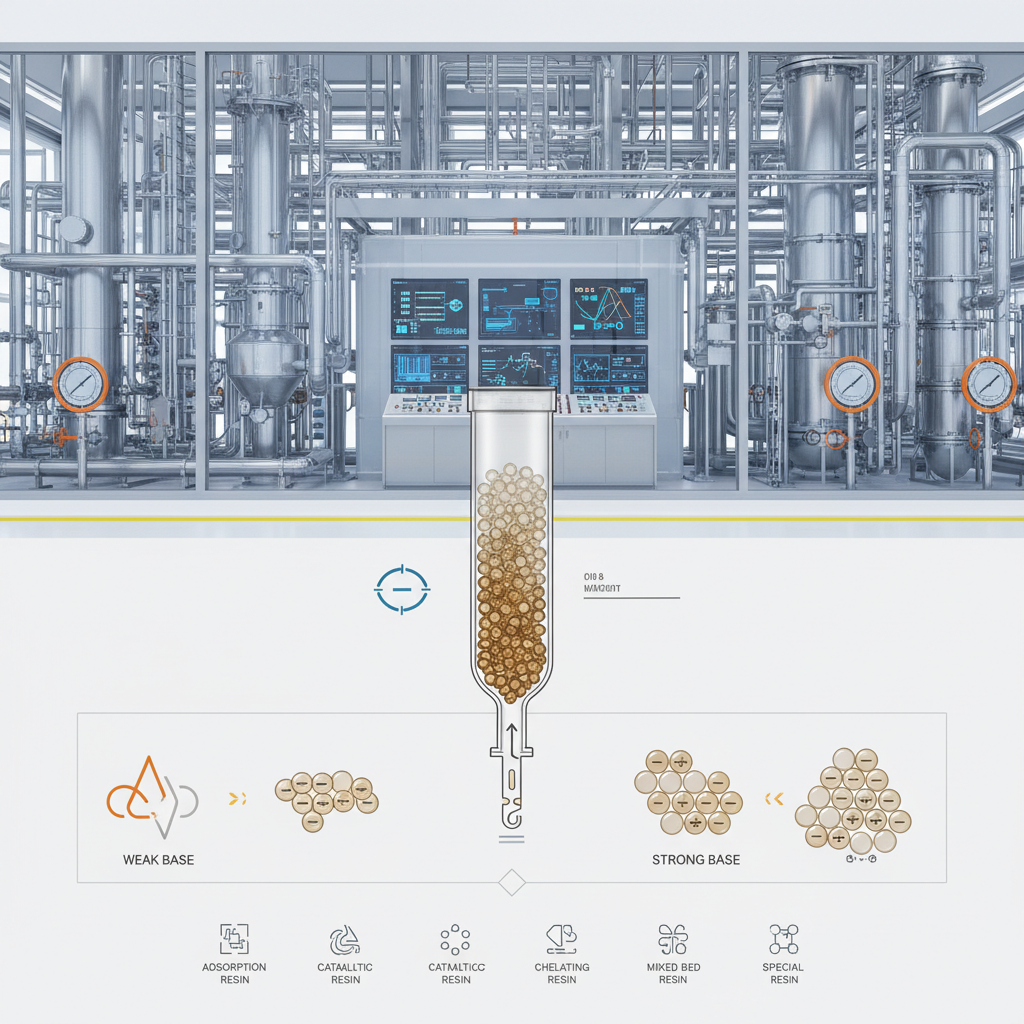
In the sophisticated landscape of chemical separation, anion chromatography resin stands as a cornerstone technology, enabling the precise isolation of negatively charged ions from complex mixtures. As industrial standards for purity increase in pharmaceuticals, environmental remediation, and food safety, the demand for highly selective exchange media has surged globally, driving innovation in polymer chemistry.
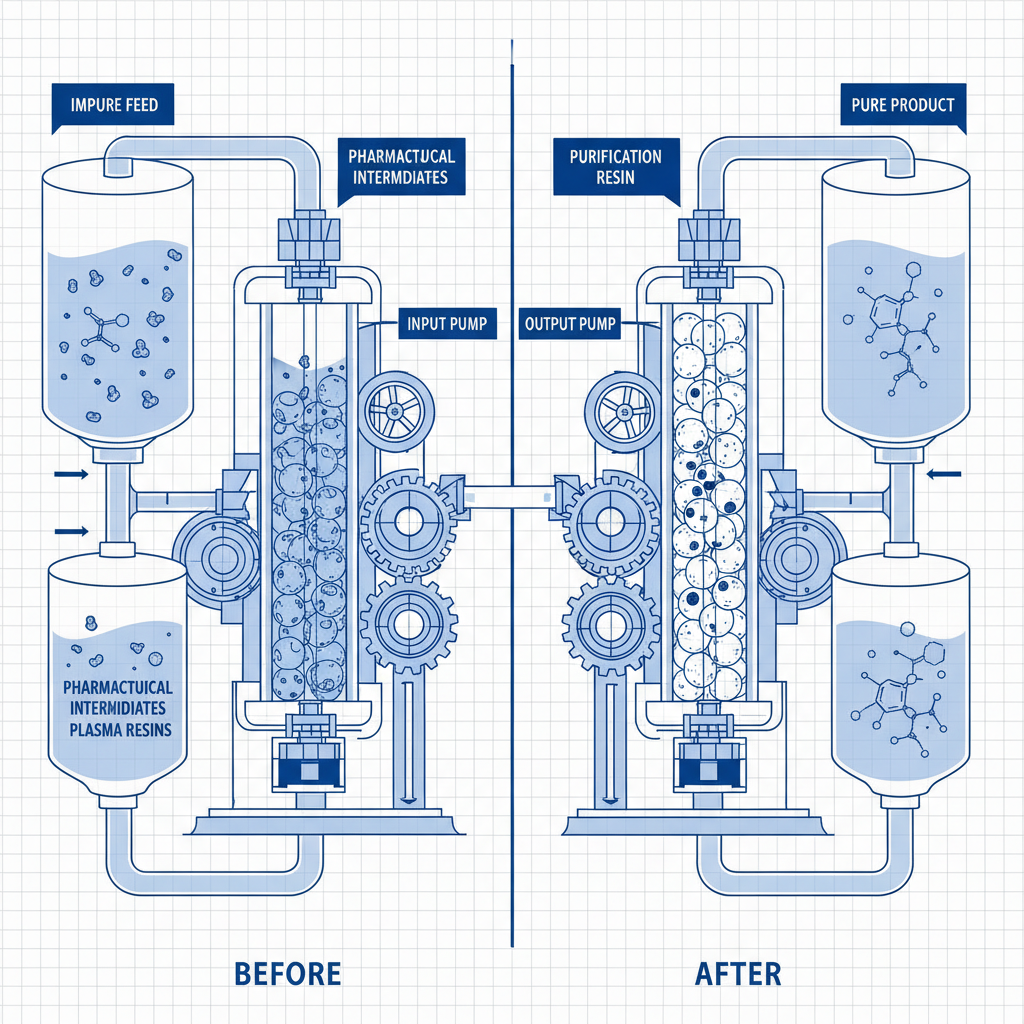
Understanding the mechanisms of these resins is not merely a technical requirement but a strategic advantage for manufacturers aiming to reduce waste and improve yield. By leveraging the electrostatic attraction between the resin's positive functional groups and the target anions, industries can achieve separations that were previously considered impossible or economically unviable.
From the purification of organic acids to the removal of hazardous nitrates from groundwater, the application of anion chromatography resin ensures that end-products meet stringent regulatory benchmarks. This comprehensive guide explores the technical nuances, global applications, and future trajectories of this essential material in modern synthetic chemistry.
Global Relevance of Anion Chromatography Resin
On a global scale, the deployment of anion chromatography resin is critical for maintaining the integrity of the global supply chain in fine chemicals and biotechnology. According to ISO standards for water quality and pharmaceutical purity, the ability to selectively remove trace anionic impurities is no longer optional; it is a prerequisite for market entry in developed economies.
The primary challenge facing the industry is the increasing complexity of waste streams and the need for "green" separation methods. Traditional distillation or solvent extraction often consumes excessive energy, whereas ion exchange chromatography offers a low-energy, high-selectivity alternative that aligns with the UN Sustainable Development Goals regarding clean water and responsible production.
Technical Definition and Industrial Meaning
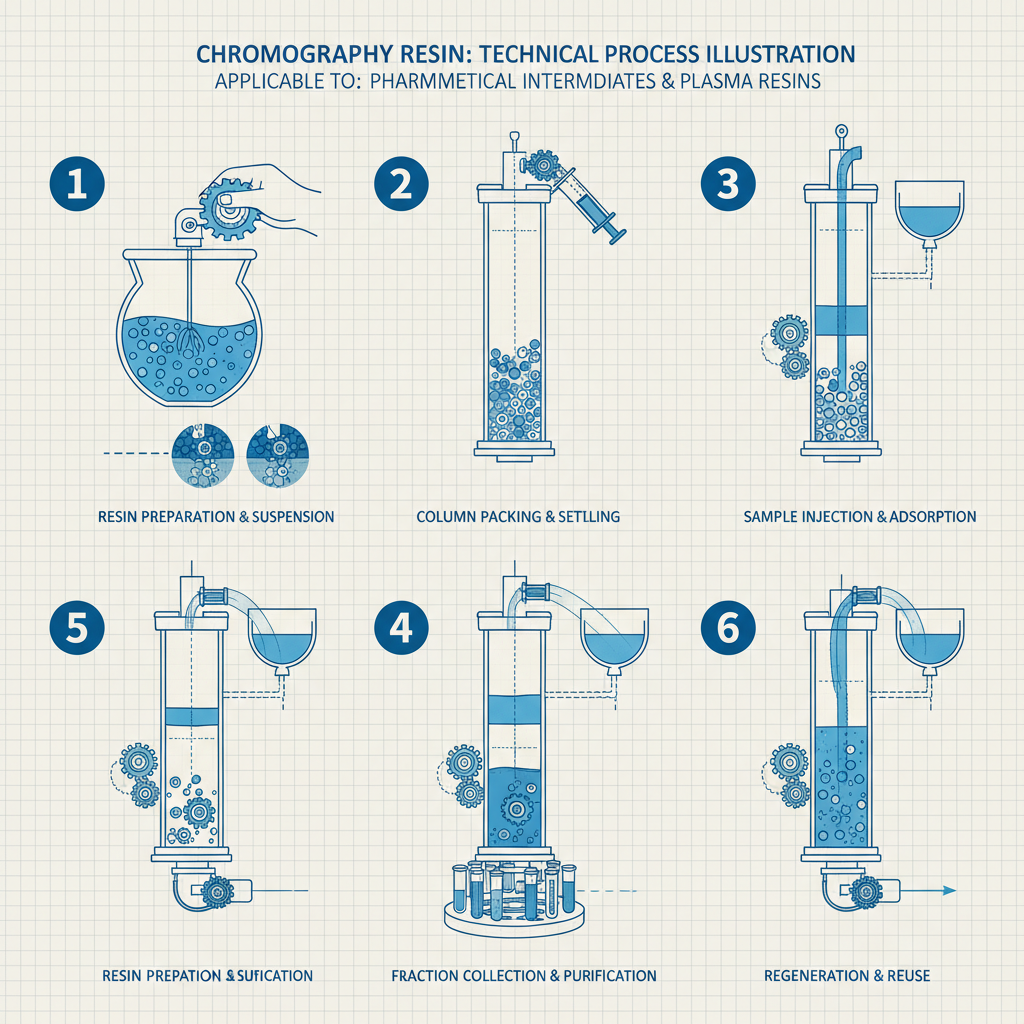
In simple terms, an anion chromatography resin is a polymeric matrix—typically composed of cross-linked polystyrene or polyacrylic acid—functionalized with positively charged groups (such as quaternary ammonium). These groups act as "chemical magnets," attracting and binding negatively charged ions (anions) from a liquid phase while allowing neutral or positively charged molecules to pass through.
Beyond the basic chemistry, this material represents a bridge between raw material extraction and high-purity refinement. In modern industry, it means the difference between a crude extract and a medical-grade ingredient. By adjusting the "strength" of the resin (strong base vs. weak base), engineers can fine-tune the affinity of the resin for specific target molecules, allowing for the separation of ions with very similar chemical properties.
The humanitarian impact is equally significant. In regions facing severe groundwater contamination from agricultural runoff, these resins are utilized in large-scale filtration plants to remove nitrates and fluorides, directly improving public health outcomes by providing safe drinking water to vulnerable populations in remote industrial zones.
Core Components of High-Performance Resins
The performance of anion chromatography resin is primarily dictated by its cross-linking density. Higher cross-linking increases the physical stability and selectivity of the resin but can slow down the mass transfer rate, creating a delicate balance that engineers must optimize based on the specific flow rate of the industrial process.
Functional group density is the second critical factor. The concentration of quaternary ammonium sites determines the total exchange capacity of the anion chromatography resin, directly impacting how many liters of effluent can be treated before the resin requires regeneration with a salt or acid solution.
Finally, the pore size distribution (macroporous vs. gel-type) defines the accessibility of the internal active sites. Macroporous resins are essential for larger organic anions, as they provide "highways" for the molecules to reach the interior of the bead, preventing the surface from becoming saturated too quickly.
Scalability and Operational Efficiency
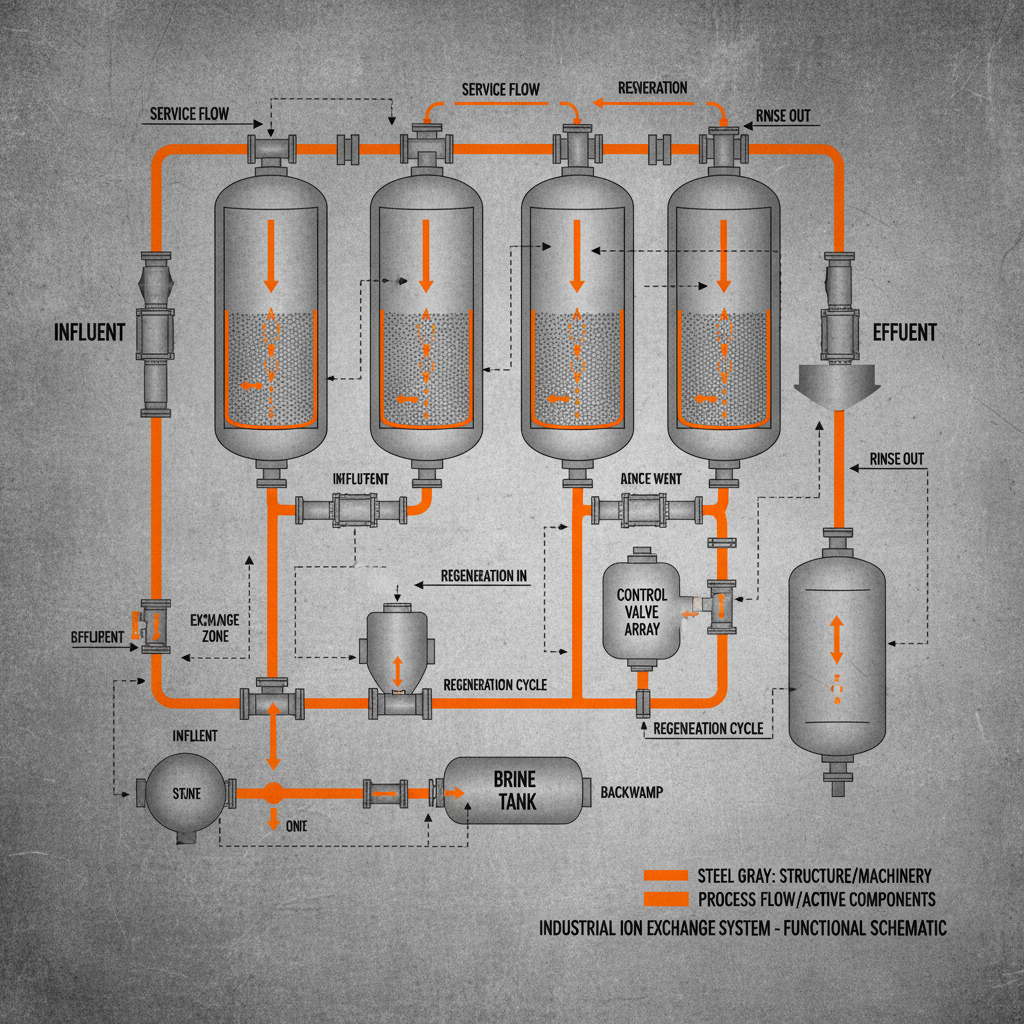
When transitioning from laboratory-scale columns to industrial-scale plants, the scalability of anion chromatography resin becomes the focal point. Operational efficiency is measured by the "breakthrough curve," which indicates the point at which the resin is saturated and the target anion begins to appear in the effluent.
Optimizing this process requires a combination of precise pressure control and chemical regeneration cycles. By implementing automated regeneration systems, plants can minimize downtime and reduce the volume of regenerant chemicals used, thereby lowering the overall cost per kilogram of purified product.
Operational Efficiency Comparison of Anion Chromatography Resin Types
Global Applications and Use Cases
The versatility of anion chromatography resin allows it to be deployed in diverse settings, from the ultra-sterile environments of pharmaceutical labs in Europe to the heavy industrial zones of East Asia. In the pharmaceutical sector, these resins are indispensable for the purification of amino acids and the removal of endotoxins from injectable drugs.
In the realm of environmental protection, specifically in post-industrial cleanup operations in North America, these resins are used to sequester perfluorinated compounds (PFAS)—often called "forever chemicals"—from municipal water sources. This application demonstrates the resin's ability to address modern humanitarian crises by ensuring the safety of essential resources.
Long-term Value and Sustainability
The long-term value of investing in high-quality anion chromatography resin extends beyond immediate purity gains. Durable resins with high chemical resistance reduce the frequency of media replacement, which significantly lowers the operational expenditure (OPEX) and reduces the amount of polymeric waste sent to landfills.
From a sustainability perspective, the shift toward "circular chemistry" encourages the recovery of valuable anionic by-products from waste streams. Instead of treating an anion as a contaminant to be discarded, advanced chromatography allows companies to capture and reuse these materials, turning a waste-treatment cost into a secondary revenue stream.
Moreover, the reliability of these resins fosters trust between manufacturers and regulators. When a company can consistently prove that its purification process meets the highest safety standards, it secures its brand reputation and ensures the dignity and safety of the end-consumers who rely on these purified products.
Future Trends and Technological Innovations
The future of anion chromatography resin is being shaped by the integration of nanotechnology and digital transformation. We are seeing the emergence of "smart resins" embedded with sensors that can provide real-time data on saturation levels, allowing for predictive maintenance and the automation of regeneration cycles via AI-driven controllers.
Sustainability is driving the development of bio-based polymers to replace petroleum-derived polystyrene. These eco-friendly matrices aim to maintain the same ion-exchange capacity while ensuring that the resin is biodegradable at the end of its life cycle, aligning the chemical industry with global green energy policies.
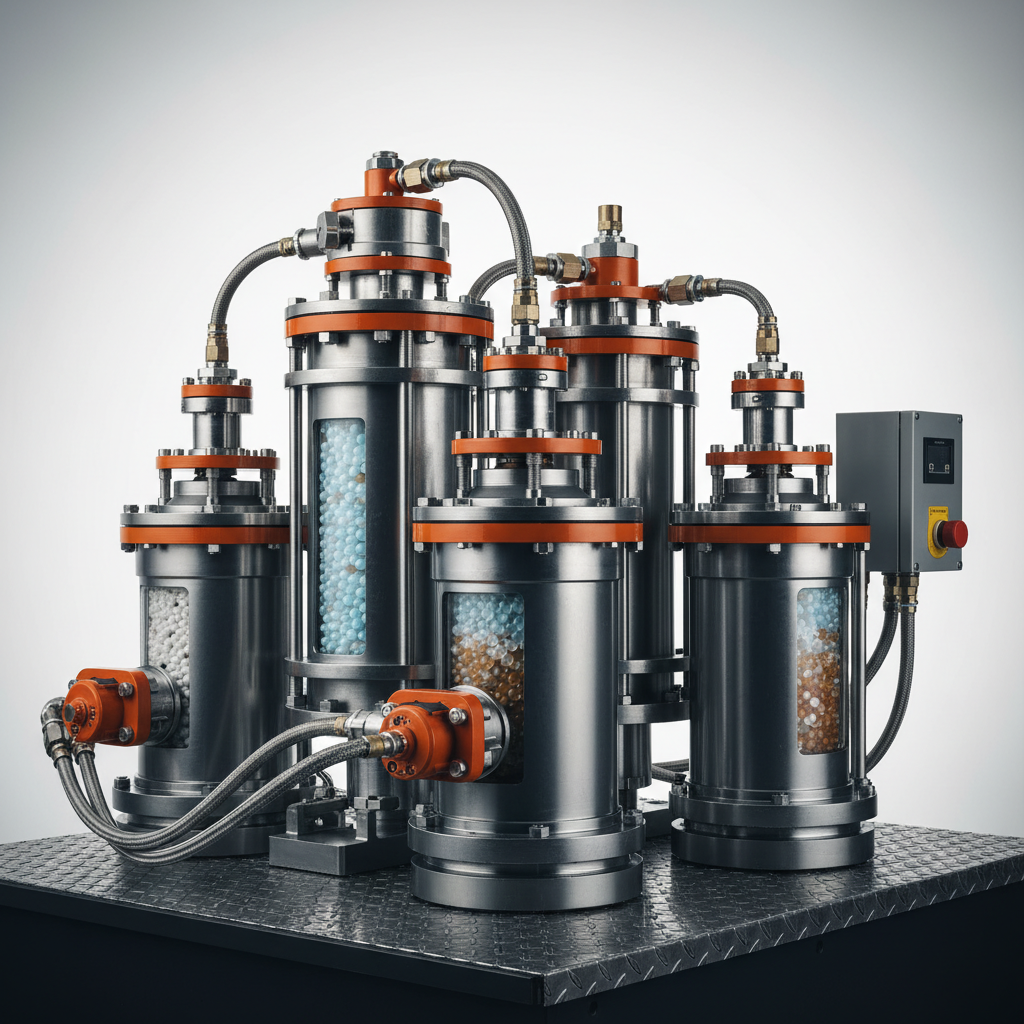
Furthermore, the rise of continuous chromatography (Simulated Moving Bed - SMB) is revolutionizing the efficiency of these resins. By utilizing a multi-column setup, the process eliminates the "stop-and-start" nature of batch chromatography, resulting in higher throughput and a significant reduction in solvent consumption.
Comparative Analysis of Modern Anion Resin Innovations
| Innovation Type |
Key Improvement |
Impact Score (1-10) |
Primary Industry |
| Bio-based Matrix |
Reduced Carbon Footprint |
8 |
Eco-Chemicals |
| Nano-Composite Beads |
Ultra-Fast Kinetics |
9 |
Pharmaceuticals |
| AI-Linked Monitoring |
Predictive Regeneration |
7 |
Water Treatment |
| Hybrid Chelating-Anion |
Dual-Ion Selectivity |
10 |
Hydrometallurgy |
| SMB Integration |
Continuous Production |
9 |
Food & Beverage |
| High-Temp Stable Polymers |
Thermal Durability |
6 |
Industrial Processing |
FAQS
Strong base anion chromatography resin remains ionized across a wide pH range, making it ideal for complete removal of mineral acids. Weak base resins are only ionized at lower pH levels, allowing for easier regeneration and better selectivity for strong acid anions, which often reduces the cost of chemicals used during the cleaning cycle.
The regeneration frequency depends on the "ionic load" of the influent stream and the resin's exchange capacity. In high-concentration industrial streams, regeneration may occur daily. For trace impurity removal in purified water, it may only be necessary every few months. Monitoring the breakthrough point is the only way to determine the exact timing.
Yes, specifically macroporous anion chromatography resin is highly effective for capturing organic anions like PFAS or organic acids. The macroporous structure allows larger organic molecules to penetrate the bead, while the quaternary ammonium groups bind the negatively charged functional groups of the pollutant.
The primary causes of degradation are oxidative stress (e.g., exposure to ozone or strong chlorine), extreme temperature fluctuations, and physical attrition from high-pressure pumps. Using resins with higher cross-linking or specialized polymer backbones can mitigate these effects and extend the operational lifespan.
It depends on the physical form of the resin. Gel-type resins can compress under extreme pressure, leading to "pressure drop" and flow restriction. For high-pressure applications, we recommend monodisperse, hard-bead anion chromatography resin which maintains structural integrity and uniform flow channels.
The choice depends on the pKa of the target anion, the pH of the solution, and the presence of competing ions. We recommend conducting a small-scale column test to determine the distribution coefficient (Kd) and the breakthrough volume before scaling up to a full industrial system.
Conclusion
In summary, anion chromatography resin is an indispensable tool in the modern chemical arsenal, providing the precision and scalability required for high-purity separations. By balancing cross-linking density, functional group selection, and pore structure, industries can solve complex purification challenges while adhering to strict environmental and safety regulations.
Looking forward, the transition toward bio-based materials and AI-integrated monitoring will redefine the efficiency of ion exchange processes. We encourage manufacturers to evaluate their current separation workflows and consider upgrading to next-generation resins to ensure long-term sustainability and competitive advantage. Visit our website for expert consultation: www.lijiresins.com