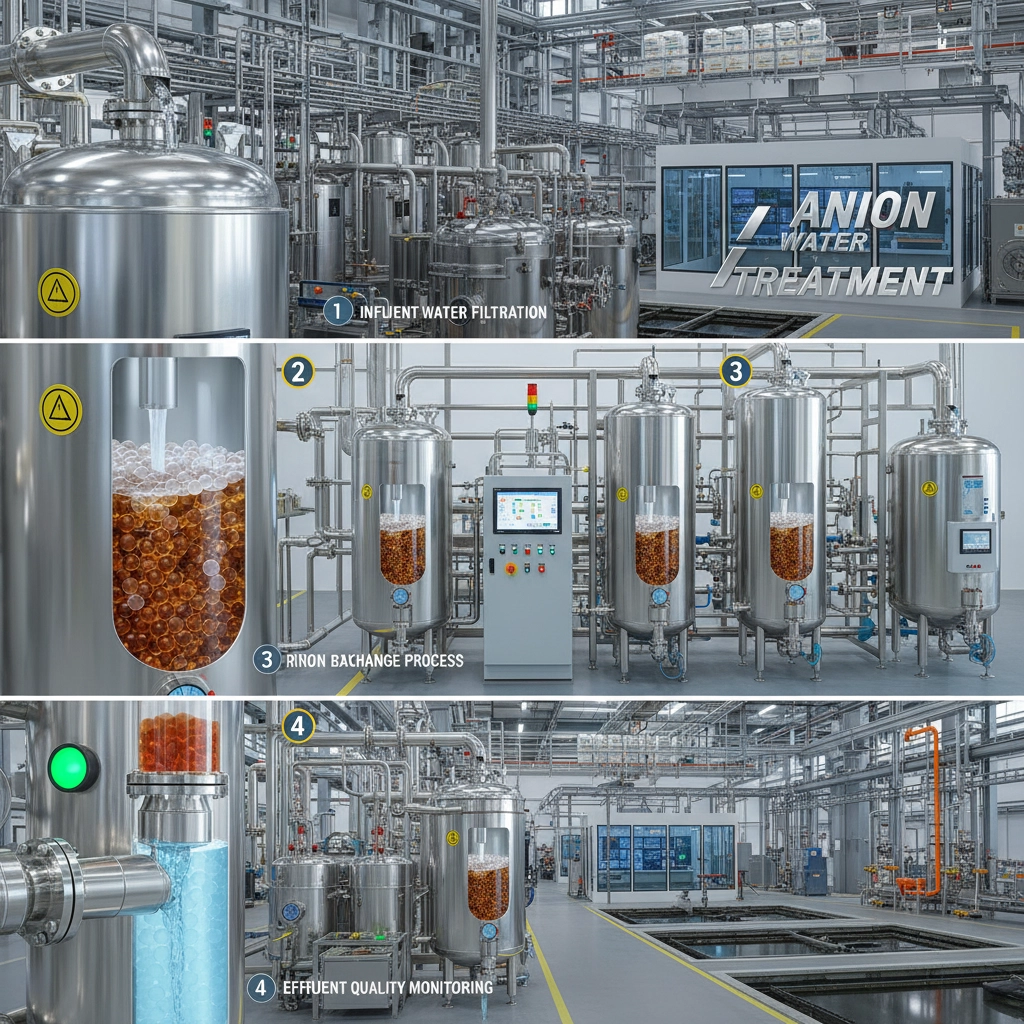
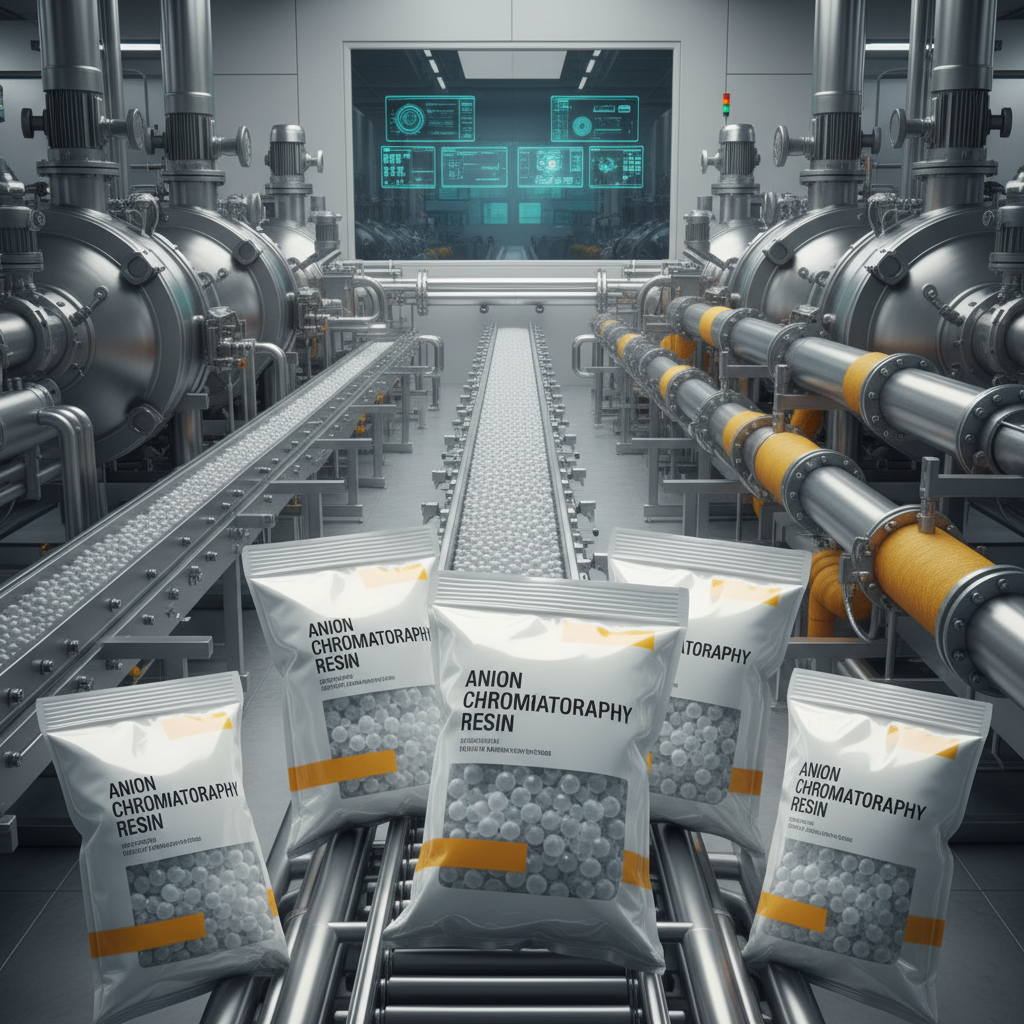
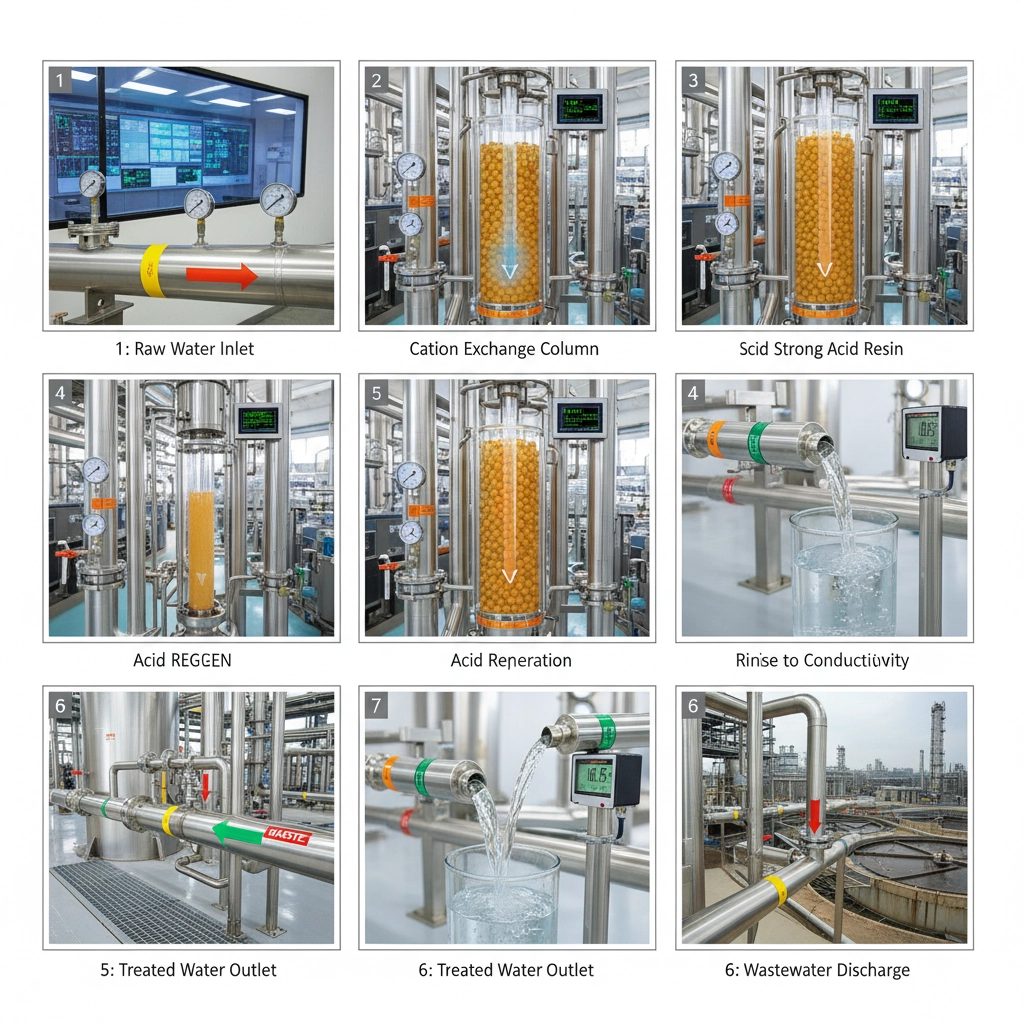
In the modern industrial landscape, the precision of water chemistry determines the longevity of infrastructure and the purity of end-products. anion water treatment stands as a critical pillar in this process, utilizing specialized ion-exchange resins to selectively remove negatively charged contaminants from aqueous solutions. By swapping unwanted anions like nitrates, sulfates, and organic acids for harmless hydroxyl ions, industries can achieve a level of purity that traditional filtration simply cannot match.
The global demand for high-purity water is escalating, driven by the stringent requirements of the semiconductor, pharmaceutical, and power generation sectors. Effective anion water treatment is no longer just a luxury for high-tech labs; it is a fundamental requirement for sustainable water recycling and the mitigation of industrial pollution. As regulatory bodies worldwide tighten limits on effluent discharge, the role of advanced anion exchange becomes central to corporate environmental responsibility.
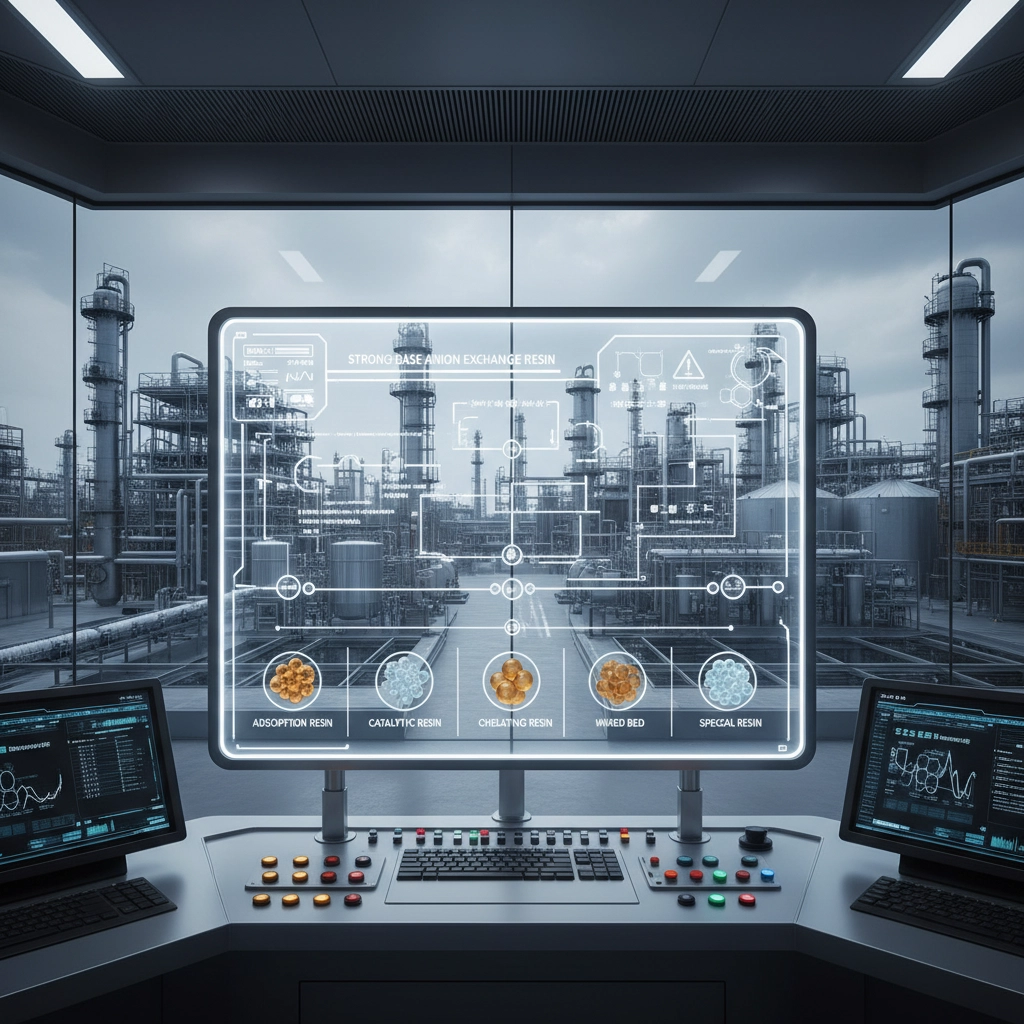
Understanding the nuances of anion exchange allows plant managers and engineers to optimize their operational costs while maximizing throughput. From the selection of Strong Base Anion (SBA) resins for complete mineralization to Weak Base Anion (WBA) resins for targeted acid removal, the strategic application of anion water treatment ensures that water quality remains consistent, protecting expensive downstream equipment from scaling and corrosion.
Global Relevance of Anion Water Treatment
On a global scale, the scarcity of potable water and the rise of industrial contaminants have placed anion water treatment at the forefront of environmental engineering. According to data aligned with ISO 14001 standards, the integration of advanced ion exchange processes can reduce chemical waste in wastewater by up to 40%, making it an indispensable tool for regions facing acute water stress or strict environmental mandates.
The challenge lies in the diversity of anions found in raw water—ranging from simple chlorides to complex organic pollutants. Without a robust anion water treatment strategy, industrial boilers face catastrophic scaling, and pharmaceutical ingredients suffer from impurity contamination. This global necessity has pushed the industry toward more selective resins that can target specific ions without wasting regeneration chemicals.
Defining the Mechanics of Anion Exchange
At its simplest, anion water treatment is a chemical process where undesirable negatively charged ions are exchanged for desired ones (typically hydroxide ions) using a solid polymer matrix. This matrix, known as the resin, acts like a chemical magnet, attracting anions from the water stream and locking them into its structure while releasing a neutralizing ion back into the fluid.
This process is vital for modern humanitarian and industrial needs because it allows for the removal of toxins like nitrates—which can cause "blue baby syndrome" in drinking water—and sulfates, which can cause bitterness and laxative effects. By tailoring the resin's functional groups, engineers can customize the treatment to handle everything from heavy metal recovery to the production of ultra-pure water (UPW) for silicon wafer fabrication.
The connection between this technical process and broader societal needs is clear: as we push toward a circular economy, the ability to recover precious metals or nutrients from waste streams via anion water treatment transforms a waste liability into a resource asset, supporting both economic growth and ecological preservation.
Core Components of High-Efficiency Systems
The effectiveness of anion water treatment relies heavily on resin selectivity. The choice between Strong Base Anion (SBA) and Weak Base Anion (WBA) resins determines whether the system will remove all anions regardless of pH or target only strong mineral acids. Selectivity ensures that the most harmful ions are captured first, maximizing the capacity of the resin bed.
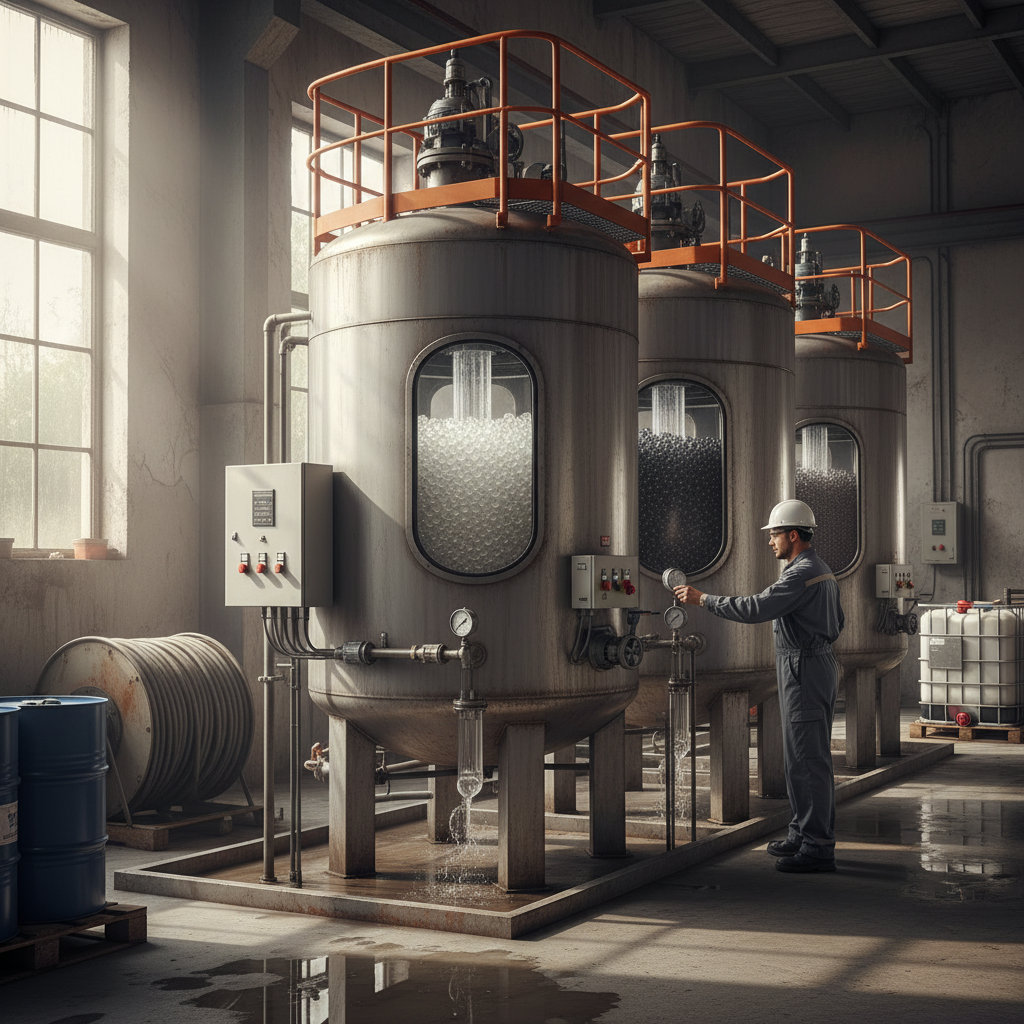
Durability and physical stability are equally paramount. High-quality anion water treatment resins must withstand repeated cycles of exhaustion and regeneration without collapsing or fracturing. Cross-linking density in the polymer matrix is the key factor here, balancing the speed of ion diffusion with the mechanical strength needed for high-pressure industrial columns.
Finally, regeneration efficiency dictates the operational cost of the system. A well-designed anion water treatment setup focuses on reducing the volume of regenerants (like NaOH) and minimizing the salt discharge. This scalability allows small-scale laboratory units to use the same core chemistry as massive municipal desalination plants, albeit with different vessel configurations.
Industrial Applications and Use Cases
In real-world contexts, anion water treatment is deployed across a vast array of sectors. In the power industry, it is used in condensate polishing to prevent corrosion in high-pressure steam turbines. In the food and beverage sector, it removes organic acids to ensure a consistent taste profile and prevent spoilage, while in the textile industry, it is used to recover dyes and treat wastewater to meet strict environmental codes.
Beyond urban centers, we see these solutions in remote industrial zones, such as mining sites in the Andes or oil rigs in the North Sea. In these environments, where chemical logistics are difficult, the use of high-capacity, long-life resins for anion water treatment reduces the frequency of maintenance and the amount of chemical transport required, significantly lowering the carbon footprint of the operation.
Performance Comparison of Anion Water Treatment Methods
Long-Term Value and Sustainability
The tangible benefits of investing in premium anion water treatment extend far beyond immediate water purity. By preventing the accumulation of anions that cause scaling, companies significantly extend the lifespan of their heat exchangers and boilers, reducing capital expenditure on equipment replacement. From a logical perspective, the reliability of a high-performing resin bed means fewer unplanned shutdowns and a more predictable production cycle.
Emotionally and ethically, the shift toward sustainable anion water treatment reflects a commitment to safety and trust. When a pharmaceutical company ensures zero anion contamination in its injectable drugs, or a municipality removes nitrates from groundwater, they are providing dignity and health to the end-user. This alignment of technical excellence with social impact fosters deep trust between the industrial provider and the community.
Future Innovations in Resin Technology
The future of anion water treatment is being shaped by the intersection of material science and digitalization. We are seeing the emergence of "smart resins" with integrated sensors that can signal the exact moment of exhaustion, eliminating the guesswork and chemical waste associated with timed regeneration cycles. This move toward automation is a key part of the broader digital transformation in water management.
Furthermore, the development of bio-based resin matrices is gaining momentum. By moving away from petroleum-derived polymers, the industry is working toward a truly green anion water treatment process that is biodegradable at the end of its life cycle. These innovations are designed to align with global net-zero goals and the push for sustainable chemistry.
Another exciting trend is the use of nano-structured resins that offer exponentially higher surface areas. This allows for the creation of more compact anion water treatment units, making high-purity water accessible for small-scale decentralized operations, such as village-level water kiosks in developing nations.
Overcoming Technical Challenges
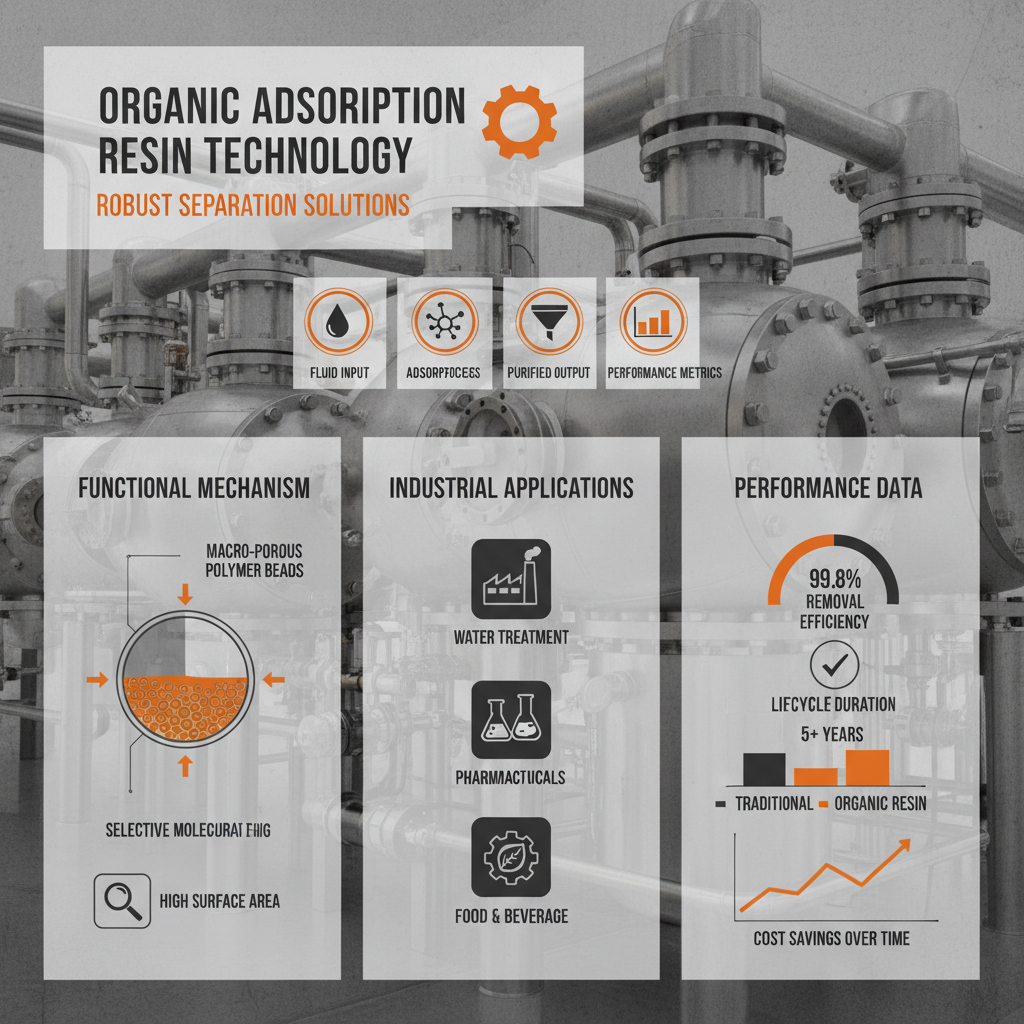
Despite its efficacy, anion water treatment faces common hurdles, most notably "organic fouling." Natural organic matter (NOM) in raw water can clog the resin pores, reducing the available exchange sites and increasing pressure drop across the bed. To overcome this, experts recommend the use of organic scavenger resins as a pre-treatment step, which protects the primary anion bed and extends its life.
Another challenge is the management of regenerant waste. The brine produced during the regeneration of anion water treatment systems can be saline and alkaline. Innovative approaches now include the use of electro-regeneration or the recovery of caustic soda from the waste stream, turning a potential pollutant into a reusable chemical asset.
Finally, the issue of "leaking" or premature breakthrough can be solved through better hydraulic design. By optimizing the flow distribution within the resin vessel, engineers ensure that water contacts the resin evenly, preventing "channeling" and ensuring that the full capacity of the anion water treatment system is utilized before regeneration is required.
Analysis of Anion Water Treatment System Configurations
| System Type |
Target Contaminants |
Regenerant Used |
Relative Efficiency (1-10) |
| SBA Single Bed |
All anions, Silica |
Sodium Hydroxide |
8 |
| WBA Single Bed |
Strong Mineral Acids |
Sodium Hydroxide |
7 |
| Mixed Bed Resin |
Ultra-low conductivity |
HCl / NaOH |
10 |
| Nitrate Selective |
Nitrates, Chlorides |
Sodium Chloride |
9 |
| Organic Scavenger |
Humic/Fulvic Acids |
Brine/Alkali |
6 |
| Chelating Anion |
Complex metal anions |
Specialized Acids |
8 |
FAQS
Strong Base Anion (SBA) resins can remove all types of anions, including weak acids like silica and carbonic acid, regardless of the water's pH. Weak Base Anion (WBA) resins are more selective and primarily remove strong mineral acids (like sulfuric or hydrochloric acid). WBA resins are generally easier to regenerate and more efficient for specific acidic streams, whereas SBA is required for complete demineralization.
Regeneration frequency depends on the influent anion concentration (total dissolved solids), the flow rate, and the volume of the resin bed. In high-load industrial settings, regeneration might occur daily or weekly. In municipal applications with lower contamination, it could be monthly. Modern systems use conductivity sensors to trigger regeneration automatically once a specific breakthrough point is reached.
Yes, specialized nitrate-selective anion resins are designed specifically for this purpose. Standard anion resins may remove nitrates but can sometimes release them back into the water when they capture sulfates (nitrate dumping). Selective resins have a higher affinity for nitrates, ensuring they remain locked in the resin matrix until the bed is properly regenerated with a brine solution.
When managed correctly, yes. It enables the recycling of process water and the recovery of valuable materials. The primary environmental concern is the salt-rich waste from regeneration. However, by utilizing counter-current regeneration and waste-brine recovery systems, the environmental impact is significantly minimized, aligning with green chemistry principles and sustainability goals.
The most common cause is "organic fouling," where large organic molecules (like humic acids) bind irreversibly to the resin's active sites. This blocks the pores and prevents smaller ions from being exchanged. Other causes include oil contamination or mineral precipitation (scaling) within the resin bed. Pre-filtration and the use of organic scavenger resins are the most effective solutions.
A mixed bed combines both cation and anion resins in a single vessel. As water passes through, it undergoes cation and anion exchange simultaneously and repeatedly. This creates a "polishing" effect that results in water with extremely low conductivity (ultra-pure water), which is far superior to the quality achieved by separate stages in series.
Conclusion
In summary, anion water treatment is an essential technological bridge between raw water sources and the ultra-pure requirements of modern industry. By leveraging the science of ion exchange through SBA, WBA, and selective resins, industries can effectively eliminate harmful contaminants, protect their infrastructure from corrosion, and meet stringent environmental regulations. The synergy of resin selectivity, mechanical durability, and efficient regeneration forms the core of any successful water purification strategy.
Looking ahead, the integration of smart monitoring and bio-based materials will further refine the efficiency and sustainability of these systems. For companies seeking to optimize their water chemistry and reduce operational overhead, investing in high-grade resin technology is not just a technical upgrade—it is a strategic move toward long-term resilience and environmental stewardship. We invite you to explore our range of high-performance resins to find the perfect fit for your specific water chemistry needs. Visit our website: www.lijiresins.com