In the modern industrial landscape, achieving high-purity water is not merely a preference but a critical operational requirement. cation and anion water treatment stands as the cornerstone of advanced purification, utilizing the selective properties of ion exchange resins to remove dissolved mineral salts. By strategically deploying both positive and negative ion exchangers, industries can transform raw water into ultrapure streams essential for precision manufacturing and pharmaceutical safety.
The global demand for specialized water treatment has surged as environmental regulations tighten and the electronics industry expands. From the production of semiconductors to the generation of high-pressure steam in power plants, the ability to precisely control ionic content prevents scale buildup and equipment corrosion. Understanding the synergy between cation and anion exchange is vital for any facility aiming to optimize its resource efficiency and prolong the lifespan of its capital infrastructure.
Ultimately, mastering cation and anion water treatment allows organizations to mitigate risks associated with water instability. Whether dealing with high salinity groundwater or refining processed wastewater, the application of Strong Acid Cation (SAC) and Strong Base Anion (SBA) resins provides a reliable, scalable solution. This comprehensive guide explores the technical mechanisms, industrial applications, and future innovations driving the field of ion exchange purification.
The Fundamentals of Cation and Anion Water Treatment
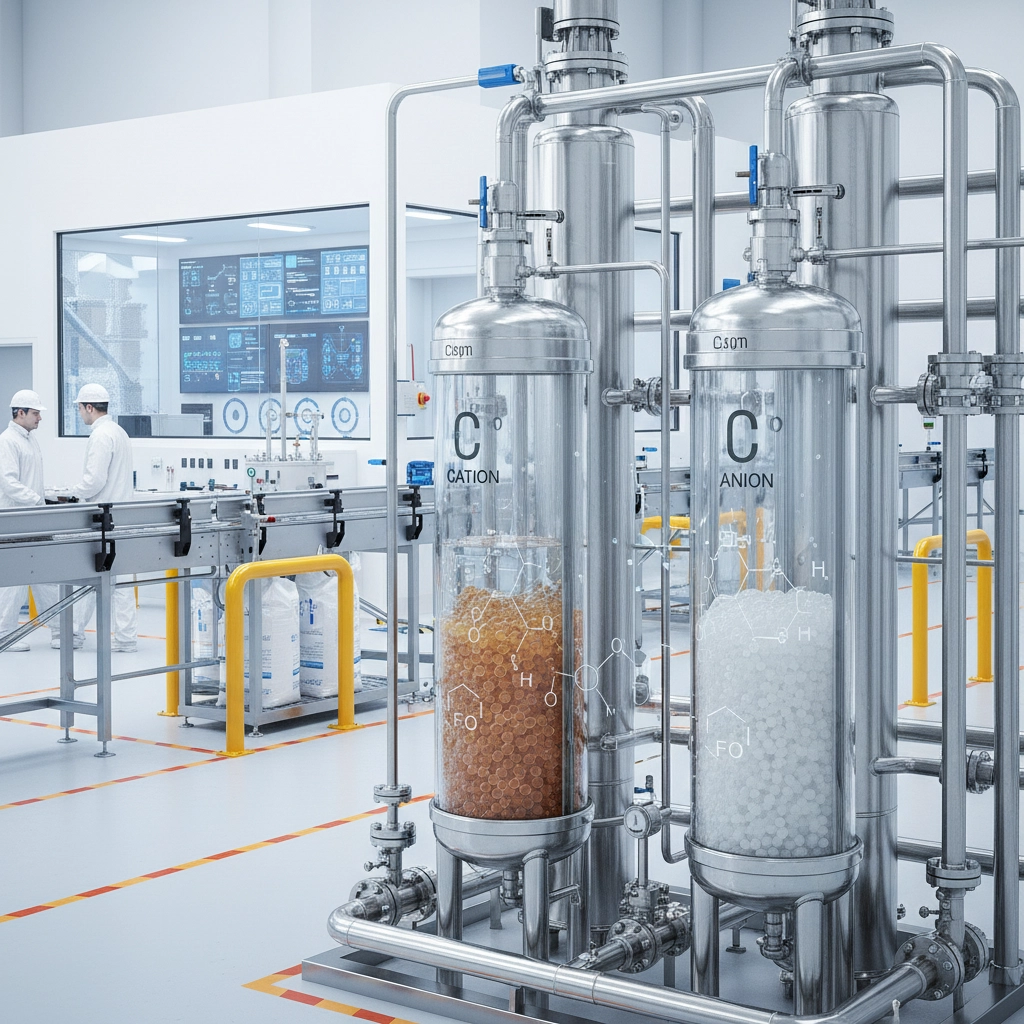
At its most basic level, cation and anion water treatment is a chemical process where undesirable dissolved ions are swapped for harmless ones. Cation resins target positively charged ions like Calcium (Ca²⁺) and Magnesium (Mg²⁺), while anion resins capture negatively charged species such as Chloride (Cl⁻) and Sulfate (SO₄²⁻). This dual-action approach ensures that the water is stripped of the minerals that cause hardness and conductivity.
The magic happens within the porous structure of the resin beads, where functional groups act as "magnets." When raw water flows through a mixed bed or separate stages, these resins hold onto the contaminants and release Hydrogen (H⁺) and Hydroxyl (OH⁻) ions, which subsequently combine to form pure H₂O. This molecular-level cleaning is what allows industries to reach the extreme purity levels required for high-tech applications.
Global Industry Relevance and Water Purity Standards
On a global scale, the implementation of cation and anion water treatment is driven by the stringent requirements of the ISO and WHO guidelines for industrial water quality. In regions like Southeast Asia and North America, the rapid growth of the semiconductor and pharmaceutical sectors has made ion-free water a non-negotiable asset. Without these treatment processes, the risk of contamination in medicine or microscopic defects in silicon wafers would lead to billions of dollars in losses.
Data from global industrial reports indicate that water hardness and ionic impurities are the leading causes of boiler failure and heat exchanger inefficiency. By employing robust cation and anion exchange systems, plants can reduce their energy consumption by up to 15% simply by eliminating scale buildup. This makes the technology not just a quality control measure, but a strategic financial decision for large-scale manufacturing.
Furthermore, the humanitarian aspect cannot be ignored. In areas with heavy mineral contamination in the groundwater, these treatment methods are being adapted for community-scale purification. By removing toxic anions and cations, these systems provide a lifeline to populations in remote industrial zones, proving that professional-grade water treatment is essential for both industrial productivity and human dignity.
Core Components of Ion Exchange Systems
The efficiency of cation and anion water treatment depends heavily on the selection of the resin matrix. Strong Acid Cation (SAC) resins are typically used for complete demineralization, as they can exchange ions across a wide pH range. These are often paired with Strong Base Anion (SBA) resins to ensure that even weakly ionized species, like silica and carbonic acid, are completely removed from the effluent.
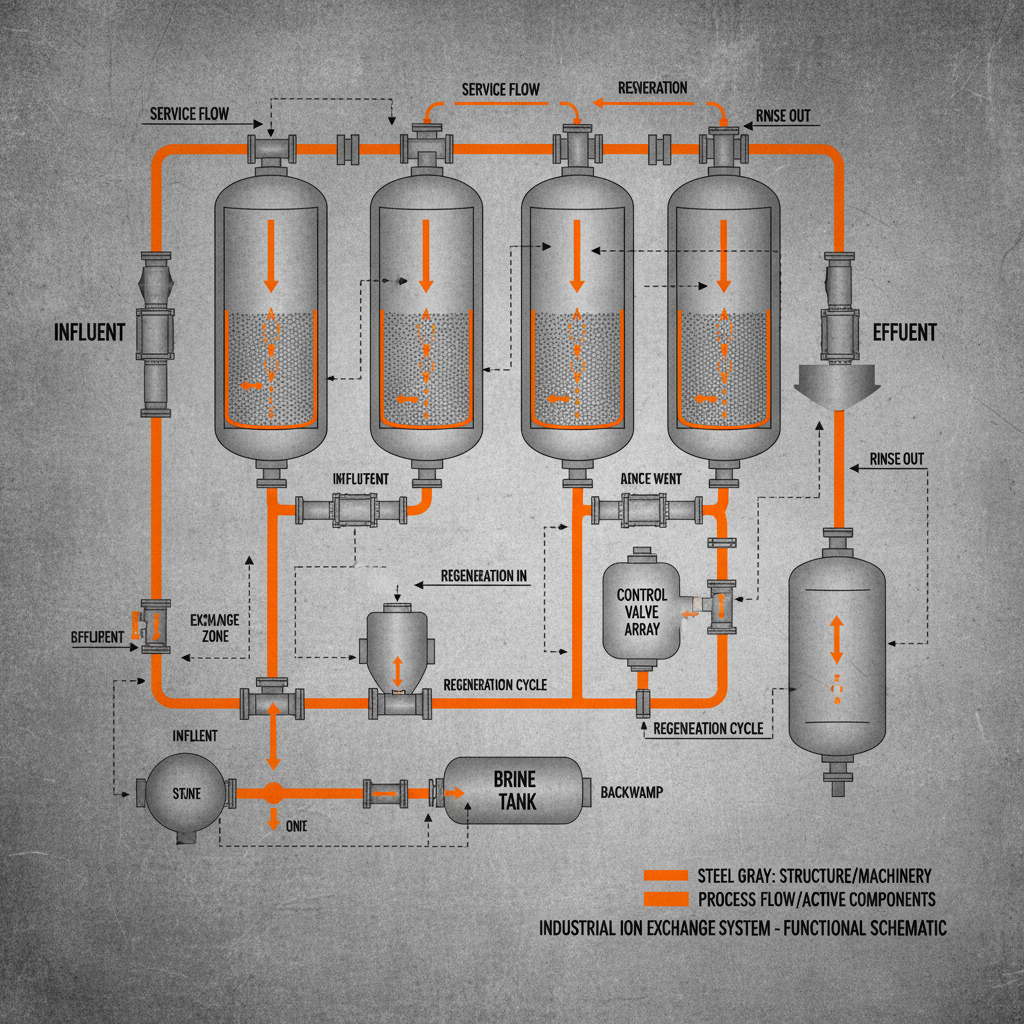
A critical component of these systems is the regeneration cycle. Once the resin sites are saturated with contaminants, the cation and anion water treatment process requires a chemical rinse—usually with hydrochloric acid for cations and sodium hydroxide for anions—to restore the resin's capacity. This regenerative ability is what makes ion exchange more cost-effective over long periods compared to single-use filtration membranes.
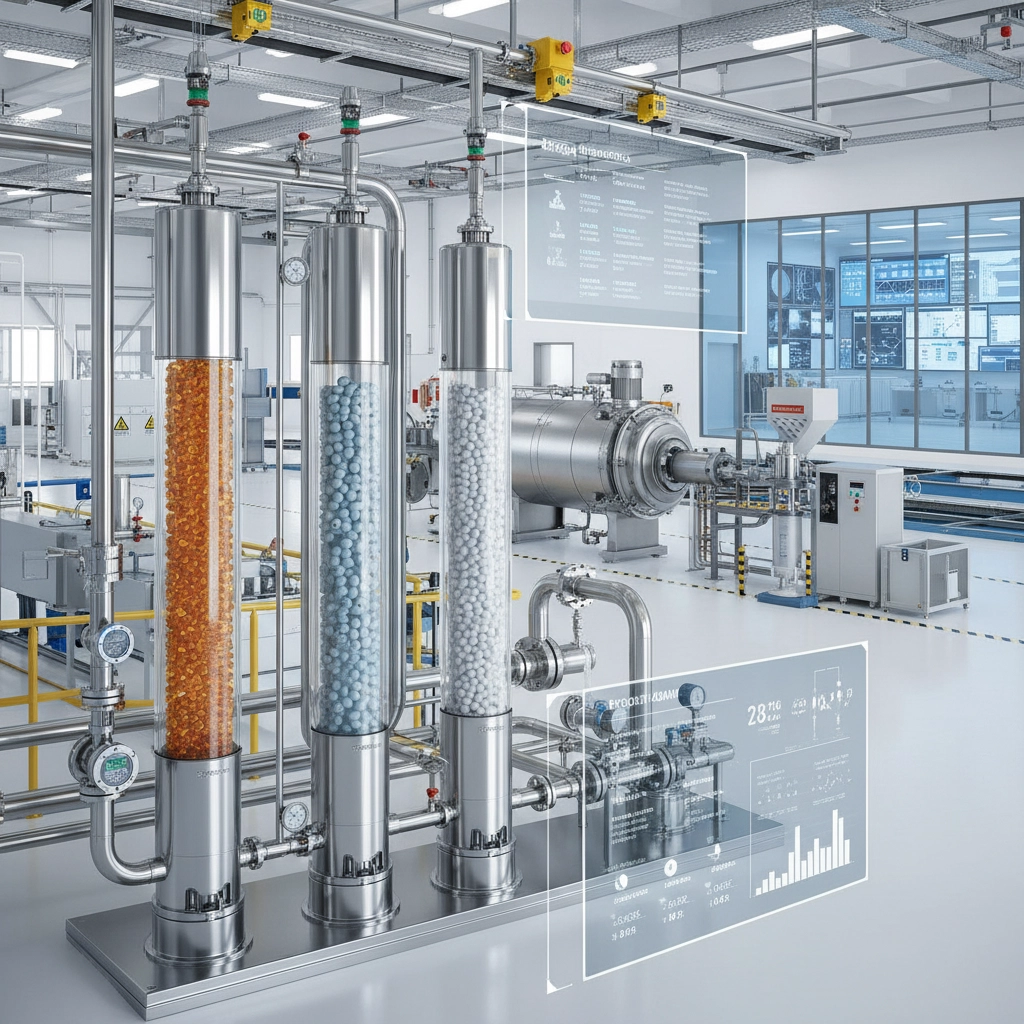
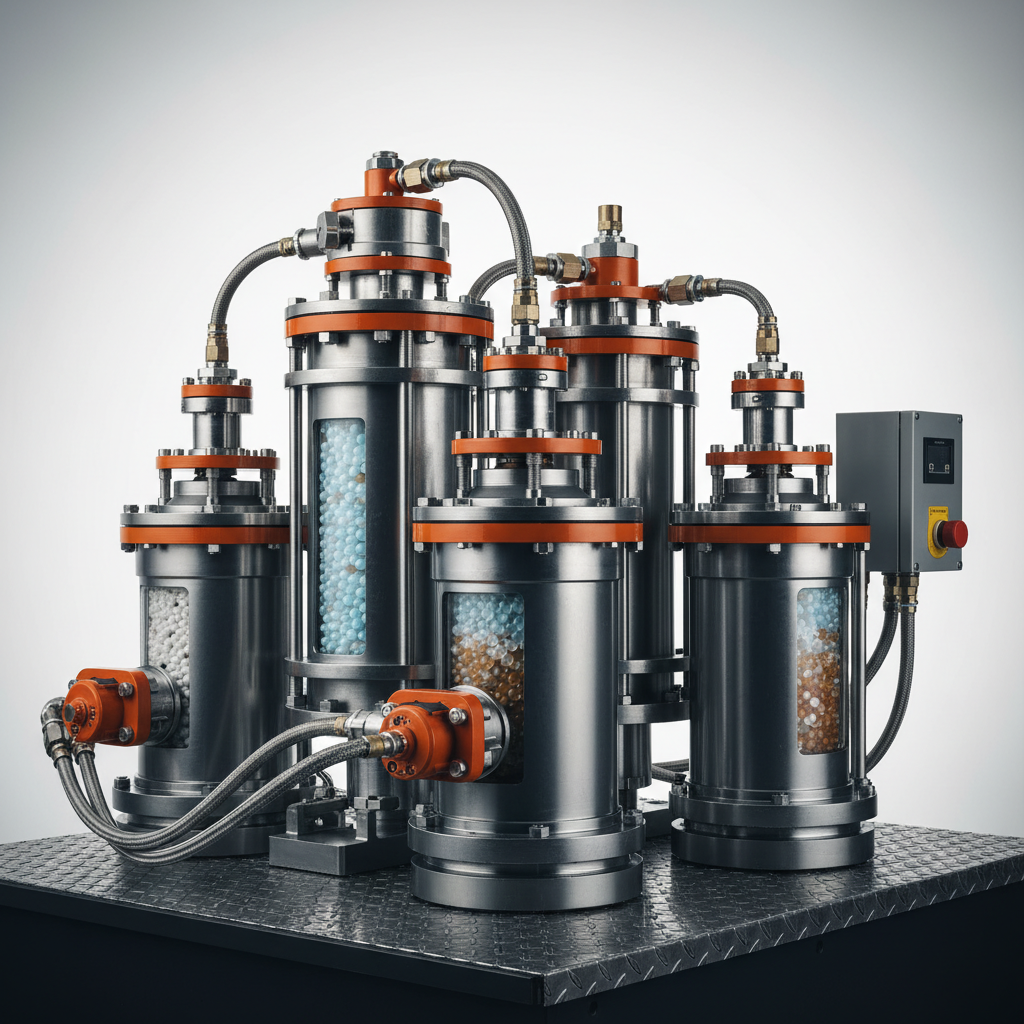
Beyond the resins themselves, the vessel design and flow dynamics play a pivotal role. Proper distribution headers and under-drain systems prevent "channeling," a phenomenon where water bypasses parts of the resin bed. When the flow is uniform, the interaction time between the water and the ion-exchange sites is maximized, ensuring that the treated water meets the precise conductivity specifications required for sensitive industrial processes.
Performance Metrics and Efficiency Analysis
Evaluating the success of cation and anion water treatment involves monitoring specific Key Performance Indicators (KPIs). The most common metric is electrical conductivity, which measures the concentration of dissolved ions; a lower conductivity signifies a higher purity level. Additionally, the "leakage rate" of specific ions—such as sodium or silica—is monitored to determine exactly when the resin bed requires regeneration.
Another vital factor is the throughput capacity, measured in bed volumes (BV). This tells the operator how many gallons of water can be processed per cubic foot of resin before the exchange capacity is exhausted. By optimizing the resin grade and flow rate, plants can extend the time between regeneration cycles, thereby reducing chemical consumption and wastewater discharge.
Efficiency Comparison of Water Treatment Methods
Real-World Industrial Applications and Use Cases
In the energy sector, cation and anion water treatment is indispensable for high-pressure boiler feed water. Even trace amounts of minerals can cause "carryover" or scale formation on turbine blades, leading to catastrophic equipment failure. By using a combination of Mixed Bed Resins and Strong Acid/Base exchangers, power plants ensure that their water is virtually free of all conductive ions.
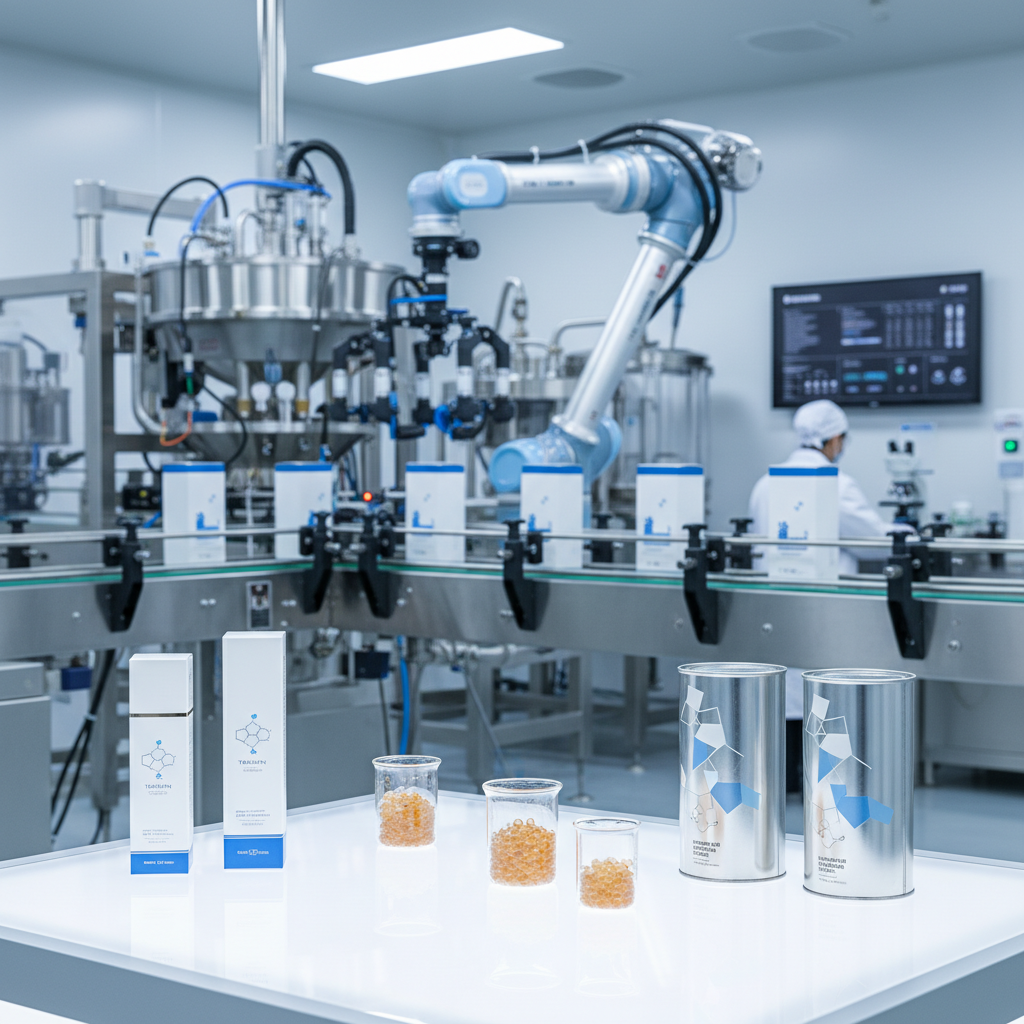
Similarly, in the pharmaceutical industry, the production of Water for Injection (WFI) requires a level of purity that only an advanced cation and anion water treatment system can provide. This ensures that no metallic cations or organic anions interfere with the stability of the drug compounds, maintaining patient safety and meeting the strict regulatory standards of the FDA and EMA.
Long-Term Value and Sustainability Benefits
The transition to high-efficiency cation and anion water treatment provides significant long-term economic value. By reducing the frequency of equipment descaling and preventing corrosion, companies can extend the operational life of their machinery by several years. This reduces capital expenditure (CAPEX) and minimizes unplanned downtime, which is often the most expensive part of industrial operation.
From a sustainability perspective, modern ion exchange resins are designed for greater durability and lower chemical requirements during regeneration. The move toward "green" regenerants and the recycling of rinse water help facilities lower their environmental footprint. This alignment with ESG (Environmental, Social, and Governance) goals makes these treatment systems a key part of the corporate responsibility strategy.
Moreover, the reliability of these systems builds trust with stakeholders. When a manufacturer can guarantee the consistency of their water purity, they ensure a more stable product quality. This reliability is the foundation of innovation, allowing engineers to push the boundaries of material science and chemical engineering without worrying about water-borne interference.
Future Innovations in Ion Exchange Technology
The future of cation and anion water treatment is moving toward "smart" resin systems and automation. We are seeing the integration of real-time IoT sensors that monitor ion leakage at the molecular level, triggering regeneration cycles only when absolutely necessary. This shift from schedule-based to condition-based maintenance drastically reduces chemical waste and energy usage.
Furthermore, the development of specialized Chelating Resins and Catalytic Resins is expanding the scope of water treatment. These next-generation materials can selectively target heavy metals or facilitate organic breakdowns, allowing cation and anion water treatment to handle complex industrial wastewaters that were previously considered untreatable.
Digital transformation is also playing a role, with AI-driven models predicting resin degradation patterns. By analyzing thousands of cycles, these models can suggest the optimal resin blend (e.g., mixing Weak Acid Cation with Strong Acid Cation) to maximize efficiency for a specific water chemistry. The result is a more agile, sustainable, and precise approach to water purification.
Comparative Analysis of Resin Types in Water Treatment
| Resin Category |
Target Ions |
Regenerant |
Efficiency Score (1-10) |
| Strong Acid Cation |
Ca²⁺, Mg²⁺, Na⁺ |
HCl / H₂SO₄ |
9.5 |
| Strong Base Anion |
Cl⁻, SO₄²⁻, SiO₂ |
NaOH |
9.2 |
| Weak Acid Cation |
Strong Acids/Cations |
Weak Acids |
7.8 |
| Weak Base Anion |
Strong Bases/Anions |
Weak Bases |
7.5 |
| Chelating Resin |
Cu²⁺, Ni²⁺, Zn²⁺ |
Specialized Acids |
8.8 |
| Mixed Bed Resin |
All Dissolved Ions |
Dual-Acid/Base |
9.8 |
FAQS
Cation resins are designed to remove positively charged ions (like calcium, magnesium, and sodium) by replacing them with hydrogen or sodium ions. Anion resins target negatively charged ions (like chloride, sulfate, and silica), replacing them with hydroxyl ions. In a complete cation and anion water treatment system, both are used sequentially or in a mixed bed to achieve full demineralization.
Regeneration frequency depends on the raw water's ionic load and the total exchange capacity of the resin. Typically, this is monitored via conductivity meters or silica analyzers. Once the "breakthrough point" is reached (where ions begin to leak into the effluent), the system must be regenerated using the appropriate acid or base chemicals to restore its efficiency.
Standard ion exchange resins primarily target inorganic ions. However, specialized Strong Base Anion (SBA) resins can remove some organic acids. For significant organic loads, it is recommended to use an organic scavenger resin or an activated carbon pre-filter before the cation and anion water treatment stage to prevent resin fouling.
A mixed bed system provides much higher purity (ultra-low conductivity) because it acts like thousands of tiny separate stages of cation and anion exchange. While separate stages are better for bulk ion removal and are easier to regenerate, mixed beds are the gold standard for the final polishing stage of cation and anion water treatment.
The primary causes are chemical oxidation (especially from chlorine in the water), thermal degradation (exceeding the resin's temperature limit), and physical fouling (accumulation of oils or suspended solids). Implementing proper pre-filtration and using chlorine-resistant resin grades can significantly extend the lifespan of your cation and anion water treatment media.
Yes, when managed correctly. While regeneration requires chemicals, modern systems focus on "counter-current regeneration" to reduce chemical use and water waste. Furthermore, by preventing equipment corrosion and improving energy efficiency in boilers, cation and anion water treatment reduces the overall carbon footprint of industrial facilities.
Conclusion
In summary, cation and anion water treatment is a sophisticated yet essential process that ensures industrial reliability, product purity, and operational safety. By leveraging the selective chemistry of ion exchange resins, industries can effectively eliminate mineral contaminants, prevent costly equipment failure, and meet the most stringent global purity standards. The synergy between cation and anion removal is what allows for the production of the ultrapure water required by today's most advanced technologies.
Looking forward, the integration of AI-driven monitoring and the development of high-selectivity resins will continue to make water treatment more sustainable and efficient. For any organization seeking to optimize their water quality, investing in high-grade resins and a well-designed ion exchange system is a strategic move toward long-term stability and innovation. Explore our full range of professional solutions and optimize your processes today. Visit our website: www.lijiresins.com