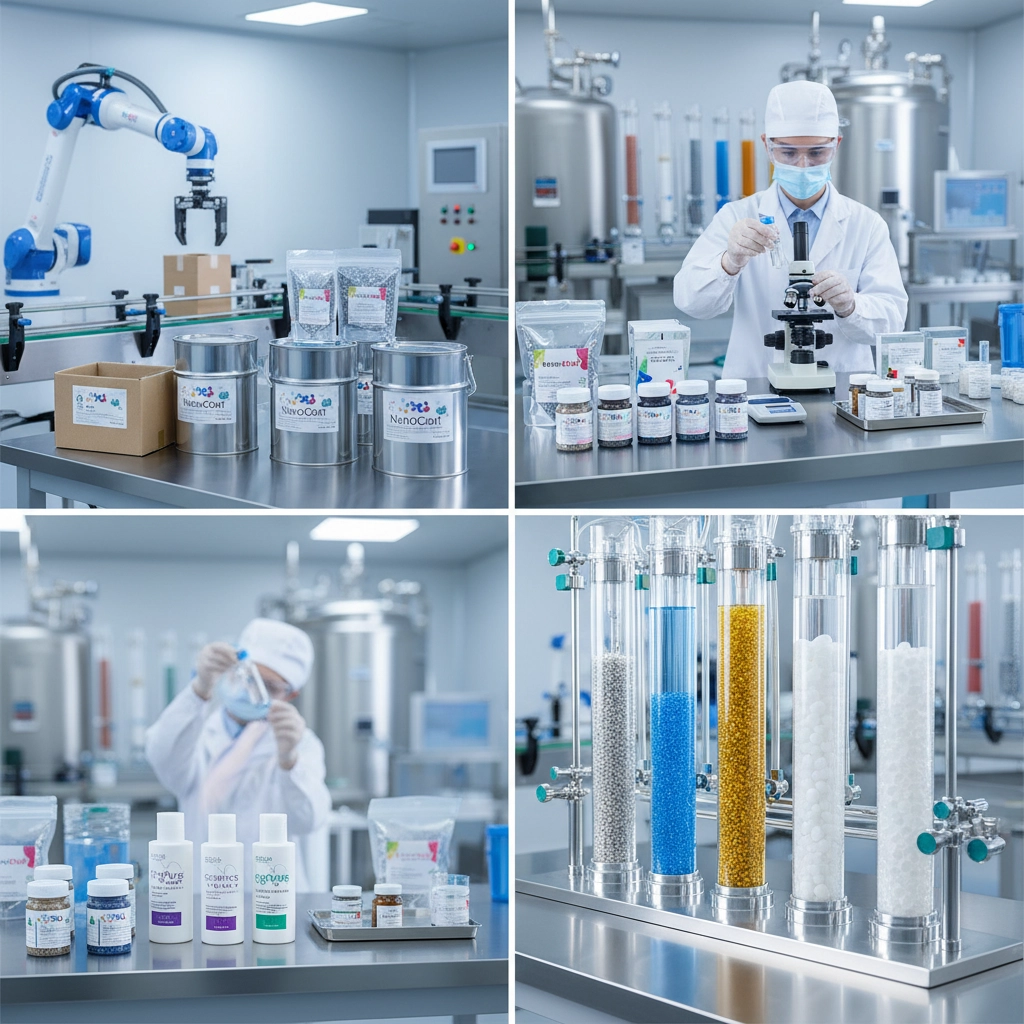
In the realm of modern industrial water purification, cation exchange water treatment stands as a cornerstone technology for removing unwanted metallic ions and achieving high-purity water standards. By utilizing specialized polymer matrices, this process selectively replaces hardness ions like calcium and magnesium with hydrogen or sodium ions, ensuring that water meets the stringent requirements of boilers, pharmaceuticals, and semiconductor fabrication.
The global demand for ultra-pure water is escalating as industries shift toward more sustainable and efficient manufacturing processes. Implementing a robust cation exchange water treatment system not only prevents scale buildup in critical machinery but also significantly extends the operational lifespan of industrial equipment, reducing maintenance downtime and energy consumption across the board.
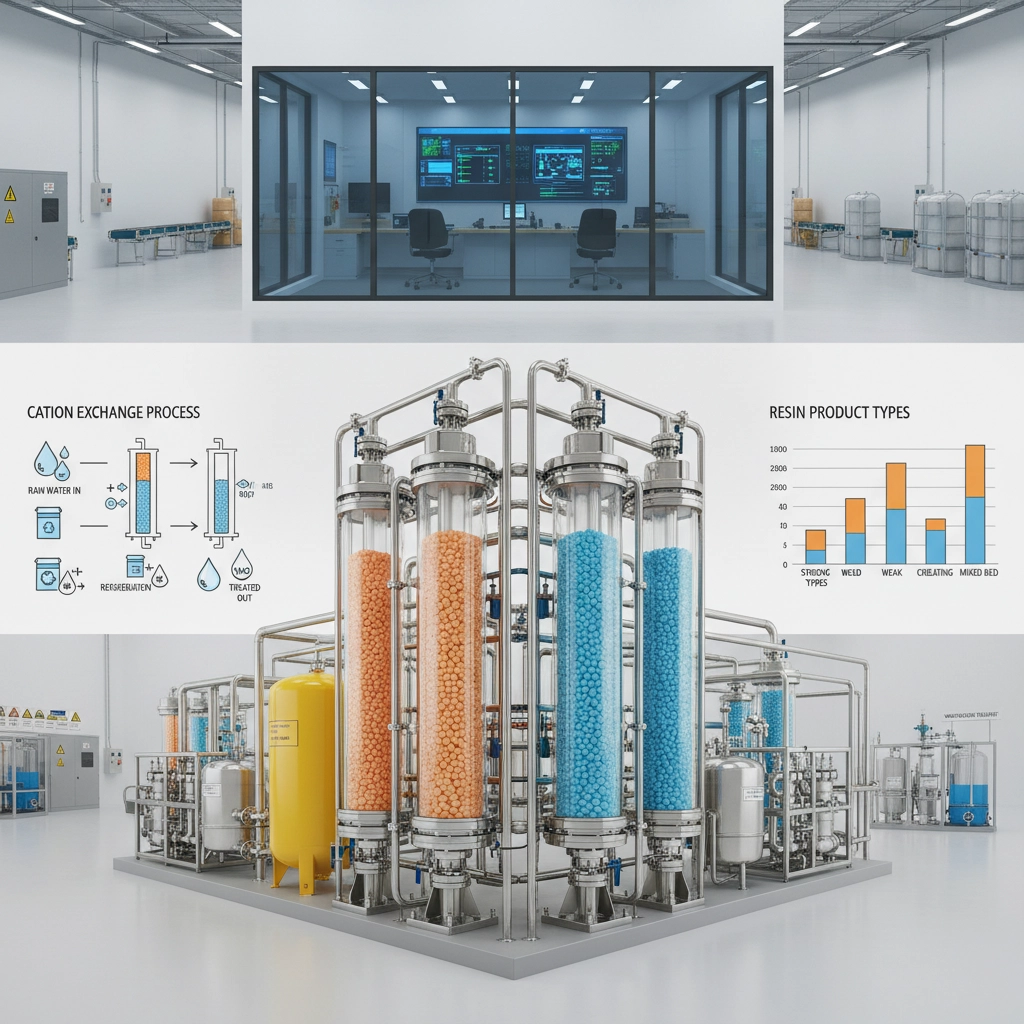
Understanding the nuances of resin selection—ranging from strong acid cation resins to weak acid variants—is essential for optimizing water quality. Whether the goal is complete demineralization or selective softening, the science of cation exchange water treatment provides a scalable and reliable solution to some of the most challenging water chemistry problems faced by global industries today.
Global Relevance of Cation Exchange Water Treatment
On a global scale, water scarcity and contamination have made cation exchange water treatment an indispensable tool for industrial survival. According to data aligned with ISO water management standards, the accumulation of mineral deposits in industrial cooling towers can lead to a 10-20% decrease in heat transfer efficiency. This creates a massive energy drain and increases the carbon footprint of manufacturing plants worldwide.
Beyond mere efficiency, the humanitarian aspect is critical. In regions with high groundwater salinity or heavy metal contamination, cation exchange technologies are deployed to provide safe, potable water. The ability to selectively remove toxic ions like cadmium or lead while maintaining essential mineral balances makes this process a vital component of global health and environmental safety initiatives.
Defining the Mechanics of Cation Exchange
At its most basic level, cation exchange water treatment is a chemical process where a soluble cation (a positively charged ion) is swapped for another cation attached to an insoluble resin matrix. Typically, these resins are cross-linked polystyrene beads with functional groups—such as sulfonic acid for strong acid resins—that hold a preference for certain ions over others.
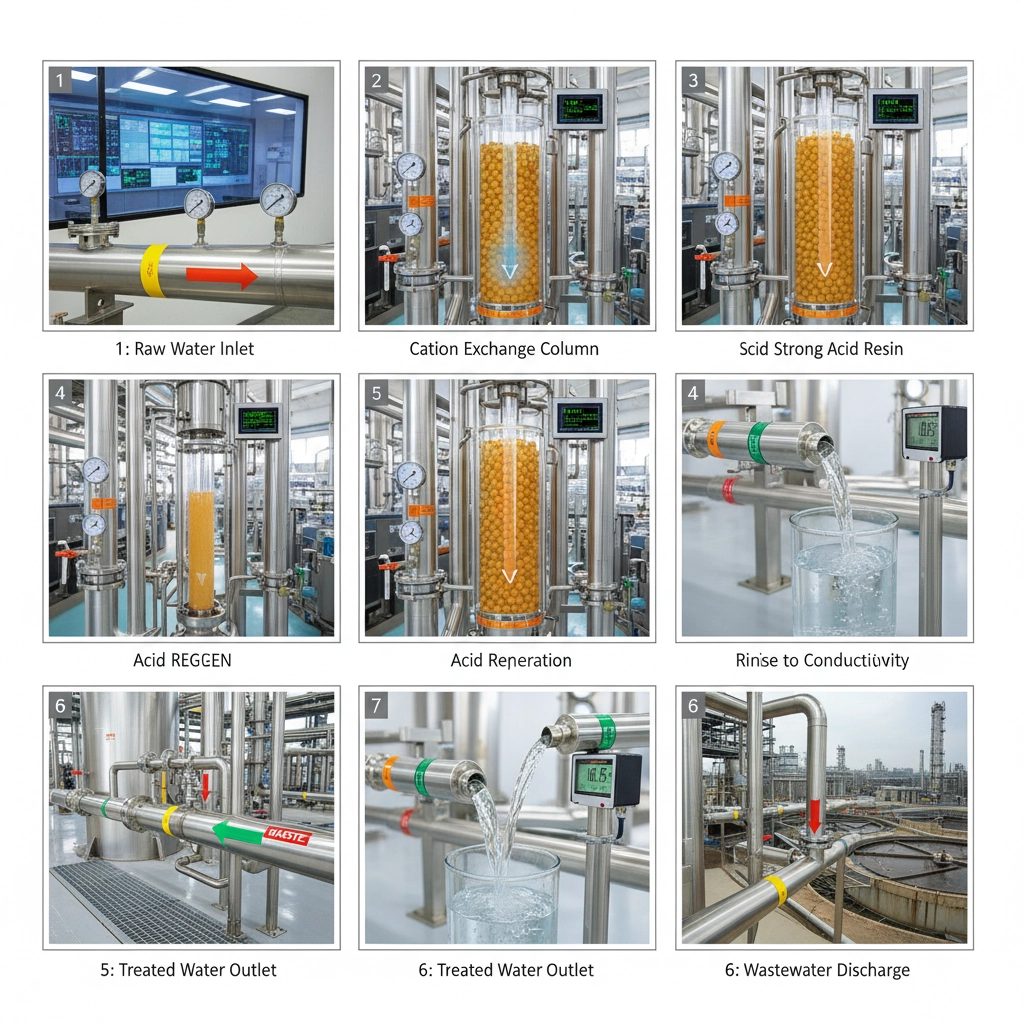
When "hard" water containing calcium (Ca2+) and magnesium (Mg2+) flows through the resin bed, these divalent ions displace the sodium (Na+) or hydrogen (H+) ions on the resin. This results in water that is "softened" or "demineralized," depending on the regenerant used. The process is reversible; once the resin sites are saturated, they are "regenerated" using a concentrated salt or acid solution to restore their original capacity.
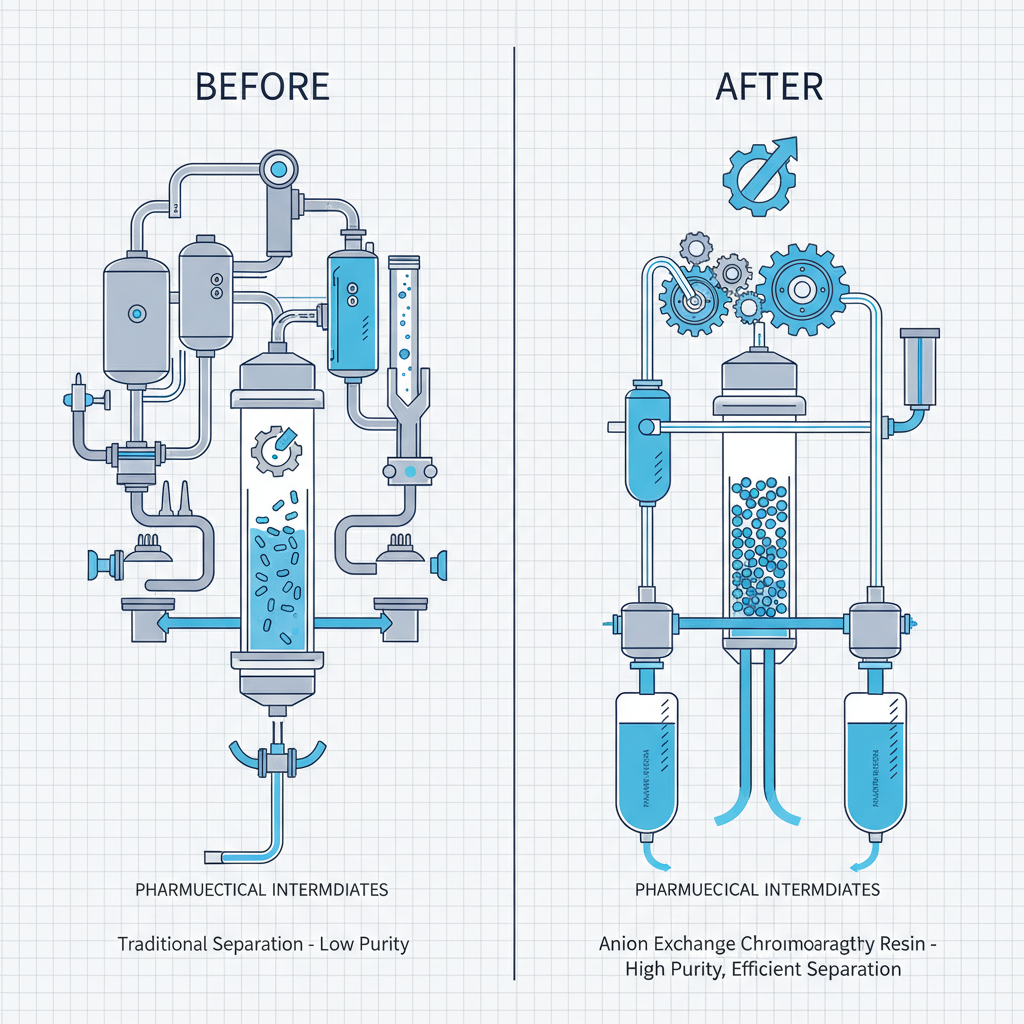
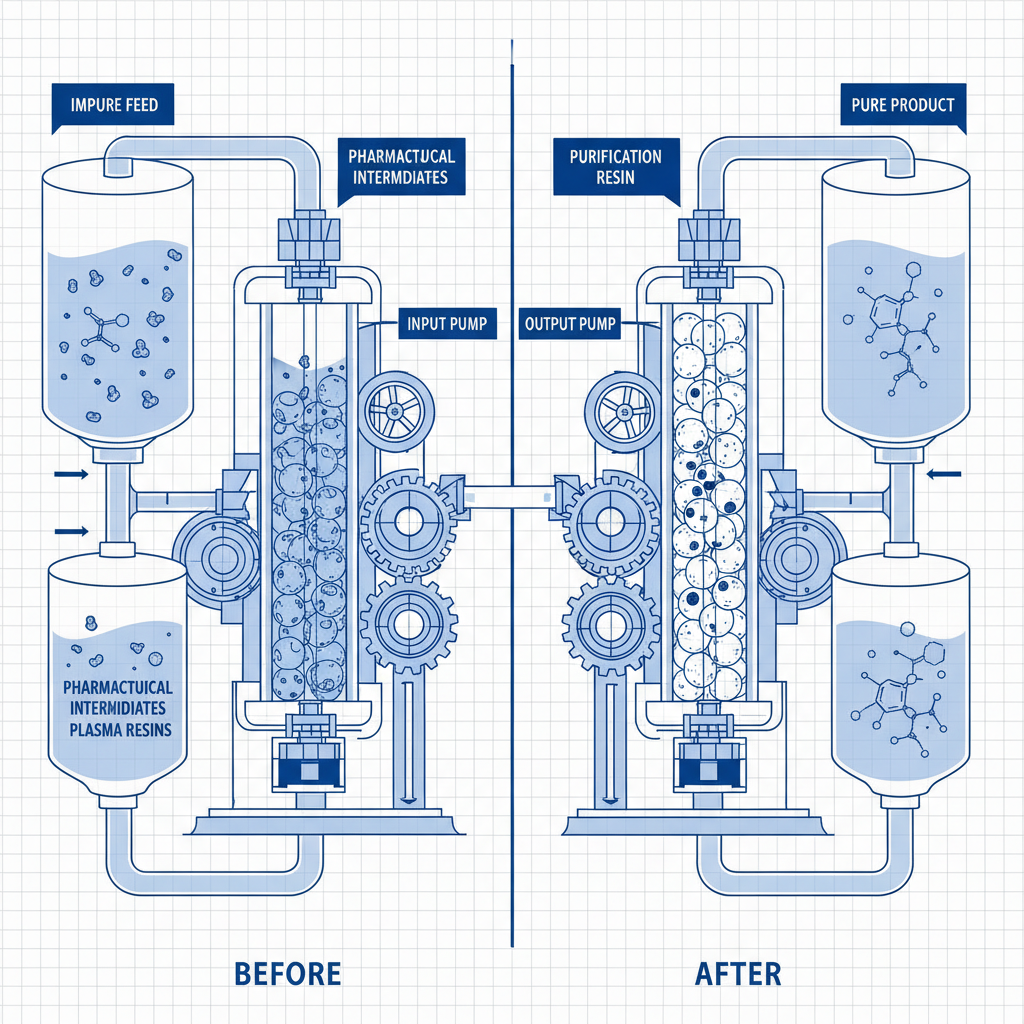
This mechanism is central to modern industry because it allows for the precise control of water chemistry. In the pharmaceutical sector, for instance, the removal of every trace of conductive ion is necessary to ensure the stability of injectable drugs, making the high-precision nature of ion exchange essential for patient safety and regulatory compliance.
Core Components of Effective Resin Systems
The success of cation exchange water treatment depends heavily on the Resin Selectivity. Different resins have varying affinities for ions; for example, a Strong Acid Cation (SAC) resin will remove almost all cations regardless of pH, while a Weak Acid Cation (WAC) resin is highly effective for alkalinity removal and operates best in neutral to alkaline conditions.
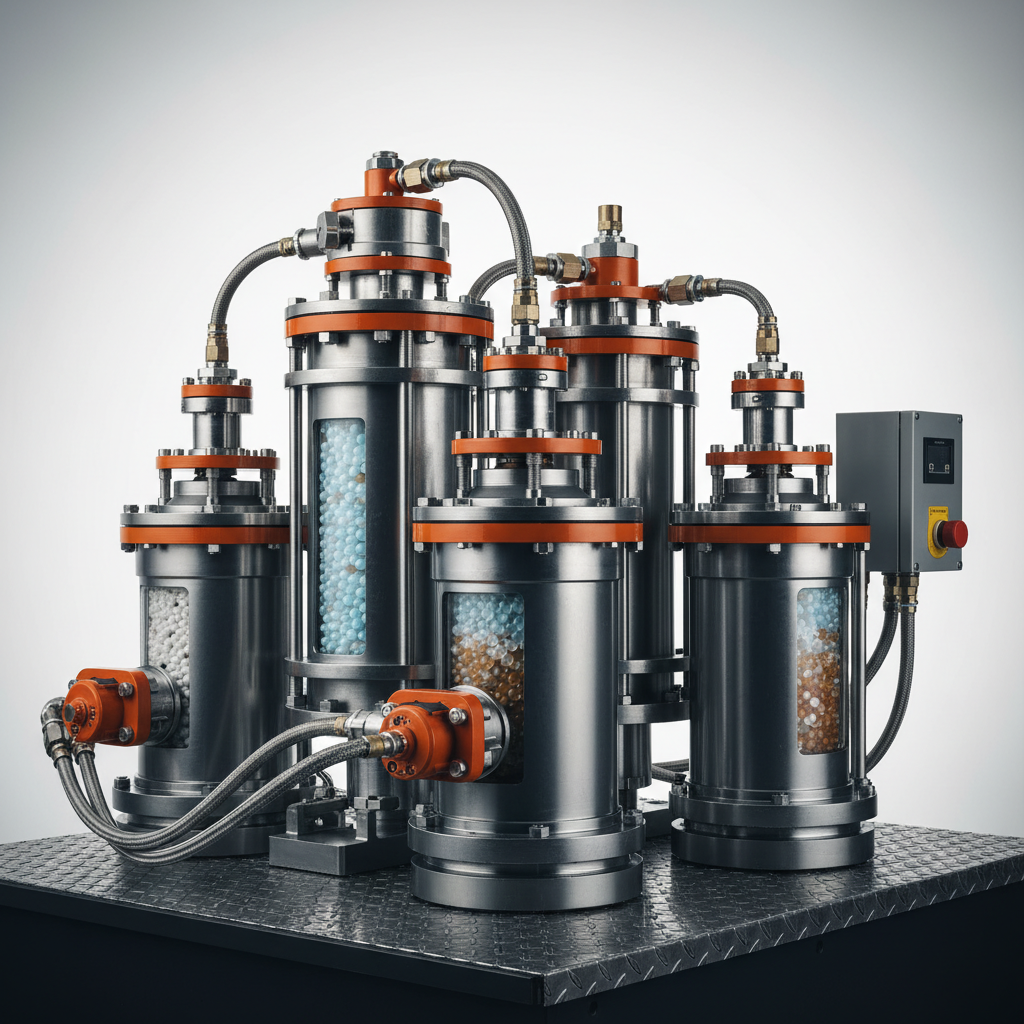
Operational Scalability is another critical factor. Whether it is a small-scale laboratory column or a massive industrial mixed-bed exchanger, the system must be designed to handle specific flow rates (flux) and pressure drops. Proper vessel design ensures that the cation exchange water treatment occurs uniformly, avoiding "channeling" where water bypasses the resin beads.
Finally, Regeneration Efficiency determines the long-term cost-effectiveness of the system. The choice of regenerant (such as HCl or NaCl) and the method of application (co-current vs. counter-current) directly impact the amount of chemical waste produced and the purity of the treated water in the subsequent cycle.
Industrial Applications and Global Use Cases
The application of cation exchange water treatment spans diverse sectors. In power generation, it is used in high-pressure boiler feed water systems to prevent scale and corrosion, which would otherwise lead to catastrophic tube failures. In the food and beverage industry, it ensures that the water used in brewing or bottling does not alter the taste profile of the final product.
Real-world examples can be seen in hydrometallurgy, where specialized chelating resins are used for the recovery of precious metals from leach liquors. In remote industrial zones in Southeast Asia or South America, modular cation exchange water treatment units are often deployed to treat brackish water, allowing mining operations to function without depleting local freshwater sources.
Efficiency Comparison of Cation Exchange Methods
Long-Term Value and Sustainability Benefits
Investing in high-quality cation exchange water treatment offers tangible economic value. By eliminating hardness and dissolved metals, companies reduce their reliance on expensive anti-scalant chemicals and lower the frequency of acid cleaning for heat exchangers. This leads to a lower Total Cost of Ownership (TCO) over the plant's lifecycle.
From a sustainability perspective, modern resin technologies allow for higher regeneration efficiency, meaning less brine and waste acid are discharged into the environment. The reliability of these systems ensures that water is recycled more effectively within the plant, supporting "Zero Liquid Discharge" (ZLD) goals and aligning corporate operations with global ESG (Environmental, Social, and Governance) standards.
Future Innovations in Ion Exchange Materials
The future of cation exchange water treatment is moving toward "smart" resins. Researchers are developing materials with molecularly imprinted polymers (MIPs) that can target specific pollutants—such as PFAS or rare earth elements—with near-perfect selectivity, reducing the need for multi-stage treatment trains.
Digital transformation is also playing a role. Integration with IoT sensors allows for real-time monitoring of resin exhaustion. Instead of regenerating on a fixed timer, systems can now trigger regeneration based on actual breakthrough curves, drastically reducing chemical consumption and water waste.
Furthermore, the shift toward bio-based resin matrices is gaining momentum. By replacing petroleum-derived styrene with sustainable polymers, the industry is working toward a carbon-neutral footprint for cation exchange water treatment, ensuring that the process of cleaning water does not contribute to the pollution of the planet.
Overcoming Common Operational Challenges
One of the primary challenges in cation exchange water treatment is resin fouling. Organic matter or oil contaminants can coat the resin beads, blocking access to the exchange sites and causing a rapid drop in capacity. To combat this, expert operators implement rigorous pre-filtration, such as activated carbon or multi-media filters, to protect the resin bed.
Another common issue is osmotic shock, where rapid changes in ion concentration during regeneration cause the resin beads to crack. This is solved by utilizing "graded" regeneration profiles and selecting resins with optimized cross-linking density, which provides the physical strength necessary to withstand the stresses of repeated cycles.
Finally, managing the waste stream from regeneration requires careful planning. Many facilities are now implementing brine recovery systems or neutralization tanks to treat the effluent before discharge, ensuring that the cation exchange water treatment process remains environmentally compliant.
Analysis of Resin Performance and Operational Stability
| Resin Type |
Selectivity Level |
Regeneration Ease |
Lifespan Rating |
| Strong Acid Cation (SAC) |
Universal |
Moderate |
8/10 |
| Weak Acid Cation (WAC) |
High (Alkalinity) |
Easy |
7/10 |
| Chelating Resin |
Ultra-High (Metals) |
Complex |
9/10 |
| Mixed Bed Resin |
Complete Ion Removal |
Difficult |
6/10 |
| Specialty Cation Resin |
Target-Specific |
Variable |
8/10 |
| Standard Softening Resin |
General Hardness |
Very Easy |
7/10 |
FAQS
Strong Acid Cation (SAC) resins can remove all cations regardless of the water's pH, making them ideal for complete demineralization. Weak Acid Cation (WAC) resins only exchange cations when the pH is neutral or alkaline and are primarily used for removing temporary hardness (associated alkalinity). WAC resins are generally more efficient to regenerate but less versatile than SAC resins.
Regeneration frequency depends on the influent water's ionic load and the resin's total capacity. Most industrial systems monitor "breakthrough"—the point where ions start appearing in the effluent—via conductivity meters. Once breakthrough is detected, the system must be regenerated. This could be every few hours in high-load environments or every few weeks in light-duty applications.
No, ion exchange is designed for the removal of dissolved ions, not biological contaminants. While some resins may physically trap some particles, they are not disinfectants. For comprehensive water treatment, cation exchange should be paired with UV sterilization, chlorination, or membrane filtration (like Reverse Osmosis) to ensure the water is biologically safe.
The most common causes are chemical oxidation (e.g., from residual chlorine in the water), physical attrition (beads rubbing together and breaking), and organic fouling. Oxidation attacks the cross-linking of the polystyrene matrix, causing the beads to swell and lose capacity. Using carbon pre-filters to remove chlorine can significantly extend the resin's life.
When managed correctly, yes. It enables water reuse and prevents industrial scaling, which saves energy. However, the regeneration process produces saline or acidic wastewater. Modern plants mitigate this by using counter-current regeneration to reduce chemical use and implementing wastewater treatment stages to neutralize effluent before discharge.
Start with a full water analysis including pH, total dissolved solids (TDS), and specific ion concentrations (Ca, Mg, Na, Fe). If you need complete ion removal, a Mixed Bed or SAC/SBA sequence is best. If you are targeting specific heavy metals, a Chelating Resin is required. Consulting with a resin specialist to run a pilot test is always recommended.
Conclusion
In summary, cation exchange water treatment is a sophisticated yet highly reliable technology that solves critical water purity challenges across the globe. From protecting multi-million dollar industrial boilers to ensuring the purity of life-saving pharmaceuticals, the ability to selectively manipulate ionic composition is invaluable. By balancing resin selection, vessel design, and regeneration efficiency, industries can achieve an optimal equilibrium between water quality and operational cost.
Looking forward, the integration of sustainable bio-polymers and AI-driven monitoring will further refine the efficiency of ion exchange. As global regulations on water discharge become stricter, the shift toward high-selectivity resins and zero-waste regeneration will be paramount. We encourage facility managers and engineers to audit their current water treatment trains to identify opportunities for optimization. Visit our website: www.lijiresins.com to explore our full range of high-performance resins.