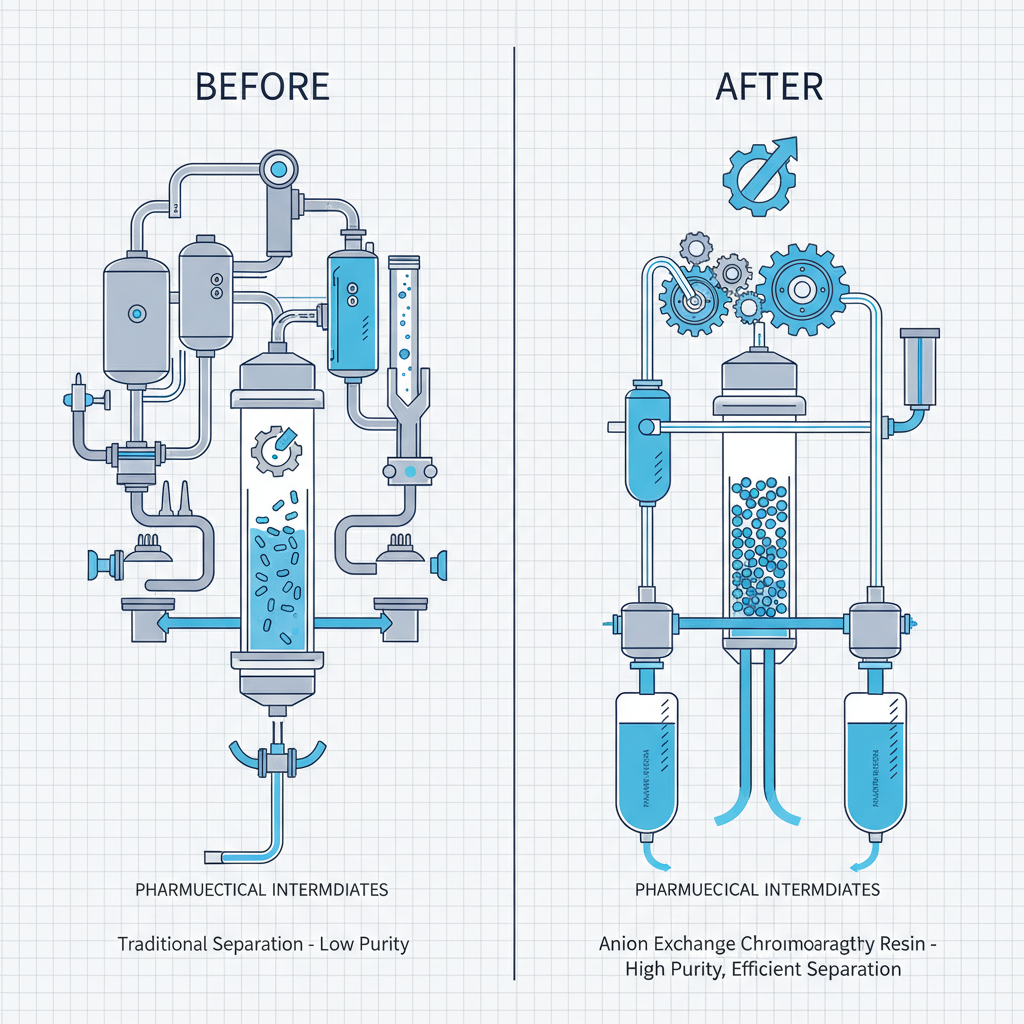
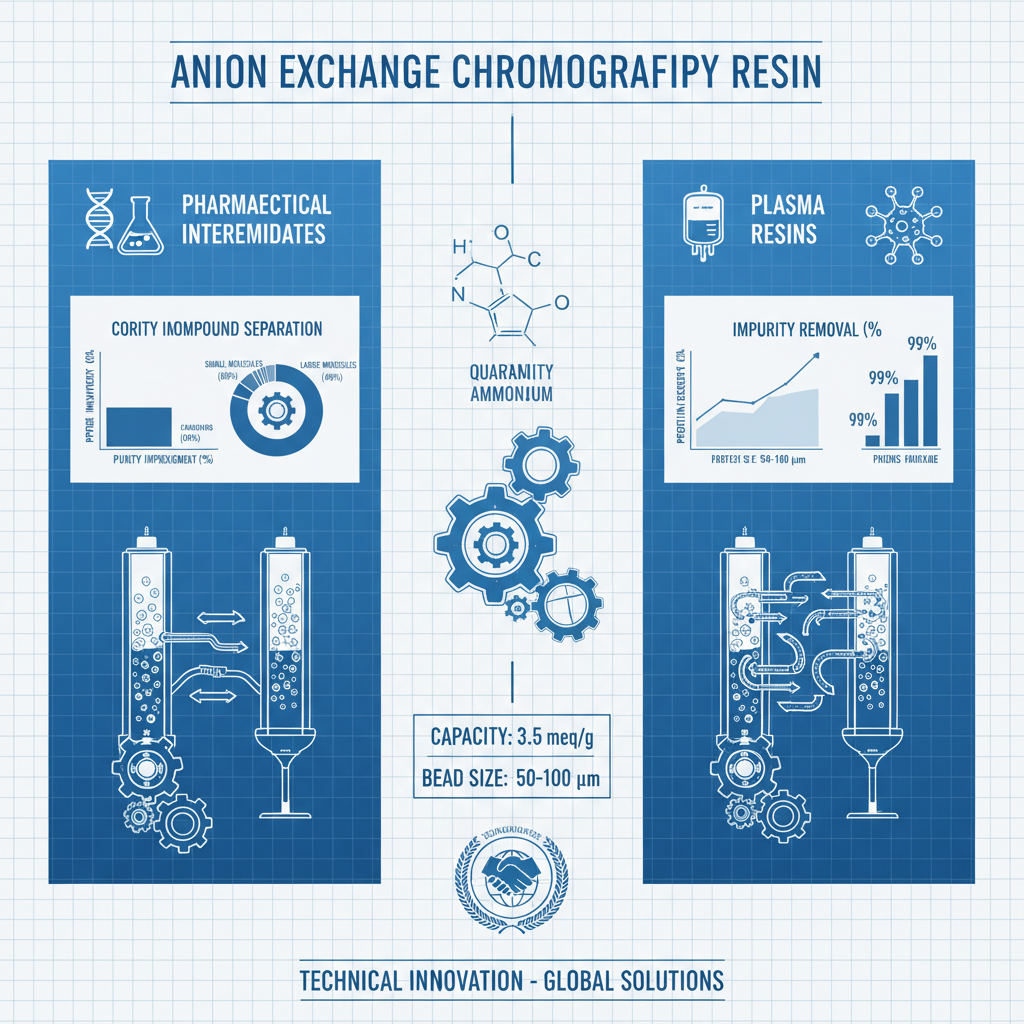
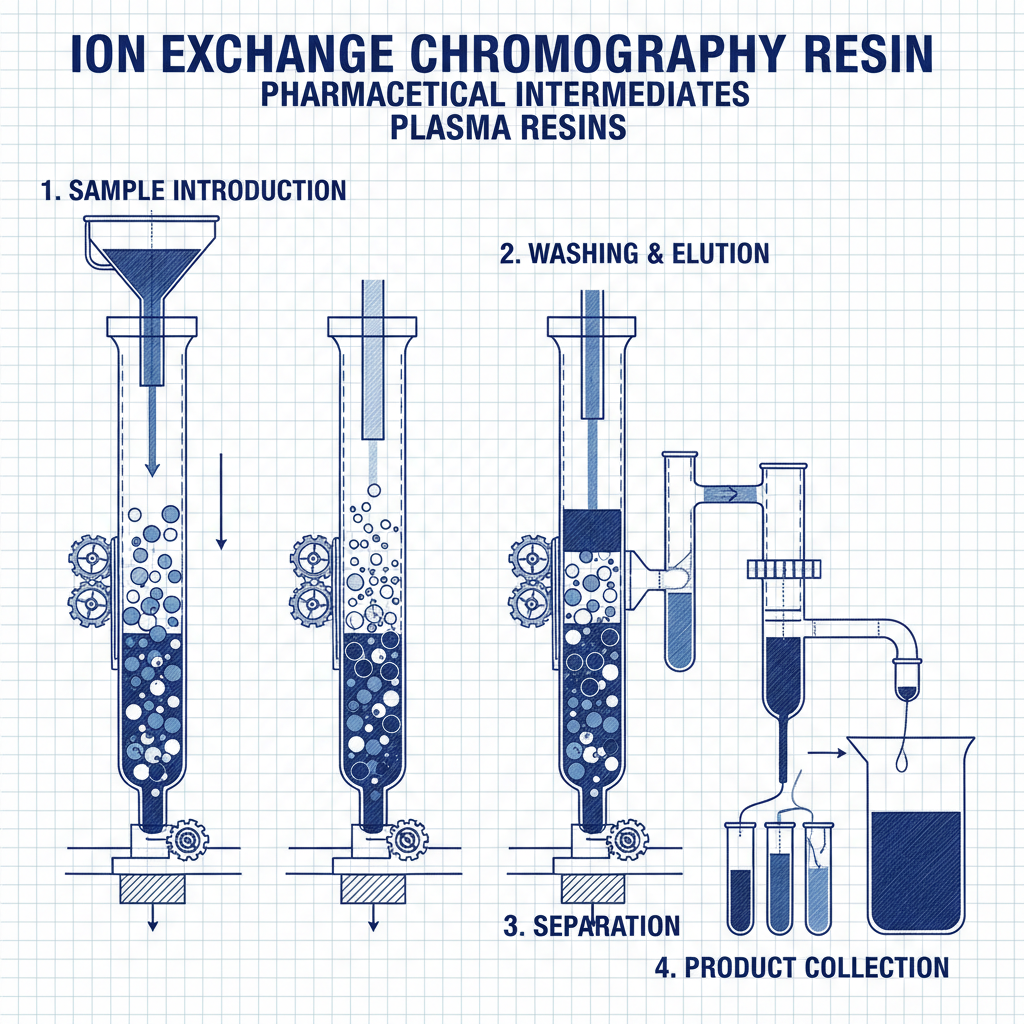
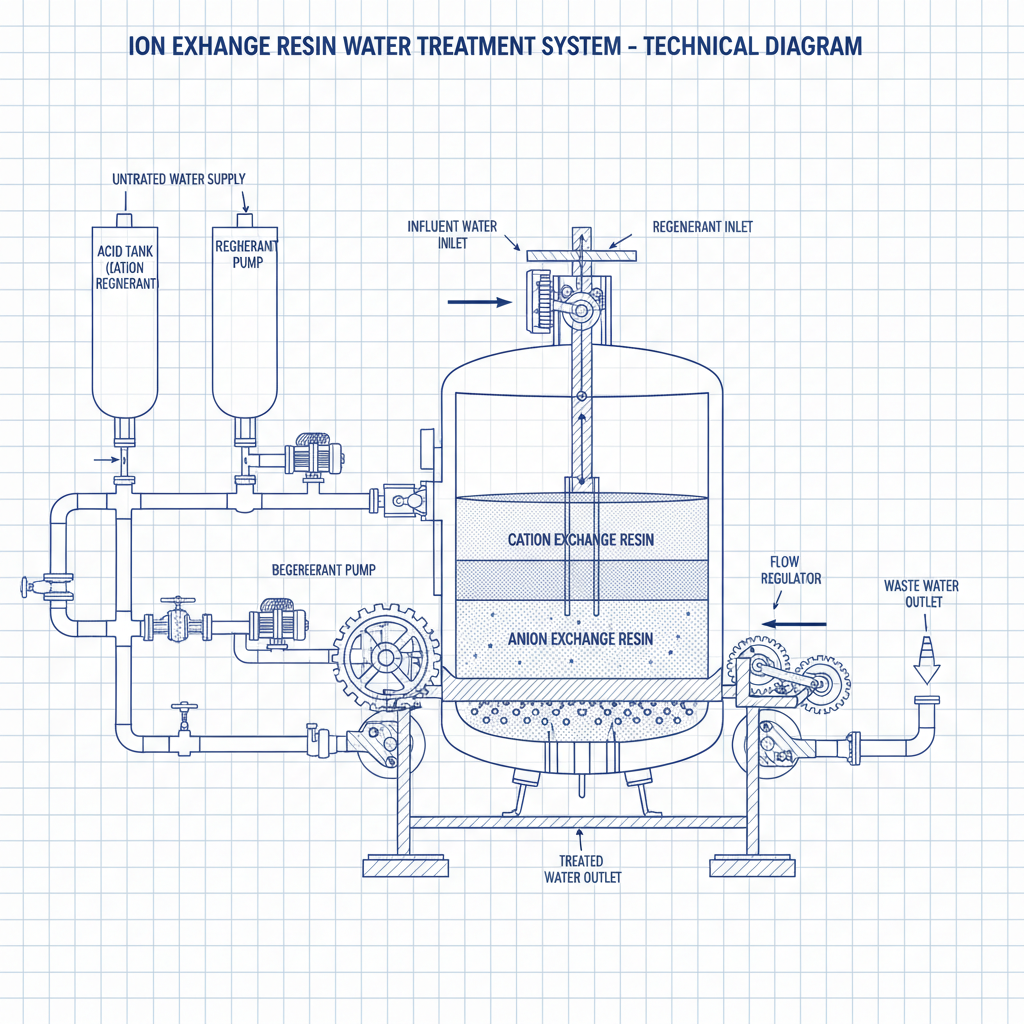
In the sophisticated world of biochemical separation, anion exchange chromatography resin stands as a cornerstone technology for isolating negatively charged molecules with precision. By leveraging the electrostatic attraction between the positively charged functional groups of the resin and the anionic targets in a sample, this medium allows scientists and engineers to achieve purity levels that were once thought impossible. Whether in pharmaceutical purification or environmental remediation, the ability to selectively bind specific ions is critical for operational success.
Globally, the demand for high-performance chromatography media has surged as the biotechnology sector shifts toward more complex biologics and personalized medicine. The efficacy of an anion exchange chromatography resin directly impacts the yield and quality of critical proteins, vaccines, and therapeutic antibodies, making the choice of resin a strategic decision for any laboratory or production facility. As regulatory standards for purity become more stringent, the reliance on advanced ion-exchange materials continues to grow.
Understanding the nuances of resin chemistry—from pore size and cross-linking density to the strength of the quaternary ammonium groups—is essential for optimizing separation protocols. By mastering the application of anion exchange chromatography resin, industries can reduce processing time, lower solvent consumption, and significantly improve the scalability of their downstream processes, ensuring a sustainable path from discovery to commercialization.
Global Industry Context of Anion Exchange Chromatography Resin
The global landscape for separation science has been reshaped by the increasing complexity of molecular targets. According to industrial trends aligned with ISO standards for laboratory equipment, the market for specialized resins is expanding as the pharmaceutical and food-grade chemical industries seek higher throughput. The primary challenge facing these sectors is the "bottleneck" in downstream processing, where traditional filtration fails to remove trace anionic impurities, necessitating the use of high-affinity anion exchange chromatography resin to ensure product safety.
From the rapidly growing biotech hubs in Asia-Pacific to the established pharmaceutical giants in North America and Europe, the integration of advanced resins has become a prerequisite for operational excellence. The pressure to reduce the "cost-per-gram" of purified biologics has driven the industry toward resins with higher binding capacities and better chemical stability. Consequently, the development of robust anion exchange chromatography resin is no longer just a technical requirement but a competitive necessity in the global trade of synthetic materials.
Defining Anion Exchange Chromatography Resin and Its Mechanism
At its simplest level, anion exchange chromatography resin is a polymeric matrix—typically composed of polystyrene-divinylbenzene or agarose—that is functionalized with positively charged groups. These groups, such as quaternary ammonium, act as "magnets" for negatively charged ions (anions) present in a liquid sample. As the mixture passes through the resin bed, the target anions displace counter-ions (like chloride) and bind to the matrix, while neutral or positively charged molecules pass through unimpeded.
This mechanism is vital for modern humanitarian and industrial needs, particularly in the production of life-saving insulin and monoclonal antibodies. By carefully adjusting the pH and ionic strength of the mobile phase, operators can selectively "elute" or release the bound molecules. This level of control allows for the separation of proteins that differ by only a single charge, providing a degree of resolution that is indispensable in the fight against complex diseases and the pursuit of high-purity chemical reagents.
Furthermore, the versatility of anion exchange chromatography resin extends beyond the lab into environmental protection. It is used extensively for the removal of nitrates, sulfates, and organic pollutants from wastewater, directly contributing to the global effort to provide clean drinking water in remote industrial zones and post-disaster relief operations where water contamination is a primary health risk.
Core Components Affecting Resin Performance
The efficacy of an anion exchange chromatography resin is primarily determined by its functional group density and the nature of the base matrix. Strong base resins, featuring quaternary ammonium groups, remain ionized across a wide pH range, offering consistent performance regardless of the acidity of the sample. In contrast, weak base resins are more selective and are often used when the target molecule requires a specific pH environment to maintain its charge and structural integrity.
Porosity and particle size distribution are equally critical. A resin with a high surface area and optimized pore structure ensures that large biomolecules can penetrate the internal matrix of the anion exchange chromatography resin, preventing "steric hindrance" and maximizing the dynamic binding capacity. If the particles are too large, resolution suffers; if they are too small, the backpressure in the column becomes prohibitively high, risking equipment failure.
Finally, the degree of cross-linking (usually measured by the percentage of divinylbenzene) determines the mechanical strength and swelling properties of the resin. High cross-linking provides the durability needed for repeated regeneration cycles and high-pressure industrial flows, ensuring that the anion exchange chromatography resin does not compress or deform over time, which would otherwise lead to "channeling" and a loss of separation efficiency.
Practical Scalability and Efficiency Metrics
Scaling a laboratory process to an industrial level requires a deep understanding of the resin's kinetic properties. When transitioning from a 1ml column to a 1000L vessel, the uniformity of the anion exchange chromatography resin bed becomes the deciding factor in yield. Engineers must balance the flow rate (linear velocity) with the residence time to ensure that the anionic targets have sufficient time to diffuse into the resin pores without causing excessive pressure drops.
Efficiency is typically measured by the "HETP" (Height Equivalent to a Theoretical Plate), where a lower value indicates higher efficiency. By optimizing the bead size and packing density of the anion exchange chromatography resin, manufacturers can achieve sharper peaks and better resolution, which directly translates to less waste and higher purity in the final product.
Performance Comparison of Anion Exchange Chromatography Resin Variations
Global Applications and Industrial Use Cases
In the pharmaceutical sector, anion exchange chromatography resin is the gold standard for the purification of nucleic acids and plasmids. During the production of mRNA vaccines, these resins are used to remove double-stranded RNA impurities and leftover enzymes, ensuring that the final therapeutic is safe for human injection. This application has become a global priority, with facilities across the globe upgrading their resin inventories to meet the demands of rapid pandemic response.
Beyond medicine, the food and beverage industry utilizes these resins for the decolorization of sugar syrups and the removal of organic acids from fruit juices. In remote industrial zones, where water purity is compromised by heavy metal runoff, specially formulated anion exchange chromatography resin is deployed in large-scale ion exchange columns to strip toxic anions, protecting local ecosystems and ensuring the safety of industrial process water.
Long-Term Value and Sustainability Advantages
The long-term value of investing in high-quality anion exchange chromatography resin lies in its regenerability. Unlike single-use filters, these resins can be stripped of their bound ions and "recharged" using simple salt solutions. This circular lifecycle significantly reduces the volume of plastic waste generated by laboratories and lowers the overall operational cost over the lifespan of the equipment.
From a sustainability perspective, the transition toward "green chemistry" is evident in the development of resins derived from biodegradable polymers. By reducing the reliance on petroleum-based styrene, the industry is lowering its carbon footprint while maintaining the high selectivity required for anion exchange chromatography resin applications. This innovation reflects a broader commitment to ESG (Environmental, Social, and Governance) goals.
Moreover, the reliability of these materials fosters trust in the supply chain. When a manufacturer can guarantee 99.9% purity through a validated resin process, it eliminates the need for redundant purification steps, saving energy and reducing the chemical footprint of the entire production line. The logical result is a more efficient, transparent, and ethical manufacturing process.
Future Trends and Technical Innovations
The future of anion exchange chromatography resin is being driven by the integration of digital transformation and automation. "Smart columns" equipped with real-time sensors can now monitor the breakthrough curve of anions, automatically triggering the regeneration cycle. This eliminates human error and ensures that the resin is utilized to its maximum theoretical capacity, optimizing resource consumption.
Another groundbreaking trend is the development of mixed-mode resins, which combine anion exchange properties with hydrophobic interactions. These "hybrid" anion exchange chromatography resin materials allow for the separation of molecules that are nearly identical in charge but differ in surface hydrophobicity, opening new doors for the purification of complex proteins and the recovery of rare earth elements from electronic waste.
As we move toward a bio-based economy, we expect to see a surge in the use of nanostructured resins. By incorporating carbon nanotubes or graphene oxide into the matrix, the next generation of anion exchange chromatography resin will offer unprecedented binding kinetics and thermal stability, allowing for faster processing speeds and the ability to operate in extreme industrial environments.
Comparative Analysis of Anion Exchange Resin Technologies
| Resin Type |
Selectivity Index |
Regeneration Ease |
Industrial Durability |
| Standard Strong Base |
Medium |
Moderate |
High |
| Weak Base Selective |
High |
Easy |
Medium |
| Mixed-Mode Hybrid |
Ultra-High |
Complex |
High |
| Macro-porous Gel |
Medium |
Moderate |
Ultra-High |
| Nano-composite Resin |
High |
Easy |
Medium |
| Bio-based Polymer |
Medium |
Moderate |
Low-Medium |
FAQS
The choice depends on the pH of your sample and the required selectivity. Strong base anion exchange chromatography resin is effective across nearly all pH levels, making it ideal for general purification. Weak base resins are more selective and are typically used when you need to bind anions at a specific pH and elute them by simply shifting the pH, which can be gentler on sensitive proteins.
Binding capacity typically decreases due to "fouling," where large organic molecules or lipids irreversibly bind to the resin pores, blocking access to the active sites. Additionally, chemical degradation of the functional groups over hundreds of regeneration cycles can occur. Implementing a strict pre-filtration step and using validated cleaning-in-place (CIP) protocols can extend the life of your anion exchange chromatography resin.
Yes, but you must select a resin with the appropriate particle size. Standard industrial resins are often too large for HPLC, causing peak broadening. For HPLC, you need "monodisperse" ultra-fine anion exchange chromatography resin beads (typically 3-10 microns) that can withstand the high pressures of the system while providing the high resolution required for analytical work.
Cross-linking determines the "tightness" of the resin matrix. Higher cross-linking increases mechanical strength and prevents resin shrinkage, which is vital for high-flow industrial columns. However, too much cross-linking can restrict the diffusion of large molecules into the bead, potentially lowering the effective capacity of the anion exchange chromatography resin for large proteins.
Yes, provided the heavy metals are in an anionic complex form (such as certain chrome or molybdenum complexes). For simple cationic metals, a cation exchange resin is required. However, specialized anion exchange chromatography resin is highly effective for stripping nitrates and other anionic pollutants, which is a critical step in industrial water treatment.
Depending on the application and the quality of the regeneration chemicals, an industrial bed of anion exchange chromatography resin can last from several hundred to several thousand cycles. Lifespan is usually monitored by tracking the "breakthrough volume"; once the resin can no longer hold the target amount of anions, it is time for replacement or deep rejuvenation.
Conclusion
In summary, anion exchange chromatography resin is an indispensable tool in the modern industrial arsenal, bridging the gap between raw chemical mixtures and high-purity end products. From its fundamental electrostatic mechanism to its diverse applications in pharmaceuticals, environmental science, and food production, this material ensures that we can isolate critical molecules with unprecedented precision and efficiency. The integration of high binding capacity, mechanical durability, and regenerability makes it a sustainable choice for any organization focused on quality and cost-effectiveness.
Looking forward, the synergy between material science and digital automation will likely push the boundaries of what is possible in ion exchange. We encourage engineers and researchers to explore mixed-mode and nanostructured resins to further optimize their downstream processes. As the global demand for biological therapeutics and clean water continues to rise, the strategic adoption of advanced resin technologies will be the key to unlocking new levels of industrial productivity and environmental stewardship. For high-performance solutions, visit our website: www.lijiresins.com