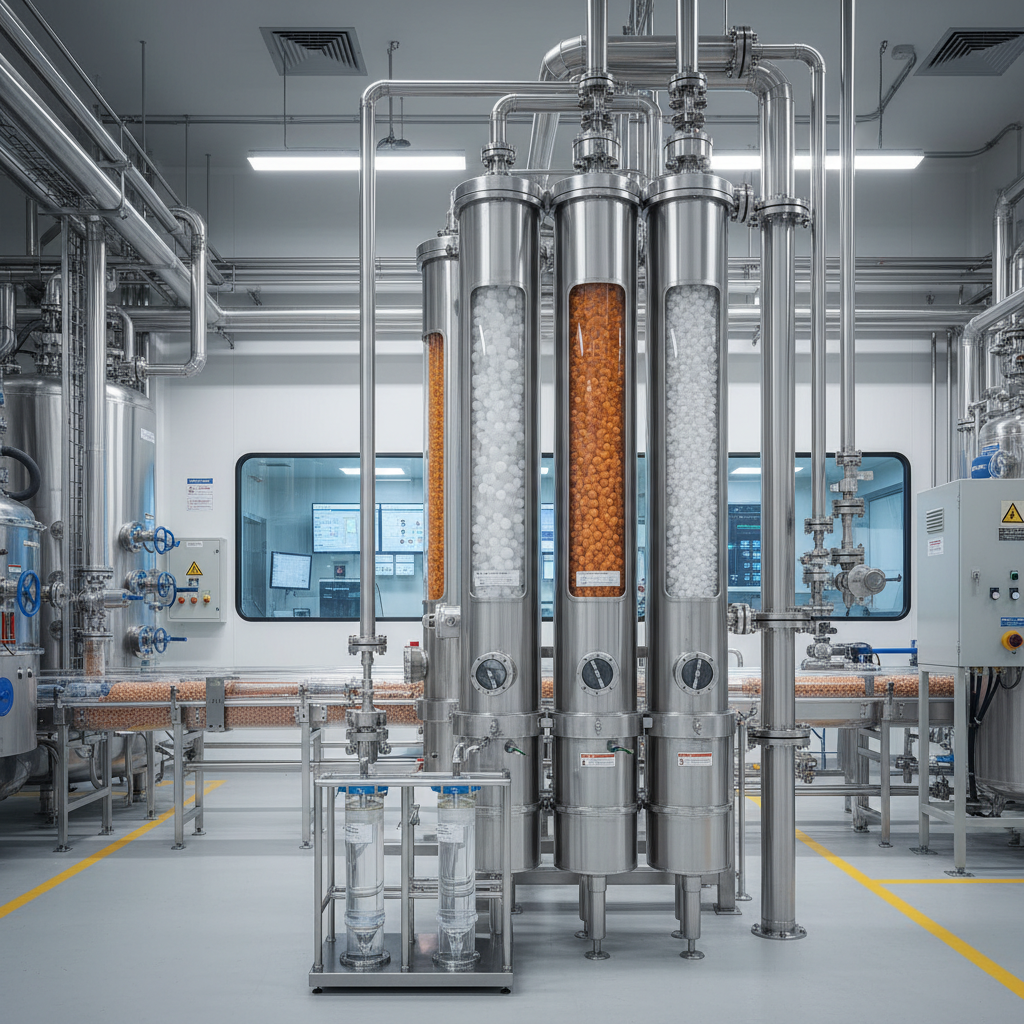
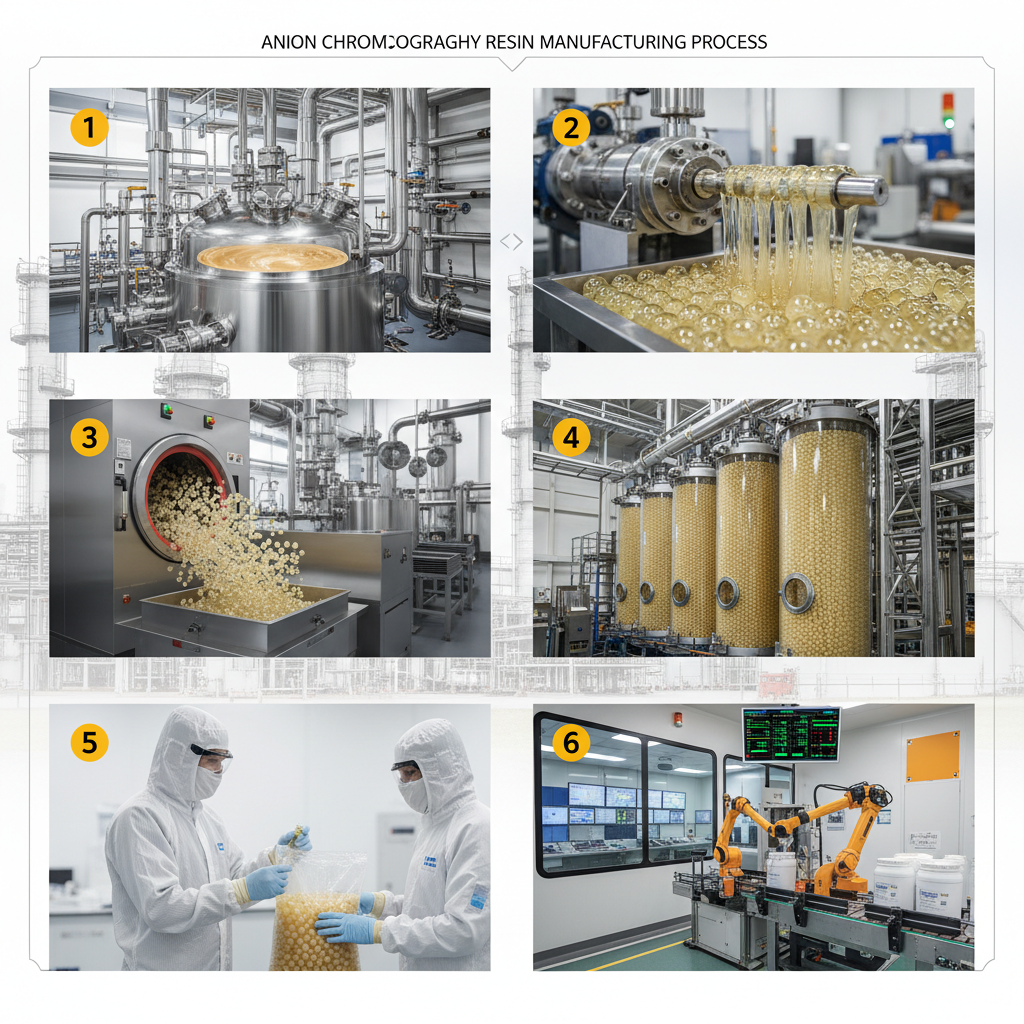
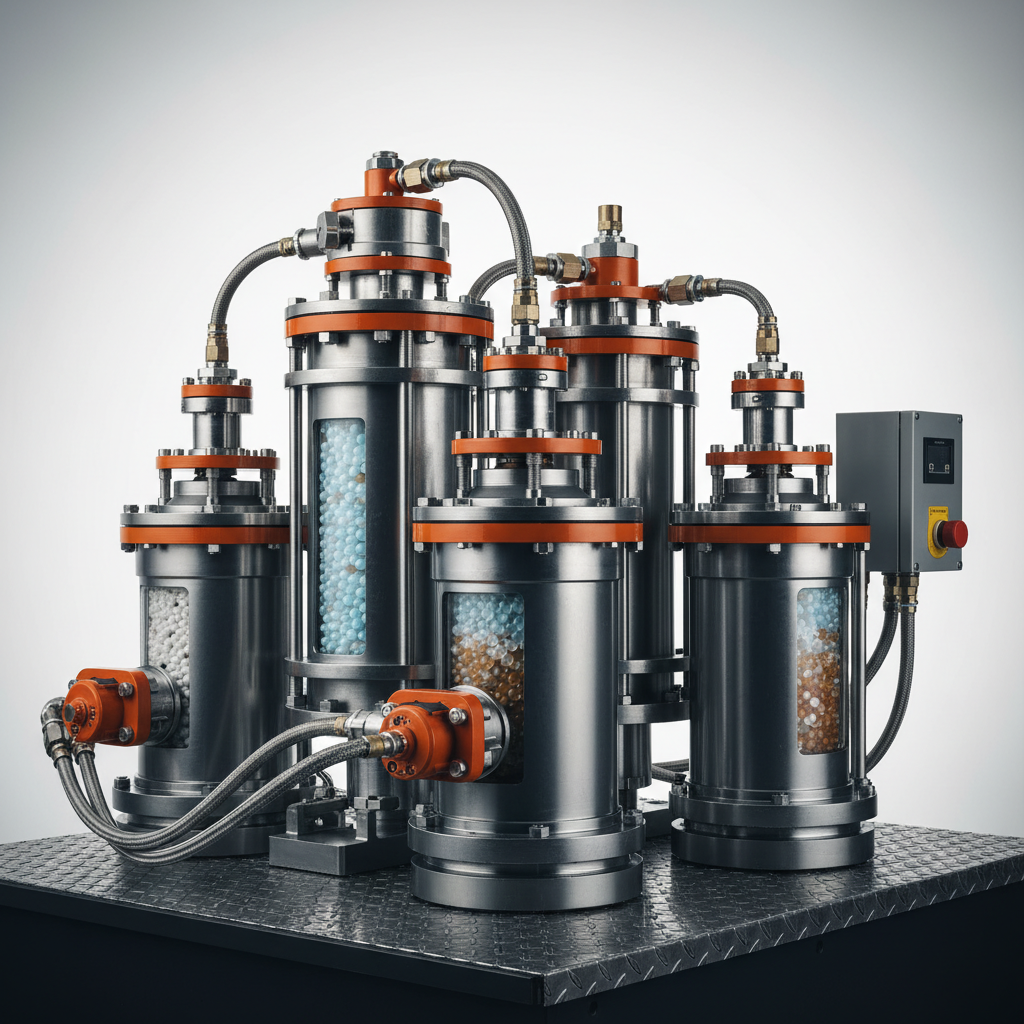
In the modern industrial landscape, the demand for ultra-pure water has never been higher, making deionizers with ion exchange resins a cornerstone of chemical processing and pharmaceutical manufacturing. These sophisticated systems leverage the selective properties of polymer resins to strip dissolved mineral salts from water, ensuring that subsequent chemical reactions are not contaminated by unwanted ions.
The global shift toward sustainable manufacturing and tighter ISO quality standards has pushed the evolution of deionization technology. By integrating advanced deionizers with ion exchange resins, companies can achieve conductivity levels approaching theoretical purity, which is essential for the stability of synthetic materials and high-precision electronic components.
Understanding the synergy between resin chemistry and system design allows operators to maximize throughput while minimizing chemical waste during regeneration. This guide explores the critical mechanisms, applications, and future trajectories of using deionizers with ion exchange resins to maintain industrial excellence and environmental compliance.
Global Industry Context of Deionization Systems
Across the globe, the reliance on ultra-pure water is an invisible pillar of the chemical and semiconductor industries. With the rise of "Industry 4.0," the precision required in synthetic material manufacturing has intensified, necessitating the widespread adoption of deionizers with ion exchange resins to eliminate ionic impurities that could lead to catastrophic product failure.
Data from international standards agencies suggest that maintaining water purity levels below 1 μS/cm is now a baseline requirement for over 60% of specialized chemical production lines. The challenge lies in balancing the energy-intensive nature of water treatment with the stringent purity demands of modern catalyst production and hydrometallurgy.
Defining Deionizers with Ion Exchange Resins
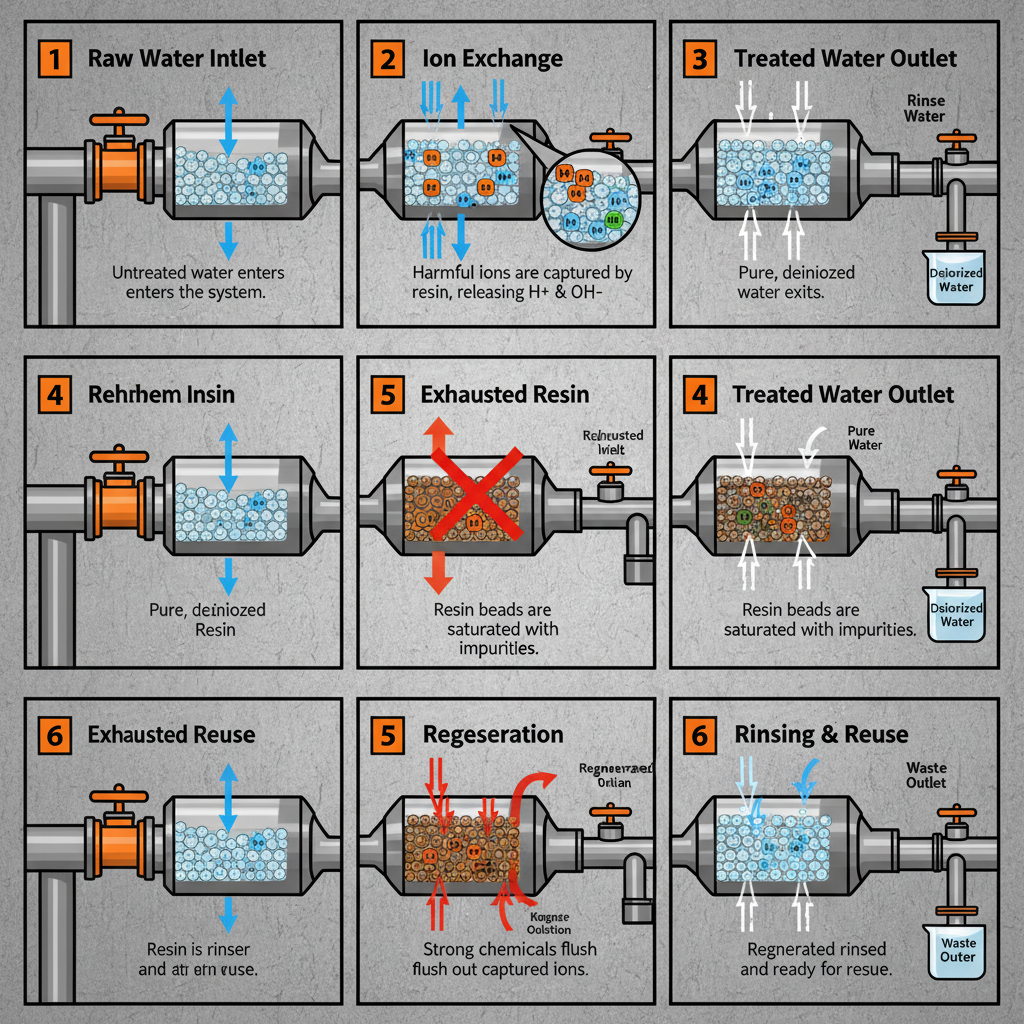
At its simplest, a deionizer utilizing ion exchange resins is a chemical filter that replaces naturally occurring ions (like calcium, magnesium, and chloride) with hydrogen (H+) and hydroxyl (OH-) ions, which combine to form pure water. Unlike simple filtration, which removes particles, these systems operate at a molecular level, swapping ions based on electrostatic affinity.
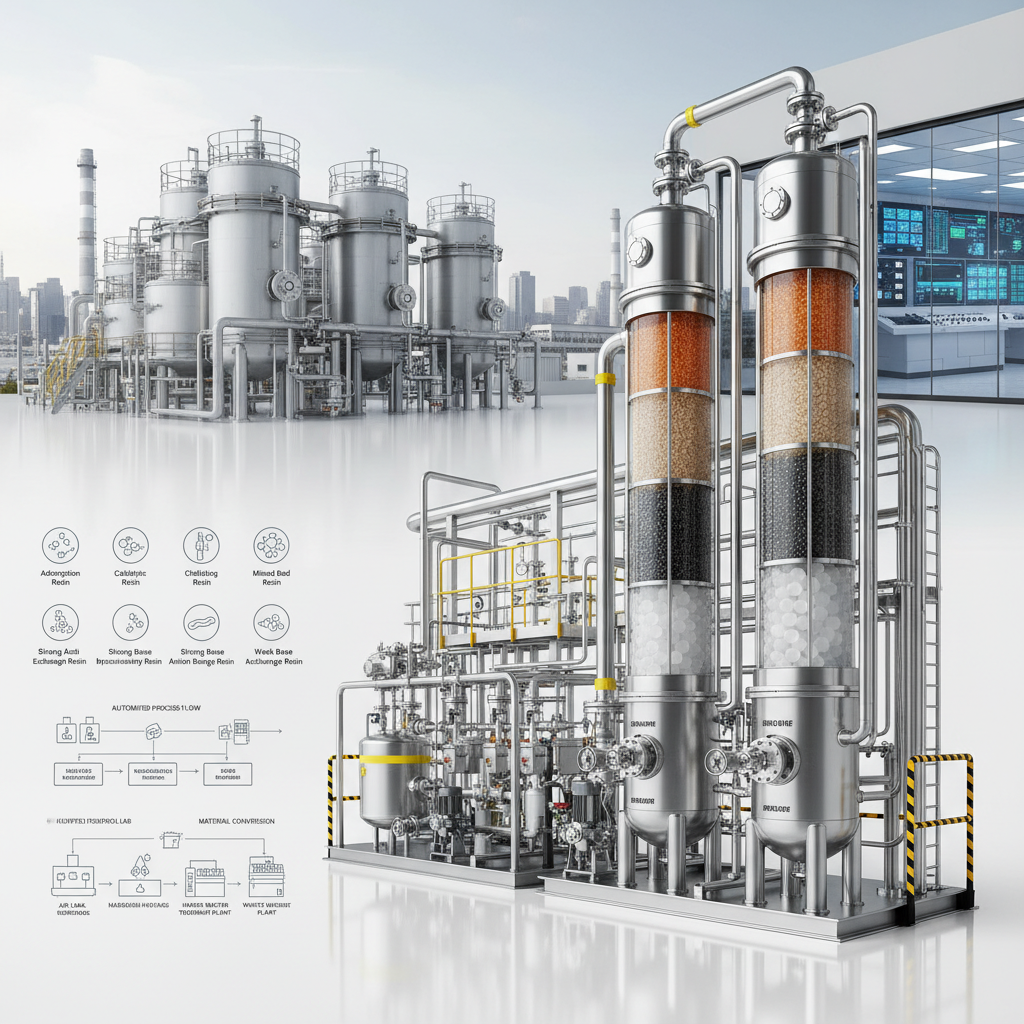
This process is integral to the manufacturing of synthetic resins and the purification of chemical raw materials. By utilizing a combination of Strong Acid Cation (SAC) and Strong Base Anion (SBA) resins, these systems can effectively strip nearly all dissolved solids, providing a blank slate for sensitive chemical syntheses.
In the context of humanitarian needs, such as the production of sterile medicines or the purification of contaminated industrial wastewater, deionizers with ion exchange resins provide a reliable, scalable method to ensure safety and consistency across diverse geographical regions.
Core Components for High-Performance Deionization
The heart of any efficient system is the resin bead. For deionizers with ion exchange resins, the choice between gel-type and macroporous resins determines the system's resistance to organic fouling and its overall kinetic speed.
Durability is another critical factor. High-quality resins used in deionizers must withstand repeated cycles of exhaustion and regeneration without significant loss of exchange capacity or physical degradation, which would otherwise lead to pressure drops and reduced flow rates.
Finally, the configuration of the resin bed—whether it is a separate-bed system or a mixed-bed resin arrangement—impacts the final effluent quality. Mixed-bed configurations are often preferred for the highest purity levels because they act as a series of thousands of tiny cation-anion pairs.
Operational Efficiency and Scalability Metrics
Achieving optimal performance with deionizers with ion exchange resins requires a deep understanding of the relationship between flow rate, resin volume, and breakthrough time. When scaling from a pilot plant to a full-scale industrial facility, the linear velocity of the water must be carefully controlled to allow sufficient contact time between the ions and the resin beads.
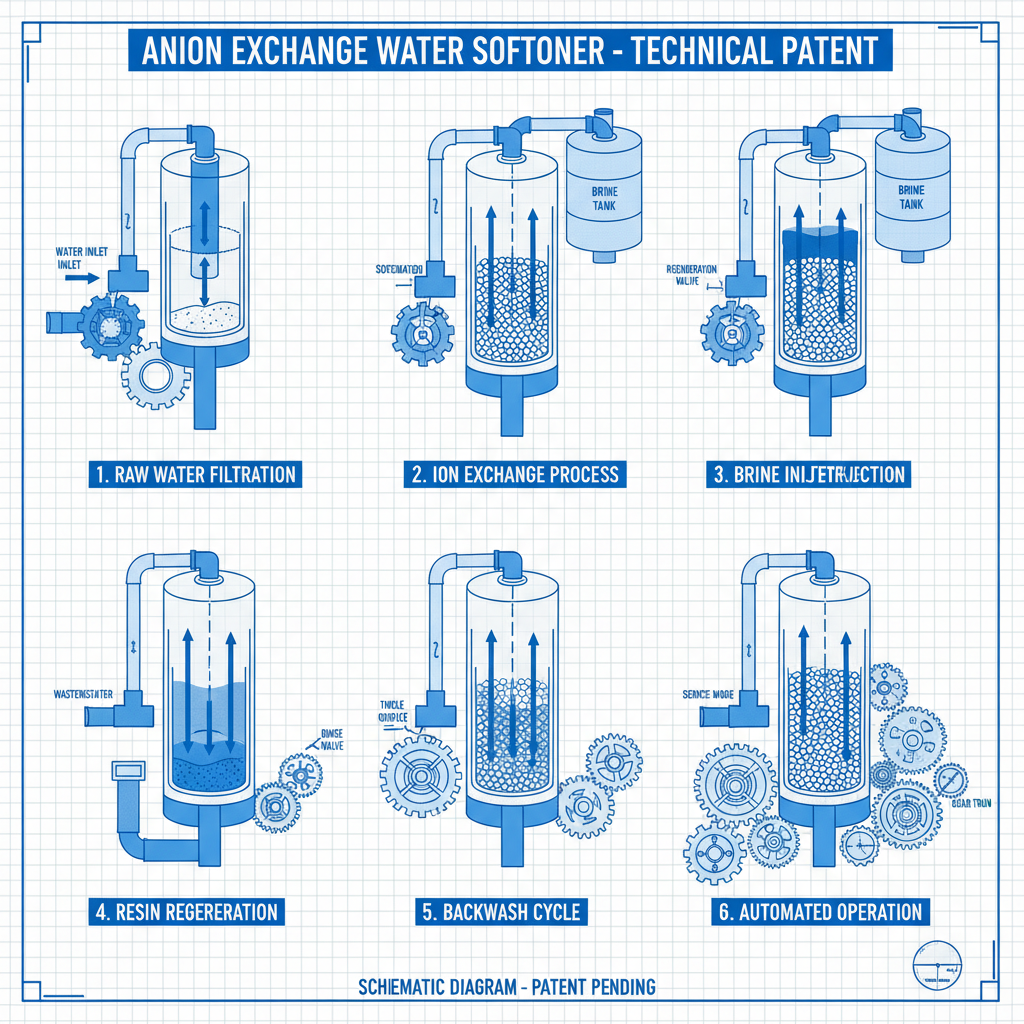
Cost efficiency is primarily driven by the regeneration frequency. By optimizing the concentration of regenerants (such as HCl or NaOH), operators can extend the service life of the resins and reduce the volume of chemical waste produced, thereby lowering the total cost of ownership.
Efficiency Comparison of Deionization Resin Methods
Global Applications and Real-World Use Cases
In the pharmaceutical sector, deionizers with ion exchange resins are indispensable for the production of Water for Injection (WFI). In regions like Southeast Asia and Europe, where stringent health regulations govern medicine production, these systems ensure that no trace minerals interfere with the chemical stability of life-saving drugs.
Beyond medicine, in remote industrial zones specializing in hydrometallurgy, these deionizers are used to recover precious metals from leach solutions. By employing specialized chelating resins, operators can selectively remove copper, nickel, or gold from complex aqueous streams, transforming a waste problem into a profit center.
Long-Term Value and Sustainability Benefits
The shift toward "Green Chemistry" has highlighted the long-term value of regenerable systems. Unlike reverse osmosis membranes that create a significant brine waste stream, deionizers with ion exchange resins can be regenerated multiple times, extending the lifecycle of the materials and reducing the frequency of landfill contributions.
From a logical standpoint, the reliability of ion exchange is unmatched. Once a system is calibrated, it provides a consistent output regardless of minor fluctuations in the feed water quality, giving manufacturers the peace of mind that their final product will meet exact specifications every time.
Moreover, the social impact is profound; by enabling the purification of water in industrial parks, these technologies prevent the discharge of harmful ionic pollutants into local water tables, safeguarding the dignity and health of surrounding communities.
Future Trends in Ion Exchange Technology
The future of deionizers with ion exchange resins is moving toward "smart resins"—materials engineered with nano-structures to increase the active surface area and accelerate ion transport. This digital transformation includes the integration of real-time sensors that can predict resin exhaustion using AI, reducing the risk of breakthrough.
Sustainability is driving the development of bio-based resins. Researchers are exploring the use of cellulose or chitosan-derived polymers to replace petroleum-based polystyrene, aiming for a truly carbon-neutral deionization process that aligns with global net-zero targets.
Automation is also playing a key role, with fully autonomous regeneration cycles that adjust chemical dosages based on the incoming water's ionic load, further optimizing resource usage and minimizing human error.
Analysis of Ion Exchange Resin Performance by Application
| Resin Category |
Purity Level |
Regeneration Ease |
Industrial Use Case |
| Strong Acid Cation |
High |
Moderate |
General Demineralization |
| Strong Base Anion |
Extreme |
Moderate |
Silica Removal |
| Mixed Bed Resin |
Ultra-High |
Complex |
Pharmaceutical Grade Water |
| Chelating Resin |
Selective |
High |
Metal Recovery |
| Weak Acid Cation |
Moderate |
Very High |
Alkalinity Reduction |
| Specialty Resin |
Targeted |
Variable |
Organic Contaminant Removal |
FAQS
RO uses a physical membrane to filter out the majority of ions, but it cannot reach the ultra-pure levels required for many chemical processes. Deionizers with ion exchange resins utilize chemical exchange to remove virtually all dissolved ions, achieving much lower conductivity. Often, RO is used as a pre-treatment to extend the life of the ion exchange resins.
Regeneration frequency depends on the total dissolved solids (TDS) of the influent water and the total exchange capacity of the resin bed. In high-TDS environments, resins may require regeneration every few days, whereas with high-purity feed water, they can last for weeks. Monitoring conductivity is the best way to determine the exact timing.
Standard cation and anion resins are primarily designed for ionic species. However, specialized organic scavenger resins or macroporous resins can be integrated into the system to remove large organic molecules that would otherwise "foul" the primary deionization resins, ensuring the long-term efficiency of the system.
Yes, because the resins are regenerable and reusable for years. The primary environmental concern is the disposal of regeneration chemicals. However, modern systems use optimized dosing and neutralizing tanks to ensure that the effluent is safe and compliant with environmental regulations before discharge.
Once the exchange sites are full, "ion breakthrough" occurs. This means the ions in the feed water will pass straight through the bed into the effluent, causing a sudden spike in water conductivity. This can contaminate an entire batch of chemical product, which is why real-time monitoring is essential.
The choice depends on your target purity, the specific ions you need to remove, and your budget. For ultra-pure water, mixed-bed resins are ideal. For recovering specific metals, chelating resins are the gold standard. Consulting with a resin expert to analyze your water chemistry is the most effective approach.
Conclusion
In summary, deionizers with ion exchange resins are indispensable tools for any industry where water purity is non-negotiable. By combining the selective power of Strong Acid Cation and Strong Base Anion resins, these systems provide a robust solution for achieving the extreme conductivity levels required in pharmaceutical, chemical, and electronic manufacturing. The integration of durability, scalability, and the ability to regenerate materials makes them a logically and economically sound investment.
Looking forward, the move toward smart monitoring and bio-based resins will only enhance the sustainability and efficiency of deionization. For companies seeking to maintain a competitive edge through quality control and environmental stewardship, investing in high-grade ion exchange technology is not just a technical requirement—it is a strategic advantage. To explore the best resin solutions for your specific application, visit our website: www.lijiresins.com.