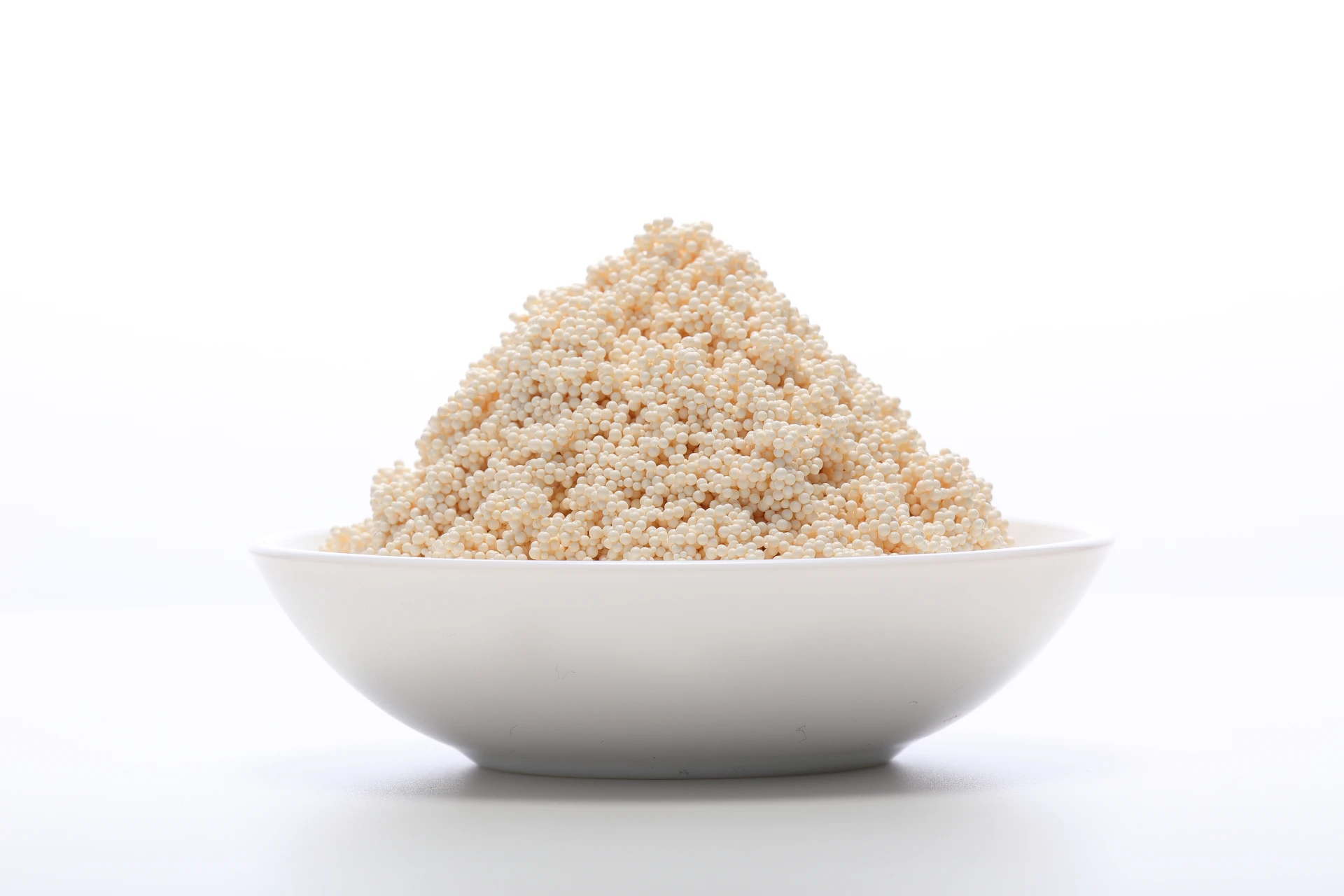
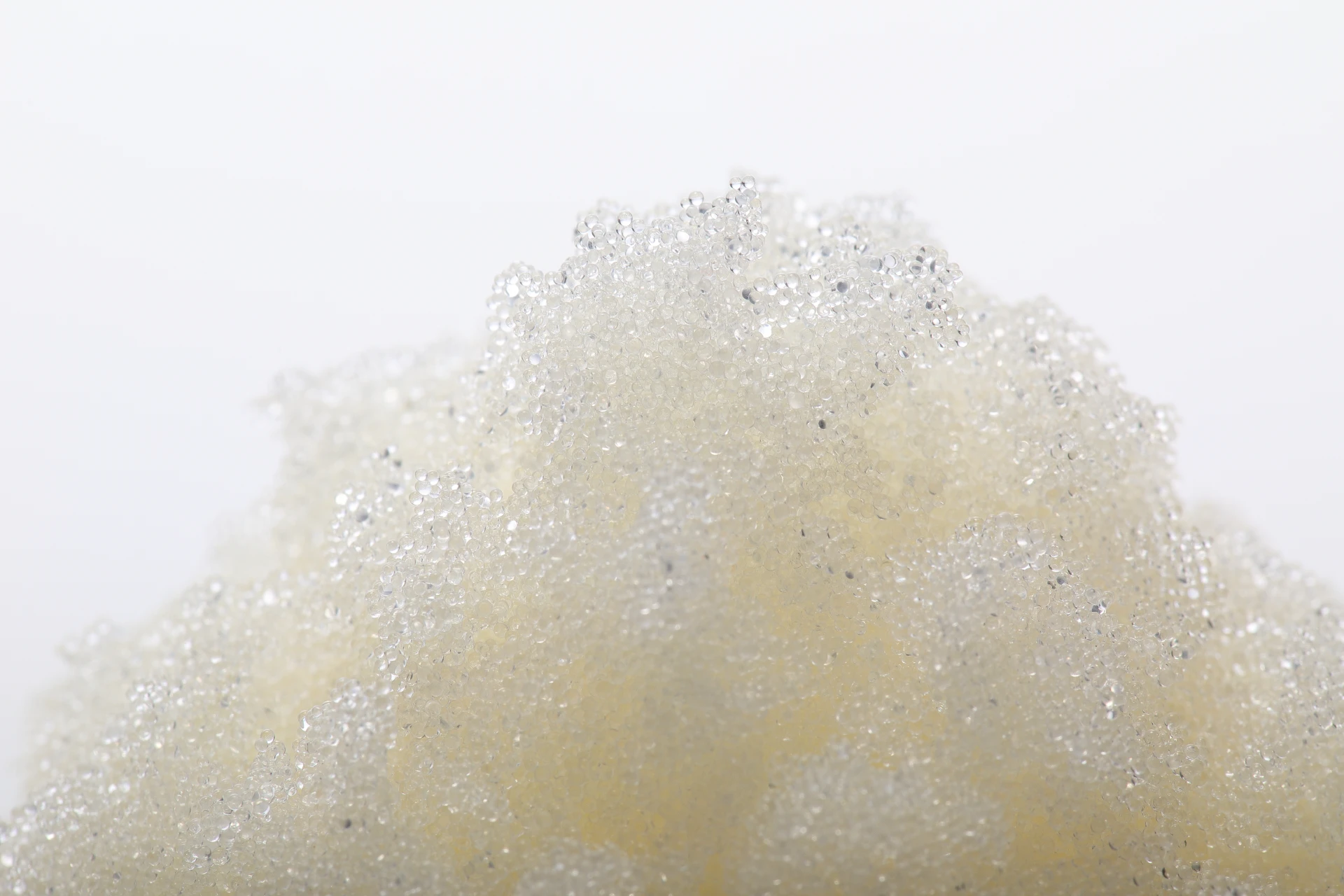
High-Efficiency chelating resin Solutions for Laos Industry

Advanced water treatment and mineral processing resins tailored for the unique environmental and industrial needs of the Lao People's Democratic Republic.

High-Efficiency chelating resin Solutions for Laos Industry

Providing specialized ion exchange resin technologies to enhance industrial productivity and water purity across Laos' growing manufacturing sectors.

Current State of Resin Applications in Asia - Laos

Analyzing the intersection of Laos' natural resources and chemical synthesis requirements.

In Laos, the industrial landscape is heavily influenced by its rich mineral deposits and hydroelectric power capabilities. The demand for bed resin has seen a steady increase as mining operations transition toward more sophisticated refining processes to maximize gold and rare earth metal recovery.

Due to the tropical monsoon climate, water sources in Laos often contain high levels of organic matter and varying mineral content. This environmental factor makes the application of special resin critical for pre-treatment and purification in the food and beverage industry, particularly in the processing of local agricultural exports.

Currently, many factories in the Vientiane and Savannakhet zones are upgrading their water softening systems. There is a growing shift from basic filtration to advanced mixed bed di resin systems to meet international standards for boiler feed water and electronic component manufacturing.
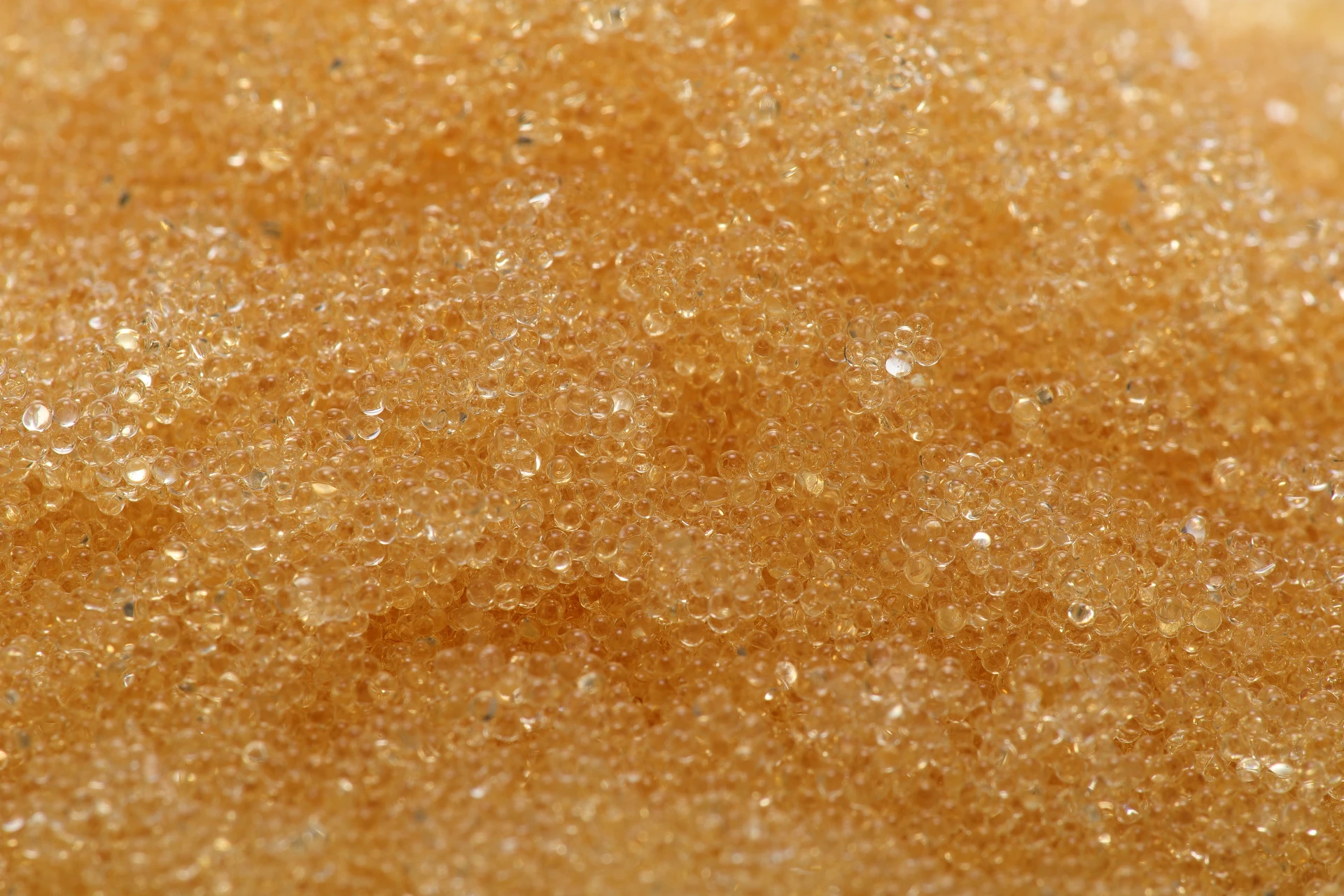
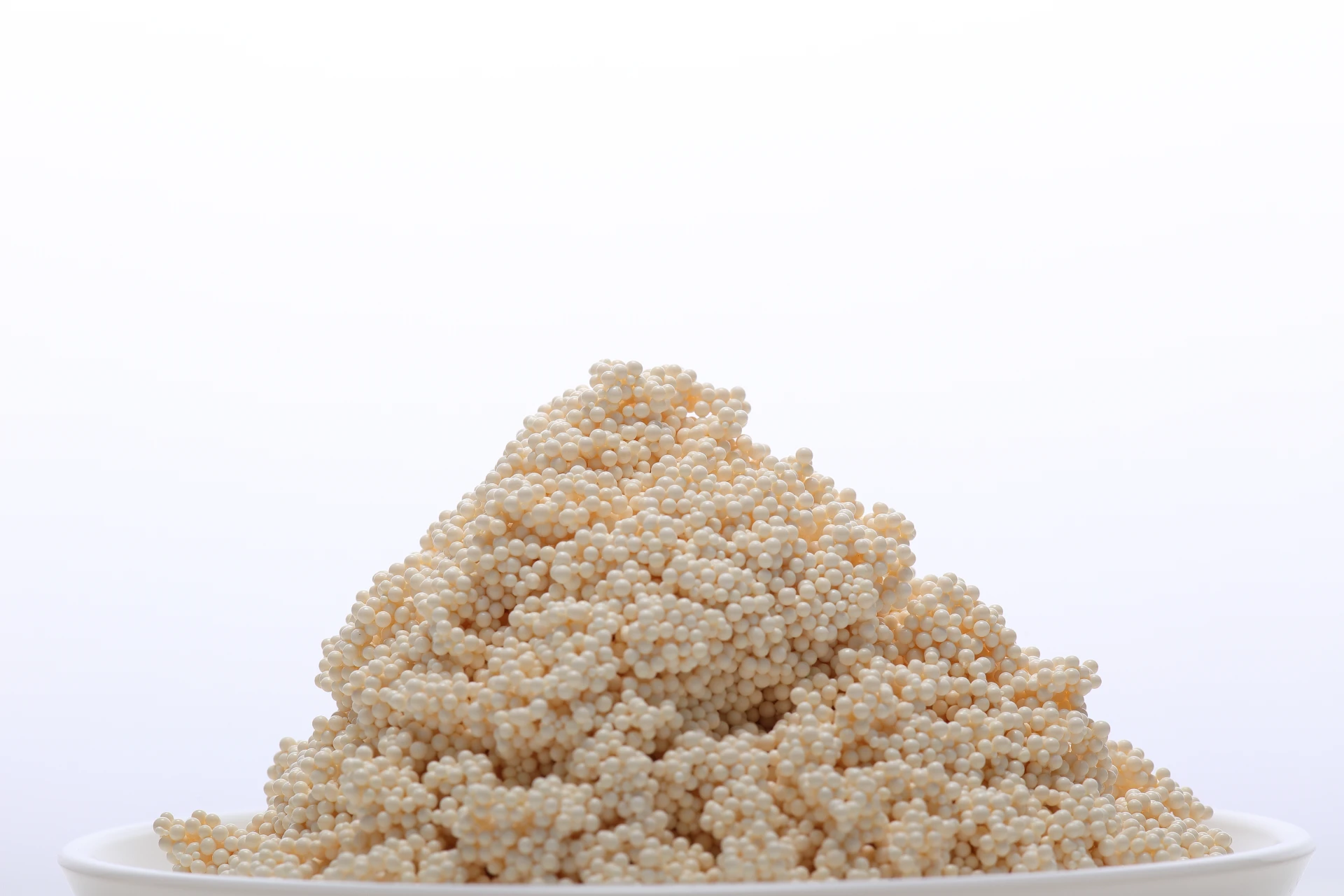
Evolution and Trajectory of Resin Technology in Laos

From basic water softening to high-precision molecular separation.

Market Development History

Between 2000 and 2010, the Laos market primarily relied on imported basic ion exchange materials for simple water softening in urban areas, focusing mainly on calcium and magnesium removal.

From 2011 to 2020, the rise of the mining sector introduced the need for selective separation. The adoption of specialized resins for heavy metal capture became a standard for environmental compliance in the mining provinces.

Entering the 2020s, the focus has shifted toward high-purity water. The integration of automated regeneration systems and the use of high-capacity resins have optimized the operational costs for local chemical plants.

Future Development Trends

Eco-Friendly Regeneration

Future trends indicate a move toward biodegradable regenerants to protect Laos' pristine river ecosystems, reducing the salt load discharged from resin plants.

High-Selectivity Hybrid Resins

The development of resins that can target specific ions in complex ore leachates will allow Laotian mines to extract high-value metals with higher purity levels.

Digitalized Resin Monitoring

The adoption of IoT sensors to monitor resin exhaustion in real-time will replace manual sampling, increasing the efficiency of mixed bed systems.

Industry Trends and Future Outlook for Laos

Strategic forecasting for the synthetic material and resin industry in the region.

Green Chemistry Integration
Transitioning toward resin synthesis processes that reduce carbon emissions and hazardous waste in accordance with ASEAN environmental goals.
Ultra-Pure Water Standards
Increasing demand for semiconductor-grade water in Laos' emerging tech parks, requiring advanced mixed-bed polishing technologies.
Circular Resource Recovery
Using chelating resins to recover precious metals from industrial wastewater, turning waste streams into revenue for Laotian factories.
Localized Production Logistics
Optimizing the supply chain for resin media to reduce lead times for the land-locked Lao market via Thailand and Vietnam corridors.

Industry Outlook

Google search trends for "industrial water treatment Laos" and "mining chemicals" show a compound annual growth rate of 12%, indicating a surge in demand for high-performance ion exchange resin. As Laos integrates further into the ASEAN Economic Community, the demand for standardized chemical products will grow.

We predict that in the next 3-5 years, the market will move away from generic resins toward application-specific "designer resins" that can handle the high iron and manganese concentrations common in Laotian groundwater.

Localized Application Scenarios in Laos

Practical implementations of resin technology across diverse Laotian sectors.

1. Gold Mining Recovery in Luang Namtha

Utilizing highly selective chelating resins to recover gold and silver from cyanide leach solutions, ensuring maximum yield and minimal environmental impact in the northern highlands.

2. Hydroelectric Plant Boiler Feed Water

Implementation of mixed bed di resins in power plants along the Mekong river to produce ultra-pure water, preventing scale buildup in high-pressure turbines.

3. Beverage Bottling in Vientiane

Deploying bed resin systems for the removal of organic contaminants and softening of groundwater to ensure a consistent taste profile for local bottled water brands.

4. Rare Earth Element Extraction

Using special resins for the fractional separation of rare earth elements from mineral concentrates, supporting Laos' strategic goal of diversifying its mining exports.

5. Textile Dyeing Water Purification

Applying ion exchange technology to treat wastewater in the garment industry, removing heavy metals and dyes before discharge into local waterways.

Brand Story

Global Development Journey of Hebei Lijian Biological Technology Co., Ltd.

Foundational Excellence

Started with a focus on pure chemical synthesis, we dedicated ourselves to solving the core problem of resin stability in harsh industrial environments.

Technological Breakthrough

Developed a proprietary cross-linking method that increased the exchange capacity of our resins by 20%, setting a new industry benchmark.

Global Market Expansion

Expanded our reach into Asia, establishing specialized logistics channels to serve land-locked markets like Laos with efficiency and speed.

Sustainability Commitment

Launched a series of "Green Resins" that require 30% less chemical regenerants, directly addressing the pain points of environmental compliance.

Future Vision

Our mission is to lead the global transition toward intelligent ion exchange systems, blending chemistry with digitalization for a cleaner planet.

Comprehensive Resin Portfolio for Laos

A full spectrum of ion exchange materials tailored for Southeast Asian industrial requirements.

Common Questions on Resin Use in Laos

Expert answers to the most frequent technical queries from our Laotian clients.

How to choose the right chelating resin for gold recovery in Laos?

Selection depends on the leach solution's pH and the concentration of competing ions. We recommend resins with high selectivity for gold over copper to maximize purity.

What is the lifespan of a mixed bed di resin in hydroelectric plants?

Depending on the pre-treatment quality, our mixed bed resins typically last 3-5 years before significant capacity loss occurs, provided regeneration cycles are optimized.

Can special resin handle high organic loads from tropical water sources?

Yes, our organic scavenger resins are designed specifically to prevent fouling of subsequent ion exchange steps in areas with high humic acid content.

How does bed resin pressure drop affect system efficiency?

Excessive pressure drop indicates resin compaction or fouling. Regular backwashing is essential to maintain flow rates and ensure optimal ion exchange kinetics.

What are the logistics options for shipping ion exchange resin to Vientiane?

We utilize optimized multimodal transport, typically shipping via Thai ports and trucking across the Friendship Bridge to ensure timely delivery.

Is regeneration of chelating resin possible with local chemicals in Laos?

Yes, most of our resins can be regenerated using standard industrial-grade acids and bases commonly available in the Laotian chemical market.

Get Expert Resin Consultation

Partner with a global leader to optimize your water treatment and mineral recovery processes in Laos.

Contact Us Now

If you are interested in our products, you can choose to leave your information here, and we will be in touch with you shortly.