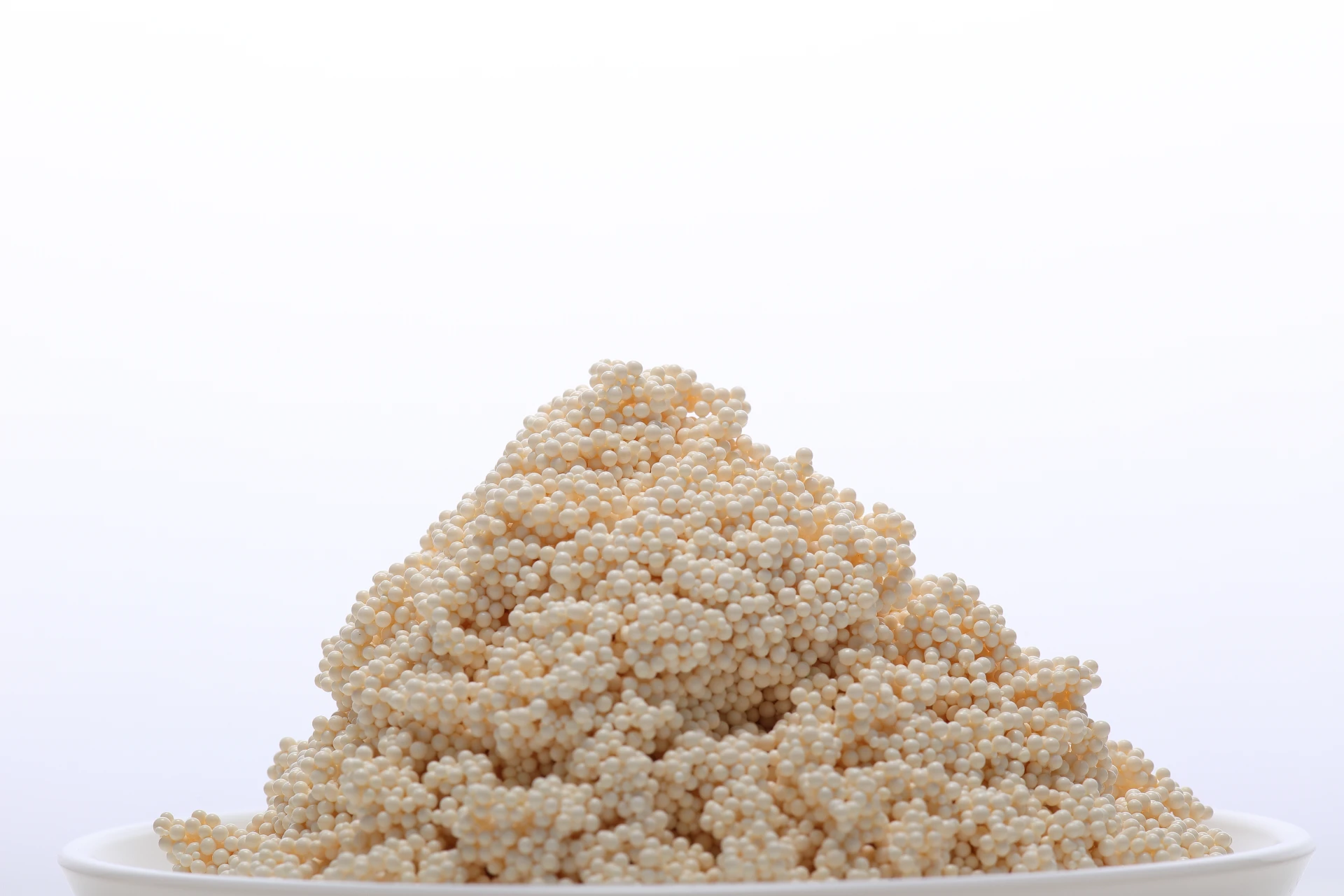
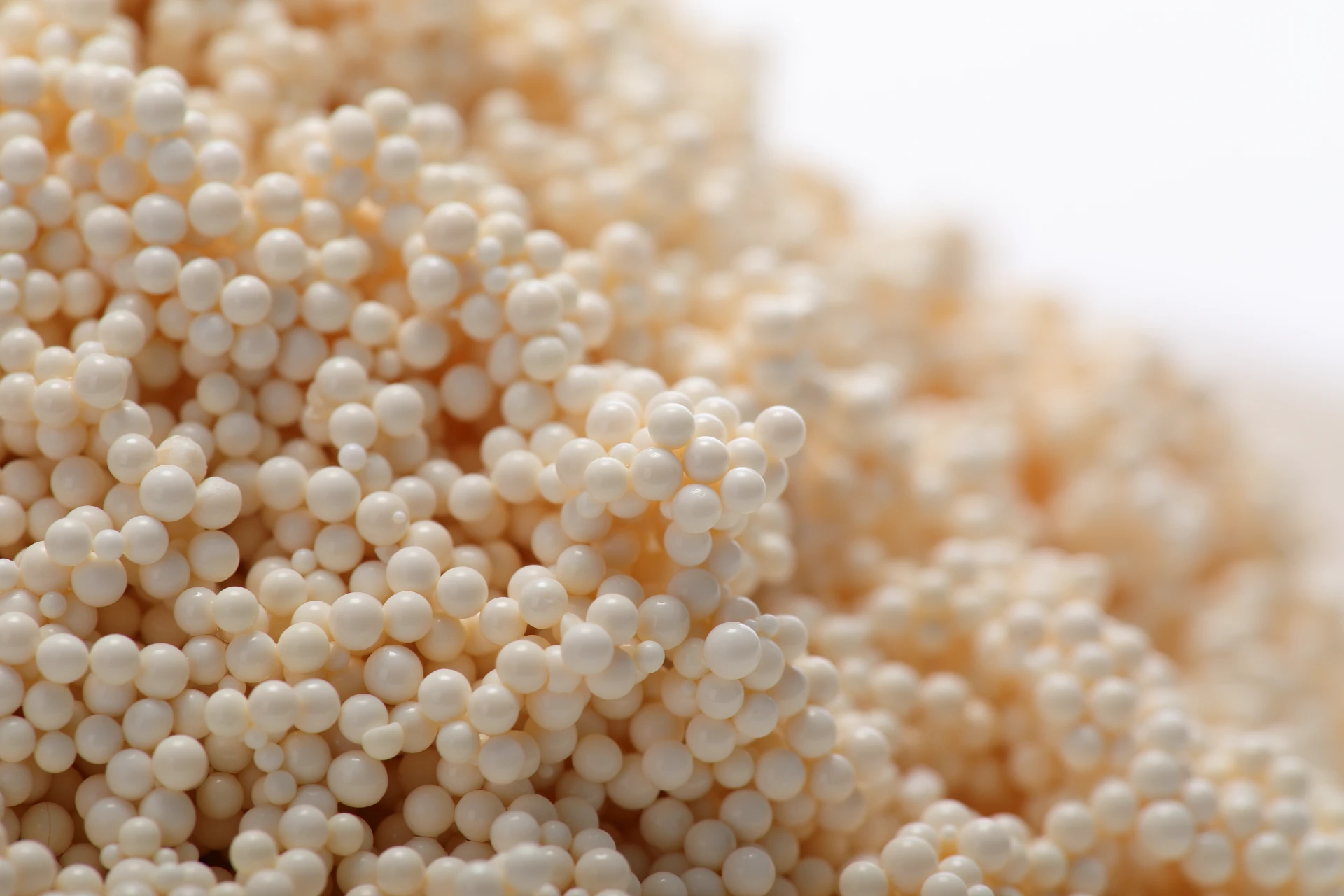
High-Performance chelating resin Solutions for Argentina's Industrial Sector

Optimizing water purification and metal recovery across Argentina with advanced ion exchange technology tailored for South American environmental challenges.

High-Performance chelating resin Solutions for Argentina's Industrial Sector

Providing the Argentine manufacturing and mining industries with cutting-edge polymer materials to ensure high-purity water and efficient resource recovery.

Current Status of Resin Application in Argentina

Analyzing the intersection of Argentina's unique hydrogeology and industrial needs.

Argentina's industrial landscape, particularly in provinces like Mendoza and San Juan, faces significant challenges due to high mineral content in raw water sources. The widespread use of ion exchange resin is critical for desalination and softening processes to prevent scale buildup in heavy machinery.

In the lithium triangle region, the demand for special resin has surged. The complexity of brine processing requires highly selective materials to separate valuable minerals from impurities, driving the adoption of advanced synthetic polymers.

Economically, the Argentine market is shifting toward sustainable water recycling. Local manufacturers are increasingly replacing outdated filtration systems with modern bed resin configurations to reduce chemical waste and comply with tightening environmental regulations.
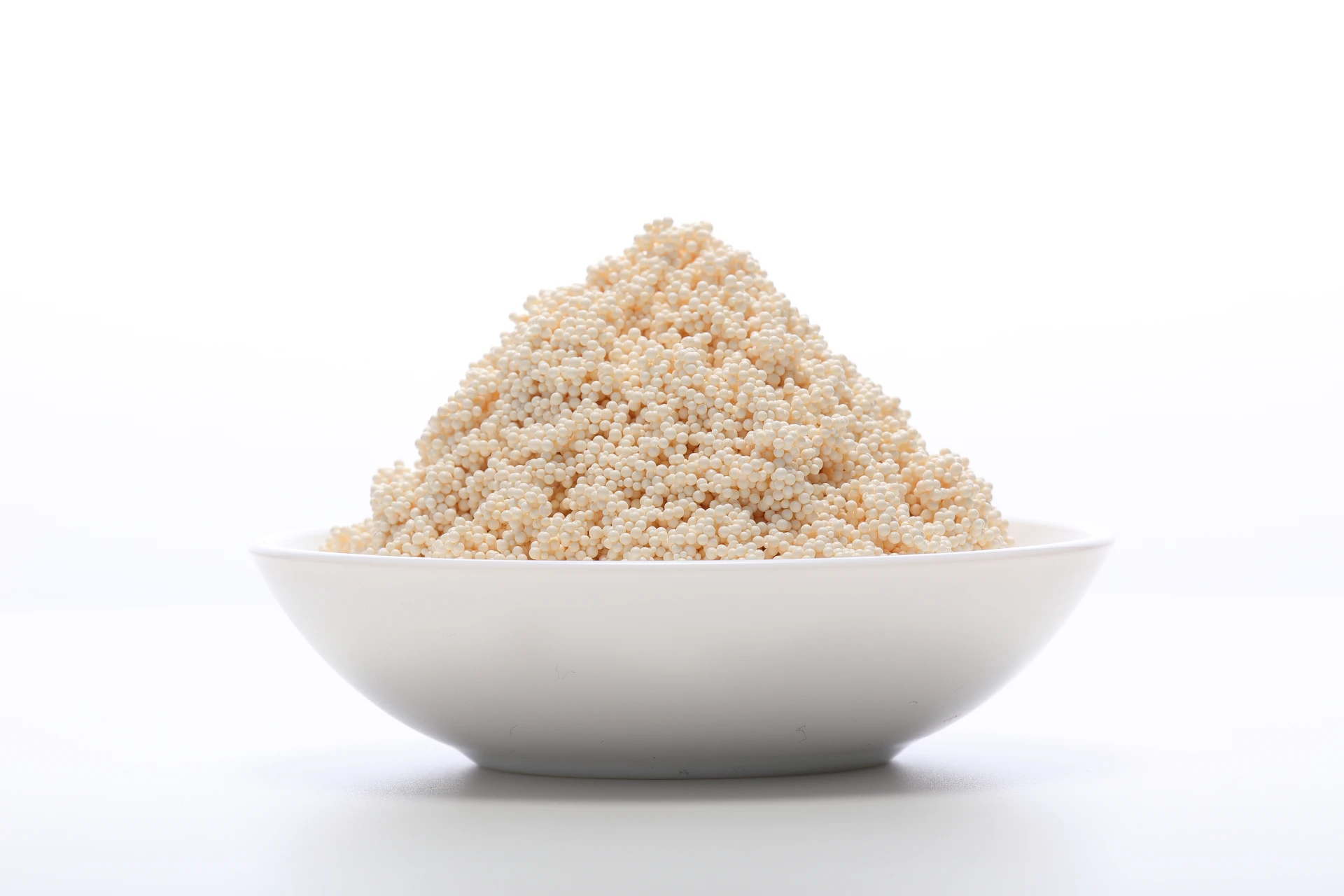
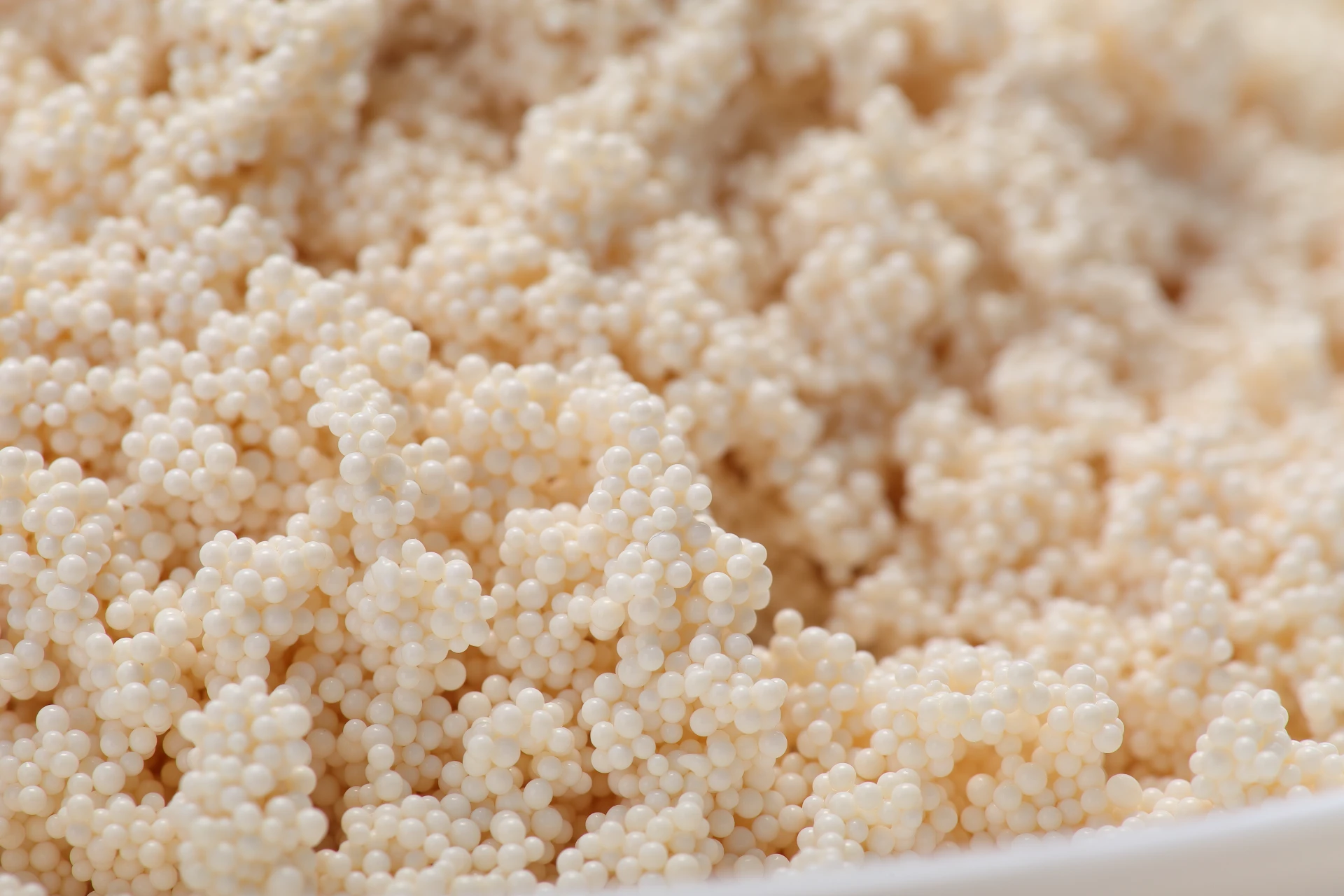
Evolution and Trajectory of Ion Exchange Technology

From basic softening to high-precision molecular separation.

Market Development History

Prior to 2000, the Argentine market relied heavily on basic strong acid cation resins for simple water softening in the agricultural and food processing sectors.

Between 2010 and 2020, there was a technical transition toward mixed bed di resin systems, allowing power plants and pharmaceutical labs to achieve the ultra-pure water standards required for global exports.

Currently, the industry has entered the era of "Selective Recovery," where the focus has shifted from simple removal to the targeted extraction of precious metals using specialized ligands.

Future Development Trends

Green Regeneration Cycles

Development of resins that require fewer chemicals for regeneration, reducing the salt load in Argentine wastewater discharge.

Hybrid Ion-Exchange Membranes

Integration of resin beads into membrane structures to combine the benefits of dialysis and ion exchange for faster throughput.

AI-Driven Bed Management

Using real-time sensors to monitor resin exhaustion, optimizing the regeneration timing for industrial beds in remote mining sites.

Industry Outlook and Strategic Foresight

Predicting the shifts in South American synthetic material demand.

Circular Economy Integration
Shifting toward resins that enable the total recovery of catalysts and heavy metals from industrial waste.
Lithium Extraction Efficiency
Development of ultra-selective resins to optimize Li+ recovery from complex Argentine salt flats.
Ultra-Pure Water Standards
Increasing demand for high-capacity mixed bed systems in the growing Argentine biotech sector.
Climate-Resilient Polymers
Engineering resins that maintain structural integrity under extreme temperature fluctuations in the Andes.

Industry Outlook

Based on search trends and industrial growth in South America, the next 3-5 years will see a transition from general-purpose resins to "smart materials" that can be tuned for specific ionic radii, reducing operational costs by 20%.

Argentina's push for energy independence will further catalyze the need for high-capacity ion exchange systems in the processing of rare earth elements and the purification of geothermal fluids.

Localized Application Scenarios in Argentina

Real-world deployments of ion exchange technology in the Argentine landscape.

01. Lithium Brine Purification in Puna

Using selective chelating resins to remove calcium and magnesium ions from lithium-rich brines, ensuring battery-grade lithium carbonate purity.

02. Wine Production Water Softening in Mendoza

Implementing high-flow softening beds to remove hardness from irrigation and processing water, protecting sensitive fermentation equipment.

03. Pharmaceutical Grade Water in Buenos Aires

Deployment of mixed bed DI systems to produce ASTM Type I water for the growing biotechnology and drug manufacturing hubs.

04. Heavy Metal Recovery in Mining Tailings

Using special resins to capture copper and gold from waste streams, turning environmental liabilities into revenue streams.

05. Industrial Boiler Feed Water Treatment

Utilizing durable bed resin configurations to prevent silica and carbonate scaling in large-scale textile and food factories.

Brand Story

Global Development Journey of Hebei Lijie Biological Technology Co., Ltd.

Foundation of Excellence

Started with a mission to bridge the gap between laboratory synthesis and industrial-scale resin production for global water treatment.

Technical Breakthroughs

Developed proprietary cross-linking technologies that significantly increased the lifespan of resins in harsh acidic environments.

Global Expansion

Established strategic partnerships across South America, adapting product lines to meet the specific mineral profiles of the region.

Sustainability Commitment

Launched a range of eco-friendly resins focused on reducing the carbon footprint of industrial water regeneration.

Future Vision

Striving to lead the global transition toward zero-liquid discharge (ZLD) through intelligent resin materials.

Comprehensive Resin Portfolio for Argentina

Integrated solutions ranging from standard softening to high-precision metal capture.

Common Industrial Questions in Argentina

Expert answers to technical challenges faced by local operators.

How to choose the best ion exchange resin for high-salinity brines in Argentina?

For high-salinity environments, we recommend resins with high selectivity and strong mechanical stability to prevent bead compression and leakage during regeneration.

What is the typical lifespan of a mixed bed di resin in pharmaceutical applications?

Depending on the feed water quality, a high-grade mixed bed system typically lasts 3-5 years before requiring full resin replacement, provided regeneration is performed correctly.

Can chelating resin be used for gold and silver recovery in mining?

Yes, our specialized chelating resins are designed to selectively bind precious metals even in the presence of high concentrations of base metals like iron or copper.

How do I prevent fouling in my industrial bed resin system?

Implementing a robust pre-filtration stage to remove suspended solids and organic matter is the most effective way to extend the life of your resin beds.

What special resin is best for removing arsenic from groundwater?

Strong base anion resins with specific functional groups are typically used for arsenic removal, depending on whether the arsenic is present as arsenite or arsenate.

Is it possible to regenerate resins using local Argentine chemical supplies?

Yes, our resins are compatible with standard industrial grade HCl and NaOH available in the local market, ensuring easy maintenance.

Ready to Optimize Your Process?

Our technical experts are ready to provide customized resin solutions for your facilities in Argentina.

Contact Us Now

If you are interested in our products, you can choose to leave your information here, and we will be in touch with you shortly.