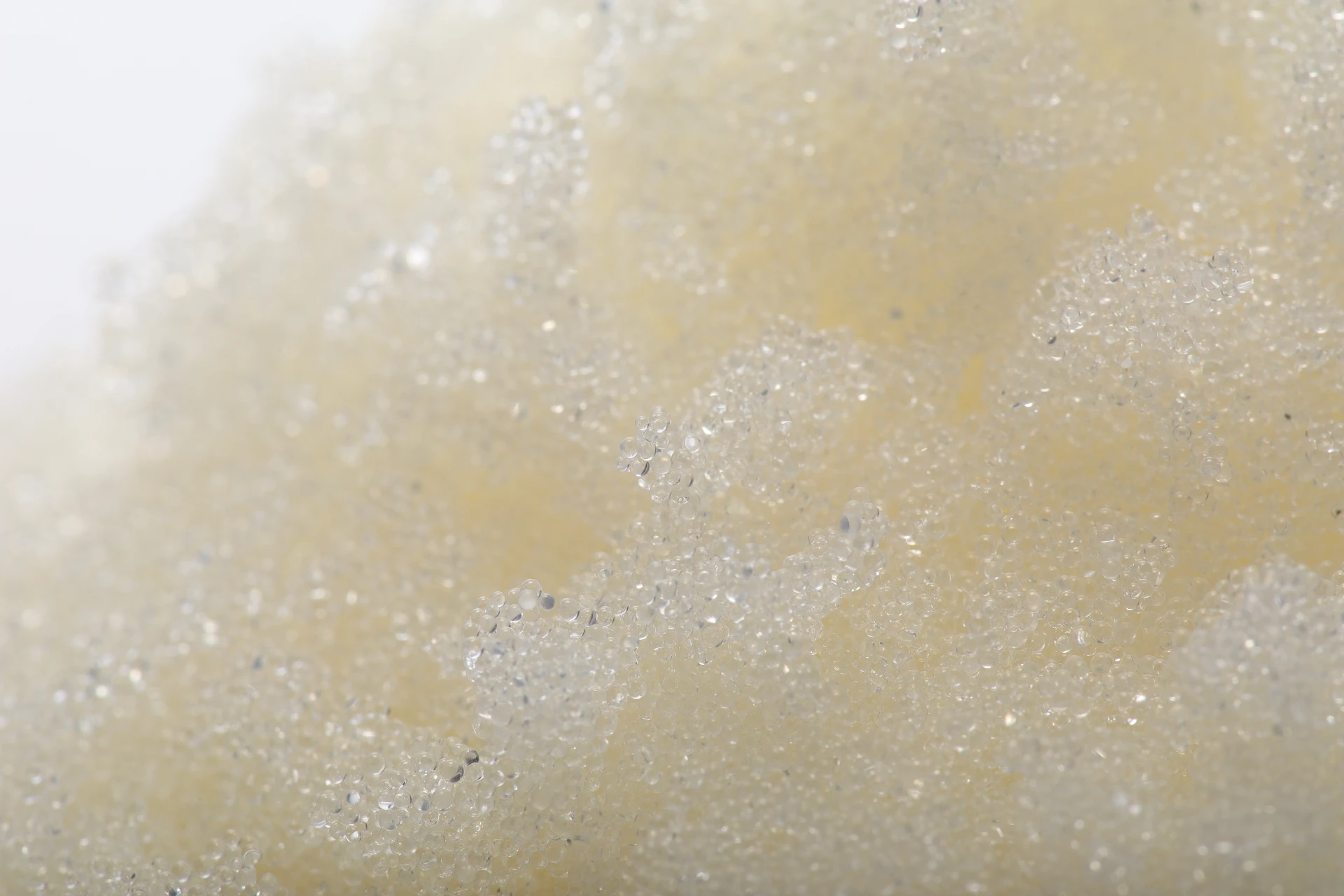
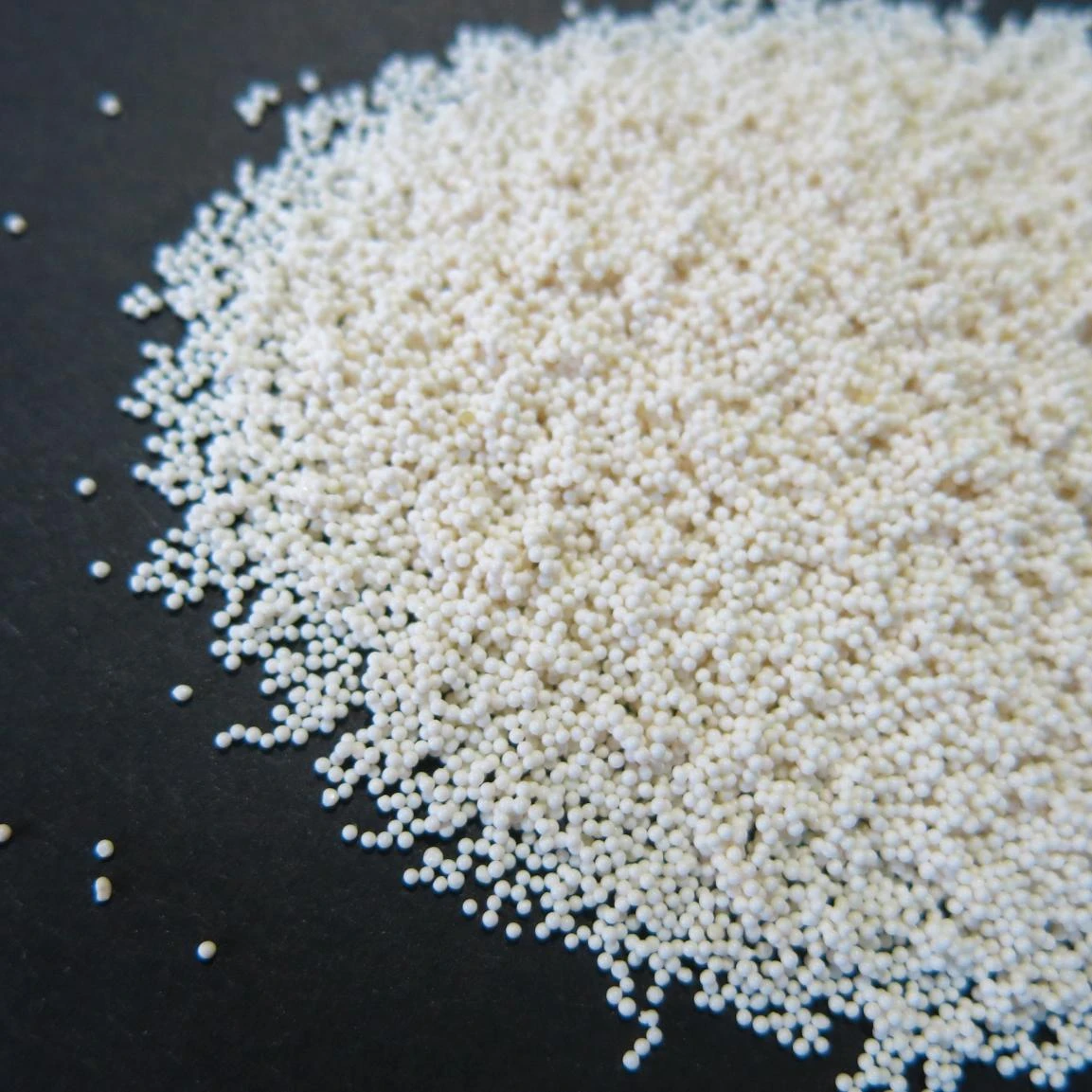
High-Performance chelating resin Solutions for Palestine Water Treatment

Advanced ion exchange technologies tailored for the unique hydrogeological challenges of the Palestine region, ensuring sustainable water purity and industrial efficiency.

High-Performance chelating resin Solutions for Palestine Water Treatment

Providing professional-grade chemical synthetic materials to solve complex desalination and heavy metal removal issues in Asia - Palestine.

Current State of Resin Application in Palestine

Analyzing the intersection of water scarcity and synthetic material demands.

In Palestine, the chemical synthesis industry faces significant pressure due to the high salinity of groundwater and the scarcity of potable water. The adoption of ion exchange resin has become a critical necessity for both municipal water plants and small-scale industrial factories to mitigate hardness and mineral contamination.

Local environmental conditions, characterized by arid climates and specific mineral deposits, require resins with high mechanical strength and thermal stability. Many existing systems are transitioning from basic filtration to advanced bed resin configurations to handle fluctuating feed-water quality effectively.

Economically, there is a growing shift toward imported high-efficiency synthetic materials that reduce the frequency of regeneration, thereby lowering the operational cost of chemical reagents in the regional manufacturing sector.
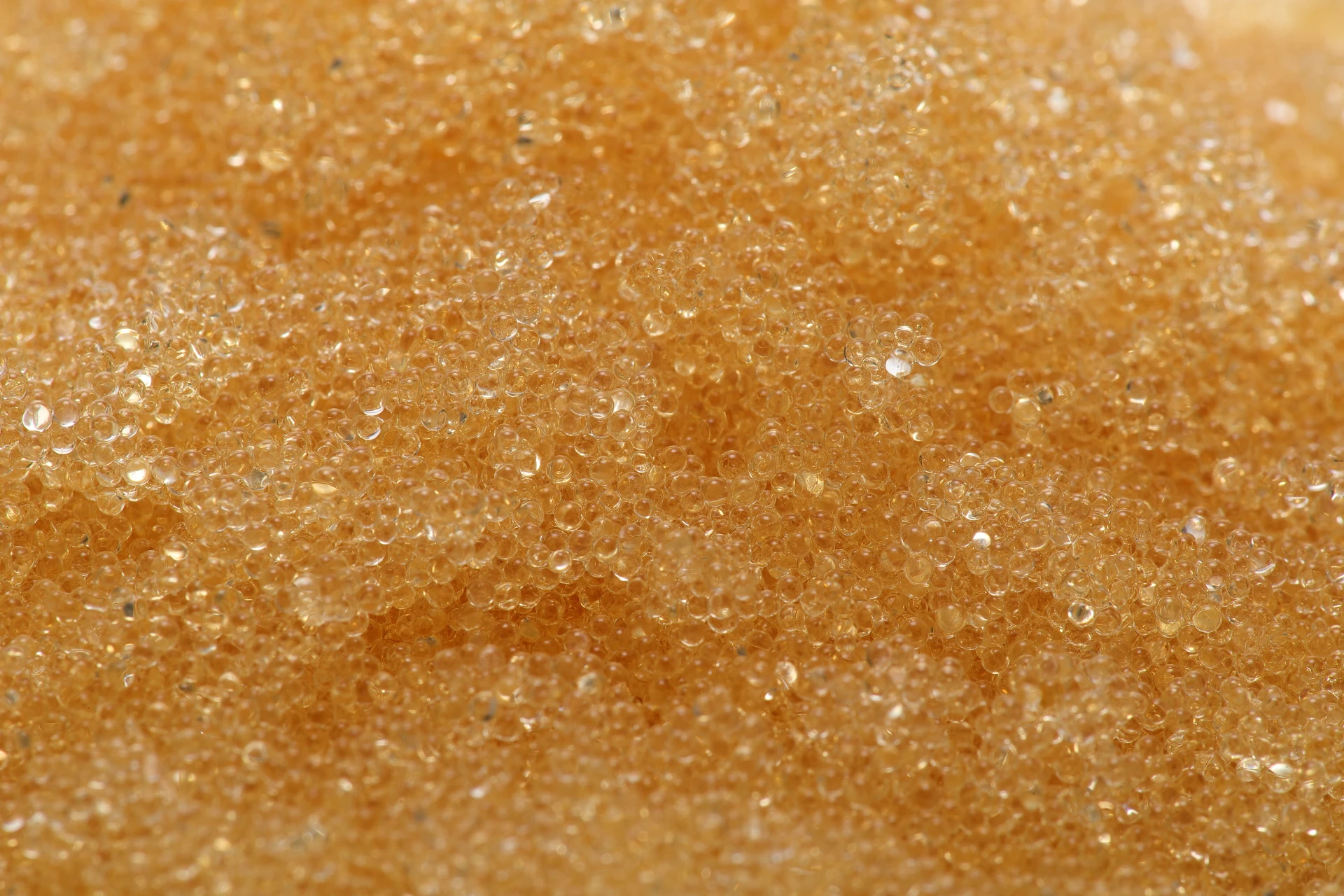
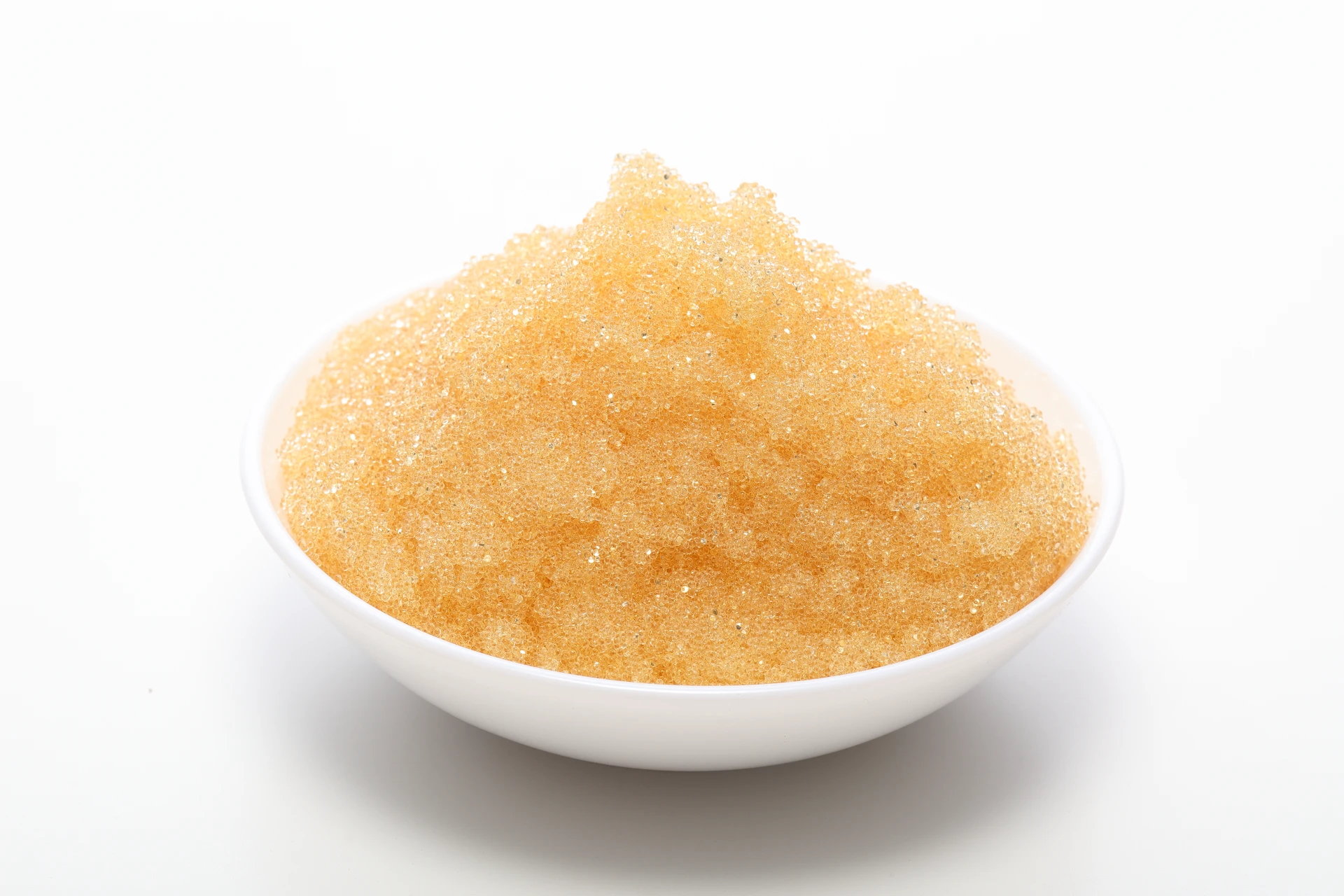
Evolution of Resin Technology in the Region

From basic ion exchange to specialized molecular recognition.

Market Development History

During the early 2000s, the market relied primarily on standard strong acid and strong base resins for basic softening. These early applications were limited to simple water hardness removal without specific target selectivity.

Between 2010 and 2020, the industry evolved toward more complex configurations, introducing the mixed bed di resin to achieve ultra-pure water standards, supporting the growth of pharmaceutical and laboratory sectors in Palestine.

Currently, the focus has shifted toward "specialty" materials. The implementation of special resin allows for the selective removal of toxic heavy metals and specific organic pollutants, reflecting a move toward environmental sustainability.

Future Development Trends

Smart Regeneration Cycles

Integration of IoT sensors with resin beds to optimize the regeneration timing based on real-time breakthrough curves, reducing waste.

High-Selectivity Nano-Composite Resins

Development of hybrid materials that combine the kinetics of membranes with the selectivity of resins for extreme desalination.

Circular Chemical Economy

A transition toward biodegradable resin substrates to minimize the environmental footprint of spent synthetic materials in local landfills.

Industry Outlook and Future Strategic Trends

Predicting the trajectory of synthetic material manufacturing for the next 5 years.

Selective Ion Recovery
Moving from simple removal to the recovery of precious metals from industrial wastewater using high-affinity resins.
Water-Energy Nexus
Developing resins that operate at lower pressures and temperatures to reduce the energy cost of desalination.
Green Resin Synthesis
Replacing petroleum-based precursors with bio-based polymers in the resin manufacturing process.
Digital Resin Management
Use of digital twins to simulate ion exchange kinetics and predict resin lifespan in real-time.

Industry Outlook

Based on Google search trends for water treatment in Asia, there is a marked increase in queries regarding "sustainable desalination" and "heavy metal sequestration." This indicates that the Palestine market will move away from general resins toward highly specialized, target-specific materials.

We expect the integration of hybrid ion-exchange systems to become the norm, combining traditional beds with membrane technology to maximize water recovery rates in arid regions.

Localized Application Scenarios in Palestine

Practical implementations of synthetic resin technology in the local environment.

01. Brackish Groundwater Softening

Implementing large-scale beds of strong acid cation resins to treat high-hardness groundwater in rural Palestine, providing soft water for domestic use and reducing scaling in pipes.

02. Industrial Heavy Metal Sequestration

Using high-selectivity chelating resins in local textile and chemical workshops to remove copper and nickel from effluent streams before discharge.

03. Pharmaceutical Ultra-Pure Water

Deployment of mixed bed systems in medical laboratories in Ramallah and Gaza to produce ASTM Type I water for sensitive diagnostic equipment.

04. Agricultural Irrigation Pre-treatment

Utilizing specialized resins to remove boron and other inhibitory ions from irrigation water, enhancing crop yields in saline soil areas.

05. Boiler Feed Water Demineralization

Applying dual-bed and mixed-bed resins in power generation units to prevent corrosion and maximize the efficiency of steam turbines.

Brand Story

Global Development Journey of Hebei Lijie Biological Technology Co., Ltd.

Foundation of Excellence

Established with a vision to revolutionize chemical synthesis, focusing on the precision manufacturing of ion exchange materials for global water challenges.

Technological Breakthrough

Developed proprietary polymerization techniques that enhanced the exchange capacity and durability of synthetic resins under extreme pH conditions.

Global Market Expansion

Expanded operations into the Asia-Pacific and Middle East regions, tailoring chemical products to meet the specific mineral profiles of local waters.

Sustainability Pivot

Launched a series of eco-friendly resins designed to reduce the chemical footprint of the regeneration process, aligning with global ESG goals.

Industry Leadership

Now recognized as a leading provider of specialized resins, solving critical pain points in industrial water purification and rare metal recovery.

Comprehensive Resin Portfolio for the Palestine Market

A full suite of synthetic materials designed for efficiency and longevity in challenging water conditions.

Common Questions regarding Resin in Palestine

Expert answers to technical challenges faced by local engineers.

How to choose the best ion exchange resin for high-salinity groundwater in Palestine?

For high-salinity water, we recommend high-capacity strong acid cation resins with a cross-linking percentage tailored to balance kinetics and stability against osmotic shock.

What is the advantage of using a chelating resin over standard resins for heavy metal removal?

Chelating resins form coordinate bonds with specific metal ions, allowing them to selectively remove toxins like Lead or Mercury even in the presence of high concentrations of Calcium and Magnesium.

When should I use a mixed bed di resin instead of separate bed systems?

A mixed bed system is ideal when you require extremely low conductivity water (ultra-pure water), as it combines cation and anion exchange in one vessel, eliminating leakage.

How does temperature affect the performance of a bed resin in arid climates?

High temperatures can accelerate resin degradation. We provide thermally stable resins designed to maintain structural integrity and exchange capacity in warm environments.

Can a special resin be used for the removal of nitrates from agricultural water?

Yes, nitrate-selective resins are available that specifically target nitrate ions while ignoring sulfate ions, making them perfect for improving irrigation water quality.

What is the typical lifespan of industrial resins in the Palestine manufacturing sector?

Depending on the feed water quality and regeneration frequency, typical lifespans range from 3 to 7 years. Regular resin analysis is recommended to track capacity loss.

Consult Our Technical Experts

Looking for a customized resin solution for your project in Palestine? Our engineers are ready to help you optimize your water treatment process.

Contact Us Now

If you are interested in our products, you can choose to leave your information here, and we will be in touch with you shortly.