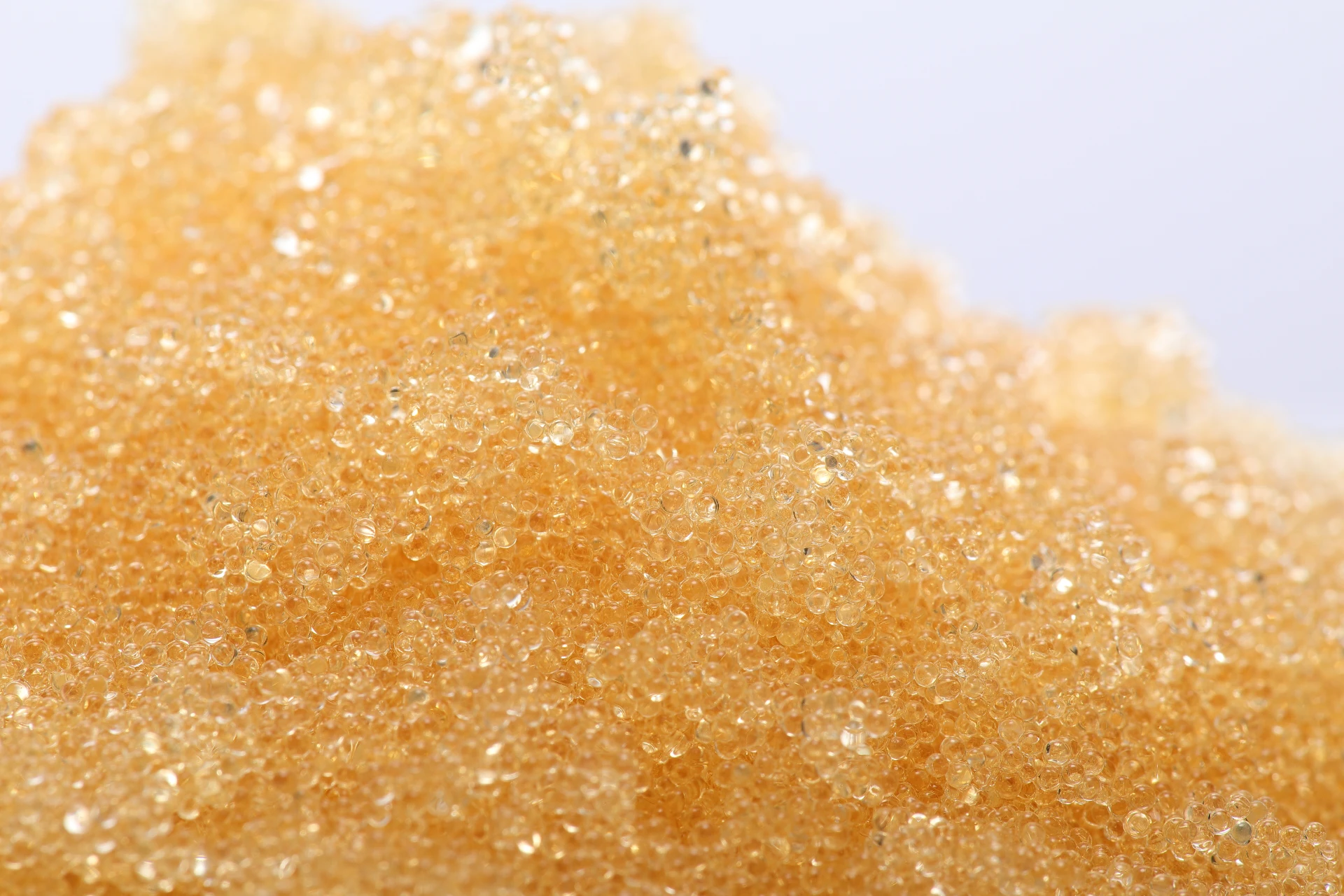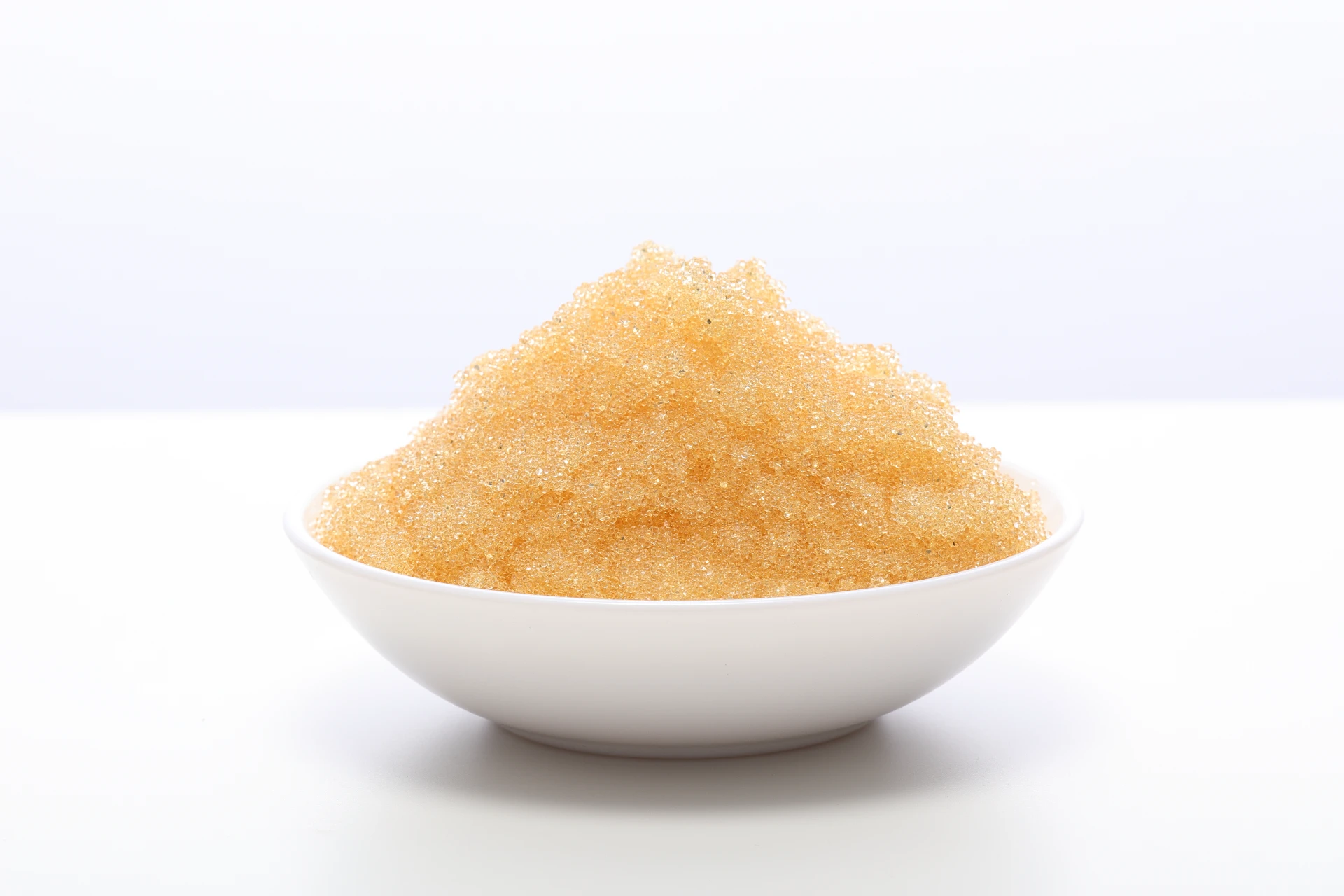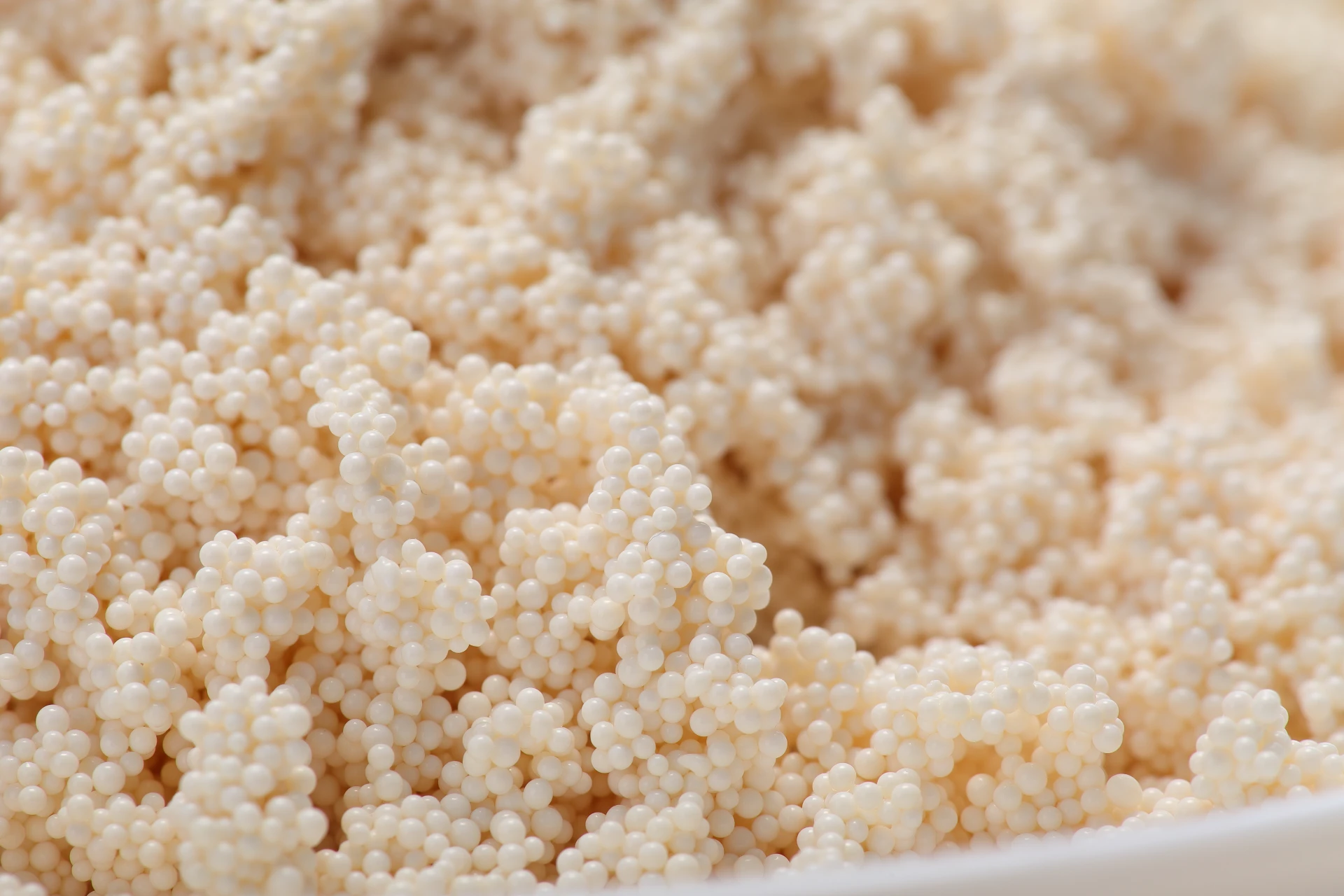
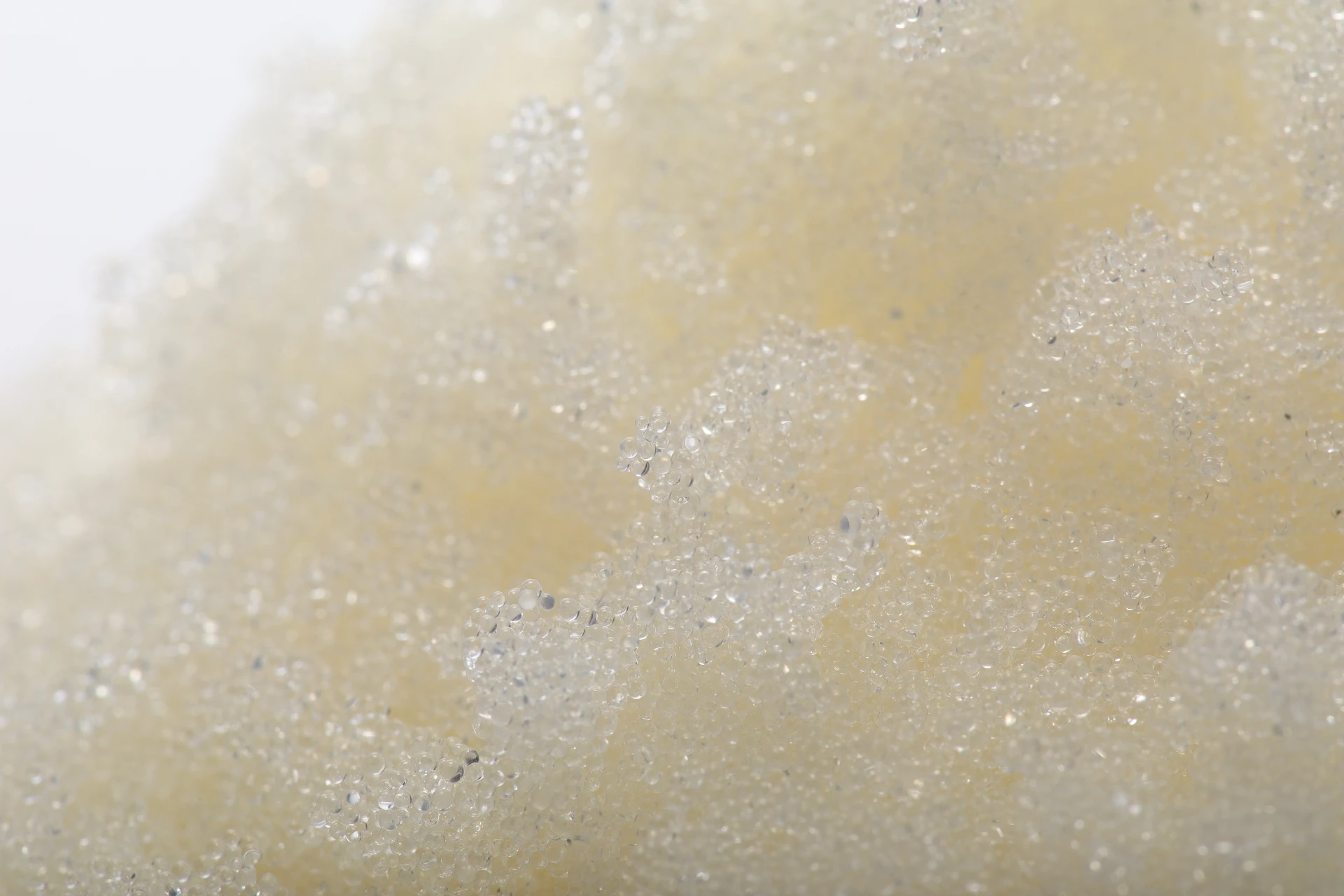
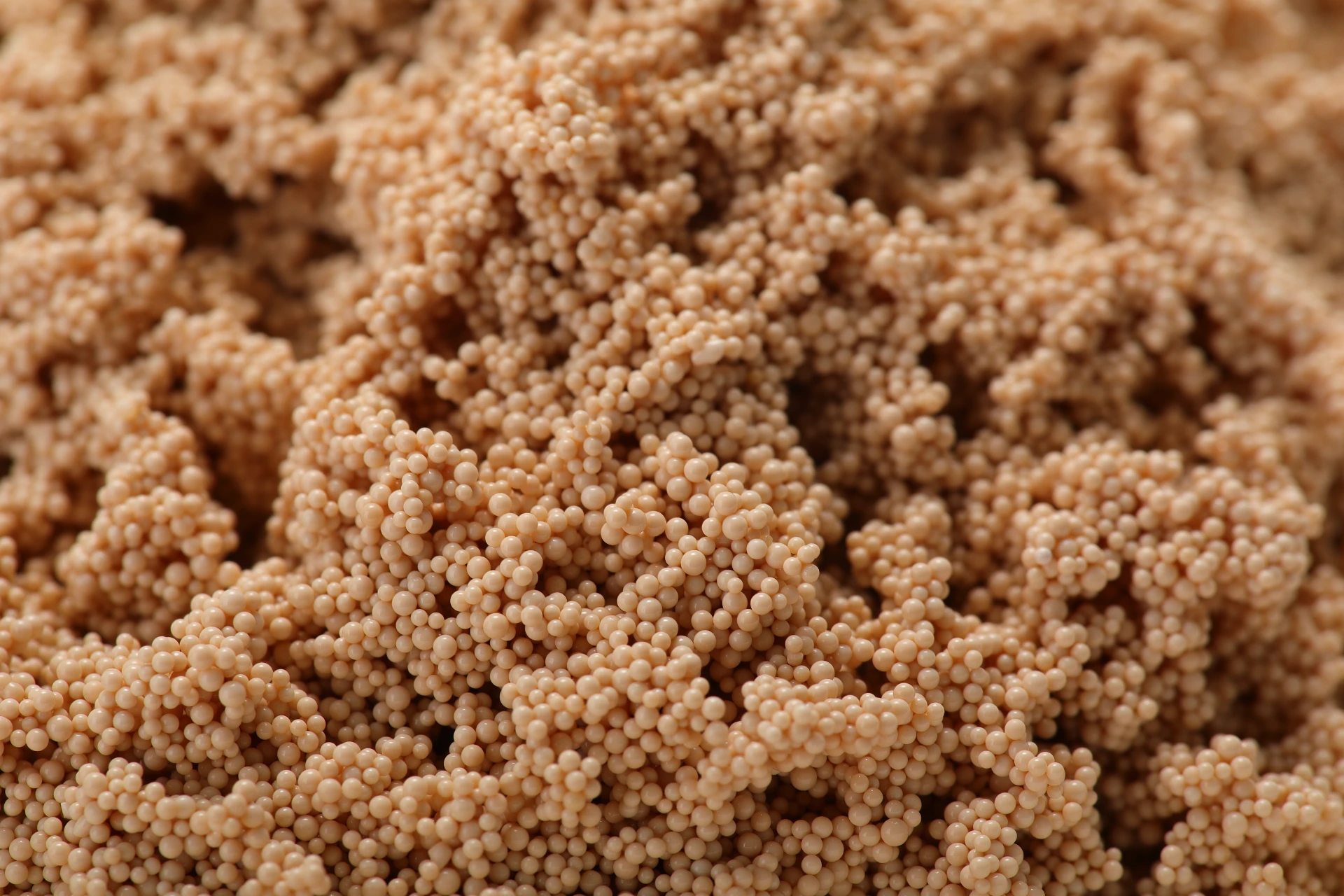
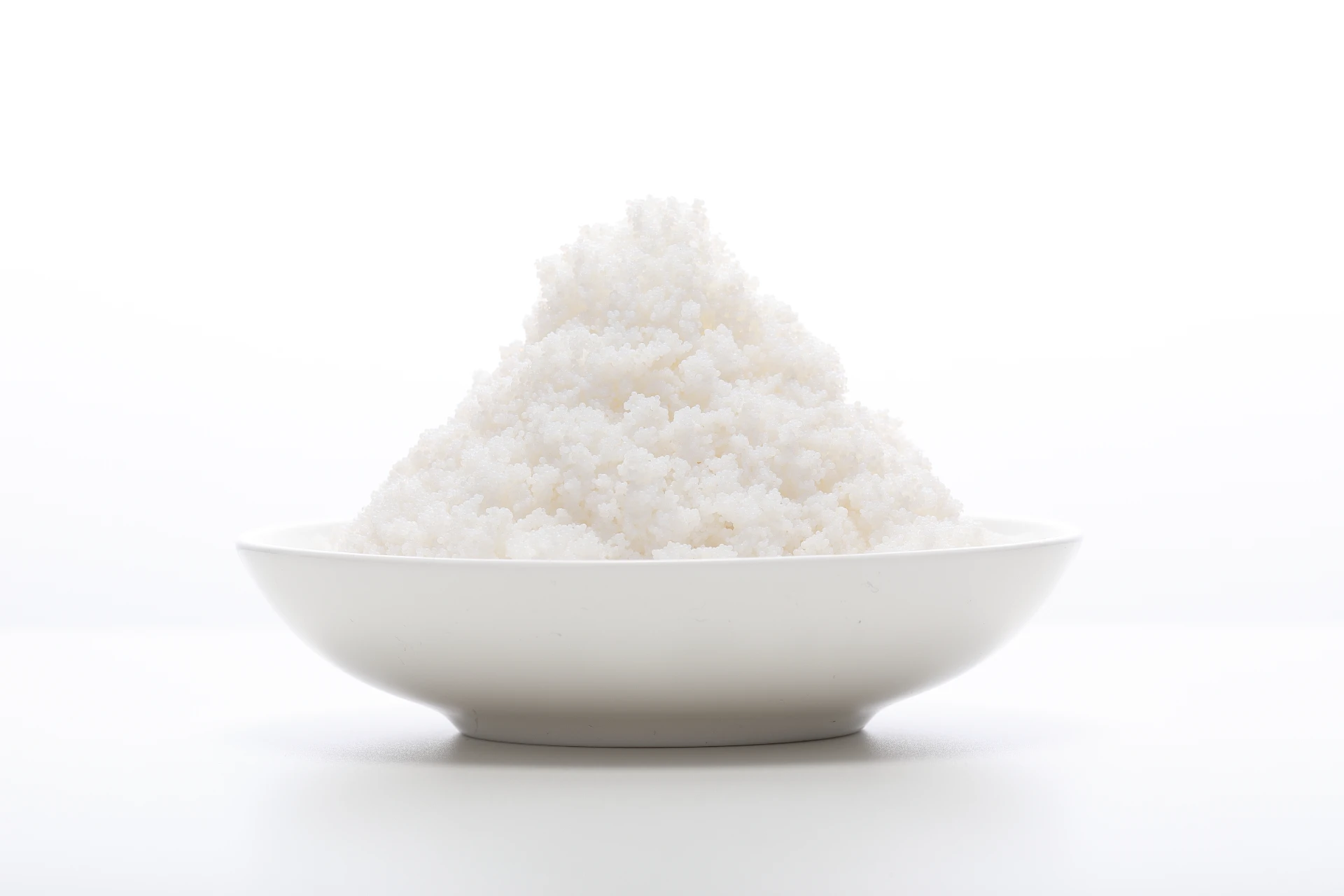
High-Performance chelating resin Solutions for Qatar Industrial Water Treatment

Providing advanced synthetic materials for desalination, oil refining, and wastewater purification across the State of Qatar to ensure sustainable water resource management.

High-Performance chelating resin Solutions for Qatar Industrial Water Treatment

We deliver specialized synthetic resins engineered to handle the high salinity and extreme temperatures characteristic of the Qatari environment, ensuring optimal ion removal and system longevity.

The Landscape of ion exchange resin Application in Qatar

Addressing the challenges of hyper-saline groundwater and extreme arid climates.

Qatar's industrial sector, heavily focused on LNG and petrochemicals, faces unique challenges due to the high mineral content of its limited groundwater. The use of bed resin systems is critical for protecting boilers and cooling towers from scaling caused by high calcium and magnesium levels common in the Gulf region.

Environmental conditions in Qatar, specifically the extreme summer heat, accelerate the degradation of standard polymers. Consequently, the market has shifted toward thermally stable and chemically resistant synthetic materials that can maintain efficiency under high-pressure desalination processes.

Furthermore, the strict environmental regulations set by the Qatari government for wastewater discharge have increased the demand for high-selectivity resins to remove heavy metals from industrial effluents, ensuring compliance with national sustainability goals.
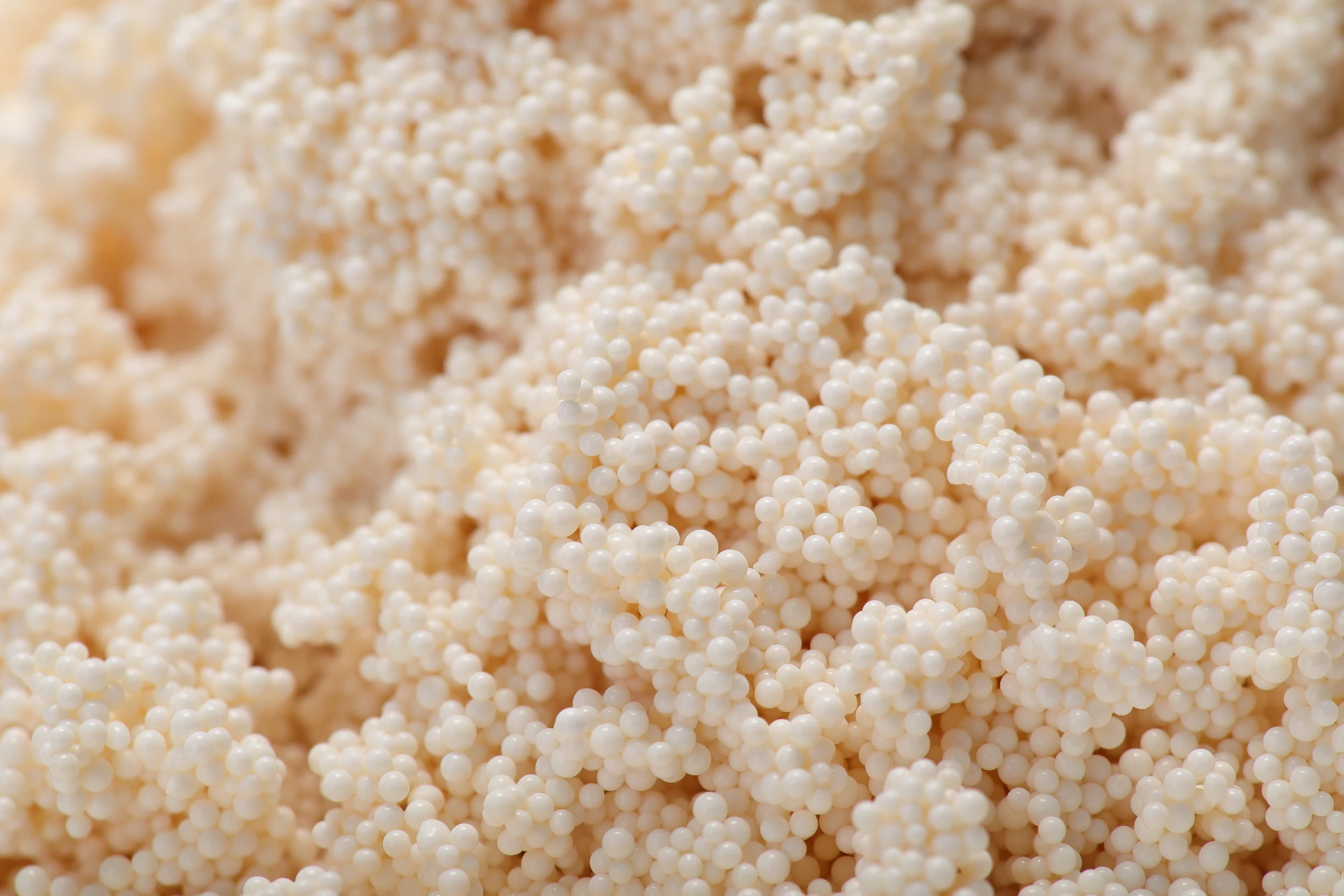
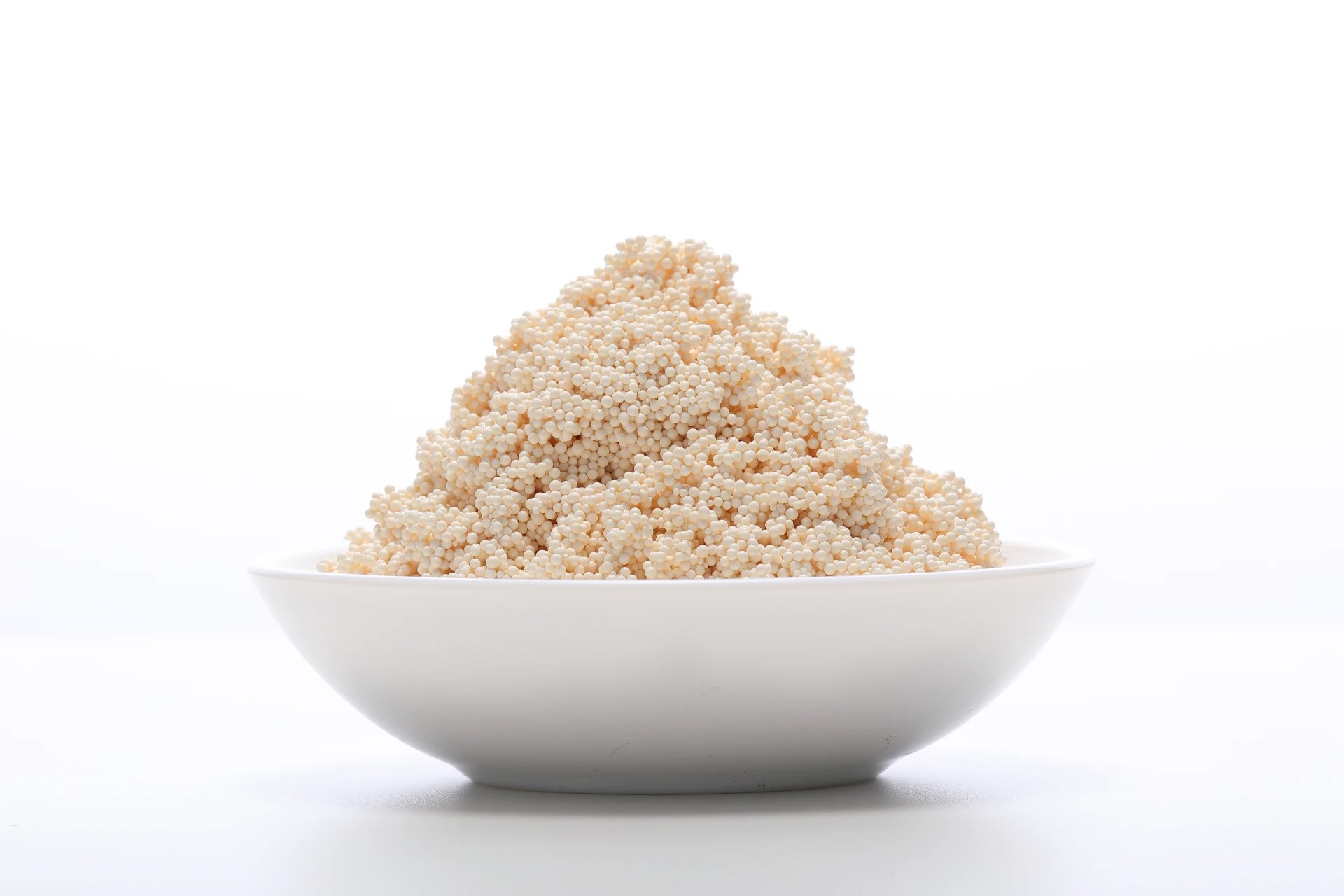
Evolution of Water Purification and special resin Technology

From basic softening to advanced molecular selective separation.

Market Development History

In the early 1990s, the Qatari market primarily relied on basic strong acid cation resins for simple water softening in small-scale industrial plants, focusing on rudimentary hardness removal.

Between 2005 and 2015, with the expansion of the North Field gas projects, there was a technical leap toward using mixed bed di resin systems. This transition allowed for the production of ultra-pure water required for high-pressure steam generators and electronic components.

From 2016 to the present, the focus has evolved toward "Specialty Separation." The integration of advanced chelating functional groups has enabled the precise removal of transition metals, reducing chemical waste and increasing resin life cycles.

Future Development Trends

Nanostructured Polymer Matrices

The next phase involves integrating nano-composites into the resin matrix to increase exchange capacity and kinetics, reducing the footprint of treatment plants in urban Doha.

AI-Driven Regeneration Cycles

Future systems will utilize real-time sensors to trigger resin regeneration, moving away from fixed-time intervals to minimize water and chemical consumption.

Circular Economy Resin Recovery

Development of biodegradable or fully recyclable resin beads to align with Qatar National Vision 2030's environmental pillars.

Strategic Outlook for Synthetic Resin Manufacturing

Analyzing the trajectory of ion exchange materials in the Middle East.

Ultra-Pure Water Demand
Increased reliance on high-grade resins for the expanding pharmaceutical and semiconductor sectors in Qatar.
Desalination Synergy
Integrating resins with RO membranes to create multi-stage purification systems for seawater.
Heavy Metal Recovery
Using selective resins to recover precious metals from refinery waste streams, improving ROI.
Green Chemistry
Adopting bio-based monomers for resin production to reduce the overall carbon footprint.

Industry Outlook

Google search trends indicate a significant rise in queries regarding "sustainable water treatment" and "industrial resin efficiency" within the GCC region. This suggests that Qatari enterprises are moving away from low-cost, short-life resins toward high-efficiency, long-life synthetic materials.

We predict that over the next 3-5 years, the integration of smart monitoring with high-capacity resins will become the industry standard, significantly reducing the cost per cubic meter of treated water in the energy sector.

Localized Application Scenarios in Qatar

Tailored resin solutions for the specific demands of the Qatari industrial landscape.

1. LNG Plant Boiler Feed Water

Utilizing mixed bed di resin to eliminate all ionic impurities, preventing turbine blade corrosion in Qatar's massive LNG facilities.

2. Seawater Desalination Pre-treatment

Application of high-capacity cation resins to manage the hardness of brine, protecting RO membranes from inorganic fouling.

3. Petrochemical Wastewater Remediation

Implementing selective chelating resin to capture heavy metal ions from refinery effluents before discharge into the Arabian Gulf.

4. Oilfield Produced Water Treatment

Using specialized resins to remove dissolved salts and organic contaminants from produced water, enabling its reuse for irrigation.

5. Commercial Cooling Tower Demineralization

Deploying robust bed resin systems to prevent calcium carbonate buildup in the cooling systems of Doha's skyscrapers.

Brand Story

Global Development Journey of Hebei Lijian Biological Technology Co., Ltd.

Foundational Research

Established with a focus on high-polymer chemistry to solve the inefficiency of traditional ion exchange materials.

Technological Breakthrough

Developed a proprietary cross-linking process that significantly increased the thermal stability of industrial resins.

Global Market Expansion

Expanded operations into the Middle East, specifically optimizing products for the high-salinity waters of Qatar.

Sustainability Integration

Launched a line of eco-friendly resins that reduce the chemical demand for regeneration by 20%.

Industry Leadership

Recognized as a leading provider of specialty synthetic materials for the global energy and water sectors.

Comprehensive Resin Portfolio for the Qatari Market

A full spectrum of synthetic materials designed for extreme environments.

Common Questions on Water Treatment in Qatar

Expert answers to technical challenges in ion exchange resin applications.

How does high temperature in Qatar affect ion exchange resin lifespan?

Extreme temperatures can cause polymer degradation. We recommend using thermally stable special resin grades specifically designed for high-temperature environments to maintain structural integrity.

Which resin is best for removing heavy metals from refinery wastewater?

For selective heavy metal removal, a high-selectivity chelating resin is the most effective choice as it targets specific ions even in the presence of high background salt concentrations.

What is the advantage of using mixed bed di resin over single bed systems?

Mixed bed systems provide much lower effluent conductivity, making them essential for the ultra-pure water requirements of LNG plant boilers and pharmaceutical laboratories in Doha.

How often should bed resin be regenerated in high-salinity areas?

Regeneration frequency depends on the influent TDS. In Qatar's high-salinity groundwater, we suggest implementing real-time conductivity monitoring to optimize regeneration cycles.

Can synthetic resins help in reducing water consumption in Qatar?

Yes, by enabling the efficient treatment and reuse of produced water and greywater, advanced resins play a key role in Qatar's water security strategy.

What are the signs that my ion exchange resin needs replacement?

Common signs include an increase in pressure drop across the vessel, faster breakthrough times, and a decrease in the purity of the treated water.

Ready to Optimize Your Water Treatment?

Our technical experts are available to provide customized resin solutions and site audits for your industrial projects in Qatar.

Contact Us Now

If you are interested in our products, you can choose to leave your information here, and we will be in touch with you shortly.