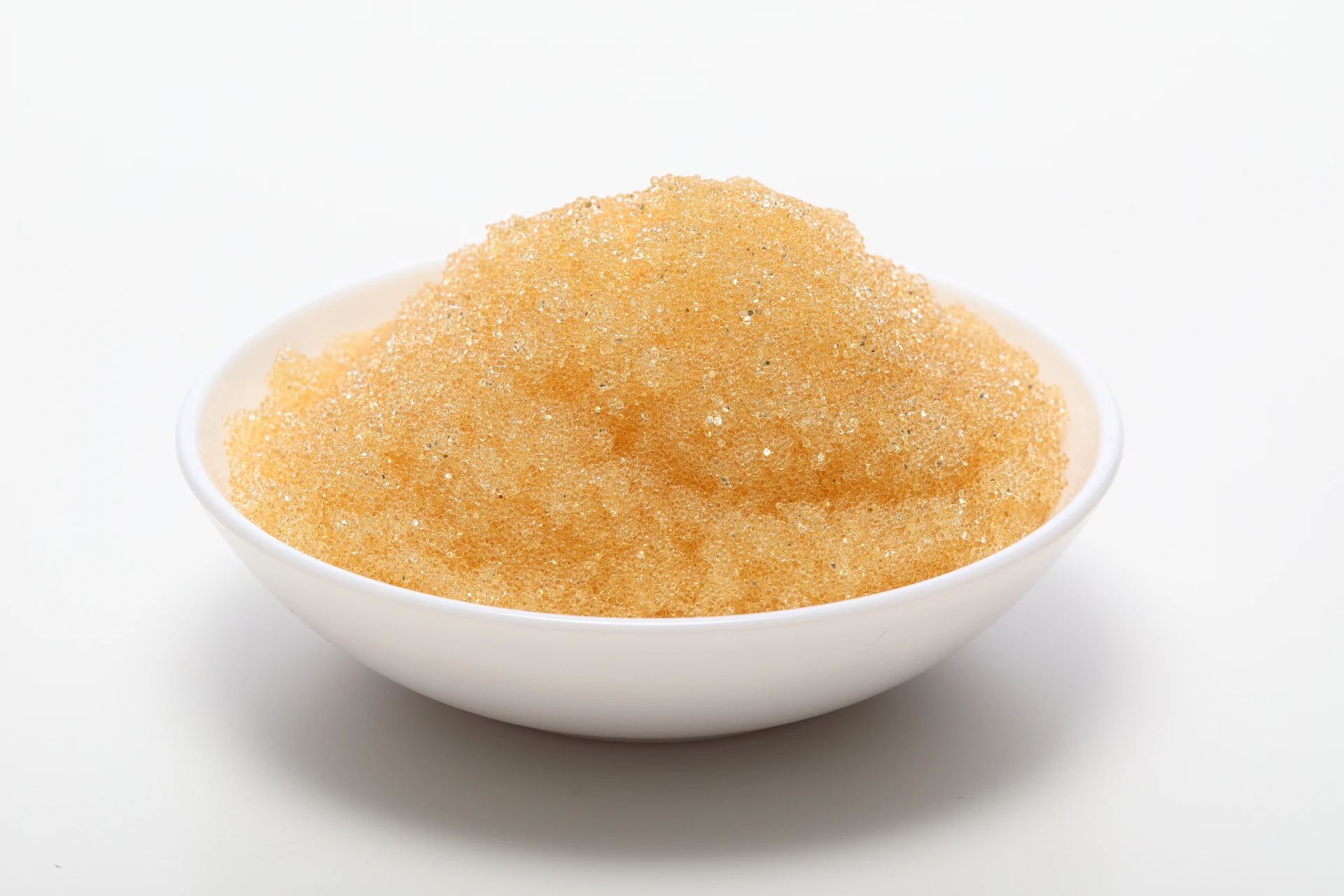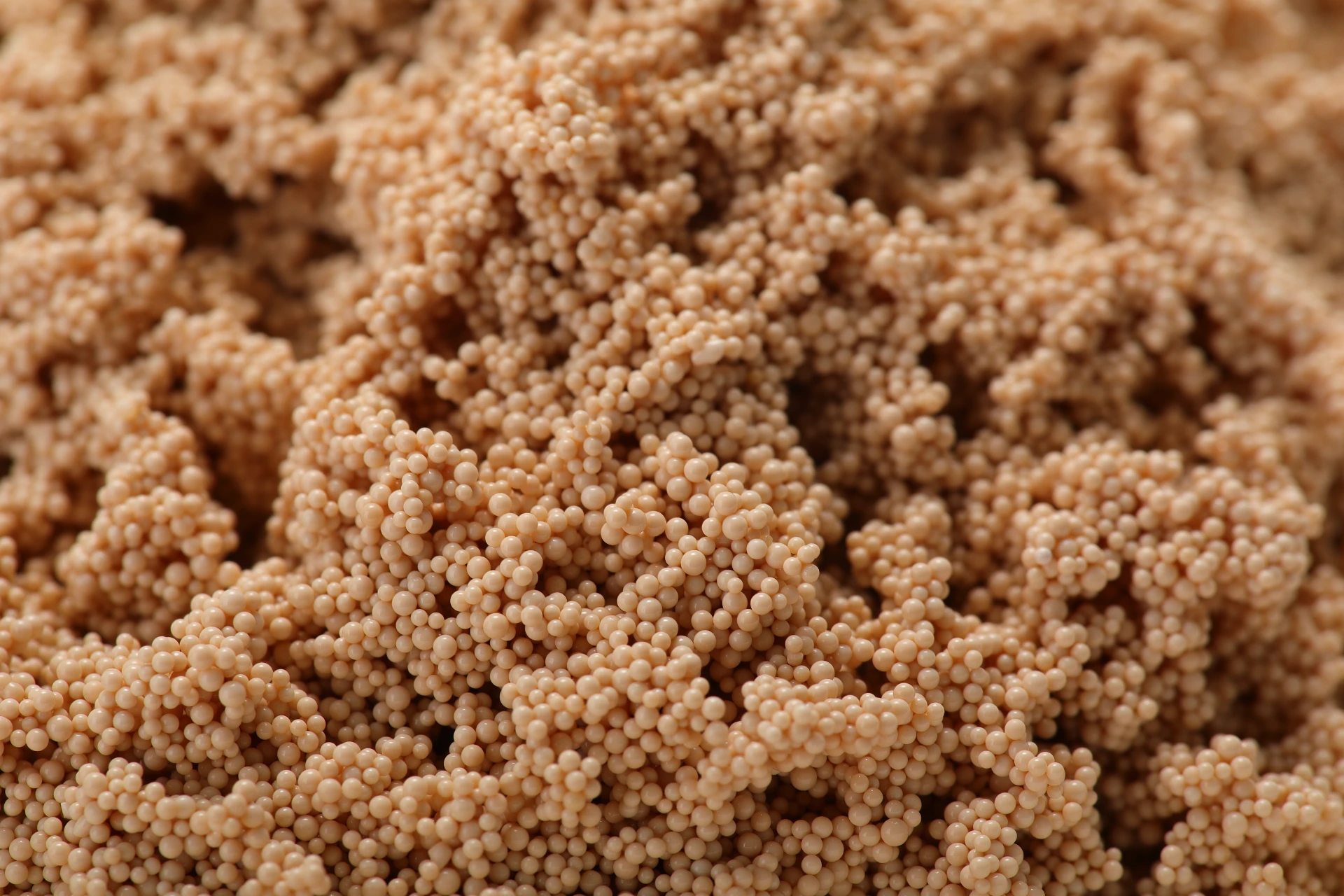
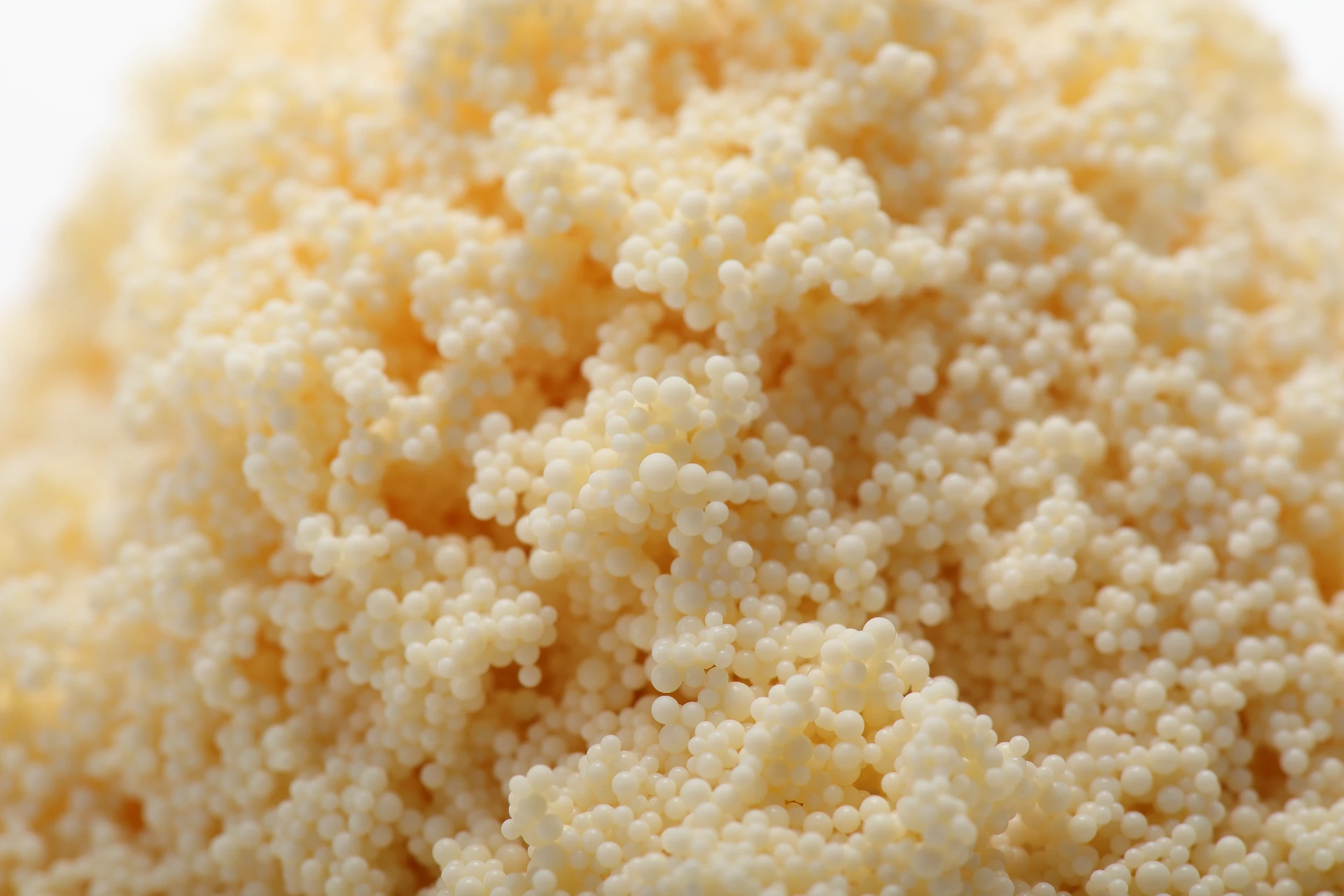
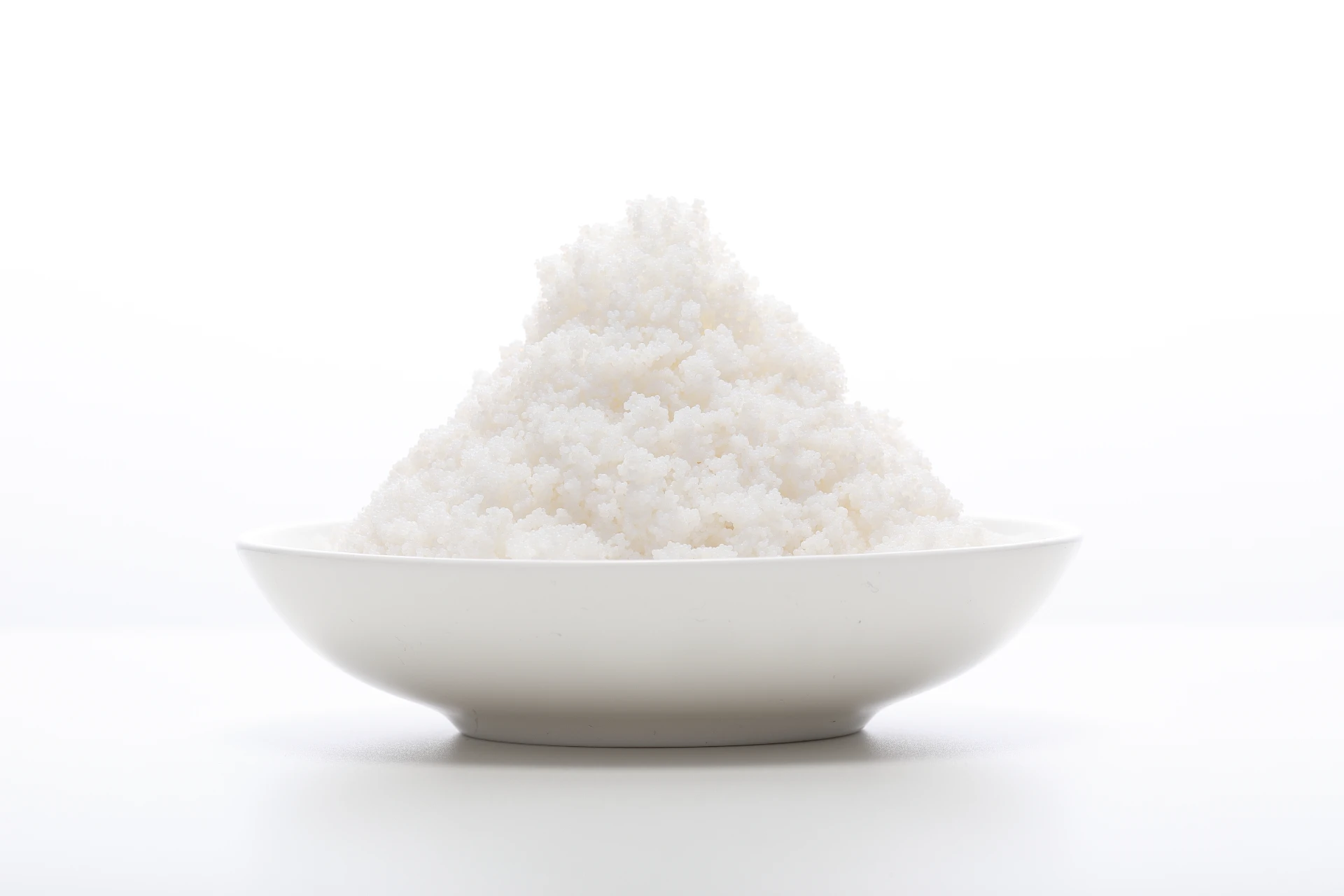
High-Performance chelating resin Solutions for Tanzania's Industrial Water Treatment

Advanced ion exchange technologies tailored for the unique mineral profiles and industrial demands of the Tanzanian market.

High-Performance chelating resin Solutions for Tanzania's Industrial Water Treatment

Providing cutting-edge synthetic materials to optimize water purification and mineral recovery across Tanzania's growing manufacturing sectors.

Water Treatment Landscape in Tanzania

Addressing the challenges of hard water and industrial wastewater in East Africa.

In Tanzania, the industrial sector faces significant challenges due to high mineral content in groundwater and surface water sources. The widespread use of ion exchange resin has become critical for breweries, textile mills, and pharmaceutical plants in Dar es Salaam and Arusha to prevent scale buildup in boilers.

The tropical climate and variable rainfall patterns often lead to fluctuating water quality. This necessitates the use of special resin formulations that can withstand higher operating temperatures and organic fouling, ensuring consistent purity for industrial processes.

Furthermore, with the rise of mining activities in the Lake Victoria region, there is an urgent demand for selective removal of heavy metals. This has transitioned the local market from basic softening to advanced bed resin configurations designed for targeted contaminant extraction.
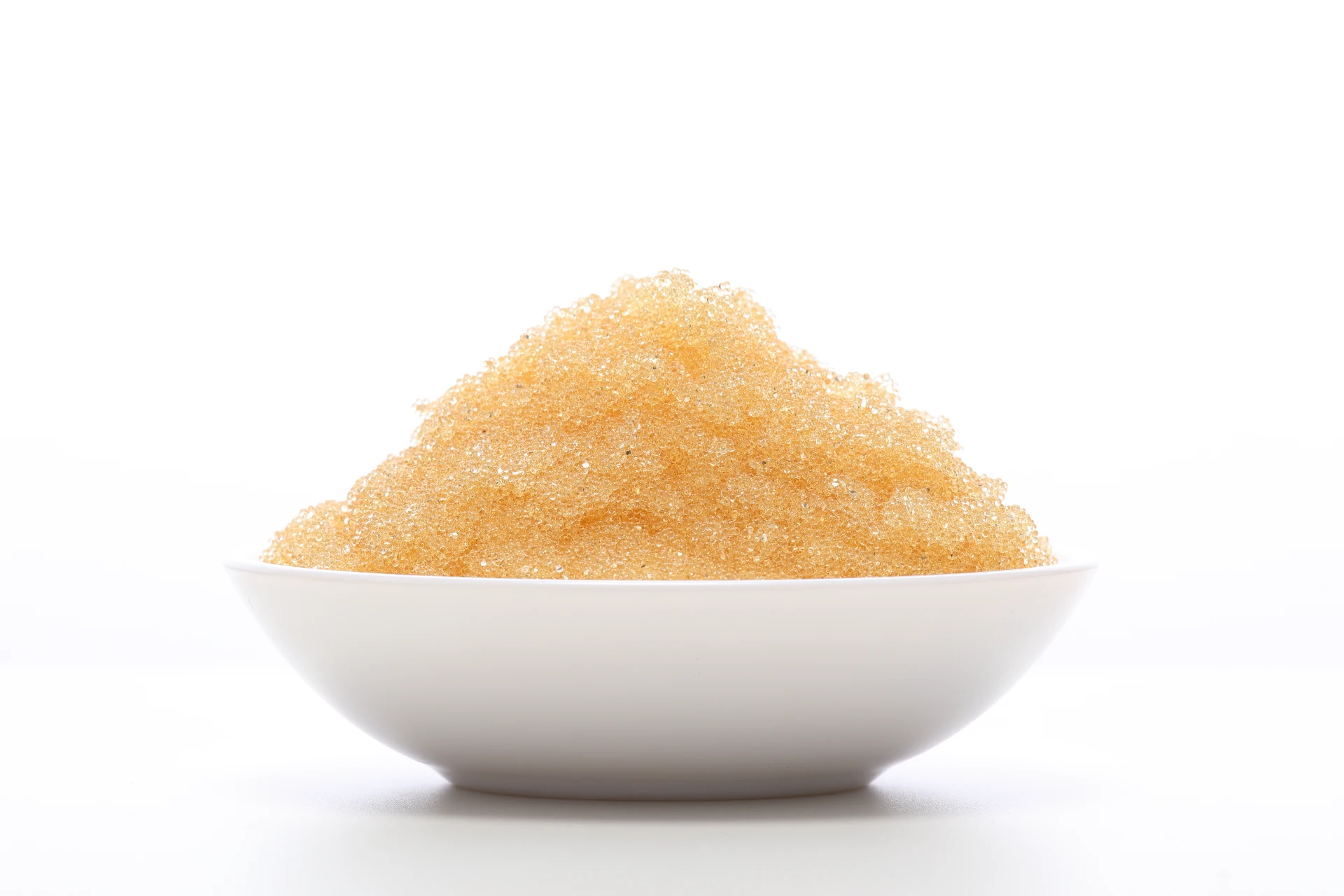
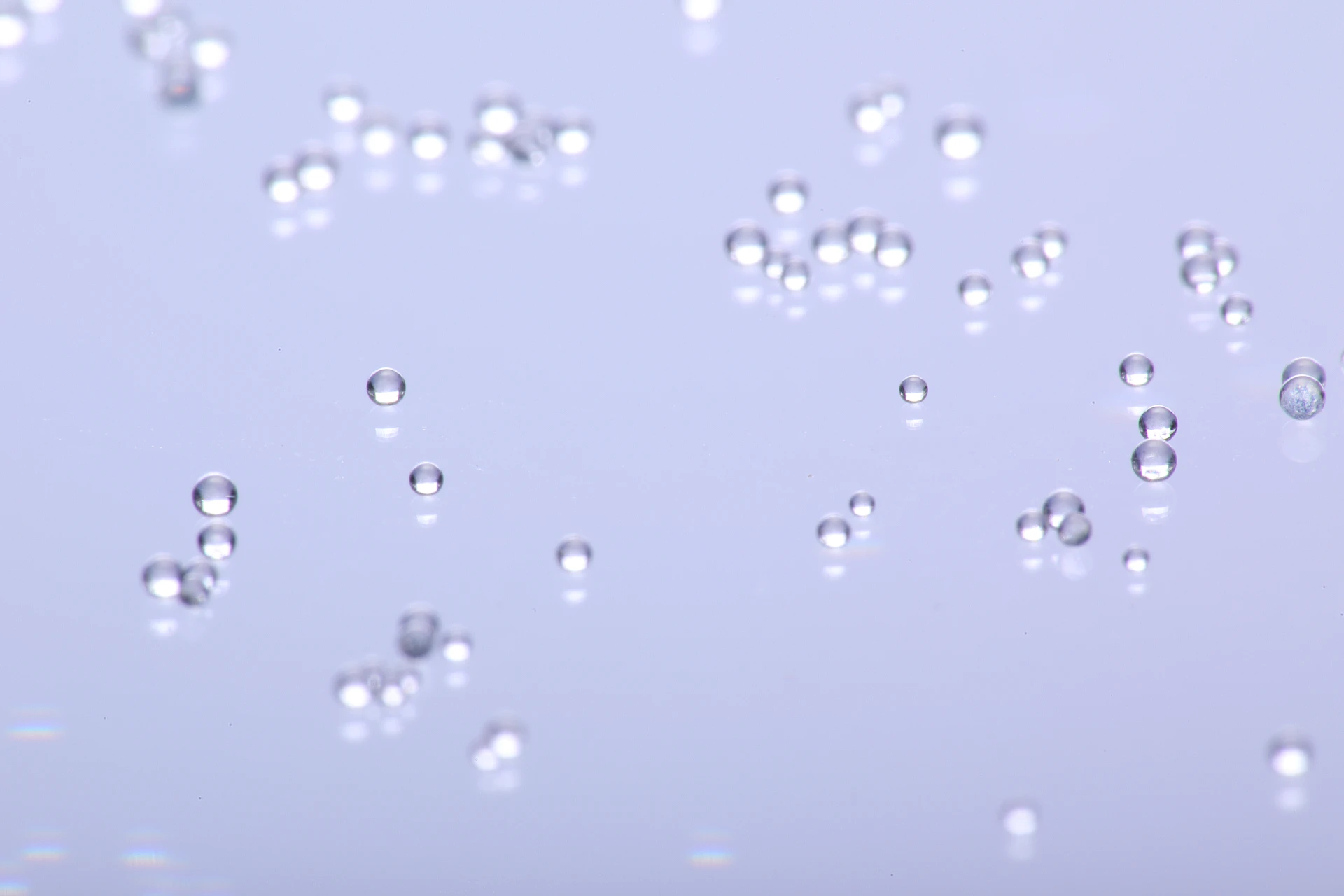
Technical Evolution of Resin Applications in Tanzania

From basic water softening to high-precision molecular separation.

Market Development History

Between 2000 and 2010, the Tanzanian market relied primarily on traditional strong acid cation resins for simple water softening, focusing on basic hardness removal for municipal use.

From 2011 to 2020, the shift toward industrialization led to the adoption of mixed bed di resin systems, enabling the production of ultrapure water required for the emerging electronics and advanced pharmaceutical sectors.

Since 2021, the focus has pivoted toward environmental sustainability and "zero liquid discharge" (ZLD), driving the integration of high-selectivity chelating agents for hazardous waste treatment.

Future Development Trends

Integration of Smart Monitoring

The next 3 years will see a surge in AI-driven regeneration cycles to reduce chemical waste in Tanzanian factories.

Eco-friendly Regeneration

A move toward biodegradable regenerants to protect the fragile ecosystems around the Serengeti and coastal regions.

Hyper-Selective Recovery

Advanced molecular recognition resins will be deployed to recover rare earth elements from mining tailings.

Industry Outlook and Future Trajectory

Strategic forecasts for synthetic resin technology in East Africa.

Circular Water Economy
Transitioning toward closed-loop systems where resins are used to recycle 95% of industrial process water.
Selective Metal Extraction
Increased adoption of resins that can distinguish between similar divalent ions in mining runoff.
Energy-Efficient Desalination
Combining resins with membrane technology to lower the energy cost of seawater desalination.
Modular Resin Plants
Shift toward prefabricated, containerized resin systems for remote mining sites.

Industry Outlook

Based on Google search trends for "industrial water treatment Africa," there is a marked increase in interest regarding sustainable ion exchange processes. Tanzania is expected to become a regional hub for resin application due to its strategic port access and industrial growth.

The long-term outlook predicts a move toward "specialty resins" that can treat complex organic pollutants, aligning with Tanzania's goals to enhance environmental protection laws.

Localized Application Scenarios in Tanzania

Real-world deployments of synthetic resins in Tanzanian industry.

1. Gold Mining Effluent Treatment

Utilizing high-capacity chelating resin to remove heavy metal contaminants from tailings, ensuring compliance with Tanzanian environmental regulations.

2. Beverage Production in Dar es Salaam

Deploying mixed bed di resin for the production of high-purity process water, eliminating taste-altering minerals from soft drinks.

3. Textile Dyeing Water Softening

Implementing large-scale bed resin systems to remove calcium and magnesium, improving dye uptake and fabric quality.

4. Pharmaceutical Grade Pure Water

Applying special resin sequences to achieve the conductivity levels required for injectable medication production.

5. Agricultural Irrigation Desalination

Custom ion exchange configurations to treat brackish water for high-value crop irrigation in the arid regions of central Tanzania.

Brand Story

Global Development Journey of Hebei Lijian Biotechnology Co., Ltd.

Foundation & Vision

Established with a mission to solve the most complex water purity challenges through innovative synthetic polymer science.

R&D Breakthroughs

Developed proprietary cross-linking technologies that significantly increased the lifespan of resins in harsh industrial environments.

Global Expansion

Expanded our footprint into East Africa, providing localized technical support for the Tanzanian manufacturing sector.

Sustainability Focus

Pioneered the "Low-Chemical Regeneration" series, reducing the environmental impact of ion exchange processes globally.

Industry Leadership

Recognized as a leading provider of specialty resins, committed to purity, efficiency, and ecological responsibility.

Comprehensive Resin Portfolio for Tanzania

A full range of solutions from basic softening to specialized metal recovery.

Common Questions for Tanzanian Industrial Resin Users

Expert answers to technical queries regarding ion exchange in the local context.

How do I choose the right chelating resin for gold mine wastewater in Tanzania?

You should analyze the specific heavy metal ions (like Cu, Ni, or Zn) present. Our selective chelating resins are designed to bond specifically with these ions even in the presence of high calcium levels.

What is the lifespan of a mixed bed di resin in high-temperature environments?

Lifespan depends on the resin's cross-linking density. Our specialized high-temp resins maintain structural integrity and exchange capacity significantly longer than standard grades in tropical climates.

Can ion exchange resin handle the high organic load found in some Tanzanian river water?

Yes, but we recommend using a macro-porous resin or an organic scavenger pre-treatment to prevent fouling of the primary ion exchange bed.

How often should a bed resin be regenerated in a textile plant?

Regeneration frequency depends on the influent hardness. We provide automated monitoring tools to trigger regeneration exactly when capacity reaches the critical threshold.

What makes a special resin better for pharmaceutical use than standard resins?

Specialty resins offer lower extractables and higher purity levels, ensuring that the water meets the stringent USP or EP standards required for medicine production.

Are these resins compatible with saltwater desalination systems in coastal Tanzania?

Absolutely. Our resins are often used as post-treatment for RO systems to remove remaining ions and polish the water to the desired quality.

Ready to Optimize Your Water Treatment?

Contact our technical experts for a customized resin solution tailored to your facility in Tanzania.

Contact Us Now

If you are interested in our products, you can choose to leave your information here, and we will be in touch with you shortly.