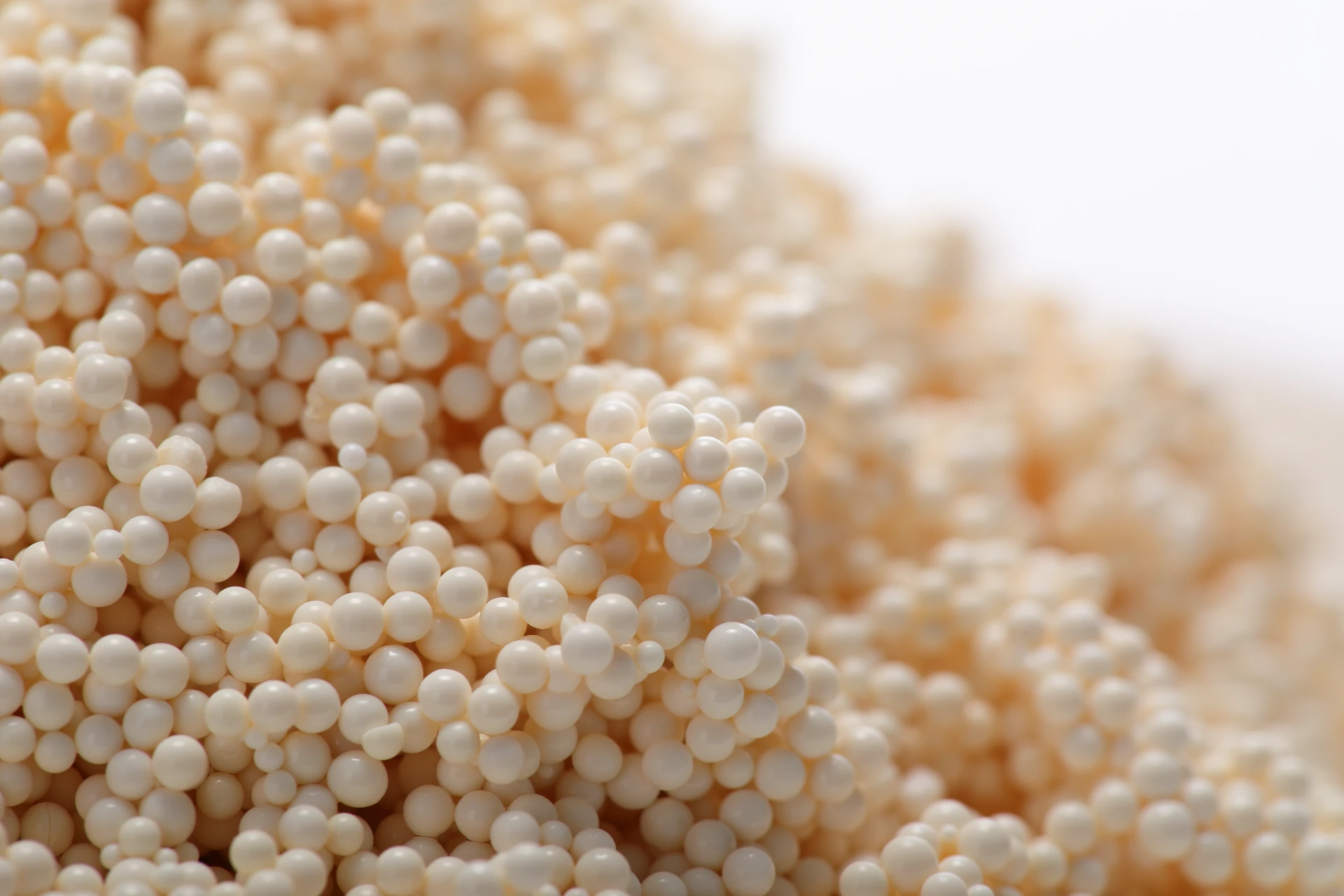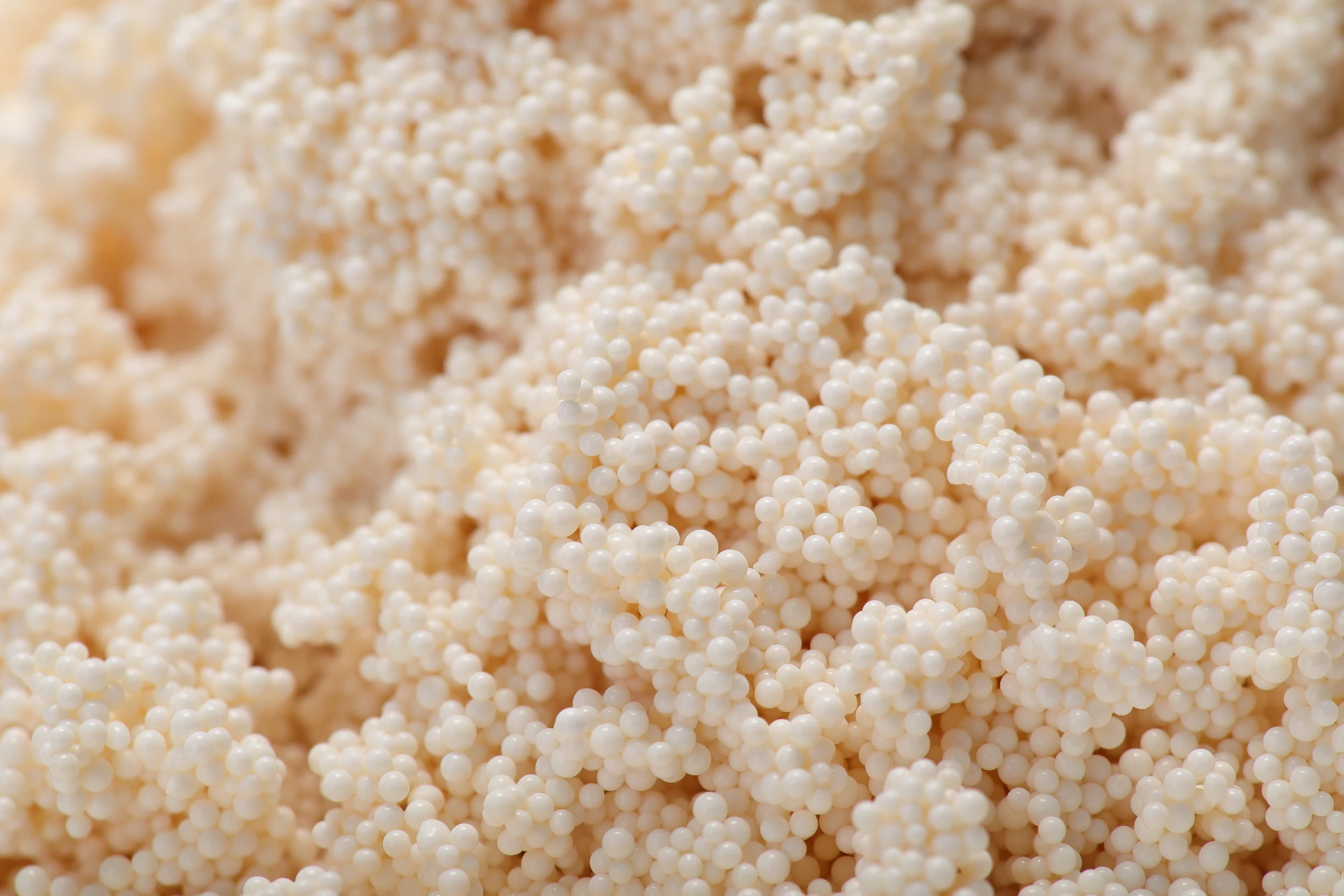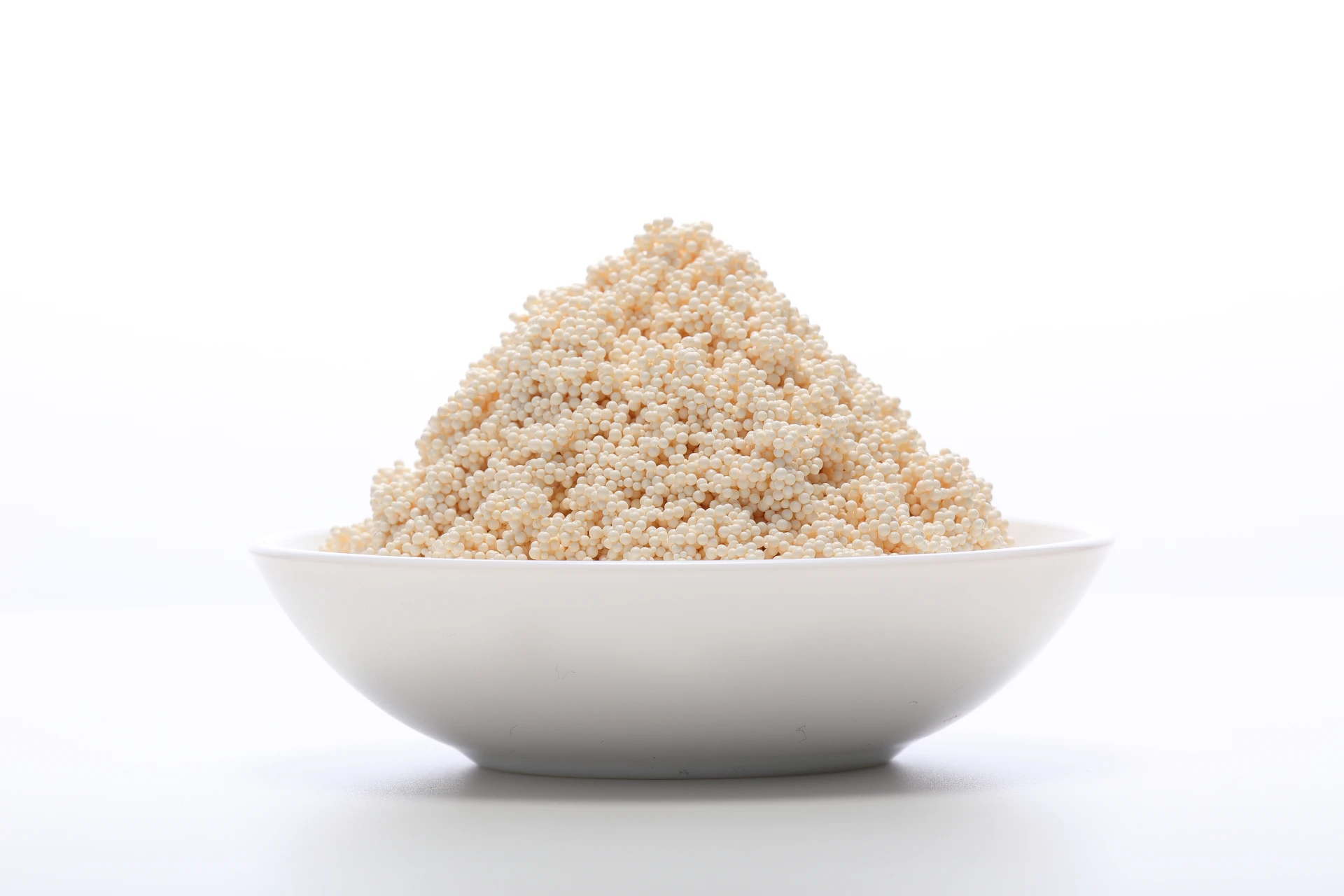
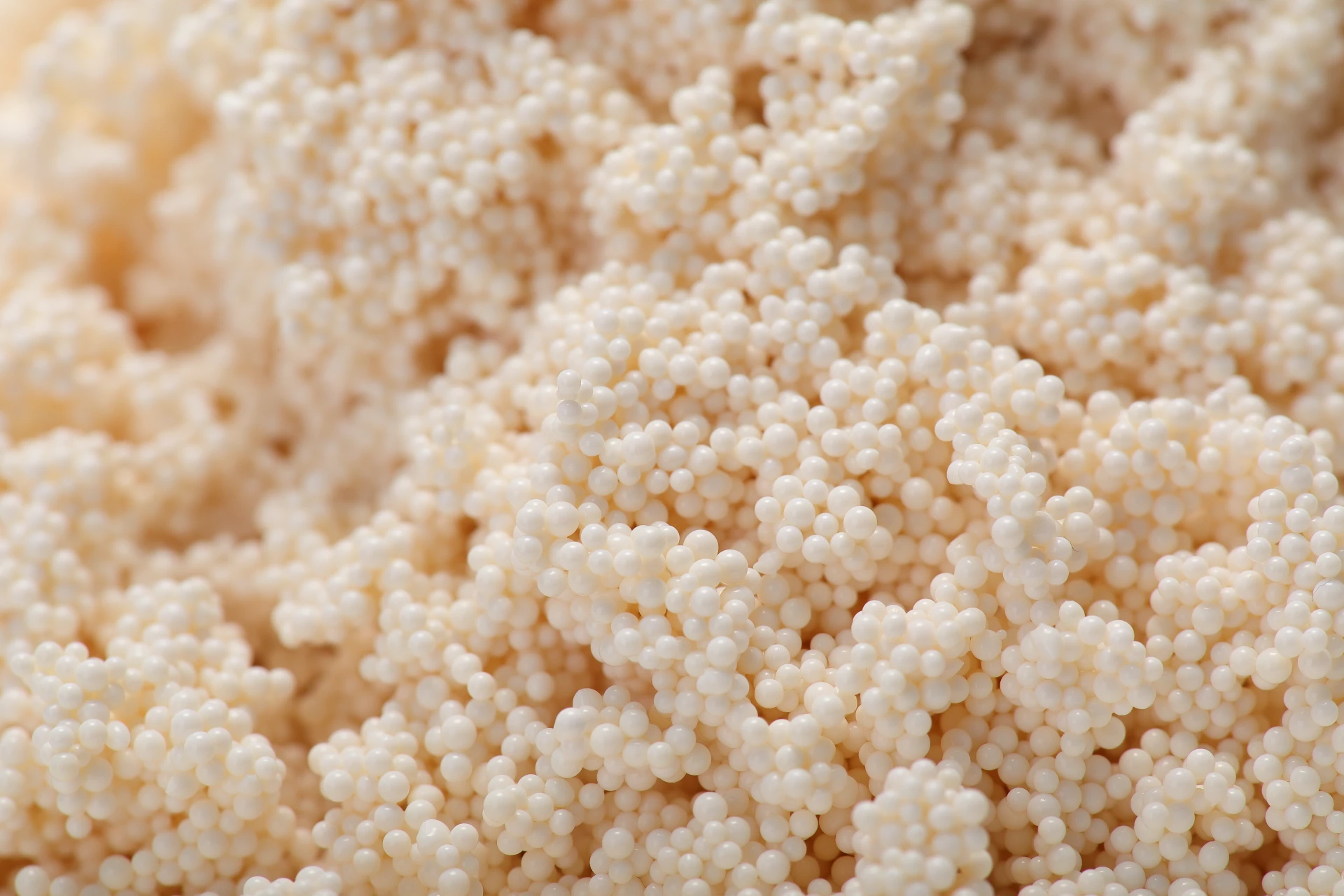
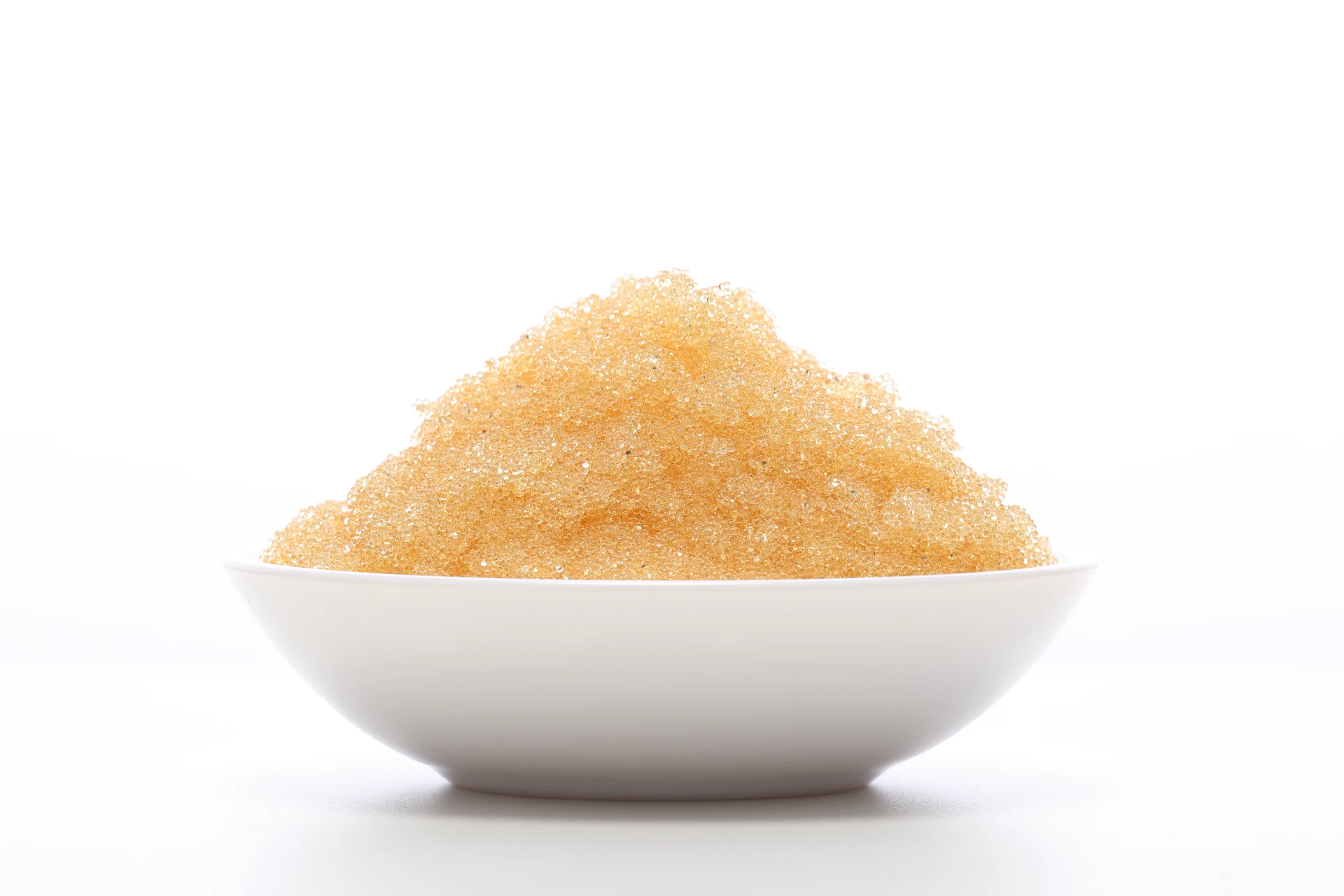
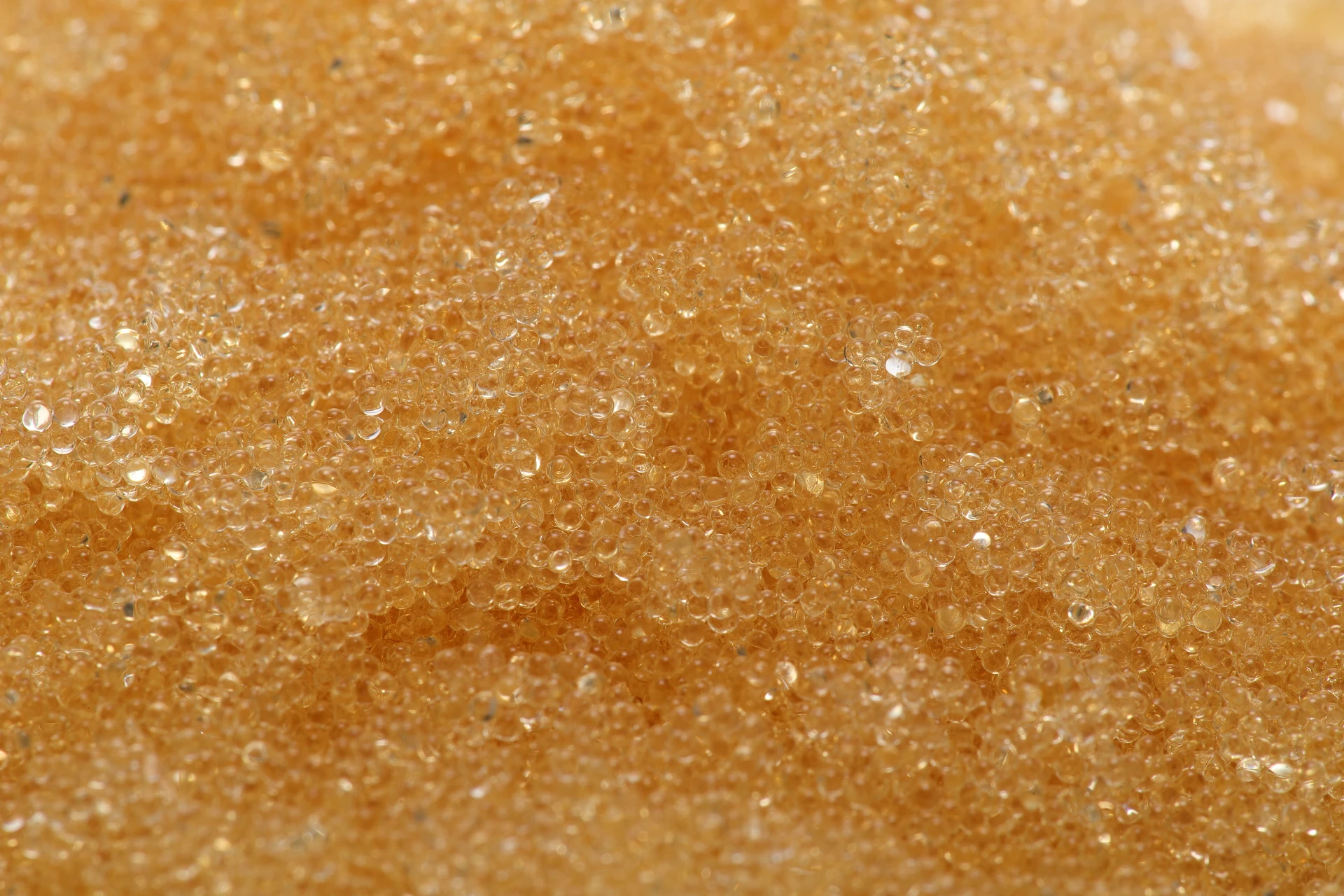
Turkey's industrial landscape, particularly in hubs like Marmara and Aegean regions, faces significant challenges due to varying groundwater salinity and high mineral content. The widespread use of bed resin is critical for textile and leather industries, where water hardness directly impacts the quality of dyeing and tanning processes.
Economically, Turkey is transitioning toward more sustainable manufacturing practices. This shift has increased the demand for high-selectivity resins capable of removing heavy metals from industrial wastewater, aligning with EU environmental directives that Turkey actively adopts to maintain export competitiveness.
Geographically, the diverse climatic conditions lead to seasonal fluctuations in water quality. Consequently, Turkish plants are increasingly investing in special resin technologies to maintain consistent purity levels regardless of the source water's volatility.