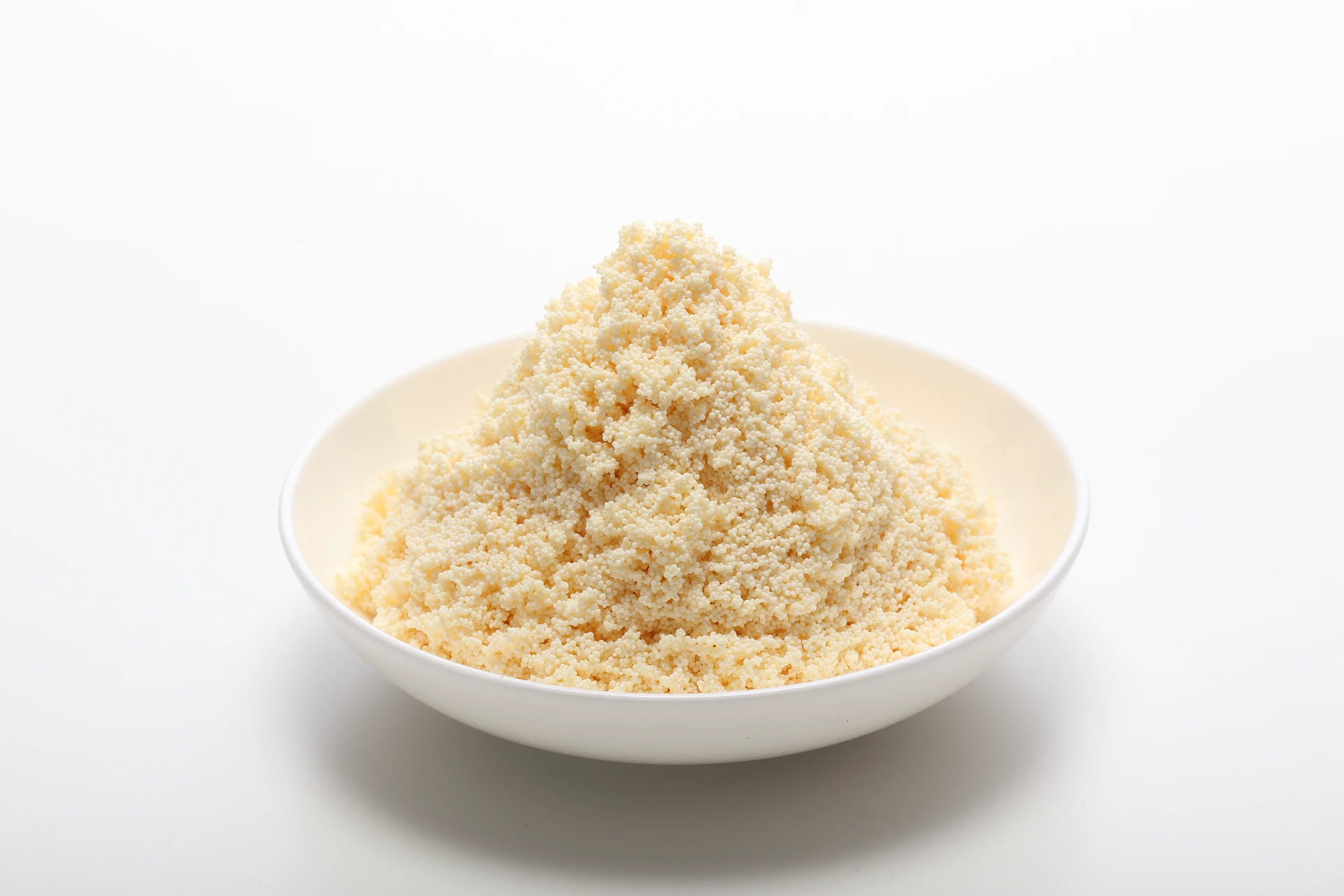
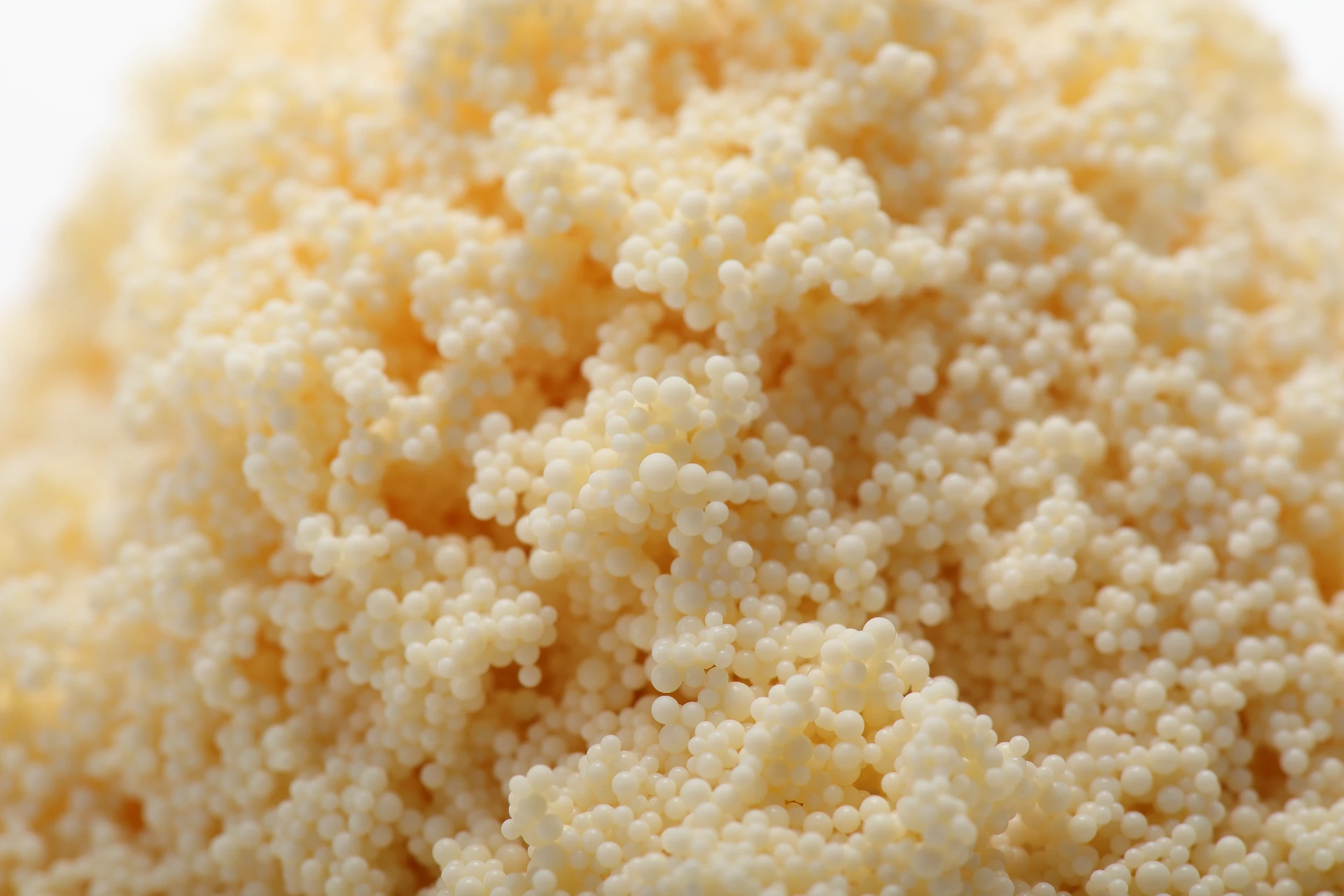
High-Performance Chelating Resin Solutions for Mali Industrial Water Treatment

Optimizing mineral extraction and water purification in Africa - Mali with advanced polymer technology and specialized ion exchange media.

High-Performance Chelating Resin Solutions for Mali Industrial Water Treatment

Providing the Mali manufacturing and mining sectors with high-capacity ion exchange media designed to withstand harsh climatic conditions and complex feedwater chemistry.

The State of Ion Exchange Technology in Africa - Mali

Analyzing the operational challenges of chemical synthesis and water purification in the Sahel region.

In Mali, the industrial landscape is heavily influenced by the mining sector and emerging chemical manufacturing. The prevalence of hard water and high mineral content in local aquifers makes the deployment of ion exchange resin essential for preventing scale buildup in industrial boilers and cooling towers.

The extreme temperature fluctuations and arid climate of Mali place significant thermal stress on synthetic materials. Consequently, there is a growing demand for special resin grades that exhibit high mechanical strength and chemical stability to maintain efficiency during regeneration cycles in high-ambient temperatures.

Currently, many facilities rely on legacy filtration systems. However, the shift toward high-purity water for chemical synthesis is driving the adoption of mixed bed di resin to achieve the low conductivity levels required for modern synthetic material production.
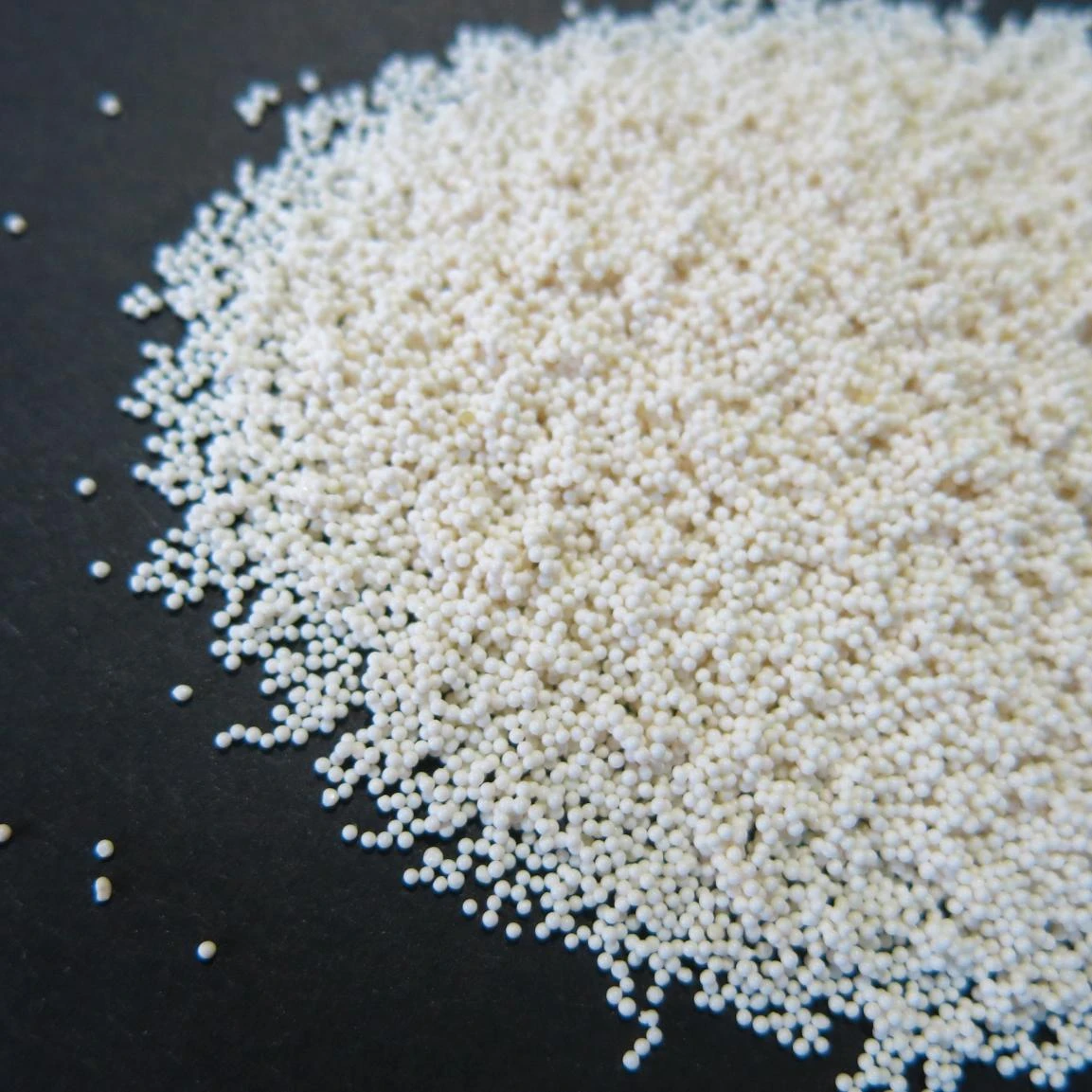
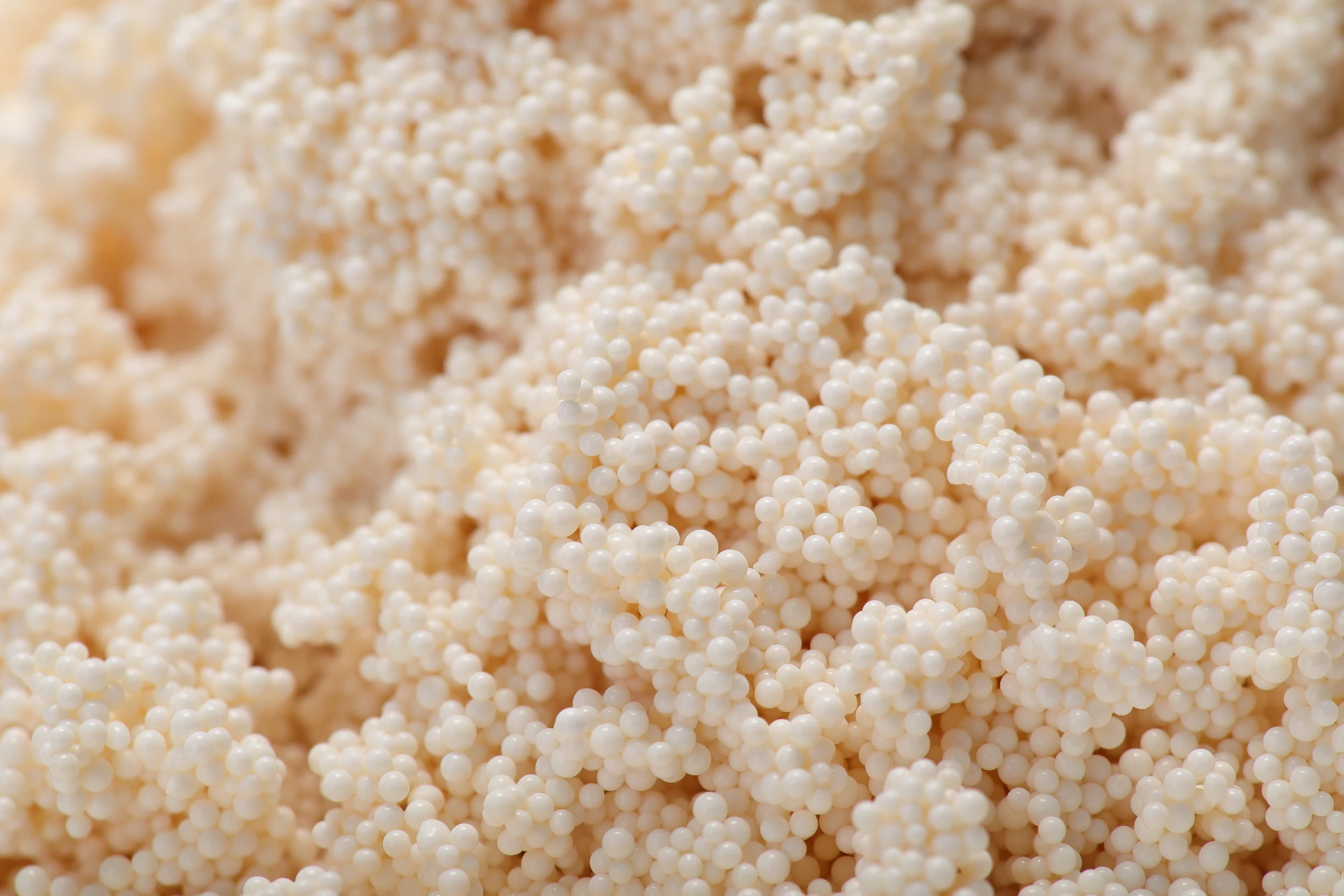
Evolution of Resin Technology in Mali

From basic softening to precision molecular separation.

Market Development History

During the early 2000s, water treatment in Mali primarily focused on basic softening using standard cation resins. The approach was simplistic, targeting only the removal of calcium and magnesium for basic agricultural and municipal needs.

Between 2010 and 2020, the expansion of the gold mining industry introduced the need for selective metal recovery. This era saw the introduction of bed resin configurations that could handle higher flow rates and more aggressive chemical regenerants.

From 2021 to the present, there has been a technical pivot toward "Precision Purification." Industries are now integrating sophisticated chelating agents to remove trace heavy metals, reflecting a global trend toward environmental compliance and higher product purity.

Future Development Trends

Eco-Friendly Regeneration

Moving toward biodegradable regenerants to reduce the environmental footprint of chemical plants in the Niger River basin.

Smart Monitoring Integration

Implementing IoT sensors within resin vessels to predict breakthrough points and optimize the regeneration frequency of ion exchange resin.

High-Selectivity Hybrid Materials

Development of resins that combine the properties of both chelating and strong-base anion media for complex wastewater treatment.

Industry Outlook and Future Prospects for Mali

Strategic foresight into the synthesis of materials and water chemistry.

Mining Sector Synergy
Increased utilization of selective resins for rare earth element recovery in the Malian mining belt.
Water Scarcity Solutions
Developing closed-loop water recycling systems using advanced mixed bed di resin.
Industrial Diversification
Expansion of local synthetic material manufacturing requiring high-purity chemical precursors.
Regulatory Compliance
Stricter wastewater discharge laws in Mali leading to increased demand for specialized waste treatment resins.

Industry Outlook

Based on Google search trends for industrial water treatment in West Africa, we anticipate a 15% CAGR in the demand for high-selectivity resins. As Mali seeks to reduce its dependence on imported finished chemicals, the local production of synthetic materials will necessitate a leap in water purification standards.

The future lies in the integration of "Smart-Resin" systems—where the bed resin is paired with real-time analytics to maximize the lifespan of the polymer matrix, reducing operational costs for Malian enterprises.

Localized Application Scenarios in Africa - Mali

Real-world implementations of resin technology tailored to the Malian environment.

01. Gold Mining Effluent Treatment

Utilizing selective chelating resins to recover precious metals from tailings and remove cyanide-complexed metals, ensuring environmental safety in the Kayes region.

02. Pharmaceutical Grade Water Production

Implementing mixed bed di resin systems for Bamako-based pharmaceutical labs to produce USP-grade purified water.

03. Textile Dyeing Pre-treatment

Using strong acid cation resins to soften hard water for textile factories, improving dye uptake and reducing fabric spotting.

04. Beverage Bottling Plants

Customized bed resin configurations for the removal of organic contaminants and minerals to ensure taste consistency in local soft drinks.

05. Industrial Boiler Demineralization

Deploying high-capacity ion exchange systems to prevent silica and carbonate scaling in power plants operating under high thermal loads.

Brand Story

Global Development History of Hebei Lijiang Biotech Co., Ltd.

Foundational Innovation

Established with a mission to solve complex ion separation challenges, focusing on the synthesis of high-purity polymer matrices.

Technological Breakthrough

Developed a proprietary cross-linking method that significantly increased the mechanical durability of industrial resins.

Global Expansion

Expanded operations to West Africa, tailoring chemical products to the unique mineral profiles of countries like Mali.

Sustainability Pivot

Launched a line of eco-friendly resins designed for low-chemical regeneration, reducing industrial waste.

Industry Leadership

Now recognized as a premier provider of specialized resins for the global synthetic materials and mining industries.

Complete Resin Portfolio for Mali Industrial Markets

A comprehensive range of ion exchange and chelating media for every application.

Common Questions Regarding Resin Applications in Mali

Technical guidance for local engineers and procurement managers.

How to choose the right chelating resin for heavy metal removal in Mali?

Selection depends on the target ion. For copper or nickel in mining effluents, iminodiacetic acid functional groups are recommended. We suggest a water analysis to determine the competing ions before selection.

What is the expected lifespan of a mixed bed di resin in high-temperature environments?

In Mali's climate, resin degradation can accelerate. Our high-stability polymers are designed to withstand temperatures up to 60°C in cation form, but we recommend cooling the feed water to 30-40°C to maximize longevity.

Can special resin grades handle high salinity feedwater found in some Malian regions?

Yes, our specialized resins are designed for high osmotic shock resistance, preventing bead breakage during regeneration cycles in high-salinity environments.

How often should I regenerate my ion exchange resin bed?

Regeneration frequency is based on the total exchange capacity and the ionic load of the water. We typically recommend monitoring the effluent conductivity to trigger regeneration automatically.

Are these resins compatible with existing bed resin vessels in Mali?

Our resins follow international standard bead size distributions, making them compatible with almost all standard FRP or steel pressure vessels used globally.

What are the storage requirements for resins in arid climates?

Resins must be kept moist. In dry regions like Mali, ensure bags are sealed tightly and stored in shaded, cool areas to prevent the resin beads from drying out and cracking.

Ready to Optimize Your Water Treatment?

Contact our technical team for customized resin solutions and logistics support within Mali.

Contact Us Now

If you are interested in our products, you can choose to leave your information here, and we will be in touch with you shortly.