Phone:
+86 0319 2296164


Email:
info@lijiresin.cn

THE BUYER'S GUIDE / SELECTION
Procurement teams evaluating weak acid cation exchange resin need to match grade, particle-size form, operating temperature ceiling, and target application before placing an order. This guide uses confirmed specifications for the D113 SC variant from Hebei Lijiang Biotechnology Co.,Ltd. and compares it with related D113 grades to identify which buyers it suits—and where other forms may be more appropriate.
Application type and target contaminants: D113 SC is confirmed for industrial water softening (bicarbonate/carbonate hardness removal), zinc and nickel waste recovery, and biochemical drug separation. Applications requiring full hardness removal at low pH or outside effective –COOH pH ranges should use strong acid cation resins (D001 SC or 001X7MB).
Grade requirement: Industrial water treatment and metal recycling applications may use D113 SC; food-contact or food-grade processing must use D113 FG (colour throw ≤ 25 APHA). Particle form sub-selection: D113 SC (0.315–0.63 mm, UC ≤ 1.4) for fine/uniform beds and mixed-bed systems; D113 FC (0.45–1.25 mm, UC ≤ 1.6) for coarser column designs; D113 (0.315–1.25 mm, UC ≤ 1.6) for general industrial duty.
Operating temperature ceiling: D113 SC is confirmed to 110 °C (max), 10 °C above D113, D113 FG, and D113 FC (all 100 °C). Processes at 101–110 °C require D113 SC.
Regeneration agent availability: All D113-series variants require 3–5 % HCl and 2–4 % NaOH on-site; buyers without acid/caustic handling infrastructure should resolve this before ordering.
Storage and logistics: All D113-series resins must be stored wet, above 0 °C, and protected from freezing. Long-term storage requires sealed containers or ≥ 5 % brine. Inbound cold-chain capability is required.
A weak acid cation exchange resin carries carboxylic acid (–COOH) functional groups on a macroporous acrylic backbone. Unlike strong acid cation resins, which use sulfonic acid groups and operate across a wide pH range, weak acid types are most effective at removing bicarbonate-associated hardness (calcium and magnesium tied to alkalinity). This selectivity makes them highly regeneration-efficient for softening and decarbonization duties, but it also means that applications demanding full hardness removal at low pH require a different resin class entirely.
When sourcing, grade refers to the quality and compliance tier—industrial, food-grade, or pharmaceutical-grade—and it determines which downstream applications are permissible. Form refers primarily to the particle-size distribution and the uniformity coefficient, both of which affect pressure drop, flow velocity, and how the resin beds in a column.
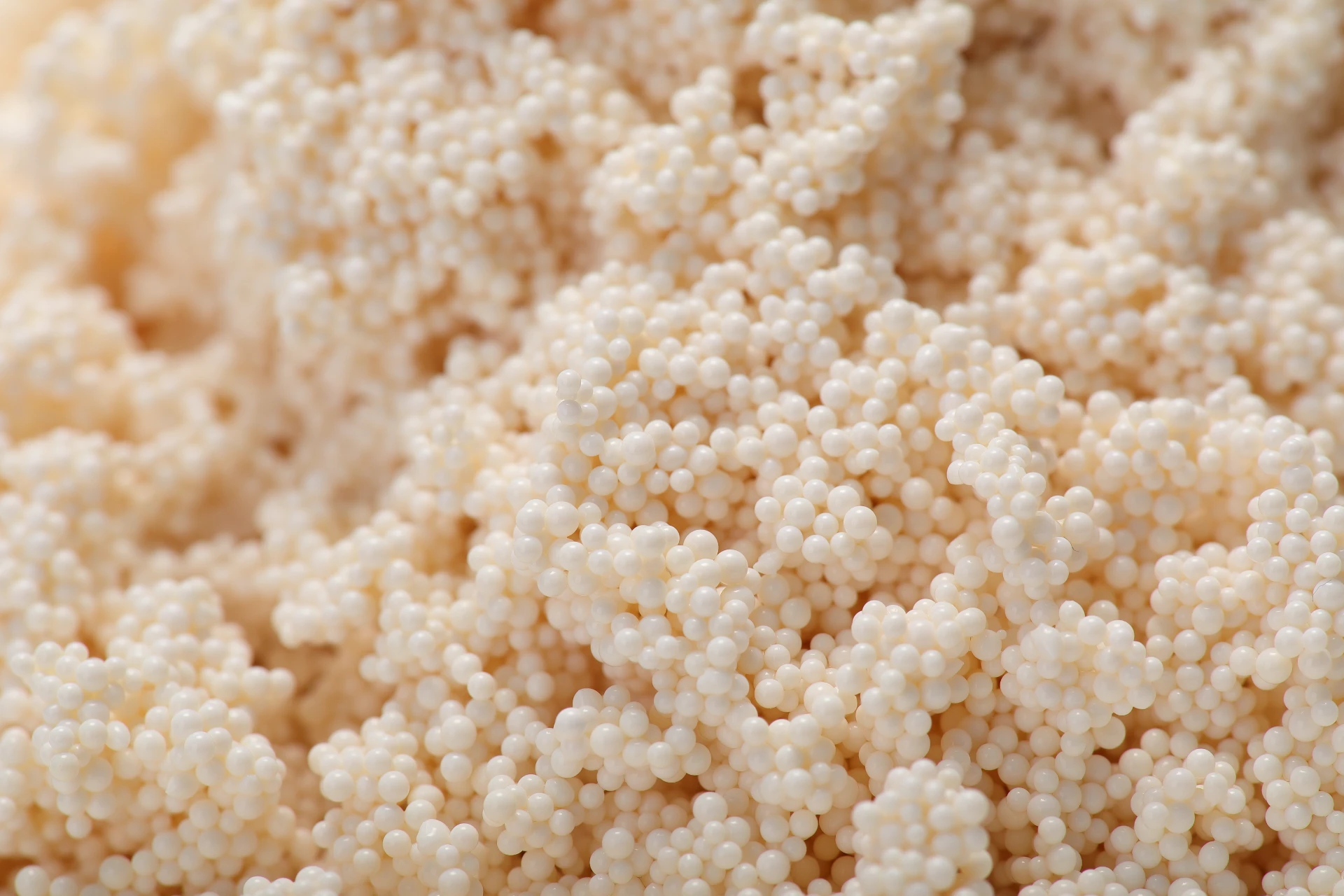
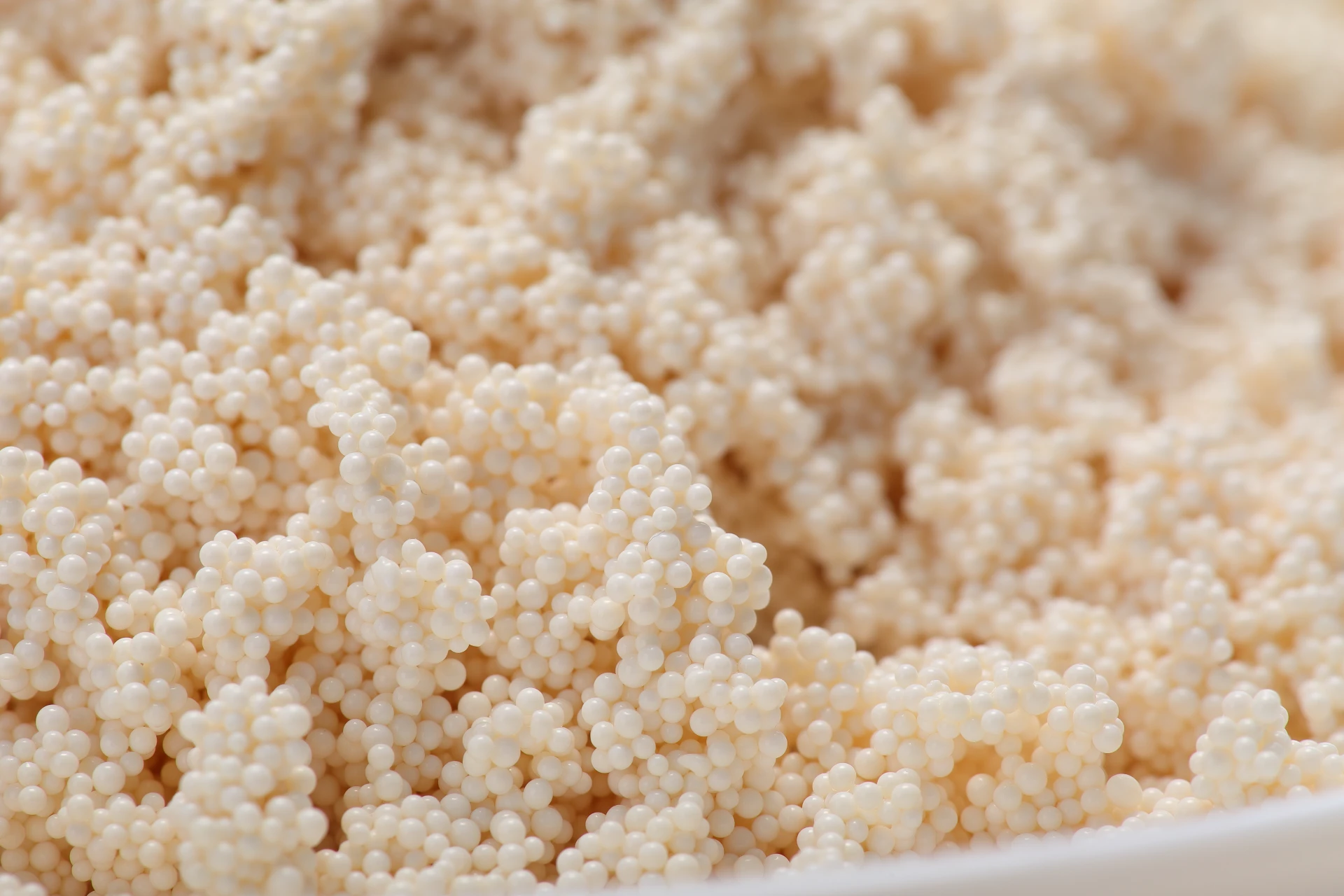
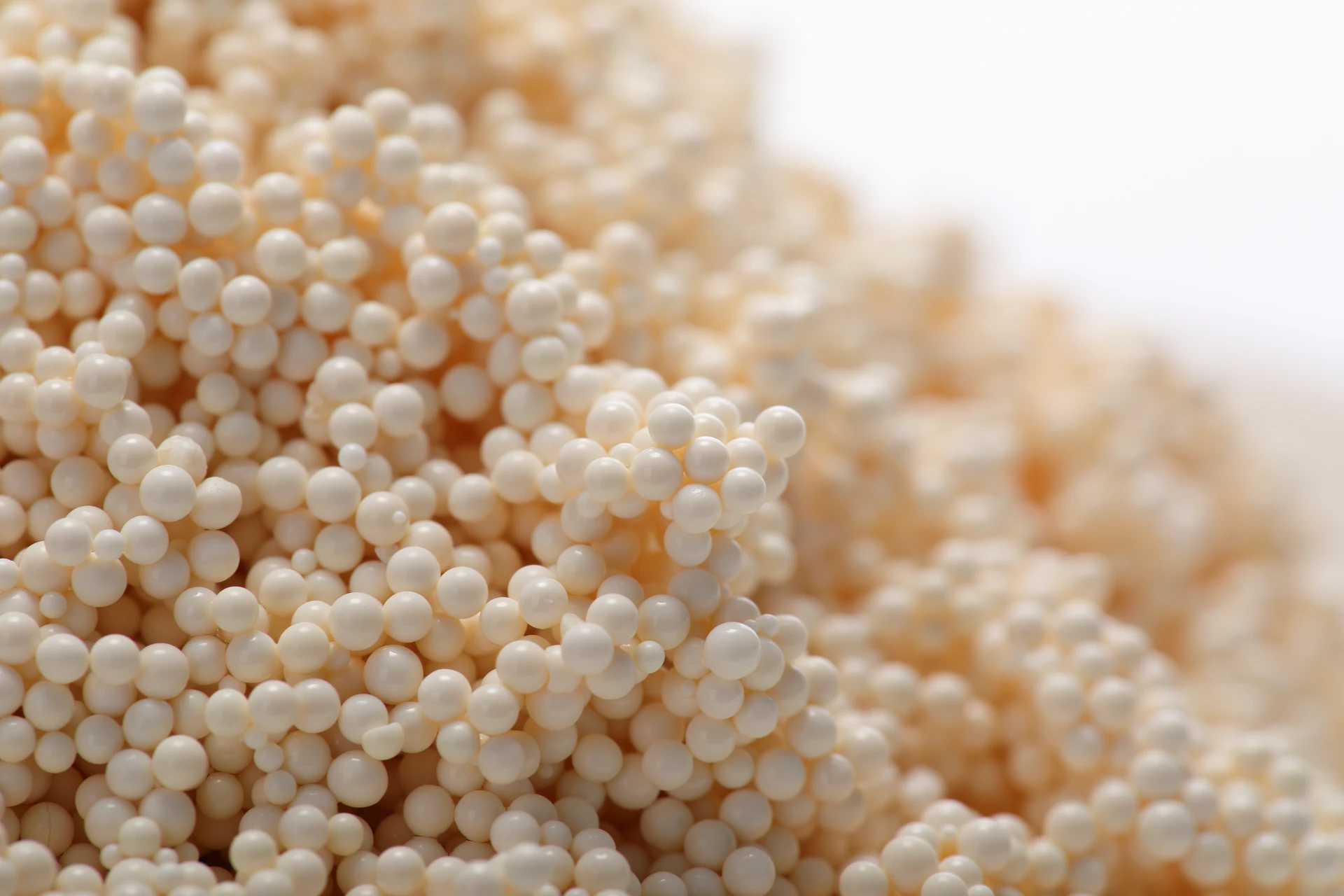
The D113 SC resin offered by Hebei Lijiang Biotechnology Co.,Ltd. is an acrylic-polyacrylic copolymer carrying –COOH functional groups, shipped in H⁺ ionic form. The table below summarises its published specification data.
| Parameter | D113 SC Value |
|---|---|
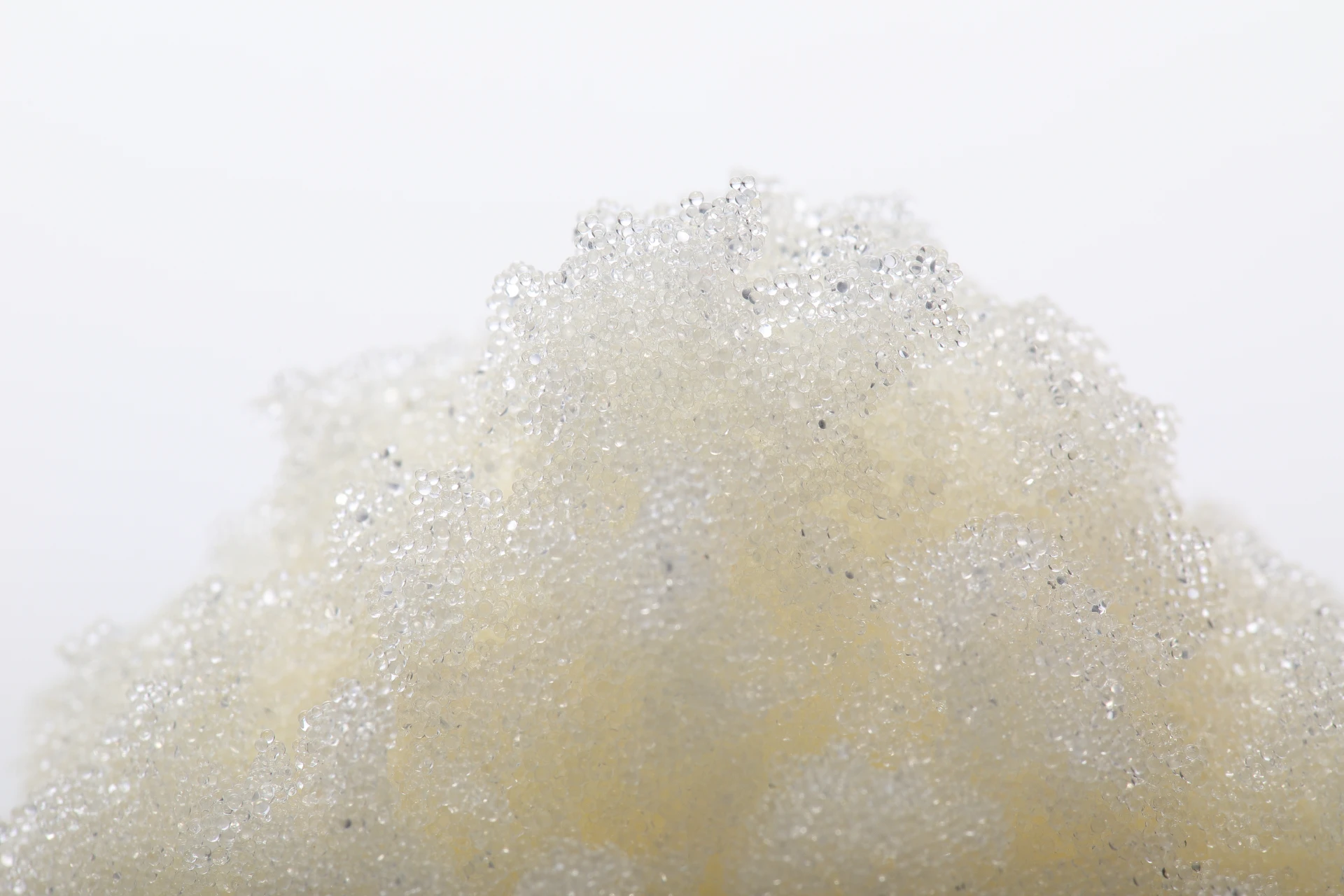
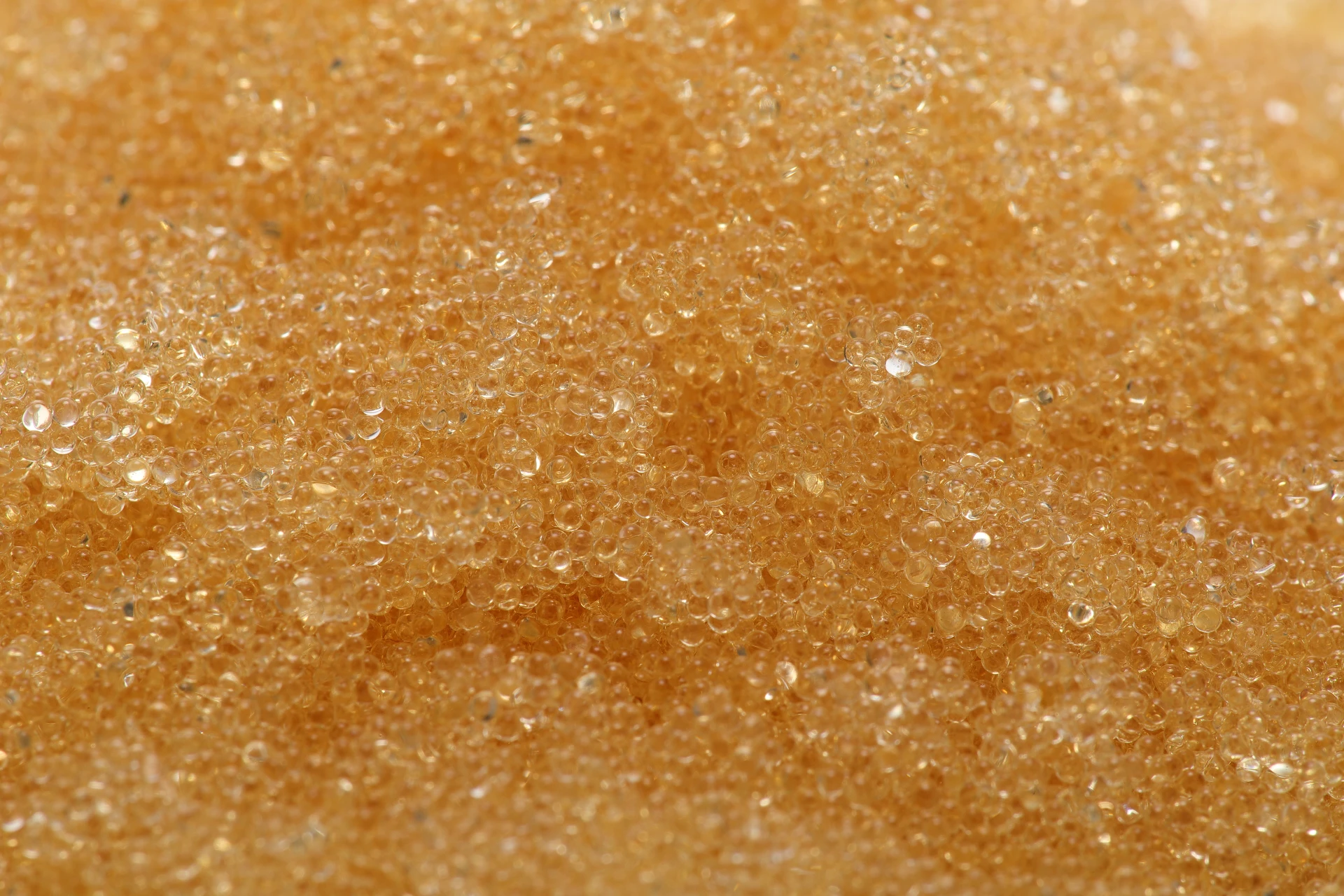
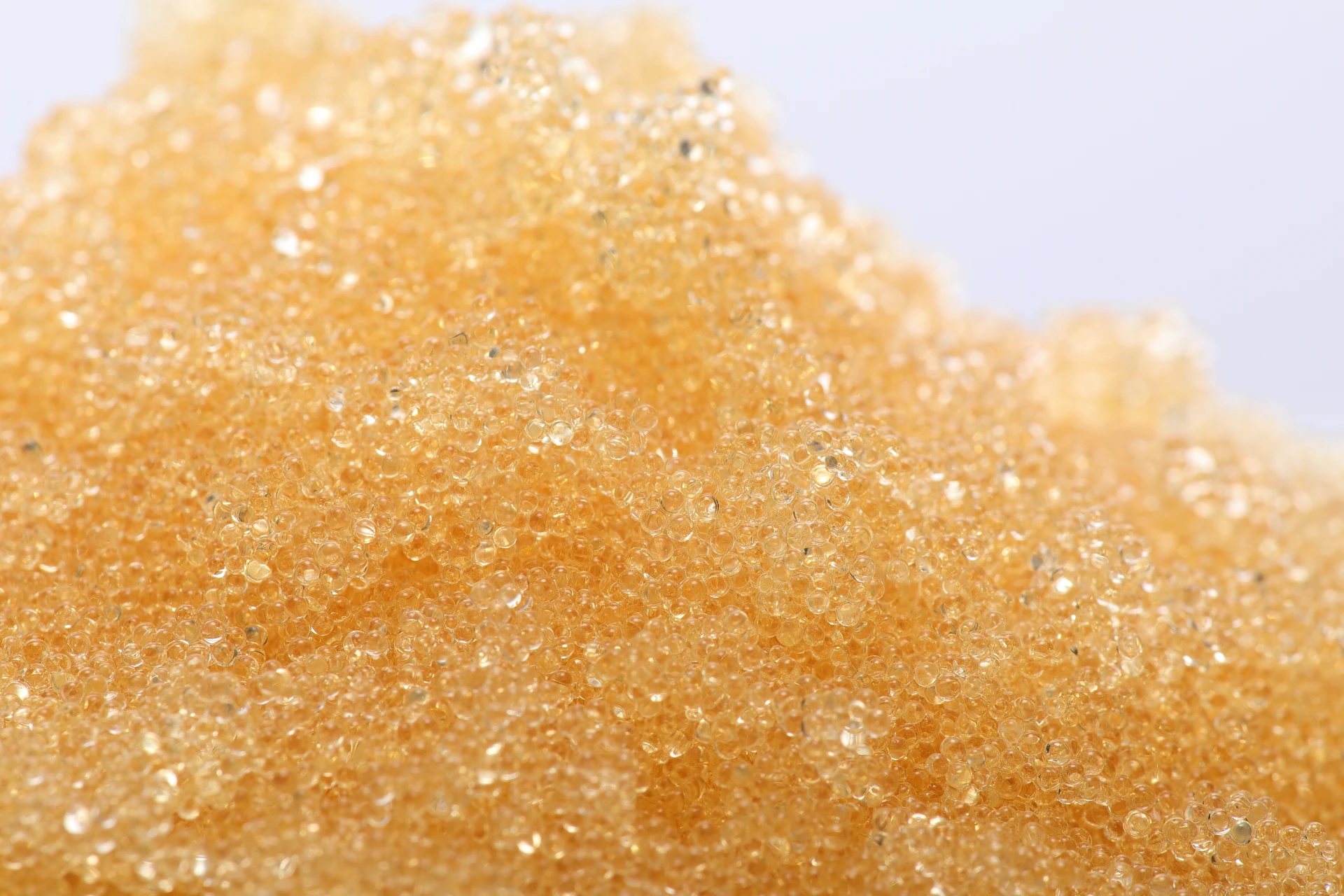
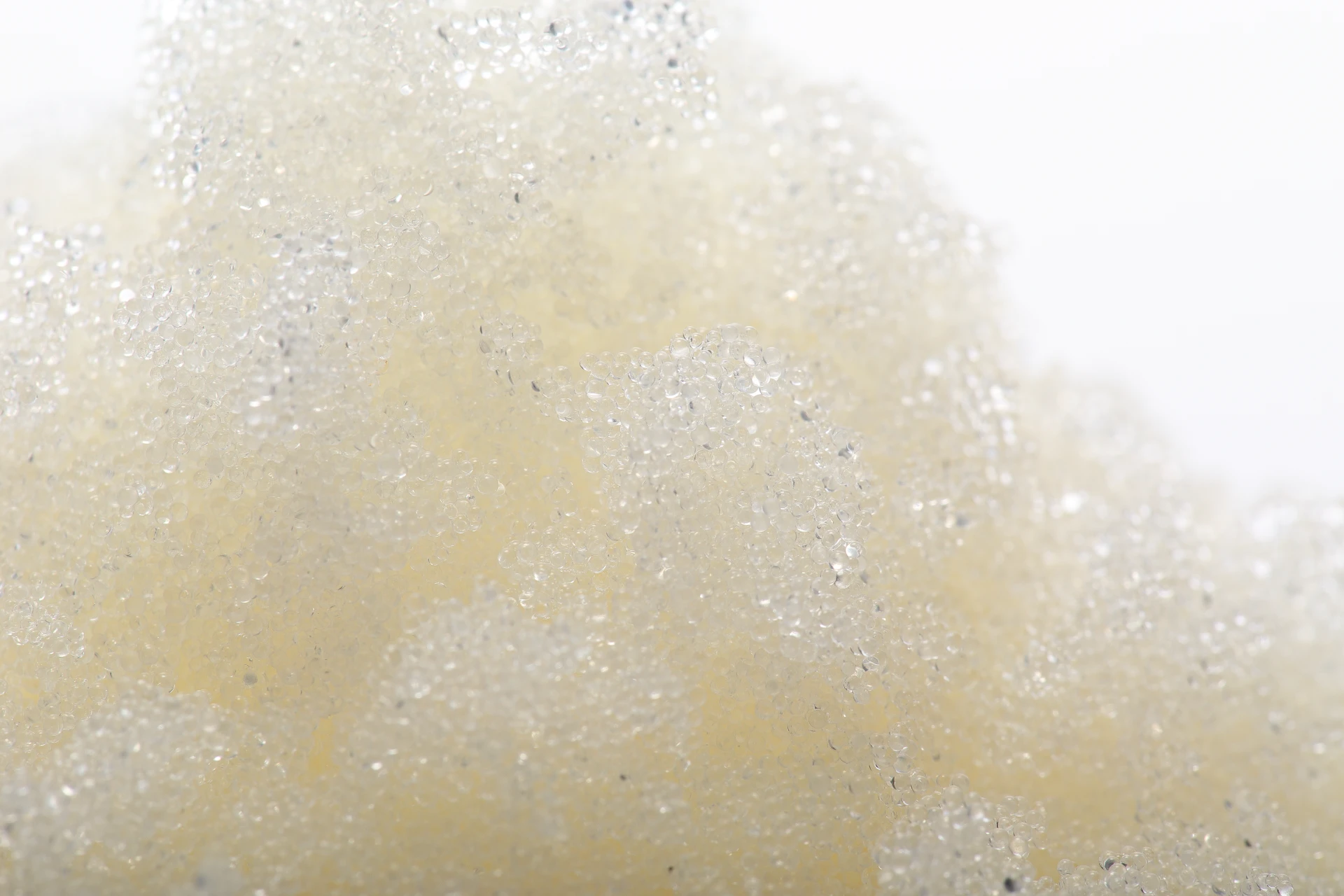
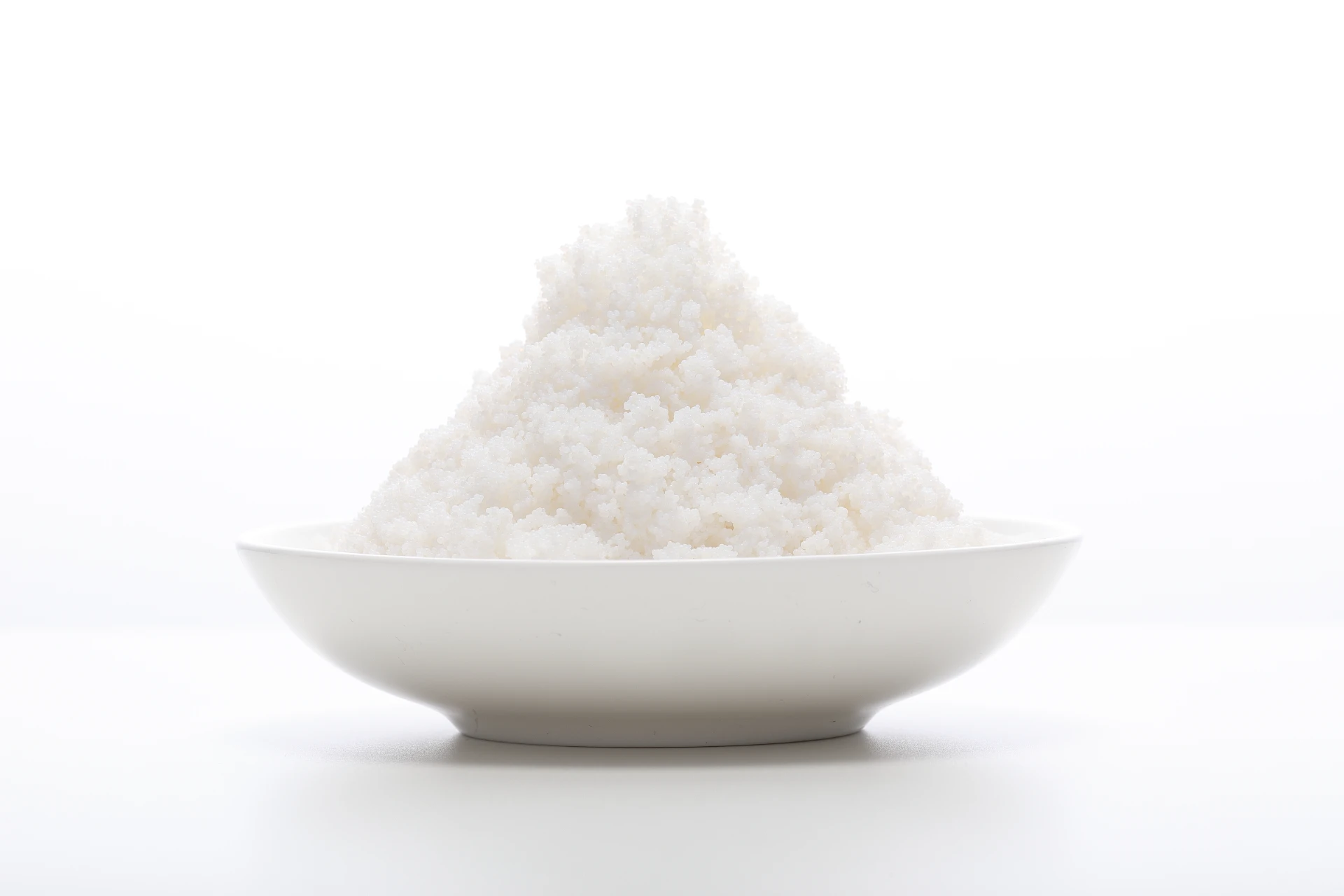
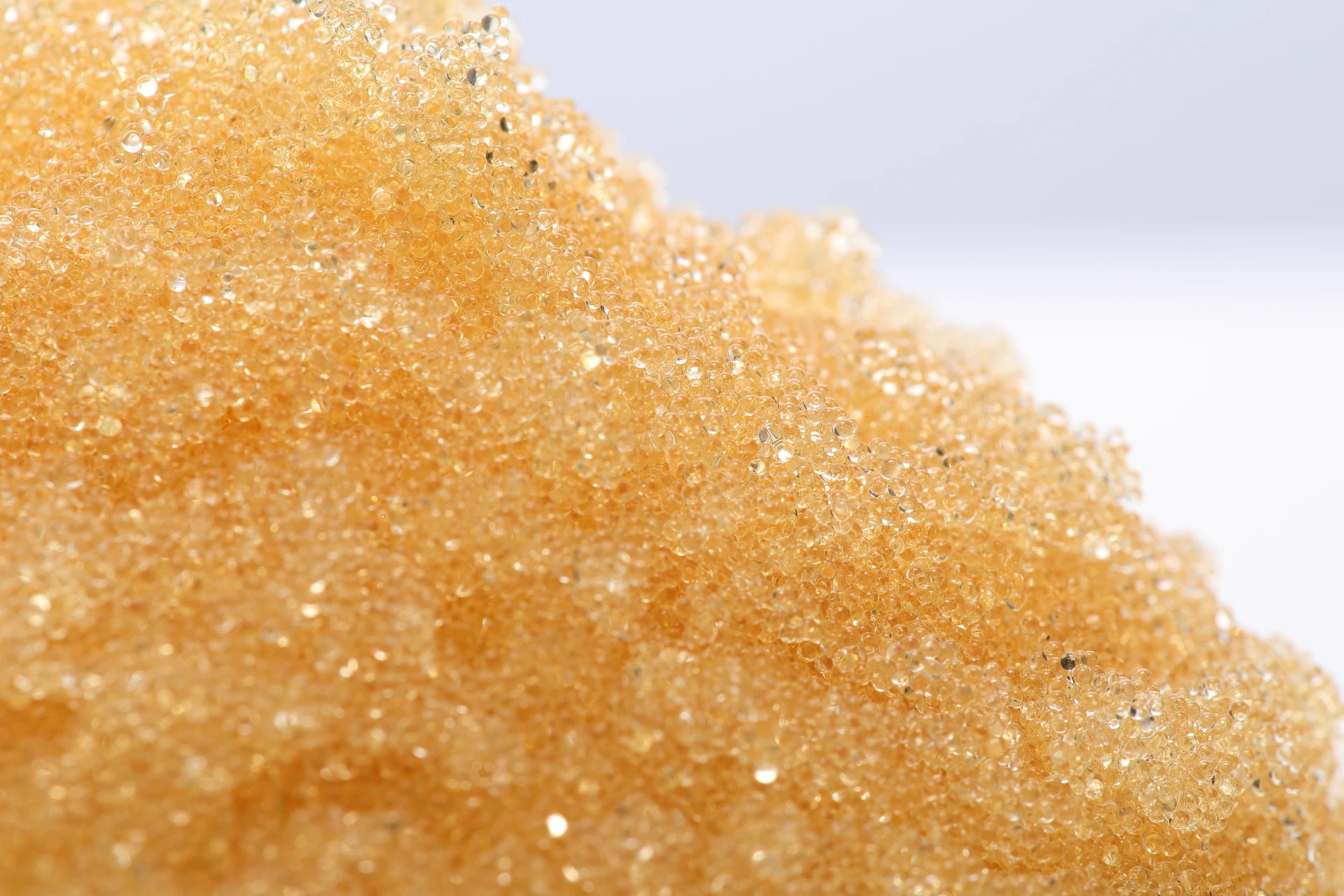
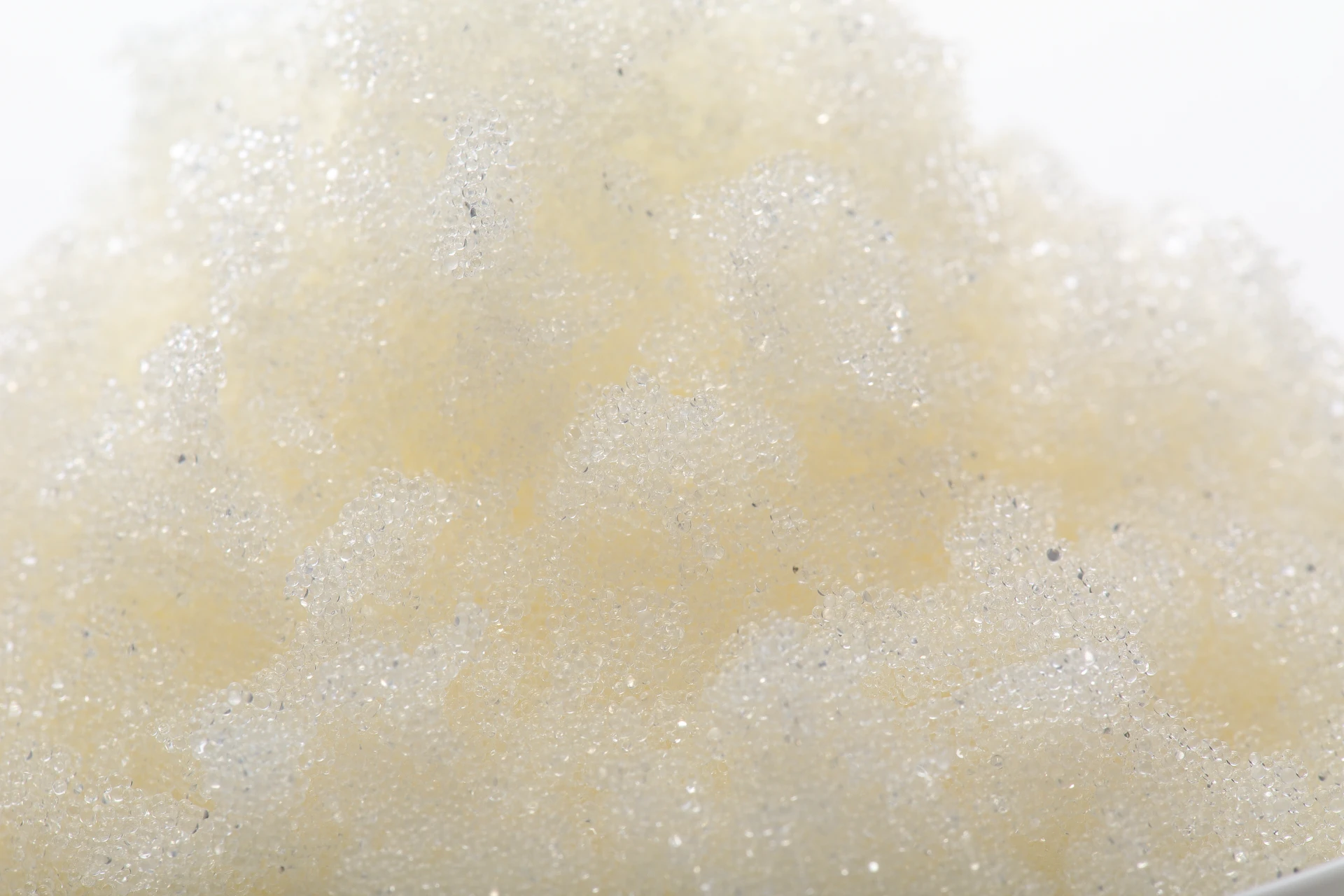
| Appearance | Opalescent to light yellow opaque spherical beads |
| Functional Group | –COOH |
| Ionic Form as shipped | H⁺ |
| Weight Exchange Capacity | ≥ 10.80 mmol/g |
| Volume Exchange Capacity | ≥ 4.40 mmol/ml |
| Real Density | 1.14 – 1.20 g/ml |
| Bulk Density | 0.72 – 0.80 g/ml |
| Water Retention Capacity | 45 % – 52 % |
| Particle Size Range | 0.315 – 0.63 mm ≥ 95 % |
| Uniformity Coefficient | ≤ 1.4 |
| Whole Bead Count | ≥ 95 % |
| Maximum Operating Temperature | 110 °C |
| Resin Filling Height | 1 – 3 m |
| Operating Velocity | 2 – 10 BV/h |
| Backwash Velocity | 4 – 10 BV/h |
| Regeneration Velocity | 1 – 2 BV/h |
| Regeneration Agent | 2 BV 3–5 % HCl; 2 BV 2–4 % NaOH |
The SC suffix signals a tighter, fine particle-size window (0.315–0.63 mm, uniformity coefficient ≤ 1.4) compared with the standard D113 and D113 FC forms, and the maximum operating temperature is confirmed at 110 °C—10 °C higher than the standard D113 and D113 FC variants.
The primary published use-cases for D113 SC are:
If your process demands total hardness removal at low-alkalinity feed water or requires operating well below pH 4, a strong acid cation resin such as D001 SC (sulfonic acid functional group, Na⁺ form) or 001X7MB would be more appropriate because those grades function across a wider pH range.
| Grade Available | Key Differentiator | Typical Deployment |
|---|---|---|
| D113 SC (industrial) | Fine particle range 0.315–0.63 mm, UC ≤ 1.4, max 110 °C | Industrial water treatment, biochemical separation, metal recycling |
| D113 (industrial, broader particle range) | Particle range 0.315–1.25 mm, UC ≤ 1.6, max 100 °C | General industrial softening and decarbonization |
| D113 FG (food-grade) | Color throw ≤ 25 APHA, broader particle range, max 100 °C | Food and beverage, pharmaceutical-adjacent water treatment |
| D113 FC (industrial, coarser particle range) | Particle range 0.45–1.25 mm, UC ≤ 1.6, max 100 °C | Industrial softening where coarser bed and lower column pressure drop are acceptable |
Food contact or pharmaceutical preparation streams should use D113 FG, which carries a colour-throw specification of ≤ 25 APHA to meet food-grade processing requirements. Industrial-only streams without colour-throw constraints can use D113, D113 SC, or D113 FC depending on particle-size needs.
D113 SC's particle size range of 0.315–0.63 mm with a uniformity coefficient ≤ 1.4 is meaningfully narrower than the standard D113 or D113 FC forms (both ≤ 1.6, 0.315–1.25 mm or 0.45–1.25 mm). A tighter distribution produces:
Buyers whose system designs call for fine-grade, tightly distributed bead sizes—for example, mixed-bed or high-velocity column applications—should favour D113 SC over the coarser FC variant.
D113 SC is confirmed to a maximum operating temperature of 110 °C, versus 100 °C for D113, D113 FG, and D113 FC. If your process steam or hot condensate polishing duty approaches 105–110 °C, D113 SC is the only D113-series variant confirmed for that envelope. Processes running at or below 100 °C can consider any of the four variants.
All D113-series resins confirmed in these materials share the same regeneration protocol: 2 BV of 3–5 % HCl followed by 2 BV of 2–4 % NaOH at 1–2 BV/h. Buyers must ensure their plant has acid and caustic handling capability. The published operating sequence is alkali → water → acid → water; where tight purity is required, three cycles before reaching final ionic form are recommended.
All D113-series variants must be maintained in a wet state, stored above 0 °C, and protected from freezing during transit. Long-term storage requires either a sealed container or ≥ 5 % brine to prevent dehydration. These constraints are uniform across D113 SC, D113, D113 FG, and D113 FC and should be factored into warehouse planning and inbound logistics.
D113 SC from Hebei Lijiang Biotechnology Co.,Ltd. is the appropriate selection when all of the following conditions are met:
If any of these conditions cannot be confirmed, the buyer should evaluate whether D113 (broader particle range), D113 FG (food-grade), D113 FC (coarser particles), or a strong acid cation resin better matches the process requirements.
Buyers sometimes need to decide between weak acid cation exchange resin and strong acid alternatives. The table below uses only confirmed specification data from materials available for this site.
| Feature | D113 SC (Weak Acid) | D001 SC (Strong Acid) | 001X7MB (Strong Acid, Gel) |
|---|---|---|---|
| Functional Group | –COOH | Sulfuric Acid (–SO₃H) | –SO₃H |
| Ionic Form as Shipped | H⁺ | Na⁺ | Na⁺ |
| Volume Exchange Capacity | ≥ 4.40 mmol/ml | ≥ 1.8 mmol/ml | ≥ 1.9 mmol/ml |
| Particle Range | 0.315–0.63 mm | 0.63–1.25 mm | 0.5–1.25 mm |
| Max Operating Temp | 110 °C | 120 °C | 120 °C |
| Polymer | Acrylic (macroporous) | Styrene-DVB (macroporous) | Styrene-DVB (gel) |
| Primary Application | Softening, decarbonisation, metal recycling, biochemical separation | High-speed mixed-bed water treatment, precious metal recovery, organic catalysis | Water softening, pure-water preparation, hydrometallurgy, rare element separation |
The –COOH group on D113 SC gives it a substantially higher weight and volume exchange capacity relative to sulfonic-acid resins, but this advantage applies specifically to bicarbonate-associated hardness under conditions where weak acid resins are effective. Strong acid resins operate at lower pH and are required when complete hardness removal is needed regardless of alkalinity.
Before finalising a purchase of weak acid cation exchange resin, buyers should verify:
For enquiries about D113 SC and the full D113-series range, contact Hebei Lijiang Biotechnology Co.,Ltd. directly with your process parameters for confirmation of suitability.
THE PEOPLE

About the author
THE COMPANY
Hebei Lijiang Biotechnology Co., Ltd. is a modern high-tech enterprise specializing in the research, development, production, sales, and service of high-performance special ion exchange resins. We are committed to producing high-quality industrial-grade, food-grade, pharmaceutical-grade, and nuclear-grade resins. To provide point-to-point solutions for our global customers, we have developed a comprehensive and specialized product line.…
About Us ↗Visit company website ↗YOUR NEXT STEP
Use case, specification, quantity and delivery window: make the next conversation specific.