Phone:
+86 0319 2296164


Email:
info@lijiresin.cn

THE BUYER'S GUIDE / SELECTION
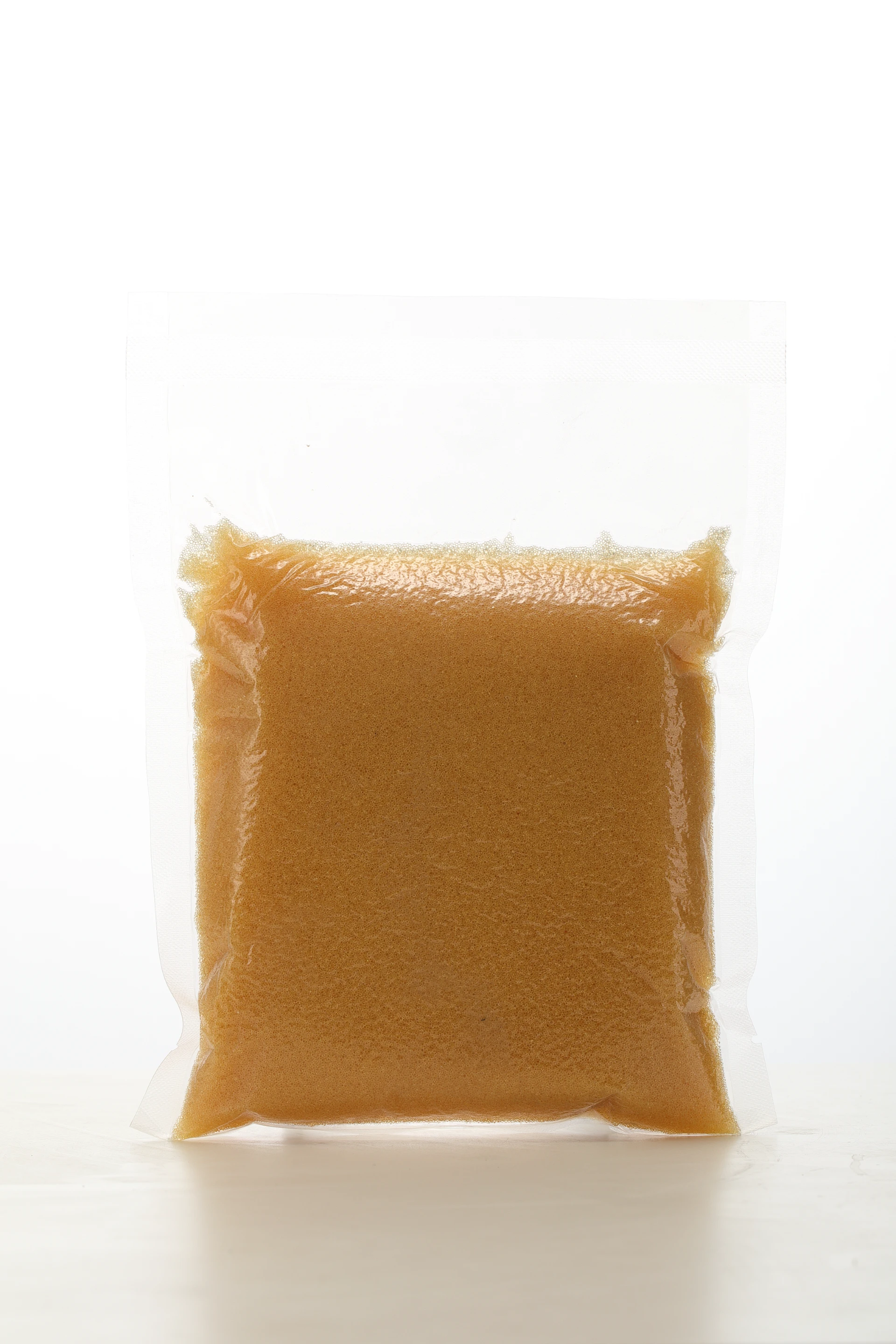
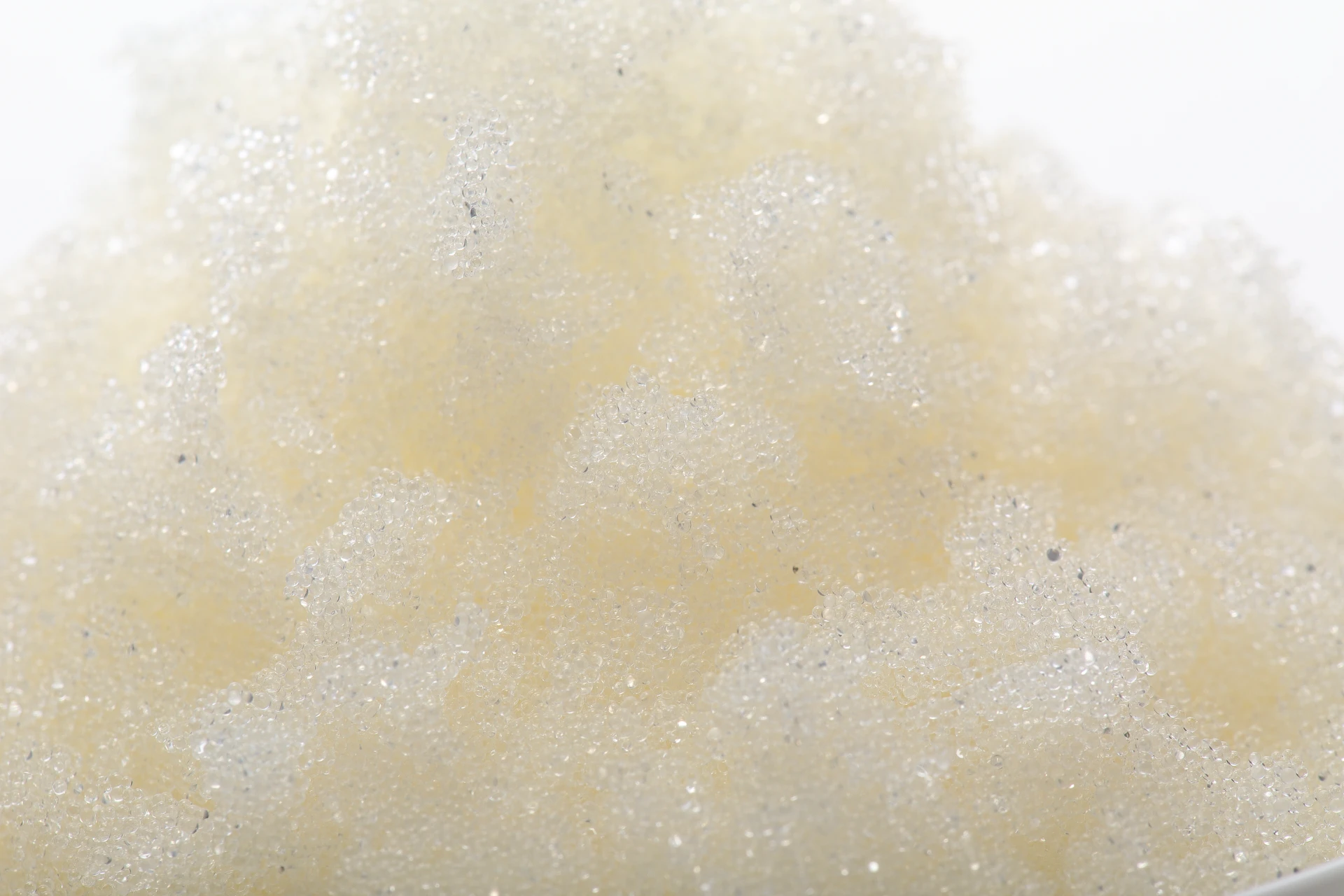
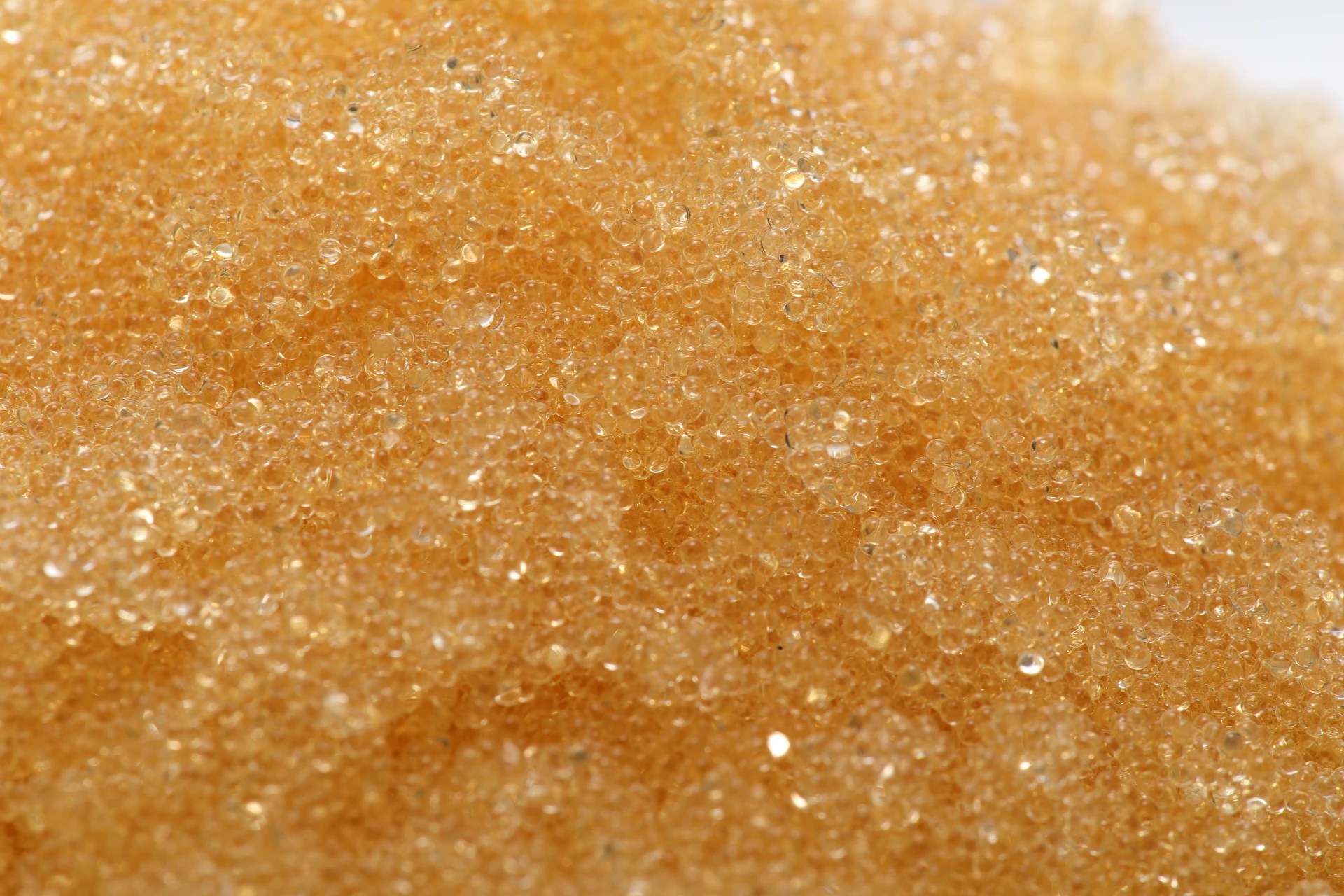
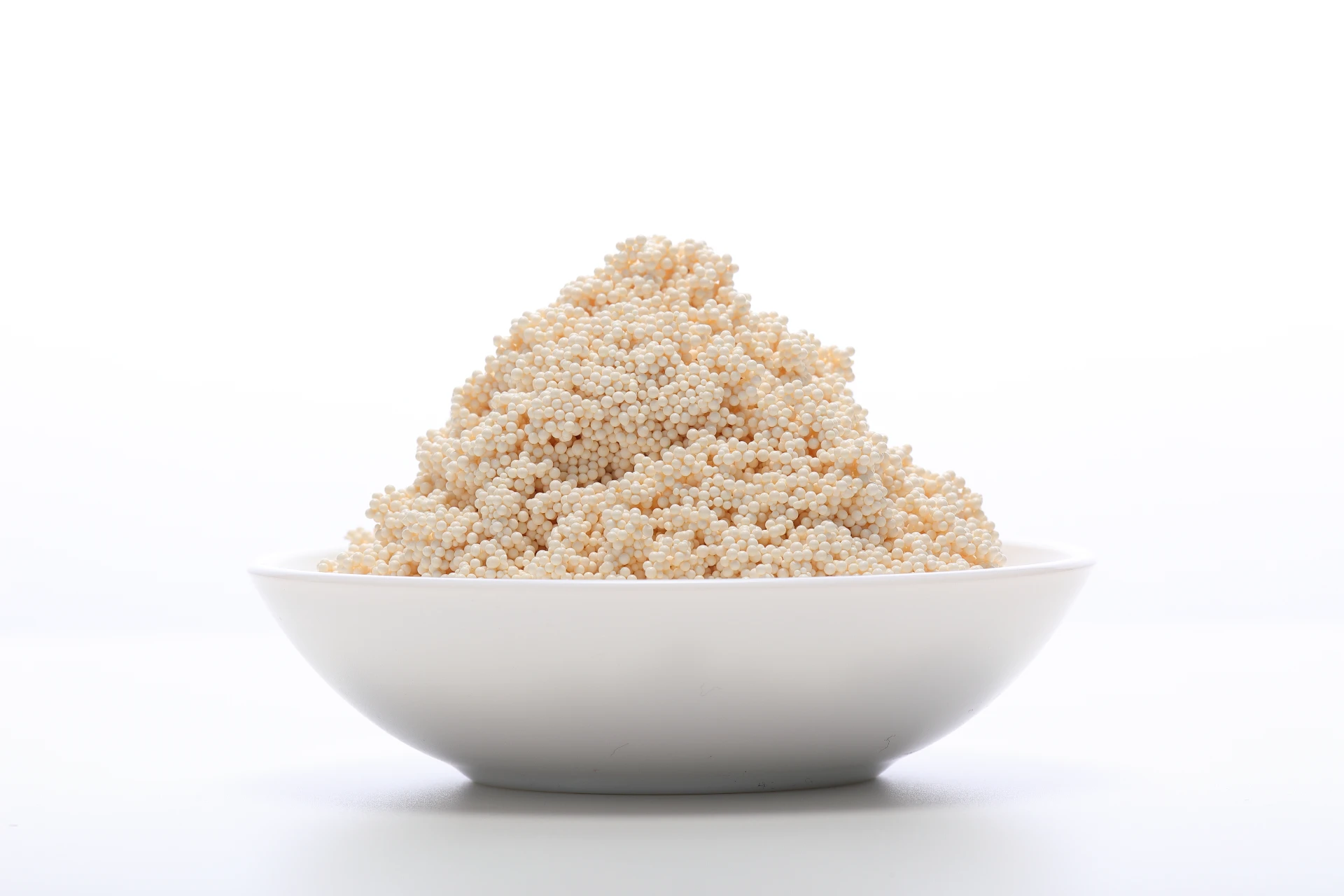
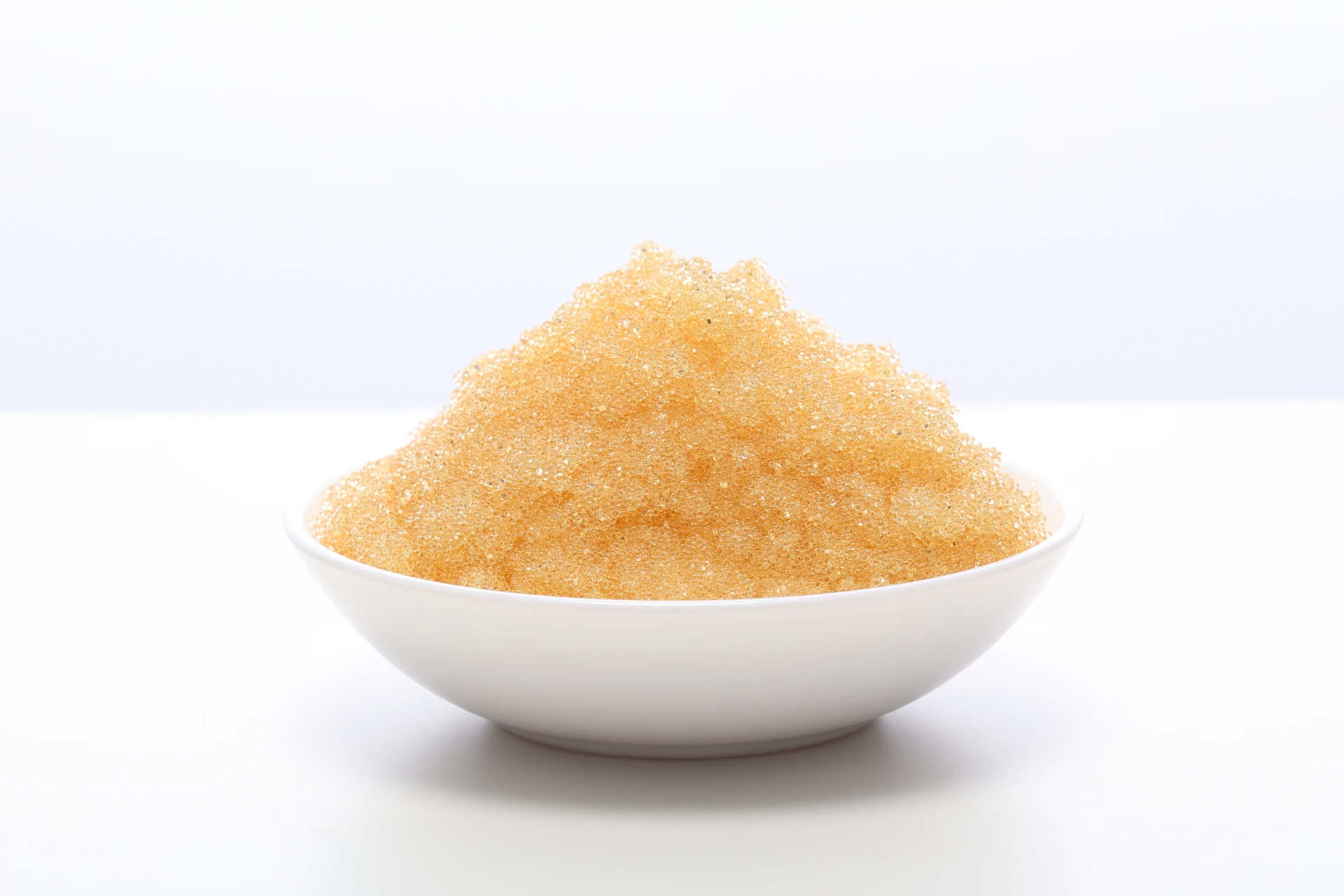
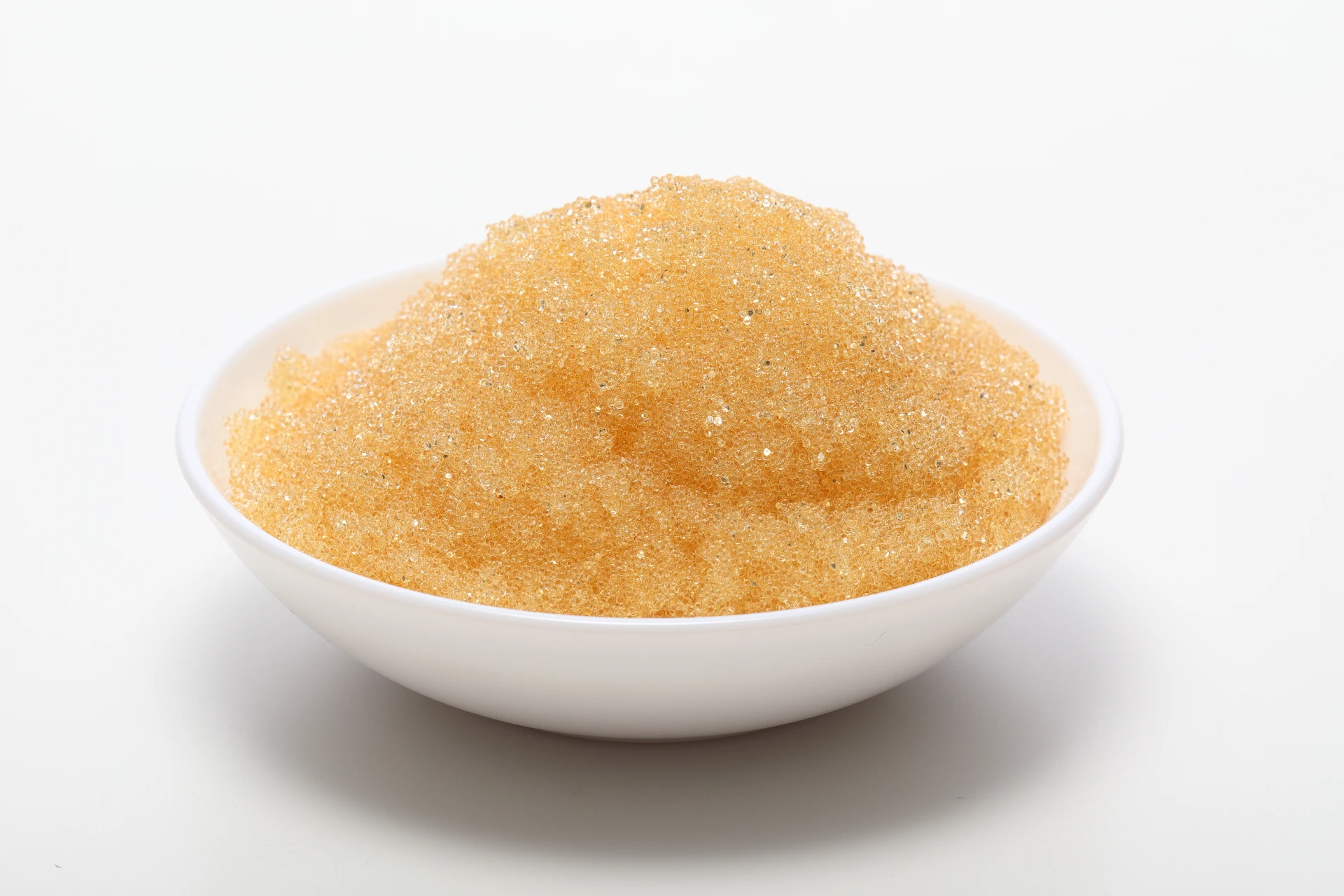
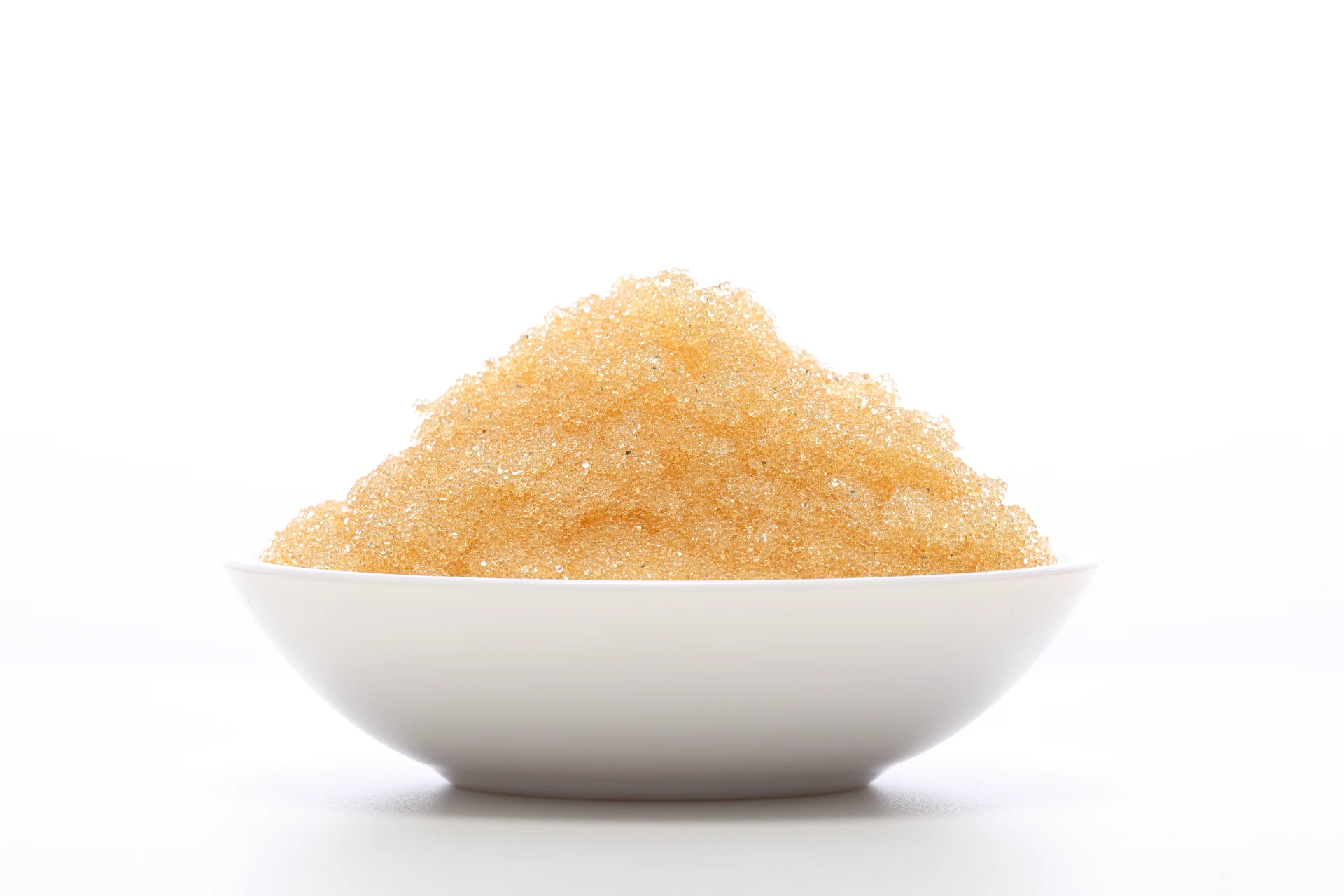
Procurement teams evaluating cation exchange resin price should focus on verified technical criteria — grade, ionic form, crosslinkage, exchange capacity, and operating limits — before requesting a quotation. This guide uses confirmed product specifications from Hebei Lijiang Biotechnology Co.,Ltd. to explain how grade (food-grade vs. industrial-grade), ionic form (Na⁺ vs. H⁺), and DVB crosslinkage affect application fit for water softening, pure-water preparation, wet metallurgy, and food processing, with 001×8 FG as the primary reference product.
Grade (food-grade FG vs. industrial-grade): FG products specify a colour throw limit (≤ 25 APHA) required for food and beverage water treatment; industrial grades omit this control. Select FG when food contact is a process or regulatory requirement.
Ionic form (Na⁺ vs. H⁺): Na⁺-form resins are standard for water softening without free-acid release; H⁺-form resins suit desalination, acid-cycle operation, and bioprocessing extraction (amino acids, antibiotics). Published weight exchange capacity is ≥ 4.5 mmol/g for Na⁺ forms and ≥ 5.0 mmol/g for H⁺ forms across the 001×7 and 001×8 series.
DVB crosslinkage level (×7, ×7.5, ×8): Higher crosslinkage (×8) improves mechanical and chemical stability for industrial water treatment; lower crosslinkage (×7) raises water retention capacity and suits applications such as amino-acid or antibiotic extraction. The maximum operating temperature of 001×8 FG (100 °C) is lower than that of the industrial 001×8 Na⁺ (120 °C); this limit must be verified against process conditions.
Operating temperature ceiling: Confirmed maximums are 100 °C (001×8 FG), 110 °C (001×8 H⁺ and 001×7 H⁺), and 120 °C (001×8 Na⁺ industrial, 001×7 FG, 001×7.5). Exceeding the published limit risks resin degradation.
Particle size and uniformity: All confirmed products specify 0.315–1.25 mm (≥ 95 %) and uniformity coefficient ≤ 1.6. These parameters affect column pressure drop and flow distribution and should match the column design velocity range (2–10 BV/h operating, 4–10 BV/h backwash).
When buyers search for cation exchange resin price, the quoted figure rarely tells the full story. Two resins with identical-sounding names can differ substantially in grade, ionic form, crosslinkage, and operating temperature ceiling — all of which affect process fit, regeneration cost, and service life. Establishing clear selection criteria before requesting a price ensures that cost comparisons are made on an equivalent basis.
This guide focuses on the strong acid cation exchange resin 001×8 FG from Hebei Lijiang Biotechnology Co.,Ltd. and places it alongside closely related grades to illustrate the decision points that matter most to procurement and engineering teams.
The "FG" suffix denotes a food-grade product manufactured to more stringent purity and colour-release controls. 001×8 FG carries a colour throw specification of ≤ 25 APHA, which the standard industrial 001×8 does not publish. Similarly, 001×7 FG specifies the same ≤ 25 APHA limit, while the industrial 001×7 (H⁺ form) omits it.
For buyers running food or beverage water treatment, the FG grade is the appropriate starting point. For general industrial water softening or demineralisation plants where no food-contact requirement exists, the industrial grades (001×8, 001×7, 001×7.5) are suitable and are not held to the same colour-release standard.
| Product | Ionic Form | Primary Fit |
|---|---|---|
| 001×8 FG | Na⁺ | Food-grade softening, pure water |
| 001×8 (Na⁺) | Na⁺ | Industrial softening, DM plants |
| 001×8 (H⁺) | H⁺ | Softening, desalination, amino-acid / antibiotic extraction |
| 001×7 FG | Na⁺ | Food-grade softening |
| 001×7.5 | Na⁺ | Water treatment, mixed-bed polishing |
| 001×7 (H⁺) | H⁺ | Softening, desalination, MSG / amino-acid / antibiotic extraction |
Na⁺-form resins exchange hardness cations (Ca²⁺, Mg²⁺) without introducing free acid into the treated stream, making them standard for softener vessels. H⁺-form resins release hydrogen ions during exchange and are preferred where downstream neutralisation is managed or where the process requires acid-cycle operation, such as certain hydrometallurgy or bioprocessing applications.
The number following "×" indicates the nominal divinylbenzene (DVB) crosslinkage level. Higher crosslinkage generally improves mechanical strength and chemical stability but reduces swelling tolerance. The 001×8 series (8 % DVB) is widely used in industrial water treatment where robust physical stability is required. The 001×7 series (7 % DVB) provides slightly higher water retention capacity and is traditionally favoured for applications such as amino-acid and antibiotic extraction that benefit from greater resin flexibility.
Key published data points:
Note: The 100 °C temperature ceiling published for 001×8 FG is lower than the 120 °C limit of the industrial 001×8 (Na⁺). Buyers whose food-grade process involves elevated temperatures should confirm operating limits with Hebei Lijiang Biotechnology Co.,Ltd. before finalising a specification.
All six products share a styrene-DVB gel-type matrix with –SO₃H functional groups. Exchange capacity values differ between Na⁺ and H⁺ ionic forms:
Higher weight capacity in H⁺-form resins is consistent with their lower real density (lighter, more hydrated bead), so volume exchange capacity should be evaluated alongside weight capacity when sizing a column.
All confirmed products specify a particle size range of 0.315–1.25 mm (≥ 95 %) and a uniformity coefficient of ≤ 1.6. Uniform bead size distribution reduces channelling in packed columns and supports stable pressure-drop performance across operating velocities of 2–10 BV/h. Whole bead count of ≥ 95 % is published for all six grades.
| Application | Recommended Grade(s) |
|---|---|
| Food / beverage water softening | 001×8 FG, 001×7 FG |
| Industrial water softening | 001×8 (Na⁺), 001×7.5, 001×7 (H⁺) |
| Pure-water / DM plant preparation | 001×8 FG, 001×8 (Na⁺), 001×7.5 |
| Wet metallurgy / rare element separation | All six grades are listed |
| Amino acid / antibiotic extraction | 001×8 (H⁺), 001×7 (H⁺) |
| Mixed-bed polishing | 001×7.5 |
001×8 FG is the primary product for this selection guide. Confirmed published specifications:
| Parameter | Value |
|---|---|
| Polymer | Styrene-DVB-Copolymer, gel-type |
| Functional Group | –SO₃H |
| Ionic Form | Na⁺ |
| Weight Exchange Capacity | ≥ 4.5 mmol/g |
| Volume Exchange Capacity | ≥ 2.0 mmol/ml |
| Real Density | 1.26–1.30 g/ml |
| Bulk Density | 0.78–0.88 g/ml |
| Water Retention Capacity | 43–48 % |
| Particle Size Range | 0.315–1.25 mm (≥ 95 %) |
| Uniformity Coefficient | ≤ 1.6 |
| Whole Bead Count | ≥ 95 % |
| Colour Throw | ≤ 25 APHA |
| Max. Operating Temperature | 100 °C |
| Resin Filling Height | 1–3 m |
| Operating Velocity | 2–10 BV/h |
| Backwash Velocity | 4–10 BV/h |
| Regeneration Velocity | 1–2 BV/h |
| Regeneration Agent | 2 BV 3–5 % HCl; 2 BV 2–4 % NaOH |
Listed cross-references: Amberlite IRA-120, Dowex 50, KY2-8, Diaion SK-1A.
No list prices are published in the confirmed product materials; Hebei Lijiang Biotechnology Co.,Ltd. requires direct inquiry for current pricing. Based on the technical criteria above, the factors that most commonly affect cost-per-unit comparisons are:
Price, delivery, and minimum order quantity are not published in the confirmed product materials. Contact Hebei Lijiang Biotechnology Co.,Ltd. directly to obtain a current quotation.
Before requesting a cation exchange resin price quotation, confirm the following with your process engineering team:
Providing clear answers to these questions allows a supplier to recommend the correct grade and ionic form, making price comparisons meaningful.
Hebei Lijiang Biotechnology Co.,Ltd. is a modern high-tech enterprise specialising in the research, development, production, sales, and service of high-performance special ion exchange resins. Its product range covers industrial-grade, food-grade, pharmaceutical-grade, and nuclear-grade resins, including the strong acid cation exchange resin family documented in this guide.
THE PEOPLE

About the author
THE COMPANY
Hebei Lijiang Biotechnology Co., Ltd. is a modern high-tech enterprise specializing in the research, development, production, sales, and service of high-performance special ion exchange resins. We are committed to producing high-quality industrial-grade, food-grade, pharmaceutical-grade, and nuclear-grade resins. To provide point-to-point solutions for our global customers, we have developed a comprehensive and specialized product line.…
About Us ↗Visit company website ↗YOUR NEXT STEP
Use case, specification, quantity and delivery window: make the next conversation specific.