Phone:
+86 0319 2296164


Email:
info@lijiresin.cn

QUESTIONS & ANSWERS
This FAQ answers buyer questions about Strong Base Anion Exchange Resin 201x7, including its structure, specifications, applications, operating conditions, ordering checks, and storage precautions.
This FAQ summarizes the authorized product information for Strong Base Anion Exchange Resin 201x7. Application suitability and operating settings should be reviewed against the specific process and system design.
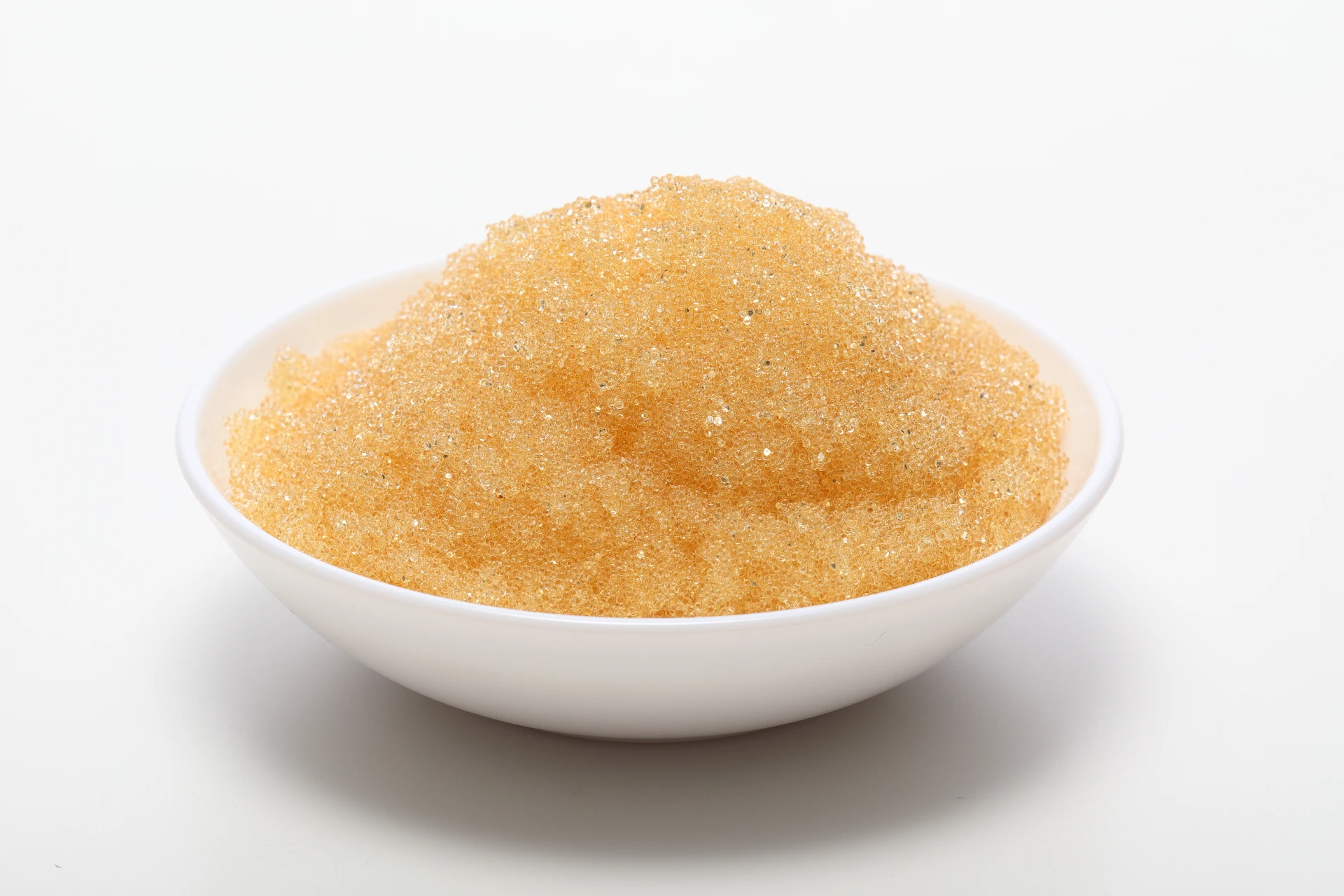
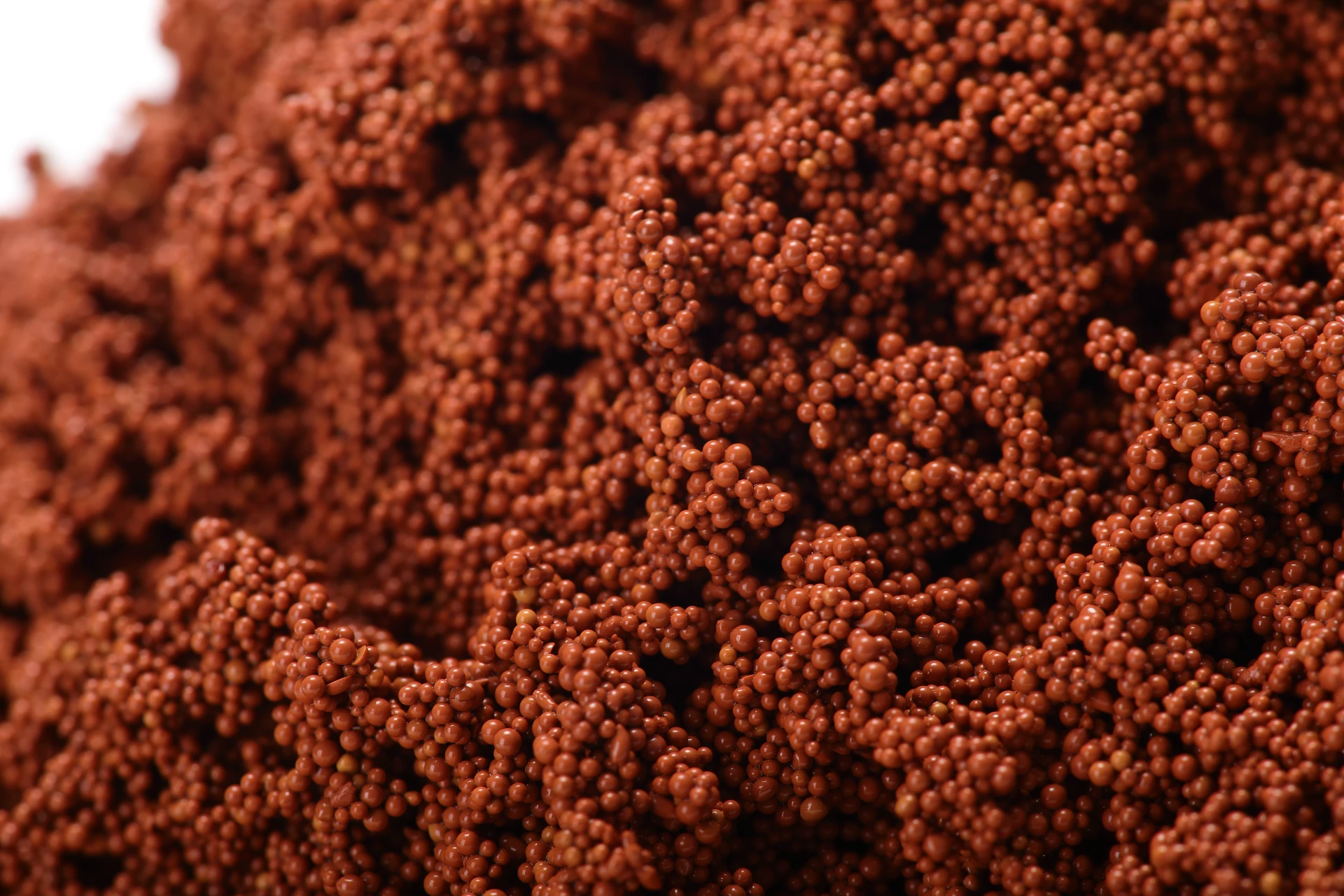
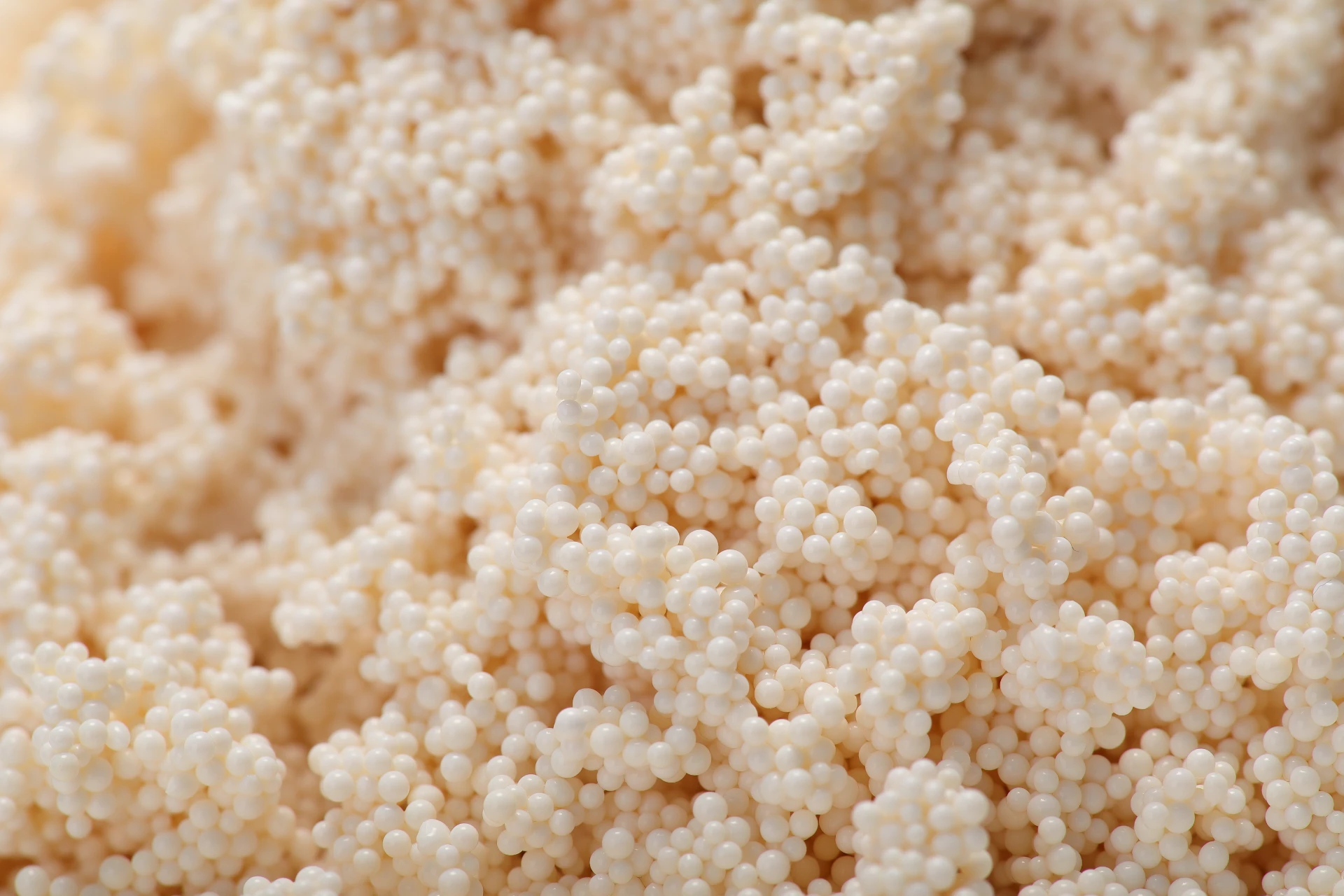
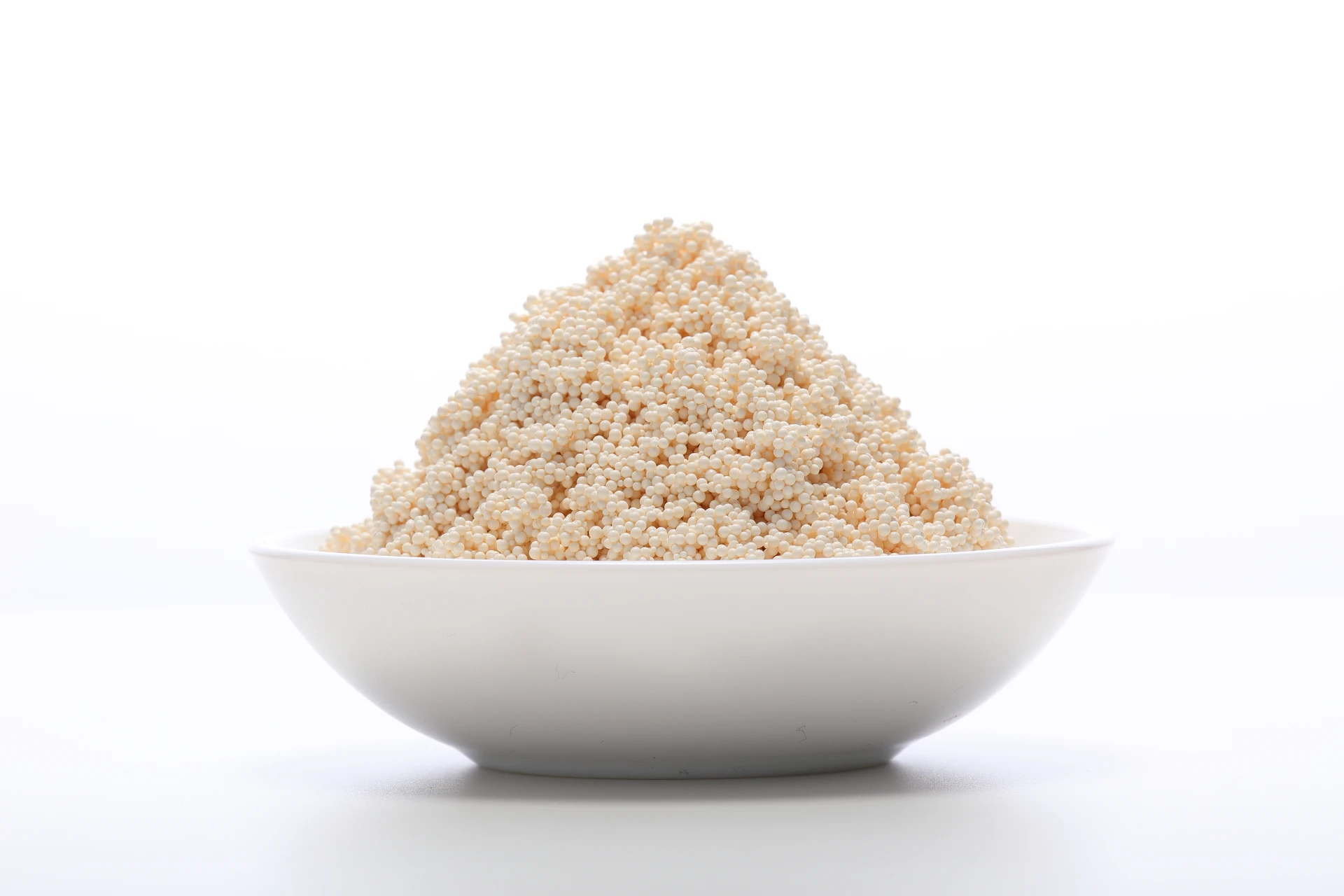
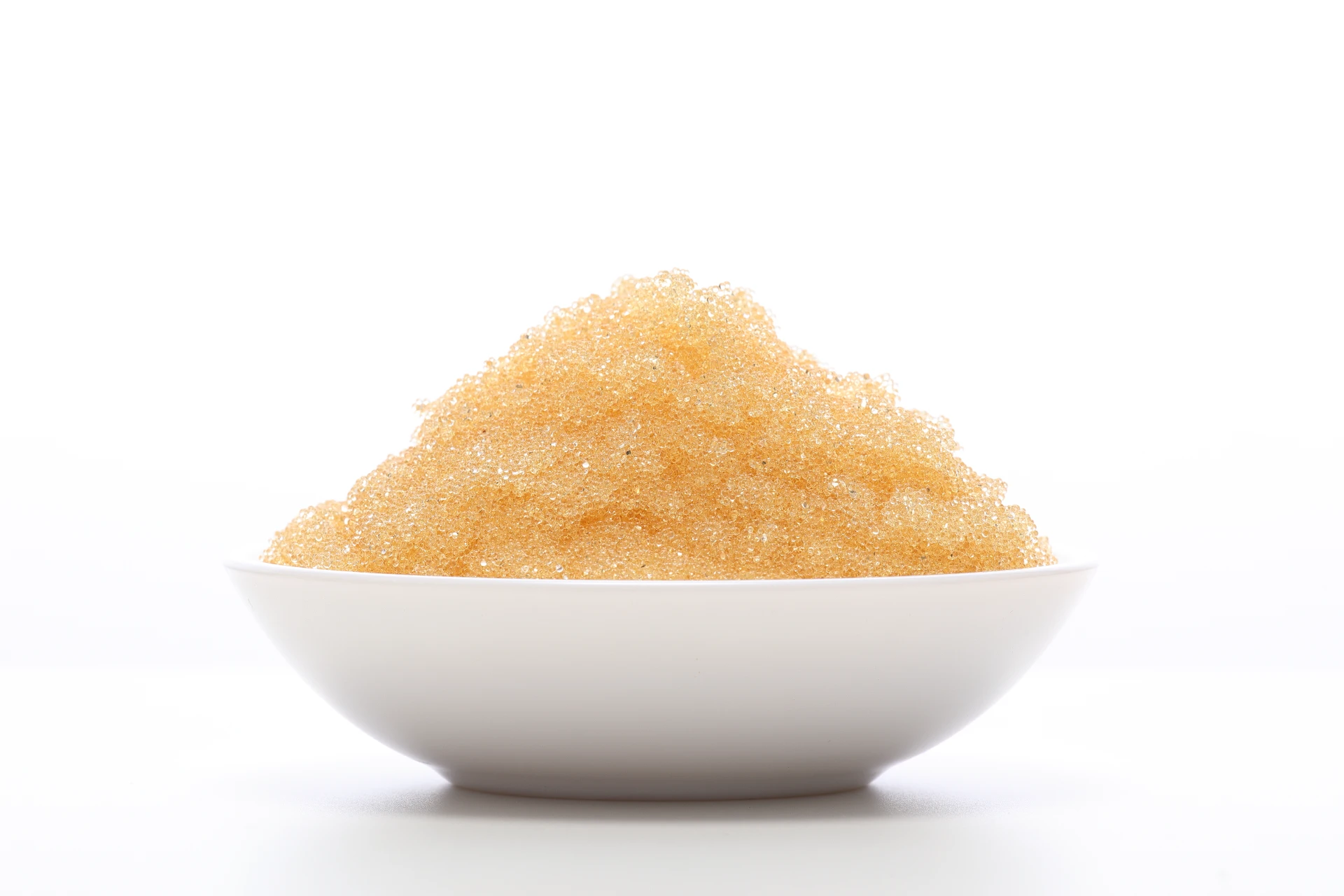
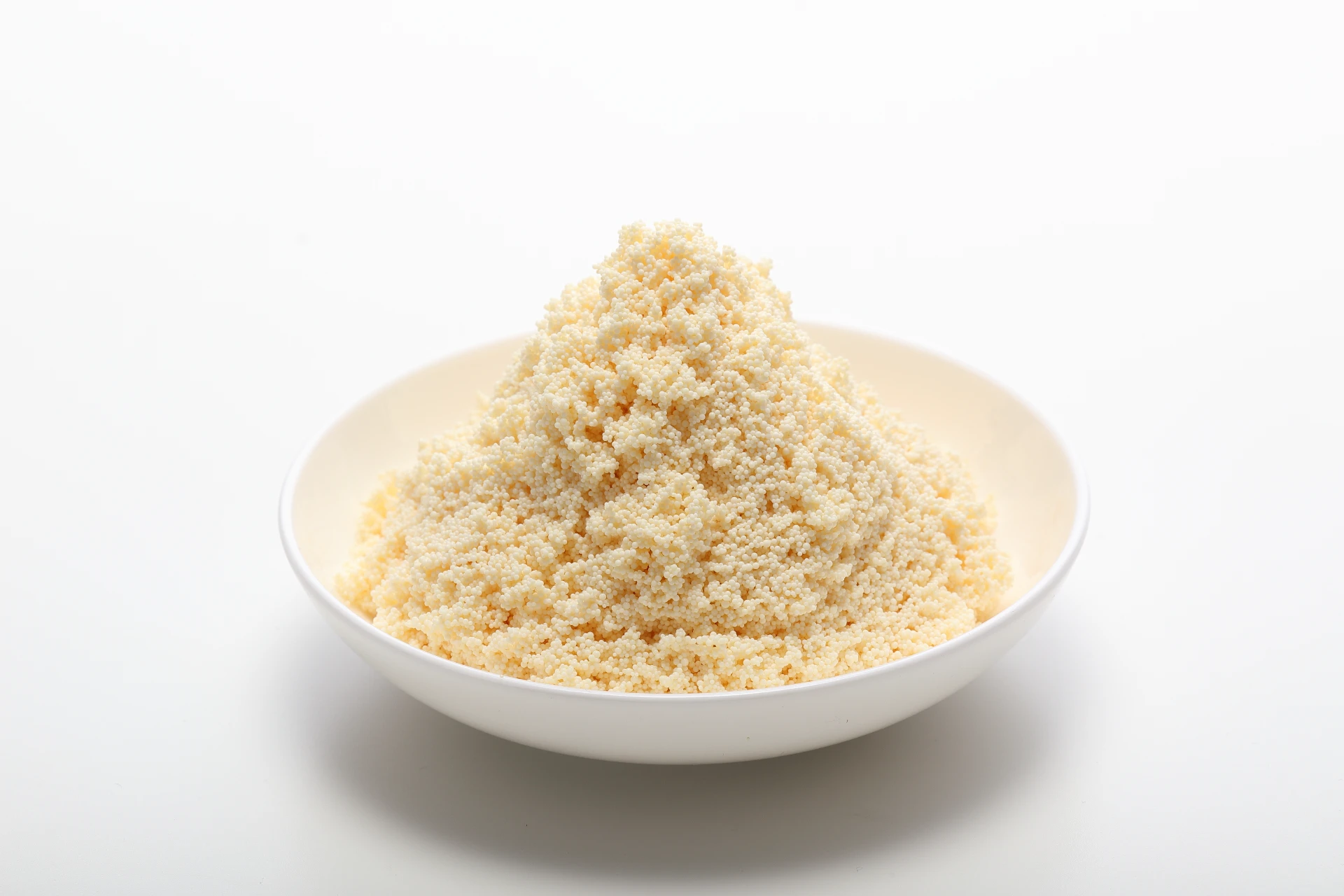
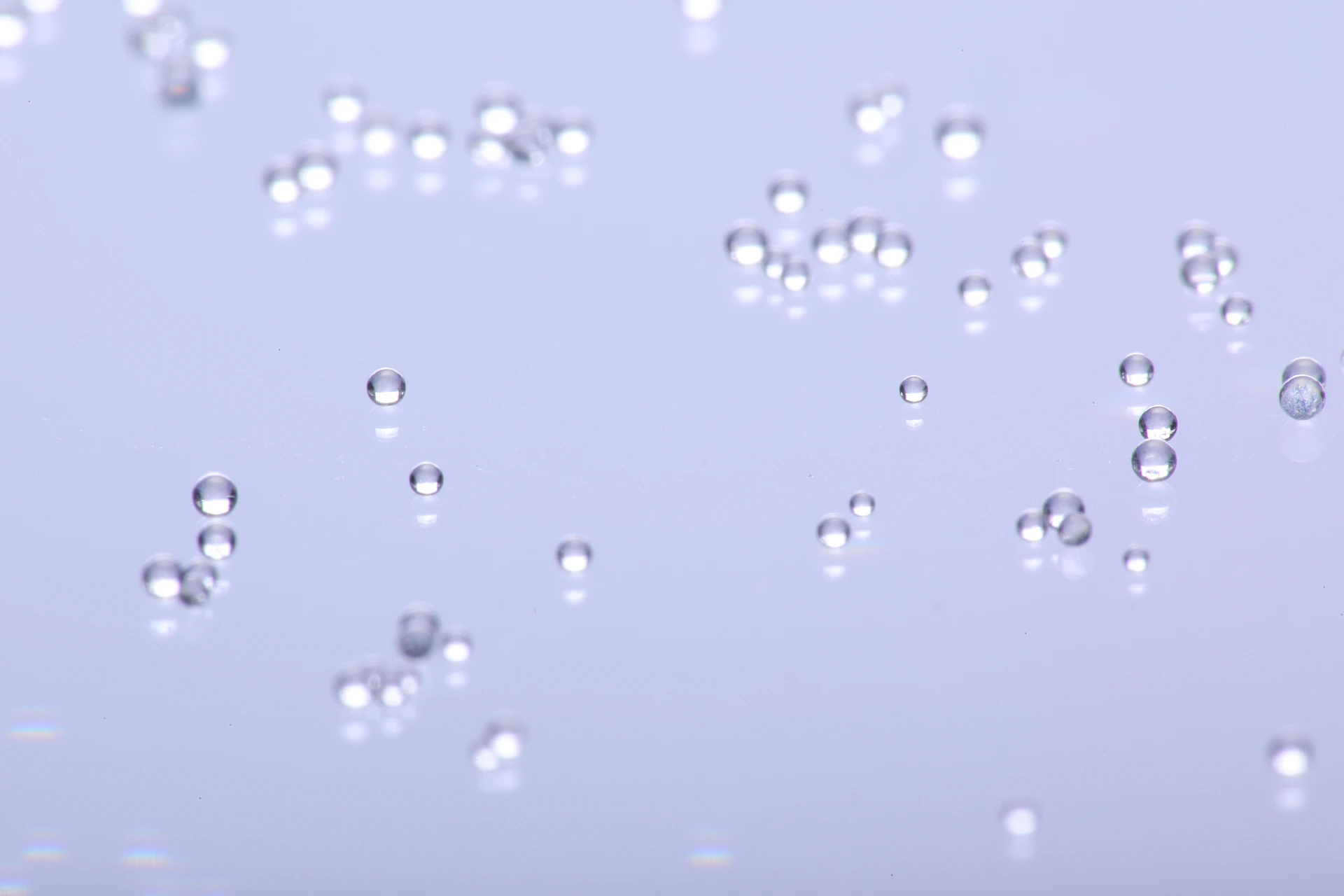
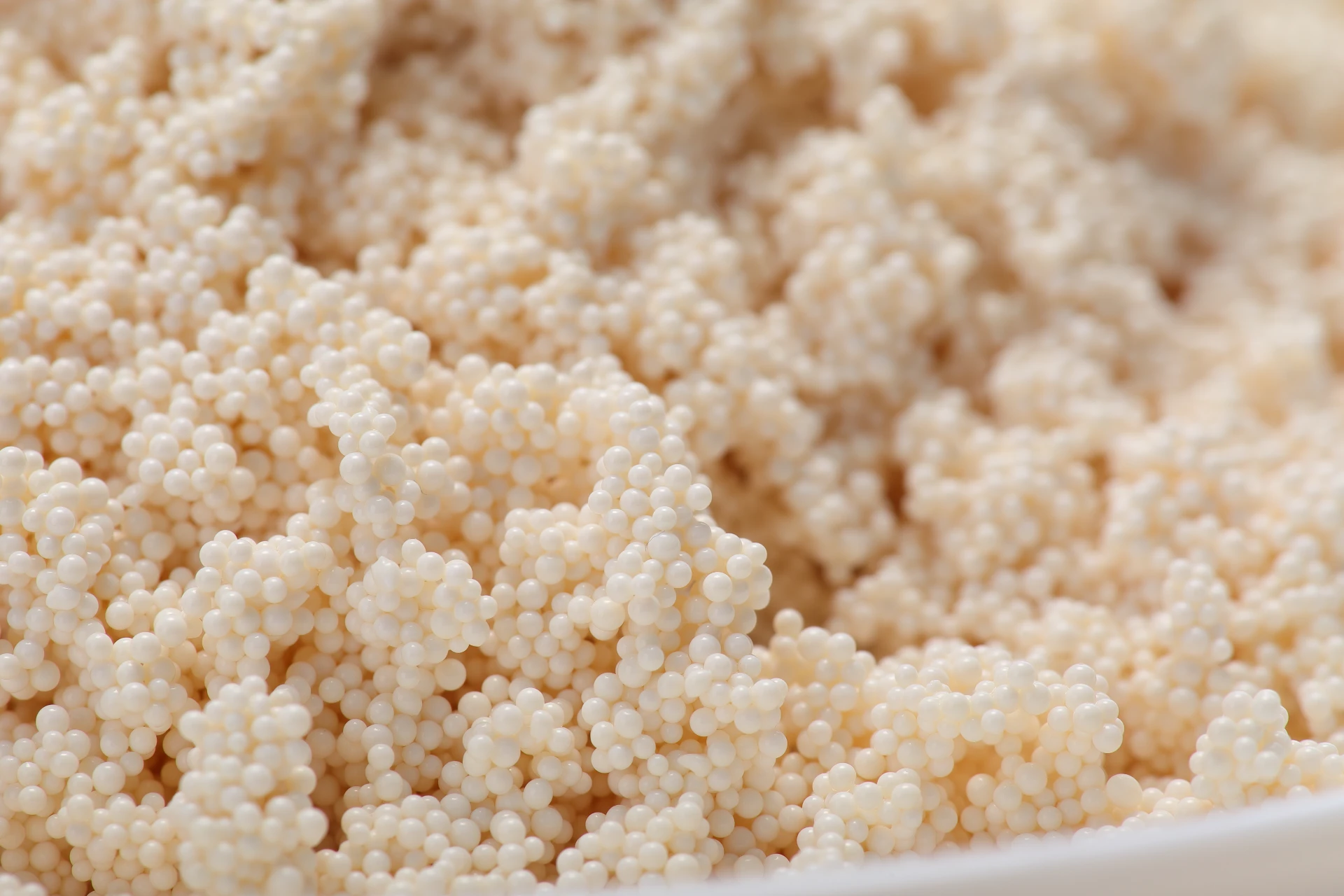
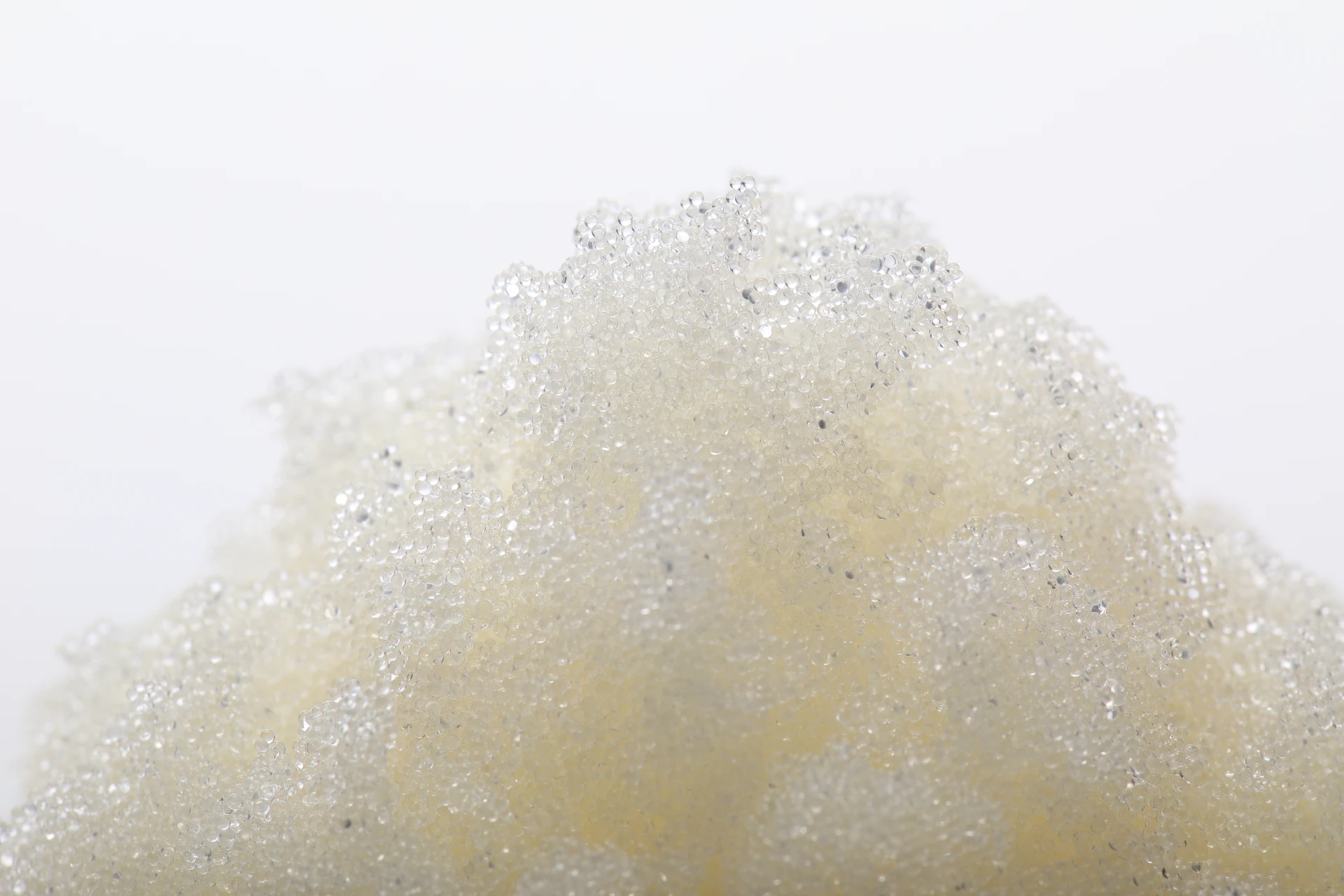
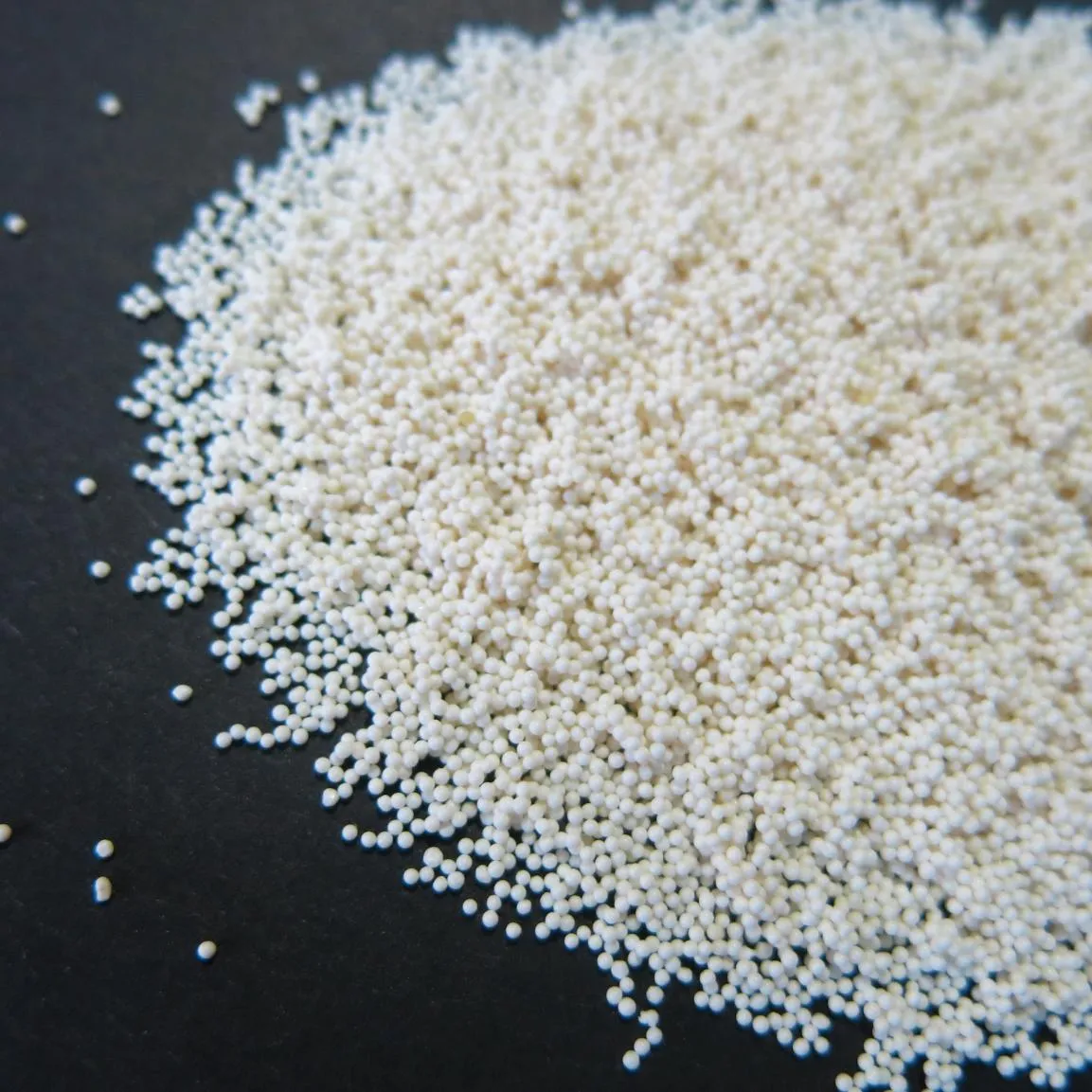
Strong Base Anion Exchange Resin 201x7 is a gel-type strong basic anion exchange resin. It uses a polystyrene matrix crosslinked with divinylbenzene, has the -N(CH3)3 functional group, and is supplied in the Cl- ionic form. The product description also notes high mass exchange capacity and good mechanical strength.
These are the specifications:
These are the values for the 201x7 product.
201x7 is used for pure-water preparation, wastewater treatment, wet metallurgy, and rare-element separation.
The reference operation conditions are:
These are reference conditions from the product material, not a process-specific operating approval. System design and process conditions should be reviewed before use.
Confirm the product identity as Strong Base Anion Exchange Resin 201x7 and review the required Cl- ionic form, exchange capacity, particle-size range, effective grain size, density, water-retention capacity, and uniformity coefficient. The request should also state the intended application and consider the relevant temperature, flow velocity, bed height, backwash, and regeneration conditions. The authorized product material does not specify price, delivery terms, or warranty terms, so those details require separate supplier confirmation.
Keep the resin wet and, preferably, above 0°C. If it will not be used for a long period, the product precautions advise storing it in a closed space or adding salt water at 5% or above. Protect it from freezing during transportation and do not place heavy objects on the resin, as the beads may be crushed.
Before liquid enters the resin column, use upstream steps such as flocculation, filtration, or sand filtration to reduce suspended solids that could block resin pores. The product material also advises allowing for transformation-related expansion, maintaining a reasonable column diameter ratio to avoid biased flow, and using a wet-packed column or back-flushing to remove bubbles from the resin layer. Long-unused resin should be washed before storage outside the column or kept in a salt-resistant medium with the liquid level maintained to prevent dehydration and agglomeration.
THE PEOPLE

About the author
THE COMPANY
Hebei Lijiang Biotechnology Co., Ltd. is a modern high-tech enterprise specializing in the research, development, production, sales, and service of high-performance special ion exchange resins. We are committed to producing high-quality industrial-grade, food-grade, pharmaceutical-grade, and nuclear-grade resins. To provide point-to-point solutions for our global customers, we have developed a comprehensive and specialized product line.…
About Us ↗Visit company website ↗YOUR NEXT STEP
Use case, specification, quantity and delivery window: make the next conversation specific.