Phone:
+86 0319 2296164


Email:
info@lijiresin.cn

Compare Strong Base Anion Exchange Resin 201X8 FG and 201X4 FG by capacity, bead properties, operating range, applications, and handling requirements. Choose 201X8 FG when volume exchange capacity is the main selection factor, or 201X4 FG when its food-grade water treatment and antibiotic extraction profile fits the process.
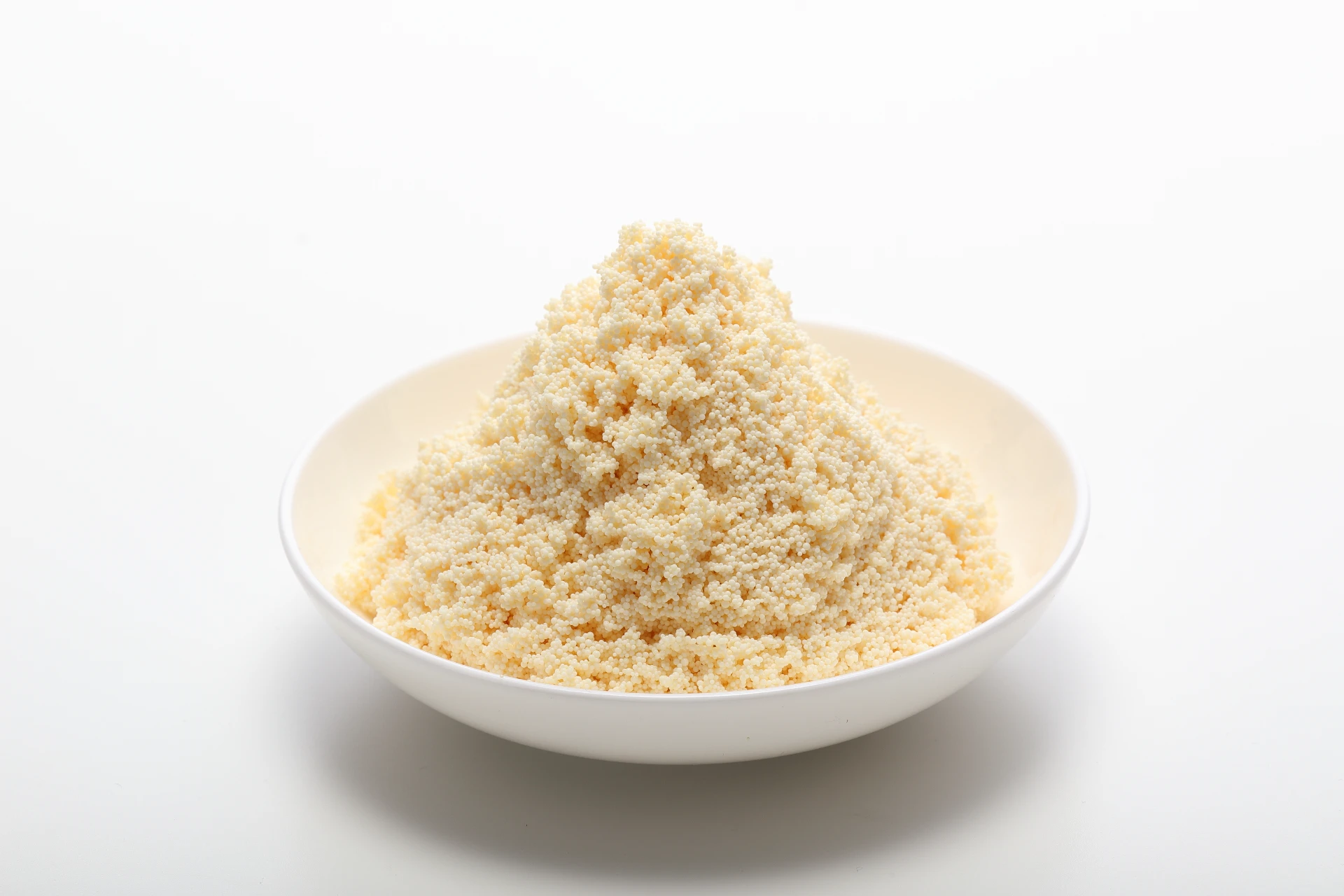
Strong Base Anion Exchange Resin 201X8 FG
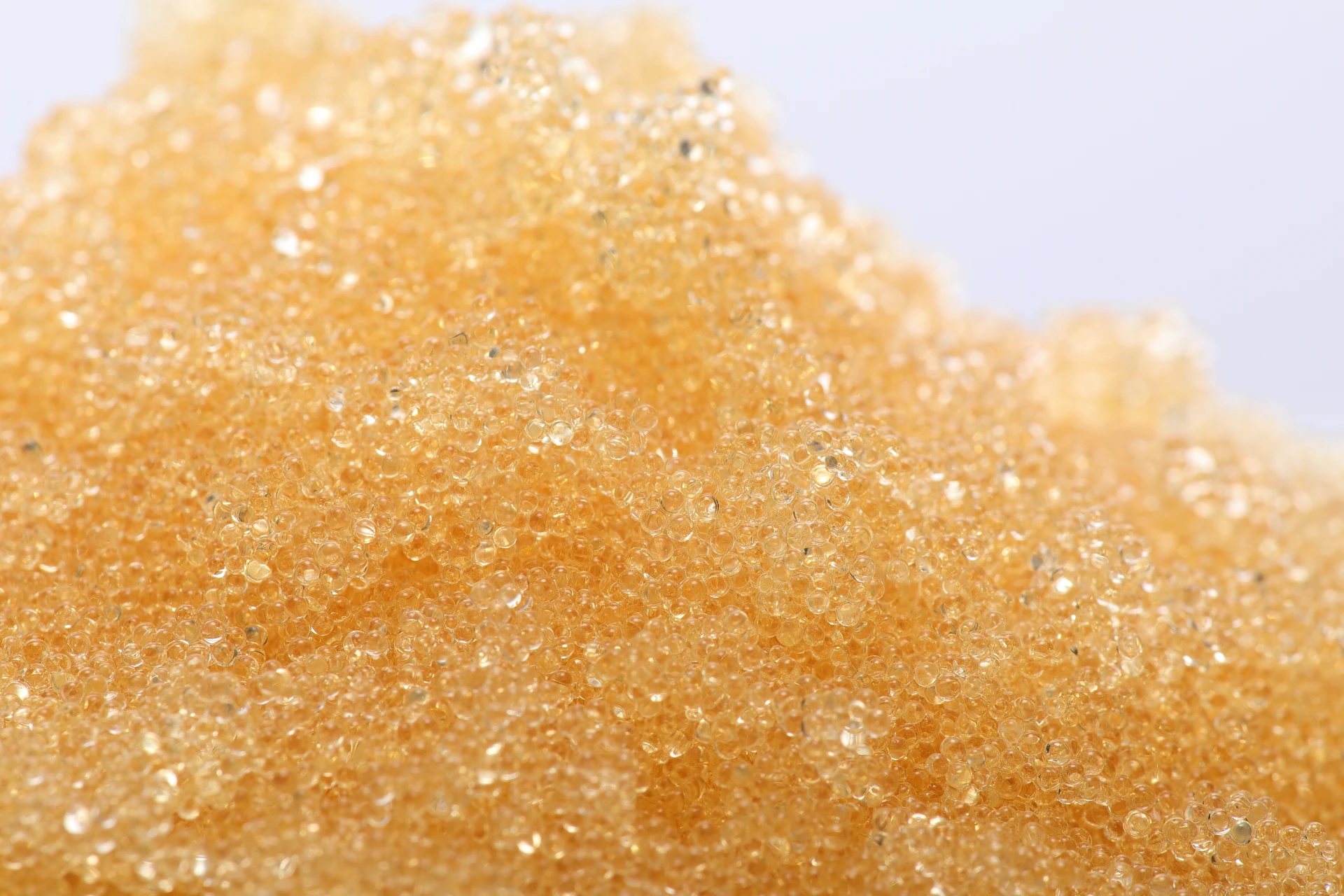
Strong Base Anion Exchange Resin 201X4 FG
Strong Base Anion Exchange Resin 201X8 FG and 201X4 FG use the same basic resin structure: gel polystyrene crosslinked with divinylbenzene, with a -N(CH3)3 functional group and chloride ions as shipped. The practical choice depends on the capacity basis and process use that matter most to your column.
| Criterion | 201X8 FG | 201X4 FG |
|---|---|---|
| Weight exchange capacity | ≥3.8 mmol/g | ≥3.7 mmol/g |
| Volume exchange capacity | ≥1.5 mmol/ml | ≥1.10 mmol/ml |
| Bulk density | 0.66 to 0.71 g/ml | 0.66 to 0.71 g/ml |
| Water retention capacity | 43% to 47% | 50% to 60% |
| Particle size range | 0.315 to 1.25 mm, ≥95% | 0.315 to 1.25 mm, ≥95% |
| Uniformity coefficient | ≤1.6 | ≤1.6 |
| Whole bead count | ≥95% | ≥95% |
| Color throw | ≤25 APHA | ≤25 APHA |
| Maximum operating temperature | 100°C | 100°C |
| Resin filling height | 1 to 3 m | 1 to 3 m |
| Operating velocity | 2 to 10 BV/h | 2 to 10 BV/h |
| Backwash velocity | 4 to 10 BV/h | 4 to 10 BV/h |
| Regeneration velocity | 1 to 2 BV/h | 1 to 2 BV/h |
| Regeneration agents | 3% to 5% HCl and 2% to 4% NaOH | 3% to 5% HCl and 2% to 4% NaOH |
The table keeps the comparison to specifications shared by both products.
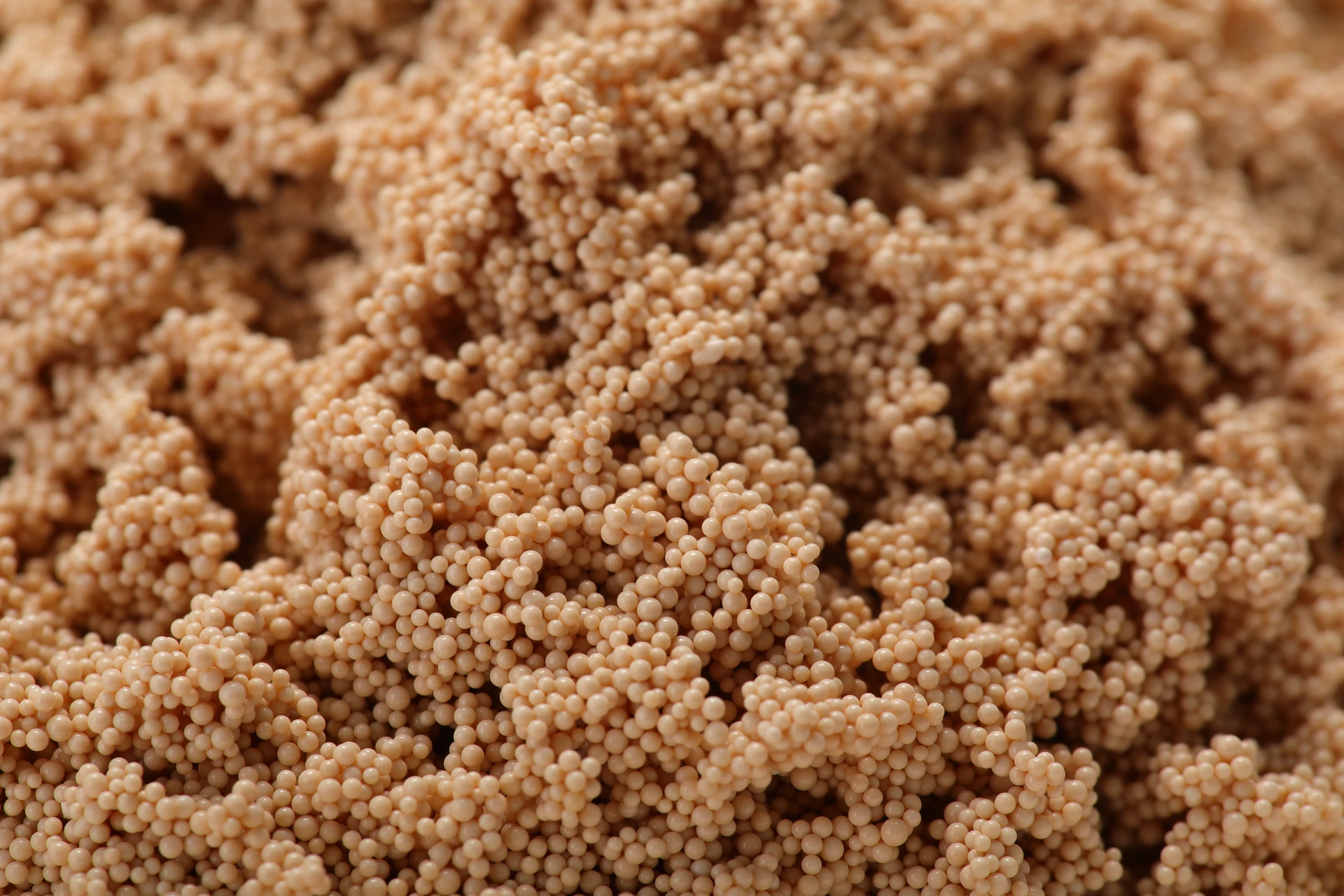
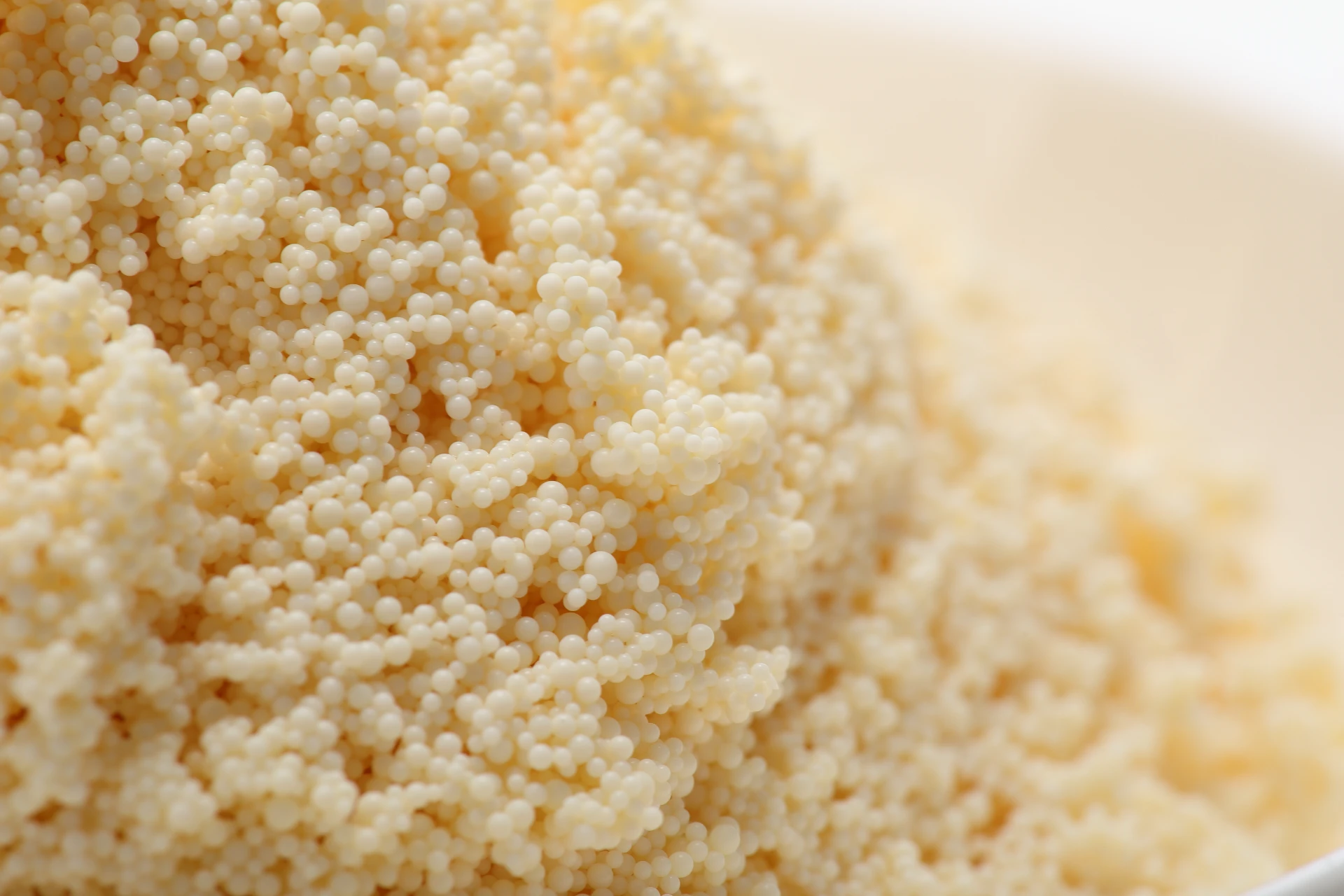
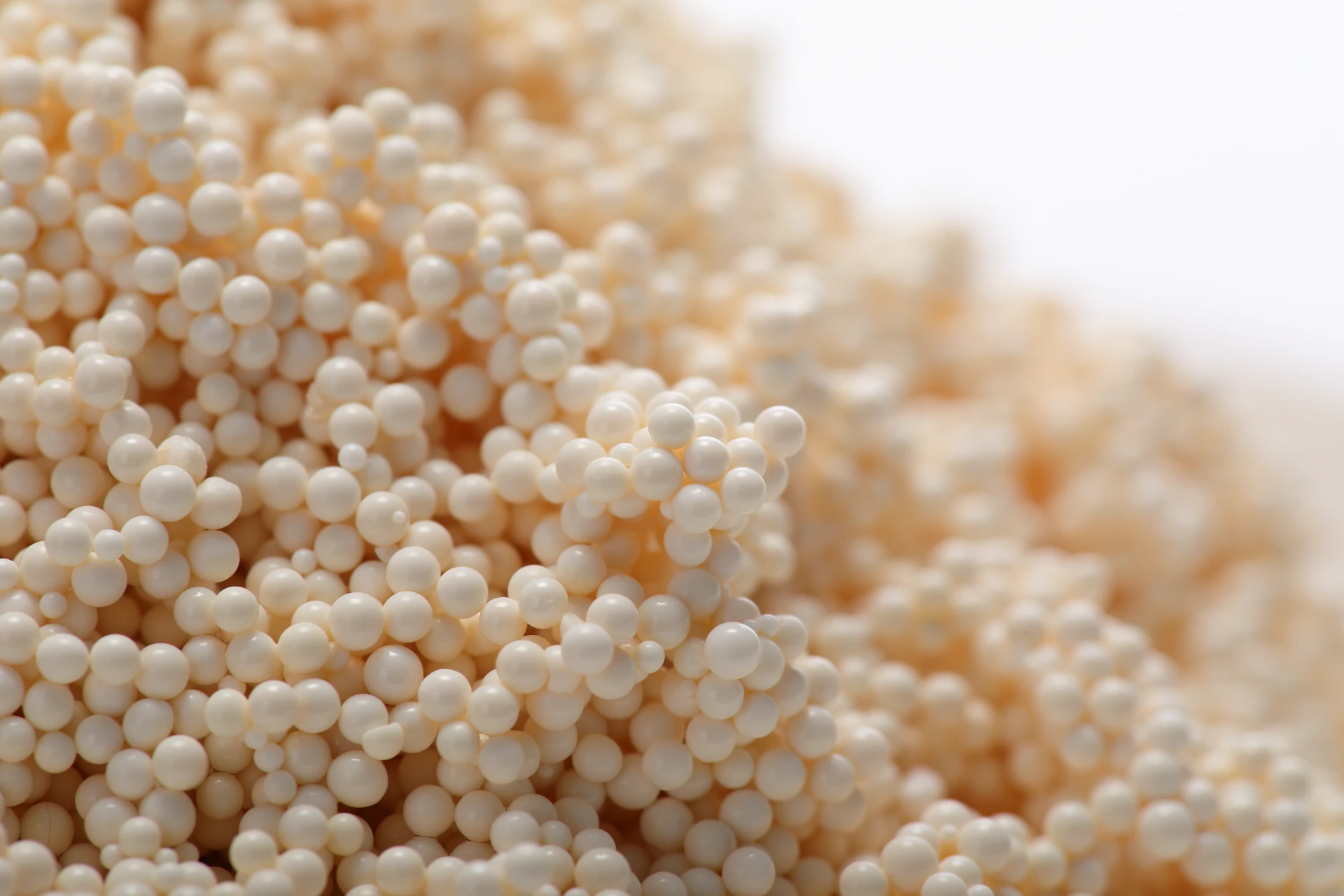
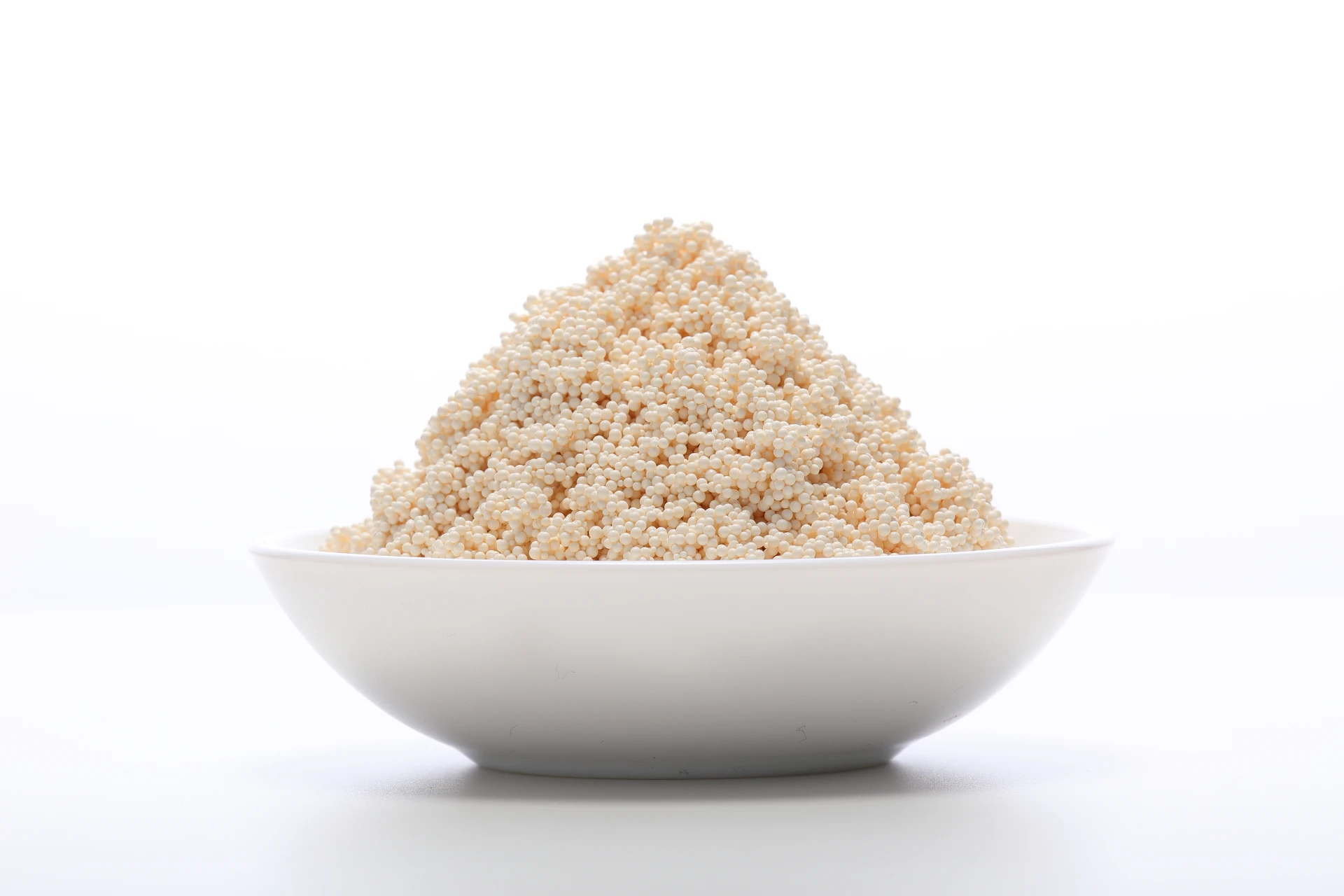
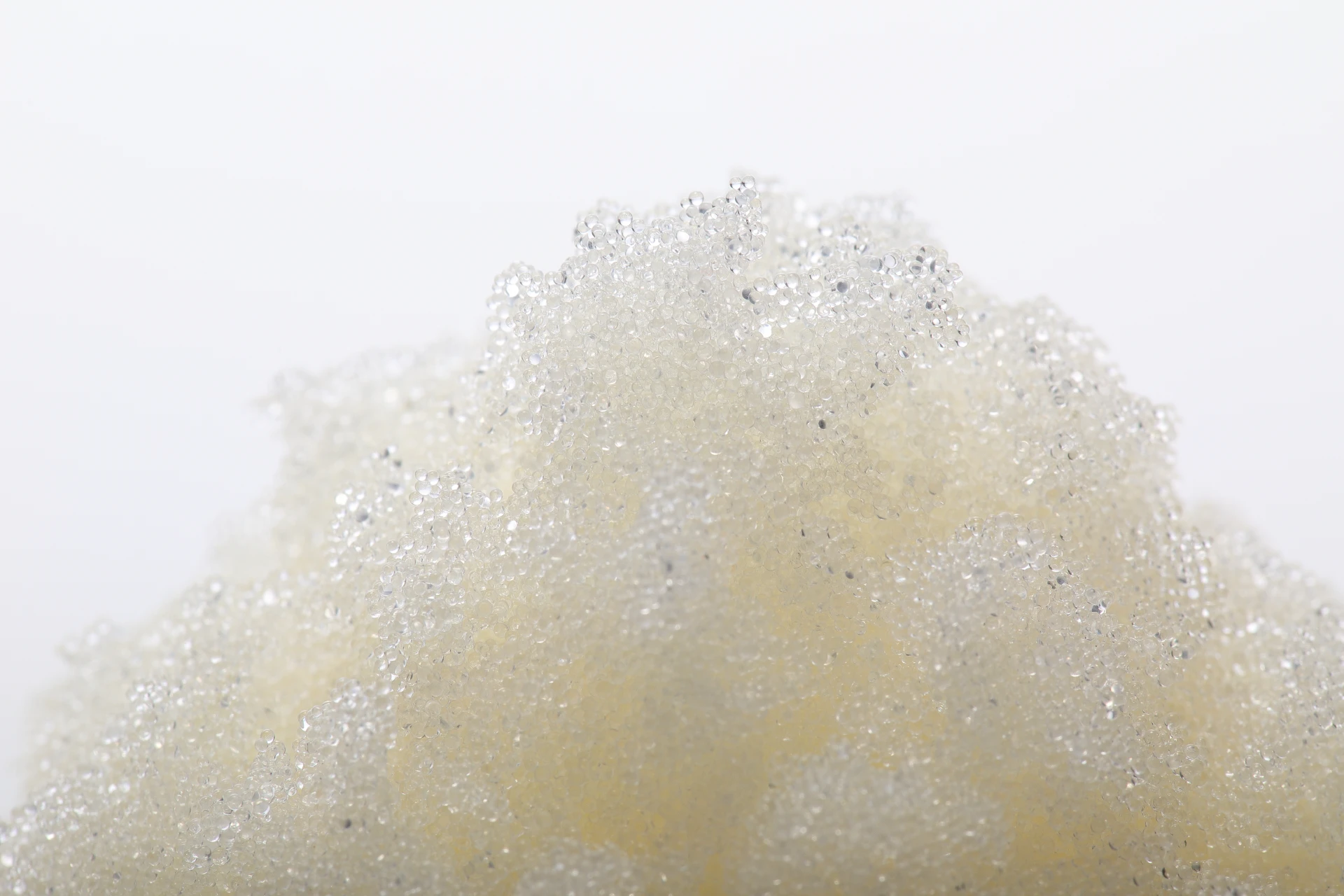
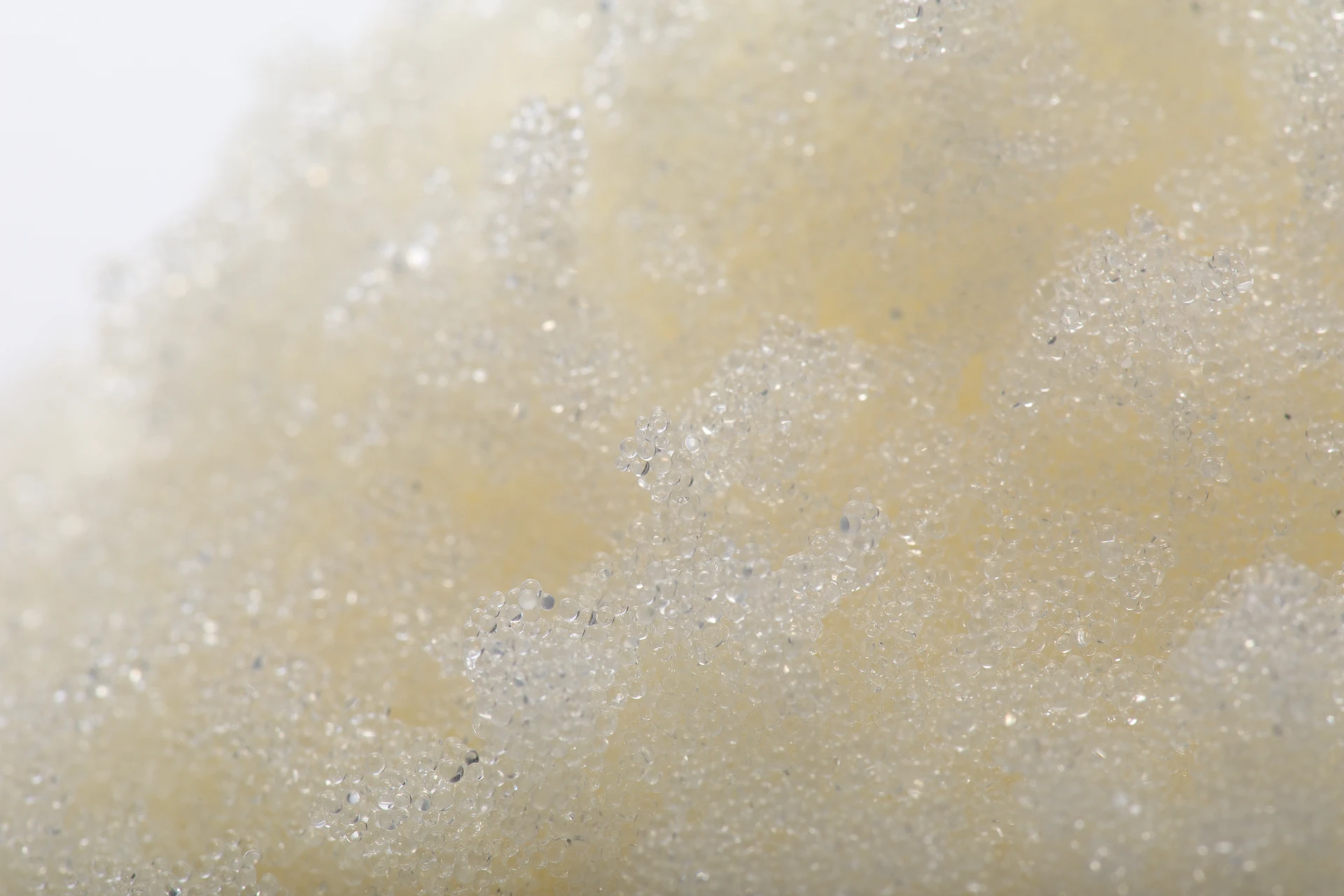
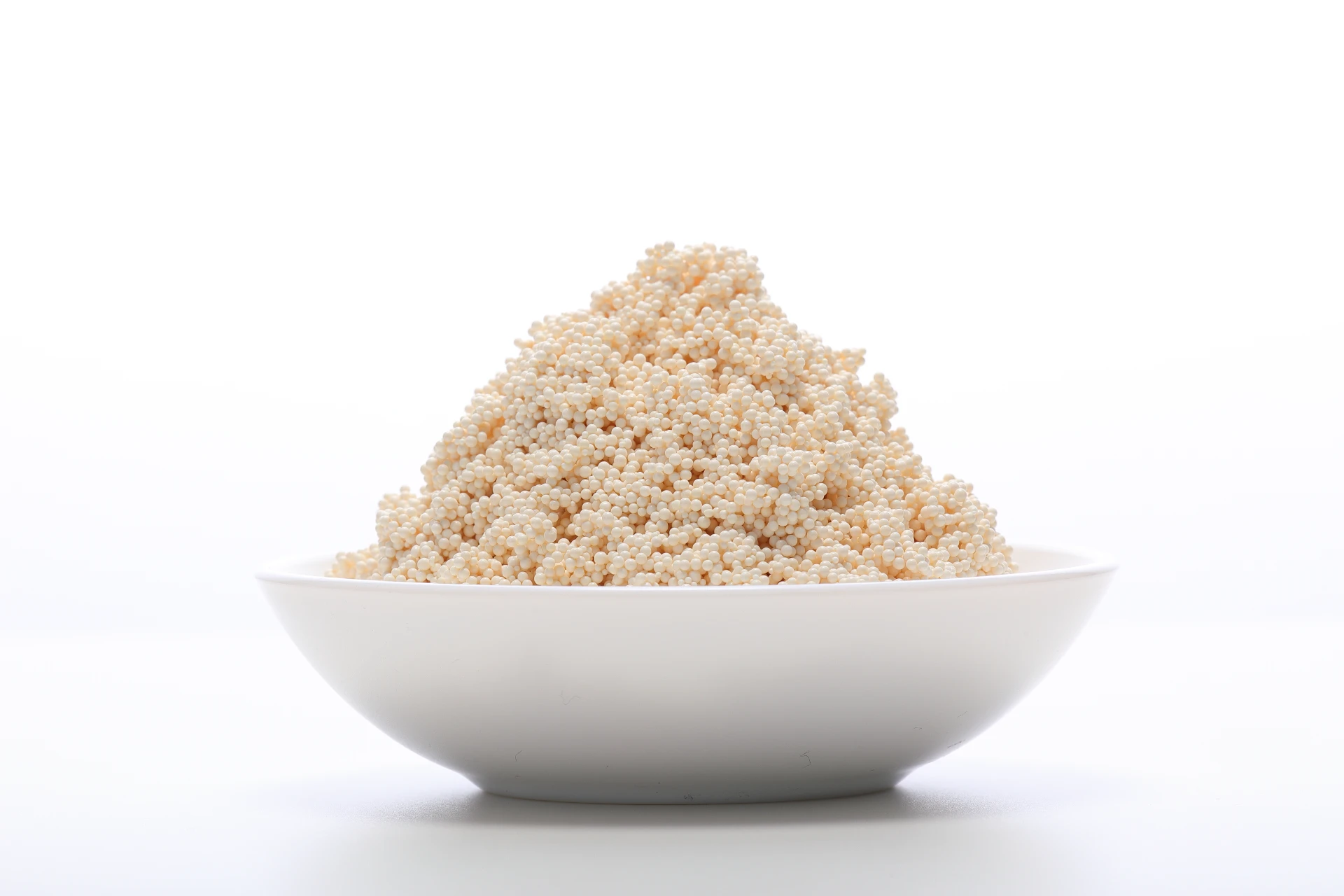
Both resins are white to pale yellow clear spherical beads. Each uses a gel polystyrene matrix crosslinked with divinylbenzene, the -N(CH3)3 functional group, and the chloride form as shipped. Their particle size range, uniformity coefficient, whole bead count, color throw, and operating ranges are also the same in the listed specifications.
For a column designer, this means the same basic hydraulic checks apply to either option. A resin bed can be planned within a 1 to 3 m filling height, with operating velocity of 2 to 10 BV/h and backwash velocity of 4 to 10 BV/h. Keep freeboard for transformation expansion, maintain a reasonable column diameter ratio, and use wet packing or back-flushing to remove bubbles from the resin layer.
The clearest difference is capacity. 201X8 FG has a weight exchange capacity of at least 3.8 mmol/g and a volume exchange capacity of at least 1.5 mmol/ml. 201X4 FG is specified at at least 3.7 mmol/g and at least 1.10 mmol/ml. Buyers sizing around resin volume should give particular attention to the volume exchange capacity values.
The water retention ranges also differ. 201X8 FG is specified at 43% to 47%, while 201X4 FG is specified at 50% to 60%. This matters when handling and preserving wet resin, so the purchasing and storage procedure should use the selected grade's range.
Both products are specified for water treatment, but their listed application emphasis is different. 201X8 FG is used for pure water preparation and wastewater treatment. 201X4 FG is mainly used for food-grade water treatment and is also listed for antibiotic extraction and preparation of pure water.
Choose 201X8 FG when the column design centers on the higher stated volume exchange capacity, or when the process is pure water preparation or wastewater treatment. Its listed operating range matches 201X4 FG, so the selection rests mainly on the capacity and application fit.
Choose 201X4 FG when food-grade water treatment or antibiotic extraction is central to the purchase, and when the 1.10 mmol/ml volume exchange capacity matches the column calculation. Its listed bulk density of 0.66 to 0.71 g/ml can also be used in material and bed calculations.
A practical example is a pure-water or wastewater column. Compare the planned resin volume with the 1.5 mmol/ml value for 201X8 FG and the 1.10 mmol/ml value for 201X4 FG, then check the required operating velocity against the shared 2 to 10 BV/h range. For a food-grade water treatment or antibiotic extraction line, start with 201X4 FG and review the same bed height, flow, and regeneration limits.
Both resins are kept wet and should be protected from freezing during transportation. For long storage, place the resin in a closed space or use salt water at 5% or higher while keeping the resin from drying out. Do not place heavy objects on the resin.
The listed regeneration agents are 3% to 5% HCl and 2% to 4% NaOH, with a regeneration velocity of 1 to 2 BV/h. The processing sequence generally uses alkali, water, acid, and water. Pretreat incoming liquid with flocculation, filtration, or sand filtration to reduce suspended solids entering the resin pores.
For Strong Base Anion Exchange Resin 201X8 FG, send the supplier your column diameter, resin bed height, flow rate, feed-water description, regeneration sequence, and required quantity. Include the same information when requesting 201X4 FG so the capacity basis and operating conditions can be checked on equal terms.
The people

About the author
The company
Hebei Lijiang Biotechnology Co., Ltd. is a modern high-tech enterprise specializing in the research, development, production, sales, and service of high-performance special ion exchange resins. We are committed to producing high-quality industrial-grade, food-grade, pharmaceutical-grade, and nuclear-grade resins. To provide point-to-point solutions for our global customers, we have developed a comprehensive and specialized product line.…
About Us ↗Visit company website ↗Your next step
Use case, specification, quantity and delivery window: make the next conversation specific.